
By Caylah Coffeen
What are the most influential fantasy books of all time? How has the fantasy genre changed over the years?
The fantastical has captured the imagination of humanity since the beginning of time, from the epic myths of Homer and Ovid and the knightly adventures in the Arthuriana, to Shakespeare’s enduring plays and numerous folk and fairy tale traditions!
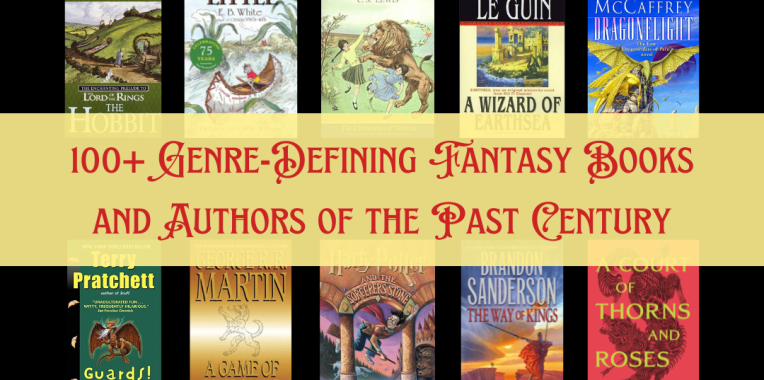
Here, I’ll break down (part of) the history of fantasy by looking at the best fantasy books and authors of the past century! I included books based on how large of an impact they’ve made on our culture, the genre itself, or how prolifically the author wrote. Ratings and reviews, lists on Goodreads, book blogs, and Wikipedia, and feedback from readers in FB groups, on r/fantasy, and at conventions helped me curate this list.
- Mid-Late 19th and Early 20th Centuries: Brothers Grimm, Lewis Carroll, George McDonald, Edgar Rice Burroughs, and more
- 1920’s: Lord Dunsany, H.P. Lovecraft, and more
- 1930’s: The Hobbit, The Sword in the Stone, and more
- 1940’s: Titus Groan, The Little Prince, and more
- 1950’s: The Lord of the Rings and The Chronicles of Narnia
- 1960’s: Roald Dahl and Ursula LeGuin
- 1970’s: Dragonriders of Pern, The Princess Bride, and more
- 1980’s: Raymond E. Feist, Robin McKinley, and Terry Pratchett
- 1990’s: A Game of Thrones, Robin Hobb, and the first Harry Potter!
- 2000’s: Jim Butcher, Brandon Sanderson, Patrick Rothfuss, and more
- 2010’s: Riyria, Sarah J. Mass, N.K. Jemison, and more
- 2020’s: The House in the Cerulean Sea, Fourth Wing, and Piranesi
This compilation includes 108 books (counting only the 1st in each series), 48 of which I’ve read or tried, but I couldn’t note everything! Let me know if I missed any major works, especially from earlier decades.
Disclaimer: Please note that some of the books on this list were written by authors who have engaged in controversial or (alleged) criminal behavior. This list would be incomplete without their works, but it’s up to your discretion whether or not you choose to purchase them.
I’ve attached book links to each cover image, including public domain options where possible. Some are affiliate links – I may earn from qualifying purchases at no extra cost to you.
Fantasy of the Mid-Late 19th and Early 20th Centuries
I promised you a century of fantasy, but I had to go back a bit, because I forgot how early some classics like Alice in Wonderland and Edgar Rice Burroughs’ pulp fiction were published! So I also snuck in some of the most famous fantasy works of the 19th and early 20th centuries to help us all keep things straight!
This period of fantasy drew influence from Arthurian knights, fairy tales, romanticism, and gothic literature. It saw the first written compilations of fairy tales and some of the most iconic portal fantasy stories.
19th Century
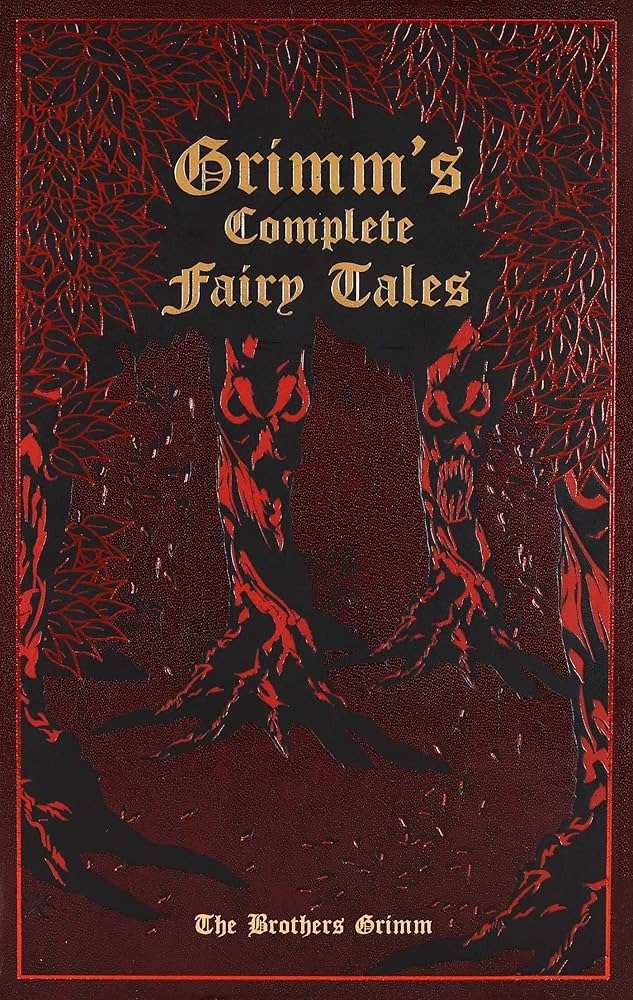
The Complete Brothers Grimm Fairy Tales by Jacob Grimm
The Complete Fairy Tales by Hans Christian Anderson
A Christmas Carol by Charles Dickens
The Nutcracker by Alexandre Dumas
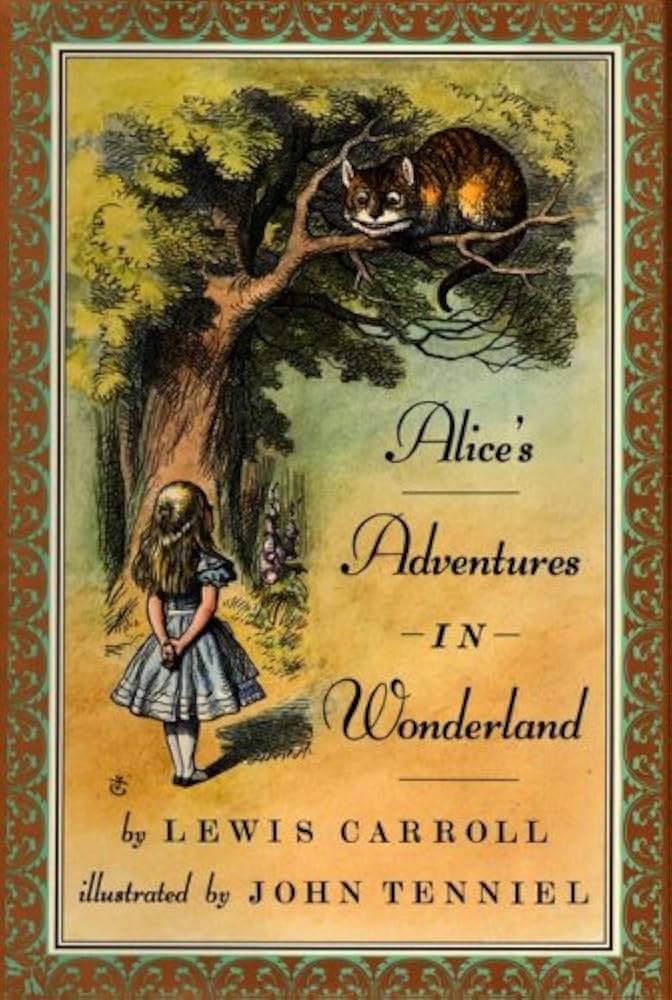
Alice’s Adventures in Wonderland by Lewis Carroll
The Princess and the Goblin by George McDonald
The Well at the World’s End by William Morris (strong Tolkien influence)
Dracula by Bram Stoker
Gothic writers like Edgar Allan Poe and Oscar Wilde (A Picture of Dorian Gray)
1900’s-1910’s
The Wizard of Oz by L. Frank Baum
A Princess of Mars and Tarzan of the Apes by Edgar Rice Burroughs
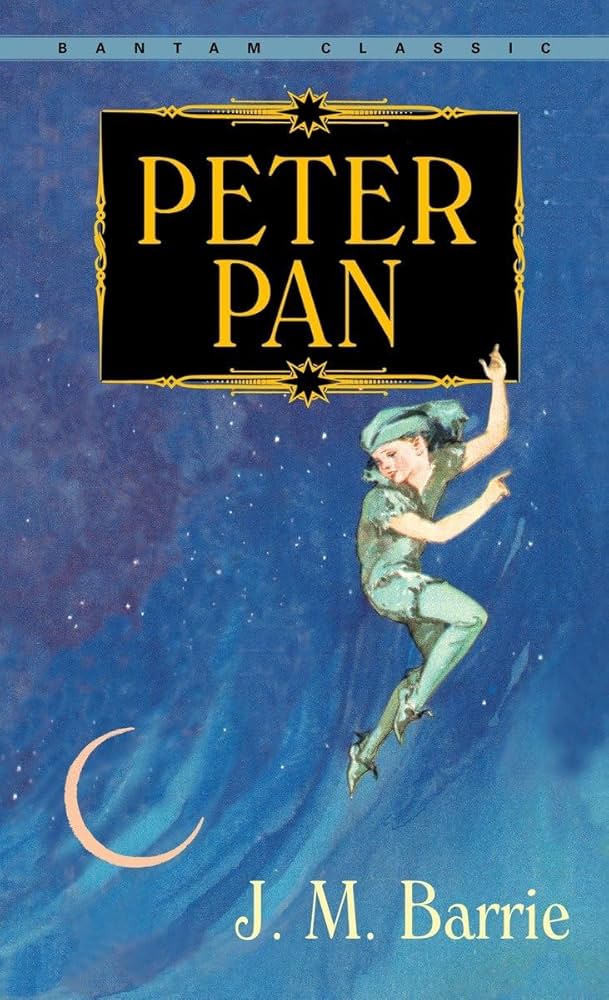
Peter Pan by J.M. Barrie
Five Children and It by Edith Nesbit (the first female author on this list, she wrote prolifically!)

Fantasy of the 1920’s
The 1920’s gave rise to a handful of fantasy works which are mostly remembered for inspiring future writers and genres. Lovecraft sparked his own genre of cosmic horror, and Tolkien cited both Lord Dunsany and Eddison as influences.
The King of Elfland’s Daughter by Lord Dunsany (strong Tolkien influence)
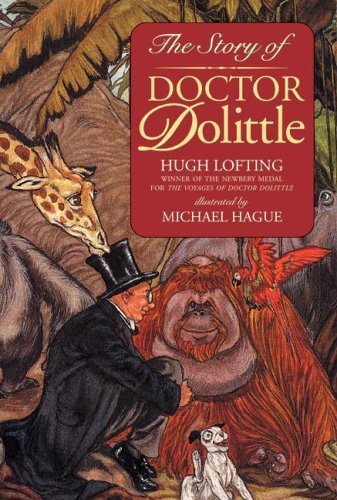
The Story of Dr. Doolittle by Hugh Lofting
The Call of Cthulhu by H.P. Lovecraft
The Worm Ouroboros (The Zimiamvian Trilogy) by E.R. Eddison (strong Tolkien influence)



Fantasy of the 1930’s
Tolkien released The Hobbit! Additionally, The Sword in the Stone became a modern Arthurian classic, and Conan made his mark!
Mary Poppins by P.L. Travers
The Hobbit by J.R.R. Tolkien
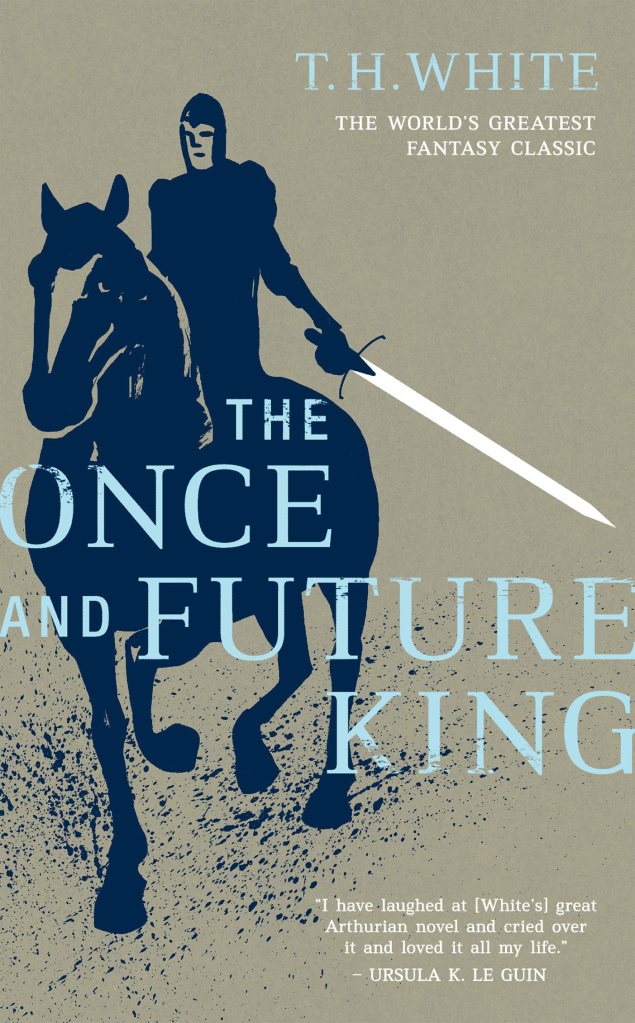
The Sword in the Stone (The Once and Future King) by T.H. White
Conan the Barbarian by Robert E. Howard



Fantasy of the 1940’s
Edgar Rice Burroughs’ work continued in popularity, C.S. Lewis began publishing, and E.B. White wrote some beloved children’s classics. But otherwise, few fantasy works from the 40’s remain well known today.
The Screwtape Letters by C.S. Lewis
Titus Groan (Gormenghast) by Mervyn Peake
The Little Prince by Antoine de Saint-Exupéry
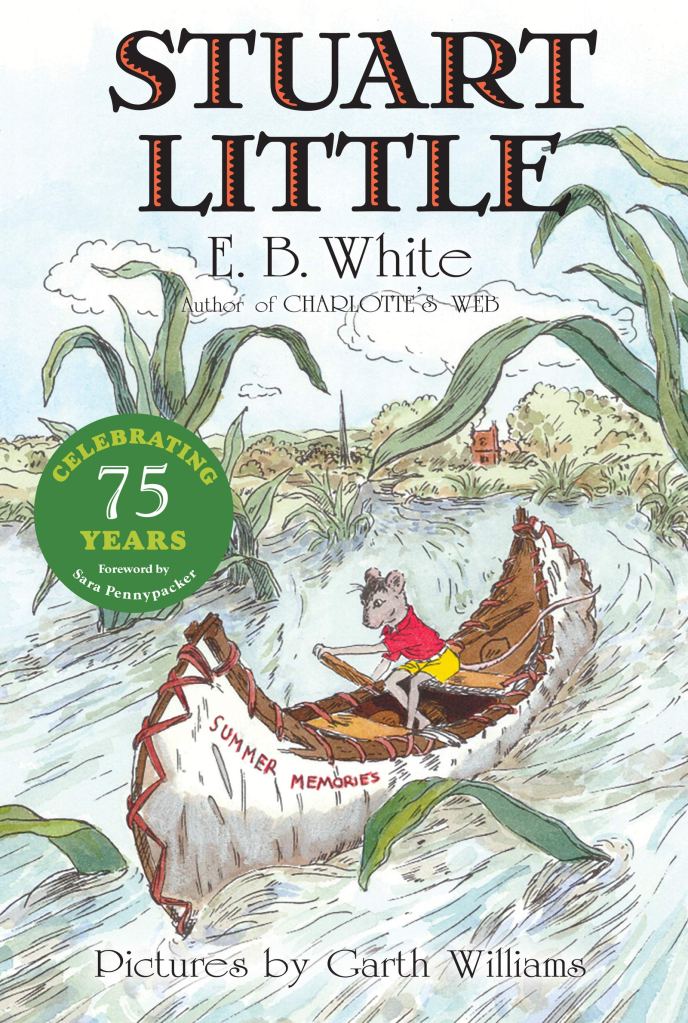
Stuart Little by E.B. White


Fantasy of the 1950’s
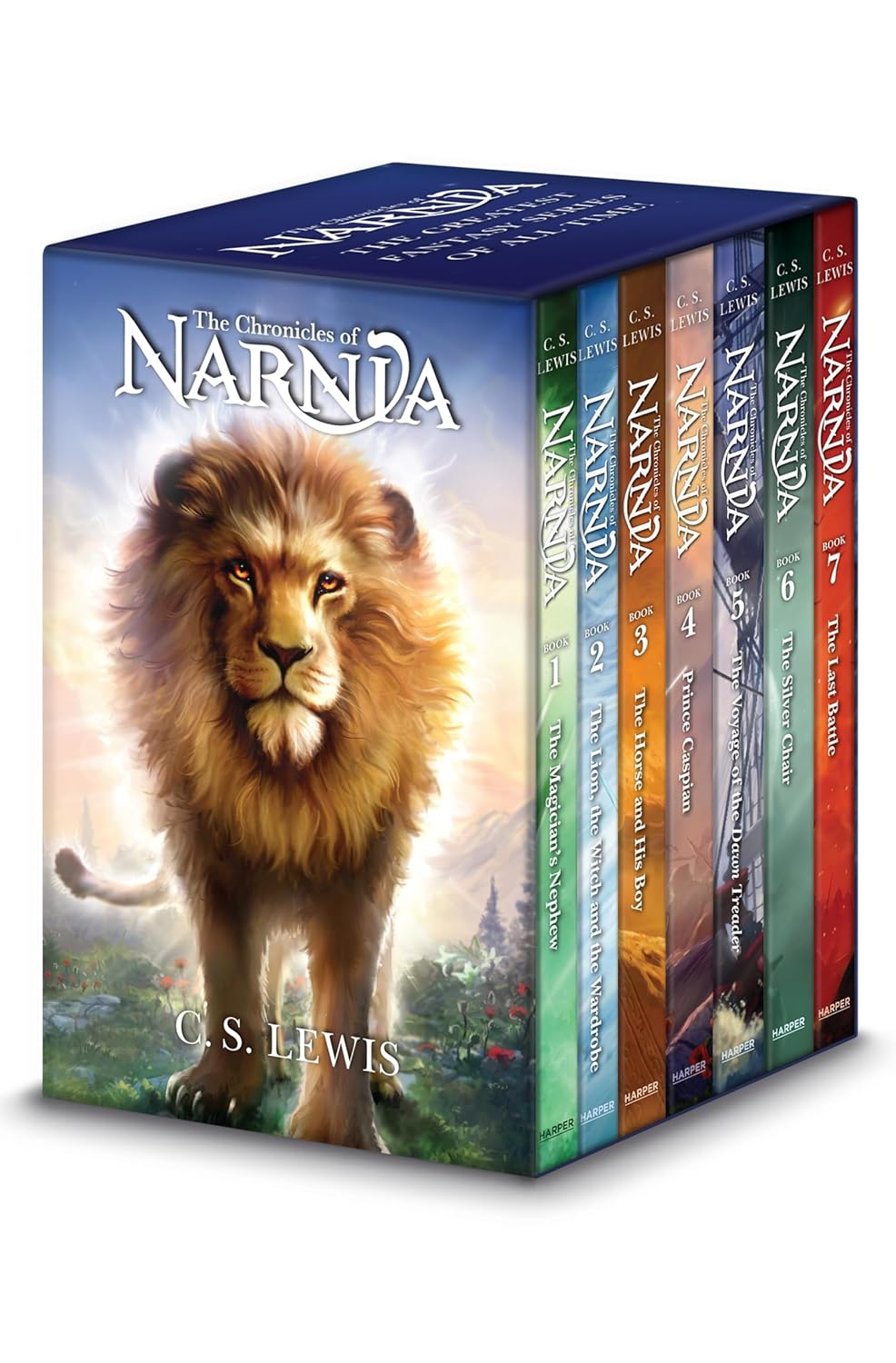
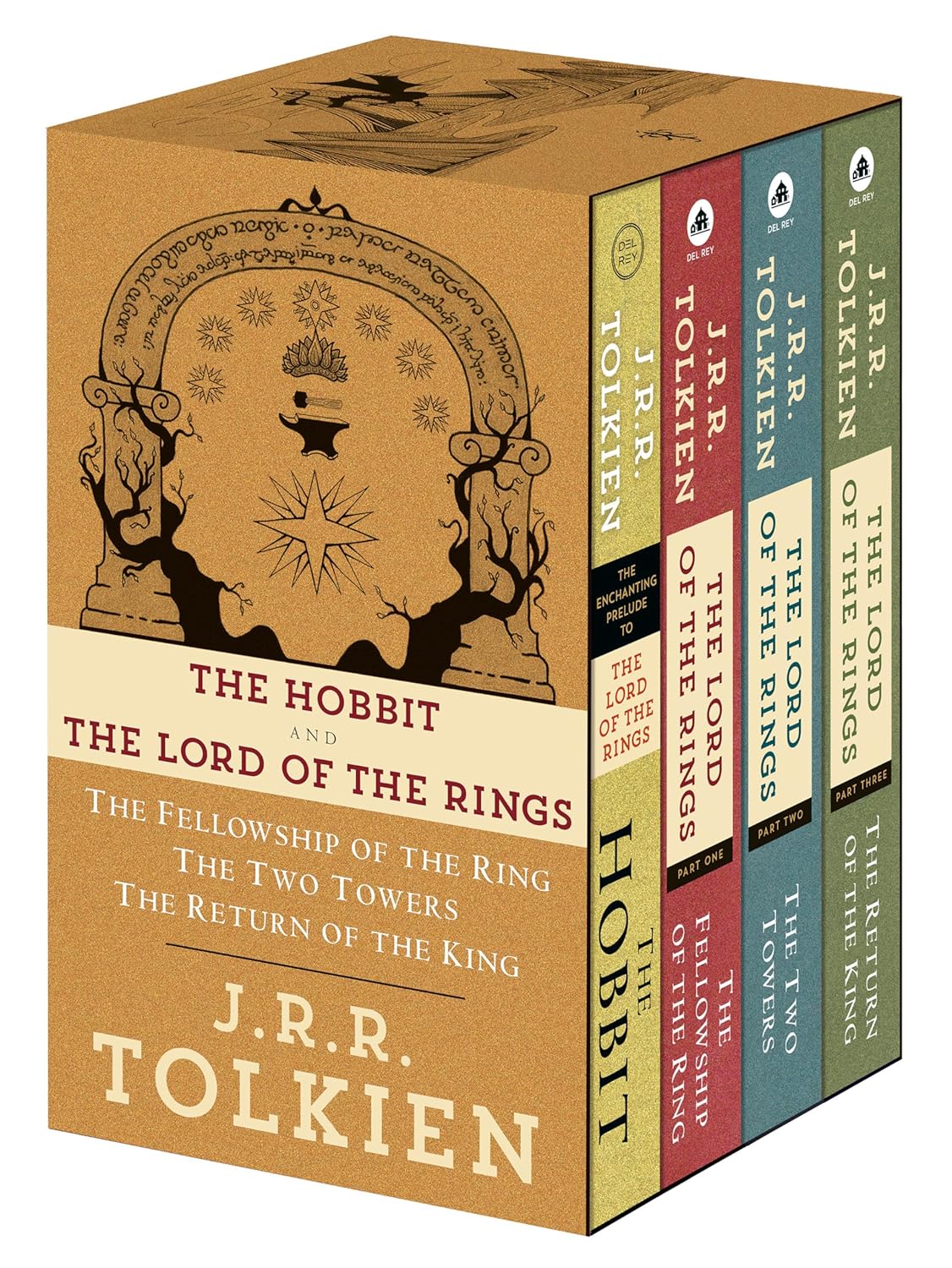
And everything changes! With the release of The Lord of the Rings and The Chronicles of Narnia, a whole new phase of fantasy was born. You may recognize the names Poul Anderson and Jack Vance, who also created epics, though they’re less widely remembered than Tolkien’s and Lewis’ works.
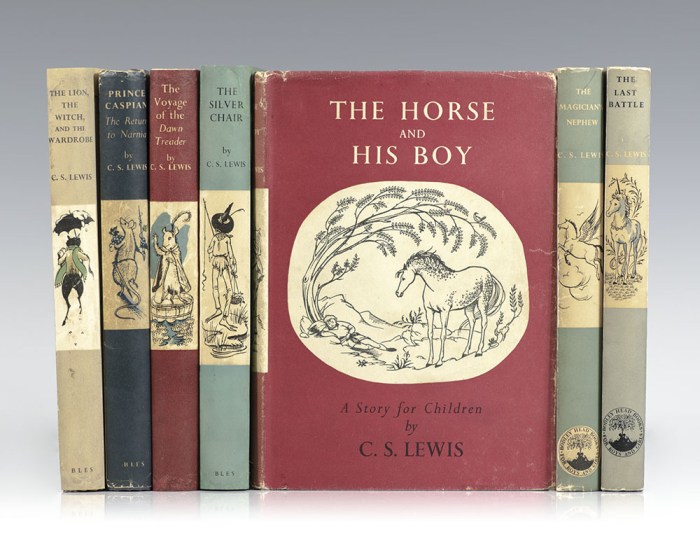
The Lion the Witch and the Wardrobe (The Chronicles of Narnia) by C.S. Lewis – 1950
The Fellowship of the Ring (The Lord of the Rings) by J.R.R. Tolkien – 1954

More
The Broken Sword by Poul Anderson (Norse mythology)
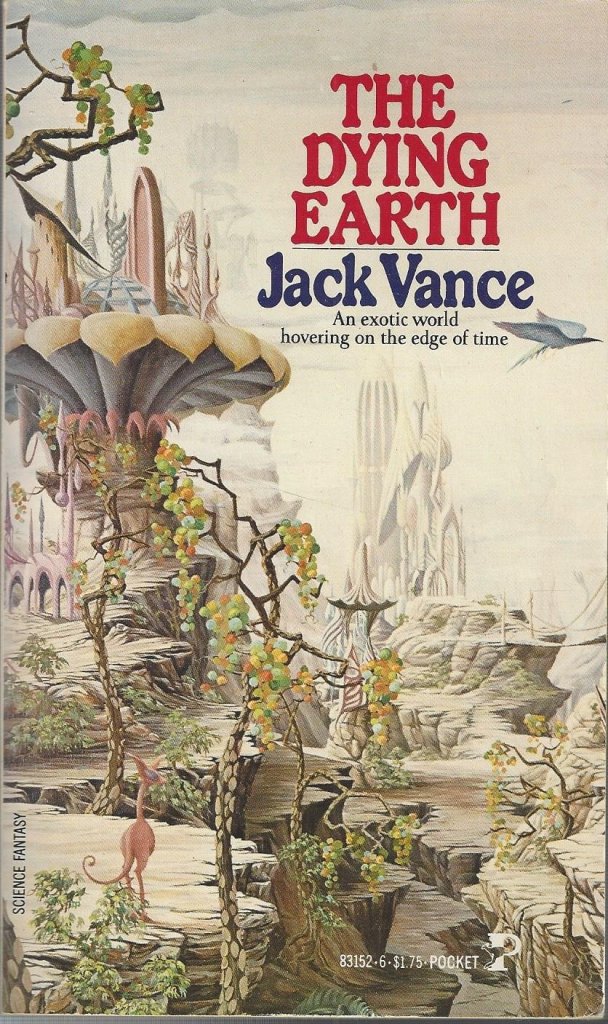
The Dying Earth by Jack Vance
The Borrowers by Mary Norton (kid’s series)


Fantasy of the 1960’s
Interestingly, most of the best known fantasy works of the 60s are children’s books! Granted, fantasy in general used to be considered children’s reading, but unlike earlier works such as Titus Groan, The Lord of the Rings, and The Dying Earth, which would be categorized as adult fantasy today, all of the following books would still be considered middle grade or YA.
Science Fantasy
The Phantom Tollbooth by Norton Juster
A Wrinkle in Time by Madeleine L’Engle
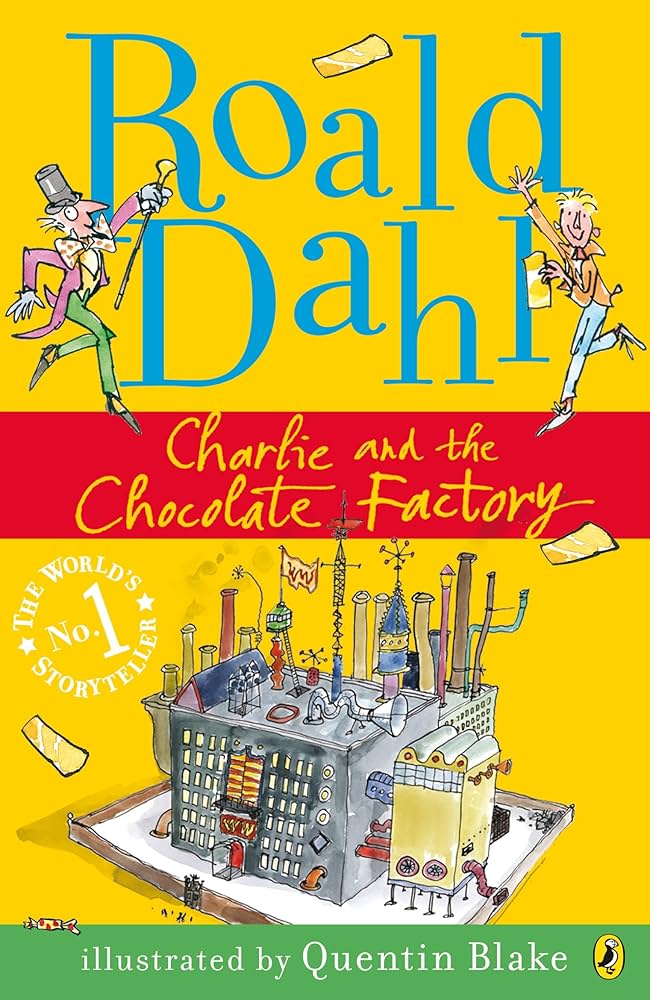
Charlie and the Chocolate Factory by Roald Dahl


Epic
The Book of Three (The Chronicles of Pyrdain) by Lloyd Alexander
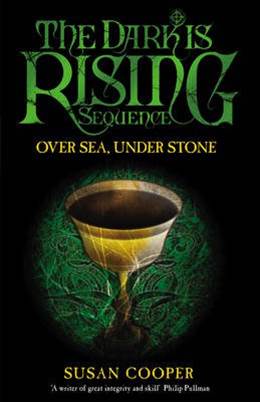
Over Sea, Under Stone (The Dark is Rising) by Susan Cooper
The Last Unicorn by Peter S. Beagle
A Wizard of Earthsea by Ursula LeGuin



Fantasy of the 1970’s
Organizing this category was illuminating to me, because it includes 3 of my top 10 favorite books, dear to me for their lyrical beauty and wit. The rest were already on my TBR list. I’m inclined to increase them in priority, knowing they may be of a similar style! I hope this compilation helps you draw some conclusions about your own favorite periods of fantasy!
Epic and Science Fantasy
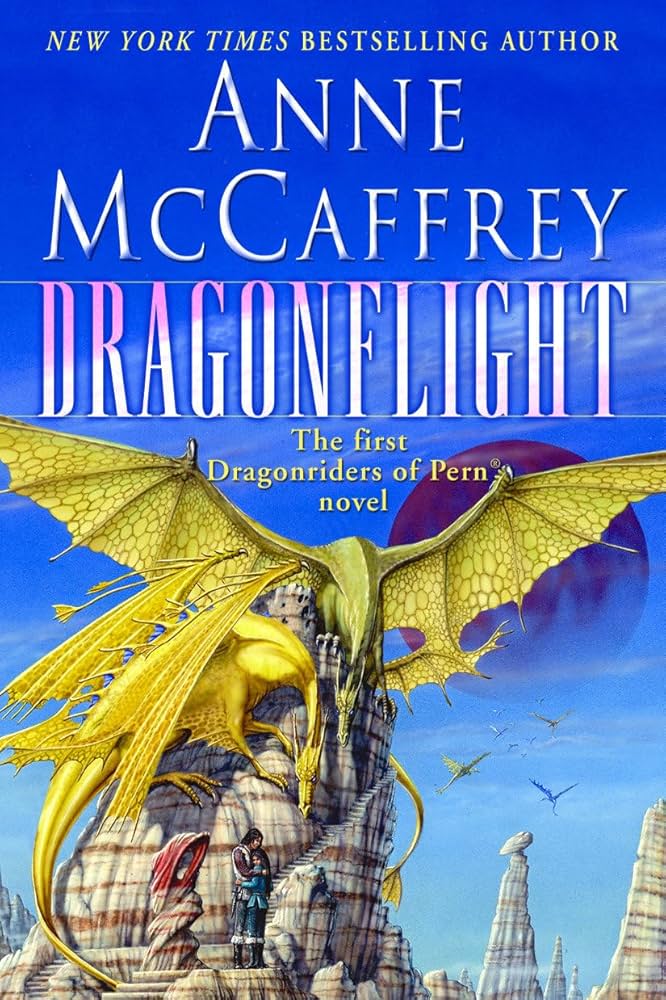
Dragonflight (Dragonriders of Pern) by Anne McCaffrey
Nine Princes in Amber (The Chronicles of Amber) by Roger Zelazny
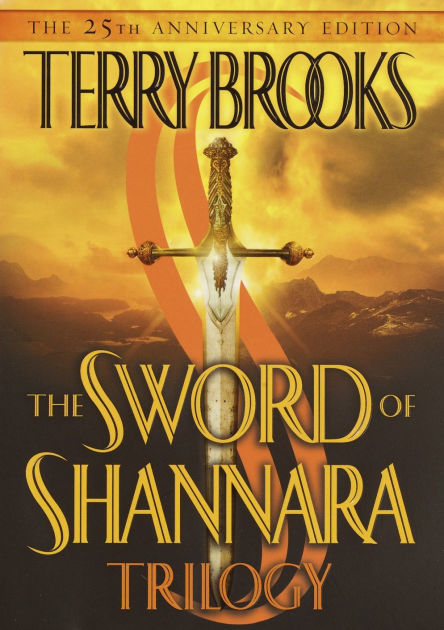
The Sword of Shannara (Shannara Chronicles) by Terry Brooks
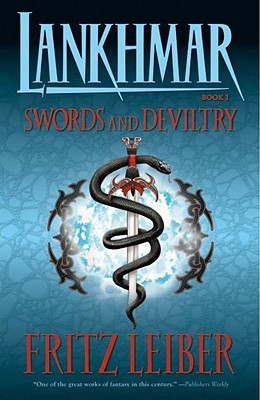
Swords and Deviltry (Fafhrd and the Gray Mouser) by Fritz Leiber
Elric of Melnibone (The Elric Saga) by Michael Moorcock


Kids
Watership Down by Richard Adams
The Neverending Story by Michael Ende
The Princess Bride by William Goldman
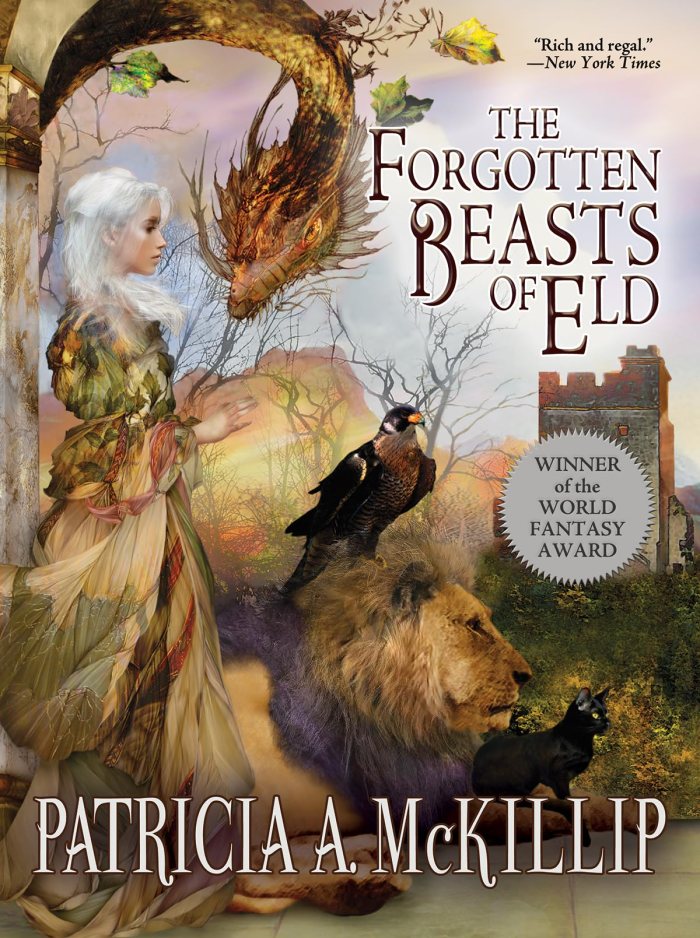
The Forgotten Beasts of Eld by Patricia A. McKillip


Fantasy of the 1980’s
The 1980’s produced a golden age of high/epic, sword and sorcery, adventure, or heroic fantasy! Dungeons and Dragons and tabletop gaming grew in popularity and the stories influenced one another.
Military themes and save-the-world stakes were popular, and classic heroes such as King Arthur and Conan the Barbarian found new life in retellings. Plus, Terry Pratchett and Stephen King started their own unforgettable things.
High/Epic Fantasy
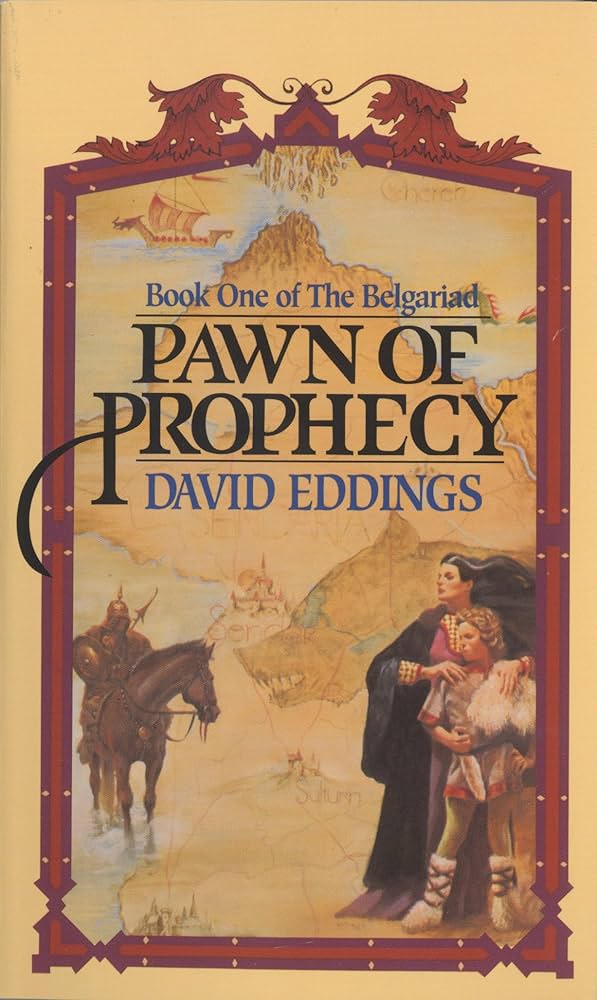
Pawn of Prophecy (The Belgariad) by David Eddings
The Shadow of the Torturer (The Book of the New Sun) by Gene Wolf
Conan the Barbarian by L. Sprague de Camp (novelization of the film)
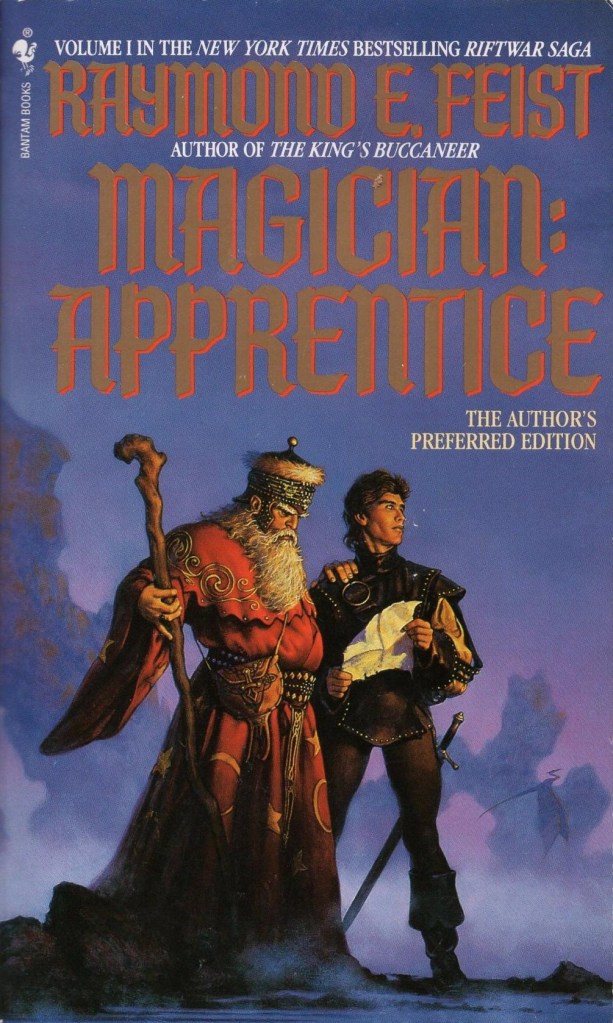
Magician: Apprentice (The Riftwar Saga) by Raymond E. Feist
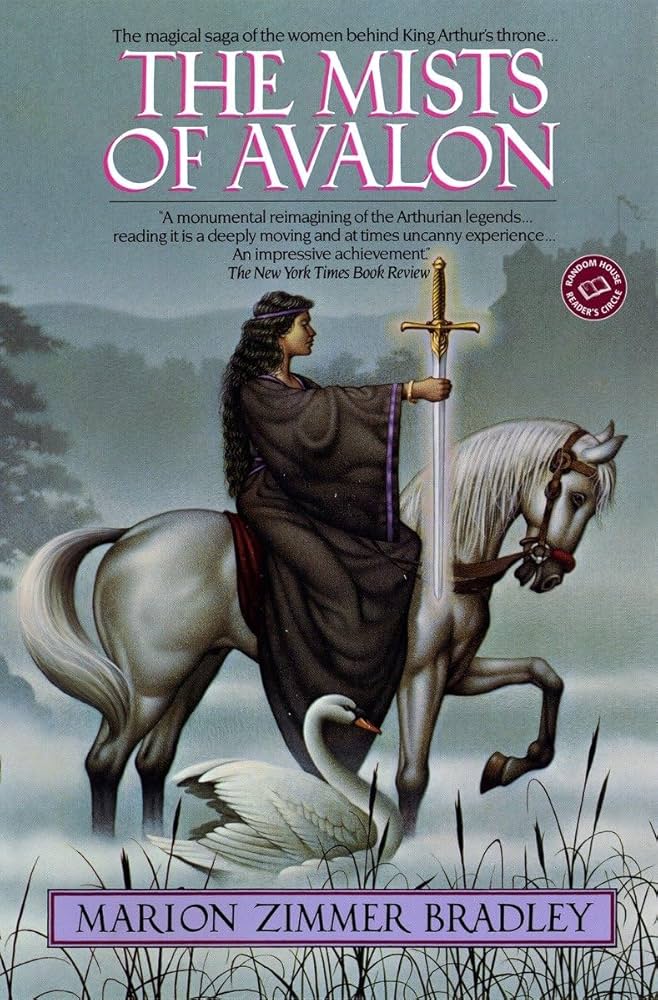
The Mists of Avalon by Marion Zimmer Bradley
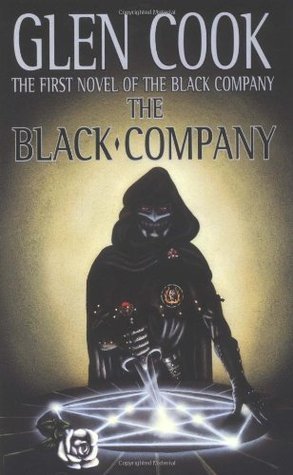
The Black Company by Glenn Cook
The Dragonbone Chair (Memory, Sorrow, and Thorn) by Tad Williams
Arrows of the Queen (Heralds of Valdemar) by Mercedes Lackey




Kids
The Blue Sword by Robin McKinley (this one’s more YA)
Alanna: The First Adventure (Song of the Lioness) by Tamora Pierce
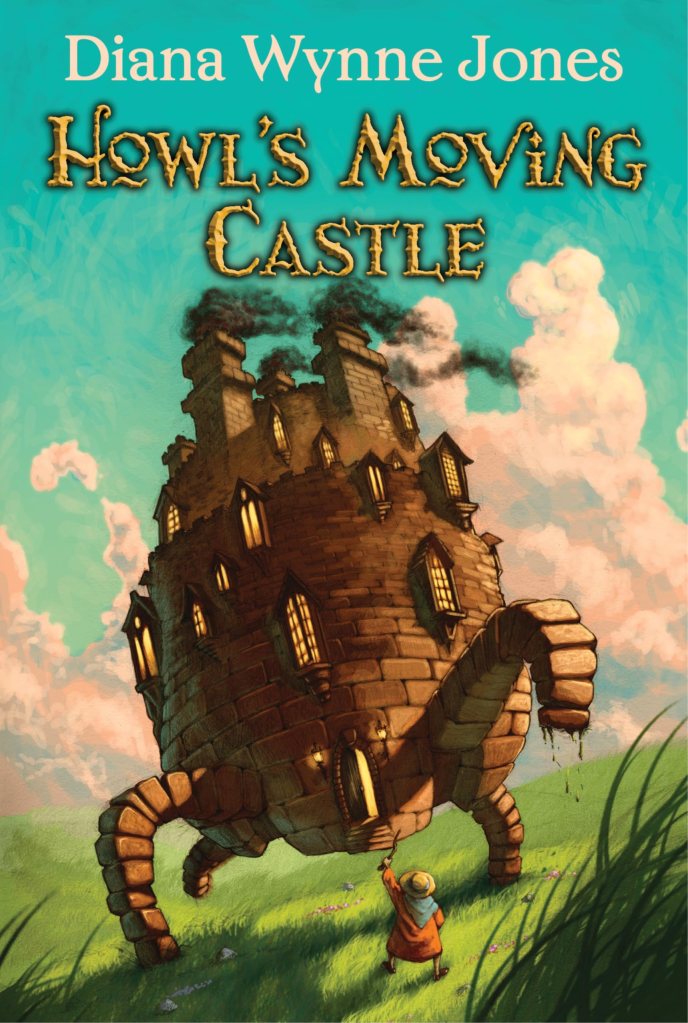
Howl’s Moving Castle by Dianna Wynne Jones
Redwall by Brian Jacques



Satire, Comedy, Science Fantasy?
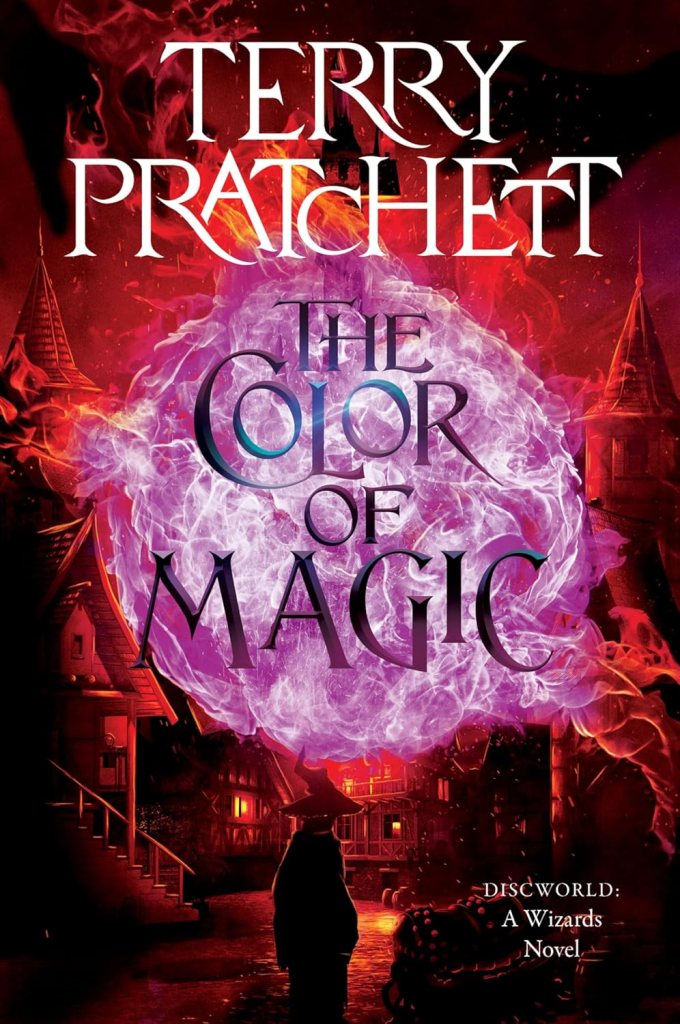
The Color of Magic (Discworld) by Terry Pratchett
Horror Fantasy
The Gunslinger (The Dark Tower) by Stephen King

Fantasy of the 1990’s
The 1990’s produced more fantasy “classics,” and sparked the trend of massive, multi-POV series that span worlds rich in history and take dozens of books to complete!
We also saw the beginnings of the historical fantasy sub-genre with works by Guy Gavriel Kay. And of course, the first Harry Potter book snuck in 3 years before the turn of the century!
Massive Multi-POV Epics
I feel like we need an abbreviation + warning label for these. MMPOVUS (massive multi-POV unfinished series) or MMPOVCS (complete series). ;D
The Eye of the World (Wheel of Time) by Robert Jordan
A Game of Thrones (A Song of Ice and Fire) by George R.R. Martin
Gardens of the Moon (Malazan Book of the Fallen) by Steven Erikson


High Fantasy
Tigana by Guy Gavriel Kay
Assassin’s Apprentice by Robin Hobb
Wizard’s First Rule (Sword of Truth) by Terry Goodkind


Kids
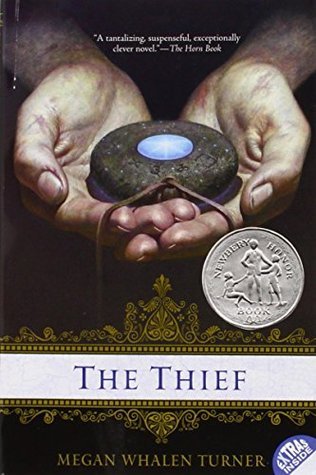
The Thief (The Queen’s Thief) by Megan Whalen Turner (YA before it was a thing?)
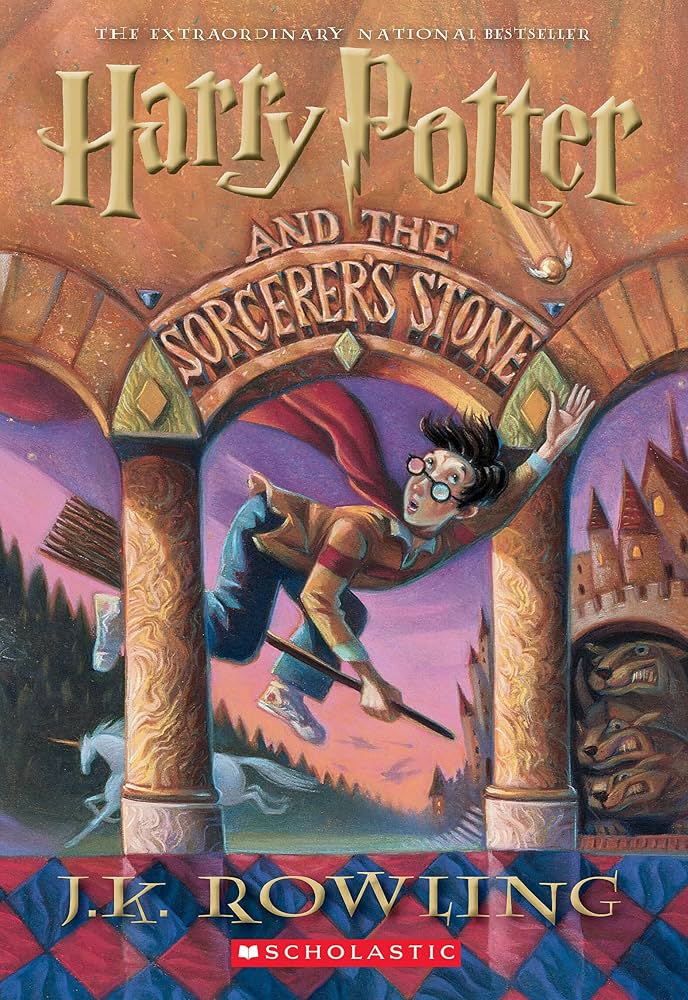
Harry Potter and the Sorcerer’s Stone by J.K. Rowling
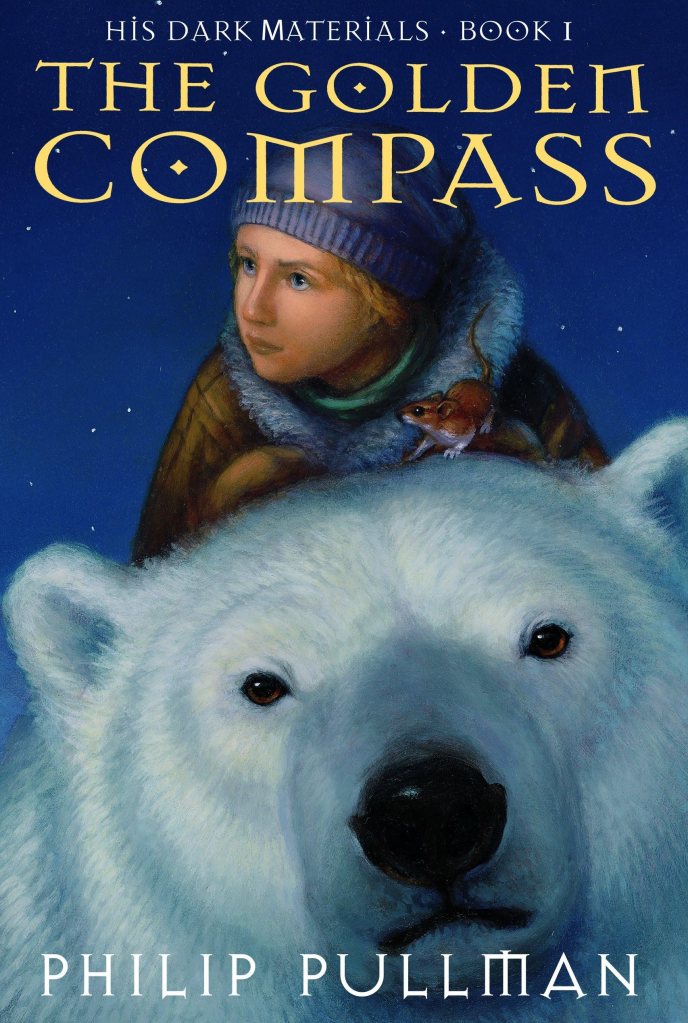
The Golden Compass (His Dark Materials) by Philip Pullman
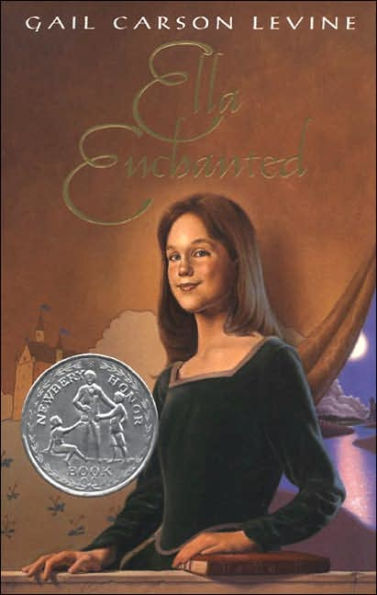
Ella Enchanted by Gail Carson Levine
Fantasy of the 2000’s
2000s fantasy was defined by grimdark, and saw the rise of urban, steampunk, and paranormal (romance) or supernatural fantasy. Weird fantasy too, though I’m not going to try defining that. The grey, morally-conflicted hero with a dark past became the norm, with gritty, sometimes even dystopian settings.
Young adult fiction became defined as a new audience and subgenre! Dresden spurred a slew of detective fantasies. And Harry Potter became a global phenomenon which inspired many magic school stories. Kids got into mythology again thanks to Rick Riordan!
Urban Fantasy & Steampunk
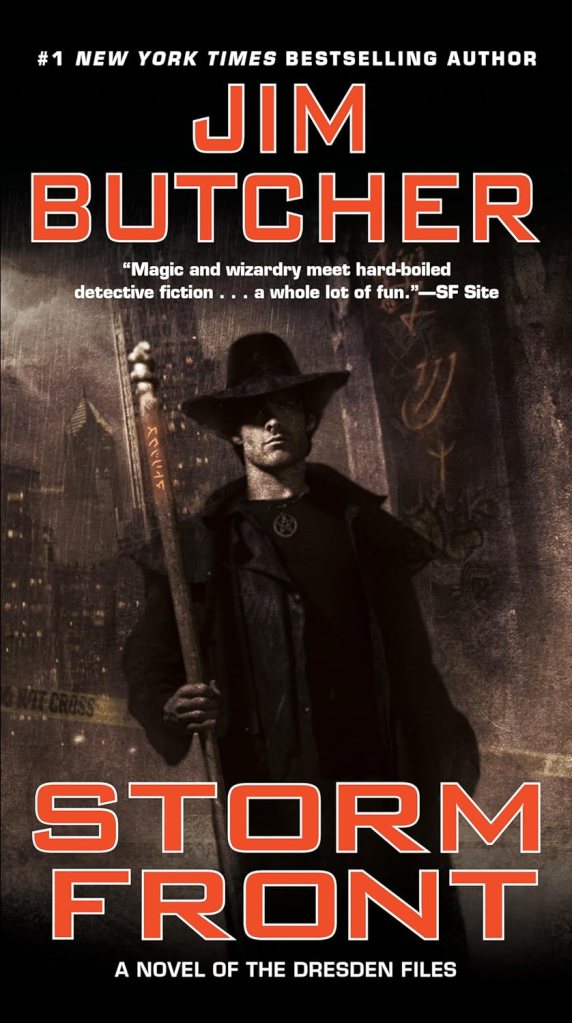
Storm Front (The Dresden Files) by Jim Butcher
American Gods by Neil Gaiman
Perdido Street Station by China Mieville


Grimdark
The Blade Itself (The First Law Trilogy) by Joe Abercrombie
The Way of Shadows (Night Angel Trilogy) by Brent Weeks
The Lies of Locke Lamora (The Gentlemen Bastards) by Scott Lynch


Epic
Mistborn: The Final Empire by Brandon Sanderson
The Name of the Wind (The Kingkiller Chronicles) by Patrick Rothfuss
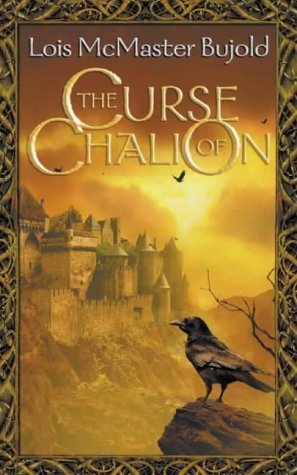
The Curse of Chalion by Lois McMaster Bujold


Young Adult
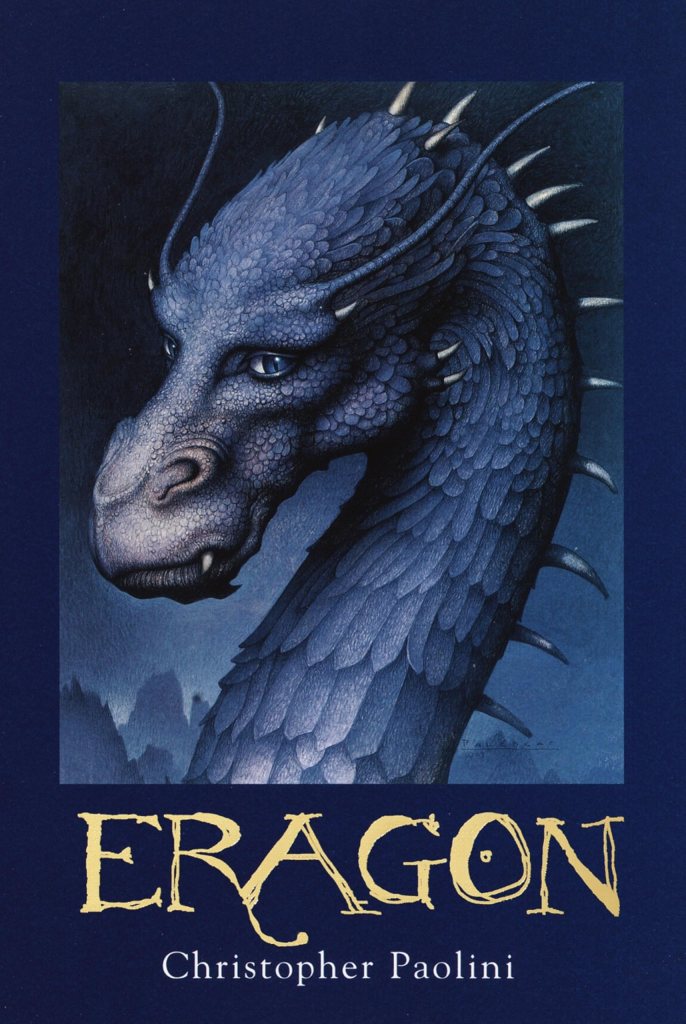
Eragon (The Inheritance Cycle) by Christopher Paolini
City of Bones (The Mortal Instruments) by Cassandra Clare
Twilight by Stephanie Meyer


Kids
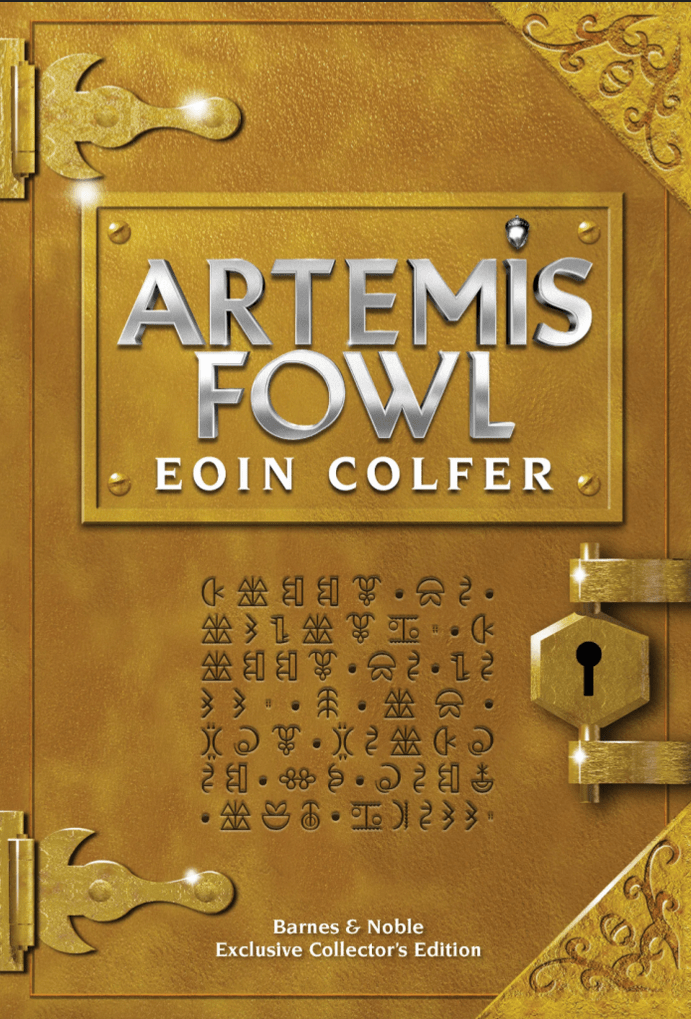
Artemis Fowl by Eoin Colfer
The Lightning Thief (Percy Jackson) by Rick Riordan
Inkheart by Cornelia Funke
The Tale of Despereaux by Kate DiCamillo


Fantasy of the 2010’s
Multiple points of view, hard magic systems, and dry humor featured in many 2010s books. Grimdark persisted, but eventually incorporated a self-deprecating awareness of genre conventions. YA dominated markets, with fewer middle grade hits except for those in Rick Riodan’s expanding body of work.
The second half of the decade saw a delightful increase in diversity among characters, settings, and authors. No longer just medieval Europe! (This category deserves a whole list of its own, so check out the hyperlinks for more recommendations.)
The influence of video games and anime spawned the LitRPG and progression fantasy niches. Christian fantasy grew as a sub-genre. Self-publishing and serial web novelizations absolutely exploded in popularity, adding many niche favorites to the market.
Epic
Prince of Thorns by Mark Lawrence (as grimdark as it gets alert)
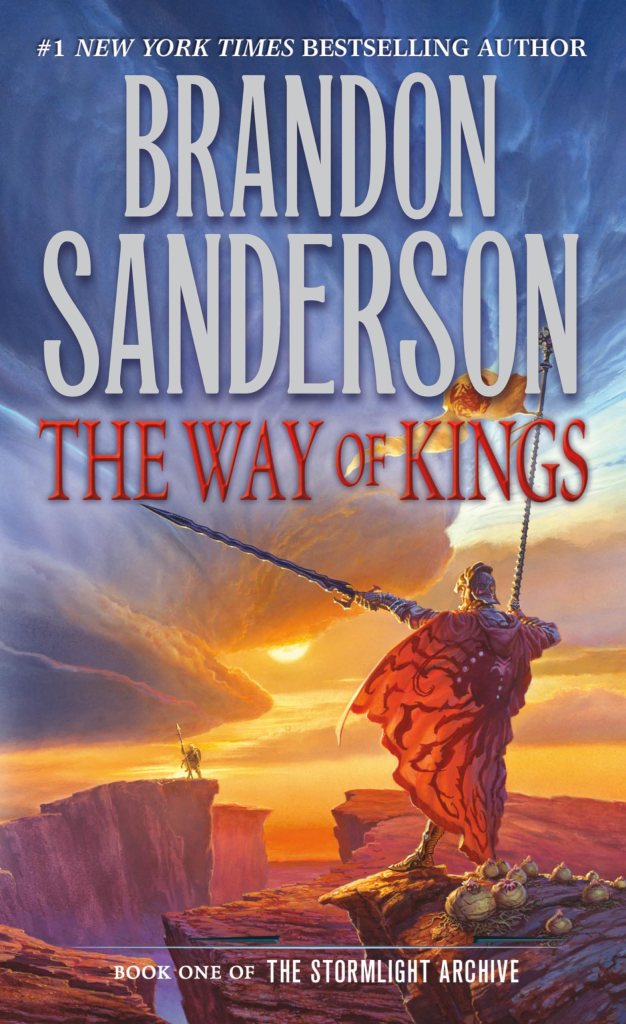
The Way of Kings (The Stormlight Archive) by Brandon Sanderson
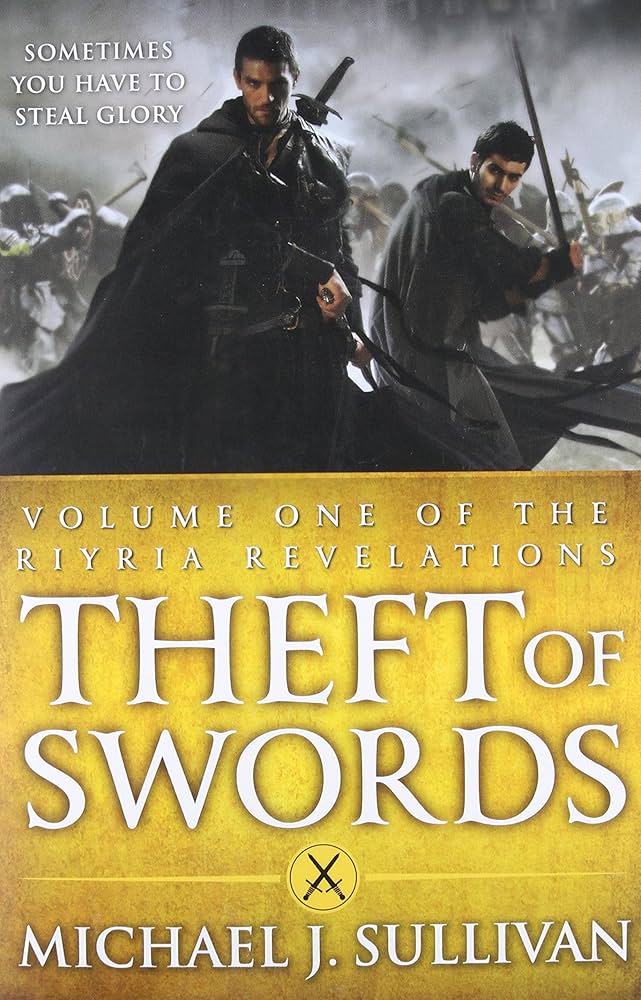
Theft of Swords (Riyria Revelations) by Michael J. Sullivan (originally self-published)
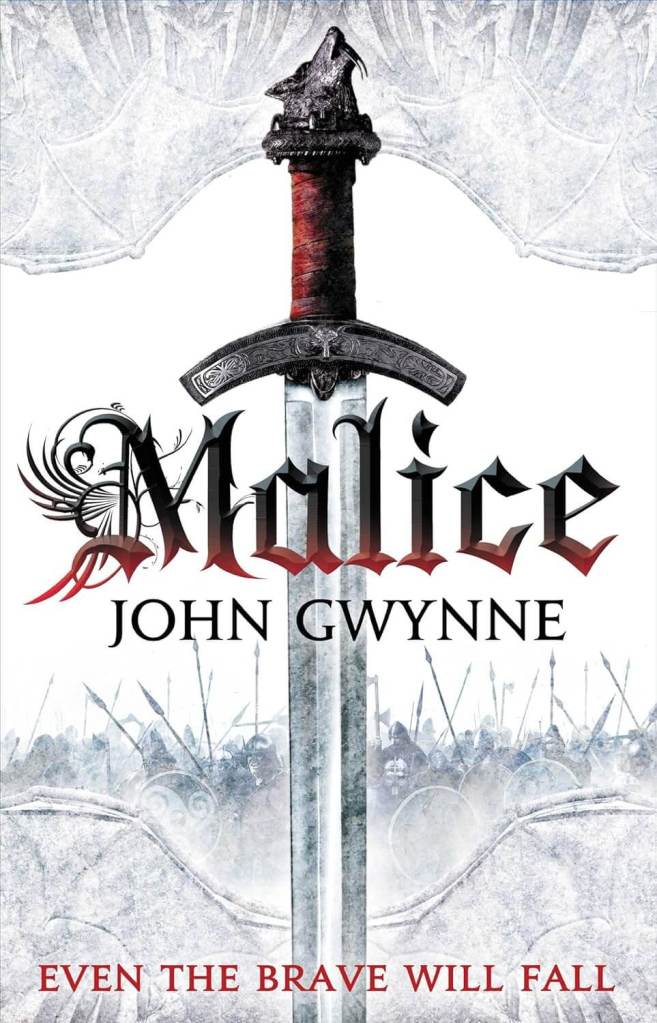
Malice (The Faithful and the Fallen) by John Gwynne

Young Adult
Six of Crows by Leigh Bardugo
A Court of Thrones and Roses by Sarah J. Mass
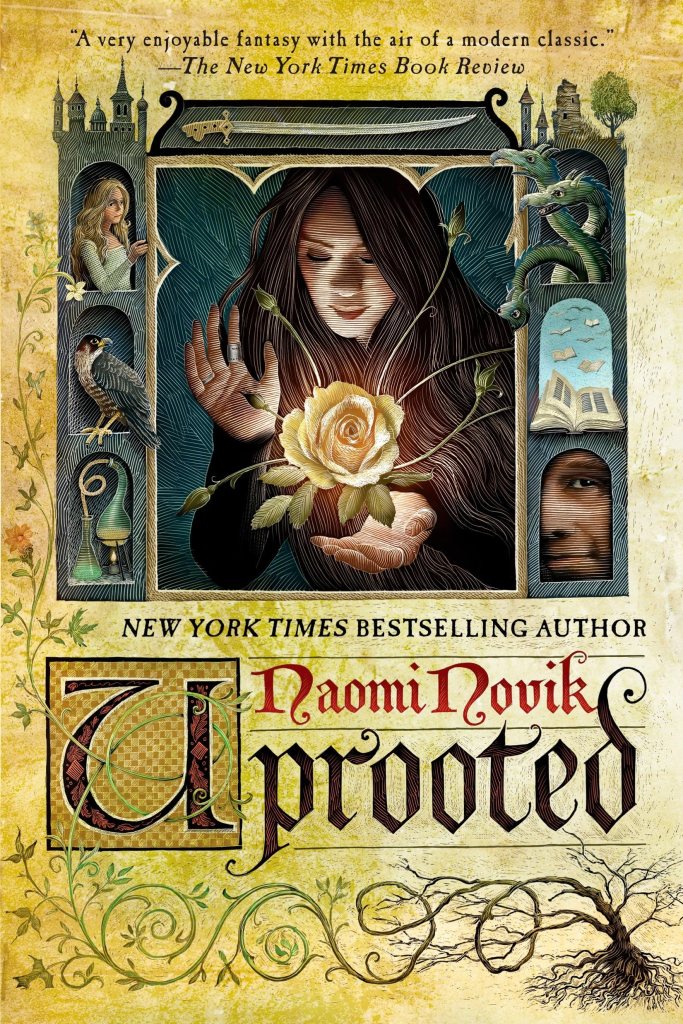
Uprooted by Naomi Novik
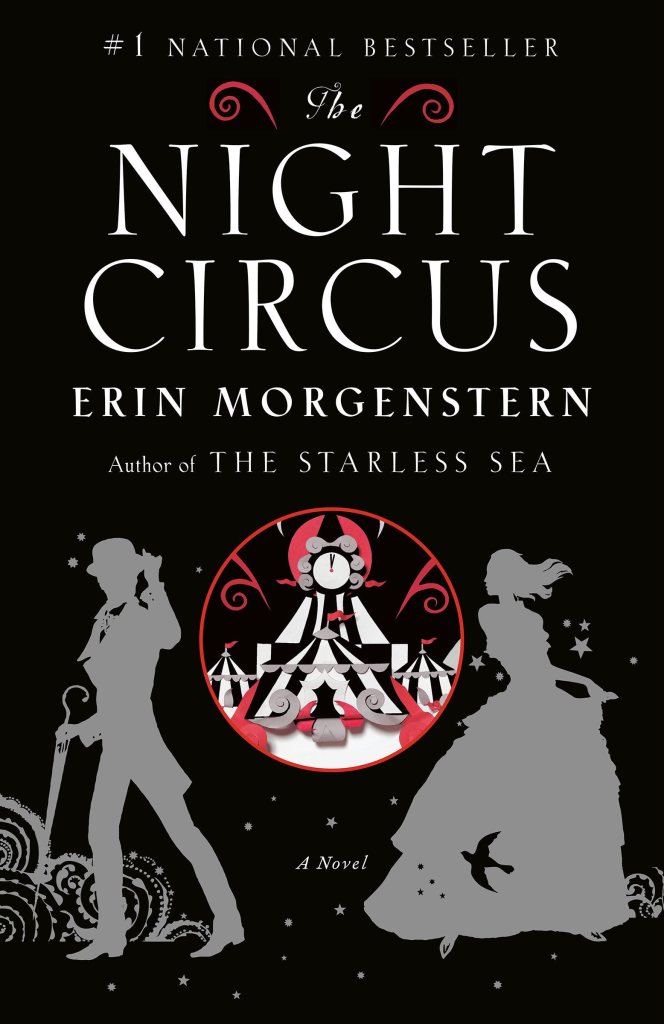
The Night Circus by Erik Morgenstern


Diverse Authors, Settings, OR Characters
The Fifth Season by N.K. Jemisin
The City of Brass (The Daevabad Trilogy) by S.A. Chakraborty
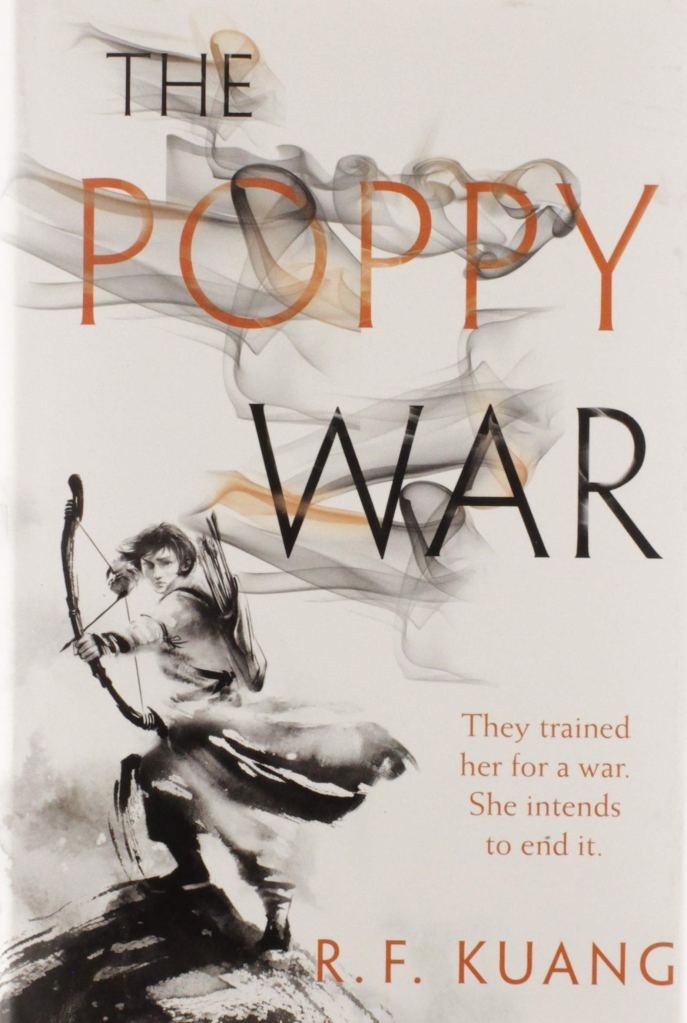
The Poppy War by R.F. Kuang (horrifically graphic violence)
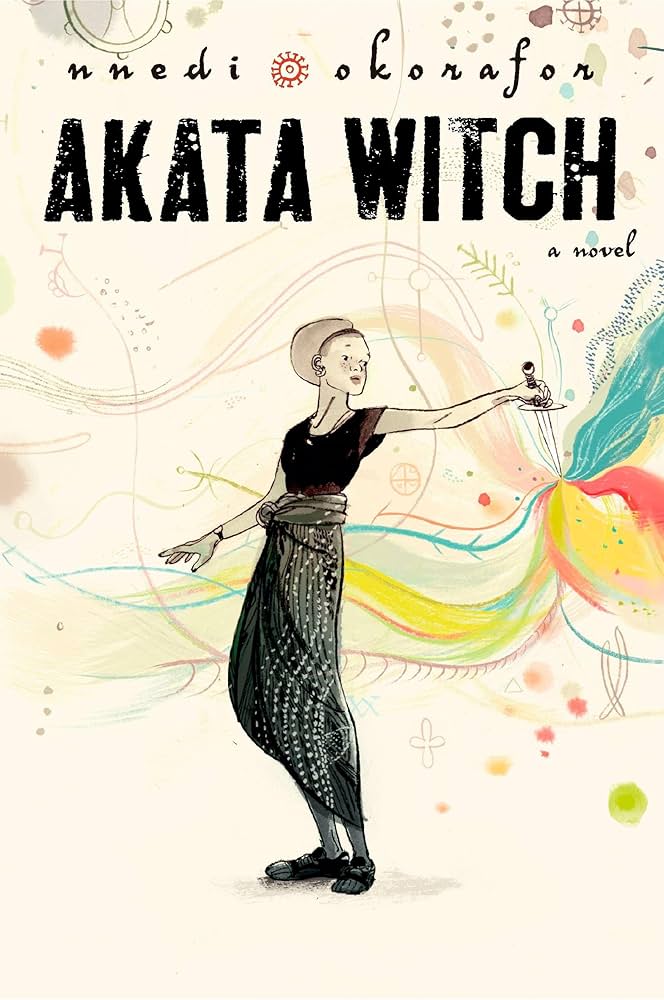
Akata Witch by Nnedi Okorafor


Fantasy of the 2020’s
It’s too soon to know what will become fantasy mainstays in the future, but here are some of the books I’ve heard recommended most often in fantasy circles within the past five years. It gives a glimpse into the kind of flavors we can expect for the rest of the decade.
Brandon Sanderson continues to be, arguably, the most popular contemporary fantasy author, but there are other rising stars! Cozy and low-stakes fantasy is growing as a sub-genre, and romantasy has absolutely exploded in popularity. The uptick of diversity continues!
High Fantasy
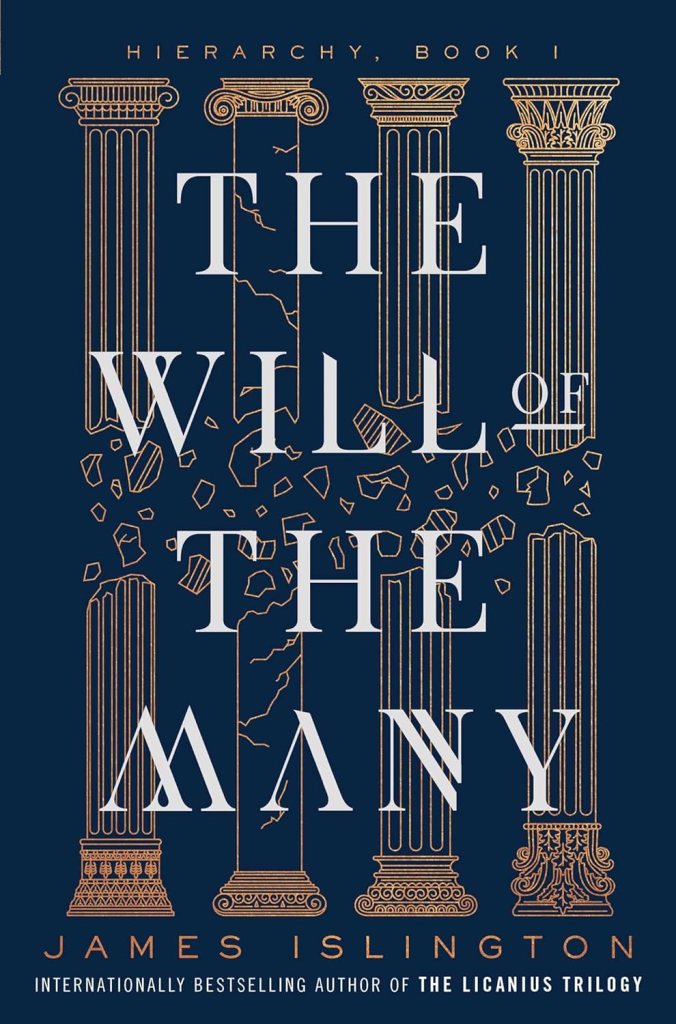
The Will of the Many by James Islington
The Sword of Kaigen by M.L. Wang
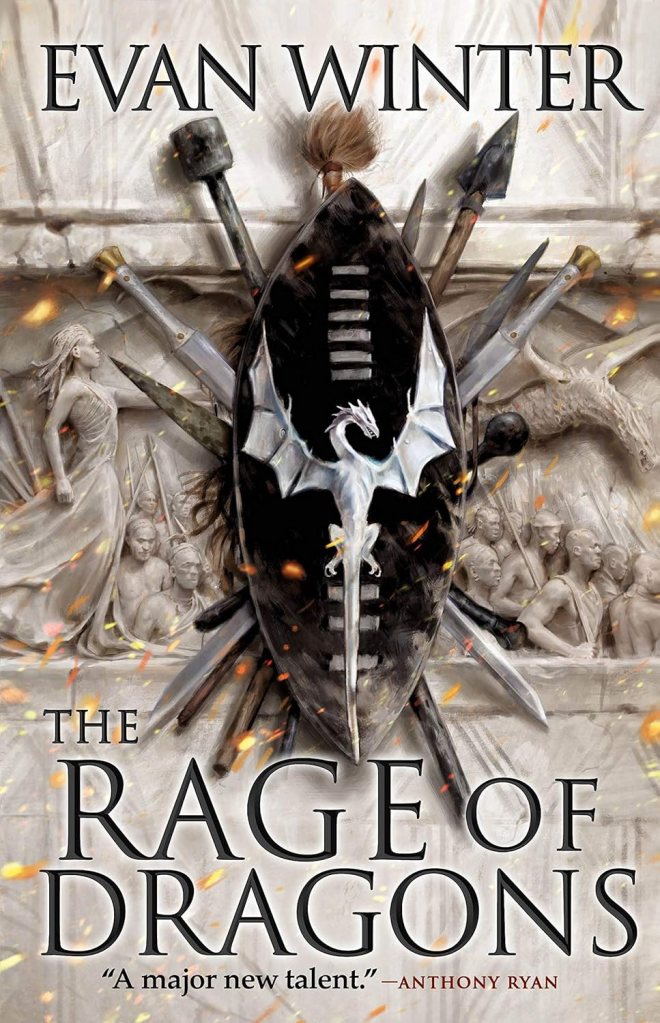
The Rage of Dragons by Evan Winter

Young Adult & Romantasy
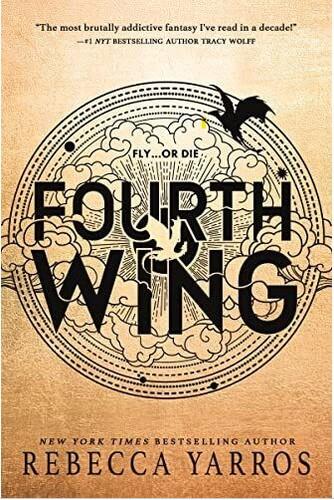
Fourth Wing (The Empyrean) by Rebecca Yarros
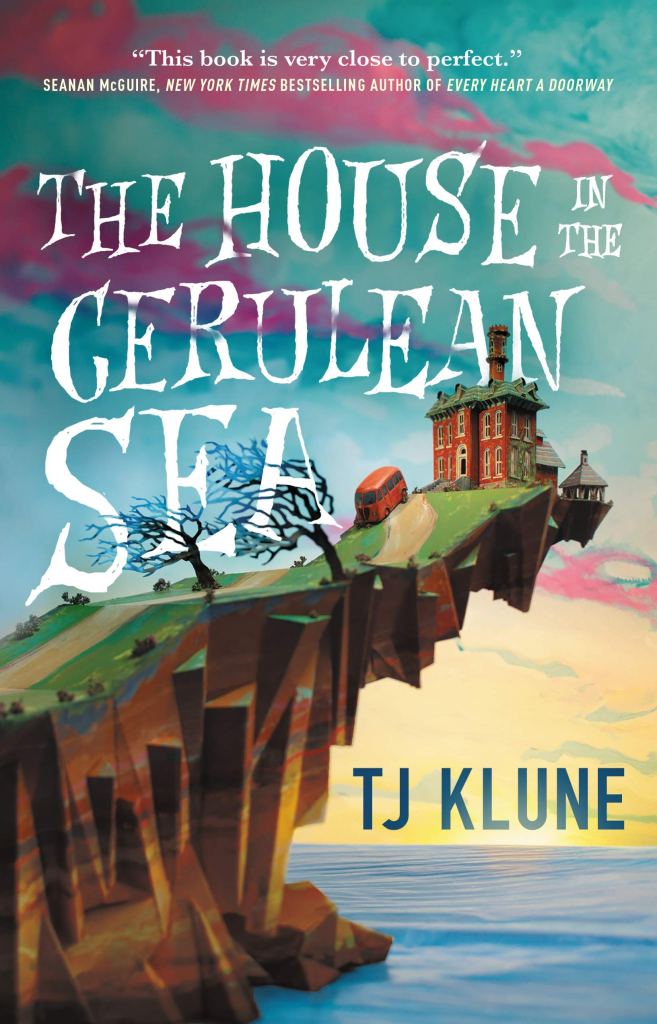
The House in the Cerulean Sea by TJ Klune
Nettle and Bone by T. Kingfisher

Magic Realism
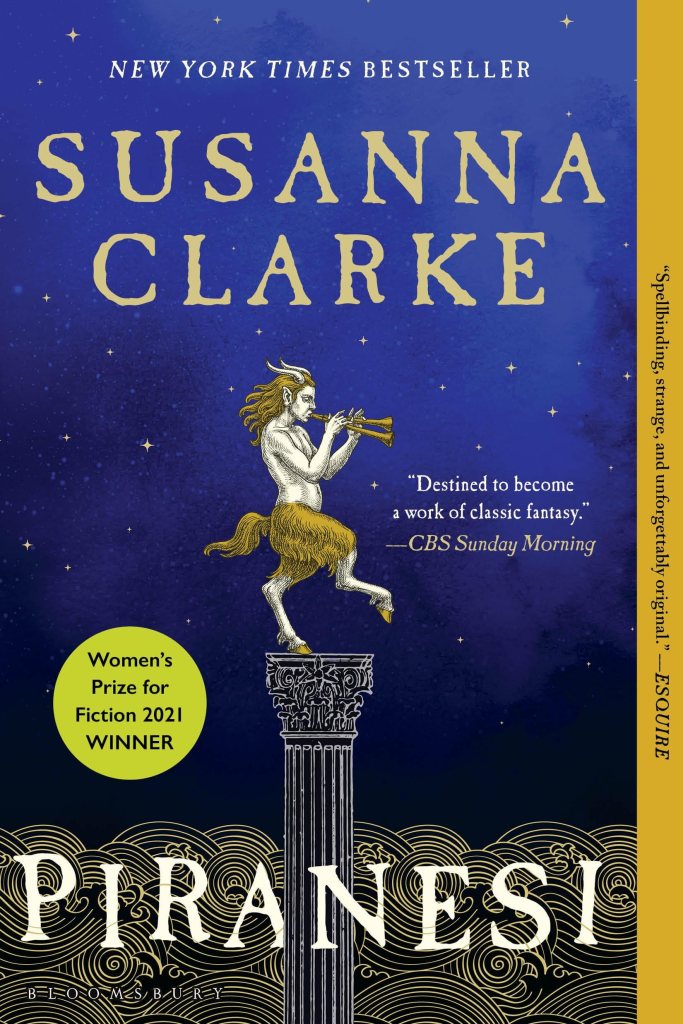
Piranesi by Susanna Clark
The Invisible Life of Addie LaRue by Victoria E. Schwab
Cozy Fantasy
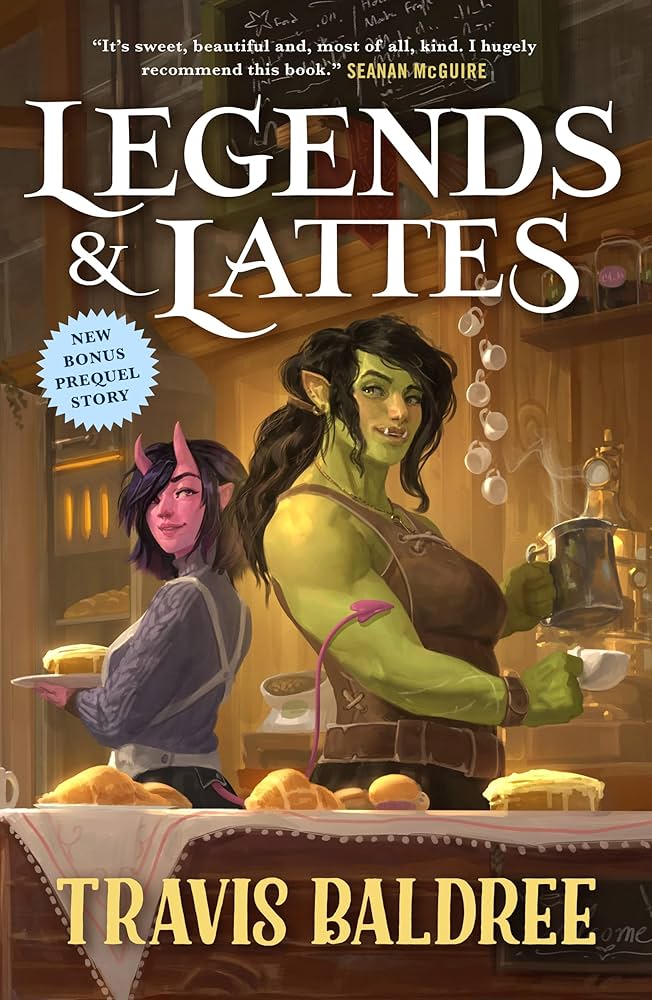
Legends & Lattes by Travis Baldree

What are your favorite fantasy books?
How much fantasy have you read? Which is your favorite era?
Lists like this can overwhelm me, because I realize how few books I’ll be able to read in my lifetime. So I set a more reasonable goal: read at least the first chapter of each of these books to familiarize myself with different styles and tropes, and to see how stories and writing change over time.
Will you take on the challenge? Subscribe to my blog to receive an interactive PDF reading checklist of A Century of Fantasy!

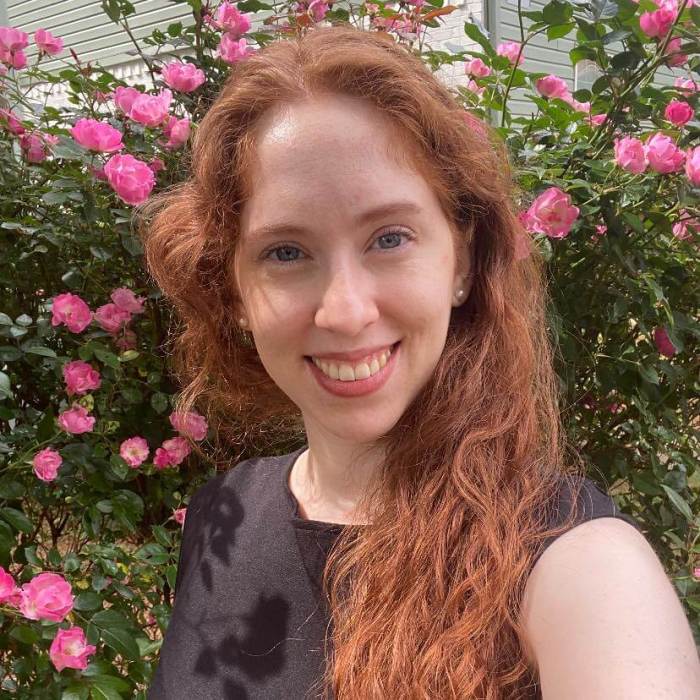
Hi, I’m Caylah Coffeen, a freelance editor and marketer of sci-fi and fantasy books. I love reading and writing and am a follower of Jesus Christ.
I’ve worked for Monster Ivy Publishing and Eschler Editing, and am currently a weekly editor with Havok Publishing. Reach out to chat about books and publishing!
Thanks for stopping by my website! I hope you’ve found some helpful resources about reading, writing, and publishing. If you liked this article, here’s some more free content…
- Explore my booklist of epic YA fantasy with a male protagonist
- Send me an email to receive a free sample edit on the first 1000 words of your story
- Subscribe for future posts
Discover more from Creative Cornerstones
Subscribe to get the latest posts sent to your email.

4 thoughts on “100+ Genre-Defining Fantasy Books and Authors of the Past Century”