How to Set up an Author Table for Maximum Book Sales

Guest Post by Dylan West

There are many benefits to selling books at in-person, local events, including finding repeat customers, gaining reviews, and selling more books in one day than you can sell in a whole month online! I’ve outlined some more benefits in a previous article: 8 Reasons Authors Should Sell Books at In-Person Events.

But here, I’ll share what I’ve learned from years of successfully selling books at markets, library fairs, and more. Knowing what to do, and just as importantly, what not to do, will ensure you actually make a profit. I’ll explain some vital tips like:

  1. How to select good events
  2. Simple tactics to sell books – inoffensively
  3. How to set up your table for maximum engagement
  4. What to bring
  5. Insider tips

How to Select good events

Ask other vendors or the even organizer what you can expect at their event. They won’t be offended and can give you an idea of the type of crowd to expect, and whether the event is worth your time.

High Traffic Events

The most important element to look for is high shopping traffic. If 10 people come to your event and you historically sell to 10% of the people you speak with, you might sell only 1 book at this event. If 500 people come to your event and you manage to speak to 100 of them, you might sell 10 books.

It’s most likely that the traffic will be high if you:

  1. Table up on a Saturday.
    Saturdays are the very best day for sales events, hands down. Friday evenings are the next best. Sundays are a gamble. Sometimes a Sunday can give you decent traffic and other times the event is a complete ghost town.
  2. Pick an event in a big/medium size city
    that is close to major highways and civilization. If you table up on a farm in the middle of nowhere in a town having a name you’ve never heard of and has a population of < 5,000, you probably shouldn’t expect much traffic, and you probably shouldn’t table up there, unless you know from experience that this event really does draw crowds. And don’t assume that just because a podunk venue draws a moderate crowd on a Saturday, you can expect a decent crowd on Sunday. Sometimes the switch to Sunday kills shopping traffic.
  3. Sell at established markets
    with known traffic instead of inviting friends to your own private book signing event. If you invite 20 people to a signing and only 5% actually show up (which is about the average), you might get 1 person to show up! Many authors end up with NO attendees and get discouraged. Unless you’re a big name author, or you invited over a hundred people, don’t do this! Sell at markets that you know get at least 500 shoppers.
  4. Choose a market that happens every week.
    These are the safest events, because the event organizers typically do much more advertising of the event and the crowds are usually bigger. I make one local farmers market the backbone of my in-person sales—I go every Saturday from 9a to 2p. I do other events on Friday nights/Saturday nights/Sunday afternoons when I find them in addition to my regular Saturday morning market.

Low or no vendor fee

Let’s assume each book you sell nets you $5 of profit and your table fee was $100 for your event. If you sold only 10 books, that nets you $50. After you pay your fee, you just lost $50 to be at that event. On the other hand, if your fee was only $20, you earned $30. If you did a free public library event, you earned all $50.

Organizer doesn’t require vendor insurance

I’ve heard of events that require this, and in many cases that insurance can cost thousands of dollars each year! Avoid those events. Pick ones that only ask you to sign a form saying you accept risk for your own wares.

Close to home

If you have to drive a few hours to the event and a few hours home, you will burn away all your profits in gas expenses. And if you travel far enough, you’ll want to stay at a motel if it’s a multi-day event. If you pay $50 in gas and $100 in hotel fees, plus a $50 table fee for 2 days, that’s a total expense of $200.

How many books would you have to sell just to break even? Assuming from before that you net $5 profit on each book sale, that means you have to sell 40 books that weekend. If you think you can sell at least 20 books each day, you might cover your table fee. If you can’t, then you will lose money.

Simple tactics to sell books – inoffensively

Call out to passersby

If you only smile and wave, the vast majority of people will breeze right past your table. You’d think these people would proactively approach your table because they came to the event to shop, but they have to be drawn over to you.

Often they have dozens of tables to choose from. Even people who love the genre you sell will fail to recognize your books with their very obvious genre-hinted cover art and your large-lettered signage.

What should you call out? I use a variety of lines:

  1. “Free chocolate! Calorie-free books!” while pointing to my candy dish and books
  2. “Science fiction and fantasy!”
  3. “Buy a book and get a free spouse! Erm… I mean a free bookmark!”
  4. “I’ve got chocolate, I’ve got books, I’ve got chocolate books!”
  5. “Free chocolate and dad jokes!”
  6. “You have a sci-fi reader in your family?”

Be funny and relaxed. Many will stop and chat because you got their attention. If you keep it silly and lighthearted, people are less likely to be annoyed that you’re hawking them.

Put your book in their hands

If someone stops and asks what your book is about, don’t answer verbally. Instead, put your paperback in their hands with the back cover facing up and say that the book description says it best. This does several important things:

  • The book has now become real to them. They can feel the texture and weight of it.
  • By reading your back blurb, they’re getting a sampling of your writing style. If you’ve written it well, you can impress them with your writing skill and intrigue them about the book.
  • If the blurb gets their attention, they will often start flipping through the book. And if your formatting is top-notch, they will see how professional the product is and their confidence in you goes way up. If you have interesting chapter titles, they may notice those and be drawn in further. They might even start reading the first page!

Every second they spend examining your book invests them further in it. Now they’re spending time. Once they’ve done that, they are more likely to spend money on it. This has now become an event.

While people are reading your blurb, you get to watch their face and see their visceral reaction to it. If their brows rise and their faces glow, your blurb is doing its job. If you never get such a response from dozens of visitors to your table, you know it’s time to rework your blurb.

While people are reading your blurb, you’re also freed up to call out to other people.

If you explain your book’s plot to each person who asks, your voice will get tired quickly. Especially if you have to shout over loud street musicians.

How to Set Up Your Table for Maximum Engagement

Location is Paramount

It doesn’t take much at all to discourage shoppers from approaching your table. They will never tell you the reason. It’s up to us as vendors to figure out what that obstacle is, and remove it.

If removal is possible. You might have to ask the event organizer if you can shift your table over a few feet to avoid something like a tree stump or a narrow part of a hallway, or to move you to a completely different spot along a street.

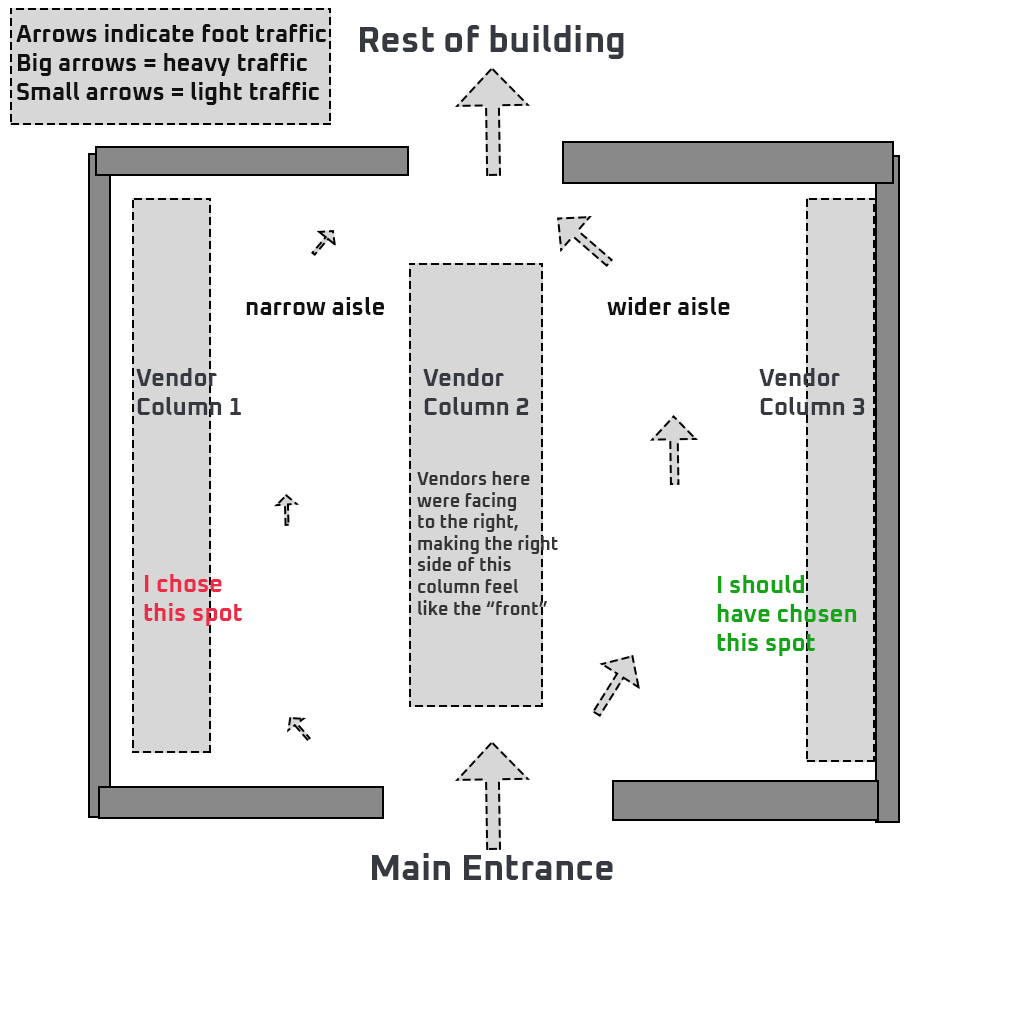
If you get to choose your table location, think carefully about possible traffic flow. For example, if your vendor area is divided into 3 columns of tables with 2 aisles, pick a spot on the right-hand column. Especially if that aisle is wider than the other! I learned this lesson the hard way at one of my library events:

Remove psychological barriers

Here’s a list of some I’ve discovered:

Distance

Move your table as close to the flow of foot traffic as you can. If visitors are walking in the middle of a street and your popup canopy is 7 feet away, most people will let their momentum drag them right past. And if your table is near the back of your canopy, such that visitors have to enter the canopy and walk a few feet inside to see your book covers, that’s too far.

It presents a subtle psych barrier that discourages all but the most determined visitors. And if you only talk to the most determined visitors, you will not sell many books at your event. I promise you.

Objects

At one event, I moved my table to the front of my canopy, but due to space constraints, one corner of my table butted up against a canopy pole. And my books were sitting on that end of the table. Could visitors easily avoid the pole? Sure. Did visitors let that pole deter them from approaching? Absolutely. Once I moved my books to the other end of the table, more visitors stopped to check them out.

Flooring

At an outdoor event, the ground was muddy from recent rain and I didn’t want someone dropping my books in the mud. So I laid down puzzle piece rubber waffle boards in a 9ft square and set my table on that. It jutted out a good 4 feet from the front of my table and I remembered thinking people might hesitate to approach for fear of tracking their muddy shoes on my clean waffle boards.

Guess what? The very first couple stood a few feet back from those boards and squinted. I immediately removed that layer of flooring and people started coming up to the table.

Turnaround Point

This is the worst obstacle of all. At one event, my table was near the end of a long street. There was nothing exciting at the very end of the street to draw people to walk the whole length. And so, for the first hour, most shoppers would walk to what I called “the turnaround point”.

About 2 tables away from mine, there was this spot on the road where I saw hundreds of people stop, squint down the road, decide they were at the end, turned around, and walked back the way they came. This was the most discouraging experience I’d ever had as a vendor.

At least until the shaved ice truck came and parked at the very end of the road! And then a street musician started strumming a guitar across from that. Then I had shoppers lining up in front of my table for shaved ice on a very cold day. And only then did I sell books.

Smart event organizers are aware of the turnaround effect and will place attractions at the end of hallways and streets to mitigate it.

Wide lanes

Similar to the point about distance, you want to try to avoid placing your table in a section of a path or street that is wider than the other sections. Shoppers will naturally tend to walk at the farthest point in the path from vendor tables, so if you pick a very wide section, shoppers may be too far away to see or hear you, and may feel the distance to be socially acceptable to ignore you from.

If you are able to relocate your table or move other structures (such as a friend’s tent or table) into the path across from you to narrow it down, you may turn a zero sale night into a big night.

What to Bring

Interactive Materials to Make Your Table Memorable

I bring the video game version of my debut novel for visitors to play:

This big monitor and the gaggle of kids and their laughter draw lots of people over (not to mention the parents). But you might not be able to create your own video game.

There are other gimmicks you can try: set up a gumball machine that dispenses slips of paper containing neat one-liners from your books, and make one of them a coupon for a free book. Or dress up in a costume related to your protag or villain. Just make it visually obvious that something about your table is different.

People should be able to say, “his table is the one with the [blank]!”

Ample Lighting

For outdoor, evening events during fall and winter, bring plenty of lighting, including hand lamps that visitors can hold up to your book. Don’t count on general area lighting and lights you string along the top of your canopy to provide enough light for reading your book’s back cover. At some events, they’ll ask you not to bring a popup canopy because it would block the lighting they provide and take up too much floor/ground space.

two tables

Always bring a small table along with your normal, big one. Sometimes events will let you in without prior notice or give you really juicy spots if you let them know you can fit your stuff on a 4ft by 2ft table and don’t need to use your 10ft by 10ft canopy. Some events promise to provide a table and chair for you. I always bring my own just in case they run out or there’s something about their table and chair I really don’t like.

a card reader

I recommend Square. The small reader is free with your account and the thing is durable—it can survive a trip through the washing machine! And don’t sign up for your account right away. Instead, ask another author who already has Square (like me!) to send you a referral email.

Only sign up with that referral and both you and the referring person enjoys a free $1000 of processing fees waived for 6 months, starting from your first card swipe. Just find a dedicated place to keep your square reader (not your pocket) so you don’t lose it and you don’t send it through the wash. Also, you must keep your smartphone charged in order to use the swiper (if you get the free swiper model, that is).

Make sure to ask about WiFi availability ahead of time!

Insider Tips

Chat with other author vendors

Ask them what other events they’re going to next. Be friendly to them—they just might end up inviting you to awesome events you didn’t know anything about. And they might offer to split their table with you. That lets you pay half the fee and gets you into events for which the submission deadline is long past.

I’ve gone to events that I heard about the day before! In order to capitalize on these last-minute event invites, try to keep your weekends open (if you don’t already have events scheduled, that is).

Sell at the last minute

When breaking down your setup, put your books away last. I can’t remember how many times I’ve sold books to passersby while I was packing away other things. One time I sold books after I’d broken down my entire setup because my backpack has a full sales kit in it, and I pulled books and a card swiper out from that.

At my farmer’s market on 10/12/2024, I sold 10 books after I started breaking down my table! All I did was look up for passersby, point to my books, and say, “I still have books out, if you’d like a look.”

Here’s what I’ve noticed: Many shoppers walking around after the official end of an event are happy when a vendor notices them and gives them something to shop for after all other vendors are closed. The last-minute nature can help nudge them to buy something. This is why I pack away my books last. I even bring down my tent and pack that away before I box up the books. I recommend you do the same.

The First Day of Events is the Most Important

If you sell at an event that lasts 2 or more days (of equal duration), and you can only show up on one of those days, pick day one.

Push for early sales on day one of multi-day events. Many shoppers may not feel any urgency to shop until later in that weekend. Always try to encourage them to buy sooner, because they may not return to you later like they promised! 

As the event wears on, you’ll start hearing shoppers say things like, “I’ve already spent all my money.” And what they really mean is, “I’ve already spent all my money on other vendors’ goods. You’re too late.” The younger the shopper, the truer this is.

My sales and marketing guide has WAY more content like this. Just email me at dylan.west@dylanwestauthor.com if you want me to share that google document with you for free!

Thanks and Book Appetit 🙂

About Dylan West

Dylan West writes faith-based, young adult science fiction and fantasy novels. He is a Jesus lover, web and video game developer, former Navy nuclear operator, foreign language nut, and a nut in general.

While other people are busy thinking normal thoughts, he’s crafting corny jokes. Dylan lives in Chesapeake, VA, with his wife and daughter.

You can play the related game that pairs with his first book, Scribes’ Descent, here: https://dylanwestauthor.com/demo.

8 Reasons Authors Should Sell Books at In-Person Events

Guest Post by Dylan West

For authors struggling to sell a single book on Amazon in a whole month: how would you like to sell 10 to 20 of them in a single day? When you table up at a local sales event, that’s not hard to do. That’s just one reason to vend at regular, local events. Here are some more:

1. Brand awareness

if you hang a big, clear, beautifully designed banner at your table, you let passersby know that your business exists. Because I table up at a decent-sized event each Saturday, over 50,000 people see my books and banner every year.

2. Fan building

When shoppers walk by or visit my table, people take actions like:

  • Check out my books and ask me questions
  • Buy my books or sign up for my newsletter (often both)
  • Buy the related merchandise. If they buy my t-shirt, they may wear it, providing free advertising
  • Give me donations (sometimes large ones)

In-person events are the best way to increase word of mouth and gain further opportunities. Some people will:

  • Tell other passersby to check out my books and rave about how good they are – this happens to me quite a bit, and it’s driven lots of sales 🙂
  • Tell friends about my books. Some may even buy my book as a gift or haul their friend over to my table
  • Invite me to some other sales event or speaking engagement. One person invited me to speak at a local college, which paid me a $100 speaking fee and bought 3 of my books to display at the front of their campus library!

Seeing you in person will make people remember:

  • To finish the book they bought from me last year
  • To buy more books because they loved the first one
  • To sign up for my newsletter or read the newsletter articles I’ve been sending them
  • That my books exist – that’s a huge thing. If someone buys a book from you a few years ago, it’s easy for them to forget about you if they didn’t sub to your newsletter

3. Sales Practice

Nothing makes you better at sales than getting hundreds of sales opportunities each month. Each shopper that stops is a live-fire practice session.

4. Steady cash flow

The money I make at my sales events funds my next book. I don’t have to pay anything out of pocket after my initial investment. I use sales earnings to pay for book cover art, ISBNs, formatting, software, copyright filings, business licenses, author copies, web hosting, domain names, paid ads, and a lot more I’m forgetting.

5. Newsletter building

The best way to gain new newsletter subscribers is to collect emails from people who just bought your book(s). They are more likely to open and read your emails than people who signed up for a free novella and then unsubbed right after.

6. Fun

I could go on for hours about all the wacky and funny things I’ve experienced at farmers markets and comic cons while vending. I get to meet neat people, pet cute doggies, crack lots of corny jokes, hear corny jokes in return, see really interesting performers, hear live music, and have the thrill of making big sales.

And I have fans hunting me down at events when they learn that my newest book just came out!

7. Identity

Nothing reminds you that you are, in fact, a published author like going to regular sales events. Many indies who published a book long ago have almost forgotten that they are a published author and that they should be selling their books.

Going to in-person events makes your authorship more real than if you lob an e-book onto Amazon and do nothing more.

8. Reviews

You will get more reviews for your books if you table up at sales events. Especially if you remember to ask shoppers to leave a review!

Now that I’ve persuaded you to table up at local events, let me share some tips for how to run them so you actually sell books – based on my years of experience!

Read Part 2: How to Set up an Author Table for Maximum Book Sales

About Dylan West

Dylan West writes faith-based, young adult science fiction and fantasy novels. He is a Jesus lover, web and video game developer, former Navy nuclear operator, foreign language nut, and a nut in general.

While other people are busy thinking normal thoughts, he’s crafting corny jokes. Dylan lives in Chesapeake, VA, with his wife and daughter.

Please sign up for his newsletter to get the geekiest science research tidbits that go into the making of his books: https://dylanwestauthor.com/.

Pursuing True Diversity in Fantasy Books

Guest post by Izaic Yorks

Fantasy as a genre has long captured the imaginations of readers with its thrilling adventures and heroic narratives. But if you’ve spent any time in the trenches of Reddit, BookTok, or even Threads, you’ve likely come across a question echoing throughout the zeitgeist:

Does fantasy suffer from a lack of diversity?

That, however, is the wrong question.

At the heart of this conversation lies a more critical distinction. The real question we should be asking is:

What do we even mean by “diversity”?

Is it simply about including characters of various races and socioeconomic backgrounds? 

Or does true diversity dig deeper? 

This article explores that very question while offering insights into how diversity can (and should) transform the realm of fantasy. Along the way, you might come to love me, or you might come to hate me. But one thing you won’t accuse me of is being a vapid wanderer with nothing but clouds for thoughts.

What Does Diversity Mean in Fantasy?

When we think about diversity in fantasy, what’s the first thing that comes to mind? For many, in a culture increasingly unmoored from classical philosophical foundations, “diversity” is often reduced to outward traits: ethnicity, gender, or socioeconomic status.

And yes, those factors matter.

But they shouldn’t overshadow what truly makes stories vibrant and enduring: diversity of thought. Because a book, at its core, is a well assembled stream of consciousness. A meditation and confrontation with ideas.

Diversity in My Own Career

This subject is actually quite dear in my own author journey and not for the reasons you might suspect. Whenever diversity comes up, it’s often along the lines of: “Hey, Izaic, why don’t you mention you’re Black? That could really help spotlight you or bring money in the door.” Every time I hear that, it feels like an arrow to the heart.

Why? 

Because it screams the bigotry of low expectations. Ideas that stand the test of time are based on merit. To have mine judged by skin tone or assumed hardships might grant me a short‑term dopamine hit but, in the end, would leave me wondering: did I earn X or Y, or was that just the result of someone’s assumption about me?

So, over and over again, I have declined grants or invitations that hinge solely on my skin tone. At times it’s been hard and a challenge to the life of virtue. Undoubtedly I am leaving money on the table, but I have faith that I am more than the base materials of my physical body. What remains, and what is important, is the diversity of my mind and soul, which God made perfectly to His design.

Beyond Biometric Metrics

Reducing diversity to metrics like race, gender, or class oversimplifies a much richer and more vital conversation. Biometric diversity does not automatically guarantee depth or quality in storytelling.

True diversity emerges from exploring nuanced ideas, conflicting beliefs, and different cultural frameworks for understanding universal human experiences.

Imagine a world where fantasy novels challenge readers to see the world differently—to entertain new possibilities and reflect deeply on their own beliefs.

That is authentic diversity.

More Than Skin Deep

Reducing diversity to physical characteristics is a form of tokenism, where characters are included as symbolic gestures rather than meaningful contributors to the narrative.

Instead, let’s consider stories where ideas and beliefs are the defining elements of uniqueness.

For example, a Black author can skillfully craft a European medieval fantasy steeped in knights, castles, and folklore. Likewise, a White author can authentically write a story centered around urban Black youths navigating the challenges of Chicago through the lens of portal fantasy.

The richness of a story stems not from the biometric traits of its characters or creators, but from the depth and clarity of its ideas.

Biological factors ≠ Diversity.

They are merely a potential starting point from which diversity might emerge.

This is not to deny the importance of representation but to elevate the conversation.

Our ultimate goal as lovers of literature should be compelling storytelling that speaks to the human condition. As Dr. Martin Luther King Jr. famously said, what matters most is “the content of their character.”

For fantasy, this means content that challenges, inspires, and transports readers into the vast frontiers of imagination.

The Reader’s Role in Seeking True Diversity

Writers aren’t the only ones responsible for cultivating meaningful diversity. Readers play an equally crucial role in shaping demand for more thoughtful and expansive narratives.

When audiences seek out stories that offer fresh perspectives and complex characters, they help pave the way for a broader, richer literary landscape.

Supporting Authentic Storytelling

Here’s how readers can contribute:

  • Explore New Authors: Seek out voices from various cultural and social backgrounds. But celebrate them not for their skin or heritage—celebrate them for the merit of their thoughts and craft.
  • Foster Conversations: Discuss books with others. Unearth the deeper themes and perspectives within a story.
  • Prioritize Depth: Choose books that offer intricate world-building, moral complexity, and provocative ideas over ones that simply check superficial boxes.

By demanding authenticity and intellectual richness, readers uplift authors and help shape a publishing culture centered on excellence.

Raising the Next Generation of Readers

Creating a culture where diversity of thought thrives doesn’t happen overnight. It begins with nurturing a love for reading in young minds. Exposing children of all backgrounds to a range of high-quality, diverse literature helps expand their worldview and strengthens critical thinking.

How to Foster a Love for Diverse Literature:

  • Start Early: Introduce imaginative fantasy stories that stretch the mind and expose kids to different ideas.
  • Align with Values: Share stories that reflect your core values but don’t avoid those that challenge or stretch them.
  • Create a Rich Literary Environment: Fill homes or classrooms with books spanning genres, cultures, and philosophies.
  • Celebrate Curiosity: Encourage kids to ask hard questions about characters, themes, and conflicts.
  • Train for Excellence: Stop paying lip service to mediocrity. If you’re invested in the future of Black youth—or any youth—invest in their craft. Train them rigorously. Push them to be extraordinary.

A sustained effort to introduce children to rich, diverse storytelling shapes a generation that values both creativity and authenticity. Excellence is the only foundation that ensures diversity lasts beyond trends.

Building a Future of Excellence in Fantasy Literature

Fantasy offers endless room for exploration, creativity, and connection. But for the genre to thrive, it requires intentional effort from writers, readers, and publishers alike.

Christian authors, especially, have a unique opportunity to contribute by anchoring their work in faith and reflecting the boundless creativity of God’s design.

The future of fantasy doesn’t rest on superficial representation. It depends on cultivating excellence and allowing the diversity of ideas to compete in all aspects of storytelling.

And that journey begins now.

With you.

About Izaic Yorks

Yorks spent six years as a professional Track athlete, earning silver in the United States championships, among several other distinguishing awards. Now, he seeks his true passion for authoring fantasy works with a heart for virtues that chase the Good, True, and Beautiful.

​Hailing from the Pacific Northwest, Yorks is now happily lost in Hillsborough, living the small-town life and raising a growing family with his wife Courtney.

Check out his book!


Hi, I’m Caylah Coffeen, a freelance editor and marketer of sci-fi and fantasy books. I love reading and writing and am a follower of Jesus Christ.

I’ve worked for Monster Ivy Publishing and Eschler Editing, and am currently a weekly editor with Havok Publishing. Reach out to chat about books and publishing!

Thanks for stopping by my website! I hope you’ve found some helpful resources about reading, writing, and publishing. If you liked this article, here’s some more free content…

Interview with Jeremiah Friedli – Debut Author of Christian Sci-Fi Novel CORE Deception

By Caylah Coffeen

CC: Thanks for joining me Jeremiah, and congrats on your debut novel! Tell us about it!

JF: Thanks, and I appreciate you inviting me to join today! Here’s what you’ll find in my novel CORE Deception:

A tyrannical government, a cryptic letter, a devious hacker…

In a world where the government’s CORE systems see and track everyone, seventeen-year-old hacker Seth Alvarez is determined to save his sister from being placed in a reeducation facility. Armed with a cryptic letter, Seth embarks on a search for the valuable incognito devices—cyber master keys that can set his sister free. But with only three weeks remaining, he finds himself wedged between two powerful forces who will stop at nothing to get the devices first.

CC: That sounds exciting! I love books about siblings (I have 6 myself!). And congrats on making it to the finalist stage in the debut category at the 2025 Realm Makers Awards! What do you love most about this story and what are you hoping readers will connect with?

JF: I love stories of espionage, undercover, and page-turning suspense. I also like some level of technology. A dystopian setting offers the perfect venue for teen characters to get into these activities. If you love clean YA read that keeps you turning pages, stories of underdogs standing up to dystopian governments, and plots filled with intrigue and suspense, CORE Deception is for you.

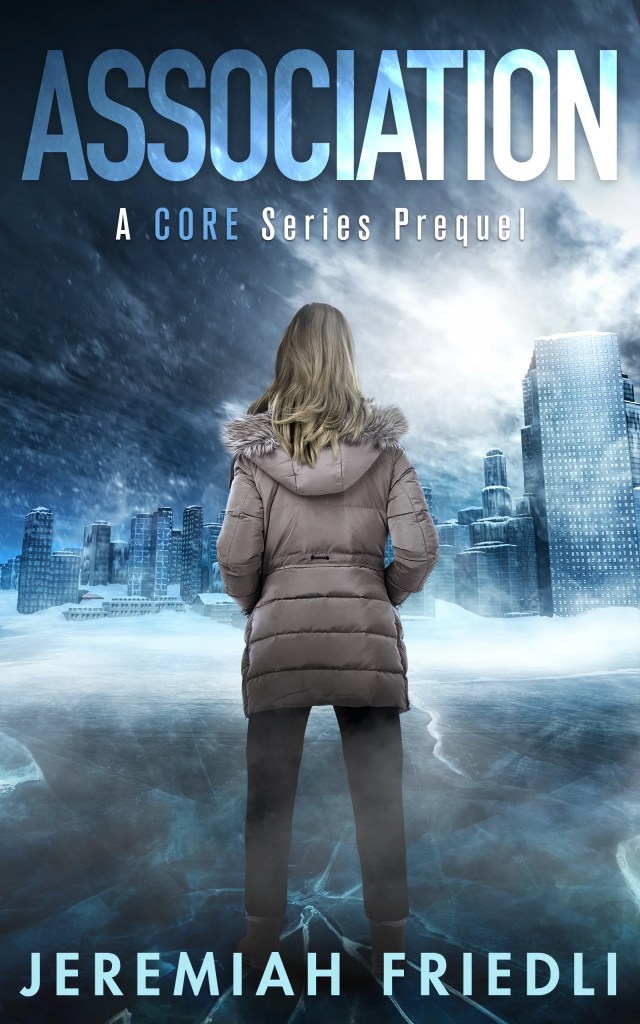
Take codes and ciphers for example. I’d read about them in true spy accounts and liked the idea of incorporating them into the CORE Series. As I learned more so I could write about them correctly, I really enjoyed codes and ciphers. In fact, they play key roles in CORE Deception and its prequel novella Association. I even created a Code and Cipher Guide to go along with my books.

Another reason I like CORE Deception is the primary thematic element, which grew out of 2020 when I faced fears I didn’t know I had. I’ve struggled with fear of acceptance, fear of failure, and fear of incompetence before—to name a few fears. But this was new to me. It was fear that dominated my thinking and tried to control my actions. (And really, doesn’t all fear do that?)

Something told me this wasn’t right—more like Someone. As a Christian, I shouldn’t fear like that, not if I believe the Bible. After all, our future is secure, no matter what happens to us physically. And as Christ-followers, we have more hope than anyone else.

So why was this fear so strong? Later I came across a quote by Max Lucado from his book Fearless. He put it really well: “Fear, at its center, is a perceived loss of control.”

That was me. It felt like I’d lost control of almost every aspect of normal life. Not that I had control in the first place. And that was the foundational deception of my fear. Experiencing this it was painful because it forced me to face a reality—I wasn’t trusting God like I thought I was, like I wanted to think I was. But as painful as that was, it was a gift, growing me as a Christian. And I soon incorporated it into CORE Deception.

CC: That’s such a powerful way to put it. I’ve certainly struggled with that. It’s easy to “trust” God when everything is going well. How else has your faith shaped this story? Could you share what “Christian sci-fi” means to you?

JF: Faith should shape everything Christ’s followers do and think. It’s easier said than done, but that’s what I try to do, including with my writing. This doesn’t mean there’s a Bible verse on every page, but it does mean my writing should reflect a Christian worldview and be done for Christ’s glory.

This reminds me of a pivotal point years ago. I’d been writing it since I was a kid, mainly for enjoyment but with the possibility of publishing eventually. I sensed a challenge from the Lord regarding my time used in writing. If I was going to spend time on it, I should use it for His glory and not just my personal enjoyment. Yes, I want to write engaging stories that whisk readers away into an amazing world of fiction, but I also sensed the call to use my stories to “lay up treasure in heaven” (Matthew 6:20). That includes reflecting biblical worldview and weaving in themes that inspire courageous living for God, regardless of the genre.

I like to think of Christian sci-fi—really any genre—as stories written from a biblical worldview. The Bible should always be the foundation and guide for creators and readers. As 2 Timothy 3:16-17 tells us, God’s word is sufficient for all areas of life.

CC: Amen! What did you most enjoy about writing your book? What was most challenging?

JF: I absolutely love the phase of writing when the spark of an idea grows into something bigger. It’s that phase when I’m exploring characters or a storyworld (or both!), ideas explode, and it seems anything is possible. It’s like receiving a fascinating new toy on Christmas Day—I’m just so excited to play with this new idea and see what it can do! With CORE Deception, it didn’t take long to realize I had enough for more than one novel.

But for all those loose ideas to form a cohesive story, I eventually had to put it into a framework (either before or after writing the first draft). The phase of structuring everything, making my setting consistent, and refining character arcs posed one of my greatest challenges. I’ve polished words before and cranked out many drafts over the years, but pushing a novel through developmental edits (making all the large pieces work) wasn’t something I’d done before and was harder than anticipated. But the story is so much better for it.

CC: Worldbuilding is definitely the fun part! Actually sitting down and writing takes so much discipline! How long have you been writing and how did God guide you into this career?

JF: One of my first stories was a one-of-a-kind picture book I wrote and illustrated myself as a kid. It was four pages long with a grand total of seven sentences (if you include “the end”), put together with construction paper, masking tape, and staples. [optional: insert picture below] The name was Twenty Door Bells. A real page-turner, huh? You can tell I was using cutting edge print-on-demand technology too. But you can see my imagination was already at work.

Mostly, I only wrote creatively when it was required for school. But somewhere along the way, I found I liked crafting stories. Sometimes it was because my siblings were writing stories. Later, it’s more likely that I ran out of stories to read, and so I decided to write my own. I enjoyed it so much I kind of became an overachiever with writing assignments.

For example…

Assignment: 5 pages of fanciful fiction

Completed Project: 39-page story of animals in a medieval kingdom, complete with intrigue and major battle scenes.

Assignment: Short story with dialogue (short, as in, only a few pages)

Completed Project: 35-page mystery with black-cloaked thugs and a pie fight, among other things.

Soon I was writing even when there wasn’t any assignment—short stories, poems, novellas, novels—and sharing them with my family and friends.

I got into westerns, action, mystery, humor, sci-fi, fanciful, fantasy, retellings, and even an interactive mystery-thriller. I did flash fiction, short stories, novelettes, novellas, short novels, novels. Having siblings who wrote helped a lot, offering camaraderie and some friendly competition. I have terrific memories cowriting with my brothers and sisters. Also, it was huge that my mom (and homeschool teacher) fostered creativity.

As time went on, I sensed God calling me to do more with my creative writing, as I mentioned above.

CC: Haha, I love your enthusiasm! And that your mom kept your first story! How would you describe your writing style and how has it evolved since those early stories? Do you have any advice for writers as they try to develop a unique style?

JF: I love stories with high suspense, action, and thriller pacing. I think a lot of teen guys would agree. When I read books in that genre, I’m able to detect a general style, especially for action and suspense scenes.

But when it comes to developing my own style, I’ve largely followed James Scott Bell’s advice on the subject. Keep in mind, both he and I write for the commercial fiction market, not literary or what your high school English teacher taught you. In Revision and Self-Editing for Publication, Bell says, “It’s best to allow voice and style to emerge naturally in the telling of your tale. Attend to the fundamentals of the craft, and voice and style will seem organic. That’s your goal.”

Put another way, don’t think too hard about style. As you write more and more, you’ll naturally develop one of your own. But if you concentrate too much on style, you risk awkward, unnatural prose that jars the reader.

CC: That’s a good point. Sometimes writers can over-plan, rather than letting things develop organically. What was your journey to publication like? Why did you pick the route you did and what kind of challenges did you face along the way?

JF: As mentioned, at some point I pivoted from writing for fun to writing intentionally, like for the purpose of publication. I dedicated myself to the craft of writing and eventually started looking for publishers and agents. But eventually, I didn’t sense any major publisher’s interest in my writing. While a small publishing house might have been, I felt like I’d be doing much of the same work as independently publishing—an idea I gradually liked more and more.

More significantly, as time went on I realized that I would really like to have a say in the final book product. I sensed that God wanted me to influence the story, the editing, the cover, the marketing, and so on. The catch is, I had to learn at least some about all those areas. For example, I knew I should outsource my cover design, but that still requires I understand the norms for covers in my sub-genre and can create a design brief for the designer.

Pragmatically, indie publishing works well in the book industry today. There’s definitely a learning curve if you’re going to do it well, but it’s easier than ever for an author to tackle areas like typesetting and selling directly from their website. And I’ve found I enjoyed the business and marketing parts of writing a lot more than I anticipated.

CC: That must be a relief! It’d be so hard to stick with it if you hated the business and marketing like a lot of authors do!
There has been discussion lately of how few young adult books feature male main characters (outside romance plots). Indeed, it seems like major publishers aren’t interested in these types of stories. Why do you think this is? Are you hoping to reach boys and young men in particular, and how do you hope your book can accomplish this?

JF: Yes, I write for teen guys. Perhaps because as a teen guy, I had a hard time finding books I enjoyed. Thankfully, I did find some, and that’s probably why I ended up writing YA! But more importantly, that’s the genre I sense God calling me to. I still have a lot to learn here, so I’m always eager for resources that help me do this.

It’s no secret to those in the book industry that guys don’t read/buy as many books as girls.

If you look at what the large publishers are producing, the same disparity seems to exist in the young adult genre. Not that there’s anything inherently wrong with that. My guess is they’re publishing what sells. To an extent, it’s a chicken or the egg situation—since not a lot of guys read, few new books get published for them, which leads to fewer guys reading and therefore publishers creating fewer books for that diminishing readership.

Some blame the gaming industry for drawing guys away from books, but my counter to that is “what is it about those games that connect with guys?” There are a number of independently published authors who have figured out how to produce stories guys love and are filling the void left by the larger publishers. Because plenty of young men do like to read, even if they’re not looking for reading material in the same places other people are.

This is a big topic, and this excellent discussion on the Christian Publishing Show is a good next stop.

CC: Thank you! That’s a valuable perspective. What’s next for you as an author?

JF: I’m well into the planning phase of CORE Deception‘s sequel. Readers can expect more suspense and espionage while exploring new facets of the CORE Series storyworld and digging deeper into characters like Seth, Krystin, and Jhalak. The next title and plot are a secret right now, though I’m feeding some insider snippets to those subscribed to my emails. Here’s a teaser for the sequel:

A relentless pursuer.
An unpredictable ally.
The opportunity of a lifetime.

Can seventeen-year-old hacker Seth Alvarez survive a daring undercover mission that could change the course of a nation…or destroy everything he’s even known and loved?

After a third novel in the CORE Series, I’m praying about what to write. Several ideas are pushing their way to the front of the line, and it’s too early to say which one will win out. It could be another sci-fi, a modern thriller, kingdom adventure—you get the idea.

CC: Thanks Jeremiah, I look forward to it! And best of luck in the next stage of judging at the 2025 Realm Makers competition!

JF: Thanks so much for allowing me to join the discussion today!

About Jeremiah Friedli

Author of the 2025 Realm Awards Finalist CORE Deception, Jeremiah Friedli is a homeschool graduate, lifelong writer, ice cream lover, and native Texan. He enjoys getting out in God’s creation, whether that’s hiking, camping, running, or just reading quietly on the porch. Otherwise, you might find him seated behind a large screen with one of his beloved spreadsheets or watching a movie with his family. Learn more and connect with him at jeremiahfriedli.com.

Try a Free Novella!

Or Dive into His Debut!


Hi, I’m Caylah Coffeen, a freelance editor and marketer of sci-fi and fantasy books. I love reading and writing and am a follower of Jesus Christ.

I’ve worked for Monster Ivy Publishing and Eschler Editing, and am currently a weekly editor with Havok Publishing. Reach out to chat about books and publishing!

Thanks for stopping by my website! I hope you’ve found some helpful resources about reading, writing, and publishing. If you liked this article, here’s some more free content…

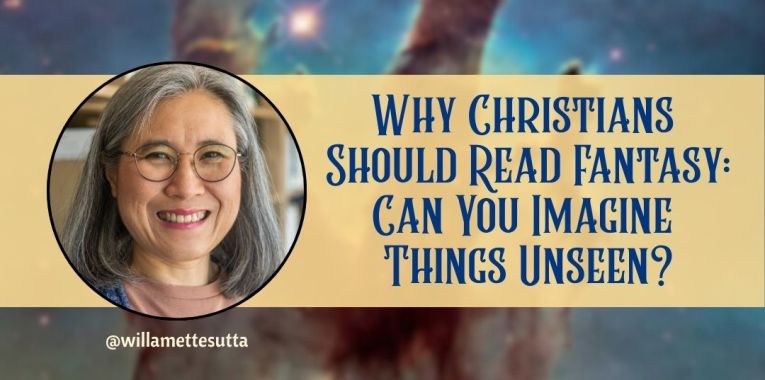
Why Christians Should Read Fantasy: Can You Imagine Things Unseen?

Guest Post By Willamette Sutta

Let’s face it. When we write our debut novel, we expect the world to be as excited about it as ourselves. At least our family and friends. Mine did make a big deal of my achievement. But when I told them it was a fantasy novel, their smiles became polite, baffled, or embarrassed. Not everyone, but enough to dampen my enthusiasm. True, peoples’ reading tastes vary, so it could just be the genre. But after conversations and consideration, I came to a disturbing conclusion. Few people in my circle of acquaintances read fiction. A common denominator among those acquaintances is that they are Christians. Could there be a correlation?

Christian fiction has gained more acceptance in the ecclesiastical fold in recent decades. Works from such authors as C. S. Lewis and Tolkien are even held in theological esteem. But most seem to be valued as clean entertainment, comfortable encouragement, or harmless escapes to restore mental health. All fine for the young, leisurely, and convalescent. But “serious” Christian growth happens from didactic doses of information, right?

Do we only glean the deepest insights from within the careful lines of logic, or can we also learn through the mysteries of the imagination? Is reason the only tutor of innovation, or must it co-create with abstraction? Consider science. It observes facts and imagines possibilities (hypotheses) which are tested to become theories (new facts). In the Christian life, we seek to grow in faith, which is “the substance of things hoped for, the evidence of things not seen” (Hebrews 11:1). Yet, belief in the unseen requires believers to step into the realm of the imagination. So, if imagination is critical to expand all types of  knowledge and faith, how can we cultivate it?

When we delve into a story and put ourselves in the shoes of fictional people, our minds summon images out of thin air. We experience events and desire outcomes that don’t exist. We are exercising our imagination. And we are learning another important life skill—empathy. Given these benefits, reading fiction should be an essential practice, especially for Christians. Yet the opposite seems to be true. Why would that be?

Why don’t More Christians read fiction?

Whether consciously or not, Christians may hold the mindset that theological textbooks or other expository writings alone can teach real spiritual insights. Perhaps there is some justification for such thinking, as many Christian novels contain little more than a sanctified dollop of sugar or shot of adrenaline. They may provide moments of distraction, but surely, we can offer more than euphoria that quickly evaporates. Following our Master Storyteller, who convicted scholars and laymen alike with life-changing parables, we too could weave profound truths into tales that lead to lasting hope.

Such stories are harder to write and to read. We must deal with murky concepts organically and often indirectly, all while negotiating a riveting plot. But like all things that are uncertain, we seek the guidance of the Holy Spirit. And as with all things difficult, we keep practicing. Indeed, Christians ought to “look not at the things which are seen, but at the things which are not seen: for the things which are seen are temporal; but the things which are not seen are eternal” (2 Corinthians 4:18). It may take time to build up a body of excellent Christian fiction, and to cultivate a reputation of edifying content. But we can do it if we push on in that good work.

There may be another reason that Christians shun the imagination. We fear it. Beyond being an intangible quality that we cannot define and confine, we have much evidence of its potential for evil in our world. Too often it is twisted by our sin nature and the Enemy to create vivid products of destruction. But these are not reasons to retreat. 

Can You Imagine?

I believe that the imagination is a potent aspect of being created in God’s image. It is a touch of the divine to glimpse into the edges of eternity. Of course the Enemy wants to usurp it, corrupting it to focus us on hedonistic desires and to extol ourselves as gods. We, as God’s people, should not concede this mighty gift. We need to claim the imagination for the glory of God. In 2 Corinthians 10:5, Paul tells us to be in the business of “casting down imaginations, and every high thing that exalteth itself against the knowledge of God, and bringing into captivity every thought to the obedience of Christ.”

We are not to abandon imagination, but to bring it into obedience to Christ. So, Christian should be at the forefront of penning magnificent speculations that sing His praises, ignite others to wonder at His goodness, and showcase His beauty and majesty. Stories of power and skill that draw people to His truth. And we should read those stories too, to enlarge our own faith and engage with others.

The imagination is a potent aspect of being created in God’s image.

When I was a 7-year-old immigrant in New York City, I learned to read in a public library. Stories opened the way to a new language and country for me. They normalized a strange culture and transported me to worlds of friendship and adventure. Yes, I relished the escape at first, but my mind was also training to see invisible things. So, when I heard the Greatest Story Ever Told, I could imagine Jesus and His salvation. I knew it was true. He had prepared me to believe.

Since then, faith is a constant journey of trusting God’s promises by seeing that which is not yet. Now, I want every story I write to convey an air of His transcendence, so that readers will long for it and recognize it when they encounter it in this world. Fantasy, more than any other genre, allows the supernatural to be a normal force in the narrative. Therefore, I see it as a perfect conveyance to reveal the most exalted One who surpasses all powers.

For readers, let me leave you with a challenge. Read a fantasy story today and let it take you on a quest. See yourself as the hero you never thought you could be. Find the evil in your world and surmount every danger to vanquish it in Jesus’ name. Do you dare?

About Willamette Sutta

Willamette Sutta is the pen name of a former academic librarian who has always been more fascinated with the worlds of imagination than the STEM books that she curated. Now she combines her love of information and speculation to create fantastic stories that nevertheless give an air of a world truer than the one we see. Find the story beneath the story.

Check out Her Debut Novel!


Hi, I’m Caylah Coffeen, a freelance editor and marketer of sci-fi and fantasy books. I love reading and writing and am a follower of Jesus Christ.

I’ve worked for Monster Ivy Publishing and Eschler Editing, and am currently a weekly editor with Havok Publishing. Reach out to chat about books and publishing!

Thanks for stopping by my website! I hope you’ve found some helpful resources about reading, writing, and publishing. If you liked this article, here’s some more free content…

4 Mini Reviews of Enchanting Christian Fantasy Books (YA & Middle Grade)

Guest post by David Justiss

I’m a fantasy writer and hope to soon publish my first middle grade fantasy story! My brand of fantasy is not high fantasy, nor urban fantasy – I take more influence from fairy tales and mythology. Here are 4 mini reviews of enchanting fantasy tales (by Christian authors) which have inspired me.

  1. Book Review: An Echo of the Fae by Jenelle Leanne Schmidt
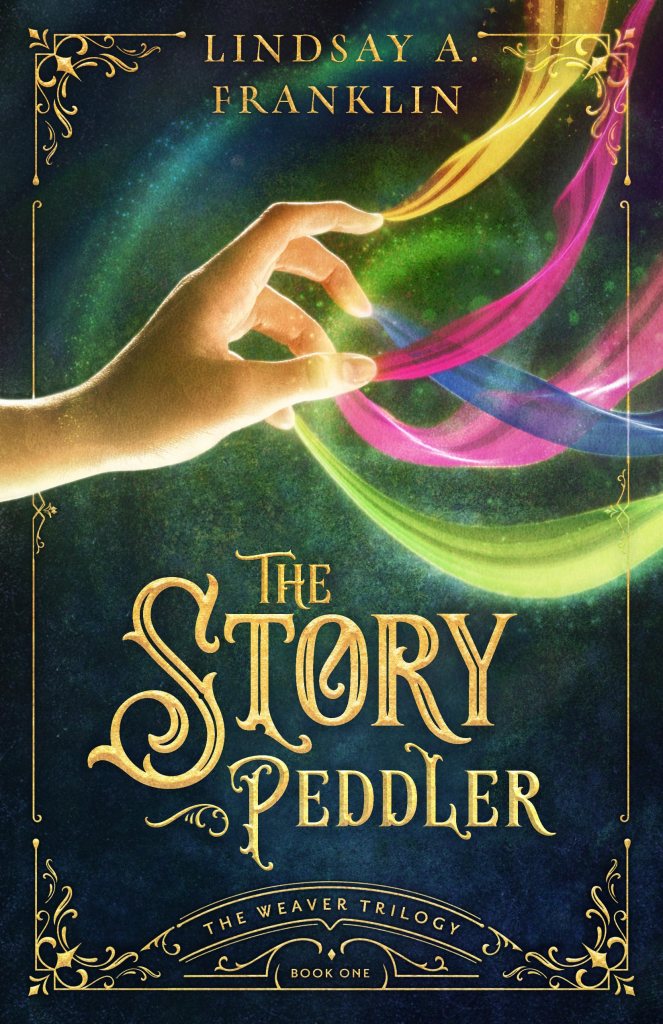
  2. Book Review: The Story Peddler by Lindsay A. Franklin
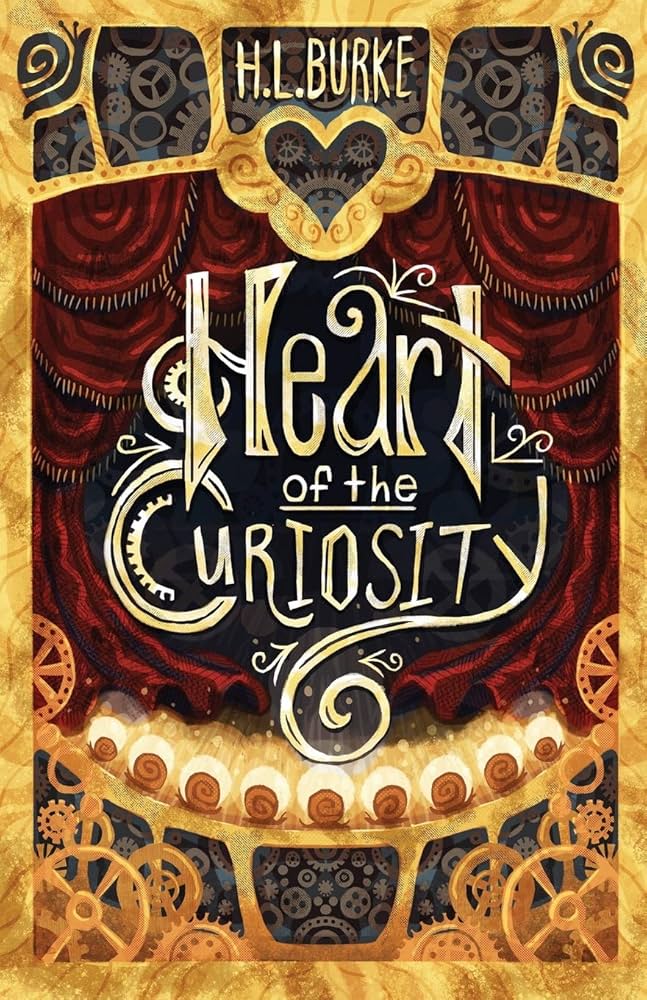
  3. Book Review: Heart of the Curiosity by H.L. Burke
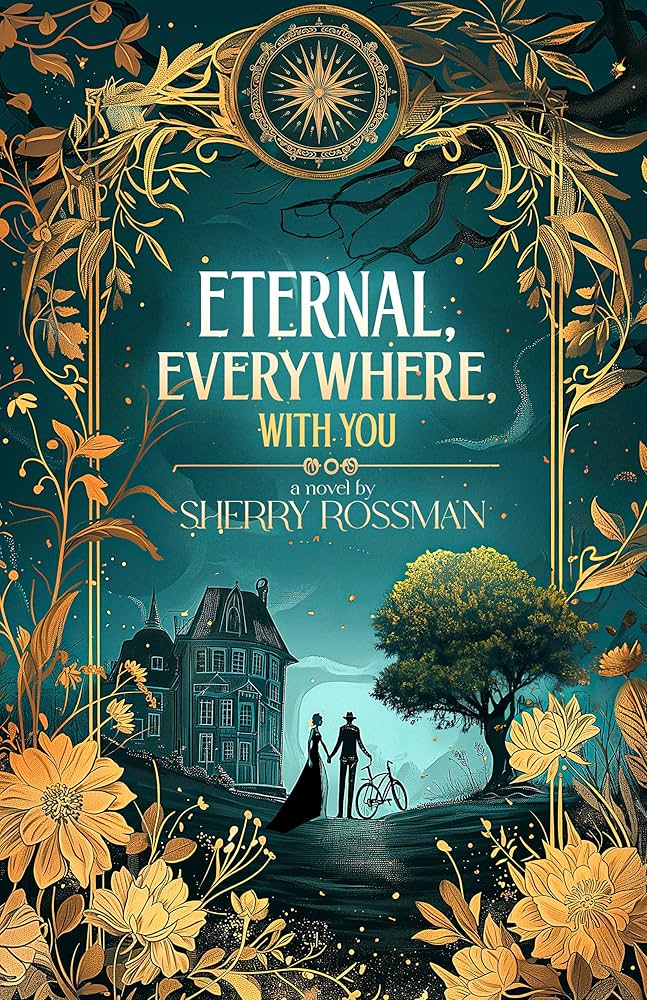
  4. Book Review: Eternal, Everywhere, With You by Sherry Rossman

Book Review: An Echo of the Fae by Jenelle Leanne Schmidt

Rating: 5 stars!

I love the style and voice of this story. It reminds me of fairy tales or fantasy stories I read and loved as a kid. It feels like it was written a long time ago, which is perfect for a fairy tale. The other book I could compare it to is The Princess and the Goblin by George MacDonald, as both have the feeling of a fairy story.

One time, I did a survey meant for authors asking what was the most important parts of the story, with the multiple choices of (a) plot, (b) characters, or (c) other. I answered with (c) – that the most important part of a story is the tone and feelings it conveys to the reader. I’m bringing this up now because this story conveys so well the kind of adventurous wonder that a fairy tale is supposed to give a reader.

The only little criticism I think of is that Echo really seemed younger that thirteen years old, but that’s hardly a problem when the story is otherwise so good.

Book Review: The Story Peddler by Lindsay A. Franklin

Rating: 5 stars!

I loved it, and can’t wait to read book two!

Looking forward to finding out why Gareth was the way he was. I loved Braith. She was in such a precarious situation, and I was struck by her boldness in every scene she’s in. The other characters are pretty cool too.

I love the theme too. It’s kind of a similar theme as Fahrenheit 451, but I like this kind of story way better than futuristic dystopian stuff. The feel of the story is very different. I’ll go for a hopeful story over a depressing or disturbing one any day.

Book Review: Heart of the Curiosity by H.L. Burke

Rating: 5 stars!

I beta-read this and loved it, so I had to get the finished version.

There comes a point in a lot of good books, usually somewhere around half or 2/3 of the way through, where the book becomes very hard to put down. Unfortunately, this point came after 1am both times I read this book, so I was up late…

I like the theater. Pretty much any setting with a maze-like system of hallways and secret passages can make for a fun story setting. And of course, I love the snail circus (I recently read and watched Coraline which I suspect is where the inspiration for the snail circus came from. loved that story too.)

Yes, I cried (both times) going through those tough parts to read. Leo is easy to relate to with her feeling unlovable and wondering what she’s good for.

Book Review: Eternal, Everywhere, With You by Sherry Rossman

Rating: 5 stars!

Something good about independently published books is that you get stylistic elements which don’t pass with a major publisher. (It’s a bit of a shame that you very rarely find books with this kind of unique style from major publishers.) Sherry Rossman has a poetic writing style which has a habit of leaving out details which are (usually) easily filled in by the reader’s brain. Sometimes it takes a minute to figure out what’s going on. This isn’t always a bad thing, and in this story, I don’t think it’s a bad thing at all. You do have to trust the next page to tell you just enough to get the story and the feelings, but it works well here.

There’s some weird timey wimey stuff that reminded me both of N. D. Wilson’s Outlaws of Time trilogy, and of Madeline L’Engle’s stories. I loved it.

About David Justiss

Find more reviews of books by Realm Makers authors on David Justiss’ Goodreads page.

Or find old posts on his blog: https://lightingliramor.wordpress.com/


Hi, I’m Caylah Coffeen, a freelance editor and marketer of sci-fi and fantasy books. I love reading and writing and am a follower of Jesus Christ.

I’ve worked for Monster Ivy Publishing and Eschler Editing, and am currently a weekly editor with Havok Publishing. Reach out to chat about books and publishing!

Thanks for stopping by my website! I hope you’ve found some helpful resources about reading, writing, and publishing. If you liked this article, here’s some more free content…

3 Mini Reviews of Christian Sci-Fi and Urban Fantasy Books

Guest Post by Ted Atchley

Hi, I’m Ted Atchely, a geek who loves Jesus, and a professional computer programmer. Whether it’s crafting code or weaving tales, I’m always writing. I’ve been influenced by science fiction and fantasy written by fellow Christian authors, and am excited to share 3 mini reviews of my favorites!

  1. Book Review: Mercury on Guard by Steve Rzasa
  2. Book Review: Rogue Pursuit by B.L. Dean
  3. Book Review: Steal Fire From the Gods by Clint Hall
  4. Ted Atchley’s Debut Sci-Fi Novel: The Key to Reality

Book Review: Mercury on Guard by Steve Rzasa

Rating: 5/5 stars!

If you enjoy urban fantasy stories with snarky heroes slaying otherworldly beasts, then I give you my strongest recommendation to check out Mercury On Guard. This story has a lighter feel than The Dresden Files with less death and destruction, but similar stark and a bunch of monster fighting.

I’m normally a slow reader, but the pages simply melted away. The description pulls you into the action and the setting. Sometimes it feels like Mercury’s narration even breaks the fourth wall.

The characters are each distinct and feel like real people. They have their issues, but you are rooting for them the whole way. The twists catch you off guard in all the best ways, always cranking up the stakes. The story has a satisfying ending, but also leaves room for further adventures.

If this were a movie, it would probably be PG-13. There’s no adult language that I remember. No adult “situations.” There is plenty of violence, but it was never gratuitous, gory or stomach turning. A minor character consumes alcohol.

I look forward to delving into the rest of the Mercury series and Mr. Rzasa’s other works.

Book Review: Rogue Pursuit by B.L. Dean

Rating: 5/5 stars!

If you like Space Opera, you should definitely check this one out. It has great characters, creative worldbuilding, and plenty of conflict and tension on every page.

I loved how the author used color theory in the dynamics of how the wormholes work in this world. Each planet we visit is unique, with a fresh spin on familiar themes. It feels new, yet familiar.

Tai and Perrin are both well written with varying and conflicting goals and objectives. Their dynamic plus a great balance of micro and macro stakes makes for a rich and enjoyable story. I’m looking forward to seeing more of them in future books by Dean. Even the side characters are memorable and I would love to see them starring in their own spinoffs in the future.

This was a fast read, and one of my favorite reads of the year so far. I’ve already purchased the next book in the series.

Book Review: Steal Fire From the Gods by Clint Hall

Rating: 4/5 Stars

I enjoyed the story and it kept me engaged to the end. It was a fun and creative adventure. The characters are fully dimensional and relatable. This is a great science fantasy book–a blending of science fiction and fantasy that goes together like chocolate and peanut butter.

This book kept me on my toes. The story never went in the direction I thought it was going to go. The “curse your sudden, yet inevitable betrayal” moment, I never saw coming.

The book did leave me with some questions, both about the magic system, but also about the main character. There seems to be a conflict introduced in the opening chapter that I felt could have had a clearer resolution. But these questions never detracted from the enjoyment of the story.

I’m a little bummed this was a standalone. While I look forward to future works from Mr. Hall, I do hope at some point, he will decide to revisit this world and these characters.

Ted Atchley’s Debut Sci-Fi Novel: The Key to Reality

If these books sound interesting, I invite you to try my debut sci-fi novel, The Key to Reality. It tells the story of a “white hat” hacker who attempts to strike a work / life balance and fails so cataclysmically it breaks the fabric of space-time.

Or get the short story prequel, “Finding the Key,” for free when you subscribe to my newsletter. Fourteen-year-old Brandon has bounced from foster home to foster home since losing his mother. All he wants to do is reclaim a part of his old life and return to the apartment he shared with her. But the old neighborhood has changed much since Brandon last lived there, and a nasty gang runs the streets. His search won’t just be for a place to call home, but for his very survival.

About Ted Atchley

Ted lives in beautiful Charleston, SC with his wife, children, and two cats.

When he’s not writing or reading, he enjoys schooling his kids at Smash Bros, and Mario Kart, as every geeky dad should.

Check out his work at https://tedatchley.com/.


Hi, I’m Caylah Coffeen, a freelance editor and marketer of sci-fi and fantasy books. I love reading and writing and am a follower of Jesus Christ.

I’ve worked for Monster Ivy Publishing and Eschler Editing, and am currently a weekly editor with Havok Publishing. Reach out to chat about books and publishing!

Thanks for stopping by my website! I hope you’ve found some helpful resources about reading, writing, and publishing. If you liked this article, here’s some more free content…

A huge wave crashes into a line of coastal houses, a stormy sky behind them.

Writing with Childlike Faith

Guest Post By Dana Bell

In 2018 I was done with writing. Being a published writer was not at all what I thought it would be, and the stress of having to complete multiple projects burned me out. The last thing I wanted to do was write.

Know why I didn’t quit? A couple reasons. My ex had tried to take everything I cared about away from me. I wasn’t about to allow him to win. The other – I couldn’t imagine doing anything else.

Rediscovering the joy of writing

So, I began a journey to re-discover the joy and fun of writing. God played a huge part in that. I put aside all professional gigs and went back to fan-fiction. This genre taught me so much about being a writer and allowed me to practice the tricks of the trade. My goal: write between 1000 to 1500 words a day. That took me about an hour. By the end of summer, I’d gotten up to 3000 a day. Not a goal I had set for myself.

But I did not make the journey alone. Even when writing fan-fiction, I would sit down at my computer and pray one of two simple prayers:

“Thank you, Dad, for letting me write” or “Hey, Dad, you want to come and play?”

“Hey, Dad, you want to come and play?”

Dana Bell

From faith to a book deal

By the end of the year I sold my first romance novella. NO ONE sells their first romance.

I continued the practice of praying before I wrote, whether I was playing in someone else’s universe or crafting my own original work.

Yet there is one more element involved. It isn’t just prayer. It is faith. Faith so unshakeable I believe that when I sit down to write God will give me the words. My fingers get going on the keys and don’t stop until I’m finished for the day, however many words I write.

Speaking of faith, I actually asked God the other day why He puts up with me. I’m not exactly the most faithful of children. I was curious. Know what the answer was? In that amused and tickled father way He answered, “Because you have the faith of a child.”

That startled me. Of all the answers He could have given, He gave me one I didn’t expect.

My ability to speak with God like this is new. I talked to Him earlier about this article and He said, “I’ll give you words.” So, I quit worrying about it and trusted He would do as He promised. Did I pray first? Of course, I did.

Prayer doesn’t have to be complicated

One thing few people teach about prayer is that it doesn’t have to be complicated. One word can be a prayer. I know. I’ve done this. As I recall, the prayer was, “Father!” I didn’t need to say more.

I have another way to pray, which I use when I have no idea what to say. Paul taught about it in the Bible, and yes, I can Speak in Tongues anytime I want. I don’t know the exact language, but I know the country and region it comes from. Since I know many Christians teach this gift is gone, I won’t go into detail. Though I could teach endlessly about the Gifts of the Spirit, all of which I’ve used at different times in my life.

Rare though it is, I walk in both the natural and supernatural world. I dream dreams and have visions. That’s Acts 2:17.

What does this have to do with writing, faith and prayer? Everything.

God had proven himself faithful all throughout my life. I was saved as a child. I even spoke in tongues, but I didn’t know what it was and quit doing it. Scared me.

He has taken care of me even when I did something stupid or didn’t deserve it. I fought off a purse snatcher when I lived in Boston. Serial rapists hunted around me when I lived in a Denver apartment complex. He sent an angel to watch over my home. I came home one night, and my neighbor told me the guys had been caught. They had lived on the second floor of my building. Recently, I almost lost my house because I had no job and no unemployment income. I went to God with my simple faith and said, “You’ve always taken care of me.” God provided, although not in the way I expected.

I still have my home. I even have a job now.

Have faith God will give you words

These are all acts of faith and the reason I place high value on them is because unless the writer believes God will give them words, their prayer won’t make any difference.

I have faith. I pray. I sit down. I write.

It is a sweet time with God. An Act of Worship.

Yes, writing is worship.

I know, normally we think of worship as church, music and some dancing. Speaking of dancing, Yeshua is a delightful dance partner. Won’t go into the story on how I know that.

Yet writing, when God is invited to be part of it, is worship. It is a father hanging out with his child, delighting in the talent he inspired and the willingness of his child to share it with Him.

I’ll add here that God has taught me a few tricks with writing. I’m a pantzer and had a horrible time finishing my earlier books. Not to mention, I work on multiple projects at once. I’ve learned to leave myself notes about unanswered questions, plot points I need to complete, or what the next scene is. For my last three books, this was a huge help.

Before I asked God to be part of my writing life, I struggled to get the words out. I thought I had to be inspired by the natural world, as many writers are led to believe. Now, I sit down, ask God to join me, and the words flow.

This is precious time with my heavenly father. Part of a rich relationship I share with Him. The Bible says to ask God for what we need. I’m bold enough to walk into His throne room and ask if can fall asleep in His lap when I have problems sleeping.

God has never said no.

My solid foundation

I will share a dream I had during a deeply troubled time.

I was in a house. Built on a rock. Right next to the ocean. It had glass windows along the side of the house and in the ceiling. Huge waves smashed into the house, over and over and over. No window broke. The house did not flood. Someone stood in the house with me. Years later I realized it was Yeshua. He just appeared in a different way than I had ever seen him before.

The dream interpretation was easy. I had my solid foundation. The waves were all the troubles I was going through. My house stood because of my childlike faith.

I recall this dream when I go through times of trouble.

Every writer needs faith. Open every writing session with prayer. Invite God to come and join you in your time of Worship.

About Dana Bell

Owned by a demanding Ocicat named Taj, Dana Bell lives in Colorado and enjoys writing tales about cats, places she’s lived and others she’s visited. She is the author of multiple titles including Bast’s Chosen Ones and Other Cat Adventures and Winter Awakening.

She also writes paranormal romances such as Bound by Blood: Idaho Vampires under the pen name Belle Blukat. As an editor she enjoys putting together anthologies with various themes and helping authors master their writing skills.


Thanks for stopping by my website! I hope you’ve found some helpful resources about reading, writing, and publishing. If you liked this article, here’s some more free content…

Prayer to my Shisho in Heaven

Guest Post By Sue Martha Shigemitsu

Note: “shishō”—Japanese word for “master” or “instructor”.

Dear Heavenly Father,

Thank you for giving me this opportunity to write.

Lord, You are Lord of All Creation and have created this world from nothing, bringing life to us.

Lord, because You are the Master Creator, I ask that You would be my Shishō—my Master and Instructor in creating things. I want to create with You, both something new and using what I already have; but I want to make things that honour You and give you glory. I want whatever I imagine, produce, and contribute to be things that glorify You by telling other about Your love and grace; to create stories, worlds, and characters that touch the hearts and minds of readers and inspire them to seek Your face. I want my writing to be flavoured with the saltiness of Your Word and brightened with the light of Your love and grace. However, I cannot do this alone, because this is something I know I can only accomplish if I work with You.

Lord, please help me. Show me, guide me and create with me these stories that are flavoured with Your saltiness and brightness—stories that make readers thirst for You and seek Your presence.

Lord, thank You for Your generous grace and abundant love that You have shown me. I pray I will share it through my life and writing, that others too will discover, learn, and grow in that same love and grace.

I leave all these things with You.

In Jesus’ Name I pray,

Amen

A young Japanese woman with a sweet, round face, glasses, and short-cropped hair stands inside a warm living space, smiling.

S.M. Shigemitsu is a Canadian fantasy writer of Japanese descent who published her debut novella, The Blue Bird of Happiness, on Amazon in 2022. She has also worked overseas as a teacher in Mongolia, Japan, and Bangladesh.


Hi, I’m Caylah Coffeen, a freelance editor and marketer of sci-fi and fantasy books. I love reading and writing and am a follower of Jesus Christ.

I’ve worked for Monster Ivy Publishing and Eschler Editing, and am currently a weekly editor with Havok Publishing. Reach out to chat about books and publishing!

Thanks for stopping by my website! I hope you’ve found some helpful resources about reading, writing, and publishing. If you liked this article, here’s some more free content…

A man kneels at the cross, silhouetted by a cloudy sunset. He palms are open, his head bowed, and a stack of books rests at the foot of the cross.

A Writer’s Prayer

Guest Post By Wayne Thomas Batson

Oh, Lord, you know
I have ideas all the time.
But I often wonder,
Which are yours and which are mine?

I toil in silence with thoughts and words,
While minutes spin and hours fly,
Wondering if it’s all worth it,
Or will be when I die.

Could I have better spent my days
With family and with friends,
Or in the mission field,
Where means justify the ends?

Could I have done something more
Than crafting stories in so many pages?
More than making up lives of fiction
That might not live on through the ages?

How can my feeble language
Capture your grace, your hope, your love?
How can the plans of a broken man
Ever be enough?

What if no one ever reads my work?
Or just to be polite, a few?
Can all these images and words
Be written just for You?

Maybe I could sow or reap,
But stories make my heart sing.
So I present to You these pages
As a private offering.

The Lord’s reply came swiftly
Over many years, hard learned.
He said, have you ever seen me waste a tear
Or from a faithful gesture turn?

Those minutes, hours, years you spend
Have already been redeemed.
Not one word written on my behalf
Will be as fruitless as it seemed.

For I do not judge by reviews or likes
Or by bestseller lists.
Your name in lights could never match
Your humble willingness.

Let me have your every word
Every sentence, every story.
I will take that meager bread
And multiply it for my glory.

Take the gift I gave you
Brook no fear nor regret.
Your good and faithful service
Will touch the world as I intend.

About Wayne Thomas Batson

A middle aged man with blue eyes and a peppered beard stands in front of a dark wood bookshelf.

Wayne Thomas Batson is the bestselling author of The Door Within Trilogy, The Myridian Constellation, and a host of other sprawling tales. A middle school English teacher of 33 years, Batson and his lovely wife Mary Lu live in a woodland home called Timbervale in the secluded hills of New Market, Maryland.


Hi, I’m Caylah Coffeen, a freelance editor and marketer of sci-fi and fantasy books. I love reading and writing and am a follower of Jesus Christ.

I’ve worked for Monster Ivy Publishing and Eschler Editing, and am currently a weekly editor with Havok Publishing. Reach out to chat about books and publishing!

Thanks for stopping by my website! I hope you’ve found some helpful resources about reading, writing, and publishing. If you liked this article, here’s some more free content…