Princes and strategists, martial champions and war heroes, grit, sweat, brawls, and schemes. Since the beginning of time, we have told stories about the best and worst of men – from myths and epics, to action and adventure classics, to modern superheroes and fantasy rogues, such stories have touched hearts across language barriers and millennia.
So why are they hard to find on bookshelves today?
Let’s take a look at the modern publishing market, reader tastes, and my own perspective as a book editor (plus a few obligatory caveats):
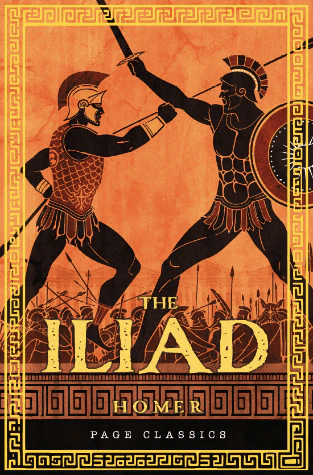
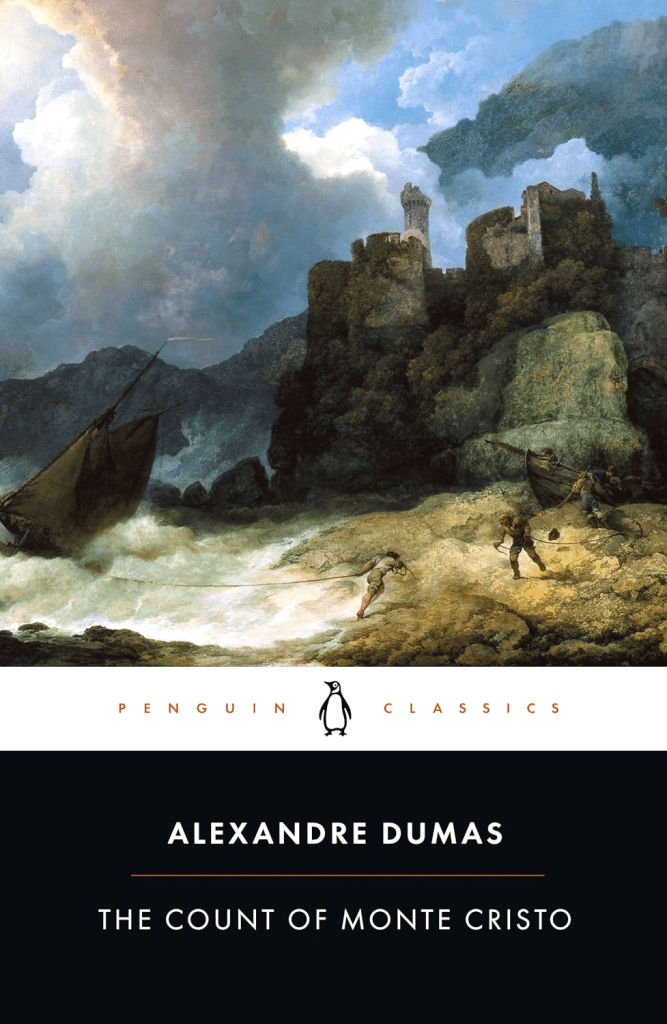
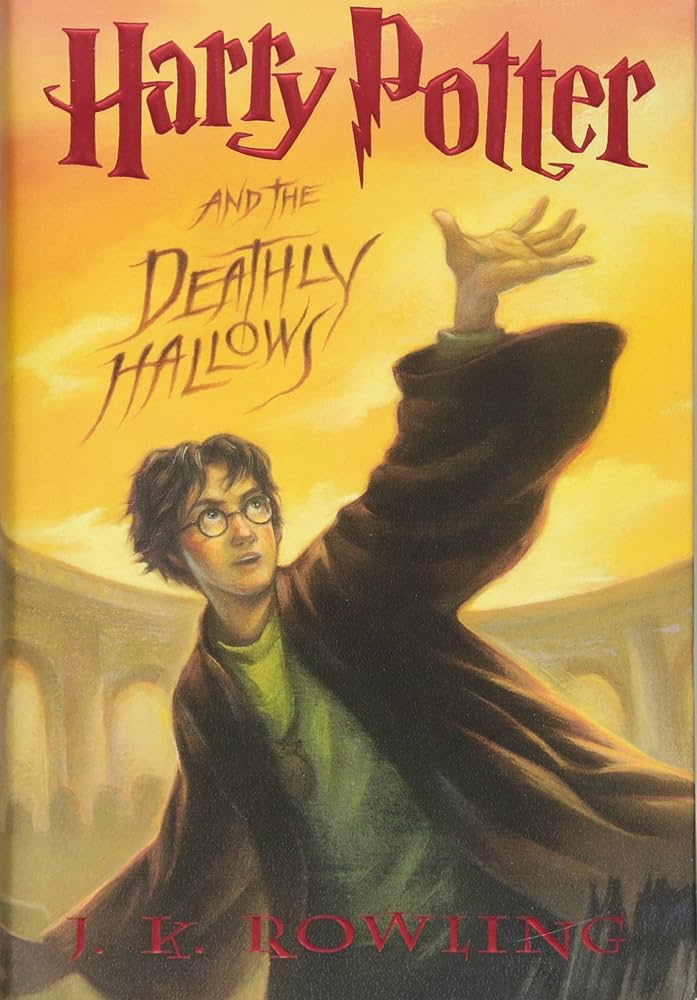
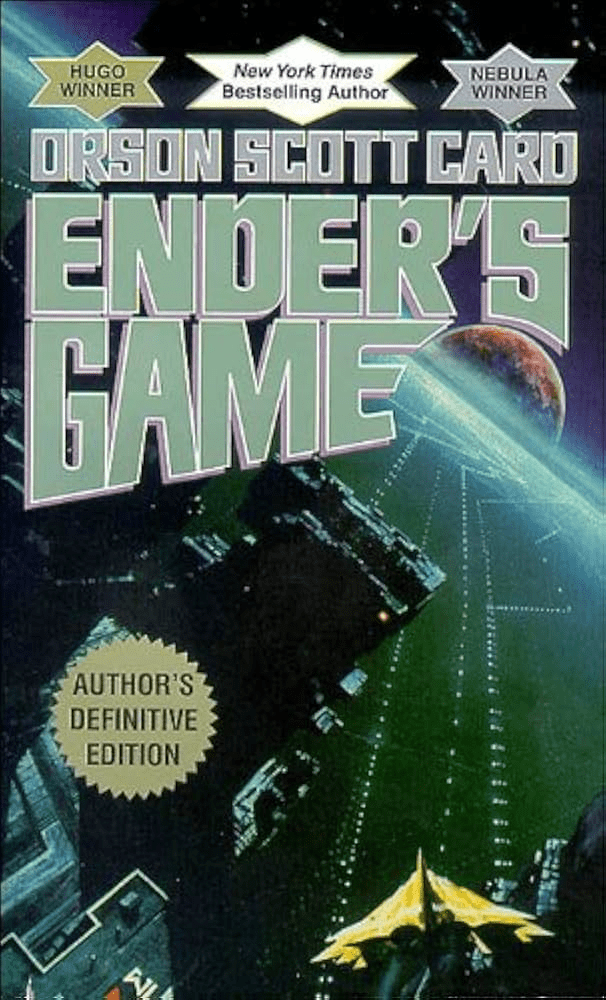
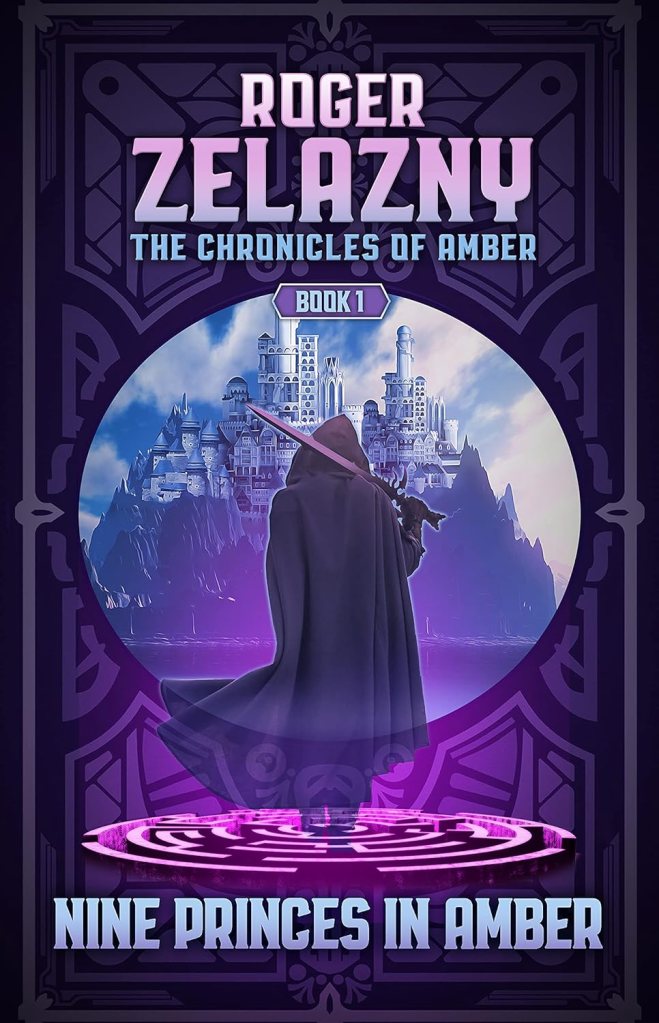
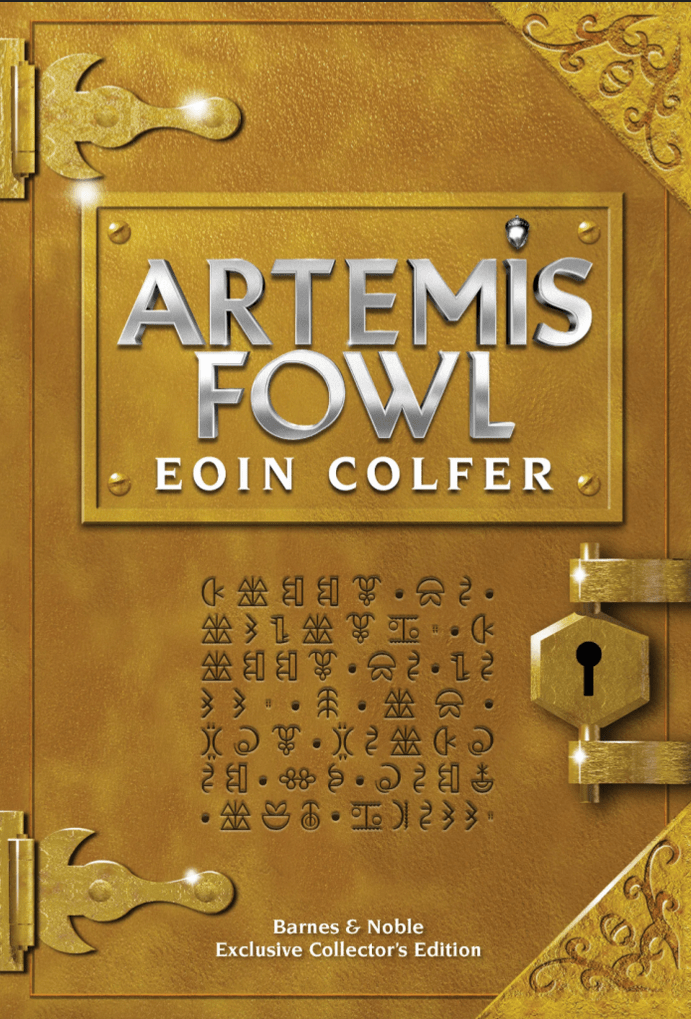
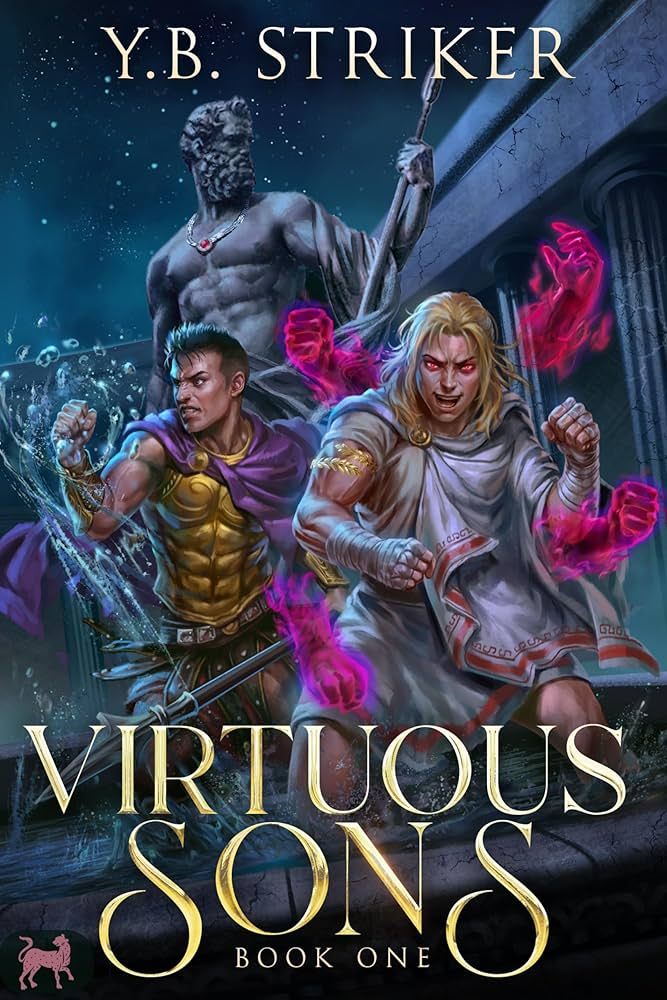
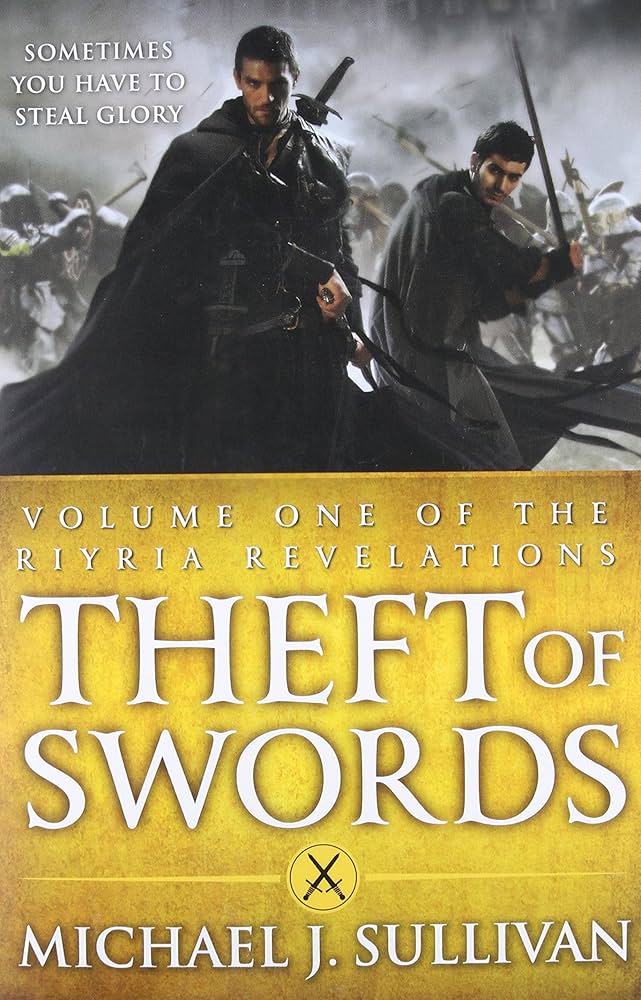
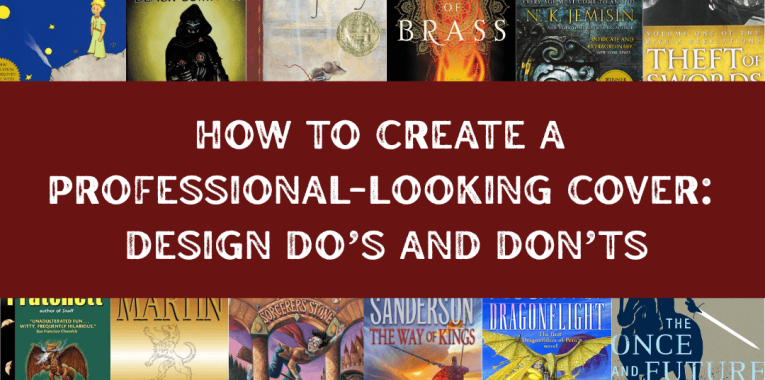
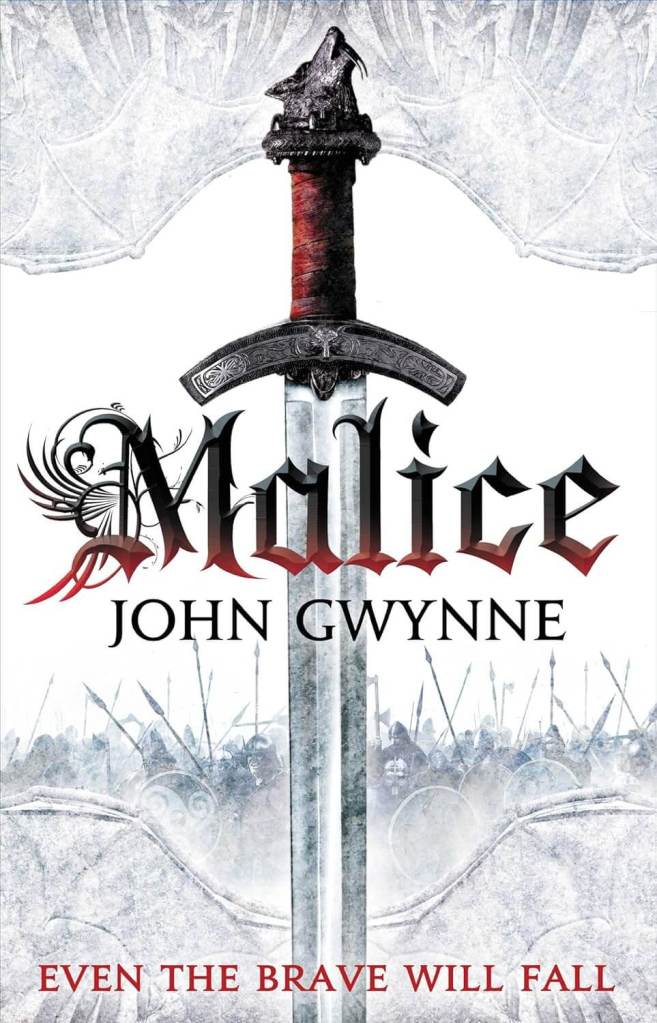
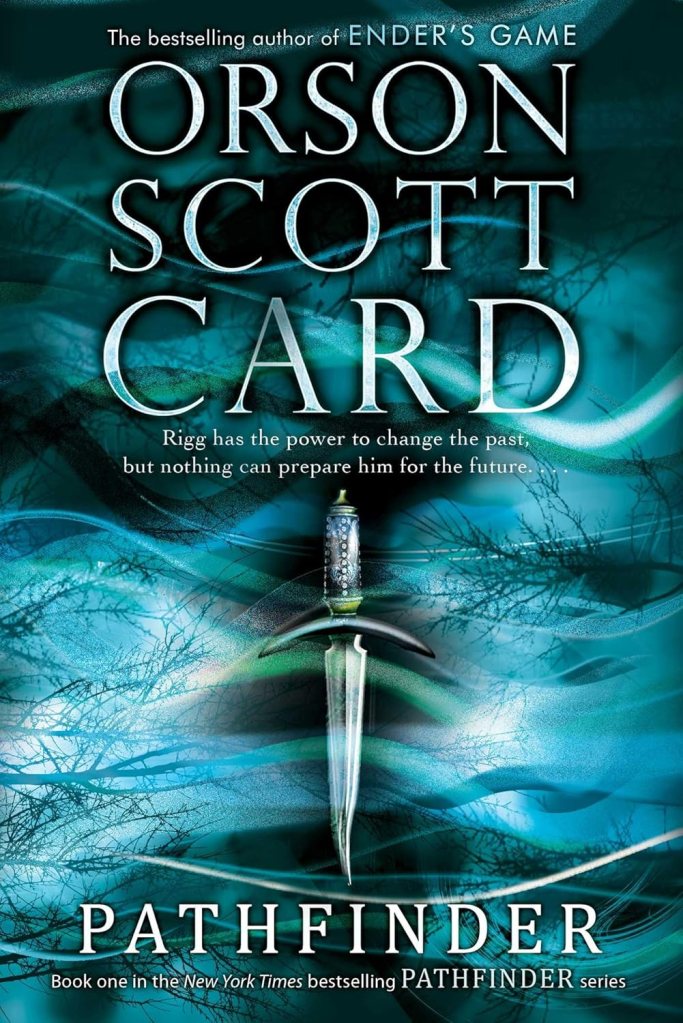
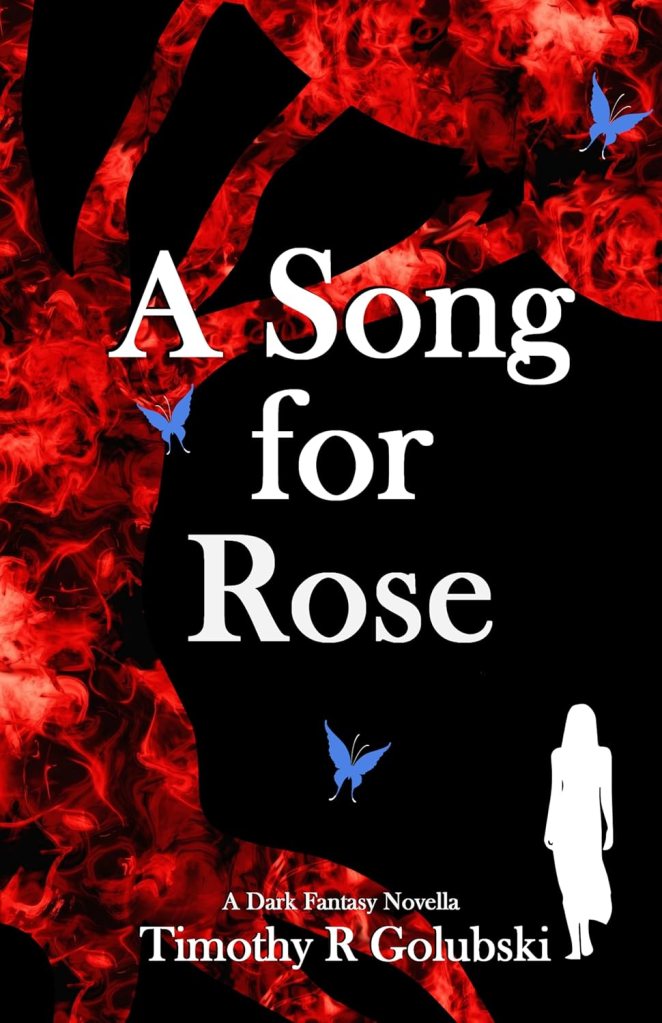
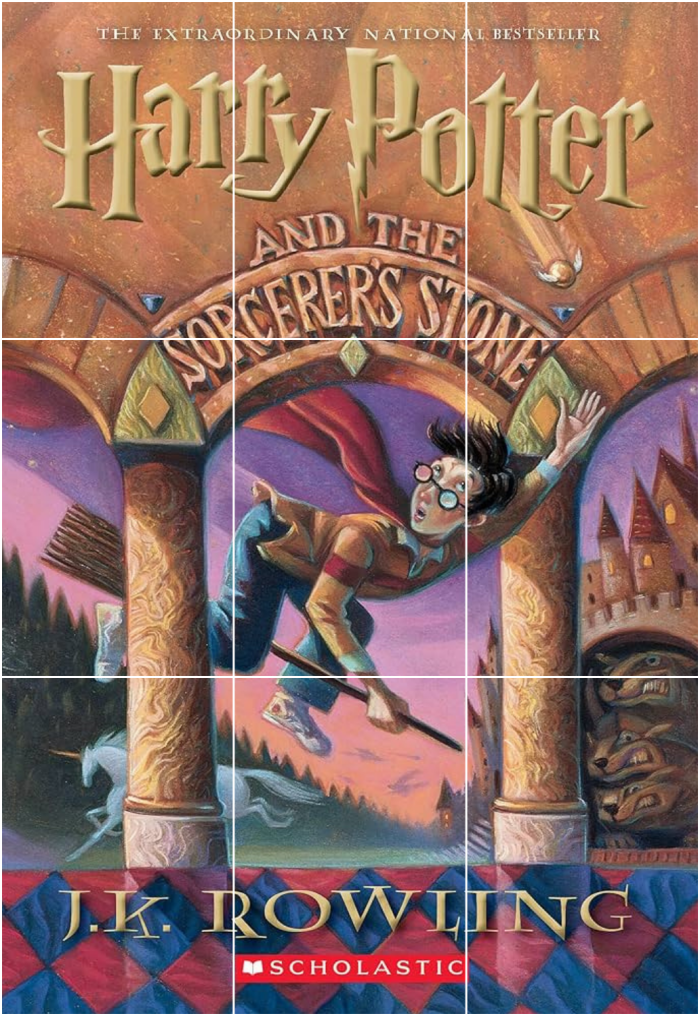
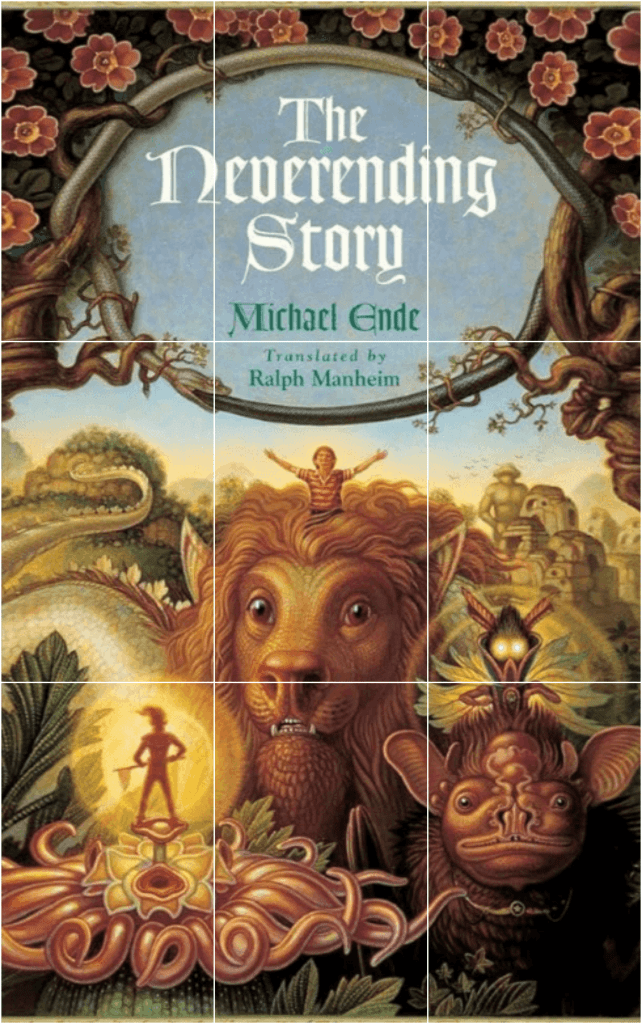
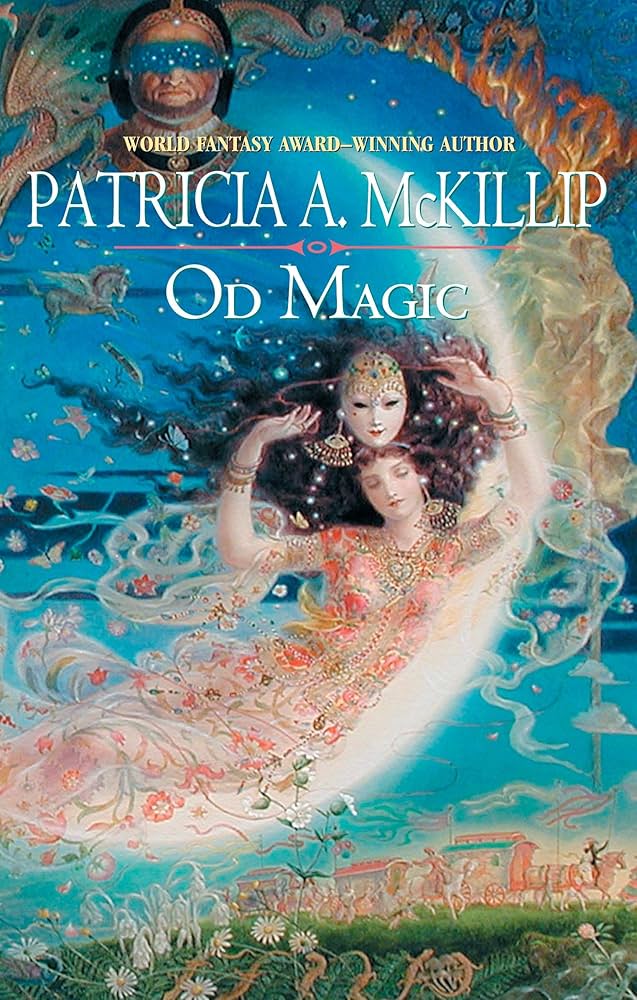
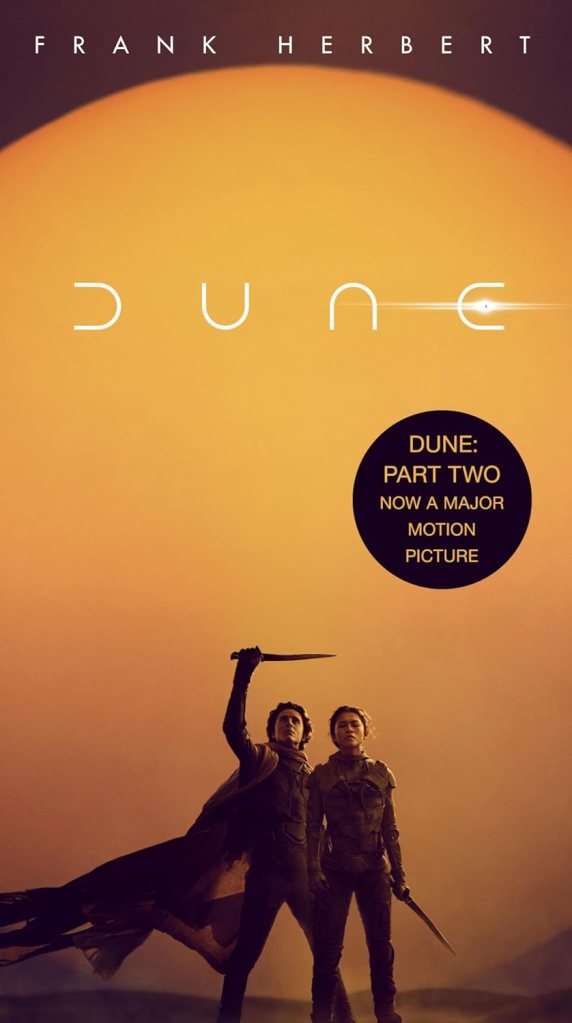
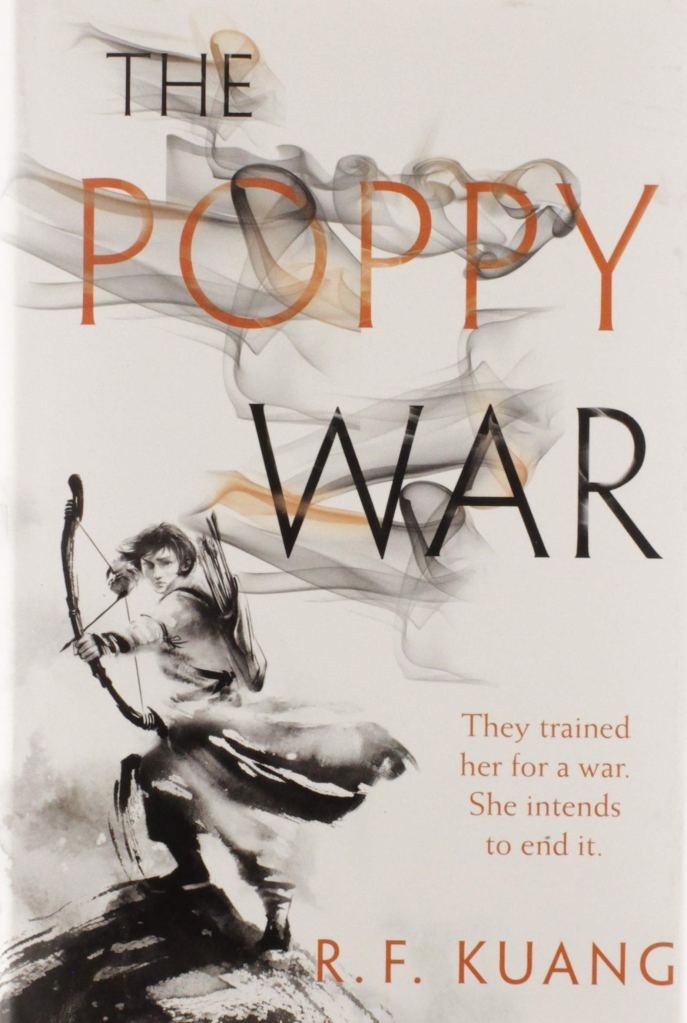
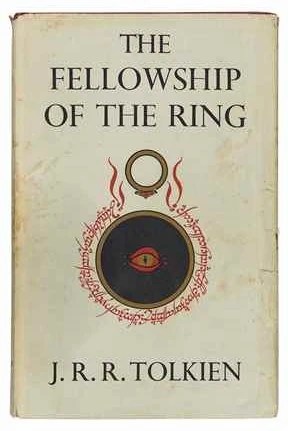
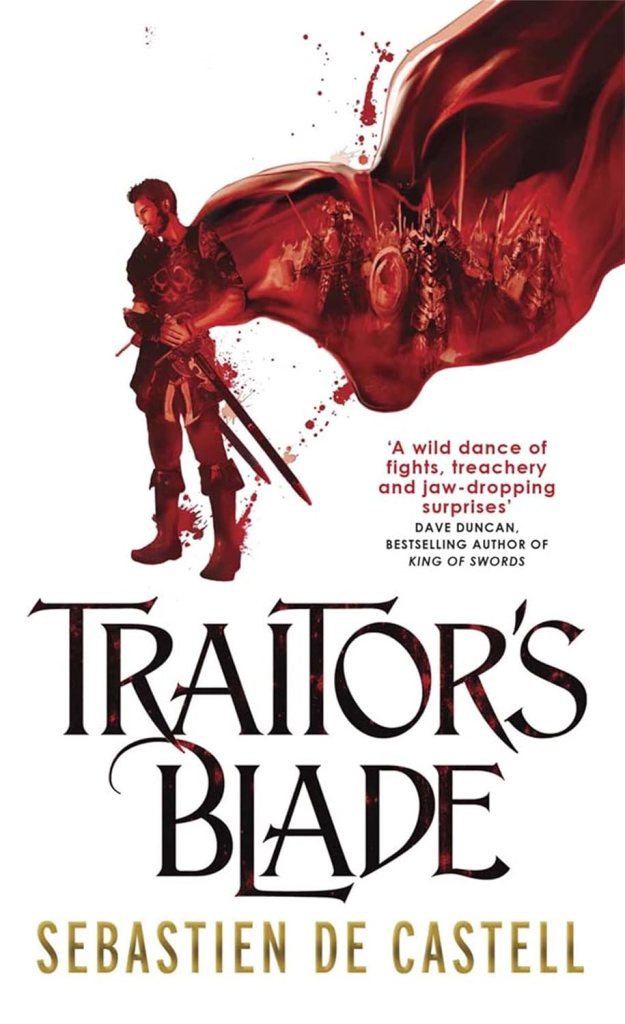
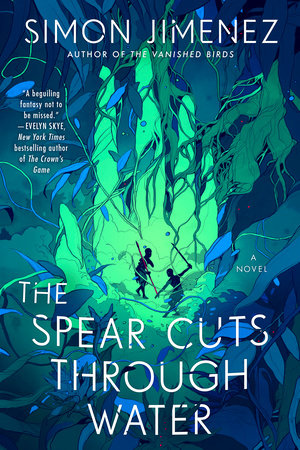
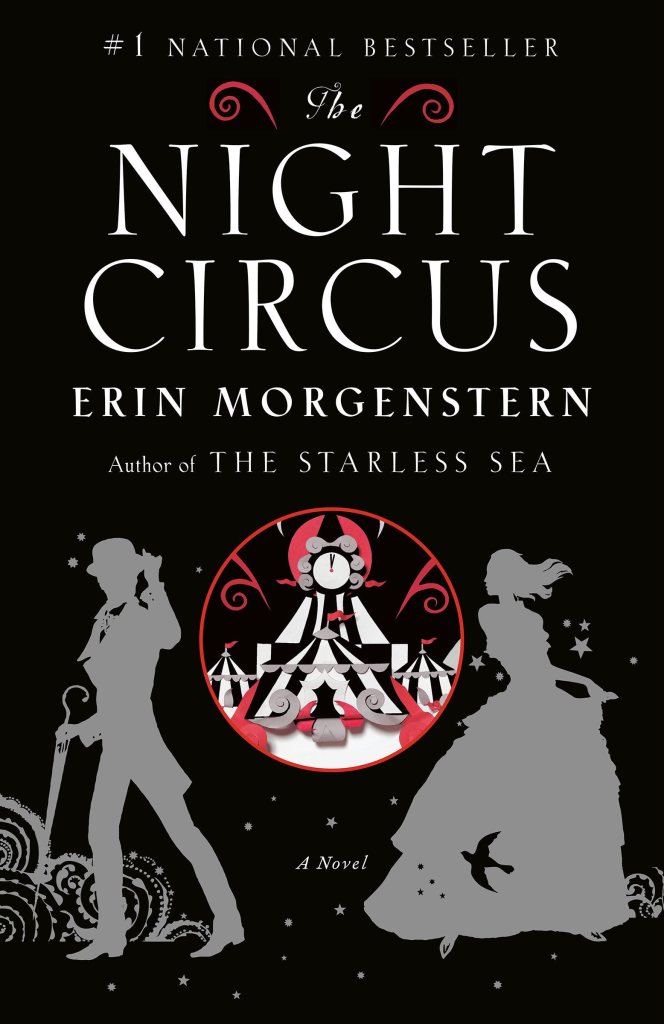
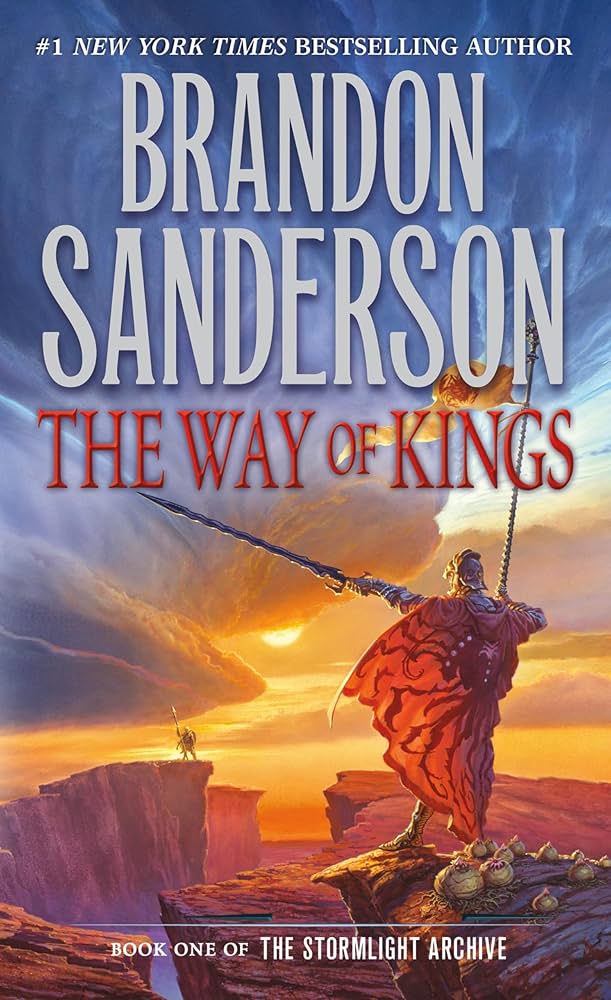
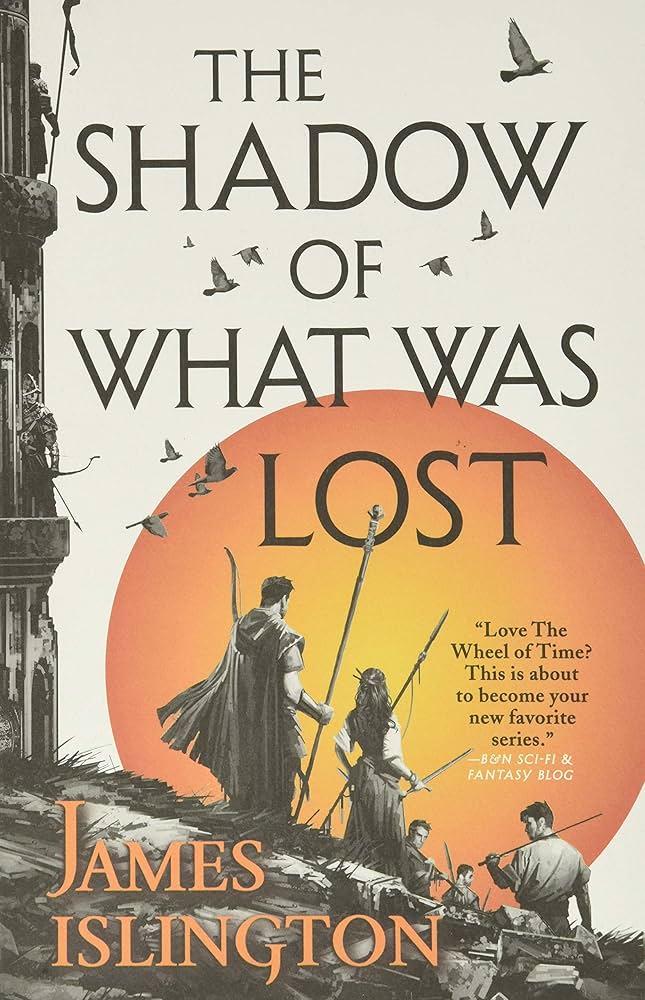
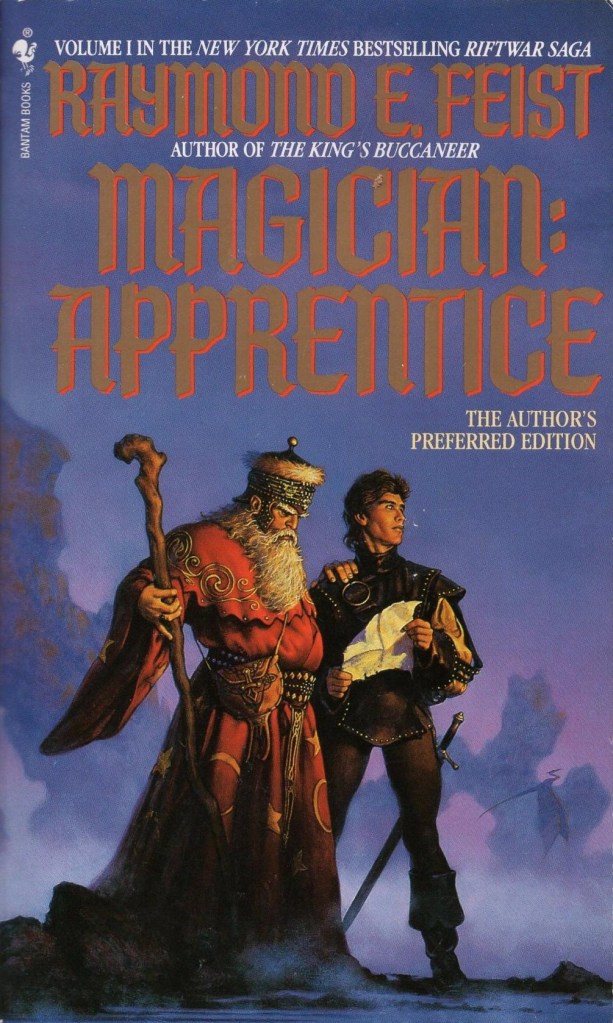
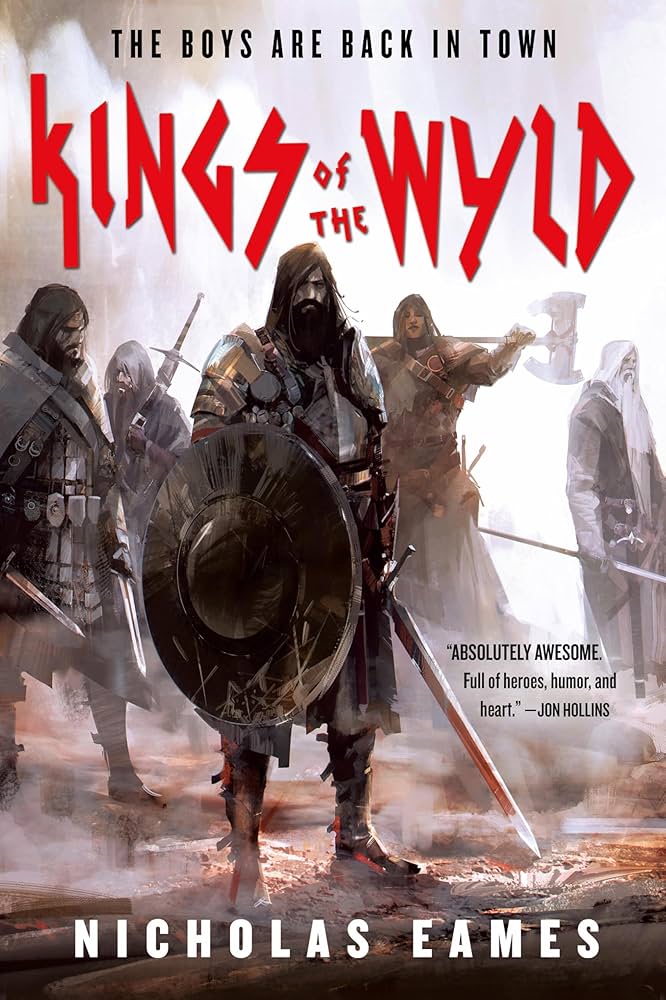
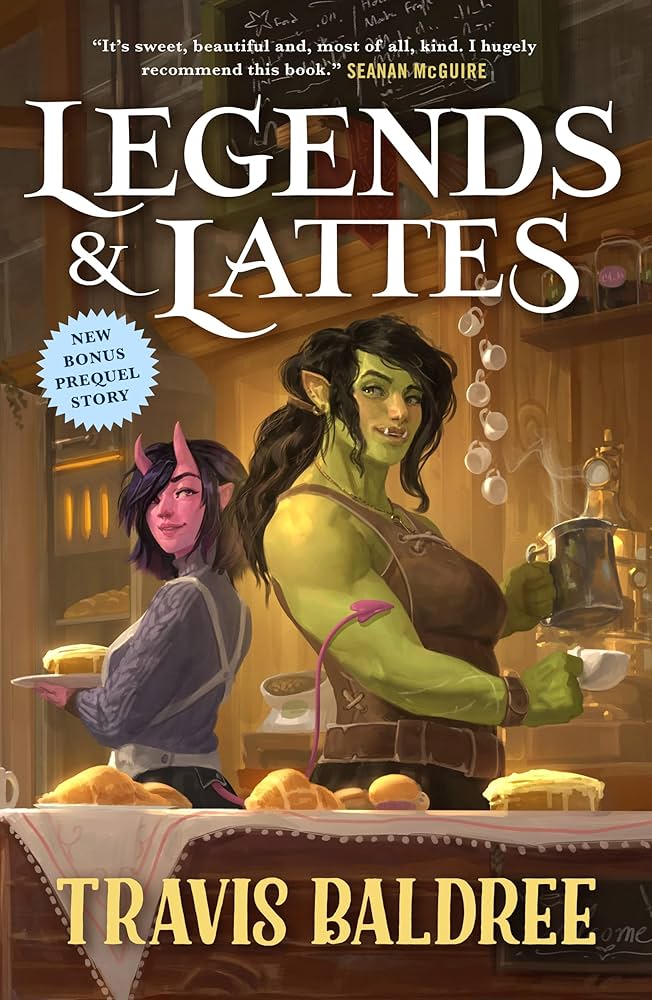
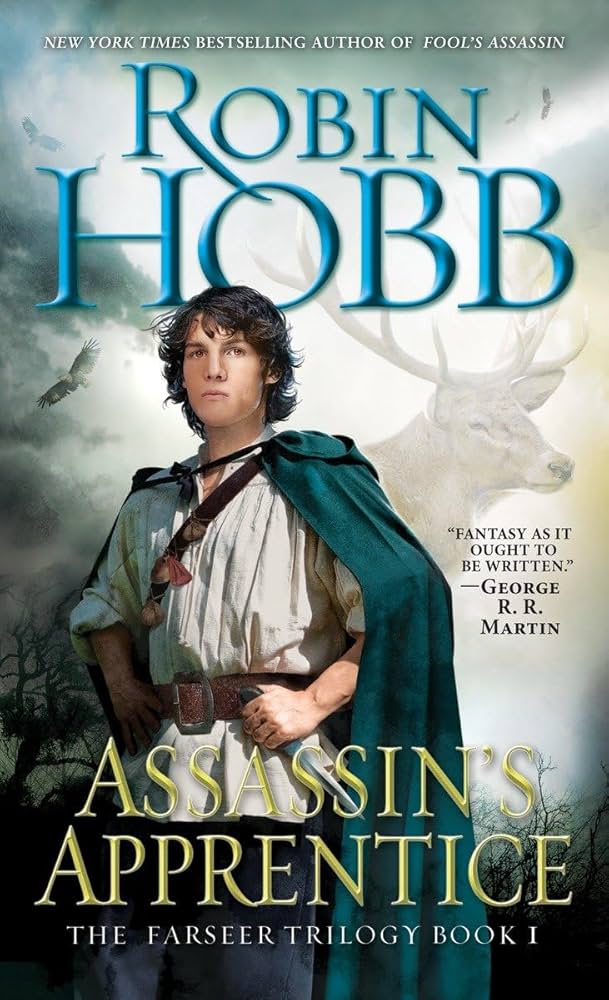
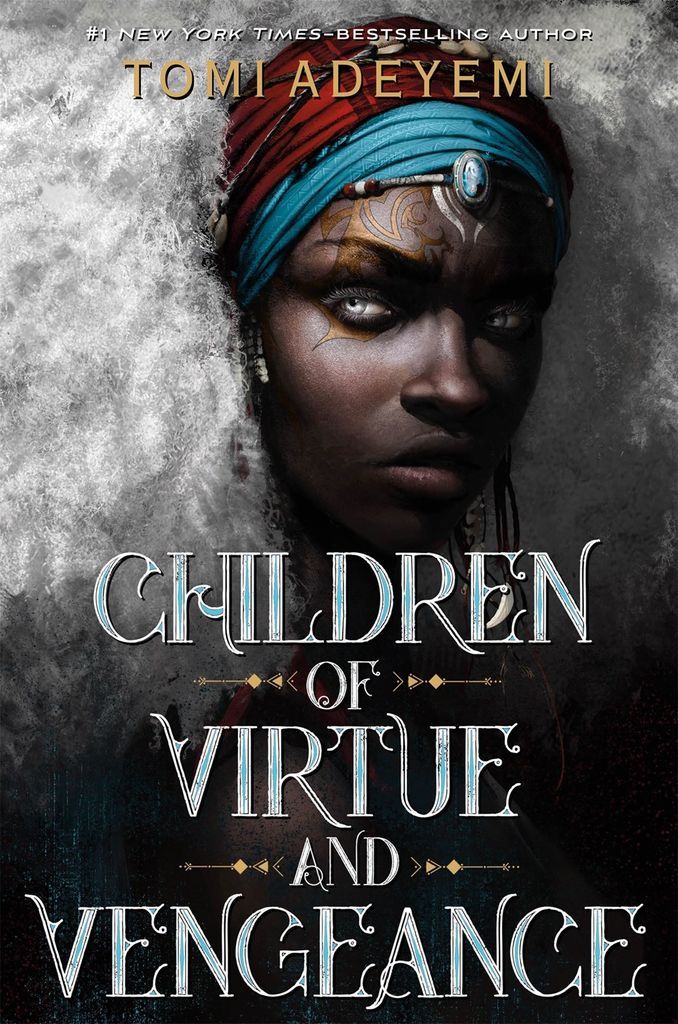
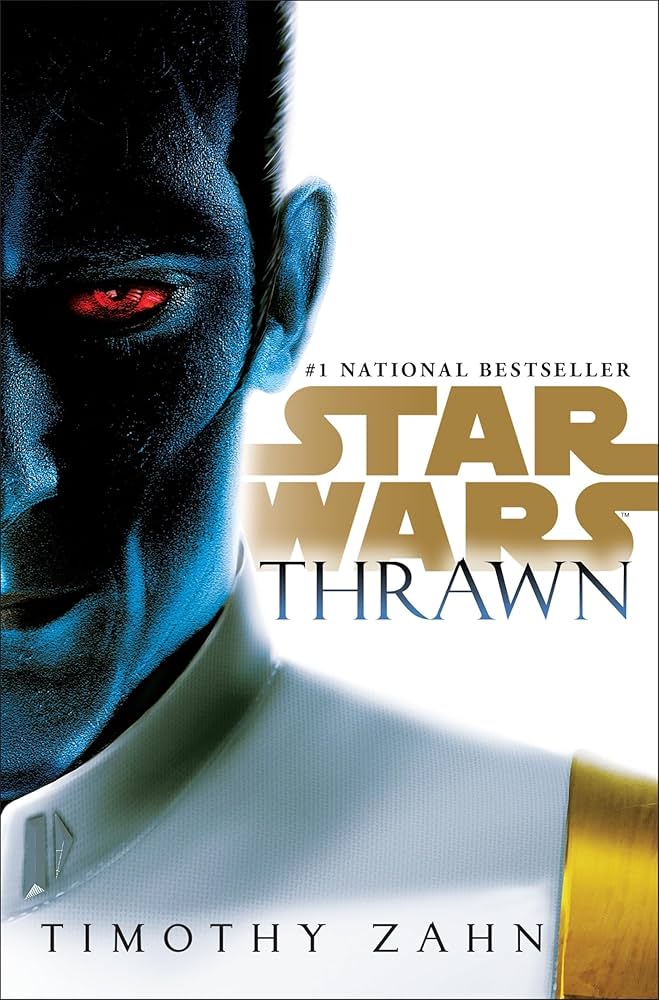
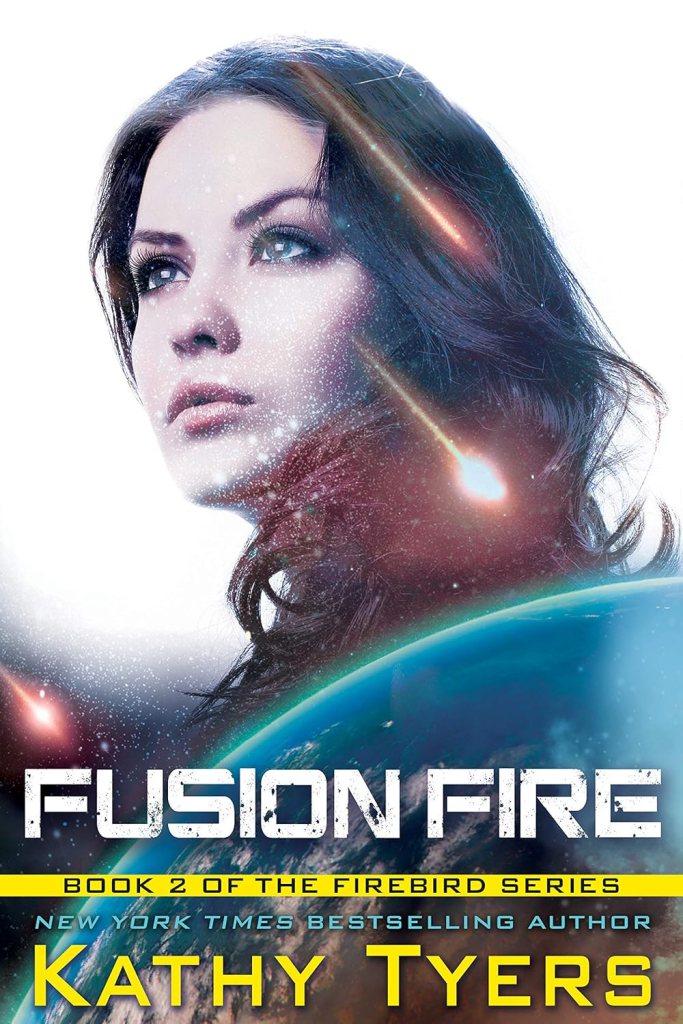
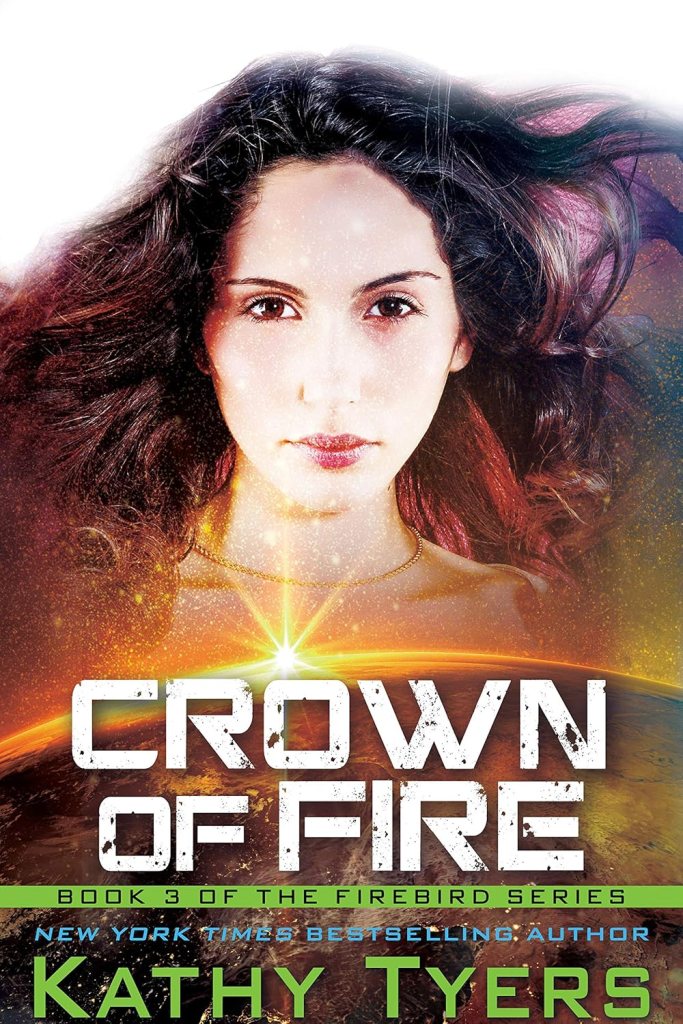
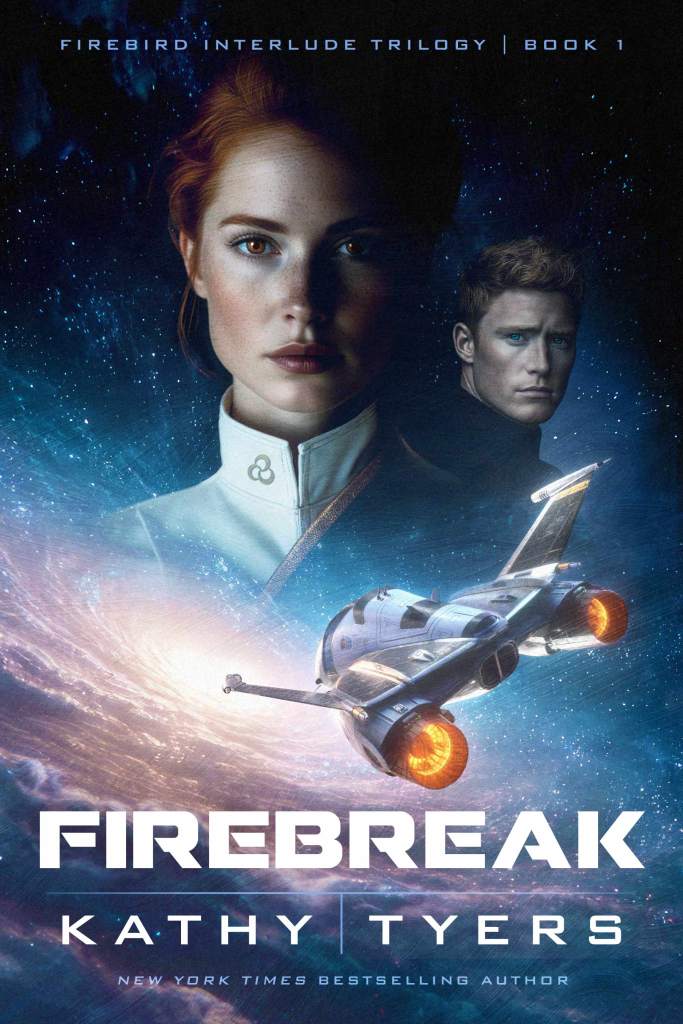
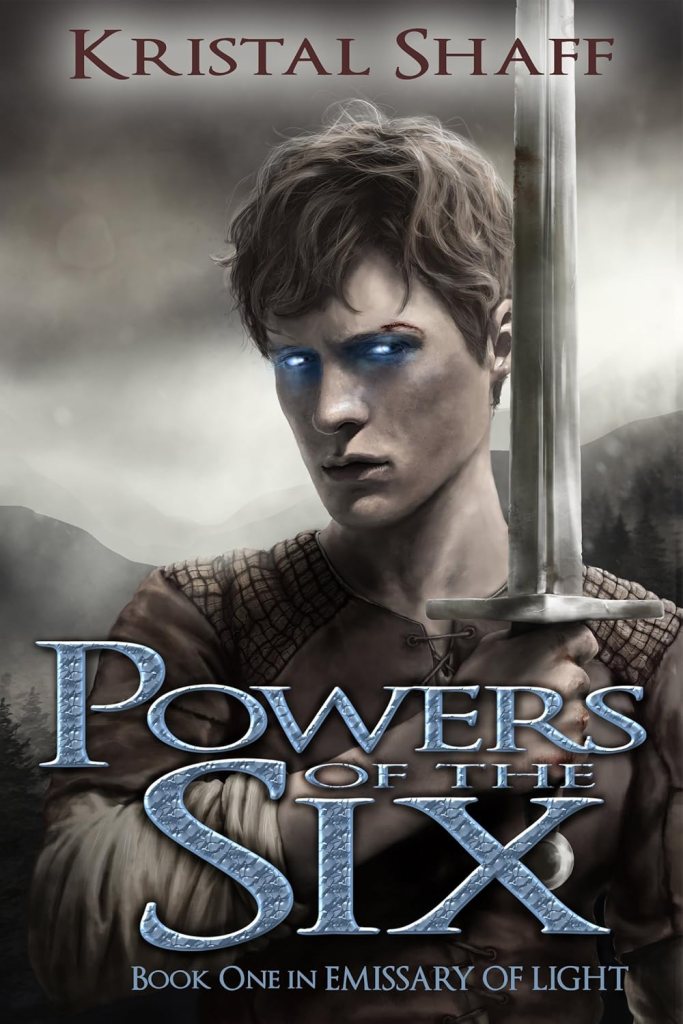
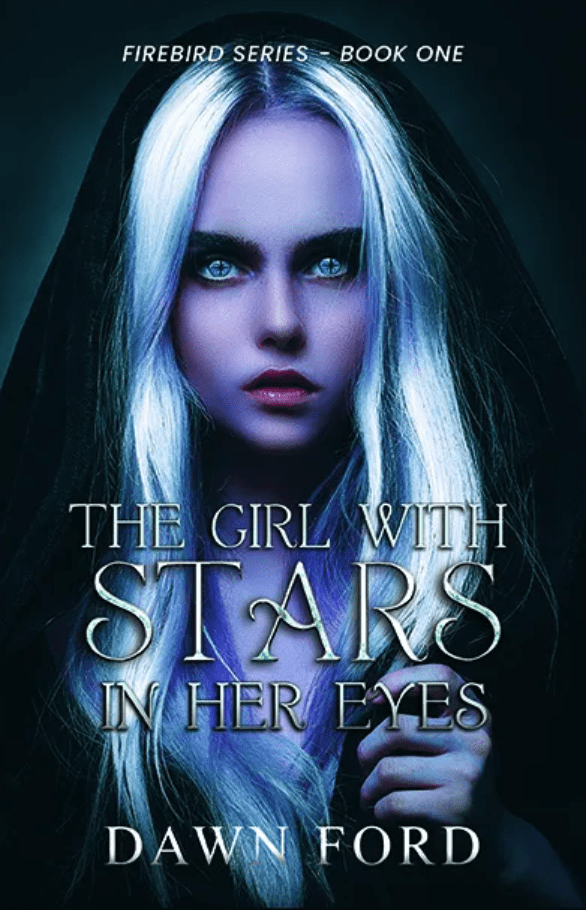
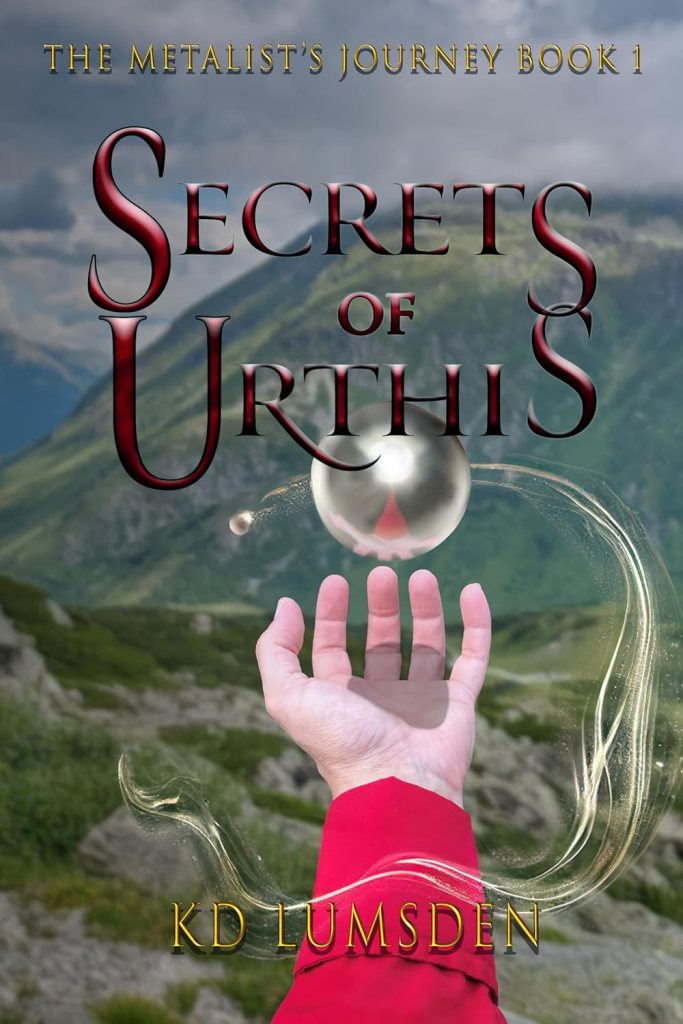
These are 8 of my favorite books of all time. Notice any commonalities?
All of these stories are about men (and boys) – clever, dangerous, heroic, stalwart men. Some are written for general audiences, while others go all in on the “bro vibes.”
Each tale contains passion and violence, loyalty and steadfast friendships, promises broken and kept, strategic and psychological contests, and a mix of wit and heartbreak. The ones that have stood the test of centuries reveal great truths about the human condition.
There’s something else I’ll point out though. The most recently published of these 8, Virtuous Sons (read my review) and Theft of Swords, were both self-published first, and only picked up by publishers after finding great success. The same is true of the wildly popular Cradle series by Will Wight and the Dungeon Crawler Carl series by Matt Dinniman.
2 more of my favorites, The Hands of the Emperor by Victoria Goddard (read my review) and Paranoid Mage by InadvisablyCompelled, have continued to gain momentum as self-published works.
It’s not like we have a net shortage of books about boys and men – that’s the majority of what’s been published for all of human history. But, naturally, modern readers gravitate toward books written in a modern voice – we want new ones.
If I, as a female reader, am irritated by the lack, I can’t imagine how frustrating it must be for male readers, especially boys and young men who are developing their taste for reading!
Big publishers don’t want boy books – they’re wrong
But the Big 5 publishers don’t want to publish “boy books” anymore. Many will deny there’s even such a thing as a “boy” book, or that there shouldn’t be (“that’s not inclusive!!!”).
I strongly disagree with all 3 statements:
I want to see boy books published – I want to read them! And edit them. And market them to more readers who will love them.
There’s definitely such a thing as a book by, for, and about men/boys, that male readers enjoy more than female readers (not that girls can’t as well – I’m a woman and you just saw my favorites list). That doesn’t change the fact that at the core, they are bro books.
There should be boy books. Stories that feel like they were written just for you are incredibly powerful! Everyone should have the chance to read stories that delight and resonate with the deepest parts of our soul. If that means reading books about people that are like you… well, duh.
Modern publishing has a chicken and egg problem. They claim they don’t publish as many books about male main characters because male readers don’t buy books as much as female readers.
Male readers respond thusly: “We’ve stopped buying your books because you won’t publish the types we actually want to read.”
There are thriving indie publishers and reading communities online for action and adventure books that are just straight up fun – no identity politics, no need for sensitivity readers – just cool dudes running around with swords. Virtuous Sons, published initially as a web novel on Royal Road, received over 4 million views.
In the past, before the digital age and the advent of self-publishing, books published by the Big 5 were the only option. If you weren’t reading them, you weren’t reading. In their elitism, the Big 5 have refused to adjust their attitude. They blame their potential buyers rather than their own business model. But men are reading. They’re just taking their time and money elsewhere.
And why wouldn’t they, when their tastes are being insulted?
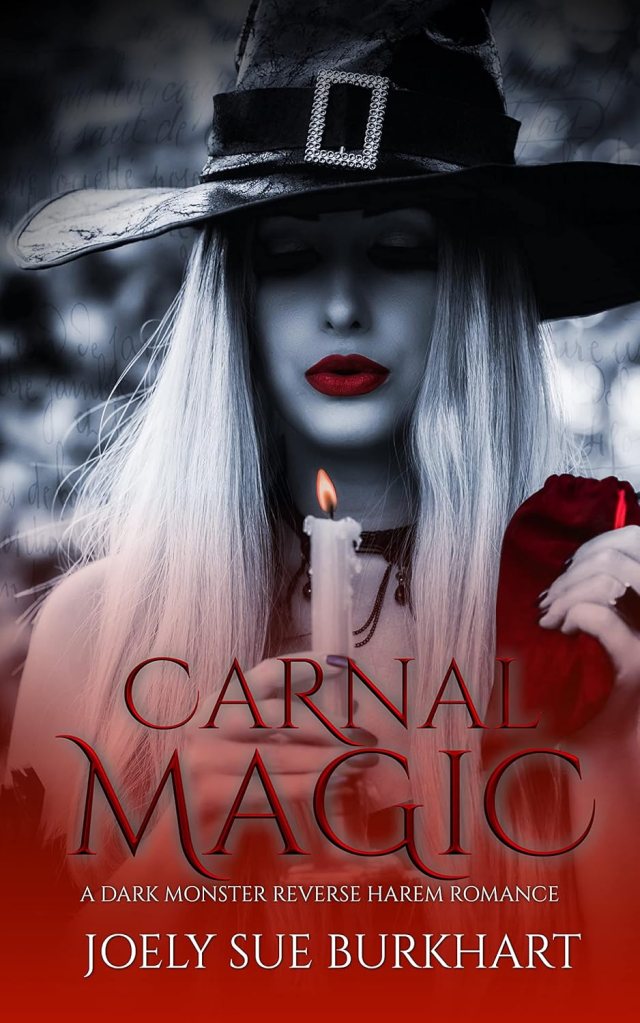
No, I have no interest in reading any of the “adventure fantasy” books on Amazon with grotesquely proportioned anime pinup girls spilling across the covers. No more than I want to read any of the romantasy featuring glowering, glistening, shirtless shifters.
But male readers (and female ones) are told they’re stupid or backward for wanting to read books about male heroes running around killing dragons, clearing dungeons, leveling up with ridiculously powerful magic, sitting around with their comrades swapping scar stories, and chasing (and getting) the girl at the end.
You’re not stupid. Those are great stories. Some are just good stories – that’s ok too.
What I’m NOT saying
Because everyone gets triggered so easily these days, let me tell you what I’m not saying.
I’m NOT saying that girl books are stupid, or that female authors shouldn’t write the stories they want to tell, or that female characters are worse than male characters, or that if a book can’t appeal to a male audience too, it shouldn’t be published, or that female characters can’t compel male readers etc. etc. etc.
I’m certainly not saying that for a book to be truly great, it needs to be by, for, or about men.
But the publishing industry needs to stop saying the opposite. Stop telling (white) male authors that it’s their duty to step aside and “stop taking up the limelight already so that others can have their turn.” Stop telling authors that their stories are “too male-centric” and that unless they have at least one female POV/main character, their book won’t even be considered. Stop telling male authors that strong, masculine, confident male protagonists are inherently problematic.
Write boy books!
I want to read your boy books! Even more so, I want to read your “men books” – with characters worthy of the tag “epic.” So please write them (whether you’re a male or female author)!
If you’re also on the hunt for modern bro books, you’re not alone. Guess what my most popular blog post is? By a massive margin.
There is demand. Don’t let people tell you otherwise.
And if you’re a male author looking for a book editor, but are feeling a bit querulous after discovering that almost all book editors are women, you don’t have to worry that I’m going to treat you like a tasteless jerk for “having the audacity to think a story deserves to be told about a male main character who starts out as kind of a jerk.”
Characters are supposed to have weaknesses. There wouldn’t be a story if your characters didn’t have to grow and change.
Neither does a male protagonist have to be the most profound, unique character ever written in order to make a good story that readers will buy. The female protagonists in most modern books sure aren’t.
I would be delighted to read your story, review it, and perhaps even work with you to edit it into the best it can be.
So keep writing about brave boys and mighty men!
Hi, I’m Caylah Coffeen, a freelance editor and marketer of sci-fi and fantasy books. I love reading and writing and am a follower of Jesus Christ.
I’ve worked for Monster Ivy Publishing and Eschler Editing, and am currently a weekly editor with Havok Publishing. Reach out to chat about books and publishing!
Thanks for stopping by my website! I hope you’ve found some helpful resources about reading, writing, and publishing. If you liked this article, here’s some more free content…
So, your editor has sent you the manuscript assessment for your story, and it’s a good 10+ pages long. It’s packed with useful feedback, some tough suggestions, and market advice you may never have thought of. You’re probably feeling excited, thoughts whirling, but also a little intimidated about where to start. It’s a lot to consider all at once.
The last thing I’d want is to complete a manuscript assessment for an author, only for them to sit and stare at their draft, with no idea what to edit first. And that’s not the author’s fault!
Think about it. You were taught (or learned through experience) how to write and how to accept and incorporate feedback from other writers or beta readers. If no one teaches you how to break down a long editorial report into steps you can implement in page-to-page editing, it’s little wonder you might feel stuck or overwhelmed.
So here are 8 tips for self-editing your book using the developmental feedback found in a manuscript assessment:
Note: if you haven’t received a manuscript assessment, but are reading this article to determine how helpful it might be to acquire one, I recommend you check out this sample manuscript assessment I completed for one of my author clients.
1. Reorganize Feedback into a Simple Checklist
I tend to organize my manuscript assessments by topic:
Character arcs
Plot
Structure and pacing
Opening, mid-point, ending
Writing style
Marketability
More
However, this might not be the most helpful form of organization for you to refer to quickly while editing. You could rearrange feedback into a chronological checklist.
For instance, in my section on characters, I may offer the following feedback: “I immediately related to the characters, but drifted emotionally from them in the middle of the story when they lost sight of their goals, but was moved by how they pulled through in the ending.” I might also say of writing style: “The first half of your story contained a heavy amount of passive voice and some awkward sentence structure, but your writing improved over the course of the manuscript.”
You could then pull out feedback suggestions and organize them into an editing checklist:
Act 1 Edits: – Active voice – utilize a thesaurus to vary verb choice – Sentence structure – sign up for a free trial for a grammar program (like ProWritingAid) to highlight my most common problems with sentence structure – Reexamine my turning point moving from Act 1 into Act 2 – compare it to what I did in the opening hook – how can I strengthen it to propel readers into the middle of the story with greater character clarity?
If another method of organization is more intuitive to you, then go for it! The idea is to pull out the common threads and compile them into a quick reference sheet that you can work through methodically.
2. “Pants” it!
Or, you could just throw organization to the wind and start where you’re most excited! If you’ve already rewritten your opening more times than you want to count and you dread editing it AGAIN, then skip to the part you WANT to write.
Don’t worry about the whole manuscript. Pick one scene that you have a ton of new ideas for, and start playing with it. It doesn’t have to be the chapter that needs the most work, or the scene that’s most important to the story as a whole.
I hope you can still have fun! Even if editing isn’t your favorite part of the writing process. It’s so important to remember why we even do this. Cling onto the joy of your story!
3. Make small edits that affect larger patterns
Complete a read-through with an eye out for small choices that contribute to consistent problems or patterns. For example, if I tell an author that their protagonist often comes across as whiny and disrespectful, I will mention several specific scenes where this problem was most apparent to demonstrate what I mean. But I won’t list every single instance.
That’s what a developmental edit is for – in a full edit I would highlight each time the character’s attitude appeared problematic and offer suggestions for improvement. But after an assessment, it’s up to you to read through your work again, watching for others ways such problems may appear.
The same is true for any issue your editor mentions was consistent throughout your story – the dialogue was drawn out, the descriptions were confusing, the action scenes felt clunky, etc.
This is where an editing checklist can come in handy again. If there are problems you know will come up consistently, write yourself a reminder.
In each chapter, check: – MC attitude and speech – Can I trim dialogue? – Read descriptions out loud to see if I stumble over them. Rewrite and trim for clarity.
4. Brainstorm with Friends
Get a second or third opinion from writer buddies and beta readers, especially regarding feedback that is hard for you to hear. It’s difficult to maintain emotional distance from a story that’s so close to your heart. So how will you know which editorial suggestions you should definitely implement, and where you can trust your own instinct as a writer?
That’s where additional feedback can help! Talk it out with a friend. Share the editorial advice you received and ask them what they think. Even if you can’t find a critique partner for your entire project, you could find people who are willing to look at a few chapters.
When you start hearing the same thing from different readers of your genre (that distinction is vital), you’ll gain more confidence and clarity about the necessary changes.
5. Decide What Feedback to Reject
Decide what feedback you want to accept and what you don’t. You’re not going to agree with everything your editor says, and that’s ok. There may be things your editor doesn’t know about later books in your series, or you could just love the way you have something and not want to change it. Editing is a collaborative process.
Of course, don’t reject professional suggestions out of hand. Some changes won’t feel fun, but really will strengthen your story.
But you might come up with alternate ways to address a problem your editor raises. Suggestions are just that. They’re meant to be helpful, not to pigeon-hole you or kill your creative spirit and voice.
Trust your instinct! Don’t pain over everything. If there are gut decisions you can make after going through the assessment, write them down on a “do” and “don’t” list, and move on.
This is one way that editing with a manuscript assessment can be more efficient than working from a developmental edit! All of your feedback is in one place, so you can read through it and make your “yes”/”no” list quickly, without first having to re-read through individual comments on your entire manuscript.
6. Ask Your Editor Questions
If you’re stuck, feel free to reach out to your editor again! I always invite authors to send me follow-up questions, and surprisingly few do. Perhaps they’re being considerate of my time, which I appreciate. After all, if I ended up offering writing coaching, I should bill for that time. But I consider follow-up questions to be part of the manuscript assessment service. It’s not hard to answer a few questions over email.
I also really enjoy talking about the stories I’ve worked on! Sometimes I’m actually disappointed when the author doesn’t have anything to say after I return my work, because I’m invested in their story and so curious and excited to see how they develop it further! You love talking about your book – so do I!
Of course, you could ask for a one-off coaching session. Or, if you feel like you need more detailed edits on a “problem section,” you could hire your editor to work on certain chapters. Not all editors will agree to edit “a-la-carte” like this, but some do, especially if they’ve already read your entire manuscript and understand the context.
One of my clients, for whom I completed a manuscript assessment, later hired me to edit his action scenes, as that was an area of weakness I had highlighted. He decided it wasn’t worth it to struggle over them – it wasn’t one of his strengths. So we worked on those portions together. It’s a great way to stay within budget, while still ensuring your work meets the standards you want.
7. Allow Yourself to Take Breaks
You might think, “but I’ve already been on a break, waiting to get my assessment back. I should jump back in now.” Not necessarily. You can allow some time for the ideas to percolate.
It’s hard to open yourself up to feedback on your story, which is your precious baby! It’s ok to take a breather, go read or write something purely for fun, and then come back to the assessment once your creative juices are flowing again.
Often, I offer reading suggestions to authors in my assessments – whether standout works in your genre, comparative titles I think could help you pitch your book, or writing resources.
It’s better to do something productive or uplifting than stress yourself out or do nothing at all!
8. Make a Plan Against Procrastination
The longer you put off getting started, the harder it’ll feel to go back and look at that editing list again. Try to set a schedule, set aside a consistent time to write, and make some personal deadlines.
This often works best when you have a writing buddy who can help hold you accountable! Try swapping each newly edited chapter with a critique partner once a week or biweekly. Your speed of editing isn’t important, but chipping away at your project little by little IS – or it’ll never happen.
This is general writing advice. If you had the self-discipline to finish and edit a draft, and send it to an editor, then you’ve learned some great habits over the years! Apply what you know of yourself as you use your manuscript assessment, even if the process feels different from how you’ve worked in the past.
If you’ve edited your novel using the feedback from a manuscript assessment, what worked best for you? What didn’t? Reach out – we’d love to add your advice as an author into this post!
Hi, I’m Caylah Coffeen, a freelance editor and marketer of sci-fi and fantasy books. I love reading and writing and am a follower of Jesus Christ.
I’ve worked for Monster Ivy Publishing and Eschler Editing, and am currently a weekly editor with Havok Publishing. Reach out to chat about books and publishing!
Thanks for stopping by my website! I hope you’ve found some helpful resources about reading, writing, and publishing. If you liked this article, here’s some more free content…
Professional book editing can be pretty expensive. Perhaps you’ve researched standard rates, or have recently received a quote that’s outside your budget. Either way you’re probably feeling pretty frustrated and wondering if there’s a way to save on costs, without sacrificing on the quality of feedback.
I’m here to tell you there is! It’s called a manuscript assessment or manuscript evaluation – a detailed editorial letter summarizing developmental feedback (without in-line edits).
It’s hard to find an actual example of a manuscript assessment on the internet, but I’ve uploaded one (with my client’s permission) here! I’ll also go over:
A manuscript assessment is an 8-15 page editorial letter detailing developmental feedback on:
Characterization
Plot
Style
Pacing
Structure
Dialogue
Openings
Endings
Marketability
Recommendations for next edits
More!
Here is an example of a manuscript assessment which I completed on a speculative fiction novel, shared here with the author’s permission. The complete version I provided to the author was 15 pages, but I have redacted some content and blurred names to protect the author’s unpublished work.
Please note that my author-editor contract specifies that I cannot share any portion of an author’s manuscript or any sensitive details about their work (without permission), which is professional standard. This is why it is difficult to find examples of a manuscript assessment online, and perhaps why this service is not more commonly known by authors.
How a manuscript assessment differs from a developmental edit
A manuscript assessment does NOT include line-by-line edits and comments.
A developmental edit examines characterization, plot, structure and more through in-line comments and notations on the manuscript itself. An editor will include specific feedback throughout each chapter, sometimes even on every page (depending on how much work the writing needs).
As such, a developmental edit takes a lot more time, with much more detailed attention paid to each scene and portion of the manuscript.
A manuscript assessment summarizes the most significant feedback into a single document – saving the editor a lot of time!
How Much a Manuscript Assessment Costs (compared to an edit)
Because a manuscript assessment takes less time, editors can offer the service at much more affordable rates. Which is a huge win for authors!
A manuscript assessment usually costs half or less than half of a developmental edit, while still offering a significant amount of feedback.
The Editorial Freelancer’s Association compiles median editorial rates as self-reported by their members. Please note that since these are median rates, this means an equal number of editors charge above and below these amounts.
Median developmental editing rate for fiction: 3.0-4.0¢/word
Example project: a developmental edit on a 100,000 word fantasy manuscript would cost $3,000-4,000.
Median manuscript assessment rate: 1.5¢/word
Example project: a manuscript assessment for a 100,000 word fantasy manuscript would cost $1,500.
Our Book Editing Rates
If you are interested in working with Creative Cornerstones, my rates are $0.02/word for developmental editing and $0.007/word (a third the cost) for a manuscript assessment.
Example projects: a developmental edit on a 100,000 word fantasy manuscript would cost $2,000 and a manuscript assessment would cost $700.
Beware of excessively low editing rates
You may be thinking, “but it’d still be better to get a full developmental edit than a manuscript assessment. I could find someone online who will do a full edit for a lot less than $3-4K!”
That’s true. But beware of cutting costs too much, or you risk hiring someone whose feedback may actually do more harm than good.
I met a self-published author once who said she found someone on Fiverr to “professionally edit” her whole novel for only $200. That’s barely enough to cover, at a living hourly wage, the time it would take to read the full manuscript. This service may have functioned like a valuable beta read, but it was by no means a professional edit.
If you have to make the choice between hiring a hobbyist to complete a “full edit” and hiring a professional to complete a shorter task like a manuscript assessment, I would absolutely recommend the latter. You will gain more if a professional gives your book 20 hours of their time than if a novice gives your story 40 hours of their time.
Is a Manuscript Assessment the Right Choice for You?
Still, it’s not the right choice for everyone. Unless you are willing and able to put in significant work self-editing your novel, I would not recommend a manuscript evaluation.
A manuscript assessment is a great fit for:
Authors looking to traditionally publish their book who want to make their manuscript as competitive as possible before seeking representation.
Authors intending to self-publish their work who do not have the budget for a full developmental edit.
Authors who are confident self-editors, but are looking for a professional second opinion.
Newer writers who aren’t sure what their manuscript needs and are looking for detailed feedback that still affords room for significant rewriting.
I have worked with all of the above types of authors!
One of my author clients had been working on her story for over 10 years and had re-written it many times. She had reached a point of frustration – not ready to start on the sequel, and not confident enough to explore publication. She opted for a manuscript assessment almost as a way to receive writing coaching for her specific project.
Another of my clients is pursuing traditional publication, but he wanted to make his manuscript as strong as possible before querying agents since he understands how competitive the market is.
Why don’t more Authors know about manuscript assessments?
If manuscript assessments are so great, why is this the first you’re hearing of them?
Even after I started working in the publishing industry and was trained in the differences between developmental, line, and copy editing, I didn’t hear anyone talking about manuscript assessments.
I discovered the term quite by accident, and was astonished that it was not more widely known – because it is a perfect fit for authors looking to self-publish! Indie authors don’t have a huge budget, but still absolutely need to receive professional developmental feedback.
So many authors have reached out to me requesting a sample edit, gotten excited about moving forward, but then felt crushed when they heard my quote for a full edit. In such cases, I’m so glad to be able to suggest a manuscript assessment as an alternative!
I love books! I love authors! I want every writer to be able to afford professional feedback, even in a condensed form!
These authors go from crestfallen and overwhelmed, to delighted. So many have said, “I didn’t even know that was an option!” I feel frustrated on their behalf. The editorial industry has not done a good job of marketing this service.
How many self-published authors have inquired about professional editing, realized it exceeded their budget, and released their work without the benefit of any professional feedback?
I’m writing this article so you know there’s another option!
Yes, the best case scenario is to receive several rounds of editing on your work – developmental, line, copy editing, and proofreading. This is what traditional publishers do. Is this realistic for most indie authors? No. But it doesn’t have to be all or nothing. Getting a manuscript assessment and incorporating the feedback in a final round of self-editing can massively improve your story!
If you’re an author, I’d certainly love to work with you on your manuscript, but I’m writing this article mostly to educate the writing community. I hope you go on to tell all your writer friends that there is such a thing as a manuscript assessment!
If you are serious about your author career, then your books are a business. Every business invests upfront in creating a top-quality product. Your book needs professional developmental feedback to maximize its potential. But that doesn’t have to be out of reach for you!
Hi, I’m Caylah Coffeen, a freelance editor and marketer of sci-fi and fantasy books. I love reading and writing and am a follower of Jesus Christ.
I’ve worked for Monster Ivy Publishing and Eschler Editing, and am currently a weekly editor with Havok Publishing. Reach out to chat about books and publishing!
Thanks for stopping by my website! I hope you’ve found some helpful resources about reading, writing, and publishing. If you liked this article, here’s some more free content…
Are you an author who speaks English as a second language? Welcome! Whether you’re dreaming of publishing your book with a North American publisher, or looking to translate your novel into English to reach a wider audience, our team would love to support you.
First of all, I’d like to enforce the value of submitting your book to the English-speaking publishing market. According to data reports, books written in English make up between 1/3 to 1/2 of all global book sales.
In 2024, book sales in North America accounted for 33% of the global book market’s revenue. Europe accounted for a share of over 25% of worldwide book revenue.
Publishing your book in the English language will position your work in front of the largest demographic of book buyers in the world. A potentially lucrative choice!
Publishers and agents in these marketplaces are happy to accept the work of ESL authors from around the world, as long as your work holds up to industry standards. This means your work needs to be indistinguishable in quality from writing by native speakers.
Common English as a Second Language Errors
English is a hot mess! Native speakers admit it freely. The grammar is confusing, and it’s even harder to get the idioms right – for instance have you heard the phrase “hot mess” before? 😉
As an editor, I often see the same types of mistakes in writing by non-native English speakers:
Omission or incorrect use of articles such as a, an, the
Subject-verb agreement
Incorrect order of adjectives
Improperly used verb tenses
Overuse of passive voice and transitional phrases
Unclear sentence structure
Use of descriptors that don’t quite fit the context
A manuscript that contains basic errors like this will not appear marketable to an agent or publisher. Even if your English skills are exceptional, native speakers might still sense a stiffness to your style.
Working with a native English speaker will transform your novel, eliminating common errors and smoothing out cultural idiosyncrasies that you may not be aware of.
Editing Your Novel
I love working with global authors! You bring a unique perspective and style to storytelling which can be refreshing and exciting for native English-speakers to experience. As a reader, I am so incredibly blessed to have access to books from around the world that have been translated into my native language!
It’s been my privilege to work with authors from:
China
Central America
Ghana
Austria
Ethiopia
Types of projects I accept:
Manuscripts written in English by advanced or fluent ESL authors
Manuscripts that have been professionally translated into English and need a second look
Speculative fiction (sci-fi, fantasy, fairy tale and mythic retellings, etc.) is my specialty. I am also familiar with the mystery and thriller genres.
Projects I do not accept:
Manuscripts written by authors who are at the beginner or intermediate ESL level and still need significant language instruction
Manuscripts that have been translated with Google Translate, other AI, or a non-native English speaker
Nonfiction (excepting memoirs)
I would love to be able to work with all authors, but below a certain level of language proficiency, authors would benefit more from further language and writing instruction. A professional edit is a significant investment – it’s best to wait until your work is truly ready.
Self-Editing Support
I encourage you to take advantage of grammar and editing programs like ProWritingAid (both free and paid options available)! They highlight mistakes, but also explain each error, teach you the matching rule, and offer editorial suggestions. Unlike programs like Grammarly, ProWritingAid is designed for creative writing, not business or academic writing, and so they have better stylistic suggestions.
Running your work through programs like this can help you eliminate a lot of the more common mistakes, like absent articles, which will reduce the amount of time your editor needs to spend on later drafts – saving you money!
WARNING: Please be very careful not to write using AI! That is a sure way to get your work rejected by publishers. ProWritingAid offers suggestions for how to rewrite sentences. Do NOT just copy/paste them into your text. These programs are wonderful as a learning tool, but if you let them think for you, your writing skills will not improve.
How to Get Published in North America
Please note that while my team offers book publishing services to authors, including coaching, editing, self-publishing support, and marketing, Creative Cornerstones is not a publishing house or agency. We also do not offer translation services.
I would be delighted to edit your novel to maximize its quality and increase your likelihood of finding representation. I have worked with 2 publishing companies – Monster Ivy Publishing and Havok Publishing – and can advise you on the expectations of the publishing market in the United States.
Even native English speakers are increasingly hiring freelance editors before querying agents, because they know how competitive the industry is. In an attempt to cut costs, publishers are much more likely to accept a book that has already undergone developmental editing than one that needs significant rewrites.
Traditional publishing in the United States is dominated by the Big 5 Publishers:
Penguin Random House
HarperCollins
Macmillan Publishers
Hachette Book Group
Simon and Schuster
Each company operates many imprints – subsidiary publishing companies that they have acquired or created to specialize in certain sub-genres or audiences.
These companies are businesses looking to profit, so they seek books with mass appeal. They only offer deals for books they think will sell tens of thousands of copies – at least. If you’re seeking publication with a traditional publisher, you will first need to gain the representation of a literary agent.
For more information about finding a literary agent, I highly recommend Gina Kammer’s course on querying – she has over 15 years of experience in publishing and offers exceptional coaching to authors.
Other publishing options include mid-size and independent publishers, and self-publishing. I discuss these different routes in greater detail in the following article.
Ready to take your book to the next level?
I would love to hear more about your story and discuss how we could work together to make your book stand out in the crowd!
You are welcome to send me the first chapter of your book – I will complete a free sample edit on your first 1000 words and provide my recommendation for the type of edit your manuscript needs.
You can find a breakdown of the different types of editing – developmental, line, copy – here. Feel free to reach out to my team with any other questions as well!
Hi, I’m Caylah Coffeen, a freelance editor and marketer of sci-fi and fantasy books. I love reading and writing and am a follower of Jesus Christ.
I’ve worked for Monster Ivy Publishing and Eschler Editing, and am currently a weekly editor with Havok Publishing. Reach out to chat about books and publishing!
Thanks for stopping by my website! I hope you’ve found some helpful resources about reading, writing, and publishing. If you liked this article, here’s some more free content…
Even the most famous and successful authors submit their manuscript to a book editor. In fact, I would argue that one reason these authors are successful is because they partner with an editor to maximize their story’s potential.
But how much will it cost to edit your novel?
Depending on the expertise of your editor, the type of editing your manuscript requires, and the length and quality of your manuscript, you can expect to pay between hundreds to thousands of dollars.
Charging by word count is the most common method. Flat rates per project are usually only offered for smaller services like an opening chapter evaluation or a manuscript assessment.
So let’s look at how much it costs to hire a freelance book editor.
Median Editorial Rates for Fiction
The Editorial Freelancers Association conducts surveys among their members and reports the median rates charged for various editing services. These numbers represent the exact middle, meaning as many editors charge below these rates as above them. The EFA does not set or recommend rates – this data comes purely from self-reporting.
This chart represents the EFA’s median rates for fiction editing in 2024. Rates differ for nonfiction.
EDITING TYPE
PER WORD
PER HOUR
PER PAGE
PAGES/HR
Developmental Editing
3.0–4.0¢
$50.00–60.00
$7.50–10.00
5.0–10.0
Line Editing
2.5–4.0¢
$45.00–60.00
$6.25–10.00
5.0–8.0
Copyediting
2.0–3.0¢
$40.00–50.00
$5.00–7.50
5.0–10.0
Proofreading
1.2–2.0¢
$35.00–45.00
$3.00–5.00
8.0–14.0
Manuscript Assessment
1.5–1.5¢
$40.00–54.00
$855/project average
11.0–17.0
The different types of editing
Traditional publishers usually complete 4 stages of editing in the following order. As you can see, the earlier stages involve more significant changes, which is why the rates are higher.
Developmental editing – big picture feedback on plot, characterization, structure, pacing, and more
Line (or content) editing – edits to sentence structure, word economy, clarity, and style
Copyediting – grammar edits
Proofreading – a final read-through to catch errors
Manuscript assessment – a detailed editorial letter offering developmental feedback without in-line edits on the manuscript (this is optional, sometimes offered instead of a developmental edit)
Example Editing Project Costs
To estimate how much it would cost to edit your project, multiply your word count by the median per word rate. Here are some examples:
Type of project
Average word count
Developmental Editing Cost
Line Editing Cost
Copyediting Cost
Middle grade fantasy
50,000 words
$1,500-$2,000
$1,250-$2,000
$1,000-$1,500
Young adult fantasy
75,000 words
$2,250-$3,000
$1,875-$3,000
$1,500-$2,250
Adult fantasy
115,000 words
$3,450-$4,600
$2,875- $4,600
$2,300-$3,450
Remember that since this is the median rate, you will find many editors who charge less than this, and many who charge more. But if an editor charges far below these rates, you should wonder at their proficiency, and if they charge far above them, they better have an incredible portfolio.
Is a Professional Edit Worth the Cost?
These rates might sound pretty overwhelming, so let’s pause for a moment and consider whether it’s worth it. How long does it take you to complete one editorial pass on your story? A couple weeks? A couple months? How much is your time worth?
A professional editor will have trained in 1 or more of the following ways:
A Bachelor’s and perhaps Master’s degree
A certificate in editing from a reputable organization
In-house training with a publisher or editing company
They should bring the following expertise to the table:
Mastery of creative writing and grammar
Understanding of industry and genre expectations
Pulse on demand in the publishing marketplace
Empathetic and clear communication
To have a successful career as an author, you need to think like a business owner – your book is your product. What business would put a product on the market without first investing the money to maximize its quality?
It is important to start thinking about your marketing strategy before you publish your novel, but one step at a time. My point is that investing in a professional edit is absolutely worth it. The better your core product is, the more success you’ll find down the road, even if it takes many years to build your readership.
How to hire a book editor
Trusted referrals are the best way to hire an editor – ask your author friends, writer groups, or local library. Some editors even offer a discount if you are referred through one of their previous clients.
There are also a number of online marketplaces where you can search for an editor:
The Science Fiction and Fantasy Writers Association has an invaluable resource called Writer’s Beware, which flags scammers and other predatory industry behavior. I encourage you to vet any individuals before hiring them.
Always ask to see a sample of their work. Most editors will provide a free sample edit on a small portion of your story.
If you’re interested in working with our team, we offer editing services at the following rates:
With 5 years of experience in the publishing industry, I set my rates somewhat below the industry median. I also offer payment plans to help make professional editing more attainable for indie authors.
Best of luck in your search! Feel free to reach out with any questions or to receive a free sample edit on the first 1,000 words of your story!
Hi, I’m Caylah Coffeen, a freelance editor and marketer of sci-fi and fantasy books. I love reading and writing and am a follower of Jesus Christ.
I’ve worked for Monster Ivy Publishing and Eschler Editing, and am currently a weekly editor with Havok Publishing. Reach out to chat about books and publishing!
Thanks for stopping by my website! I hope you’ve found some helpful resources about reading, writing, and publishing. If you liked this article, here’s some more free content…
Book covers! We love ’em but we hate them too… once we see the price tag that comes with a professional artist. If you’ve decided to make your own book cover, it’s easier and more affordable than ever.
BUT, an unprofessional or lackluster cover will result in poor book sales, while a polished, eye-catching design will draw the right types of readers to your book. Your book cover is your best sales tool – you really need to nail it!
So, to help as you design your own cover or pursue working with an artist, we’ll examine the following marketing concepts and cover art guidelines:
NOTE: since I specialize in sci-fi and fantasy, all the cover examples will fall within these genres. However, my general advice about marketing angle, artistic direction, and design programs is applicable to all fiction authors.
Your Book Cover is Your #1 Marketing Tool
Your book cover is your most effective marketing tool. And that’s how you need to think of it. You probably have a ton of images in your head of favorite scenes, cool characters, and dramatic vistas.
But accurately conveying the beauty of your world or main character is NOT the most important element of your cover. A cover is only effective if it will make your target reader pick up your book (and ideally buy it).
To interest your ideal reader, a cover needs to convey:
Genre – a fantasy book looks a lot different than a contemporary romance. Make sure to use the general trends that are appropriate for your genre AND sub-genre. First impressions are lasting!
General tone and themes – use color scheme, lighting, and subject matter to narrow your audience – is there a male or female figure on the front? A close-up of a face, or a unique, sprawling vista? Cool or warm tones?
Accurate reader expectations – if your book doesn’t feature a lot of romance, you won’t want a steamy couple on the cover. If there’s a dragon on the cover, that dragon better show up! If your cover looks bright and cheerful, but has a tragic ending, readers might be miffed.
It is vitally important that you follow through on “the promise of the premise.” If your cover promises “high concept space opera” and you deliver “found family scrapping by in space,” you’ll irritate the readers who do pick up your story, and fail to find the ones who’d truly enjoy it.
Have you heard of “Chekhov’s gun?” It’s a phrase that originated in the film industry – if (early on) you depict an element that has exciting connotations – like a gun, legendary sword, dragon, or battle – that element better show up in the story, or readers (viewers) will feel misled and let down.
Your cover makes a “promise” about the type of story and emotions readers can expect. Keep that promise.
How to Do Market Research
The best way to ensure that your book signals to the right type of reader is to complete market research. In other words, look at other covers within your genre and sub-genre to see what’s resonating with readers.
Look up your favorite authors. Skim through lists of Amazon new releases in your category. Save your favorite (genre-relevant) book covers to a Pinterest board.
What catches your eye? What do you skim past without really noticing?
Your own tastes are a good place to start, but it’s important to poll a wider field. There are some great communities online where you can post cover mockups, in-progress works, and alternate versions, and ask readers to vote on them!
Just make sure you’re polling people who actually read within your genre. Facebook, Reddit, and Discords have pretty active groups that tend to be pretty kind, in my experience.
Trends come and go, especially on social media – ask readers what designs they love, what turns them off in a cover, and which version of a cover looks best. These are effective ways to ensure that your cover not only looks professional, but also has the highest chance to sell your book.
Fit in But Stand Out
It’s important to find a balance between originality and familiarity. You want readers to look at your book and, within 0.01 seconds, understand what genre and sub-genre your story falls into – that’s all the time they’re going to give you.
However, you do still want to stand out. A book cover with a close up of a sword’s handle may convey “sword and sorcery” plenty effectively, but that’s all it does. Seriously, enough already – this tells me absolutely nothing about your story!
The same goes for the plethora of covers that feature a noblewoman in a puffy dress, a cloaked boy facing off against a dragon, or a random space ship hovering over a planet.
You need to imagine not just how your book will look on its own, but how it will compare when stacked up against the competition – literally stacked in a pile at a bookstore, or more commonly these days, on an Amazon new releases list, Instagram or TikTok feed, or any other online platform.
These covers all look sharp and effectively convey “dark romantasy,” but because of the vague titles and intense similarity in visual elements, I get overwhelmed when looking at them all. I don’t know how they stand out from each other. I’ve stood in bookstores reading the back covers of books like this, and then as soon as I set them down, I forget which description goes with which title.
That’s why when covers like this come along, in the same genre and sub-genre, they shoot to the top of #booktok lists – because they stand out, while still fitting in!
So scroll through those lists! And especially look at the books and authors you’re using as comparative titles. You may love covers that use graphic design, but if your comps use highly realistic oil paintings, you may want to consider using that style to flag the same readers.
The Visual Elements of a Strong Cover
Choosing Fonts
I’ve put this at the top of my list of visual elements because unprofessional fonts are the most common mistake I see on covers these days. With photo manipulation, pre-made covers, and accessible programs like Canva, it’s more affordable than ever to acquire an attractive image for the base of your cover.
But a generic, improperly formatted, or genre-inappropriate (e.x. corporate text on a fantasy book) font will scream “amateur” even if you use a great image.
The above covers make the following mistakes:
The font is simplistic, more fitting to a word document than a cover
The color of the text doesn’t stand out well against the background
The font is too small
The title and design compete, rather than working in concert – part of the design is obscured, and part of the text is less readable – neither win (more on this in the next section)
Here’s a simple rule of thumb for picking your actual font: if you’d use the font in an email, DON’T use it on your cover (except in your blurb, which should be highly readable).
If a font is available for free in a word processing program, it probably won’t look professional on a book cover. It’s absolutely worth it to pay $15 for a month of Canva premium to select a few unique fonts.
A book’s title, author, series name, and any taglines or testimonials are often written in different but complementary fonts. Keep that in mind as you look through examples.
Focal Point and Composition
Focal Point
A book cover needs a strong focal point – the place in the image that your eye is instantly drawn to.
Covers tend to use either the title or the image as a focal point. Note that in the first two covers below, the image and backgrounds are relatively simple, while the text is much larger. In the second two covers, the images are much more striking, causing the eye to fix on them immediately.
Both choices are valid – just make sure that your text and image don’t compete with each other, like on the Realm of Dragons cover above.
Ensure your image has enough negative space for your title, or an area that is simpler in texture and color, so the words don’t have difficulty showing up clearly against the design.
Rule of Thirds
The rule of thirds is a useful compositional strategy that divides an image into nine equal parts with two horizontal and two vertical lines. It’s recommended to place key elements along these the lines, at their intersections, or within the segments.
Our brains like segmenting things and following patterns. Harry Potter is placed squarely in the middle of his cover, and the title takes up the full top third. The pillars frame him pretty closely along the horizontal lines of the thirds.
On The Neverending Story‘s cover, each “third” in the bottom only contains one fanciful creature, giving us some mental space to process one and then another. The mandala motif on The City of Brass takes up exactly the top 2/3 of the image, with the pillar of fire and figure strikingly illuminating the center “column” of the book.
Guiding the eye
Using the rule of thirds is also helpful in designing a composition that draws your reader’s eye around the full frame – from image to title, to author’s name, and back again.
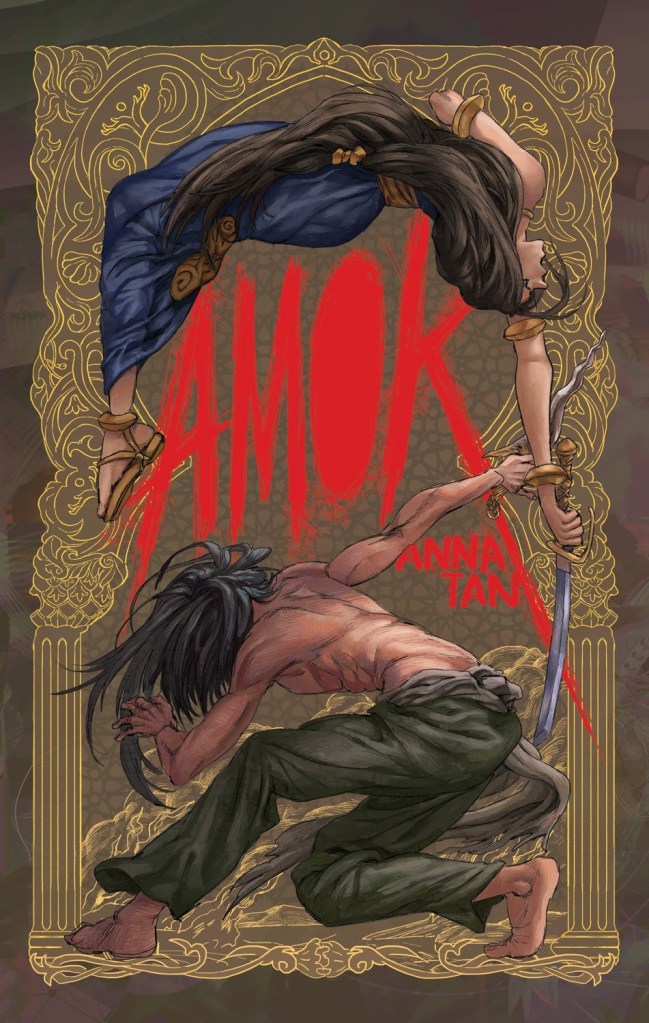
Amok‘s cover by @jiwosophy does a stunning job of this!
1. The title starts at the top left focal point, taking advantage of the reader’s instinct to read from top left to right.
2. The curve of the woman’s body along the top 1/3 of the image follows our reading path, ending in a second focal point – her face.
3. The linked arms and blades then cleverly lead us to the author’s name!
4. The dynamic curve of the young man’s body draws us to his head, which rests at another intersection of two lines.
Significantly, we don’t see his face. If we did, it would likely compete with the title for attention, as the human eye gravitates toward faces. The back of his head still serves as a focus, and his outstretched hand points us upward toward the woman’s feet, and back to #1 – the title.
Masterful! Not to mention, the motifs and style of this cover hint at the story’s unique worldbuilding – inspired by author Anna Tan’s Malaysian ancestry.
Artistic Style and Medium
Artistic style is one of the best ways to give readers a hint of your writing style and the “feel” of your story. As my lit professor loved to say, “form reflects meaning.”
Some top design styles include:
Traditional media – oil painting or watercolor
Digital painting
Real life images – models, landscapes
Cinematic cover
Culturally or historically inspired artwork – Chinese ink painting, Greek pottery motifs, and wood cut prints
Graphic design
Mixed elements
Medium hugely impacts the depiction of light and color – watercolor or acrylic will look much softer than richly saturated oils or bright digital paintings. So this choice will greatly affect your book’s perceived sub-genre.
What style makes you the most excited? More importantly, which one makes you want to pick up the book?
It’s SO hard, but the most beautiful cover, isn’t necessarily the best cover. It’ll save you a lot of pain down the road if you accept NOW that some images are best left as supplementary art or interior illustrations, rather than as your cover.
You want to pick the style that best sells both your book and your brand as an author.
Here are some various covers for The Fellowship of the Ring over the years, and they each convey something different about the story. The 1st image is the original cover design, the 2nd cover looks more like a children’s book, the 3rd reveals the beautiful scope and literary quality of the work, the 4th is more cinematic, the 5th is a graphic design call-back to the original cover, and the 6th looks like a modern dark fantasy.
All these covers say something true about the story, but appeal to different readers. What type of reader do you want your cover to speak to?
Depicting Your Character
Some readers hate seeing characters on book covers, while others love it, or don’t really care. The choice is yours.
Characters are usually depicted on covers in one of 5 ways: silhouettes, shots from behind, multiple characters interacting, half or full body front view, and close-ups of faces.
1. Character silhouettes
In this style, characters are often seen from a distance or depicted through a simplified art style – little can be made out about the character except for gender, and pose.
These covers work harder to indicate their genre and sub-genre than to communicate what is unique about the main characters. These are meant to be archetypal depictions that make a reader think, “I like stories about swordsmen, or ladies in Victorian times.”
What to avoid:
You’ll want to be careful not to overuse graphic design elements that look like clip art cutouts. I’ve seen the same silhouette of warrior girls and dragons on so many book covers that it has become distracting. All I have to do is open Canva and I know exactly which one they used, which makes a cover appear less professional.
2. A figure shown in profile or from behind
In these cases, we don’t see the character’s face clearly, but are given more intricacy in clothing and other features.
This is a great way of indicating more about the personality and profession of your main character – soldier, noble, spy, alien, and so on, without committing your readers to a certain version of their face.
What to avoid:
You don’t want to be too vague here. I’ve seen a ton of fantasy covers that feature a cloaked or armored figure from behind, or a young woman with her hair blowing, and these figures don’t really tell us anything about the story or character. The examples above give enough detail to let us know general ages, professions, culture, and potential goals.
3. Covers that depict multiple characters
If your story centers around dynamics between one or more characters, featuring multiple figures on the cover can be a great way to establish reader expectations. You’ll let them know that the heart of the story centers around love interests, buddies, rivals, found family, master-apprentice relationships, and so on. Readers will also often assume that such a story follows multiple point of views, which is useful information to convey.
What to avoid:
Including too many characters on one cover can become distracting. It also makes it a lot harder to maintain continuity in later covers or if you have to change artists. Note that Kings of the Wyld, which features the most characters of those examples, still uses one character as a focal point, while the others fade into the background a little.
You also want to avoid having characters just stand around. In the covers above, the characters clearly have a task before them, and are not just posed before “the camera.” They look ready to solve a problem or leap into action.
4. A front view of the character (half or full body)
If you don’t mind committing yourself to an artist’s rendition of your character’s face, then go all in with a front shot!
The most effective character shots are dynamic, emotional, and indicate another layer of the world (plot, magic). These characters feel like they’re in the middle of a scene, and we’re holding our breath, waiting to jump in and see what happens next.
What to avoid:
You’ve likely seen many covers that show a character just facing the reader (as though looking at a camera), with a rather neutral facial expression and body language.
These depictions, while potentially “accurate,” are rather boring to look at. You want to at least partially answer the question: what makes this ranger, orphan, or prince different from the others?
5. A close up of a character’s face
This can be a very effective way to communicate something unique about the main character, display intense emotions, hint at a major theme in the book, or just show off a hot character! 😉 A close up can also indicate that the story will follow a single character’s perspective quite closely – perhaps even in 1st person.
What to avoid:
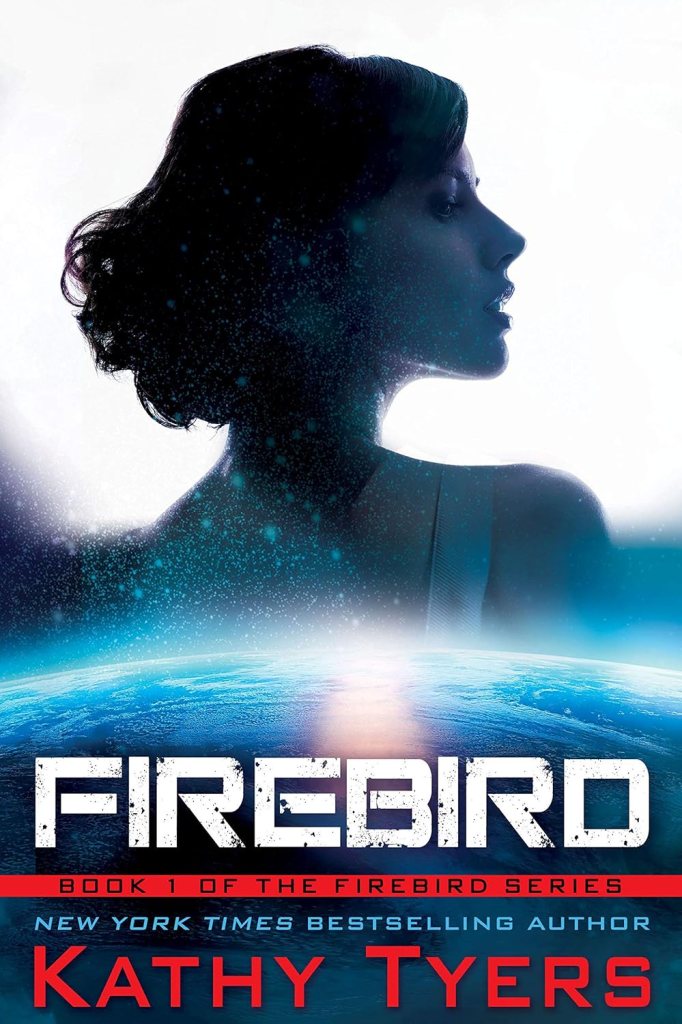
If you’re going to depict a character’s face prominently on your cover, you MUST maintain consistency across the series. Here is an example of a series that failed to do this.
These book covers all feature a different model, and none of them actually look like the main character, who is a redhead, not a brunette. Her face tells me nothing about the story or who she is – her expressions are passionless. These are also all essentially the same cover – a woman over a planet – which tells me nothing about how the series might progress.
In contrast, the most recent cover in this series actually depicts the point of view character accurately, down to her determined stare and dress uniform. We receive more information, including a fighter jet, which indicates the military themes of the book. Plus an accurate portrayal of her husband, and the inclusion of a unique celestial body, rather than a generic planet.
In summary, the face of a character rarely in and of itself creates a complete cover. Other elements, including clothing, lighting, and emotion, are incredibly important to hooking a reader.
Also Avoid
the uncanny valley
When creating faces digitally or with the use of photo manipulation, it’s easy for a figure to fall into “the uncanny valley,” the name for the unsettling, even repulsive, feeling people experience when encountering humanoid figures or artificial entities that are almost, but not quite, human-like.
Think creepy doll effect, photoshop catfishing, or CGI animals whose mouths and eyes don’t quite match up with their words.
Here are some examples of covers that look “off” because of over-photo-manipulation and the blurred effect of digital brushstrokes.
In addition to looking amateur, they just feel a bit creepy, which is the last thing you want a prospective reader to take away from your book. Make sure to look at an artist’s portfolio before you hire them. If you’re not confident your artist can depict faces well at your budget, it’d be better to simplify the design or show your characters from behind than to end up with this kind of effect.
Bad Photoshop
Badly photoshopped covers are less common these days. The technology is more accessible even for amateurs, and it’s a lot easier to find freelance artists on platforms like Fiverr that are both affordable and have better skills than those displayed in the covers below.
Still, it’s good to keep in mind that just because you can cram a lot of fanciful elements or light filters into one image, doesn’t mean you should. Even if the image layers are merged and shaded properly, such covers can still look a bit… extra.
AI-Only
This is a whole can of worms. But as a business, Creative Cornerstones takes a very simple approach: don’t do it.
AI can be a fun tool to create mock-ups for your own enjoyment, to brainstorm ideas, or to provide references for your artist.
But DO NOT use a fully AI crafted image as your book cover.
In order to create these images, AI scrapes existing art and copies it, stealing the hard work of real artists. You open yourself up to a world of copyright issues. Most lawsuits about AI are still ongoing, and you really just don’t want to risk it.
There are many ways to create a book cover for next to nothing.
Besides, readers can tell when a book cover is AI-made and often they won’t pick it up as a result. I participate in many author groups online, and when authors posts covers asking for feedback, one of the top, most repeated comments I see on AI artwork is, “if I saw this on Amazon, I wouldn’t buy it because it looks AI.”
Often, readers might not care about the AI art itself, but what it indicates about the work as a whole. It shows that the author didn’t have the budget to hire a professional artist, which means other elements about the book might lack professional refinement as well – especially the writing quality. They might think, “was this book ‘written’ by AI too?”
There are SO many books on the market, that if a reader has even the slightest doubt about the quality or ethical construction of your book, they’ll simply move on to something else.
Affordable Cover Design Tools
Whether you’re looking to create your cover by yourself, or simply want to make a mock-up for your artist, there are some great programs that are affordable and user-friendly.
Book Brush: $149/yr (this one is designed specifically for creating book covers, ads, reels, etc. with tutorials and templates)
Canva and Adobe Express both have completely free versions too, but I highly recommend getting the upgraded version just for a month – there are way more templates and design elements available that will make your cover easier to create and more professional-looking. Since hiring an artist could cost $50-2000, $10 or $15 is nothing.
For more information about technical details such as image dimensions, trim size, and printing details, I suggest you directly consult your publication platform’s requirements.
I do recommend hiring a cover design artist, at least as a consultant. There are a lot of refinements you may not consider, such as genre-appropriate lighting filters and color tone, or how much you should brighten an image to make sure it looks good once printed.
“Fixes” like this could take an artist just half an hour to spot and correct, saving you a ton of trial and error and pain down the road.
These days, I hesitate to recommend freelance platforms like Fiverr, because it’s hard to tell whether an artist’s work is genuine, or if they use AI and still charge “full price.” I’ve seen a lot of posts lately by authors who were burned by artists (often from abroad) who lied about their work, charging $100s-1000s upfront and then delivering work that contained obvious AI mistakes (distortions, disproportionate figures, oddly repeated patterns, etc.).
I strongly encourage you to choose an artist based on word of mouth recommendations. Ask people in your writers group, at local conventions and book fairs, and in online groups specifically designed to help artists and writers connect.
If, while doing your market research, you find an artist whose work you really admire, why not reach out? Don’t assume their work is outside your budget! Artists who work with small and indie presses usually have much lower rates than those who’ve created covers for the Big 5.
Here are 3 cover artists I recommend, in order of cost ($, $$, $$$):
1. Galadriel Coffeen, our in-house artist creates sharp, digitally painted covers that feature high contrast, striking colors.
Her covers range in cost from $50-500, depending on design complexity.
She also paints dragons and dramatic character illustrations!
2. Kirk DouPonce of DogEared Designs creates luminous covers for sci-fi, fantasy, and thriller books. At the moment, he is not accepting new commissions, but if you like his work, you can check back in the future and reach out on his website for a quote.
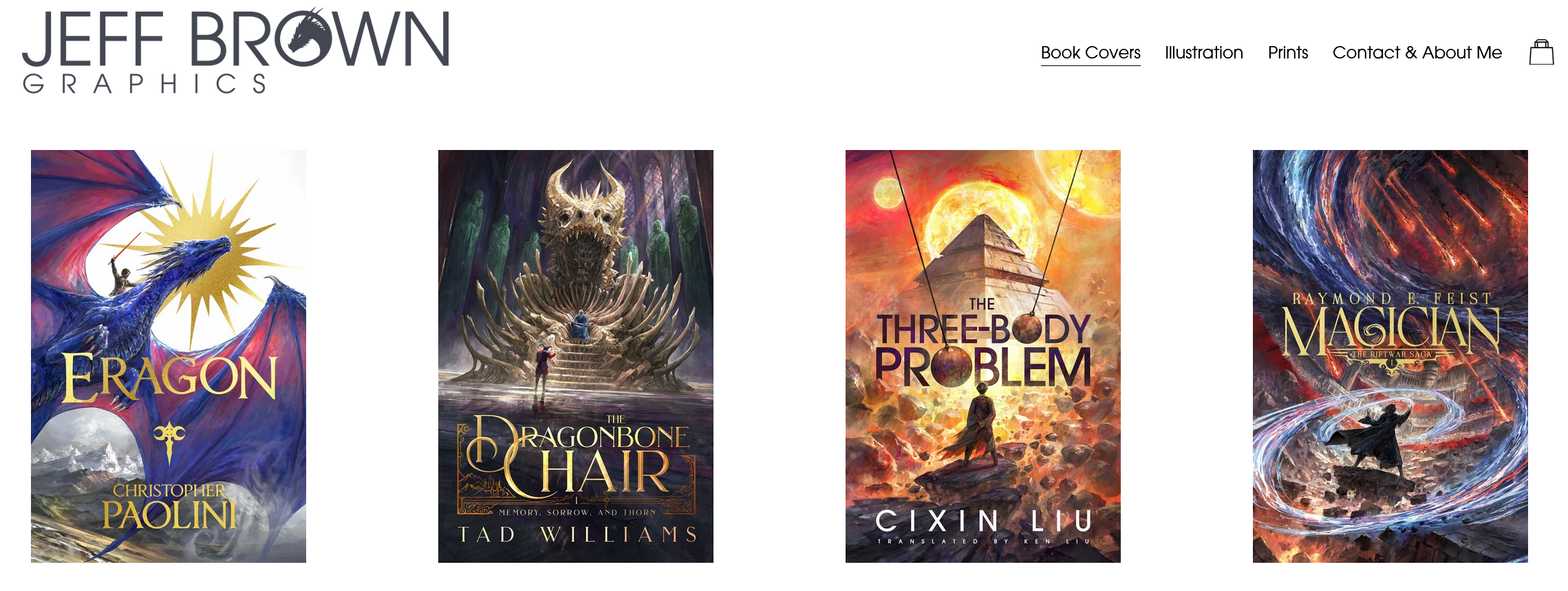
3. Jeff Brown has created stunningly epic covers for indie authors and big names alike. He charges $4000, which includes typography, full usage, multiple print covers, multiple deliverables, etc. and is currently booked over a year out. Find more examples and information on his website.
Market Testing
One more hugely important reminder: once you have a couple versions of your cover, test their effectiveness! Ask your target readers (on social media, in your newsletter, in groups, at book events, etc.) which cover they’d be more likely to buy.
You can even ask what the cover says to them about:
Genre (and sub-genre)
General tone and themes
Reader expectations
Readers LOVE seeing covers and voting on which ones they like. Don’t assume that just because you and your artist love it, they will too.
You can’t just “change it later,” as it becomes extremely complicated to list various cover editions on Goodreads, which is one of the major platforms for gaining reviews.
Learn More
If you’d like to learn more about creating a competitive cover, I recommend Eschler Editing’s Pocket Editor course: Crushing Your Cover. They go into further detail about cover design strategies for various genres, including nonfiction. You can use the code Cornerstones10 to receive 10% off the course.
I work with Eschler Editing, an award-winning team with over 25 years of publishing experience. They’ve successfully launched work with bestselling authors, traditional publishers, and indie creators.
Hi, I’m Caylah Coffeen, a freelance editor and marketer of sci-fi and fantasy books. I love reading and writing and am a follower of Jesus Christ.
I’ve worked for Monster Ivy Publishing and Eschler Editing, and am currently a weekly editor with Havok Publishing. Reach out to chat about books and publishing!
Thanks for stopping by my website! I hope you’ve found some helpful resources about reading, writing, and publishing. If you liked this article, here’s some more free content…
Fantasy as a genre has long captured the imaginations of readers with its thrilling adventures and heroic narratives. But if you’ve spent any time in the trenches of Reddit, BookTok, or even Threads, you’ve likely come across a question echoing throughout the zeitgeist:
Does fantasy suffer from a lack of diversity?
That, however, is the wrong question.
At the heart of this conversation lies a more critical distinction. The real question we should be asking is:
What do we even mean by “diversity”?
Is it simply about including characters of various races and socioeconomic backgrounds?
Or does true diversity dig deeper?
This article explores that very question while offering insights into how diversity can (and should) transform the realm of fantasy. Along the way, you might come to love me, or you might come to hate me. But one thing you won’t accuse me of is being a vapid wanderer with nothing but clouds for thoughts.
What Does Diversity Mean in Fantasy?
When we think about diversity in fantasy, what’s the first thing that comes to mind? For many, in a culture increasingly unmoored from classical philosophical foundations, “diversity” is often reduced to outward traits: ethnicity, gender, or socioeconomic status.
And yes, those factors matter.
But they shouldn’t overshadow what truly makes stories vibrant and enduring: diversity of thought. Because a book, at its core, is a well assembled stream of consciousness. A meditation and confrontation with ideas.
Diversity in My Own Career
This subject is actually quite dear in my own author journey and not for the reasons you might suspect. Whenever diversity comes up, it’s often along the lines of: “Hey, Izaic, why don’t you mention you’re Black? That could really help spotlight you or bring money in the door.” Every time I hear that, it feels like an arrow to the heart.
Why?
Because it screams the bigotry of low expectations. Ideas that stand the test of time are based on merit. To have mine judged by skin tone or assumed hardships might grant me a short‑term dopamine hit but, in the end, would leave me wondering: did I earn X or Y, or was that just the result of someone’s assumption about me?
So, over and over again, I have declined grants or invitations that hinge solely on my skin tone. At times it’s been hard and a challenge to the life of virtue. Undoubtedly I am leaving money on the table, but I have faith that I am more than the base materials of my physical body. What remains, and what is important, is the diversity of my mind and soul, which God made perfectly to His design.
Beyond Biometric Metrics
Reducing diversity to metrics like race, gender, or class oversimplifies a much richer and more vital conversation. Biometric diversity does not automatically guarantee depth or quality in storytelling.
True diversity emerges from exploring nuanced ideas, conflicting beliefs, and different cultural frameworks for understanding universal human experiences.
Imagine a world where fantasy novels challenge readers to see the world differently—to entertain new possibilities and reflect deeply on their own beliefs.
That is authentic diversity.
More Than Skin Deep
Reducing diversity to physical characteristics is a form of tokenism, where characters are included as symbolic gestures rather than meaningful contributors to the narrative.
Instead, let’s consider stories whereideas and beliefs are the defining elements of uniqueness.
For example, a Black author can skillfully craft a European medieval fantasy steeped in knights, castles, and folklore. Likewise, a White author can authentically write a story centered around urban Black youths navigating the challenges of Chicago through the lens of portal fantasy.
The richness of a story stems not from the biometric traits of its characters or creators, but from the depth and clarity of its ideas.
Biological factors ≠ Diversity.
They are merely a potential starting point from which diversity might emerge.
This is not to deny the importance of representation but to elevate the conversation.
Our ultimate goal as lovers of literature should be compelling storytelling that speaks to the human condition. As Dr. Martin Luther King Jr. famously said, what matters most is “the content of their character.”
For fantasy, this means content that challenges, inspires, and transports readers into the vast frontiers of imagination.
The Reader’s Role in Seeking True Diversity
Writers aren’t the only ones responsible for cultivating meaningful diversity. Readers play an equally crucial role in shaping demand for more thoughtful and expansive narratives.
When audiences seek out stories that offer fresh perspectives and complex characters, they help pave the way for a broader, richer literary landscape.
Supporting Authentic Storytelling
Here’s how readers can contribute:
Explore New Authors: Seek out voices from various cultural and social backgrounds. But celebrate them not for their skin or heritage—celebrate them for the merit of their thoughts and craft.
Foster Conversations: Discuss books with others. Unearth the deeper themes and perspectives within a story.
Prioritize Depth: Choose books that offer intricate world-building, moral complexity, and provocative ideas over ones that simply check superficial boxes.
By demanding authenticity and intellectual richness, readers uplift authors and help shape a publishing culture centered on excellence.
Raising the Next Generation of Readers
Creating a culture where diversity of thought thrives doesn’t happen overnight. It begins with nurturing a love for reading in young minds. Exposing children of all backgrounds to a range of high-quality, diverse literature helps expand their worldview and strengthens critical thinking.
How to Foster a Love for Diverse Literature:
Start Early: Introduce imaginative fantasy stories that stretch the mind and expose kids to different ideas.
Align with Values: Share stories that reflect your core values but don’t avoid those that challenge or stretch them.
Create a Rich Literary Environment: Fill homes or classrooms with books spanning genres, cultures, and philosophies.
Celebrate Curiosity: Encourage kids to ask hard questions about characters, themes, and conflicts.
Train for Excellence: Stop paying lip service to mediocrity. If you’re invested in the future of Black youth—or any youth—invest in their craft. Train them rigorously. Push them to be extraordinary.
A sustained effort to introduce children to rich, diverse storytelling shapes a generation that values both creativity and authenticity. Excellence is the only foundation that ensures diversity lasts beyond trends.
Building a Future of Excellence in Fantasy Literature
Fantasy offers endless room for exploration, creativity, and connection. But for the genre to thrive, it requires intentional effort from writers, readers, and publishers alike.
Christian authors, especially, have a unique opportunity to contribute by anchoring their work in faith and reflecting the boundless creativity of God’s design.
The future of fantasy doesn’t rest on superficial representation. It depends on cultivating excellence and allowing the diversity of ideas to compete in all aspects of storytelling.
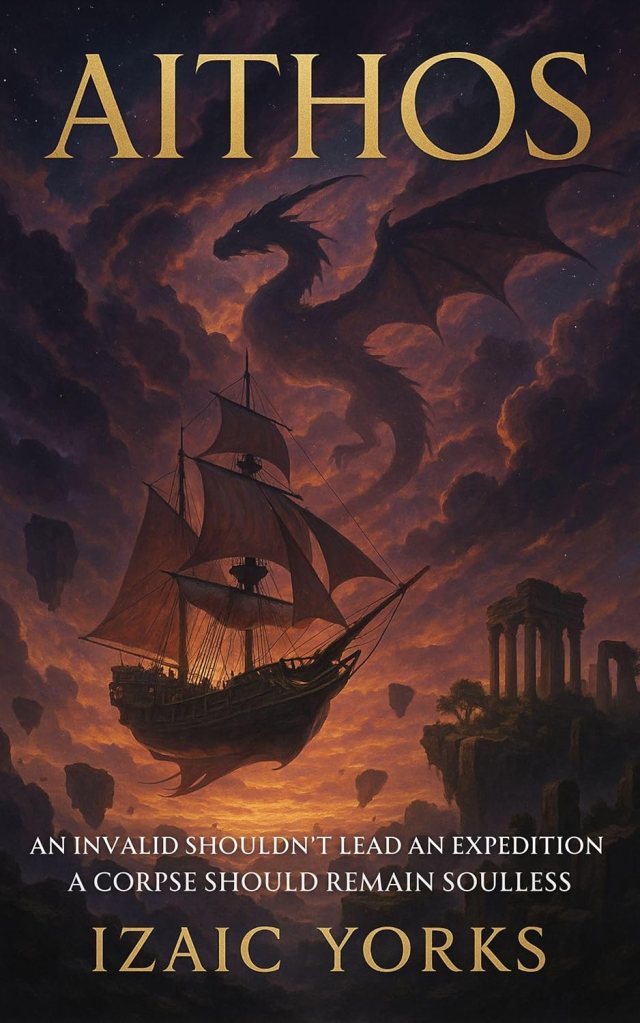
Yorks spent six years as a professional Track athlete, earning silver in the United States championships, among several other distinguishing awards. Now, he seeks his true passion for authoring fantasy works with a heart for virtues that chase the Good, True, and Beautiful.
Hailing from the Pacific Northwest, Yorks is now happily lost in Hillsborough, living the small-town life and raising a growing family with his wife Courtney.
Check out his book!
Hi, I’m Caylah Coffeen, a freelance editor and marketer of sci-fi and fantasy books. I love reading and writing and am a follower of Jesus Christ.
I’ve worked for Monster Ivy Publishing and Eschler Editing, and am currently a weekly editor with Havok Publishing. Reach out to chat about books and publishing!
Thanks for stopping by my website! I hope you’ve found some helpful resources about reading, writing, and publishing. If you liked this article, here’s some more free content…
God’s world is beautifully and wonderfully made! And his kingdom is made up of people from all 4 corners of the earth – I love hearing the stories of all my brothers and sisters in Christ.
Sci-fi and fantasy is special because it opens new worlds to me and examines ideas I may never have encountered otherwise. So when these genres are written by unique voices who come from different walks of life than me, I often find even greater delight in the imaginations they have spun into being!
Christian SFF has grown dramatically as a genre in the past 2 decades alone, and we’re seeing a wider range of authors than ever before! So I’ve compiled this list of diverse Christian authors of sci-fi and fantasy to help readers find and enjoy their compelling stories!
This article contains affiliate links – I may earn a small commission on qualifying purchases at no extra cost to you.
Anna Tan grew up in Malaysia, the country that is not Singapore. She writes fantasy stories and fairy tales, puts together anthologies, and wrangles writers for the Malaysian Writers Society (MYWriters).
Anna has an MA in Creative Writing and is interested in Malay/Nusantara and Chinese legends and folklore in exploring the intersections of language, culture, and faith.
All Putera Mikal wants is to gain the Amok Strength, the supernatural power granted by Kudus to the Mahan royal family. No matter how religiously Mikal keeps his vows, Kudus still denies him the Strength—whilst his father, Sultan Simson, flaunts the Strength despite his blatant defiance of the Temple and the priests’ visions of coming doom.
Then the prophecies come true. Taken captive, Mikal must find a way to liberate his people and restore his throne in Maha—and the key to this is the Amok Strength. But what does it take to gain Kudus’ favour?
Tosca Lee is the award-winning, New York Times bestselling author of twelve novels, including a series with Ted Dekker. Her work has won multiple awards and has been translated into 17 languages and optioned for TV and film.
She serves on the Board of Directors of International Thriller Writers and as adjunct faculty for Drexel University’s MFA program. Tosca lives in Nebraska with her family, a drooling cat named Misty, and giant 160-lb. German Shepherd, Timber.
Emily Jacobs is the descendant of a serial killer. Now, she’s become the hunted.
Her quest takes her to the secret underground of Europe and the inner circles of three ancient orders—one determined to kill her, one devoted to keeping her alive, and one she must ultimately save.
Filled with adrenaline, romance, and reversals, The Progeny is the present-day saga of a 400-year-old war between the uncanny descendants of “Blood Countess” Elizabeth Bathory, the most prolific female serial killer of all time, and a secret society dedicated to erasing every one of her descendants.
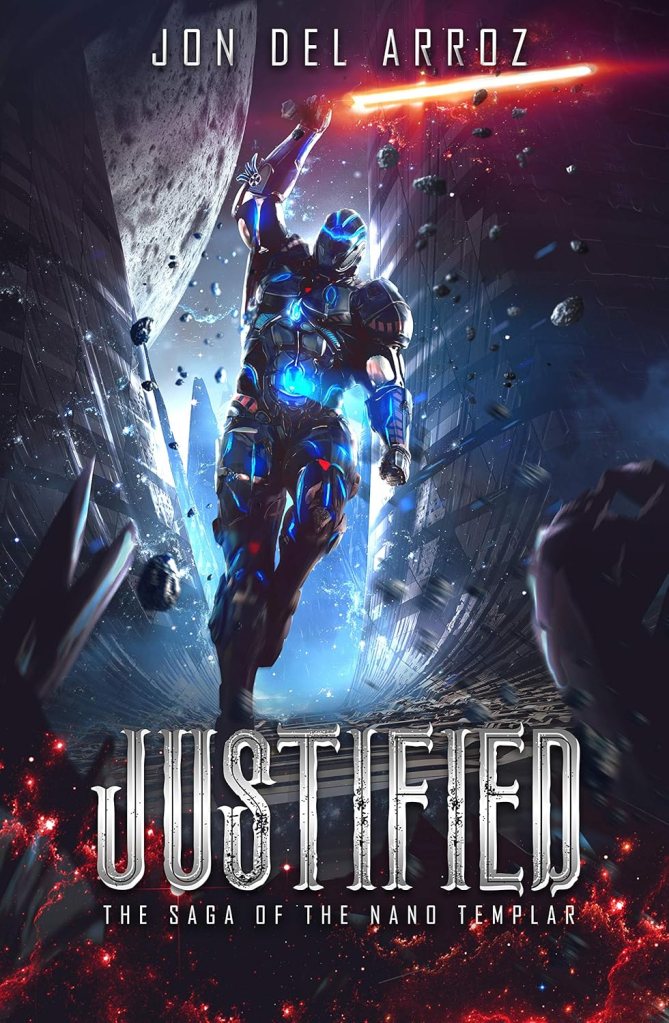
Jon Del Arroz is a #1 Amazon Bestselling author and “the leading Hispanic voice in science fiction.” He is a popular YouTuber with hilarious livestreams.
He says on his X (Twitter), “I became a #1 bestselling author by standing for Christian values.” In his free time he likes roleplaying, reading comics, and playing tennis.
After years of fighting for justice with his deadly nanotech, Templar Drin abandons his post, crash landing on a desert world controlled by a tyrannical alien empire. Its inhabitants are forced into slavery, broken where a once-proud race cultivated its lands.
For the first time in Drin’s life, he has no backup, no support, none of his brothers. Yet he still seeks to liberate millions of slaves from their captors and bring faith to a downtrodden world. But in his way stands the most dangerous weapon in the galaxy.
Valicity Elaine is the author of several Christian YA dark fantasy novels and a former Booktuber. In 2015, after her experience with indie publishing, she founded The Rebel Christian Publishing.
Their goal is to produce and publish good quality Christian books with a strong focus on the inclusion and representation of minority cultures. They aim to keep Christ at the center of their business and to positively reflect the Christian faith in the books they produce.
Code-X5 is a Guardian, fresh from the factory after a memory wipe. But there is a flaw in X5’s programming. He can’t pinpoint it, but something is wrong. Despite this, X5 just wants a fresh start, but that’s hard when your client is an exiled princess who wants you to bust her out of prison.
He thinks it will be a simple mission until they discover a scheme that could unravel the very fabric of the Valetian Empire.
Is it possible that X5’s programming is more than flawed… and that he wasn’t always a Guardian – what if he isn’t the only one?
Dylan West writes faith-based, young adult science fiction and fantasy novels. He is a Jesus lover, web and video game developer, former Navy nuclear operator, foreign language nut, and a nut in general.
While other people are busy thinking normal thoughts, he’s crafting corny jokes. Dylan lives in Chesapeake, VA, with his wife and daughter.
People worship technology on Planet Daishon. With inventions that prolong life and eradicate disease, it’s little wonder. Death seems obsolete until an earthquake kills thousands, including Mallory’s parents. Suspecting the top research center triggered it, she begins to investigate.
She unlocks an underground world and the remnants of a universal war. To survive, Mallory must trust the voice of one she can’t see, to find the very bottom. Something out of folklore is trapped there, and it is trying to escape.
Willamette’s earliest memories of books coincided with those of America, when she first came here from Hong Kong at the age of seven. Awed by the abundance of free books, she determined to learn English so that she could partake of this bounty.
At first she wanted to be a detective, but after studying physics and library sciences, she became an academic librarian. Now she combines her love of information and speculation to create fantastic stories that nevertheless give an air of a world truer than the one we see.
Pergi can only retain her father’s throne if she marries the neighboring prince, combining their kingdoms. Yet the same prophecy that calls for the reunification also warns that they must join by love. So she is supplanted by her younger sister, Sadira, who unexpectedly runs on her wedding day, only to be snared by the dark lord Malchor.
What starts as an impromptu rescue of the wayward bride leads to a desperate struggle against a deadly foe. For if Malchor completes his true goal, and gains the Far Stones of power, he will subjugate all the peoples of Miran. Can Pergi’s adamant sense of duty rise above the forces crushing her?
Lee James writes stories of hope and redemption. Whether it’s fantasy, mystery or historical fiction, her beautifully awkward characters traverse a dark labyrinth on their journey to a hopeful end.
She is vehement about the importance of creating and preserving the sanctity of the written word. In that vein, she supports literacy programs and her local libraries. Most importantly, she supports her fellow writers. She also enjoys photography, watching The Simpsons, and of course, reading.
Bree, a feisty protegee fighter, is sent to infiltrate the city of Azriel. Unexpectedly, the Watchmen of the Keep welcome her as one of their own.
But the city’s water source has dried up, they face constant attacks from the vengeful spirits of former Watchmen who sold their souls for power, and an immortal creature lurks.
Then, a Watchman is murdered. But only a Watchman can kill another Watchman, so all eyes shift to Bree. Should she betray the dying city, or find the killer before it’s too late?
Daniel Tuituku is from Hawaii, but grew up in North Carolina, which is still his home. He’s a Christian and homeschooled alum, and his favorite works include Pilgrim’s Progress and the writings of C.S. Lewis.
When he got laid off from a job back in 2021, he jumped on the opportunity to write and publish his first book, Strange City. Daniel writes about real world themes and problems, but ensures the message of salvation and hope shines through the darkness of this fallen world.
Noe Ryker grew up in the Gray Zone as an orphan whose parents were killed for their beliefs. Whether he’s being harassed by The Law, being ordered around by robots, or forced to bow down to the tyrannical King, Noe has been giving in for too long.
All of that changes when he meets Faith, a strangely powerful woman – or spirit – he thought he once knew. Driven by a sense of purpose for the first time, Noe sets out to take down the King and liberate the city. But can he speak boldly, act courageously, and hold on to what he knows is true, even as the shadows of doubt and fear grow all around him?
Yorks spent six years as a professional Track athlete, earning silver in the United States championships, among several other distinguishing awards. Now, he seeks his true passion for authoring fantasy works with a heart for virtues that chase the Good, True, and Beautiful.
Hailing from the Pacific Northwest, Yorks is now happily lost in Hillsborough, living the small-town life and raising a growing family with his wife Courtney.
Magnate Rivia watches his land crumble, and the High King refuses to answer his pleas. He sends a skyship on a desperate mission—commanded by an invalid whose body is shattered but whose will remains unbroken.
The invalid’s destination? The lost promised land that drove Magnate Rivia’s father to madness. Their path? The storm-ridden skies of Aithos, where dragons once soared, secrets lie buried, and death waits in the clouds.
Failure means rebellion. Success could mean salvation, but at what price?
R. J. Amezcua is the creative director of Quentorex Studios and the author of a science fiction book trilogy and an illustrated children’s book.
Mr. Amezcua’s favorite TV shows – Lost in Space, Outer Limits, and Star Trek – sparked his imagination. He also enjoys watching the Food Network, walking in the morning, and gathering with friends and family.
Decades after global infanticide wiped out millions on the planet Ramah, Jazrene Vallo tries to piece her Holy Order back together.
But those responsible – the merciless, sorcerer-led Necrogog legions – still threaten multitudes of star systems, following their objective: to kill the promised Mantis messiah, whose birth mother is a member of the Holy Order, Marium Kahnet.
A group of rogue sisters is out for revenge. And her past isn’t clean either, with her own government seeking to prosecute her for war crimes. Even with a group of elite mercenaries and the instructions of a divine messenger, Jazrene may not be able to stop another wave of destruction.
A. Bean is a Christian author who writes fictional stories that reflect the body of Christ and the Bible. She writes in multiple genres, including end times fiction, historical fantasy, and more.
Her treasured dog, Sesame, is a small tricolor beagle that loves peas! On their days off, they like to travel, visit new restaurants, and find exciting dog treat recipes.
In a world where reading is a rare ability you must be born with, it’s been decades since a new Scribe has surfaced…
Amana Hart believes she was born with the Gift; the ability to innately understand and speak multiple languages – but she must keep this a secret. Only men of great wealth and stature are supposed to have this ability, so to pursue her dream of becoming a Scribe, she must take on a new identity.
Only God can keep Amana safe. The Scribal Institution will stop at nothing to silence liars and fakes. If she isn’t careful, she could end up burned at the stake.
S. E. M. Ishida is a children’s book author who writes science fiction and fantasy. She is also a technical communicator. The two roles allow her to write for both small publishers as well as a large technology company.
Her hobbies include reading, drawing, and collecting toys. She likes robots and tea!
Nick Newton is not a Genius. He’s just a merely average boy from the country of Thauma. He may not be brilliant like his mom and dad or a child prodigy like his sister, but he won’t let that stop him from uncovering the mysteries of a clockwork factory or revealing a war hero’s greatest secret.
With help from two new friends and his butler named Jude, Nick embarks on an adventure that will change his life forever.
Jaymi Mozeak was born in 1982 in Nuernberg, Germany. Soon after, her family moved back to the states where she grew up on the central coast of California.
Besides being an author, artist, and speaker, Jaymi Mozeak is also a Christian Seer. She became a Christian at age 7 and has walked with the Lord ever since. Now she draws inspiration for her stories and artwork from the dreams and visions she receives.
“I drank the blood of an angel… How can You want me?”
Follow Silver Fox, a brave young wolf-dog, in her quest to find a place for herself among the glories of heaven. She looks like a demon and is hampered, abused, and mistrusted because of it. She feels like no one will ever trust her or want her around.
No one will love her except Shepherd, the white lion. He alone invites her to join his army. What does he see in her that no one else has?
Help Me Expand This List!
Do you know of any other authors whose works would fit this list? Comment below or shoot me an email, and I’ll feature them here!
Hi, I’m Caylah Coffeen, a freelance editor and marketer of sci-fi and fantasy books. I love reading and writing and am a follower of Jesus Christ.
I’ve worked for Monster Ivy Publishing and Eschler Editing, and am currently a weekly editor with Havok Publishing. Reach out to chat about books and publishing!
Thanks for stopping by my website! I hope you’ve found some helpful resources about reading, writing, and publishing. If you liked this article, here’s some more free content…
Good reviews are absolutely essential for the sales of your book. Readers want to find out if your book is worth reading without having to expend much time upfront. The opinion of readers like them is a huge factor in decision-making.
But Christian fantasy, sci-fi, and horror are niche genres which have a relatively small audience. It’s already hard enough for authors of mainstream fiction to find reviewers, but you might feel incredibly frustrated trying to find the small crowd of readers who won’t condemn your themes of faith OR accuse you of “condoning witchcraft.”
So I’ve compiled a list of resources to help you gain reviews for your Christian SFF book – all of them are friendly toward indie and self-published authors:
ARC Websites DO Accept Christian Sci-Fi & Fantasy Books
Top advanced reader copy (ARC) websites include NetGalley, BookSirens, and BookSprout. Publishers list their upcoming releases and readers can create an account and request free copies, in exchange for leaving an honest review.
These websites accept all types of genres and any reader can sign up for a free account. I’ve seen Christian fantasy and sci-fi listed on these sites (I’m a reviewer on BookSirens). It’s quite possible that other Christian readers of sci-fi and fantasy browse these websites and will request your book.
The MOST important factor which affects your book’s likelihood of approval on these sites is your release date. If your book was published more than 6 months ago, they will not consider it eligible. Ideally, your book should be available on these sites at least 3 months before publication so that you gain some positive reviews by the time your book goes live. That’s why they’re called advance reader copies.
Note that you are not paying for a review. You are paying these companies to connect you with their list of reviewers.
This is the go-to location for the Big 5 Publishers, so indie authors have to compete with many famous authors and books in high-demand. However, the publishers are also picky about which reviewers they send free books, so there are many readers on the platform who want free books and will keep browsing if they don’t get their top choice.
Prices: $60-800+ depending on what type of plan you purchase. Kindlepreneuer has a great article summarizing the best NetGalley deals.
This is my favorite ARC site because I think they have the best search function – this makes it easy for me, as a reader, to narrow down their choices and find exactly the type of book I’m looking for.
They also keep a public database of reviewers which allows authors to search for good matches and reach out in-person to readers they think will enjoy their book.
Prices: $10/ARC plus $2/reader or $100/year for unlimited ARCs – learn more
BookSprout is similar to BookSirens, in that it’s very friendly to indie authors. Their plans offer a certain amount of reviewers per month. For instance, if you pick their $9/mo plan, you can receive up to 25 reviews. With their $29 and $59/mo plans, you get unlimited potential reviews.
This is a popular site that reviews indie and bestselling authors alike. They state that, “more than half of the books submitted for a free review will receive one within three (3) months. Some books are reviewed in less than a week while others are never selected for review.”
The Independent Book Review exclusively reviews indie release in a wide variety of genres. They’re composed of a team of reviewers, with varied preferences. They note that they do not accept: “some religious books.” But that likely does not exclude SFF with themes of faith, redemption, and the like.
This site helps library professionals choose which books to stock. They state, “As the book review journal of the American Library Association, Booklist connects library and education workers to the books and resources needed to support and enrich their communities.” They also have a branch of their site oriented toward library patrons who are searching for their next read.
Since they receive over 60K review requests per year, I suggest only submitting to them if you think your book has wide appeal. This could be a great option for children’s book authors as well.
Lorehaven is currently the only major website completely dedicated to writing about Christian sci-fi, fantasy, and other speculative fiction. They maintain a database of Christian SFF books, and authors and readers alike can submit books to be included.
They have a team of reviewers and for your book to be considered it must be: Christian-made, fantastical in genre, and professionally published (indie or traditional). Lorehaven also runs a podcast and has an active discord server for readers.
They review both secular and Christian-made sci-fi and fantasy, but focus on works released by major publishers. So this is not a good option for self-published authors. They review mostly middle grade and YA, aiming their reviews at parents, though you can submit books aimed at adults as well.
Jon Dykstra, the editor of Reformed Perspective, has reviewed a number of Christian fantasy books, including the Wingfeather Saga and The Dark Harvest Trilogy. There’s not an official way to request reviews on this website, which emphasizes curated and reflective content, but there is no harm in bringing your series to their attention.
PluggedIn is aimed at parents and mostly reviews popular media. Their intent is to help parents filter through the (often secular) content their children are most likely to encounter and request to read or watch. But they have reviewed Christian-made fantasy novels.
They do not have an official way to request reviews, but you can email them directly at letters@pluggedin.com. Keep in mind that the more requests they receive for a certain type of review (or specific work of fiction), the more likely they are to see it as a high demand and expand into that area.
This is our blog, and we’re glad you’ve found your way here! We love reviewing science fiction and fantasy of all types, including those with Christian themes!
You may submit a review request here. Please be sure to check out my reading wishlist first! Note that I do not review books with more than 2 POVs.
Periapsis Press is one of the most prolific reviewer sites of Christian SFF, run by Katie and David Roome! They also offer author interviews and invite guest posts from reviewers.
Chris Solaas writes concise reviews that include: an analysis of each story, a summary of the Christian content, and estimated ratings for mature content. He notes that he receives way more requests than he can ever accept or even respond to, and is also behind on the books he has chosen to read.
Kristi notes: “As a self-published author myself, I realize the need for reviews and certainly empathize with the difficulty of self-marketing. I read some fantasy, but not really paranormal. I read sci-fi, but not so much space operas.” She has a list of her preferred genres.
Leah is a Christian and avid book lover who reviews books clean in language and content, though she will read dark and violent content – which she will then warn of in her reviews.
Coralie reads and reviews both Christian fantasy and classics. She notes in her book review index that you can reach out on her contact page if you’d like to see specific reviews.
Tressa only reviews clean books and notes, “I pretty much read all sub-genres (contemporary, historical, fantasy, dystopian, scifi, steampunk, etc., except most thrillers).” She is backlogged with requests, so be sure to compare her recent reads with your book to see if you’ll be a good fit.
Be aware that YouTube videos rarely focus on reviews of individual books, and are more likely to include a list of recommendations or a discussion and comparison of a genre. It’s still a great way to reach a wider audience of readers!
Celestria says, “I talk about clean and Christian books here. Subscribe to watch me fangirl about fictional characters, drink too much coffee, and sing the occasional song.”
Rochelle is a vlogger based out of South Africa! She makes videos about her faith, her daily life, and books. Here’s a video she made about Christian fantasy.
Her bio says she’s “a teenage author, book lover, and Christian with a big dream and an even bigger God.” She reviews and recommends Christian fantasy, definitely on the cleaner side.
Valicity Elaine used to run this BookTube channel, but transformed it into an indie publishing company with the same name! She still actively reviews on Goodreads. I encourage you to get in touch with her!
Christian Fantasy Reviewers on Instagram
There are many great book reviewers on Instagram who mention that they’re Christian and love to read sci-fi and fantasy! Try searching with tags like #Christianbookblogger, #christianfantasy, and #bookreview. It might take you a while to filter through, but it’s well worth it. I find reviewers on IG to be incredibly friendly, excited, and open to helping share the work of new and indie authors!
Note: I am actively researching and expanding this section.
These individuals have left Goodreads reviews on multiple major works of Christian sci-fi and fantasy and most note on their profile that they are interested in both genre fiction and Christian works. I only included accounts of people who have been active on the platform within the past year.
You could certainly friend them and send a message, but keep in mind that most of these people are readers who do not run “official” reviewer blogs. So be sure to browse through some of their favorites to make sure that they’d actually be interested in your book, BEFORE reaching out to them.
Find more individual readers by scrolling through positive reviews left on your favorite Christian SFF books!
Who Are Your Favorite Reviewers?
If you’re an author of Christian SFF and have some favorite reviewers who love your work, please share so I can keep expanding this list! If you yourself are a reviewer of Christian SFF, please let me know if you’d like to be featured!
Hi, I’m Caylah Coffeen, a freelance editor and marketer of sci-fi and fantasy books. I love reading and writing and am a follower of Jesus Christ.
I’ve worked for Monster Ivy Publishing and Eschler Editing, and am currently a weekly editor with Havok Publishing. Reach out to chat about books and publishing!
Thanks for stopping by my website! I hope you’ve found some helpful resources about reading, writing, and publishing. If you liked this article, here’s some more free content…
I recently picked up an epic fantasy book I had greatly anticipated reading – it promised unusual worldbuilding, an intricate plot, and a unique authorial voice. I didn’t make it through the first chapter.
In the opening, the main female character gets drunk, breaks into someone’s home to commit adultery, assaults the homeowner when he tries to stop her, and gets thrown in jail. When she wakes up, she bangs on the bars and yells at the guards to let her out, as though she’d done nothing wrong. A stranger, who greatly outranks her, bails her out and gets her acquitted because he wants to hire her. She struts out like she owns the place, doesn’t offer this man a single thank you, and instead mouths off at him, becoming offended that he expects her to work off her debt to him!
That’s when I stopped reading. I was astounded we were supposed to find this character likeable. Or even admire her defiant attitude and the gargantuan chip on her shoulder.
Unfortunately, this is the exact type of character readers can expect to see over and over again, advertised as a “strong female lead.”
I would use another word: cocksure. I’m sorry if you find that crass, but that’s the point – that’s exactly what these characters are.
The Double Standard
How is it that the word I’ve found to best describe these “strong female characters” has largely been used in the past to describe men being jerks? It’s pretty much the old word for “toxic masculinity!” If a male character acted the way these female characters do, that’s exactly what they’d be called! No, if they acted half so horribly, they would never have made it past a publisher’s slush pile. Instead, we would have seen acquisitions editors tweeting about how triggered they felt.
I’m glad that publishing has enacted a higher standard for male characters! So many male “heroes” in books do treat everyone around them terribly, break their word, kill and torture without remorse, look out only for themselves, emotionally abuse their friends, abandon their families, and drink, swear, and fight with impunity. It continues to horrify me that stories like Prince of Thorns were ever published, and I’m relieved that publishers would reject such books today.
But I don’t want to read about hubristic, “antihero” women any more than I want to read about sociopathic, egotistical men. So why is this behavior seen as not just acceptable, but “cool” when enacted by women?
It shouldn’t be, for two reasons. But before I get into why, let’s define our terms.
“Toxic” or “Sinful?”
I’m a Christian, and I’m fine with using the phrase “toxic masculinity” because men are sinners, and like all sinners, glorify their sin as right. The world’s version of a “strong man” is extremely different from God’s version, and yes, it’s often toxic. Greed, rape (jokes), idolatry, and violence are all sins that God condemns. In the Bible, the “men after his own heart,” are faithful, humble, selfless, obedient to his law, self-controlled, and gracious. This is “righteous masculinity,” nothing like the “locker room boasters” which our culture has seen as cool (in the past). And praise God for the men who seek to be made anew in such a way!
When women call out “toxic masculinity,” I feel a lot of compassion for people who are often coming from non-Christian households. They’ve never met a godly man in their life, and they don’t have the words to explain why their relationships feel so wrong. So they use terms given to them by mental health professionals.
However, I know that many modern* feminists also use the phrase “toxic masculinity” to assert that the idea of gender differences and the existence of masculinity are in themselves toxic. I reject that claim and do not use the phrase in such a way.
*Early feminists were wonderfully brave women who championed equal rights under the law and were almost all Christians, so please be careful if you’re tempted to make blanket denigrating statements about feminists. I encourage you to read about the different “waves” of feminism to understand how/when things went wrong.
Our culture also praises the sins of women, glorifying selfish, petty, greedy, cruel speech and actions as “subversive, bold, driven, audacious, or strong.” We could refer to this as “toxic femininity,” and indeed if we are going to call out sinful masculinity, then we should be willing to do the same for sinful versions of femininity.
Though perhaps it’d be much better if we dropped this phrase entirely, in favor of biblical language. The Bible uses different words than “toxic”:
Righteous or wicked Godly or ungodly Integrity or crookedness Alive in Christ or dead in sin The wise or the fools
What does Proverbs tell us about what it looks like to live a righteous life?
The righteous hate what is false, but the wicked make themselves a stench and bring shame on themselves. The heart of the righteous weighs its answers, but the mouth of the wicked gushes evil. The righteous detest the dishonest; the wicked detest the upright.
Proverbs 13:5, 15:28, 29:27
I yearn to read about main characters who are considered heroes because they are righteous, not because they are wicked!
How dare publishers act as though they’ve made a stand for morality, only to turn around and espouse those same evils when committed by people like themselves! And these new heroes aren’t even well written.
Most “Strong Female Characters” Are Badly Written
It wasn’t just a shift in culture that led to a decline in the “toxically masculine” character. Publishers just started pointing out that such characters are often badly written and make for flat stories. Which is true.
Contemporary female leads, like many stereotypical male leads in older books (prophesied farm boy), are often 2-dimensional, cut-and-pasted copies of each other. Handing a girl a sword doesn’t give her a personality, though apparently it gives the author an excuse not to develop one. The most noticeable things about them, aside from their superior talent and skills, are their entitlement, aggression, arrogance, and air of martyrdom. When the story starts, they are the universe’s gift to humanity, and when the story ends, they are the universe’s greater gift to humanity.
Readers see very little character development, with the exception of “healing” from whatever injustice the world has perpetrated against the main character. There are no personal flaws they need to face and overcome. Everything is someone else’s fault. This makes for extremely boring storytelling. It breaks the cardinal rule of character development.
Everyone who’s taken an intro to creative writing course knows the joke about “the frat boy who signed up to get an easy humanities credit”: The guy writes a story about a perfectly handsome, intelligent, desirable young man who breezes through all his problems and gets the girl who wrongly rejected him before. The professor has to explain that a good (and realistic) story needs flawed protagonists (not the same as morally grey) and problems that they can’t immediately overcome. This creates tension in the plot and spurs development in the character. Usually, the new writer resists, because their character is actually a self-insert and they feel personally attacked at the implication that they have flaws.
These points are no less true for female writers and female characters. In fact, these days male writers are much more likely to accept feedback when you tell them their character needs work – I know, I’ve worked with quite a few developing male writers. But female writers are likely to get up in arms if anyone criticizes how unrealistic or entitled their female characters are. Because these authors are often living out their dreams of being able to get away with literal crime, say whatever they want to the men in their life, and be respected and taken seriously for it.
And, predictably, the characters and plot of these stories suffer for it. Yet publishers will ignore these obvious problems when they’re seen in female characters, because they too are fantasizing about walking around like god and being worshiped for it – as all sinful humans do.
Which brings me to the second reason why we should reject “toxic femininity” – the glorification of unrighteous women – in books.
Bad Ideology, Bad Examples
The version of femininity which is portrayed in so many of these stories is not something I want to embody. I don’t find these women strong. They are not good role models. Most of them are angry, bitter, self-absorbed individuals who hate authority, are isolated from healthy community and family, and listen to no one but themselves. They are unrighteous and thoroughly broken.
These characters embody everything that women have called out as wrong in male behavior. At least modern feminists have gotten more honest. Their actual message is, “men shouldn’t play god, but women are god.” I suppose these books sell because fallen people do relate to this desire. I don’t know why anyone is shocked – this is the oldest sin there is.
“You will be like God, knowing good and evil.”
Yours truthlessly, Satan
That’s the message publishers are selling to girls: “you can be like god.” Girls down these books like cheap shots, craving temporary gratification in place of the answer that will truly quench their thirst. Such stories can never satisfy, because they run in direct opposition to the Great Story, which tells of a plain, humble, kind man doing what is right and vanquishing evil at great cost to himself, for the sake of others.
This doesn’t mean I only want to read stories about knights saving damsels in distress from dragons, though the trope is justifiably iconic (pun intended)! This is one major reason why I personally prefer reading about male mc’s.
But I do want Queens who save their kingdom from evil. Yes, give me heroines running around in capes and busting out martial arts moves. I need to read stories about female strategists, inventors, explorers, and more. AND I want to read stories about mothers, sisters, shy girls, bookworms, wives, and any other profession out there.
SO LONG as all these women first and foremost embody integrity, kindness, faithfulness, humility, goodness, and other signs of godly character. So long as her flaws and mistakes are actually portrayed as problematic and she actively wrestles to overcome them!
We have beautiful examples to guide us!
Noah’s wife cared for her family through the ending of the world, Abigail defied her wicked husband, Ruth braved the wilderness and poverty for love, Esther faced the emperor of the known world head on, Mary encountered an eldritch creature with who knows how many eyeballs and sang for joy. Jael and the woman of Thebez smashed open the heads of villains with household implements!
The woman of Thebez wields her deadly millstone
These are strong women, brave women, faithful women – women after God’s own heart.
Don’t believe the world’s picture of femininity. It is toxic. It is the way that leads to death. I urge you not to write self-absorbed, 2D, arrogant female OR male characters, but to look at the truth of God’s word and write stories that would please him and better teach us how to hear his story.
P.S. If anyone wants to make a biblical argument in favor of the descriptor “toxic,” I’m all ears (Matt 16:6). After all, a little Axe body spray goes a long way. 😉
Hi, I’m Caylah Coffeen, a freelance editor and marketer of sci-fi and fantasy books. I love reading and writing and am a follower of Jesus Christ.
I’ve worked for Monster Ivy Publishing and Eschler Editing, and am currently a weekly editor with Havok Publishing. Reach out to chat about books and publishing!
Thanks for stopping by my website! I hope you’ve found some helpful resources about reading, writing, and publishing. If you liked this article, here’s some more free content…