Do you know that feeling when you pick up a book and absolutely devour it, sucking it in like you’re feeding a gaping maw within your chest? And then you tear through the next few books trying to satisfy the same clawing yearning.
Then one day, your thoughts wander. You feel restless and when you open Kindle, forget that you had started the book staring at you. The words had slipped out of your mind. Scenes and dialogue fill your mind. A song catches your imagination and before you know it, it’s 2 am and you’re pacing, caught up in a battle or a scheme between characters. Before you know it, you have an entire new backstory, planet, or subplot that’s run away with you.
But then, as quickly as the flood of ideas came, they ebb away. You don’t feel like doing anything but watching TV or reading brain candy – your comfort fiction. That itch is back again that you need to satisfy, and the hunt is on for a book that will touch your heart or mind.
The Creative “Input-Output Cycle”
I call this the creative “input-output cycle.”
All creatives need a mix of input to stimulate their minds, imagination, and emotions. Without craft to emulate, ideas to inspire, and experiences to wake us, our creative well will remain dry.
Some authors can even name the story that “woke them” or tapped the buried flow of water, making it rush into and fill the well. For me, it was the chapter book series The Secrets of Droon by Tony Abbott (#myfirstedgelord) which my mother gifted to me for Christmas in 2nd grade. My parents had already cultivated a love of reading in me, but from that moment onward, I devoured books ravenously for 4 years: horse books, mystery, historical fiction, classics, and above all else, fantasy.
Then, the well overflowed, and stories started spawning in my brain. I couldn’t hold them in. They distracted me from my homework. I would spend hours daydreaming at my desk, incapable of reading because my brain had synthesized too much (no such thing), and now had to express itself.
Have you ever heard this quote?
Q: Why do you write? A: Because I have to.
It’s not a choice, it’s a compulsion. Just as reading becomes as necessary as breathing, as vital as food for the mind, heart, and soul, so too does creation.
As C.S. Lewis said in Till We Have Faces, “I was with book, as a woman is with child.”
Input Begets Output, Output Crowns the Soul
I’ve always been confused by writers who say they struggle to come up with ideas for their next book. I’ve always had the opposite problem. In fact, the plethora of ideas makes it hard to choose where to start my stories, which could fill dozens of books (according to my outlines).
I can’t read a book, listen to a piece of music, or watch a movie without new ideas blossoming in my mind. I remember the exact moment one of the main characters of my sci-fi universe popped into my head. I was sitting in my room in my senior year of high school, reading the first chapter of Hyperion by Dan Simmons. My main character positively exploded into my mind, thereafter occupying my every waking, and sometimes sleeping, thoughts.
It’s painfully obvious when a writer is unfamiliar with storytelling. When I review a sample that makes me suspect a reading deficit, I usually suggest this exercise – I ask them to pick a couple of their favorite books and rewrite a passage of their work in each style. The answer is usually, “oh… I’m not sure. I don’t really read much.”
Can an artist learn to paint even if they’ve never set foot in an art museum? Yes. Can a musician compose even if they hardly ever listen to music? Yes.
But they might as well be half blind and half deaf in their endeavors. Our brains need stimulation to form new networks, patterns, and understanding. If you are having trouble writing, then read! I know you’ve heard this. Reading is the most important form of input for a writer, but other creative inputs are also vital – art, music, dancing, religious experiences, travel, and so on.
But the opposite is also true. You could be in a reading slump, slightly irritated at everything you pick up, because nothing quite seems to touch that deepest place within your soul. These days, it’s actually easy for our brains to become oversaturated with input – that might be your problem.
If you’re having trouble writing, it might be because you’ve had too much input, and of the wrong type. Imagine again our well of creativity. If you’re constantly tapping into various underwater streams, you could end up with a geyser of Kool-Aid that turns your creative landscape into a nasty sludge of punch, rather than a full well of spring water that you can dip into and disperse with control.
It might be time for some quiet. Let your mind digest everything you’ve consumed and settle. Go back and savor one course a bit more deeply. Your original ideas might be fighting to emerge from the roiling stream of external ideas you keep cramming into yourself.
And what you add to the world’s body of stories will be your crowning achievement, standing atop all you’ve uniquely experienced.
Finding a Creative Balance
Finding the right balance of input and output takes time. In my experience, the right combination has also varied depending on my life circumstances. Sometimes poor mental health led to an abundance of my own stories as a form of emotional expression, while other times I drowned out my own thoughts with other peoples’ stories. New experiences sometimes compel me to add a new facet to my world, while other times curiosity inspires me to read and research a ton about that experience just for the sake of learning.
I’ve come to listen to myself and notice the type of restlessness and frustration I feel when my mind is ready to shift from one part of the creative cycle to the next. When I’ve spent several days reading the first few chapters of a dozen books, with none managing to capture my interest, I’ll start to poke at my own worldbuilding and outlines instead. When I start rewriting the same scene in my mind in every possible iteration till it feels like I’m beating a dead horse, I’ll return to my TBR list, often picking something completely different from the story I’d been working on to shake my brain loose.
I’ve spent months to years in an “output” cycle as my stories rapidly expanded, barely watching or reading anything in that time. But recently, I “cycle” more rapidly, reading multiple books in a few weeks, then switching back to scene development for a couple weeks, and so on.
Name Your Process… and Feel Less Insane
I come from a big family (7 kids!) and over half of us love to write. When we started to articulate our process like this, it helped us understand each other and ourselves so much better. It also helped our non-writer relatives and friends understand our “crazy” a bit better!
Sis: Hey, do you want to watch Stargate? Me: Nah, not tonight. Sis: Aww, you said that last weekend, come on! Me: I know! But I’ve been in output mode. I can’t get this scene out of my head. I just need to get it down!
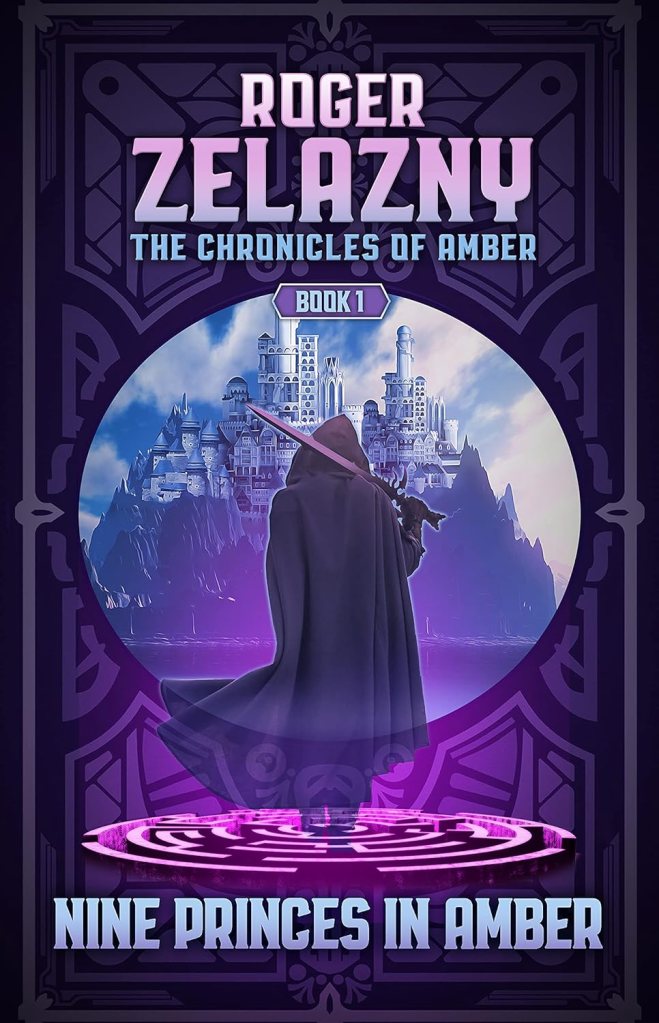
Me: Hey, how are your stories going? What have you been working on recently? Sis 2: Ah, I felt kind of stuck on that one character. It was really annoying me so I stopped working on it for a while. I must’ve read at least 5 Mercedes Lackey books in the past week though! Me: Nice! I’ve been in input mode too. I picked up Nine Princes in Amber and now I’m trying to get my hands on everything Zelazny ever wrote.
Giving yourself permission to take a break and just enjoy stories can be hugely relieving! Not to mention practical for building both empathy and craft skills.
It can be harder to notice when you’re oversaturated and need to take a break to let your own ideas bubble to the surface, but this is also a practice that will greatly benefit your creative process in the long run.
There’s no right or wrong way to balance an “input-output cycle.” You could write in the morning and read in the evening, or vice versa. You could write all day on the weekends and read your comfort fics during the work week. Or if you’re chasing down a deadline, you could do nothing but bang out that draft for several months, and then go on a binge afterwards.
But naming where I am in my creative cycle and discovering what helps me transition between “input mode” and “output mode” has been hugely helpful to me in sustaining both the development of my stories and a well-read mind.
How well do you know yourself? Are you in control of your creative “input-output cycle?”
Hi, I’m Caylah Coffeen, a freelance editor and marketer of sci-fi and fantasy books. I love reading and writing and am a follower of Jesus Christ.
I’ve worked for Monster Ivy Publishing and Eschler Editing, and am currently a weekly editor with Havok Publishing. Reach out to chat about books and publishing!
Thanks for stopping by my website! I hope you’ve found some helpful resources about reading, writing, and publishing. If you liked this article, here’s some more free content…
Enslaved warriors, conquered peoples, arena and pit fights, prisoners of war… a great story starts with conflict and a burning character desire. Few trials compare to losing one’s freedom – a hero’s rise to greatness can feel even more powerful when they have to overcome complete powerlessness.
So here is a list of fantasy books that feature a main character who is enslaved for a significant portion of the story and must struggle to seize freedom and revenge. A few of these are the 2nd or 3rd in a series but can be read out of order (new POVs, different place in the world).
This list does NOT include:
Erotica, BDSM, or dark romance (there is off-screen sexual assault in #2, #5, & #13)
Stories that start after the mc’s enslavement has ended (like The Curse of Chalion by Lois McMaster Bujold)
Books that feature slavery or slave revolts as a theme/plot but without a slave’s POV (like Liveship Traders by Robin Hobb)
Genres represented: high and epic fantasy, sword and sorcery, sword and sandal, dark fantasy, grimdark, adult, & a couple of YA fantasy books.
This article contains affiliate links. I may earn a small commission on qualifying purchases at no extra cost to you.
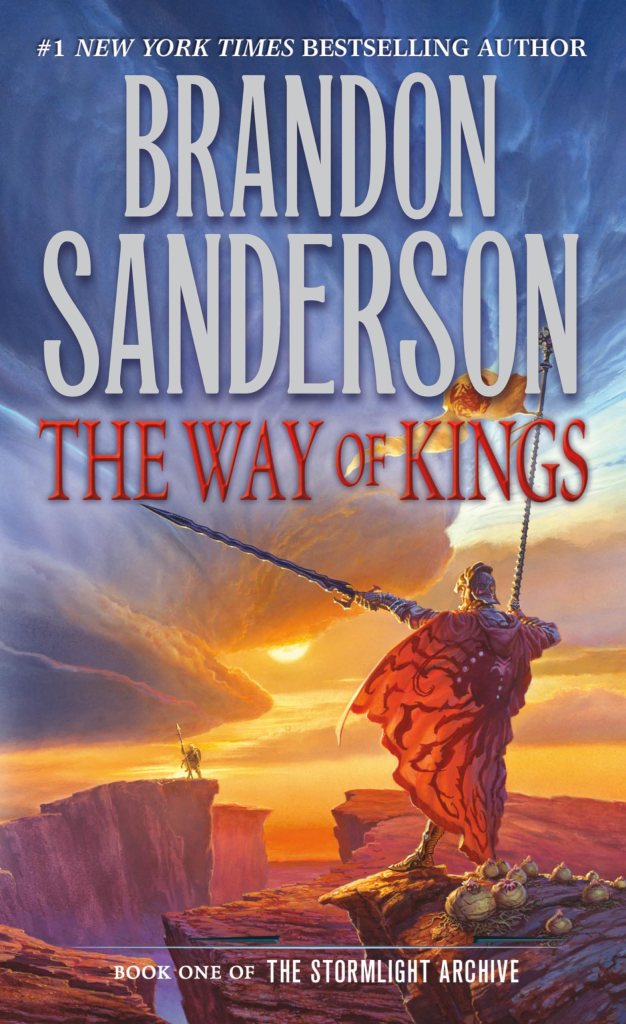
1. The Way of Kings (The Stormlight Archives #1) by Brandon Sanderson
A king is murdered on the eve of a peace treaty, sparking a war between the warlike Alethi and the mysterious tribe of nonhuman Parshendi. Thus starts a decade-long war of attrition on the Shattered Plains, one of the most inhospitable places on Roshar, a rocky world torn apart by vicious storms and imbued with the power of Stormlight. Leading the charge are Shardbearers, noble warriors bonded to historic blades of incredible power that can be summoned at will.
The story follows the surviving royal Kholin family as they struggle to hold their fracturing country together, Shallan, a foreign noblewomen chasing mysteries at the heart of the world’s conflicts while running from the devastating secrets in her past, and Kaladin, an Alethi spearman betrayed into slavery by his leaders, who shines brighter than them all, even when thrown to his death on the plains of war.
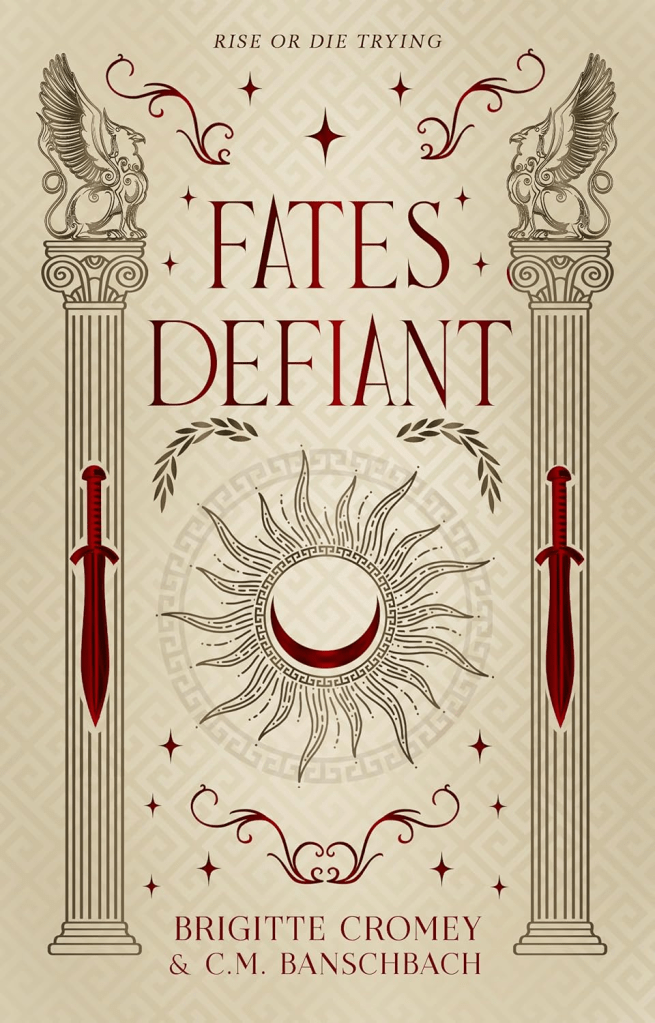
2. Fates Defiant by C.M. Banschbach and Brigitte Cromey
Cyrus, the unbeatable Golden Sun, has been trained since his youth to annihilate opponents on the sands—but he’s no less a prisoner than the criminals he faces, and his usefulness to his masters lasts only as long as the money keeps coming in.
Bastian Lytos, a former griffin rider sentenced to the Arena for disobeying orders in battle, knows only despair. When fate throws him into the path of the Arena champion, he begins to wonder whether the gods—one in particular—sent him here for a reason.
An unlikely alliance forms, but in order to survive long enough to see freedom, they’ll have to fight… To the death.
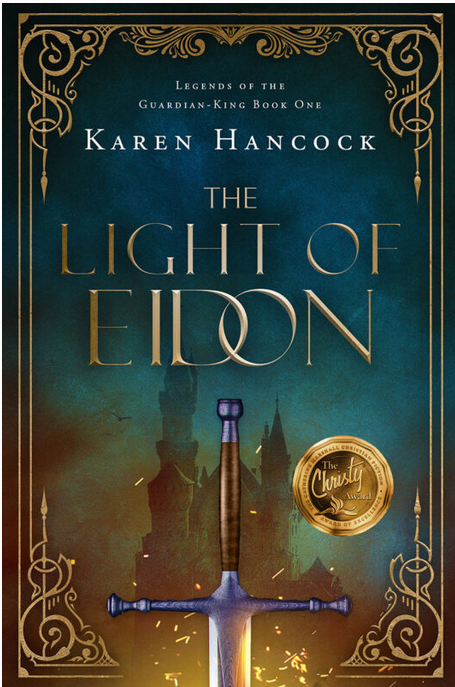
3. The Light of Eidon (Legends of the Guardian-King #1) by Karen Hancock
Abramm has dedicated the last eight years of his life to becoming worthy to tend the Sacred Flames of Eidon. But on the eve of taking the vows that will irrevocably separate him from the life he was born to—as Abramm Kalladorne, fifth son of the king of Kiriath—he is betrayed by his spiritual mentor and sold into slavery by his brothers.
Flung into a world of galley ships and ancient mist-bound cities, Abramm is forced to compete as a gladiator. When the oppressed masses rally around his success, he discovers his suffering has molded him into something greater than he ever thought possible—to serve a purpose he never imagined.
Seyonne has been a slave for sixteen years, almost half his life, and has lost everything: his dignity, the people and homeland he loves, and the Warden’s power he used to defend an unsuspecting world from the ravages of demons. Seyonne forces himself to exist only in the present moment and to avoid the pain of hope or caring about anyone.
But from the moment he is sold to the arrogant, careless Prince Aleksander, the heir to the Derzhi Empire, Seyonne’s uneasy peace begins to crumble. And when he discovers a demon lurking in the Derzhi court, he must find hope and strength in a most unlikely place…
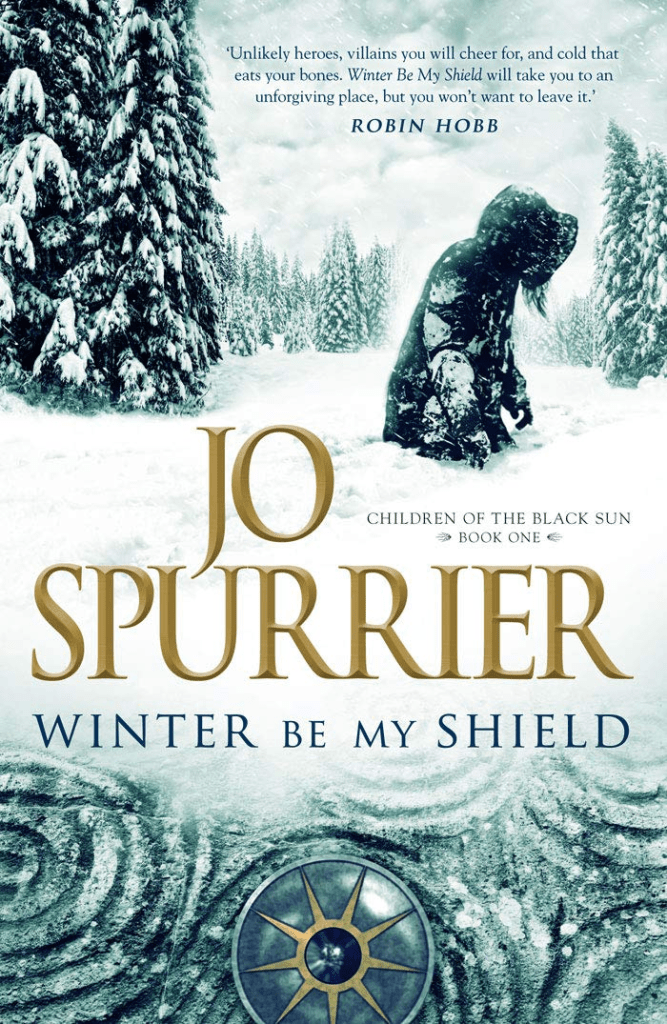
Sierra escapes slavery under the king’s torturer and his apprentice Rasten, falling in with the fugitive Prince Cammarian and his foster-brother, Isidro, recently crippled at her master’s hands.
Prince Cammarian struggles to defend his homeland from invaders, while questioning whether to trust their new ally Sierra… whose horrifying magical power is punishable by death in the frozen north.
When Isidro is enslaved by the invading army, and Rasten approaches Sierra with a plan to kill the master they both abhor, she and Cammarian must decide what price they are willing to pay for freedom…
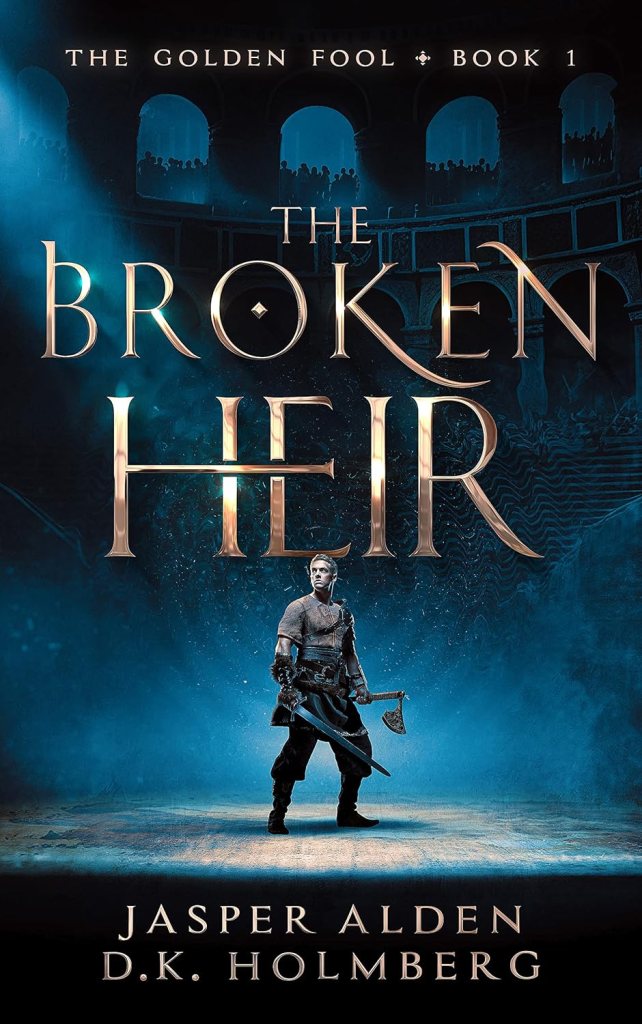
6. The Broken Heir (The Golden Fool #1) by Jasper Alden and D.K. Holmberg
On his sixteenth birthday, Talen is given a magical birthright that forever changes his life. When his family is slaughtered by a powerful sorcerer only known as the Golden Fool, Talen is sold into slavery and forced into the fighting pits.
There he finds violence and killing, but also two friends who lighten his misery. He must use his birthright—the ability to glimpse possible futures—to survive.
All he wants is vengeance. Find those responsible for killing his parents, and get to the Golden Fool. First, he must escape the pits, using his wits and his magical gift. Even that might not be enough.
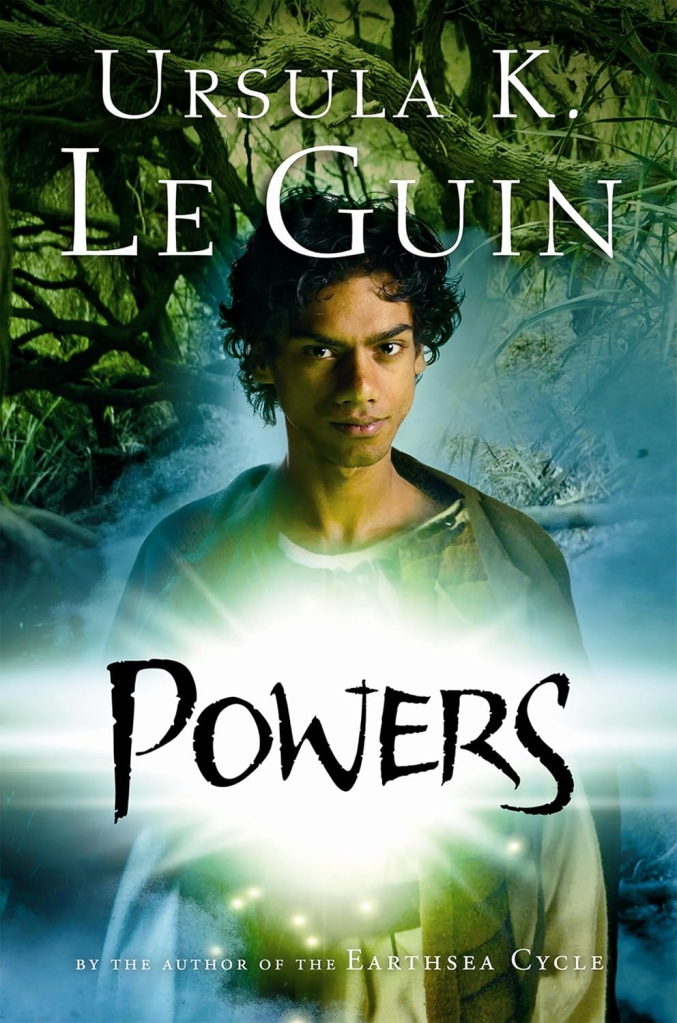
7. Powers (Annals of the Western Shore #3) by Ursula K. Le Guin
Young Gav can remember the page of a book after seeing it once, and, inexplicably, he sometimes “remembers” things that are going to happen in the future.
As a loyal slave, he must keep these powers secret, but when a terrible tragedy occurs, Gav, blinded by grief, flees the only world he has ever known. And in what becomes a treacherous journey for freedom, Gav’s greatest test of all is facing his powers so that he can come to understand himself and finally find a true home.
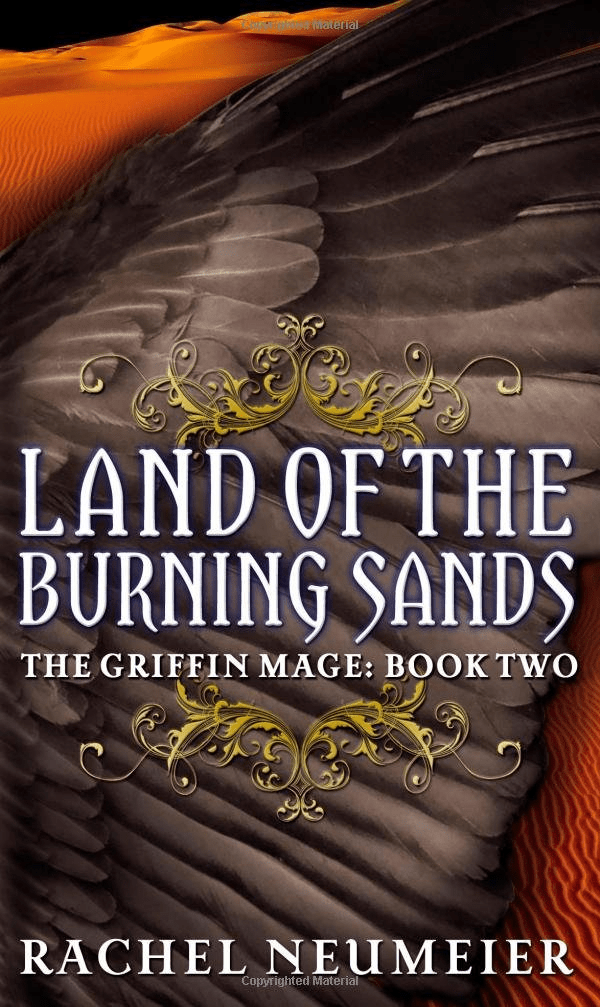
Gereint Enseichen of Casmantium knows little and cares less about the recent war in which his king tried to use griffins and fire to wrest territory from the neighboring country of Feierabiand, but he knows that his kingdom’s unexpected defeat offers him a chance to escape from his own servitude.
But now in a position of strength, the griffins are not inclined to forgive. Willing or not, Gereint will find himself caught up in a desperate struggle between the griffins and the last remaining Casmantian mage. Even the strongest gifts of making and building may not prove sufficient when the fiery wind of the griffins begins to bury the life of Casmantium beneath the burning sands…
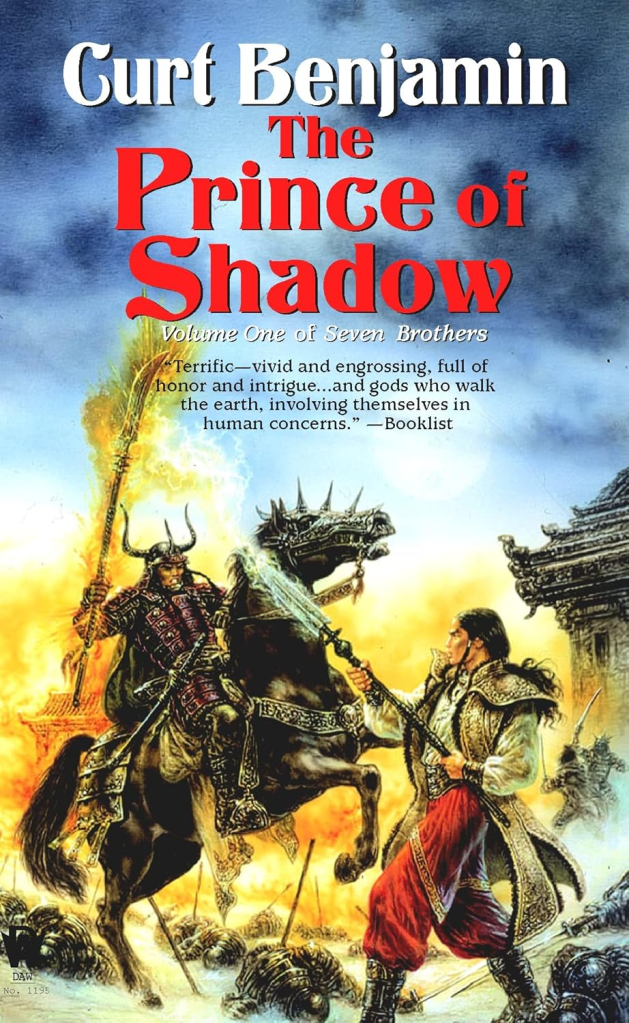
Llesho was seven when the Harn invaded his family’s mountain kingdom of Thebin. Sold into slavery on Pearl Island, he was, as far as he knew, the sole survivor of his royal family.
When Llesho was ten, the old man called Lleck secretly began to undertake the boy’s education, revealing that all six of his older brothers were still alive!
So Llesho petitioned his lord to be trained as a gladiator, to win his freedom, find and rescue his brothers, and with their help raise an army against the evil Harn.
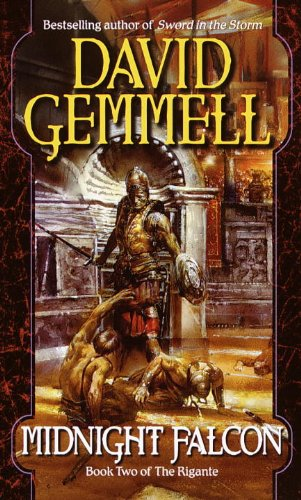
Bane the Bastard is the illegitimate son of the Rigante king. Born of treachery, Bane grew up an outcast in his own land, feared by his fellow highlanders, and denied by the father whose unmistakable mark he bore–one eye tawny brown, the other emerald green.
Bane found acceptance across the seas–only to have it stripped away by a cruel and deadly swordsman. Now fighting as a gladiator in the blood-soaked arenas of the Empire, Bane lives for one thing: revenge.
But the armies of the Stone are preparing to march on the lands of the Rigante. The fate of human and Seidh alike will be decided by the clash of swords–and by the bonds of twisted love and bitterness between a father and a son . . .
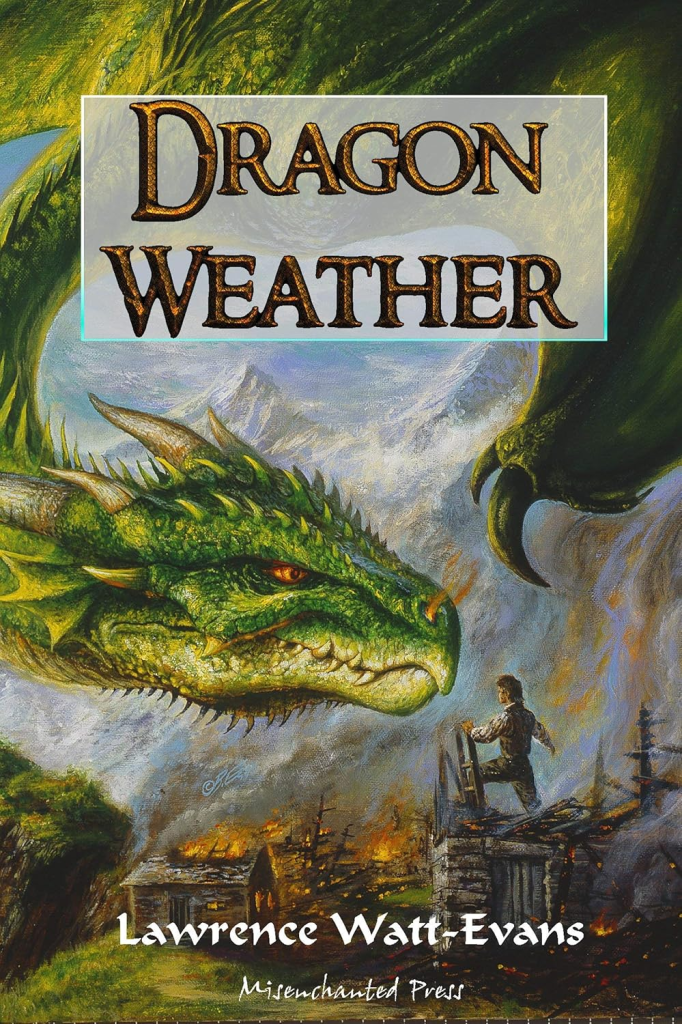
11. Dragon Weather (Obsidian Chronicles, #1) by Lawrence Watt-Evans
The dragons only emerged from their deep caverns when the weather was right, with thick clouds and sweltering heat. It was on such a day that Arlian’s home village was destroyed, his family and friends slaughtered.
He survived, though, and swore vengeance on the dragons, and on the looters and slavers who had captured him in the ruins. But no one had ever slain a dragon; how could a mere slave hope to do so?
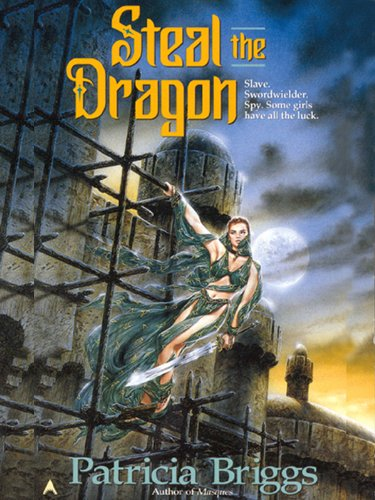
When Rialla was young, slave traders from Darran ambushed and enslaved her clan. For years, Rialla lived in bondage, and when a chance came to escape, she fled to the mercenary nation of Sianim.
Now she can strike back at her former masters. A lord in Darran seeks to outlaw slavery—but there are plots to kill him before he can. Rialla is chosen by the spymaster of Sianim to prevent the murder—and is plunged into a world of deadly magic, where gods walk in human form, and her most trusted companions are not what they claim. And where Rialla could be enslaved again…
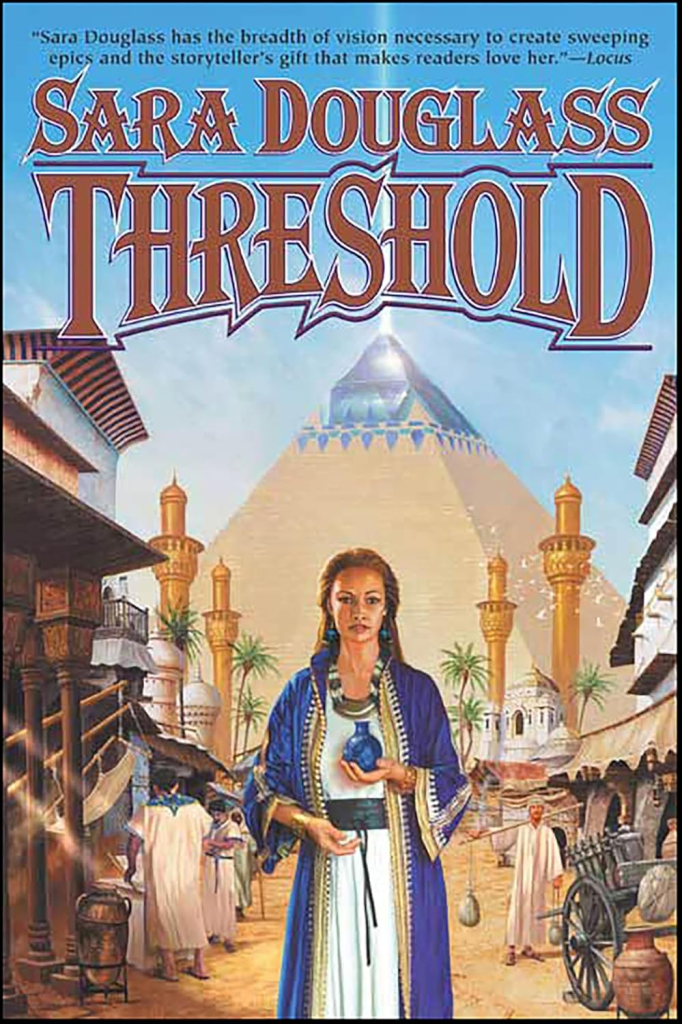
Over the hot land of Ashdod looms Threshold, the pyramid which the Magi of Ashdod are building to propel themselves into Infinity. Thousands of slaves have given their lives to the construction of Threshold, now almost complete.
The Master of the Magi knows the glassworker slave Tirzah is hiding something, but he would never guess her secret is forbidden magic. Tirzah can communicate with glass—and the glass in Threshold screams to her in pain. For it knows what no one suspects: Something waits in Infinity, watching, biding its time. When the glass capstone is cemented in blood, it plans to step from Infinity into Ashdod…
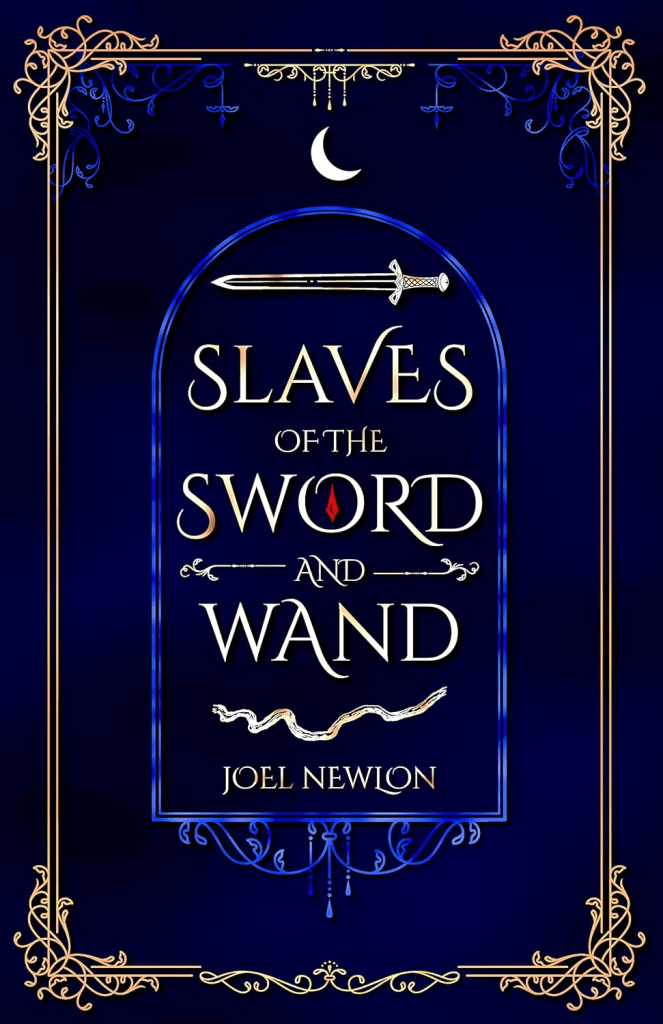
From the age of seven, Dunstan has been enslaved in the army of Thursley. After thirty years in the fire of constant warfare, he has been forged into an unbreakable warrior.
Oswynn is the property of the Sisters of the Withered Branch, the order of witches who serve the earls of Thursley. Brighter and more gifted than her fellows, she yearns for so much more.
Hand-in-hand, can they really stand against the traditions of hatred and break the chains of bondage, or are they doomed to forever be slaves of the Sword and Wand?
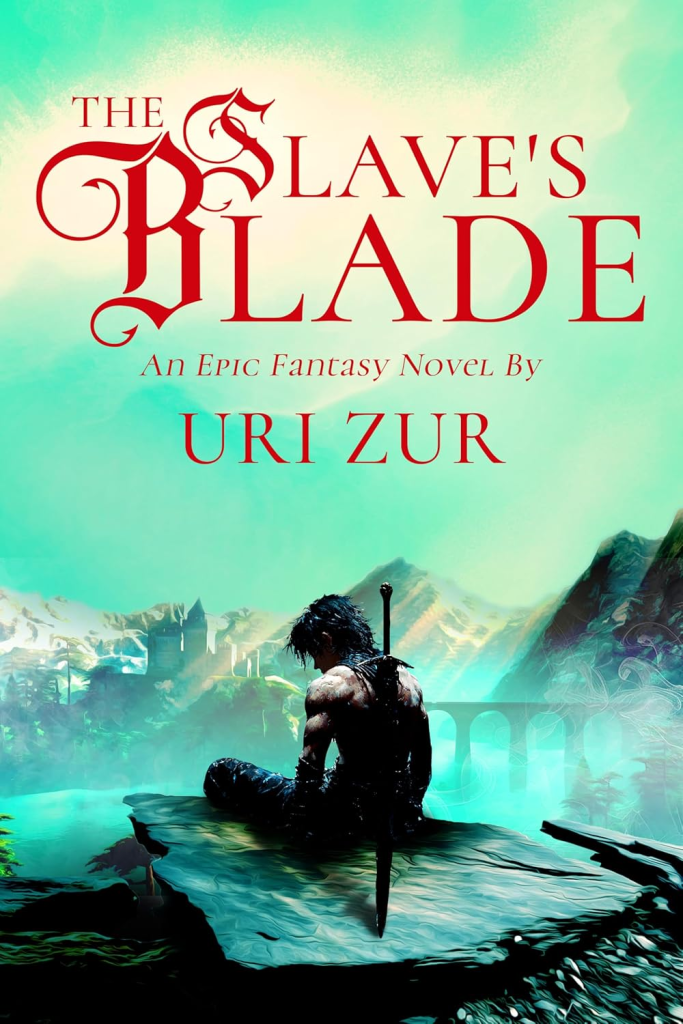
15. The Slave’s Blade: An Epic Fantasy Novel (Sword and Shadow #1) by Uri Zur
In the snowy forestlands of northern Asa’in, the young sorcerer apprentice Tandu embarks on a peacekeeping mission on behalf of her order, the Shadow Towers, following the theft of an ancient magical artifact
At the heart of the twin continent of Edorarr, in the great gladiator arena of the southern empire, a slave is fighting for his life, drawing both admiration from his friends—and the ire of his masters.
Eryk, is one of those friends, who trains Rahlon in the hope that he can win freedom, as he could not. But Eryk hides a dark secret, one that connects Rahlon’s forgotten past and the dark shadow that amasses at the northern edges of the world…
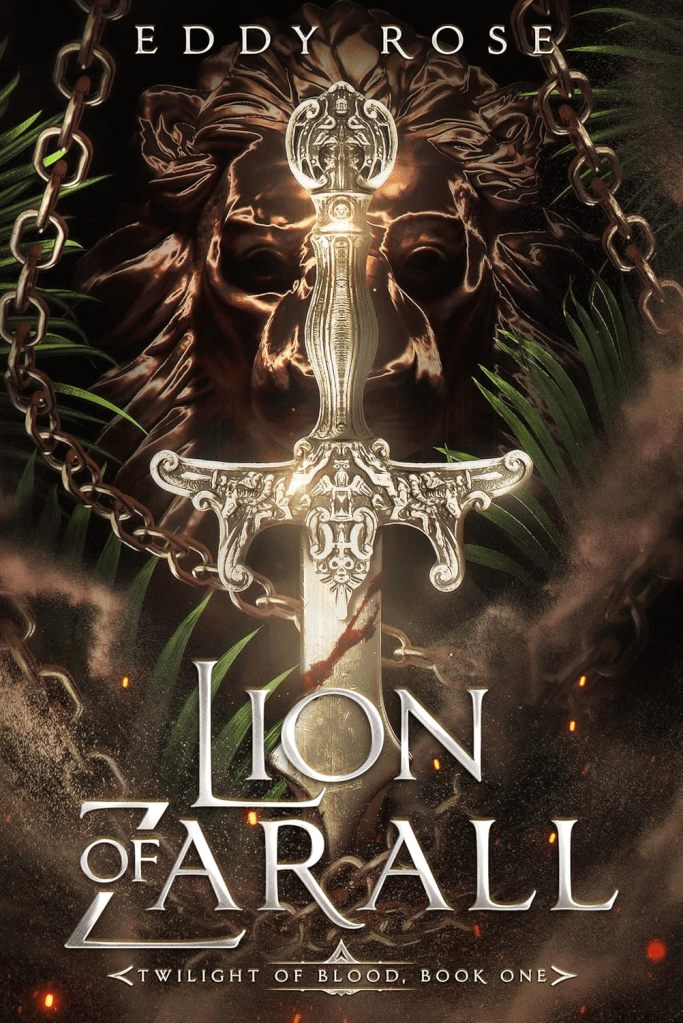
In a world where dragons once soared alongside gods, Lion of Zarall is the most feared gladiator in history. Branded, collared, and forced to kill, he’s known only as soulless property.
But when everything changes in a single night of dark magic and political betrayal, Lion finds himself cast into a world that wants him dead. His past fame is now a curse, his name an insult to the new order.
Hunted by the king and ailed by a deadly injury, he must survive in the harsh North where his very existence is a sin — and confront the invisible chains that bind him. But if his obedience shatters, he’ll face a fate far worse than death.
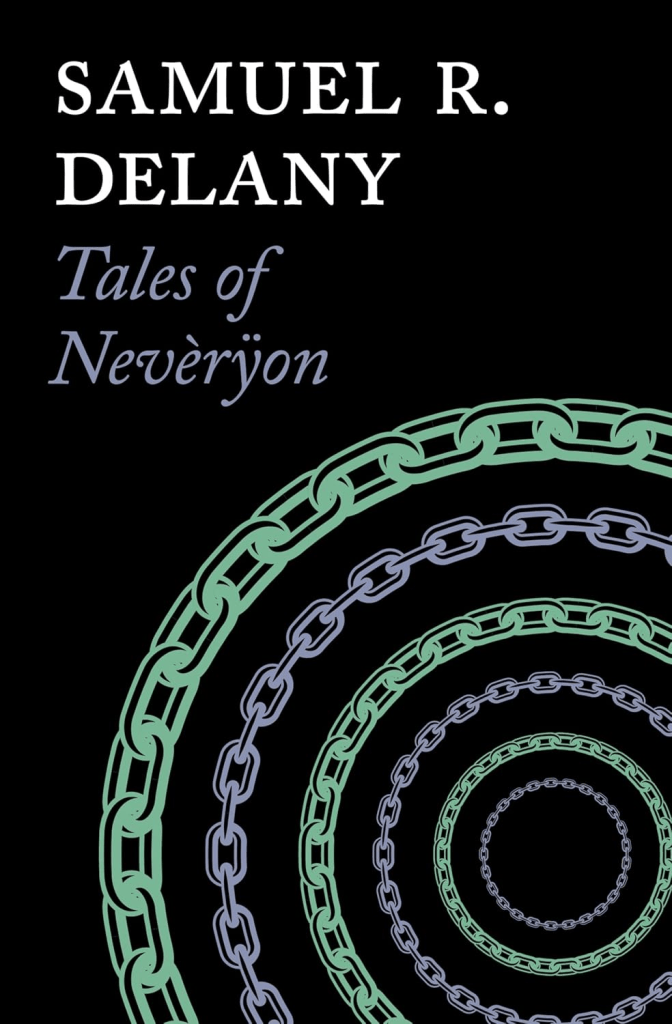
During a political coup in the port city of Kolhari, fifteen-year-old Gorgik is taken as a slave to the government obsidian mines in Nevèrÿon’s Faltha Mountains. Years later, he is sold to serve one of the royal families, and eventually the army. When he is finally free, he leads a rebellion against Nevèrÿon’s rulers to end the tyranny of slavery.
His is the through-story that connects these first five stories, in Tales of Nevèrÿon—and all the eleven stories, novellas, and novels that the series, Return to Nevèrÿon, where we can watch civilization first develop money, writing, labor, and legends.
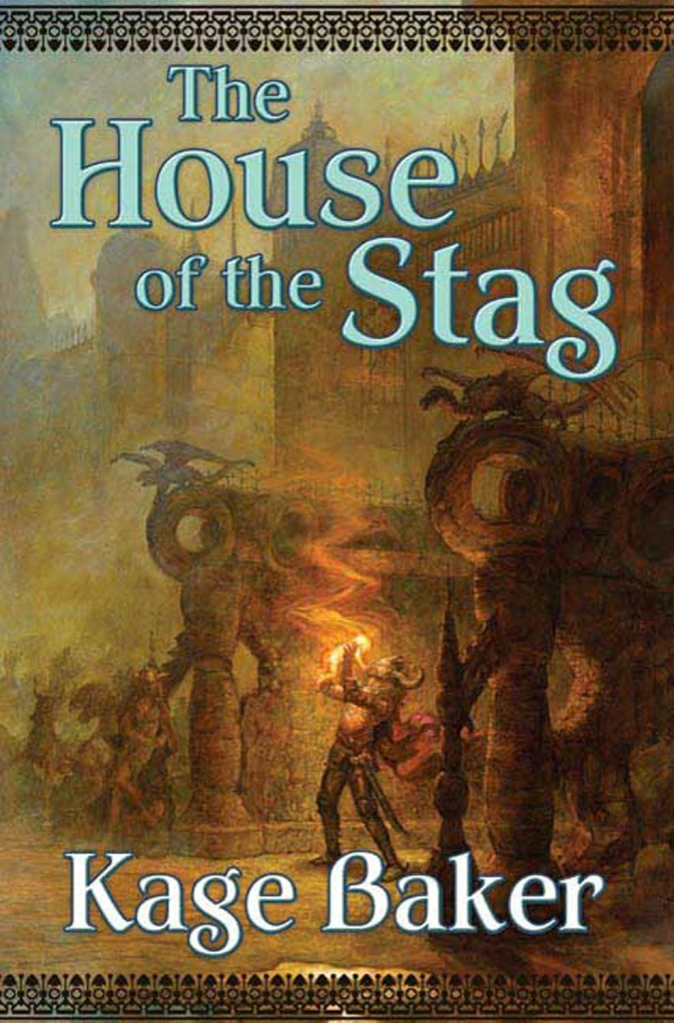
When the Riders conquered and enslaved the pastoral Yendri, only one possessed the necessary rage to fight back: Gard the foundling, half-demon, who began a one-man guerrilla war against the Riders, which ended in the loss of his family, condemnation from his own people, and enslavement to powerful mages.
Bitter and wiser, he finds more subtle ways to earn his freedom. This is the story of his rise to power, his vengeance, his unlikely redemption, and his maturation into a loving father―as well as a lord and commander of demon armies.
Hi, I’m Caylah Coffeen, a freelance editor and marketer of sci-fi and fantasy books. I love reading and writing and am a follower of Jesus Christ.
I’ve worked for Monster Ivy Publishing and Eschler Editing, and am currently a weekly editor with Havok Publishing. Reach out to chat about books and publishing!
Thanks for stopping by my website! I hope you’ve found some helpful resources about reading, writing, and publishing. If you liked this article, here’s some more free content…
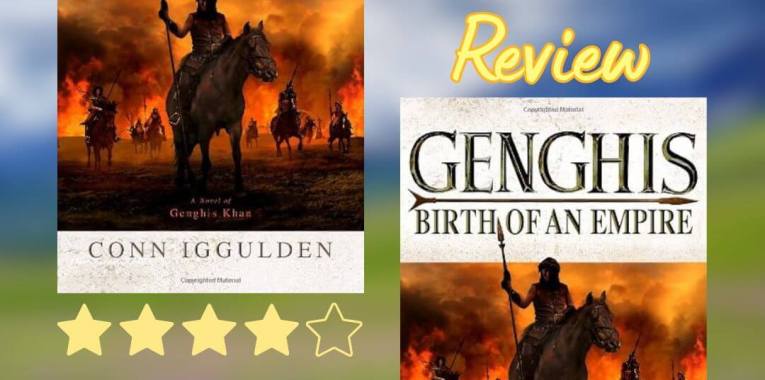
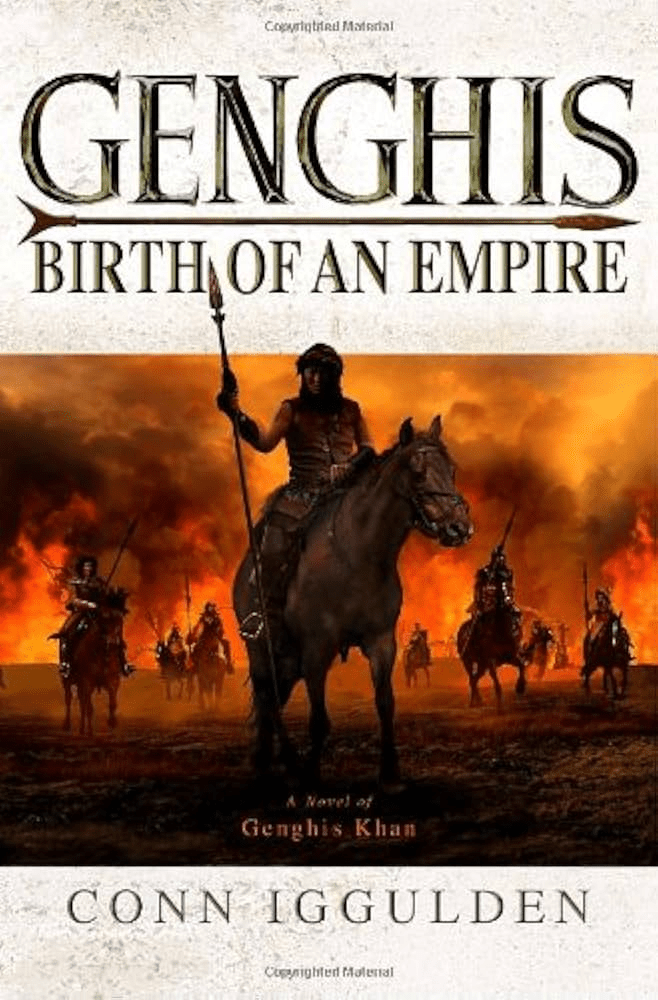
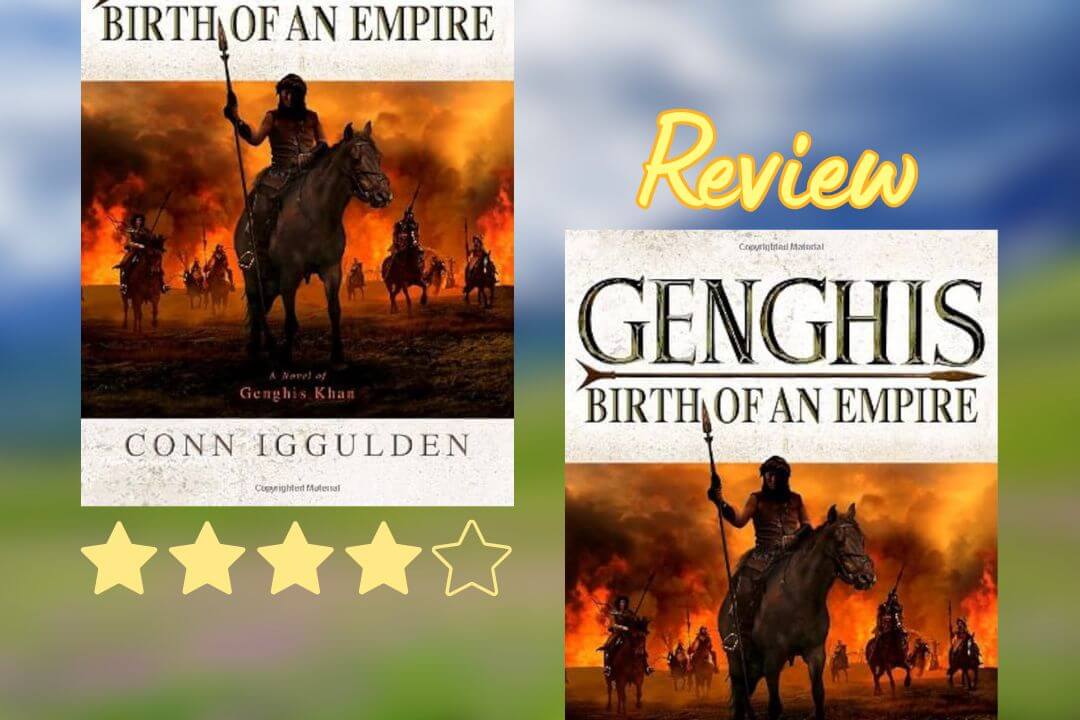
Genghis: Birth of an Empire is a thrilling, historically accurate rendition of Genghis Khan’s journey to adulthood, filled with betrayal, brotherhood, revenge, and daring feats of battle across the brutal yet gloriously beautiful Mongolian steppes.
This is the first book I read in 2026 and the first I’ve truly enjoyed in over a year! I had an unfortunate reading slump in 2025 – nothing really hit the spot. A great way to kick off the new year.
Writing: 5/5
The writing style is beautiful – from the first chapter I was making happy noises to myself about the phrasings. There’s a great mix of narrative exposition and close scenes that enables the book to cover about 20 years of time with excellent pacing, thrilling fights, emotional content, and historic information.
Accuracy: ?
I really appreciated the author’s note at the end which explained the research he did and the few small changes he made for the sake of storytelling – on the whole, this seems like an accurate telling, though I don’t know much about this region’s history, so I can’t say for sure. I learned a lot about Mongolian traditions and the background of Genghis Khan – I knew nothing about his personal history except for the early loss of his father.
I really appreciated all the details about horsemanship and archery, life on the plains, and their brutal “survival of the fittest” mentality with no real rule of law in the land. Apparently, the right time to loose an arrow while riding at full gallop is the moment when all 4 hooves are off the ground, because there’s no chance of the shot being jolted off course. Insane. I absolutely recommend this for worldbuilding research if you’re a fantasy writer with any cultures centered around warfare and horses.
Characters: 5/5
The villains in this story are so hateable! It’s been a while since I’ve been so excited to see the villain finally get it – man, he needed to die! I was fully consumed with Temujin’s rage and thirst for revenge. I found myself actually holding my breath and leaning forward on my seat, gritting my teeth as he’s beaten and betrayed, nearly killed, and yet still manages to come out on top. This poor kid (and everyone he cares about) just can’t catch a break. It wasn’t long before the brutal conquest for which he is known started to sound pretty appealing.
I never expected to relate to Genghis Khan (birth name Temujin)… that’s the power of fiction. Temujin is actually really likeable, though the author does not minimize his very real character faults. He is ambitious and arrogant, but also deeply loyal to his family and clan – which makes it all the more heart wrenching when he is betrayed. He has a pure love of the Mongolian way of life that is contagious – my heart was in my throat as I enjoyed alongside him the thrill of riding, the banter between brothers, the tenacity required to scale a cliff face to steal a great eagle’s chicks, and his raw athleticism and skill with the bow even as a child.
He says, “my word is iron and iron does not break.” He is a deeply passionate person, driven by determination to be excellent, a stubborn refusal to die, and sheer, absolute audacity. This is absolutely adult fiction, but he might sound a bit like a YA character. With none of the infuriating elements though, because Iggulden is not afraid to show him fail and suffer the consequences of his actions. His grand rhetorical appeals to honor sometimes fall on deaf ears, and sometimes succeed, earning him the loyalty of great men.
He often acts reckless, but does not expect to come out unscathed. He clearly states that he does not expect to survive his most audacious act and is surprised that he manages to essentially BS and murder his way into the rulership of a clan. A YA character would strut around expecting to succeed and be shocked when they fail. Temujin is forced to become a man early – he knows his youth still predisposes him to recklessness and chooses older advisors to temper this inclination.
Content: 4/5
This was a very character-focused book, which surprised me in a way. I thought it’d be more plot (history) heavy, but I really loved how much this focused on cultural beliefs (what a marriage looks like, attitudes toward outsiders, hosting laws, the afterlife), family relationships, and the mental resilience required to not just survive a horrible event, but to thrive and rise again.
The reason I actually gave it 4 rather than 5 stars was because Temujin doesn’t really develop or change as a character. He starts out as a power-motivated, charismatic, talented boy, and ends the story as a powerful, charismatic, talented man and Khan. He is compelling, but actually pretty shallow aside from his unwavering loyalty to his family – “I want to kill my enemies and be great. Now I’ve killed my enemies, I want to be greater.” – which is entirely accurate to history! But it took me a while after I finished reading to articulate why, despite how much I enjoyed the characters, content, writing style, and emotional impact, it stood as a solid 4 star in my mind.
These are not deep people (there’s a reason the world doesn’t read Mongolian poetry, despite how far they conquered) – these characters overcome great hardships and earn their revenge and a place for their family again, but all they do is perpetuate the same cycle of blood-feuds and slaughter that destroyed them, with no belief or hope in anything greater – whether a god, the beauty of a civilization they might build, or even the lasting nature of their new clan bonds. It’s rather sad how nihilistic they are – kill, steal, drink, for tomorrow we die. This isn’t a fault on the author – in a way it shows how well he captured their attitude. But it does mean the tale can only make so much of an impact on readers.
This was a pretty intense story with a lot of R-rated content: mob rape, ritual executions, torture, fratricide, wholesale slaughter. So I definitely need a break from it, but I look forward to reading the sequels. I’m fascinated with how the Chinese were introduced near the end of the story and want to see how those politics lead into the war of expansion we all know.
I listened to this as an audiobook, and it was excellent. It would make an epic film!
Hi, I’m Caylah Coffeen, a freelance editor and marketer of sci-fi and fantasy books. I love reading and writing and am a follower of Jesus Christ.
I’ve worked for Monster Ivy Publishing and Eschler Editing, and am currently a weekly editor with Havok Publishing. Reach out to chat about books and publishing!
Thanks for stopping by my website! I hope you’ve found some helpful resources about reading, writing, and publishing. If you liked this article, here’s some more free content…
Immortal warriors, ancient (yet eternally youthful) mages, elves, yokai, and characters cursed to live forever… Readers have long been fascinated by centuries-old heroes, from the enduringly popular Greek gods or Doctor Who, to the more recent phenomena of Frieren: Beyond Journey’s End and the immortal cultivators of progression fantasy.
Let’s look at some of them here! I’ve included both old and new, and traditionally published and indie releases. In each case, the immortal (or hard to kill) character has POV or is the main focus of the story, rather than a side character, mentor, or antagonist. This trend appears popular across multiples subgenres, including epic and dark fantasy, sword and sorcery, science fantasy, urban fantasy, contemporary, and cozy fantasy.
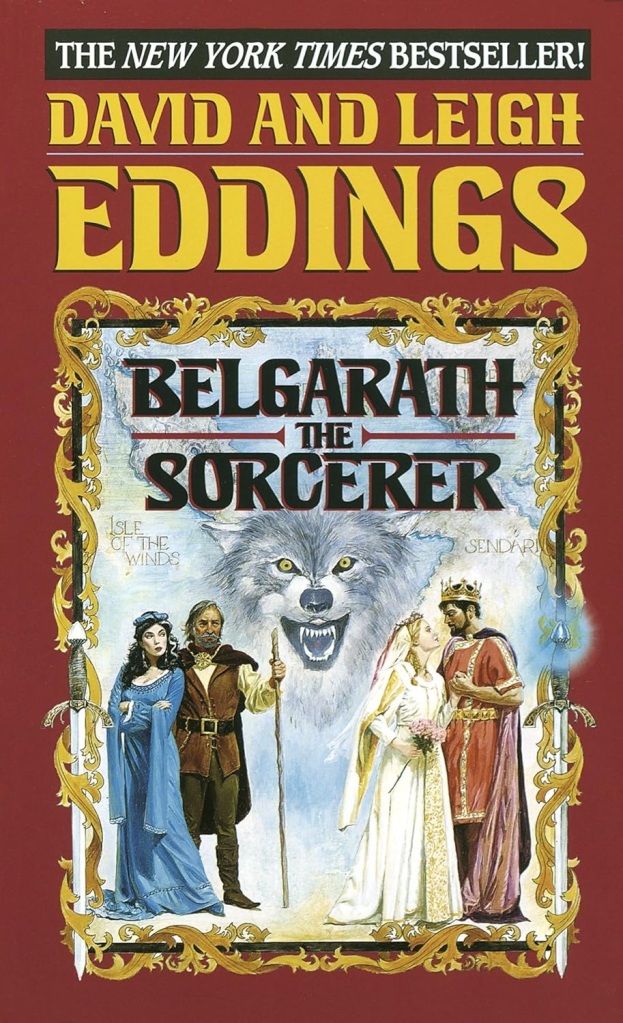
When the world was young and Gods still walked among their mortal children, a headstrong orphan boy set out to explore the world.
Then came the dark day when the Dark God Torak split the world asunder, and the God Aldur and his disciples began their monumental labor to set Destiny aright. Foremost among their number was Belgarath, who would become known to all the world as the finely honed instrument of Prophecy.
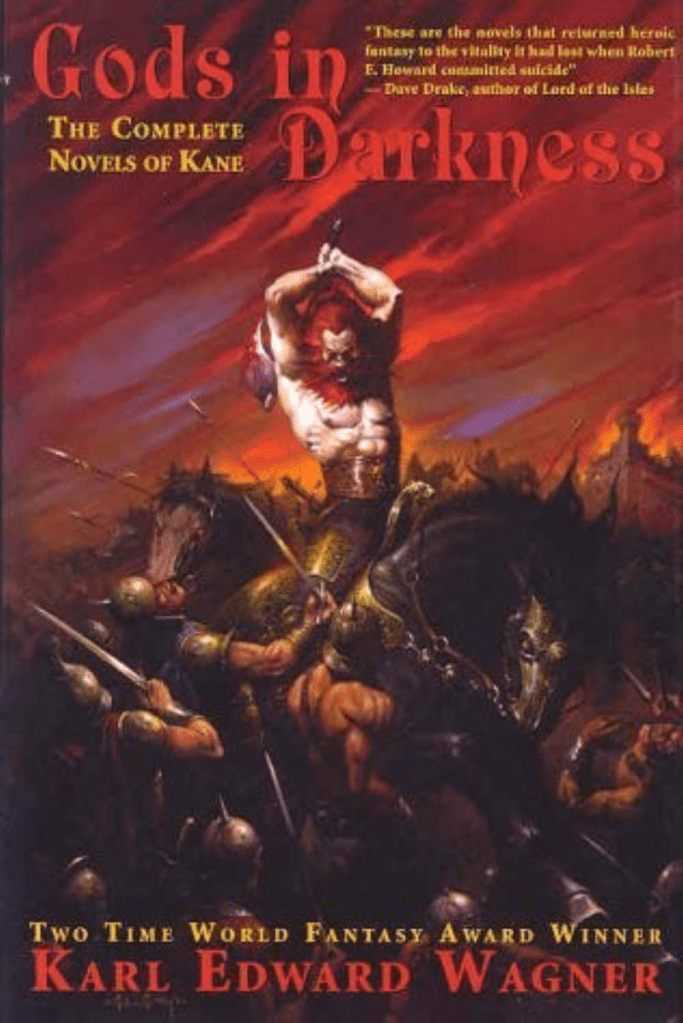
Kane An immortal, cursed to wander the Earth until he is destroyed by the violence that he himself has created. A warrior and statesman: As comfortable in the shadowy halls of courtly intrigue as he is on the bloody battlefields where those intrigue’s inevitably play themselves out.
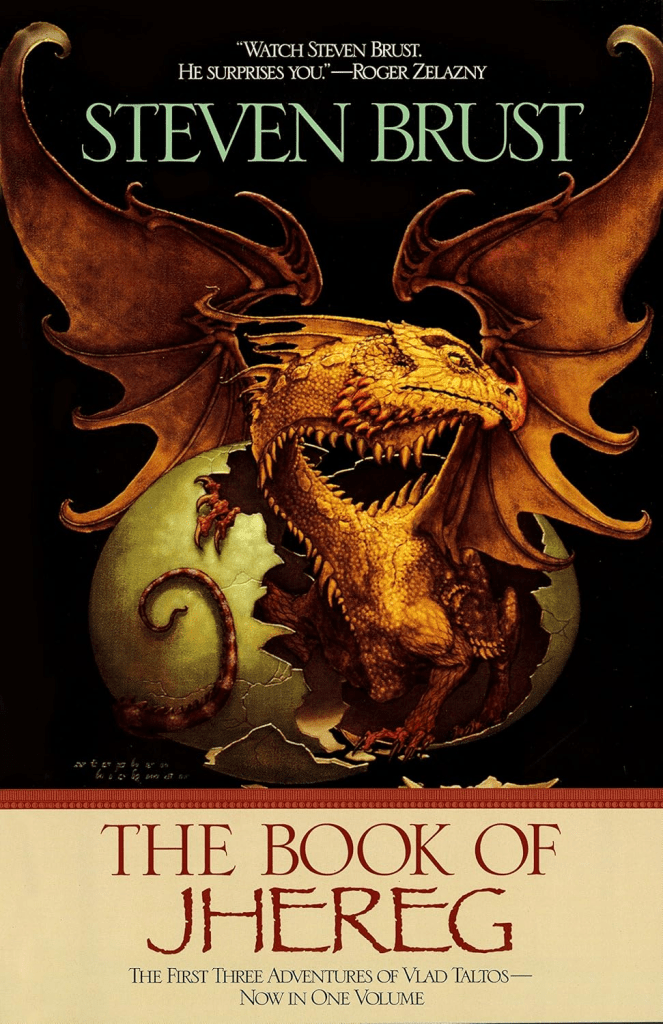
One of the most powerful bosses in the Jhereg—Dragaera’s premier criminal organization—hires Vlad, one of their guild members, to assassinate Mellar, who stole millions from the Jhereg leadership and fled.
Unfortunately, this thief turns out to be protected in a way that makes it difficult for Vlad to do his job without gaining the permanent enmity of a friend.
The Book of Jhereg follows the antics of the wise-cracking Vlad Taltos and his dragon-like companion through their first three adventures—Jhereg, Yendi, and Teckla.
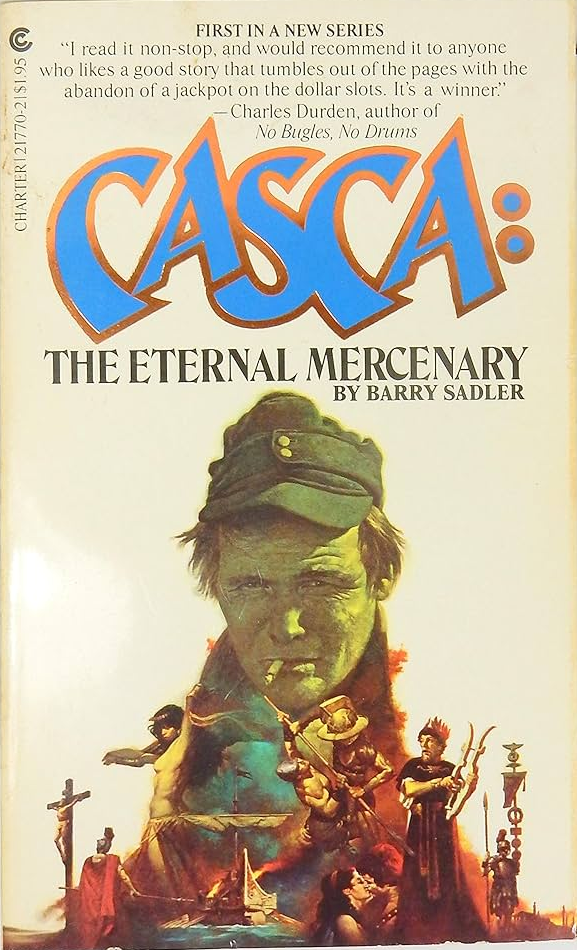
When they flew Casey into the hospital at Nha Trang, the medics were sure he’d die. That he didn’t was only the first surprise.
The second, bigger one, was that Casey had been fighting for two thousand years, ever since that day on Golgotha when he put his lance into the side of the Man on the Cross.
“Soldier, you are content with what you are. Then that you shall remain until we meet again.”
So does Casca’s journey begin, a man who cannot die, does not age, and knows no skill but those of battle.
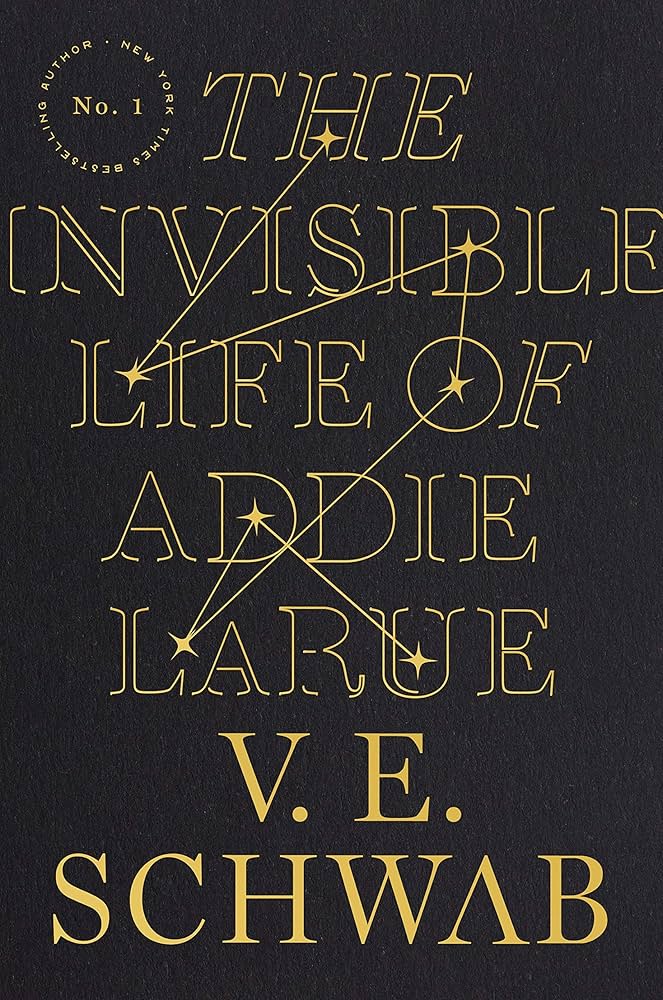
France, 1714: in a moment of desperation, a young woman makes a Faustian bargain to live forever—and is cursed to be forgotten by everyone she meets.
Thus begins the extraordinary life of Addie LaRue, and a dazzling adventure that will play out across centuries and continents, across history and art, as a young woman learns how far she will go to leave her mark on the world.
But everything changes when, after nearly 300 years, Addie stumbles across a young man in a hidden bookstore and he remembers her name.
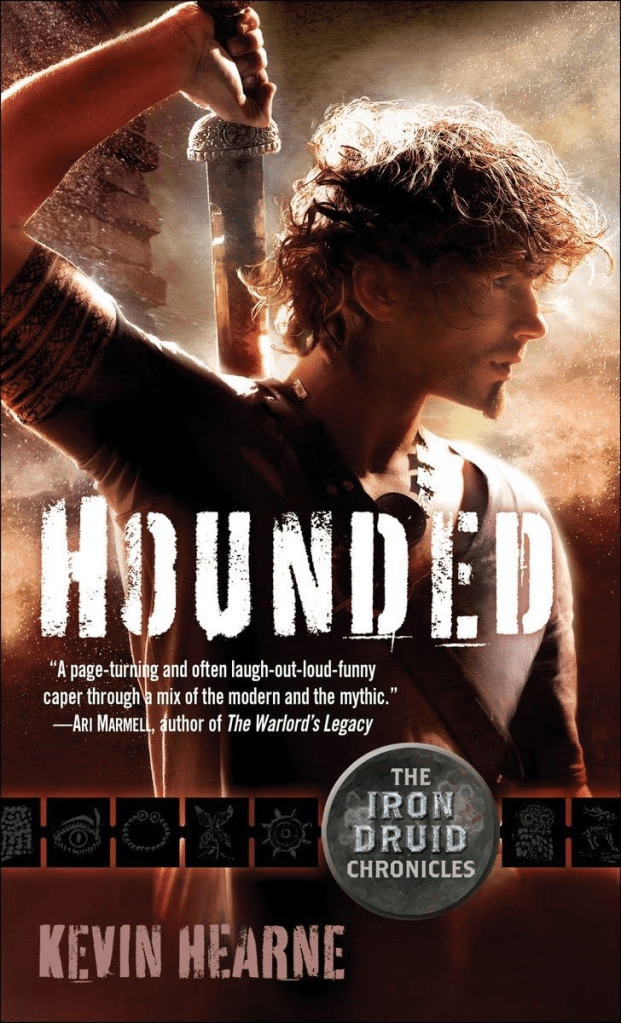
Atticus O’Sullivan is the last of the ancient druids, on the run for more than two thousand years. The Irish gods who want to kill him are after an enchanted sword he stole in a first-century battle, and when they find him managing an occult bookshop in Tempe, Arizona, Atticus doesn’t want to uproot his life again.
The Morrigan is on his side, and so is Brighid, First Among the Fae, a bloodsucking lawyer, and loyal wolfhound.
But he’s facing down Aenghus Óg, a vengeful Irish god with the firepower of hell, plus a coven of witches and even the local police. Atticus will need all the luck of the Irish to stay alive.
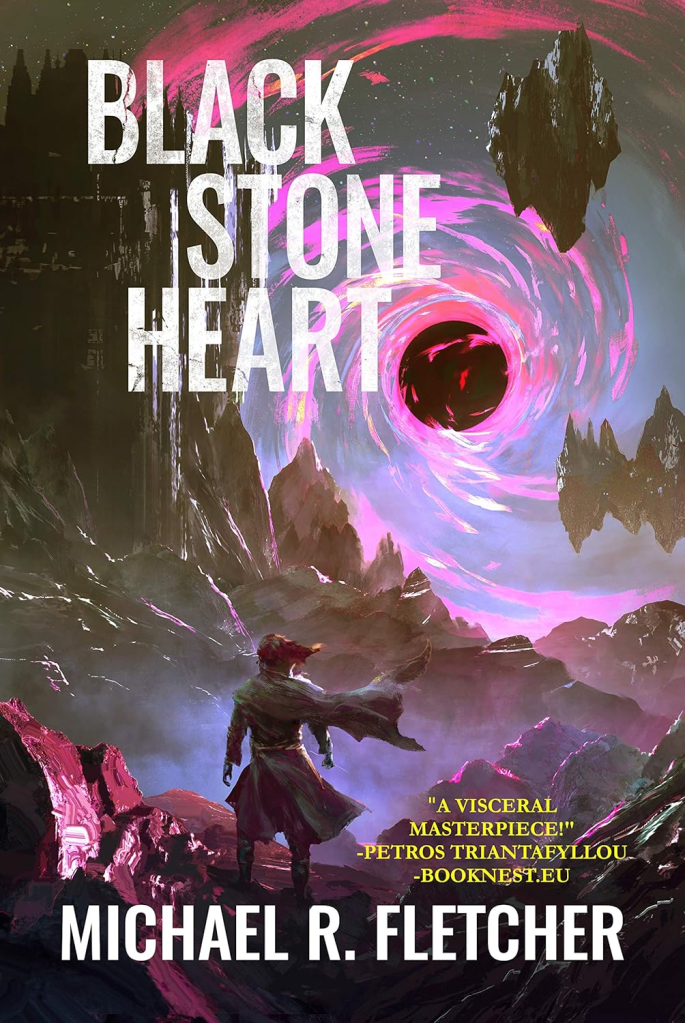
A broken man, Khraen awakens alone and lost. His stone heart has been shattered, littered across the world. With each piece, he regains some small shard of the man he once was. He follows the trail, fragment by fragment, remembering his terrible past.
There was a woman. There was a sword. There was an end to sorrow.
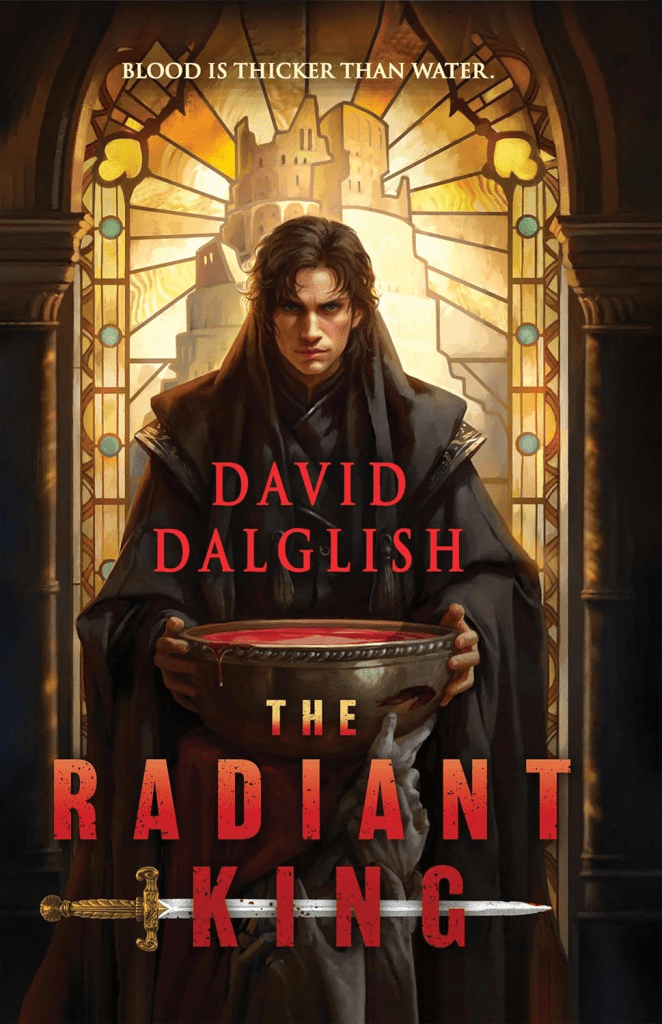
Radiance, the mysterious power of life and creation, is at the command of six immortals. Yet when the world is nearly broken beneath them, they swear a vow: They will sit upon no thrones.
But after centuries of peace, Eder rejects their vow and spreads a new, cruel faith across the land. Faron and Sariel swear to crush Eder’s kingdom, but they will need an army and a ruler who can take the throne their own vow forbids: the fanatical Bastard Princess.
But Eder’s conquest is not what it seems, and it will take more than a holy war to stop an immortal who has heard the desperate plea of a god.
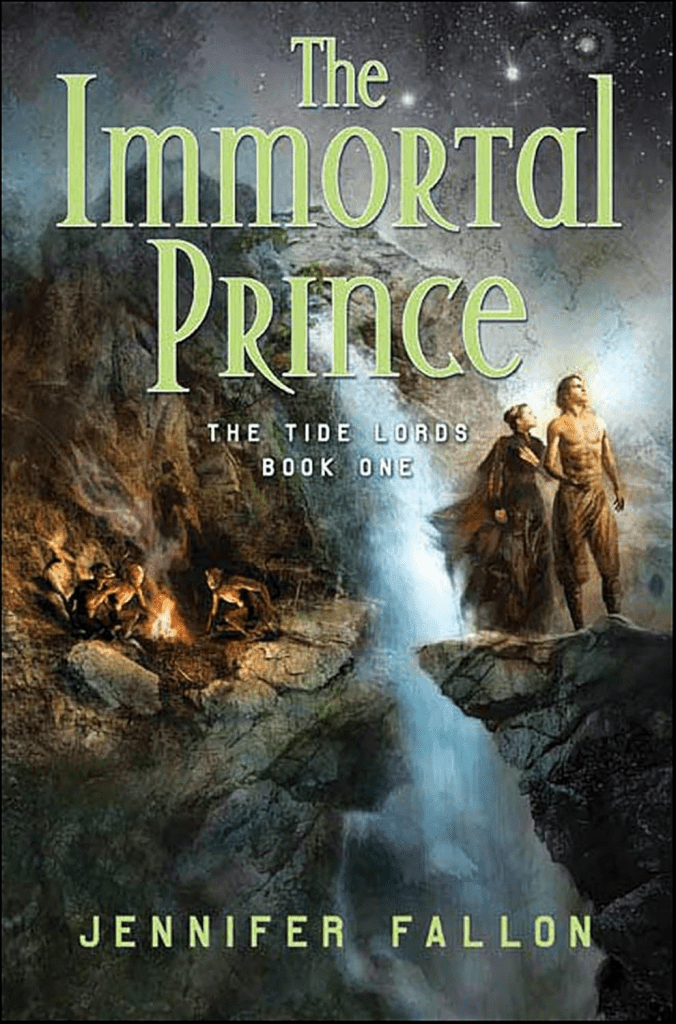
A routine hanging goes wrong, and the murderer announces he is an immortal: Cayal, the Immortal Prince, a fictional hero of legend, and the creator of the half-human, half-animal Crasii, a race of slaves.
Arkady Desean is an expert on the legends of the Tide Lords so at the request of the King’s Spymaster, she is sent to interrogate this would-be immortal, hoping to prove he is a spy, or at the very least, a madman.
But as Arkady finds herself believing him, her own web of lies begins to unravel…
Non-human Immortal Characters
Demigods, spirits, yokai, gods and goddesses, fae, elves, and other legendary or mythological creatures! Many immortal main characters are inhuman and all the more compelling for it.
Amber is the one real world, casting infinite reflections of itself – Shadow worlds, that can be manipulated by those of royal Amberite blood. But the royal family is torn apart by jealousies and suspicion; the disappearance of the Patriach Oberon has intensified the internal conflict by leaving the throne apparently up for grabs.
In a hospital on the Shadow Earth, a young man is recovering from a freak car accident; amnesia has robbed him of all his memory, even the fact that he is Corwin, Crown Prince of Amber, rightful heir to the throne – and he is in deadly peril . . .
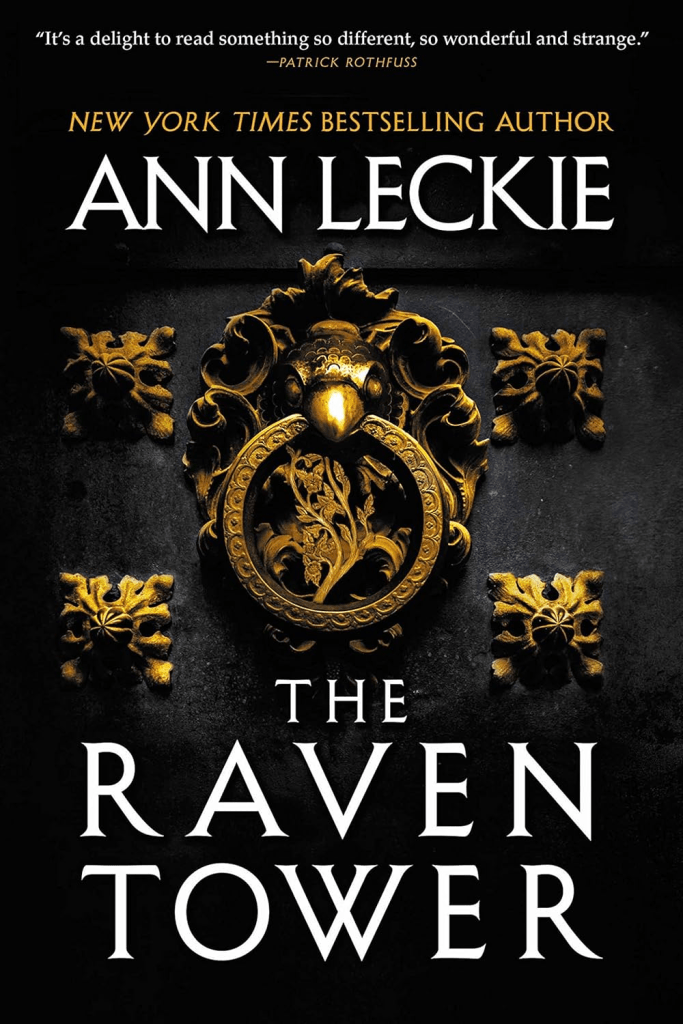
For centuries, the kingdom of Iraden has been protected by the god known as the Raven. He watches over his territory from atop a tower in the powerful port of Vastai. His will is enacted through the Raven’s Lease, a human ruler chosen by the god himself. His magic is sustained by the blood sacrifice that every Lease must offer. And under the Raven’s watch, the city flourishes.
But the Raven’s tower holds a secret. Its foundations conceal a dark history that has been waiting to reveal itself. . . and to set in motion a chain of events that could destroy Iraden forever.
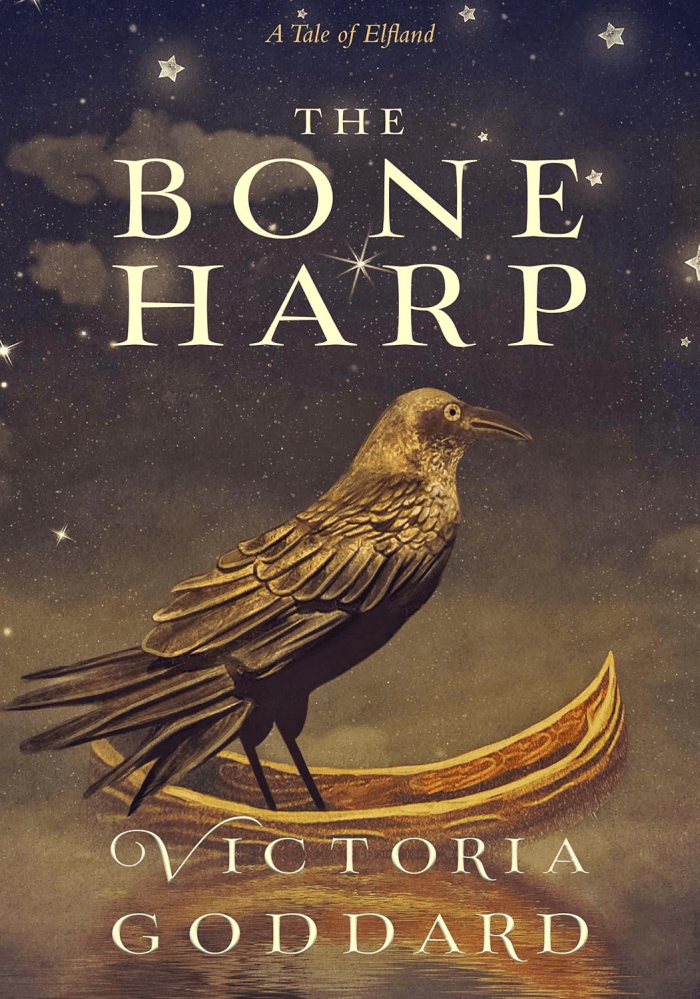
Thrice-cursed bard and warrior-elf Tamsin wakes up in Elfland after what might or might not have been his death, healed and hale for the first time in millennia. Somewhat confused but not entirely unhappy with this turn of events, he sets off in the hopes of finding a way home…
A standalone tale of friendship, family, and fair Elfland.
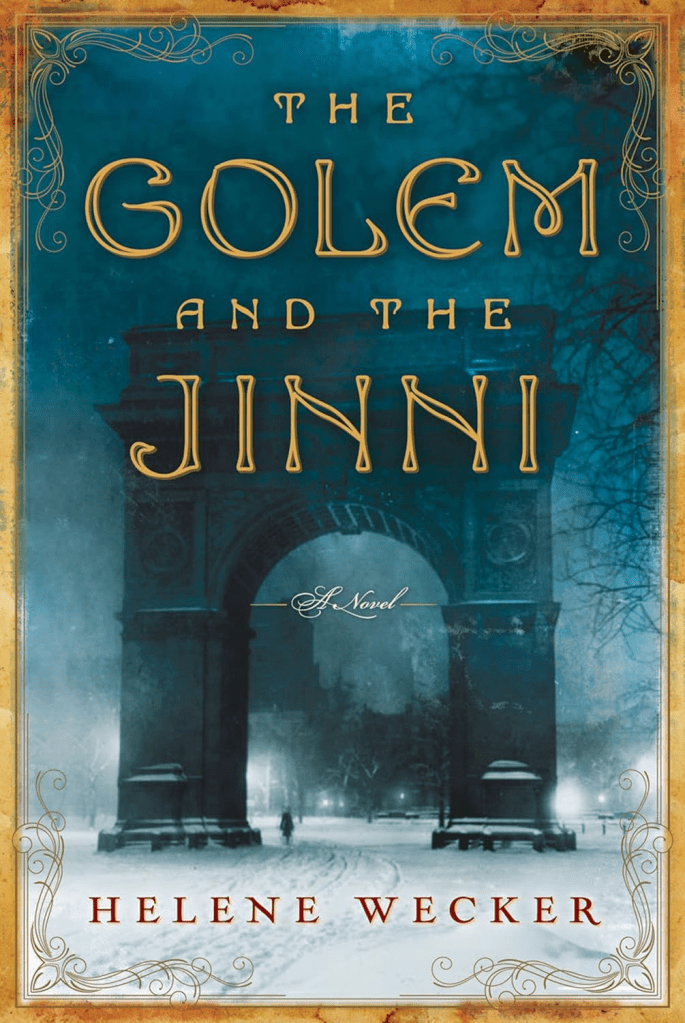
Chava is a golem, a creature made of clay by a disgraced rabbi knowledgeable in the ways of dark Kabbalistic magic.
Ahmad is a jinni, a being of fire born in the ancient Syrian desert and trapped centuries ago in an old copper flask by a Bedouin wizard.
Chava and Ahmad meet accidentally in New York and become friends and unlikely soul mates. But when the golem’s violent nature overtakes her one evening, their bond is challenged. An even more powerful threat will emerge, however, challenging their very existence and forcing them to make a fateful choice.
In the woods where human lands meet fae, an ancient king born before the history of men finds a dying baby. Iohmar will take in the child and care for him until a suitable home in the human realm is found. But best laid plans often go awry in the lands of Látwill.
Magic long tethered to Iohmar’s soul will crumble. Unknown shadows and monsters of mirrored glass will encroach upon the borders of their land. And memories thousands of years lost will unravel as Iohmar struggles not only to properly rule his fair folk, but protect the fragile human son he never should have saved.
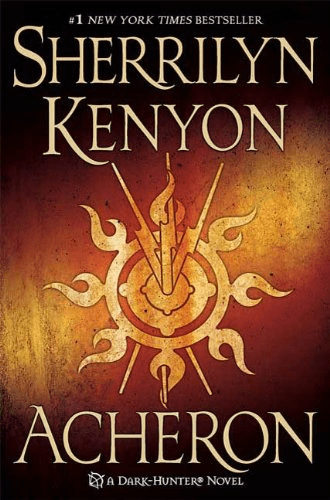
Eleven thousand years ago a god was born. Cursed into the body of a human, Acheron spent a lifetime of shame. However, his human death unleashed an unspeakable horror that almost destroyed the earth. Then, brought back against his will, Acheron became the sole defender of mankind.
For centuries, he has fought for our survival, until a lone woman who refuses to be intimidated by him threatens his very existence.
Now his survival, and ours, hinges on hers and old enemies reawaken and unite to kill them both. War has never been more deadly… or more fun.
Hi, I’m Caylah Coffeen, a freelance editor and marketer of sci-fi and fantasy books. I love reading and writing and am a follower of Jesus Christ.
I’ve worked for Monster Ivy Publishing and Eschler Editing, and am currently a weekly editor with Havok Publishing. Reach out to chat about books and publishing!
Thanks for stopping by my website! I hope you’ve found some helpful resources about reading, writing, and publishing. If you liked this article, here’s some more free content…
As an avid fan of the fantasy genre, I consume fantasy stories any which way I can (novels, television, movies, and video games).
Recently, I had a chance to play the Oblivion remake released by Bethesda. After I finished the main storyline quests, I decided to pick up Skyrim (its sequel) while I was at it. I was surprised at the stark contrast between the two worlds. Where the world of Oblivion is beautiful to behold and full of humorous, even slightly silly characters, Skyrim is harsh and jagged, and full of meaner characters.
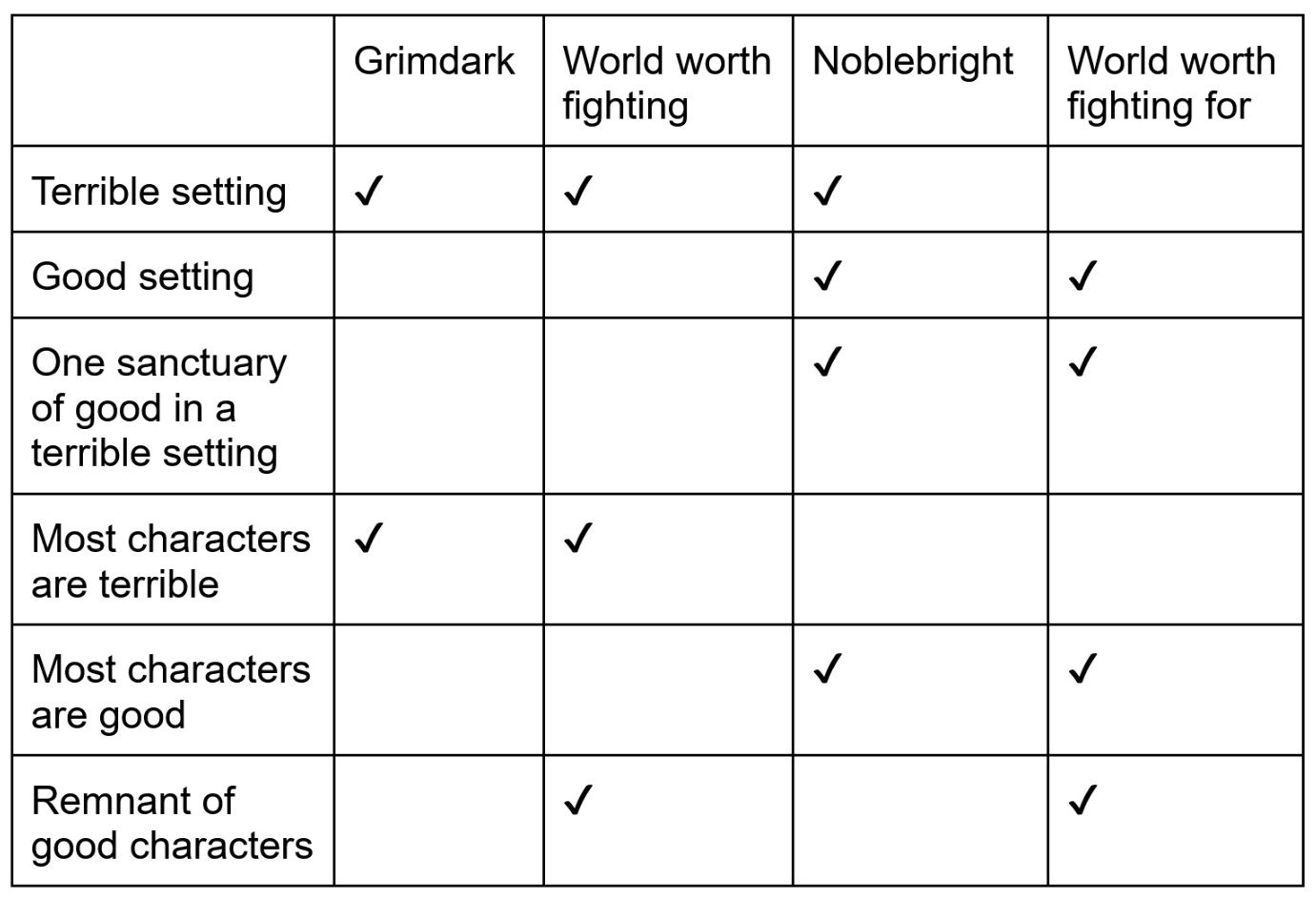
That was when it dawned on me what the difference was between the two stories. In Oblivion, the world was worth fighting for. In Skyrim, the world was worth fighting.
I have since noticed that these are the two basic types of fantasy settings: the world worth fighting for and the world worth fighting. When we have a world worth fighting for, it is clear that the world the story takes place in is a good one, and the main character wants to keep it. When we have a world worth fighting, the focus is far more on the main character (or characters), and the way they rise to the challenges that the world throws at them.
We can see this in a few other examples.
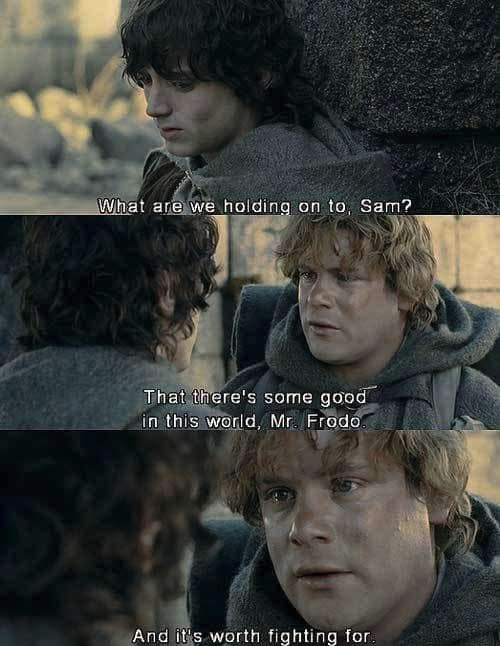
Middle Earth is a world worth fighting for, demonstrated most by the Shire and Rivendell. Samwise Gamgee even makes a speech reinforcing this point.
SAM: But in the end, it’s only a passing thing, this shadow. Even darkness must pass. A new day will come. And when the sun shines it will shine out the clearer. Those were the stories that stayed with you. That meant something. Even if you were too small to understand why. But I think, Mr. Frodo, I do understand. I know now. Folk in those stories had lots of chances of turning back only they didn’t. Because they were holding on to something.
FRODO: What are we holding on to, Sam?
SAM: That there’s some good in this world, Mr. Frodo. And it’s worth fighting for.
Westeros is a world worth fighting. It’s awful, dark, and full of murder and betrayal.
Prydain from the Chronicles of Prydain series is a world worth fighting for. There is beauty in it, and wonderful people. Even some of the more self-serving people are still inclined toward good, and then there are the forces of darkness looking to conquer it.
Warhammer 40K has no bright spot in it, no place where the soul-crushing inevitability of demise hasn’t tainted everything. It is a mad universe where the only constant is war. It is a world worth fighting.
Not Just Grimdark vs. Noblebright
Now, I know that some people will simplify this to being the difference between the Grimdark (what is grimdark?) and Noblebright (what is noblebright?) genres. That is fair, because every Grimdark story’s setting can be summed up as “a world worth fighting.”
However, not every Noblebright story takes place in a world worth fighting for.
Take, for example, Star Wars. I would call Star Wars Noblebright because it features good triumphing over evil, and it is generally pretty clear who the heroes and villains are. Yes, recent stories in the Star Wars universe have brought in more moral ambiguity, but while the heroes may do morally questionably things on occasion, the sheer wickedness of the villains makes it clear that they are the evil ones.
But in the original trilogy, the Empire has control over everything. Making it worse, wherever the Empire doesn’t have control we get hives of scum and villainy, hostile nomadic tribes, monsters, and far-reaching criminal gangs like the Hutts.
Thus, I would argue that the Star Wars setting (true to its name) is a world worth fighting rather than a world worth fighting for. Luke Skywalker doesn’t fight for Tattooine, Yavin 4, or Hoth; he fights for those individuals he loves.
The King Arthur myth gives us a world worth fighting for: Camelot.
Sometimes what determines a world as worth fighting for is something small in it, a specific place. As I mentioned before, Middle Earth has the Shire. Harry Potter’s world has Hogwarts, which, for all its faults, becomes his bastion against the evils of the rest of the world (both the Muggle world and the Wizarding world). In the film Willow, it’s the Nelwyn village, to which Willow wants to return so that he can see his family again.
I would also argue that it could be possible to write a Grimdark story, but make it a world worth fighting for if the hero has some place in it where he can be at peace with his loved ones.
Depending on how you play it, Fallout 4 could be an example of this. The world surrounding the main character is full of mutants, radiation, violent robots, and murderous people. However, in that game you have the option to build places of sanctuary (literally starting with a neighborhood called “Sanctuary Hills”). The sanctuary you build can bring hope to an otherwise desolate wasteland, turning the post-apocalyptic setting into a world worth fighting for.
Where does your story fit?
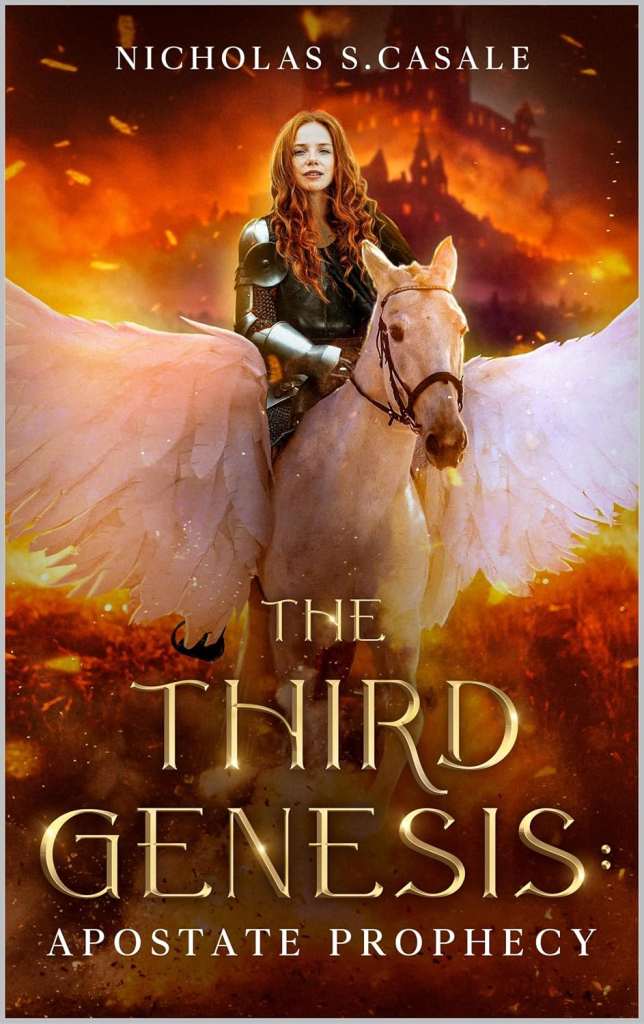
This forced me to take a look at my own epic fantasy series: The Third Genesis. I had to ask myself if the world of Ymir where the story takes place is a world worth fighting or a world worth fighting for.
It is a world where false gods with space age technology have genetically-engineered an ecosystem made up of mythical creatures in order to exploit the planet Ymir’s unique resources. These false gods pit the people and creatures they’ve created against each other, and there are inquisitions, crusades, and holy wars. At first, I thought this made it a world worth fighting. But then I remembered that the people of Ymir live with the promise of the Third Genesis: a day when the false gods shall be defeated and the True Deity, The One, will reign. Thus, I realized that the world of Ymir is a world worth fighting for.
This also got me to examine the Bible to assess the world we live in according to the Good Book. Does the Bible speak of this world as one worth fighting or worth fighting for? While there are many places in Scripture that speak to the corruption of this world, and even places where it is implied that the Devil has dominion over the physical realm, we cannot forget the LORD’s promises of a day when He will wash away that corruption. And we cannot forget John 3:16, the most famous Bible verse of all, “For God so loved the world that He gave His only begotten Son, that whoever believes in Him should not perish but have everlasting life.”
The Supreme Being has declared this world worth fighting for. So, let us do so every day, and ensure that we always follow the orders of our King when we do.
Nicholas is a prolific author who has written mostly westerns, but his true passion is for fantasy novels. Starting from the age of six (with stories about a mouse wizard named “Mousey”), he has honed his craft through years of dedicated writing.
His studies in history, religion, mythology, folklore, and classical literature have informed his works. Each of Casale’s works hit emotional notes and raise fascinating questions about the nature of life, love, morality, and existence.
Hi, I’m Caylah Coffeen, a freelance editor and marketer of sci-fi and fantasy books. I love reading and writing and am a follower of Jesus Christ.
I’ve worked for Monster Ivy Publishing and Eschler Editing, and am currently a weekly editor with Havok Publishing. Reach out to chat about books and publishing!
Thanks for stopping by my website! I hope you’ve found some helpful resources about reading, writing, and publishing. If you liked this article, here’s some more free content…
Books with multiple (3+) points of view (POV) have become increasingly popular in the past couple decades, especially in massive fantasy epics and sci-fi. But there are multiple problems with this style that I commonly encounter as a book editor.
The technique is not wrong in and of itself. Every method of storytelling comes with its own pitfalls. The practice of writing novels with multiple points of view in third person is still relatively new, so authors have had fewer exceptional, “classic” examples upon which to base their style.
Now that editors have a larger body of work to analyze, it’s our job to guide authors to improve the way they tell their stories. So I’ll explain these top 11 problems that I see in manuscripts (and published books) with multiple points of view, and offer suggestions for how to avoid them:
I’ll be expanding each point into a full article with more detailed advice on how to avoid each pitfall in your own writing. Part 1: Harder to Hook is already complete – stay tuned for the full series!
1. Difficulty Hooking Readers
With every major point of view character, authors must check off all the same boxes: establish the status quo, show the individual’s wants and needs, give readers a reason to root for them, and spark off their story with an inciting incident.
With only one POV, authors can achieve many of these benchmarks within the first few chapters. This period of time is vital to securing reader interest. If you can’t catch them within this time, most readers will stop reading.
But with each new POV, authors wipe the reader’s emotional slate clean and start all over again. Readers may be interested at the end of the first chapter, but suddenly they’re faced with another stranger that vies for their investment all over again. Then a third. God forbid 4 or more.
It could take an hour of reading to get back to the first character, at which point all the emotional tension has faded and readers have to restart in their efforts to connect with the character.
If a reader only has the mental energy to read 3 chapters, a book with 1 POV has an advantage. 3 chapters is enough time for a reader to build a solid emotional connection to one character. On the other hand, if each of the first 3 chapters is written from a different perspective, after the same amount of reading time, that reader will only have just met each character, not had enough time to get to know them much at all.
How to avoid this problem: As an editor, I find that it’s more effective to group multiple chapters from 1 POV together rather than switching every chapter. It lets readers more deeply immerse themselves in one character before moving on.
Read more about how multiple POVs affect the opening hook of a novel in my full article.
2. Skewed Story Pacing
This is THE biggest problem I encounter in books with multiple point-of-view characters – messed up pacing at the book-wide level.
Say you have 3 POV characters – you’re basically writing 3 books at once and combining them into the same package. This means you’re asking your readers to endure a first act that’s three times as long as usual.
Often, the first act is the least interesting part of a story. In sci-fi and fantasy in particular, there’s often a lot of travel and exposition about the world, races and species, magic system, etc.
Readers are waiting for the moment when something changes. But with three characters, they have to wade through 3 times as much “intro content” before they get to the “interesting stuff.”
A first act usually takes up about the first third of a book. So reading the first act of a book with 3 POVs can feel the same as reading the length of an entire book that only contains first act content.
This is especially problematic if all of the characters have extremely similar situations. For instance, one farm boy trekking across the country to live out his destiny can be repetitive enough, let alone if all your mc’s start out as average joes who undertake a long journey.
How to avoid this problem: Choose POV characters whose arcs complement and contrast one another, rather than being too repetitive or seemingly unrelated (e.x. on opposite sides of the world and won’t meet for several books). Don’t be afraid to introduce some POVs much later in the book or series.
3. Skewed Chapter Pacing
Pacing is most obviously affected at the larger story level, but also at the chapter level. Often, writers are advised to “start late and end early,” but I find that books with many POVs both start and end their chapters too early.
Every time an author switches POV there is a “reset” of sorts. They need to reestablish where the character is, what they’ve been doing since the last time the reader followed them, and how much time has passed.
As a result, the start of each chapter can feel slow and exposition heavy. It’s difficult to use en media res if it’s been 100 pages since your reader last saw this character. It can take a while to build back up to a higher level of energy or greater level of intellectual and emotional intimacy.
But then, because the pacing of these books can feel bloated, authors try to end their chapters on a “snappy” note to avoid boring their readers. So they choose to end a scene too early, sometimes in the middle of the conflict they spent an entire chapter building towards.
This can leave readers feeling like “things were just getting good again” when the POV changed, resetting everything all over again!
How to avoid this problem: If you’re worried that readers won’t push through the next 100 pages unless you end a beat too early every time, you need to face the larger problem – whether that content should actually be trimmed. Authors have learned effective tactics to keep people binge-reading. But that won’t keep readers from noticing – after they’ve put down the book – that they didn’t actually enjoy “getting through” a lot of the in-between content, even though they felt compelled to continue in the moment.
4. Ruined cliffhangers
But multi-POVs even ruin the effectiveness of these cliffhangers!
The more POVs you have, the longer it’ll take to cycle through them all, and the more the emotion and energy will have diminished by the time you get back to your original character.
If you end a chapter on a cliffhanger, and then switch to a second POV, then a third, then a fourth, by the time you return to the original characters, days or weeks could have passed!
Consider: Character A’s companion betrays them. Enemies surround them. CUT. …3 chapters later, we return to character A, sitting in a dungeon. We didn’t get to see their decision to surrender, the gloating of their enemies, their rage and hurt while the betrayal was most fresh, or the horror of their first few days of imprisonment.
In such situations, authors break an implicit promise to readers: “the wait will be worth it.” A cliffhanger draws readers along because they can’t wait to see what happens next. But when time skips are necessary to facilitate more POVs, readers often don’t get to see the content they most anticipated.
Readers can start to feel like authors are just stringing them along with sensational chapter endings – and if you lose reader trust, you’re one step away from losing them completely.
How to avoid this problem: Use cliffhangers sparingly and make sure the interim chapters don’t conflict with the energy you’ve built. If character A is facing a threat to their life, while characters B and C are sitting in meetings, readers will be tempted to just skip ahead to get back to character A (I’ve done this).
5. Diminished Mystery
Mystery is one of the most compelling storytelling techniques an author can use. Humans are curious! But when an author shows readers the perspectives of characters from many sides of a conflict, we don’t have to wonder at their motivations or plots anymore.
If we don’t know what’s happening on the other side of the world, in the mind of a love interest, or to a missing character, every attempt the POV character makes to uncover information is packed with greater stakes. Readers turn the pages eagerly, desperate to find out more. There are false trails, relationship blunders, and a growing pressure to discover the answer to our questions.
Imagine if Dumbledore also had POV in Harry Potter – a legitimate choice. After all, in Ender’s Game, Orson Scott Card shows Ender’s superiors planning how best to manipulate him – readers see what’s happening before Ender does. But if Rowling had made this choice, her books would have lost a huge element of mystery!
Not every book needs to focus on this element. But fantasy readers love unlocking the secrets of massive worlds through the eyes of their favorite characters!
How to avoid this problem: Don’t sacrifice character realism to avoid redundancy. Is it “in character” for person A to spend a lot of time investigating x? Don’t reveal that information through person B if you will have to cut it from person A’s POV, thereby harming their plot and character arc.
6. Harmed Character Dynamics
This same problem affects character development. People talk about their experiences with each other – it’s necessary for relationships to grow. But if readers have already seen something happen to character B, the author might not bother to show character A asking about it.
This often results in a lack of important scenes that we really should see. We want to see one of our leads shocked by the other’s traumatic past, or laughing uproariously at their embarrassing mistakes. But if the reader has already seen these moments, they’re usually summarized in passing, since a joke isn’t as funny a second time around.
This can be even more problematic if a party of friends separates and then reconnects later, but never talks about their respective experiences. It’s just skipped over as though it doesn’t matter, when going over that kind of emotion is very important to relationships.
Example 1:
For instance, in the epilogue of Brandon Sanderson’s Words of Radiance [character names redacted to avoid spoilers ahead], we discover that a character we thought died in book 1 is actually alive. It’s a tantalizing reveal for only the readers – none of the main cast knows yet. In book 3, this character makes it back to their family’s base. A servant runs ahead and announces the character’s return, everyone is shocked, then the scene cuts.
There is then a time skip! The actual reunion happens off-page!
Since the author already revealed the character’s survival to the readers, everyone else’s surprise has little emotional impact on the reader. What we have been waiting to see is everyone else’s messy emotions – joy, confusion, tears, asking about what happened.
We see none of that. Chapters later, Sanderson gives an exposition dump about how people responded and what they’re still feeling.
I find more and more that books with multiple POVs skip scenes like this. Too often, group scenes are used to move the plot ahead, and the author forgets to linger on the important emotional moments that lead to character development and deeper relationships.
Example 2:
That’s exactly what happened in the first Avengers movie. I’d been imagining for months what these characters might say to each other when they finally met – how they’d joke with each other, what questions they’d ask, if any would challenge each other to a friendly spar. Unfortunately, for the sake of time, the movie skipped right over such moments and went straight to a briefing room – the plot dump. It was as if the characters already knew each other or had nothing important to say to each other.
I wanted to see Tony and Captain America talk about his father, Thor look befuddled and amused that a human accidentally turned himself into a green monster, and their sidekicks eye each other with “thank god there’s another sane person in the room” looks. I remember being devastatingly disappointed when none of this came up. As if because viewers already know about Cap’s connection to Tony’s father, and because Tony must have read Steve’s file off-screen, that there would be no point in them discussing it. On the contrary, I think that would have been a far more emotionally rewarding moment than the terse conversations we did see between them.
How to avoid this problem: Is your story so long that you have to cut “heartfelt” scenes in favor of barreling the plot along? If the number of your POVs is forcing you to sacrifice character moments for time, you probably have too many. If your characters primarily come together for the sake of plot rather than dynamics that change their lives, then you may be forgetting what truly makes a story touch hearts.
7. Characters as Cameras
Using characters as cameras is a travesty. More and more, I see cutaway chapters that use the eyes of a random character as a way to dump plot info. We never see these characters again. They don’t matter. The author merely uses them as a lens through which to view an important event.
This tactic ignores one of the core tenants of storytelling! Events are important because of who they are about and who they affect, more so than because of what happens. You need to answer “why should we care?” I’d rather see the main character’s reaction to hearing that his King was assassinated than see the event through the eyes of one of the royal guards.
The adage “show don’t tell,” has been taught incompletely, leaving authors feeling like anything that happens must be shown on the page in the form of a scene. That’s not true. Exposition is a useful tool.
It’s easy to get caught in the allure of sensationalism. Authors might think readers will find it boring to hear about the event later, rather than seeing the death “on screen.” But the opposite can be true. Action for the sake of action isn’t necessarily compelling, but the emotional reaction of a character you care about is.
How to avoid this problem: Remember that just because you have imagined a scene, doesn’t mean that readers needs to see it that way. When you know the details, the readers will feel deep layers within the story. Don’t use characters as a vehicle for plot. Use plot as a vehicle to show who your characters are.
8. Likeability Wars
Readers will always have their favorites and least favorites. It’s frustrating to switch from an emotionally compelling character to a POV that feels comparatively flat or purposeless. The comparison can make readers begin to resent other parts of the book, as though they’re getting in the way of letting them enjoy the part of the story they’re actually invested in.
Personally, I often “check out” a little during POVs I don’t care for, essentially skimming through them to get back to “the good stuff.” I read just enough to get the gist of the plot so I can keep up with “the real story.”
Now, I’d never counsel an author not to include a character because some readers won’t like them – you should write the story you love and want to tell.
But the fact remains that readers will drop a book because of how annoying it is to wait a long time to cycle back to their favorite character. I sure have.
How to avoid this problem: Readers can tell the difference between characters you love, and ones you added because you felt like the plot or story needed them. I often see this with books that have a couple male mc’s and then throw in a female POV too. If you aren’t in love with your character, how can you expect readers to be?
9. Exhausting to Read
Reading books with multiple POVs, especially ones with 6 or more, can feel like a slog! It’s a lot of information to keep track of and can feel more like reading a travelogue or worldbuilding encyclopedia than a story.
In my experience, even people who love these kinds of books (Malazan, GOT, WOT) talk as though reading them is an exercise in perseverance. More readers seem to love these books despite their multiple POVs than because of them.
I’ve never heard a person say, “wow, it was groundbreaking for George R.R. Martin to write from 7 POVs. What a great way to tell the story – it just had to be done that way. It would have been way less enjoyable otherwise!” No. Fans commiserate with each other about how tough it was to get through them.
Some of Robert Jordan’s top fans (I regularly attend JordanCon) talk about how there are 3 WHOLE BOOKS in the middle of the series that you “just have to get through and then it gets good.” Do you want your readers to talk like that one day?
How to avoid this problem: Kurt Vonnegut famously said, “pity the reader.” Reading can already feel like hard work. We open up our minds and emotions to new experiences, often after a long day at work. So please, authors, will you pity us a little? Would you want to read a book that’s written like yours?
10. Lazy Writing
Sometimes a large number of POV characters feels like lazy writing on the part of authors.
They have such large worlds with so many characters, that’s it’s easiest to just plop them all in, like throwing every kid who wants to play into a soccer game, rather than picking the ones that make the best team and benching the rest. It’s true that sidelining characters you love doesn’t feel good, and it can be hard to determine which cast will result in the best version of your story.
But it is necessary – just because an idea or character “feels right,” doesn’t mean it should make the final cut.
Writing instructors have been known to say that nothing should be included in a story unless its exclusion would make the readers lose something. Does it have to be there? Would the story and character be lesser without it?
How to avoid this problem: Test various combinations of POVs. Offer different versions to beta readers. Cut, rewrite, repeat. A skilled carpenter will test out multiple types of wood, carving methods, and finishes before settling on a style for a major piece. Are you treating your writing this seriously?
11. More is Less
In books with many POVs, sometimes characters and plot arcs lose a little something with each added main character. Like trying to spread a small amount of butter over 10 pieces of bread rather than 2, the “energy” in a story can only disperse among so many characters.
This is especially true if you have written characters with similar archetypes or plots – their stories can start to feel repetitive. For instance, She Would be King follow 3 black young adults who escape slavery or abuse, see their mother die, and then go on a journey to Liberia. By the time I got to the third mother’s death, which occurred in almost identical circumstances as the second one’s, I was emotionally worn out. Each story on its own would have been powerful, but together, they impaired each other.
Books with multiple POVs are ambitious – the more characters you use, the harder it will be for you to connect them all together in a way that makes the total greater than the sum of its parts.
How to avoid this problem: Think of writing as like knitting a sweater. It’s easier to create a classy pattern with 2-3 colors, but when you try to combine 10 different colors, things can start to look like a kid’s crayon project. Be deliberate about your “pattern” from the start. Too often it’s obvious that the author got weary of trying to balance their POVs and left the story feeling like a tangled heap of yarn.
Tips for Writing Multi-POVs Well
Often, less is more. I encourage you to ask whether you have too many main characters and whether your story would be tighter and more compelling if you trimmed some of them. That is what some stories need.
Of course, not all books with multiple POVs have these issues.
And POV is also a matter of personal preference. Many readers and publishers seek out books with multiple point of view characters. If this is your chosen style, then your next step is to make your writing as strong as possible and avoid the most common pitfalls.
Here are some ways to test whether you have too many POV characters.
Questions to ask yourself:
Would character A’s journey be more interesting if the readers didn’t know what was happening with character B?
Are all of these characters emotionally compelling to me, or am I writing from their perspective because they are the logical choice for depicting plot in a certain part of the world/story?
Questions to ask your beta readers:
This is extremely important, but many authors are too hesitant to ask tough questions of their beta readers. Understandable – our books are our babies! But it’s better to know if one of your characters is boring or insufferable to readers before you publish, than to find out in your reviews.
Were you invested in all the POV characters?
Which ones were most and least compelling to you?
Are there any characters you thought were unnecessary or detracted from the story?
At any point, did it feel like a slog to get through the book?
Did these stories feel vitally intertwined or like separate books crammed into one?
Some beta reader feedback will be subjective, so it’s important to ask enough beta readers that you start to see commonalities in their responses. Then you will be able to approach rewrites with more confidence that your changes will improve your story for all readers, rather than for the preferences of a few.
Happy writing and stay tuned for the expanded version of each point – I know the tips I gave above are pretty vague, but I’ll expand them in future posts!
Hi, I’m Caylah Coffeen, a freelance editor and marketer of sci-fi and fantasy books. I love reading and writing and am a follower of Jesus Christ.
I’ve worked for Monster Ivy Publishing and Eschler Editing, and am currently a weekly editor with Havok Publishing. Reach out to chat about books and publishing!
Thanks for stopping by my website! I hope you’ve found some helpful resources about reading, writing, and publishing. If you liked this article, here’s some more free content…
I’ve never been a huge fan of quest stories – “a small party wanders across the kingdom in search of x goal.” I much prefer the rich political intrigue and complex relational dynamics that are possible when a story is set in a single location, in this case a city or city state!
Now most stories do contain some travel – often the hero must leave their small town or home country to reach the new city that becomes the center of the plot. Sometimes, like in Assassin’s Apprentice, a few missions occur outside the city, including the finale, but the bulk of the character’s life is focused in the capital (I read that book over a decade ago and still remember enjoying the scenes of Fitz exploring his city!). So just to be clear…
What you’ll find on this list:
Deeply developed cities that act as a character in and of themselves
Plot that is set mostly in a single city, with minimal travel outside it
Dark, political, epic-leaning adult fantasy
What you won’t find on this list:
Modern settings or technology (beyond steampunk/gaslamp level)
Cities in the real world or alternate historical settings (e.x. no parallel Londons)
Stories limited to a city sub-region (e.x. academies, subterranean labyrinths, palace harems)
I hope you find some great reads among this mix of classics and new releases, traditional and indie published books!
This article contains affiliate links. I may earn a small commission from qualifying purchases at no extra cost to you.
Frequently Recommended
These are some of the best regarded fantasy works set in one city, and you’ll likely see them recommended often. Here we see sampling of subgenres: low, post-apocalyptic, high, and weird fantasy.
In the brutal island city of Camorr, orphaned thief Locke Lamora rises to master con artist of the Gentleman Bastards, only to be drawn into a deadly underworld power struggle where a rival’s bloody coup threatens his crew and the city’s criminal balance.
Young Severian, an apprentice in the Guild of Torturers on the world of Urth, is exiled for committing the ultimate sin of his profession – showing mercy toward his victim – and wanders among the ruins of his ancient city.
Raised as an outcast bastard, young Fitz, secretly trained as an assassin and gifted with the forbidden magic of the Skill, comes of age just as coastal raiders threaten the realm, forcing him into deadly missions that may determine the fate of the kingdom.
In the sprawl of New Crobuzon, a reckless bargain struck for gold unleashes mind-devouring creatures into the city, forcing a group of scientists, criminals, and outcasts to confront the disaster they helped create beneath the iron arches of Perdido Street Station.
By Brandon Sanderson
Brandon Sanderson often writes political fantasy that includes a heavy focus on one city’s culture and historical mysteries. This trope is often present even in works like Stormlight, where the characters do travel widely.
In a world where magical Breath can animate the living and the dead, two Idris princesses are caught between a forced divine marriage and a looming war, while a doubting god and a hidden swordsman seek to uncover conspiracy in Hallandren’s Court of Gods.
In a world of ash ruled by the immortal Lord Ruler, a vengeful criminal mastermind recruits a street urchin with rare Mistborn powers to carry out an audacious rebellion disguised as an impossible heist.
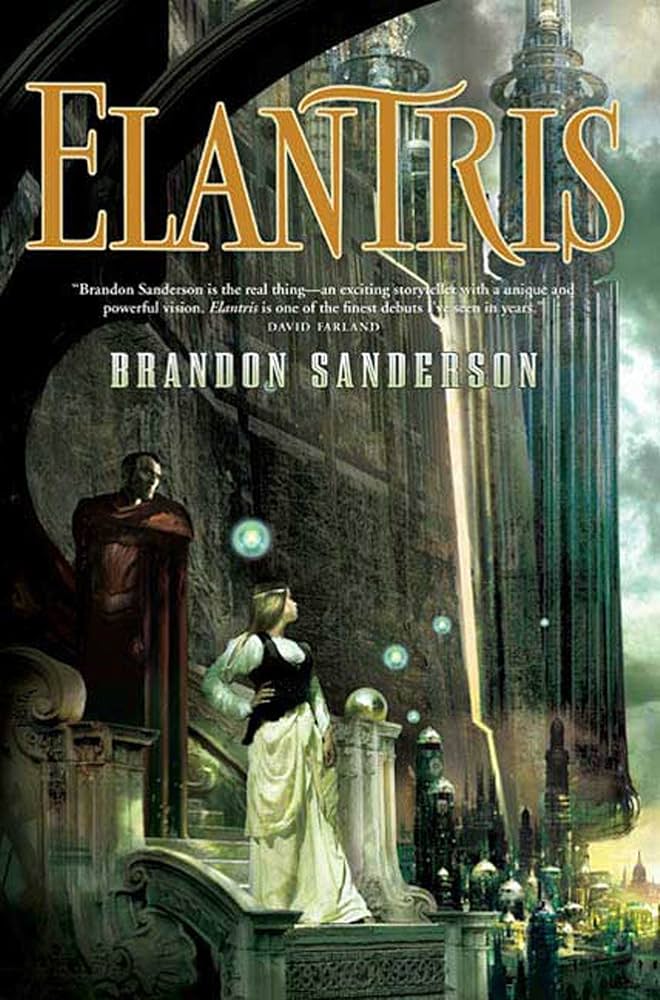
Prince Raoden falls prey to the cursed magic of his once-radiant city and is exiled behind the old walls just before his marriage to Princess Sarene, who arrives to find him “dead” and must struggle politically to protect her new home from an invading religion.
Azoth, a guild rat from the slums, apprentices himself to Durzo Blint—the city’s most feared assassin—in hopes of escaping a life defined by hunger, violence, and desperation.
Reborn under the name Kylar Stern, he must master the lethal politics and arcane techniques of the assassin trade while severing every remaining tie to the boy he once was.
The dark city of Ilmar chafes under the heavy hand of the Palleseen occupation, the choke-hold of its criminal underworld, and the burden of its ancient curse.
Despite the city’s refugees, wanderers, murderers, madmen, fanatics and thieves, the greatest threat, as always, will be the Anchorwood – that dark grove of trees, that primeval remnant, that portal, when the moon is full, to strange and distant shores.
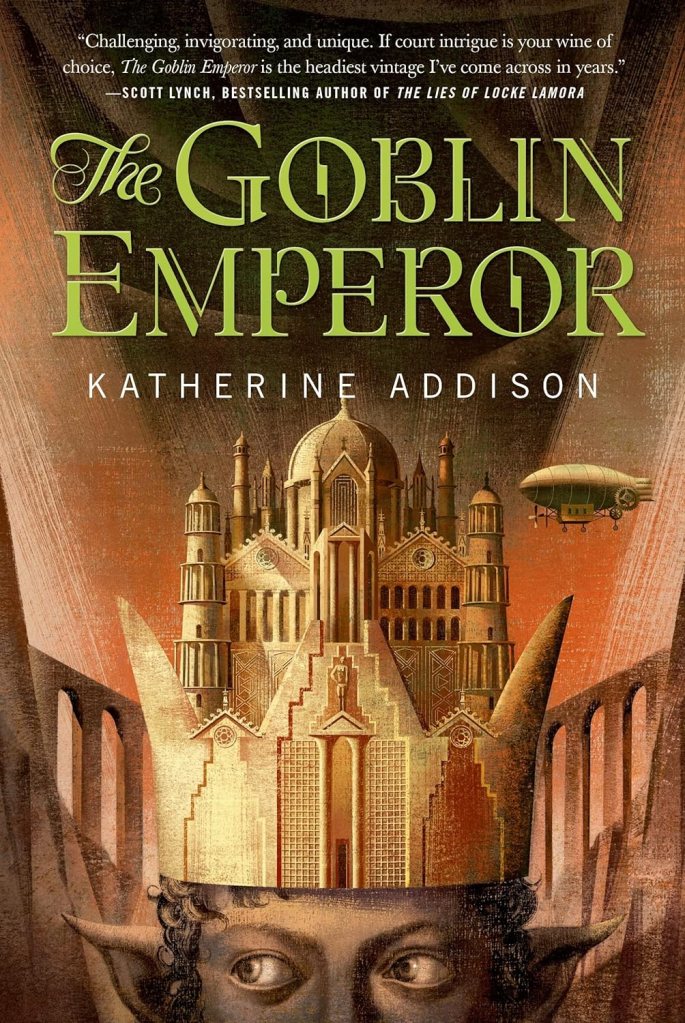
The youngest, half-goblin son of the Emperor has lived his entire life in exile. But when his father and three half brothers in line for the throne are killed in an “accident,” he has no choice but to take his place as the only surviving rightful heir.
He is alone, surrounded by sycophants eager to curry favor, plots to depose him, and offers of arranged marriages. Yet still he hopes to find even a single friend . . . even as unseen enemies threaten his throne and his life.
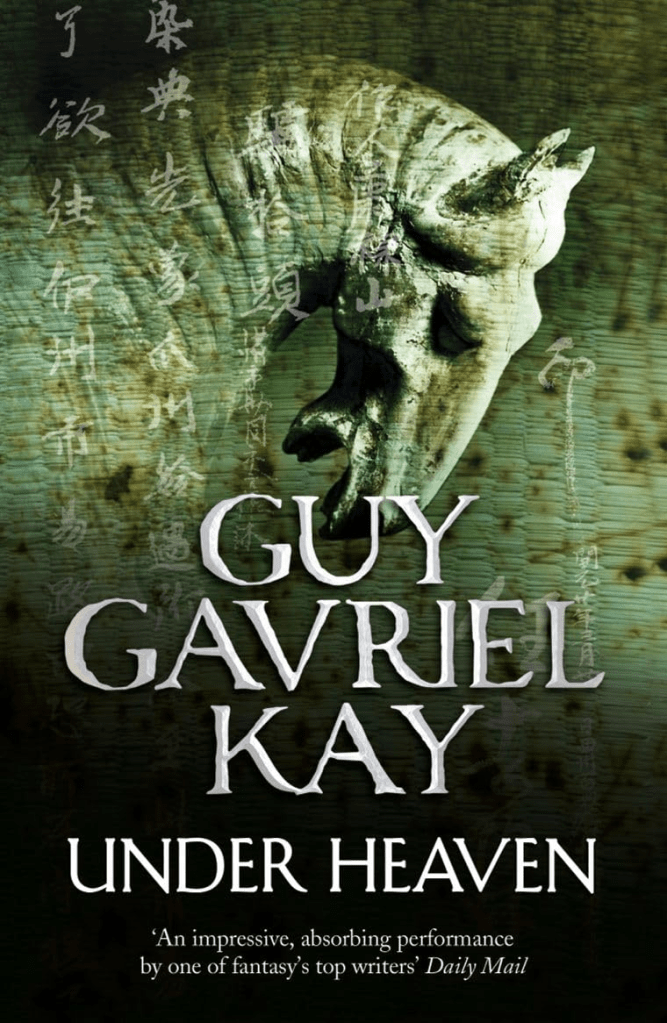
Shen Tai, son of an illustrious imperial general, has spent two years burying the dead at the site of one of his father’s last great battles. In recognition of his labors and his filial piety, an unlikely source has sent him a dangerous gift: 250 Sardian horses.
Even four or five of the famed Sardian horses could earn a man the mortal jealousy of his peers. 250 is unthinkable, even for an emperor.
If Tai was not required to claim the horses in person, he would probably be dead already…
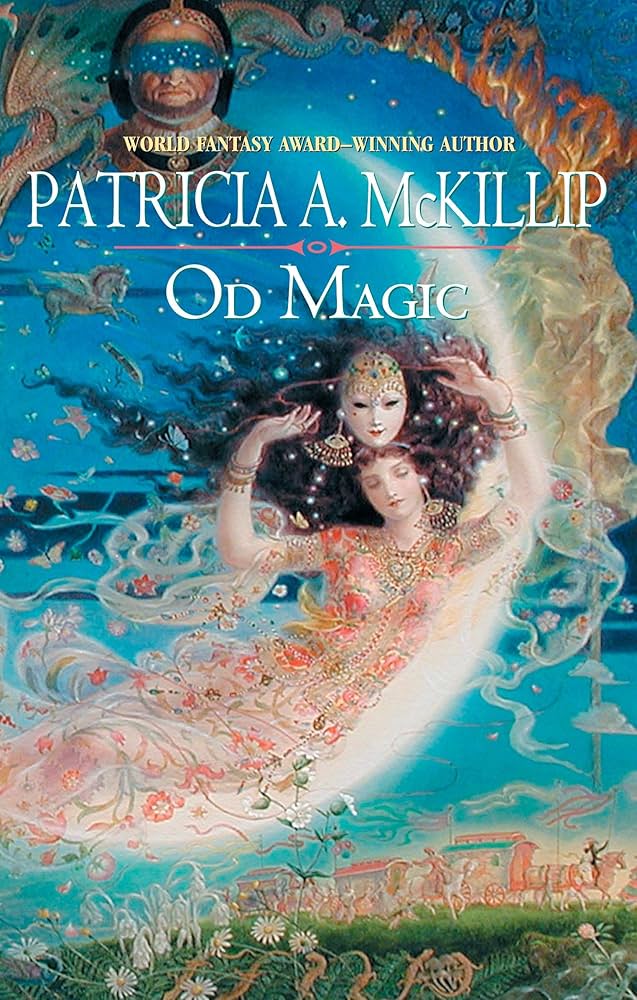
Brenden Vetch has a gift, an innate ability to nurture and understand plants. One day he receives a personal invitation from the wizard Od. She needs a gardener for her school in the great city of Kelior.
For decades, the rulers of Numis have controlled the school, punishing any wizard who dares defy them. But unknown to the reigning monarchy is the power possessed by the school’s new gardener—the true reason Od recruited him…
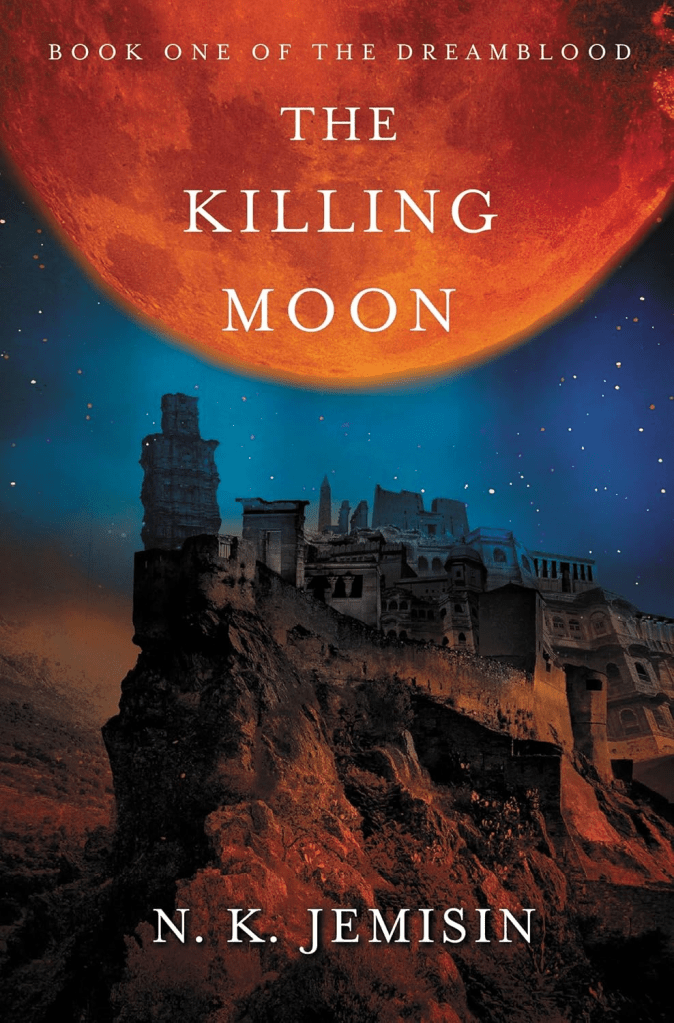
In the ancient city-state of Gujaareh, Gatherers – priests of the dream-goddess – harvest the magic of the sleeping mind and use it to heal, soothe. . . and kill those judged corrupt.
But when someone, or something, begins murdering dreamers in the goddess’ name, Ehiru, the most famous of the city’s Gatherers, must protect the woman he was sent to kill – or watch the city be devoured by war and forbidden magic.
In the vibrant city-state of Castellane, the orphan Kel becomes the Sword Catcher—the body double of Prince Conor. He and the Prince are as close as brothers, but his destiny is to die.
Lin Caster is a physician from a small community whose members still possess denigrated magical abilities, and she seeks forbidden knowledge to save a friend.
After a failed assassination attempt brings Lin and Kel together, they are drawn into the web of the criminal Ragpicker King, discovering secrets that may plunge their nation into war.
Dynamite couldn’t cause such a big explosion. As Agent Beka Finley and her partner Lord Donovan investigate a devastating train crash, she becomes convinced it was sabotaged. But everyone seems bent on persuading her it was an accident. Just like the crash that killed her father six years ago.
Determined to protect more lives from the growing unrest between humans and fairies, Beka puts her own life and reputation on the line to find the truth, getting uncomfortably close to some secrets from Donovan’s own past.
Temrai, a cunning and ruthless Chief from the Plains, infiltrates Perimadeia, the Triple City, to learn how to conquer it through siege. Opposite him stands Bardas Loredan, a skilled fencer, and the surviving member of a legendary band of soldiers who killed Temrai’s family.
For the past 12 years Loredan has worked as a “lawyer,” representing clients in duels to the death. But his past comes back to haunt him as a curse tightens around him and Temrai sets his scheme into action.
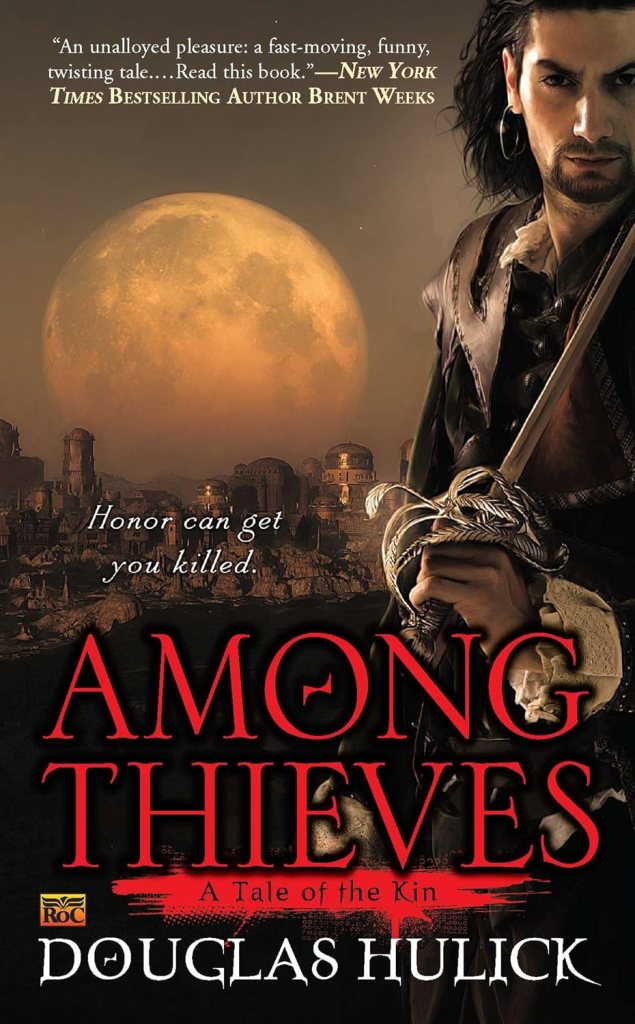
Drothe has been a member of the Kin for years, rubbing elbows with thieves and murderers in the employ of a crime lord while smuggling relics on the side.
But when an ancient book falls into his hands, Drothe finds himself in possession of a relic capable of bringing down emperors-a relic everyone in the underworld would kill to obtain.
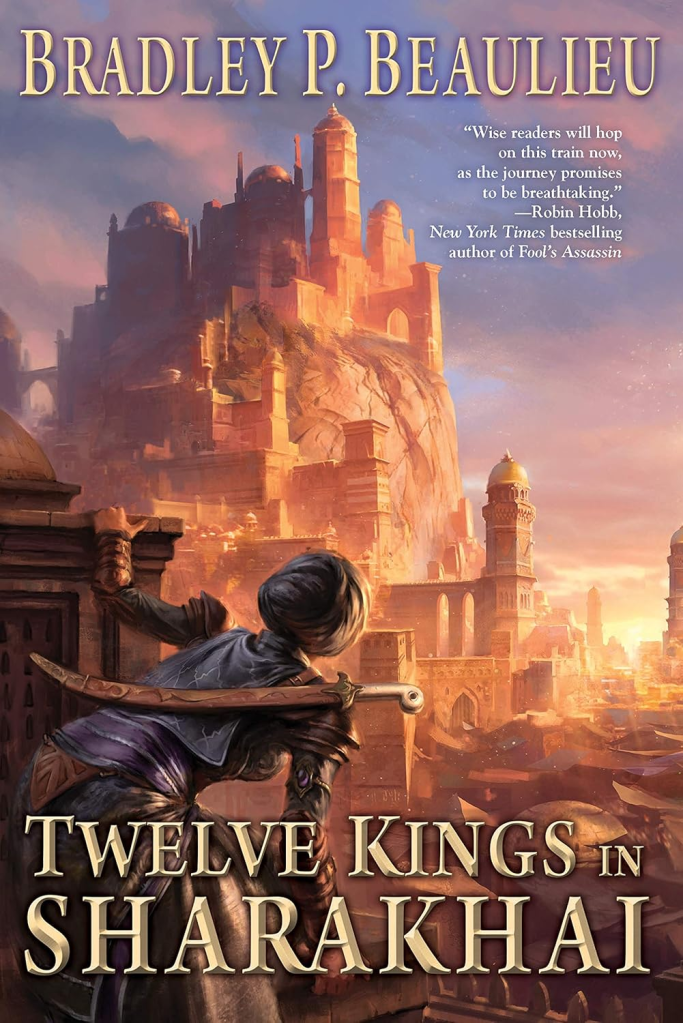
Sharakhai, the great city of the desert, has been ruled from time immemorial by twelve kings—cruel, ruthless, powerful, and immortal. With their elite forces and holy defenders, there is no hope of freedom.
Or so it seems, until Çeda, a brave young woman from the west end slums, defies the Kings’ laws by going outside on the holy night of Beht Zha’ir. What she learns that night of the Kings’ mysterious history and her own hidden heritage could finally break the iron grip of the Kings’ power… if they don’t find her first.
Lukan Gardova is a cardsharp, academy dropout, and—thanks to a duel that ended badly—the disgraced heir to an ancient noble house.
When Lukan discovers that his estranged father has been murdered in strange circumstances, he vows to unravel the mystery behind his father’s death.
His search for answers leads him to Saphrona, fabled city of merchant princes, where anything can be bought if one has the coin. But the price of truth is the deadliest of all.
The city of Guerdon stands eternal. A refuge from the war that rages beyond its borders. But in the ancient tunnels deep beneath its streets, a malevolent power has begun to stir. The fate of the city, and the outcome of a centuries old magical war between ancient beings, mages, and humanity, rests in the hands of three thieves.
As conspiracies unfold and secrets are revealed, their friendship will be tested to the limit. If they fail, all will be lost, and the streets of Guerdon will run with blood.
Jovan was born into a noble family with a secret duty. To all appearances, he is a quiet, affable friend of the Chancellor’s irresponsible Heir. In truth, he’s a master of poisons and chemicals, trained to protect the Chancellor’s family from treachery.
When the Chancellor succumbs to an unknown poison and an army lays siege to the city, Jovan and his sister Kalina must protect the Heir and save their city-state. But treachery lurks in every corner, and the ancient spirits of the land are rising . . . and angry.
The city-state of Saraykeht is a leader of commerce, but its economy depends on the power of the captive spirit, Seedless, an andat bound to the poet-sorcerer Heshai for life.
Enter the Galts, a juggernaut of an empire committed to laying waste to all lands. If they can dispose of the sorcerer, the spirit too will perish and the entire city will fall.
Otah, a simple laborer with a complex past, inadvertently discovers the Galtish plot inside the city – only he can stop them.
Amidst the gas lamp shadows of the city of D’Orsee, former soldier-turned-mercenary John Vanguard hunts criminals for a corrupt employer. Seeking to make amends for his deserter past, a chance encounter with Tarryn Leersac – a skilled, young, would-be-assassin fallen from high society – leads Vanguard to become an unlikely mentor.
Charged with hunting down the killer of two guards, Vanguard delves into the underbelly of the city, becoming entangled in greater mysteries. Can he find redemption, and piece together the truth of the last war, before another tears them apart?
God is dead, his corpse hidden in the catacombs beneath Mordew.
In the slums of the sea-battered city, a boy called Nathan Treeves picks treasures from the Living Mud and the half-formed creatures it spawns. Until one day his desperate mother sells him to the mysterious Master of Mordew.
The Master derives his magical power from feeding on the corpse of God. But Nathan has his own strength—and it is greater than the Master has ever known. Great enough to destroy him. If only Nathan can discover how to use it.
After 10 years on the run, dodging daemons and debt, reviled magician Edrin Walker returns home to avenge the brutal murder of his friend. Lynas had uncovered a terrible secret, something that threatened to devour the entire city. He tried to warn the Arcanum, the sorcerers who rule the city.
He failed – Lynas was skinned alive and Walker felt every cut. Now, nothing will stop him from finding the murderer. Magi, mortals, daemons, and even the gods—Walker will burn them all if he has to. After all, it wouldn’t be the first time he’s killed a god.
Hi, I’m Caylah Coffeen, a freelance editor and marketer of sci-fi and fantasy books. I love reading and writing and am a follower of Jesus Christ.
I’ve worked for Monster Ivy Publishing and Eschler Editing, and am currently a weekly editor with Havok Publishing. Reach out to chat about books and publishing!
Thanks for stopping by my website! I hope you’ve found some helpful resources about reading, writing, and publishing. If you liked this article, here’s some more free content…
Princes and strategists, martial champions and war heroes, grit, sweat, brawls, and schemes. Since the beginning of time, we have told stories about the best and worst of men – from myths and epics, to action and adventure classics, to modern superheroes and fantasy rogues, such stories have touched hearts across language barriers and millennia.
So why are they hard to find on bookshelves today?
Let’s take a look at the modern publishing market, reader tastes, and my own perspective as a book editor (plus a few obligatory caveats):
These are 8 of my favorite books of all time. Notice any commonalities?
All of these stories are about men (and boys) – clever, dangerous, heroic, stalwart men. Some are written for general audiences, while others go all in on the “bro vibes.”
Each tale contains passion and violence, loyalty and steadfast friendships, promises broken and kept, strategic and psychological contests, and a mix of wit and heartbreak. The ones that have stood the test of centuries reveal great truths about the human condition.
There’s something else I’ll point out though. The most recently published of these 8, Virtuous Sons (read my review) and Theft of Swords, were both self-published first, and only picked up by publishers after finding great success. The same is true of the wildly popular Cradle series by Will Wight and the Dungeon Crawler Carl series by Matt Dinniman.
2 more of my favorites, The Hands of the Emperor by Victoria Goddard (read my review) and Paranoid Mage by InadvisablyCompelled, have continued to gain momentum as self-published works.
It’s not like we have a net shortage of books about boys and men – that’s the majority of what’s been published for all of human history. But, naturally, modern readers gravitate toward books written in a modern voice – we want new ones.
If I, as a female reader, am irritated by the lack, I can’t imagine how frustrating it must be for male readers, especially boys and young men who are developing their taste for reading!
Big publishers don’t want boy books – they’re wrong
But the Big 5 publishers don’t want to publish “boy books” anymore. Many will deny there’s even such a thing as a “boy” book, or that there shouldn’t be (“that’s not inclusive!!!”).
I strongly disagree with all 3 statements:
I want to see boy books published – I want to read them! And edit them. And market them to more readers who will love them.
There’s definitely such a thing as a book by, for, and about men/boys, that male readers enjoy more than female readers (not that girls can’t as well – I’m a woman and you just saw my favorites list). That doesn’t change the fact that at the core, they are bro books.
There should be boy books. Stories that feel like they were written just for you are incredibly powerful! Everyone should have the chance to read stories that delight and resonate with the deepest parts of our soul. If that means reading books about people that are like you… well, duh.
Modern publishing has a chicken and egg problem. They claim they don’t publish as many books about male main characters because male readers don’t buy books as much as female readers.
Male readers respond thusly: “We’ve stopped buying your books because you won’t publish the types we actually want to read.”
There are thriving indie publishers and reading communities online for action and adventure books that are just straight up fun – no identity politics, no need for sensitivity readers – just cool dudes running around with swords. Virtuous Sons, published initially as a web novel on Royal Road, received over 4 million views.
In the past, before the digital age and the advent of self-publishing, books published by the Big 5 were the only option. If you weren’t reading them, you weren’t reading. In their elitism, the Big 5 have refused to adjust their attitude. They blame their potential buyers rather than their own business model. But men are reading. They’re just taking their time and money elsewhere.
And why wouldn’t they, when their tastes are being insulted?
No, I have no interest in reading any of the “adventure fantasy” books on Amazon with grotesquely proportioned anime pinup girls spilling across the covers. No more than I want to read any of the romantasy featuring glowering, glistening, shirtless shifters.
But male readers (and female ones) are told they’re stupid or backward for wanting to read books about male heroes running around killing dragons, clearing dungeons, leveling up with ridiculously powerful magic, sitting around with their comrades swapping scar stories, and chasing (and getting) the girl at the end.
You’re not stupid. Those are great stories. Some are just good stories – that’s ok too.
What I’m NOT saying
Because everyone gets triggered so easily these days, let me tell you what I’m not saying.
I’m NOT saying that girl books are stupid, or that female authors shouldn’t write the stories they want to tell, or that female characters are worse than male characters, or that if a book can’t appeal to a male audience too, it shouldn’t be published, or that female characters can’t compel male readers etc. etc. etc.
I’m certainly not saying that for a book to be truly great, it needs to be by, for, or about men.
But the publishing industry needs to stop saying the opposite. Stop telling (white) male authors that it’s their duty to step aside and “stop taking up the limelight already so that others can have their turn.” Stop telling authors that their stories are “too male-centric” and that unless they have at least one female POV/main character, their book won’t even be considered. Stop telling male authors that strong, masculine, confident male protagonists are inherently problematic.
Write boy books!
I want to read your boy books! Even more so, I want to read your “men books” – with characters worthy of the tag “epic.” So please write them (whether you’re a male or female author)!
If you’re also on the hunt for modern bro books, you’re not alone. Guess what my most popular blog post is? By a massive margin.
There is demand. Don’t let people tell you otherwise.
And if you’re a male author looking for a book editor, but are feeling a bit querulous after discovering that almost all book editors are women, you don’t have to worry that I’m going to treat you like a tasteless jerk for “having the audacity to think a story deserves to be told about a male main character who starts out as kind of a jerk.”
Characters are supposed to have weaknesses. There wouldn’t be a story if your characters didn’t have to grow and change.
Neither does a male protagonist have to be the most profound, unique character ever written in order to make a good story that readers will buy. The female protagonists in most modern books sure aren’t.
I would be delighted to read your story, review it, and perhaps even work with you to edit it into the best it can be.
So keep writing about brave boys and mighty men!
Hi, I’m Caylah Coffeen, a freelance editor and marketer of sci-fi and fantasy books. I love reading and writing and am a follower of Jesus Christ.
I’ve worked for Monster Ivy Publishing and Eschler Editing, and am currently a weekly editor with Havok Publishing. Reach out to chat about books and publishing!
Thanks for stopping by my website! I hope you’ve found some helpful resources about reading, writing, and publishing. If you liked this article, here’s some more free content…
A grimdark, character-driven adult fantasy tale full of morbid wit and deft turns of phrase, but too many POV characters which make the pacing suffer.
Summary
A war hero turned crippled torturer. A barbarian war leader turned refugee. A fop turned unworthy fencing champion. Three extremely different men face wars past and present, uncover political schemes, and get dragged around by the machinations of an entitled old wizard.
Characters: 4/5 stars
This book follows 3 POV characters for the first half of the book and then eases in 3 more in the second half. Glokta, the Inquisitor, is cynically hilarious and a refreshingly realistic take on the “tortured survivor turned torturer” trope. Logan Ninefingers is your lonesome barbarian, trying to find redemption after a very bloody life. Luthar, a noble fencing fop, is insufferable and I wondered why we had his POV at all.
Of the 3, only Glokta gets a real character arc. The problem with stories with so many POVs is that often the first book can feel like only the first act of every character’s story. That’s mostly what this book felt like.
The modern reader will also likely feel dissatisfied with the lack of female representation. The only female character in the first half is the object of Luthar’s sexual fantasies. A vengeful warrior woman is introduced much later, but that’s 2 total women we follow across 3 continents of characters.
Plot: 3/5 stars
I love a character driven story (which this is), but there really isn’t much plot in this book except in Glokta’s arc. The problem mostly lies in the fact that all the characters are in different parts of the world or are introduced before they really become relevant to the plot.
Logan spends the entire book traveling from over the mountains to the main city (where Glokta and Luthar are), thinking about his past and getting caught up in petty fights on the way. If this book was told only from his POV, everything that happens to him in this book would take up only a third of a standalone book.
Similarly, Luthar is a shallow narcissist who spends the whole book sort of fencing and really drinking. He’s the frat boy we know must eventually mature, but it would have been perfectly fine plot-wise to introduce him an entire book later, so little does his POV do for the story (besides irritate us). Glokta gets to chase mysteries and rediscover a friendship he thought lost, which was genuinely moving.
Worldbuilding: 3/5 stars
Nothing special. All the familiar late-medieval/renaissance era equivalents. Faux Viking barbarians in the north. Faux European castles and trade guilds, full of infighting and politicking. Faux “evil Muslims” in the south. Wizard orders and tales of old world demons and magic.
There are some interesting focal points in the soft magic system – the laws forbidding certain practices (hence the title of the series – The First Law), but I won’t spoil that. 😉
Writing: 5/5 stars
I was the most impressed by Joe Abercrombie’s writing style which is truly masterful! It’s why I kept reading. I usually can’t stand books with over 3 POV characters, but he managed them so deftly that I quite enjoyed it. He is an expert at pacing. That may sound strange since I said the plot was slow, but on a scene-by-scene level, Abercrombie is excellent at starting and ending in just the right places.
Everything that needs to happen in a chapter happens – no more, no less. Each segment feels like a full part of the character’s journey, not just a step to get somewhere else. He uses, but does not abuse cliffhangers. He switches between POVs at natural places in a way that doesn’t make the reader distracted and frustrated waiting to get back to them.
We receive just enough information about the characters’ pasts and mysterious plot points to keep us aching for more, and he then reveals the next piece in quite an enjoyable way. His sentence structure and style itself is quite refreshing, not bloated like that of many modern fantasy authors. Great turns of phrase, humor, purposeful descriptions that don’t take a full page to get through, and a great clip at the sentence level.
I went on to complete the trilogy because of how much I enjoyed Abercrombie’s writing style.
Logen Ninefingers, worn down by years of feuds and bad luck, flees the North with more enemies than allies.
In the civilized Union, Jezal dan Luthar coasts on privilege towards a fencing tournament, while Glokta—once a proud soldier himself, now a crippled torturer—cuts through thickening treason cases.
When old Magus Bayaz pulls all three men into his schemes, their paths collide amid political rot and rising conspiracies which threaten the fate of kingdoms.
CONTENT WARNING: Readers may like to know that the book is very R-rated for graphic violence, swearing, and sexual content, in that order of frequency.
Hi, I’m Caylah Coffeen, a freelance editor and marketer of sci-fi and fantasy books. I love reading and writing and am a follower of Jesus Christ.
I’ve worked for Monster Ivy Publishing and Eschler Editing, and am currently a weekly editor with Havok Publishing. Reach out to chat about books and publishing!
Thanks for stopping by my website! I hope you’ve found some helpful resources about reading, writing, and publishing. If you liked this article, here’s some more free content…
Apparently I’m in the minority, but I much prefer reading stories set in antiquity than in medieval times and on. Due to fragmentary or absent records, many people might not even consider books about ancient times to be “historical” fiction. Such stories do tend to incorporate much more of myth, legend, and folklore (which is perhaps why I love them).
For this reading list, I’ve compiled historical fiction books set in the BC era, with a focus on Bronze Age empires and civilizations. I love the Greco-Roman and Egyptian world, but they make up the bulk of ancient historical fiction. It can be hard to find novels from the perspectives of any other ancient cultures!
But I’ve wrangled up some options which are intricately researched and can help you expand your story’s worldbuilding beyond Medieval European or Mediterranean analogues (I would LOVE to read more “bronze age fantasy”).
They were brothers, best friends, rivals in love. But, though it seemed that nothing could come between them, only one of them could become master of the dazzling Assyrian Empire that stretched from the Mediterranean to the western borders of India; only one could know the love of Esharhamat, the woman they both desired.
Seven centuries before Christ, the young Assyrian princes Tiglath Ashur and Esarhaddon were forced to compete fiercely against each other, for the greatest Empire the world had ever seen.
1315 BC. The Hittite Empire faces threats from Egypt, Assyria, and Mycenae. The birth of Prince Hattu should unite the Hittites in celebration.
But the Goddess Ishtar delivers a chilling omen: the boy will bring ruin, betrayal, and bloodshed. Thus, he grows up as an outcast, feared by his people, scorned by his father and hunted by prophecy.
Yet as war burns across the horizon, Hattu is drawn into the fray. Will he fulfill the goddess’s curse—or rewrite destiny itself?
Old and blind but still unyielding, Persian ambassador Cyrus Spitama breaks his silence in 445 BC, furious at Herodotus’ tales and determined to dictate the Persian truth of empires, wars, and the gods themselves.
He recounts a life spent at the heart of Darius’ court, surviving boars and palace coups, debating with Buddha and Confucius, taking an Indian wife, and witnessing the rise and fall of kings from Babylon to Cathay. His “travel memoir” becomes a sweeping counter-history to the Grecian perspective.
Note: If you’ve read Herodotus, you’ll understand why many readers say this is hard to get through.
Historical Fiction Set in North Africa
I couldn’t find any historical fiction set in Africa during antiquity, except about cultures bordering the Mediterranean. It’s hard enough to find pre-colonial fiction and records from Africa, let alone pre-Medieval ones. There are many great novels about Egypt, notably River God by Wilbur Smith, but essentially all other fiction set in Africa in antiquity focuses on myths and folklore, as oral histories were lost.
Carthage—an opulent superpower ruled by greed, gods who demand sacrifice, and citizens far too wealthy to fight their own battles. Following the end of the first Punic War, 20,000 mercenaries, still unpaid rise in fury, laying siege to the city.
A rebel warlord’s obsession with the high priestess Salammbò adds fuel to the flame, resulting in a clash of armies so savage the earth itself seems to bleed. Epic, operatic, and unflinching, this is War and Peace by way of the Punic Wars.
Historical Fiction Set in the Americas
The same problem exists concerning historical fiction about ancient civilizations of the Americas. Records were deliberately destroyed by conquistadors, relegating much of what we know to the areas of myth and anthropology. It’s even harder to find historical novels that have been translated into English by native authors.
Set amid the upheavals of the Maya civilization’s Late Classic period, House of the Waterlily follows Lady Winik, a young royal thrust into the rising danger and political chaos of a failing civilization.
As rival powers close in and the world she knows begins to fracture, Winik’s journey invites readers to explore the splendor and dangers of Mayan life, as seen through the lens of Kelli Carmean’s PhD in anthropology.
Centuries before Arthur and Merlin, the orphaned Celt Ainvar rises to master the druidic arts—mind, magic, healing, and war—becoming the unlikely soul-friend of the future warrior-king Vercingetorix.
Together they journey across a fractured Gaul, uniting the Celtic tribes in a defiant stand against Julius Caesar and the relentless legions of Rome.
Note: Yes, the antagonists in this are Roman – hard to avoid. But as the POV characters and culture are not, I let this slip in.
A dying stranger’s trove of gold ignites a deadly rivalry between three brothers. The eldest, Lengar, the warrior, harnesses his murderous ambition to take great power for his tribe.
Camaban becomes a feared wise man, and it is his vision that will force the youngest brother, Saban, to create a great temple where the gods will appear on earth. But when Saban falls in love with Aurenna, the sun bride destined to die for the gods, the great monument becomes a battleground.
Note: this gets into prehistory, but by the acclaimed author best known for his Saxon and Richard Sharpe stories.
Historical Fiction Set in Asia
Most novels set in ancient India are mythic retellings, taken from the delightfully massive epics the Ramayana and Mahabharata or other legends.
Chinese historical records from antiquity are apparently sparse, making accurate historical fiction difficult. I thought I’d be sure to find some fiction about the Warring States period and the first unified dynasty (Qin), or the Han dynasty’s Golden Age and the formation of the Silk Road, but almost everything (including the classic novel Romance of the Three Kingdoms) takes place starting in early AD around the fall of the Han dynasty.
It’s even harder to find examples of historical fiction set in antiquity from the rest of Asia, though it looks like Korea has some popular options (Goguryeo by Kim Jin-myung) that haven’t been translated into English yet.
Discover the ruthless origins of the famously peaceful Emperor Ashoka the Great.
A Brahmin prophesies that a legendary ruler will be born to the Mauryan ruler Bindusara, but the child is born frail and ordinary-looking. Shunned by his father, and bullied and humiliated by his elder brother Susima, prince Ashoka learns from an early age to be the master of his own fate.
Under the determined tutelage of his mother, and inspired by a spirited young woman, he begins to dream of ruling the vast empire.
India, third century BC: a conqueror from Greece has arrived on their doorstep. Chanakya, a wily political strategist looking for vengeance against the ruthless rulers of Magadha, seeks out a hidden heir. Moriya, raised by a tribe of peacock-tamers, is oblivious to his identity until Chanakya becomes his teacher.
The tentative young man, now christened Chandragupta, makes his way across the vast plains of Bharatvarsha to meet the famed invader Alexander, build an army of his own, and right the wrongs of his fathers.
China, 184 AD: the Han dynasty is falling. Liao Hua, a young peasant boy, becomes the symbol of the Yellow Turban’s vengeful uprising. As untrained farmers face the full might of the empire, Liao Hua vows to do whatever it takes to become the greatest warrior of his time. However, when his path crosses that of the bearded warrior, he must face the fact that an iron will won’t be enough to triumph in an age of chaos.
Note: this story falls just barely at the end of antiquity, and is the only modern, well-reviewed novel about the Han dynasty that I could find in English.
Looking for more historical fiction set in Asia? Check out my book review of Genghis: Birth of an Empire by Conn Iggulden! It does take place in medieval times, but is an absolutely thrilling account of Genghis Khan’s childhood and early rise to power!
If you know of other historical fiction novels set in ancient times, please leave a comment to recommend them!
Hi, I’m Caylah Coffeen, a freelance editor and marketer of sci-fi and fantasy books. I love reading and writing and am a follower of Jesus Christ.
I’ve worked for Monster Ivy Publishing and Eschler Editing, and am currently a weekly editor with Havok Publishing. Reach out to chat about books and publishing!
Thanks for stopping by my website! I hope you’ve found some helpful resources about reading, writing, and publishing. If you liked this article, here’s some more free content…