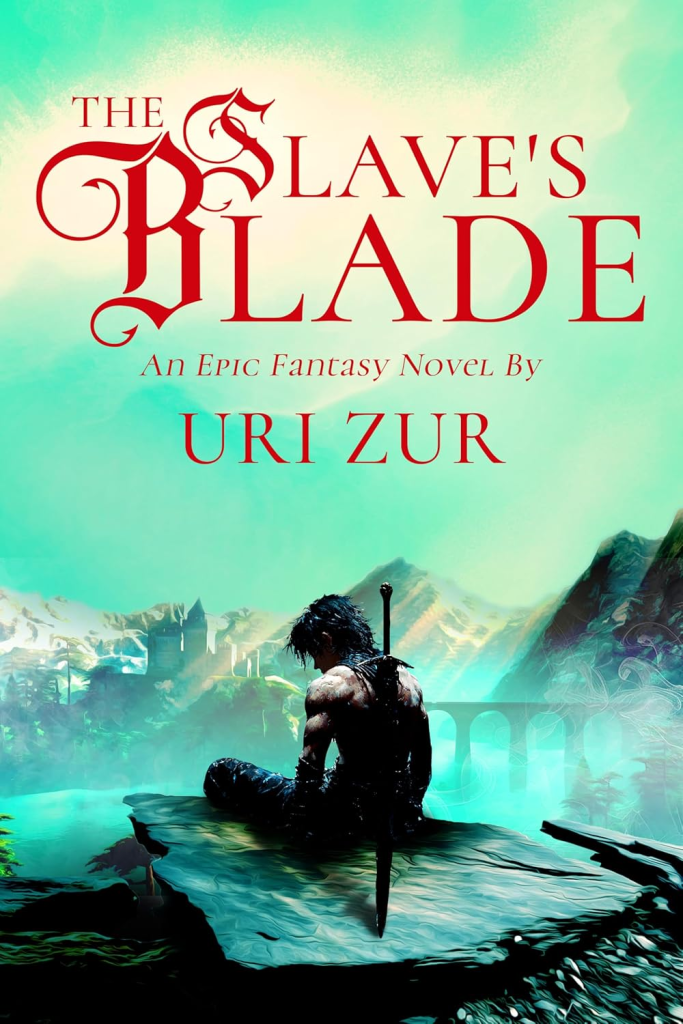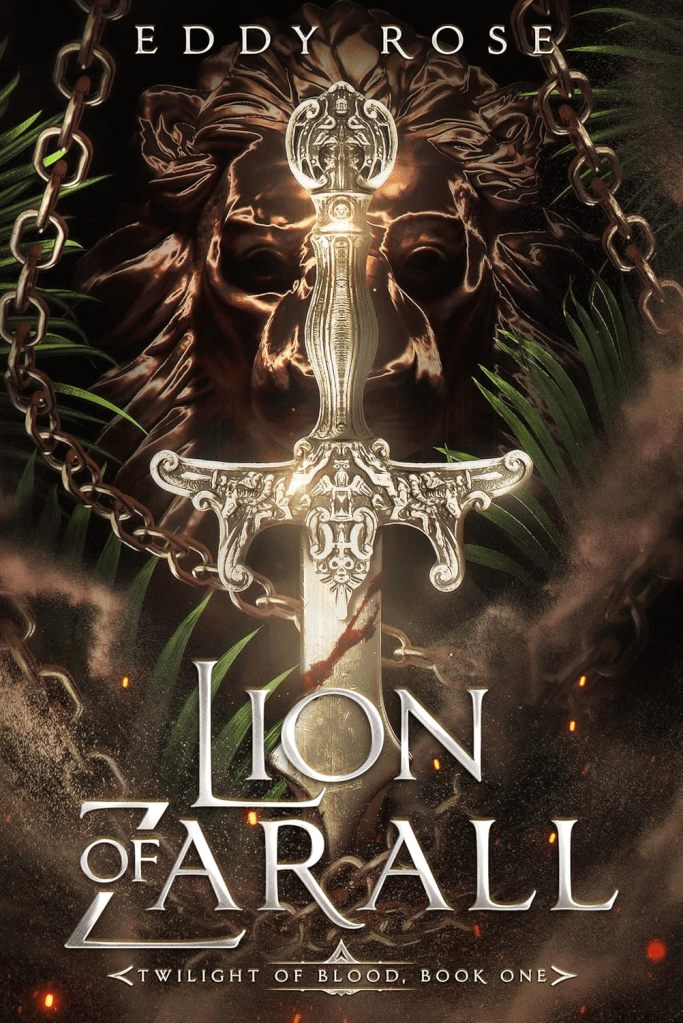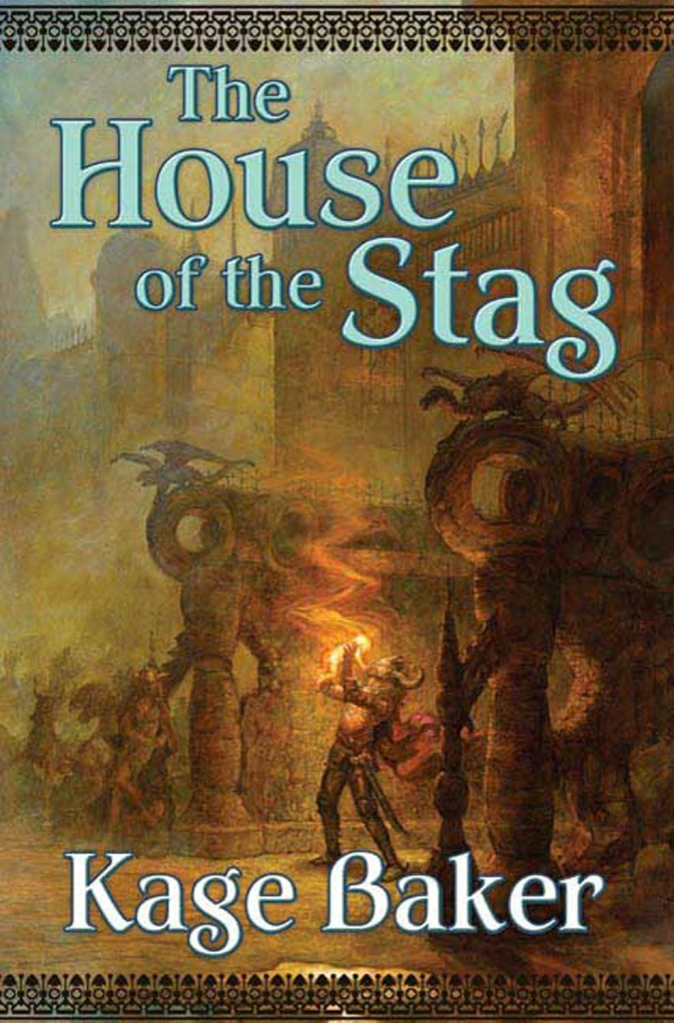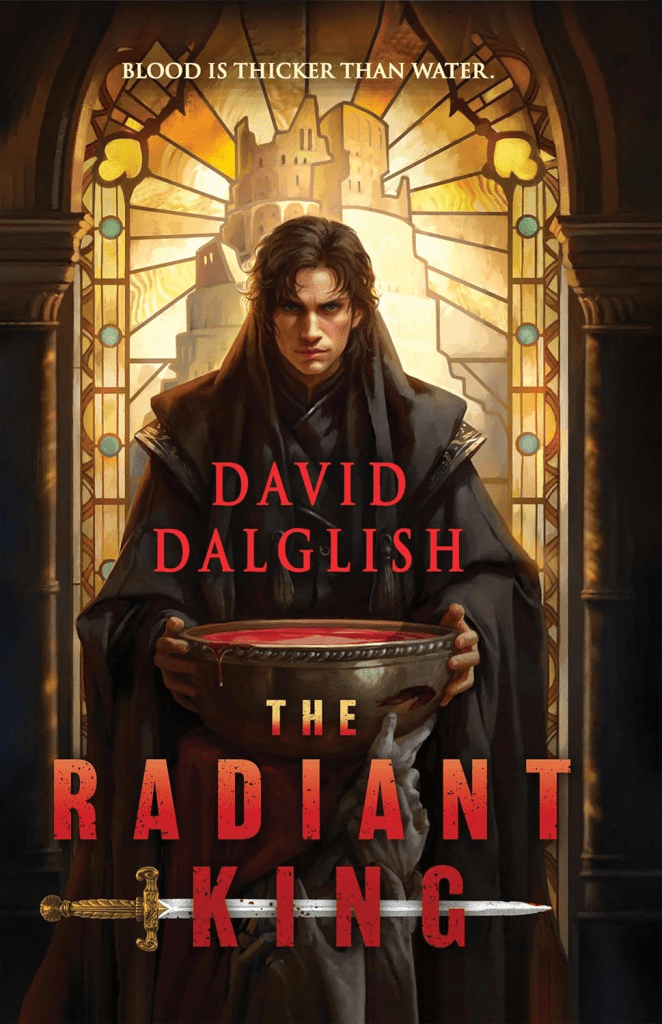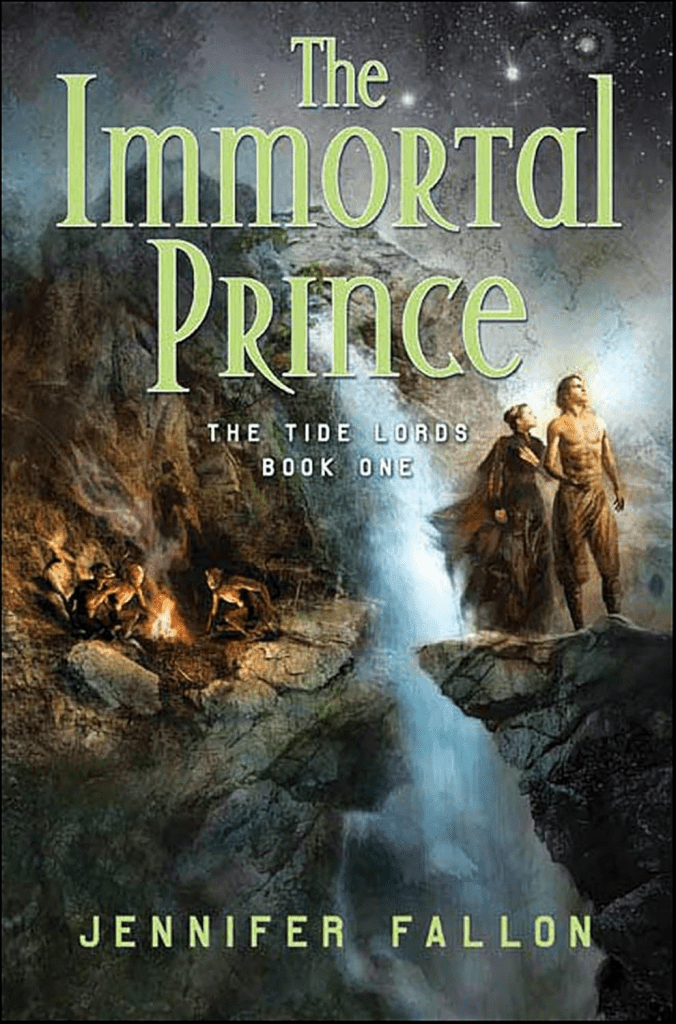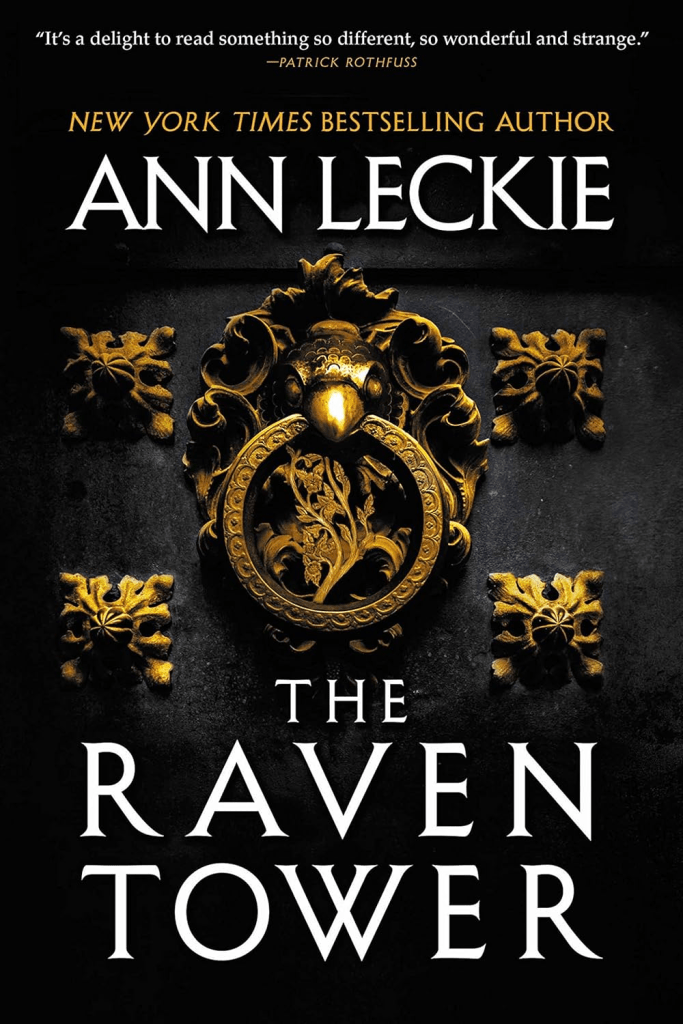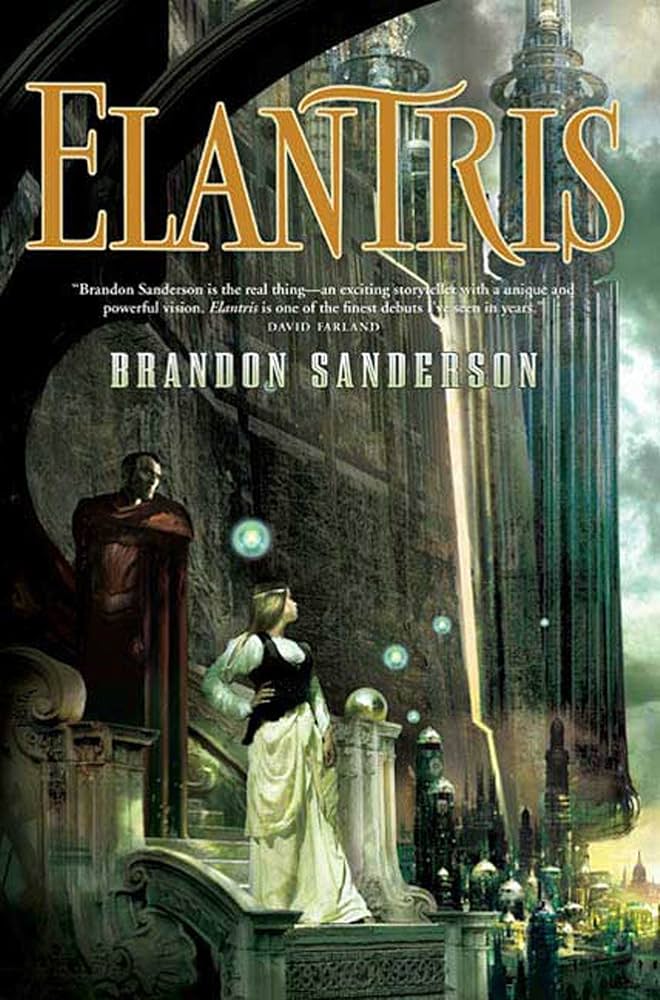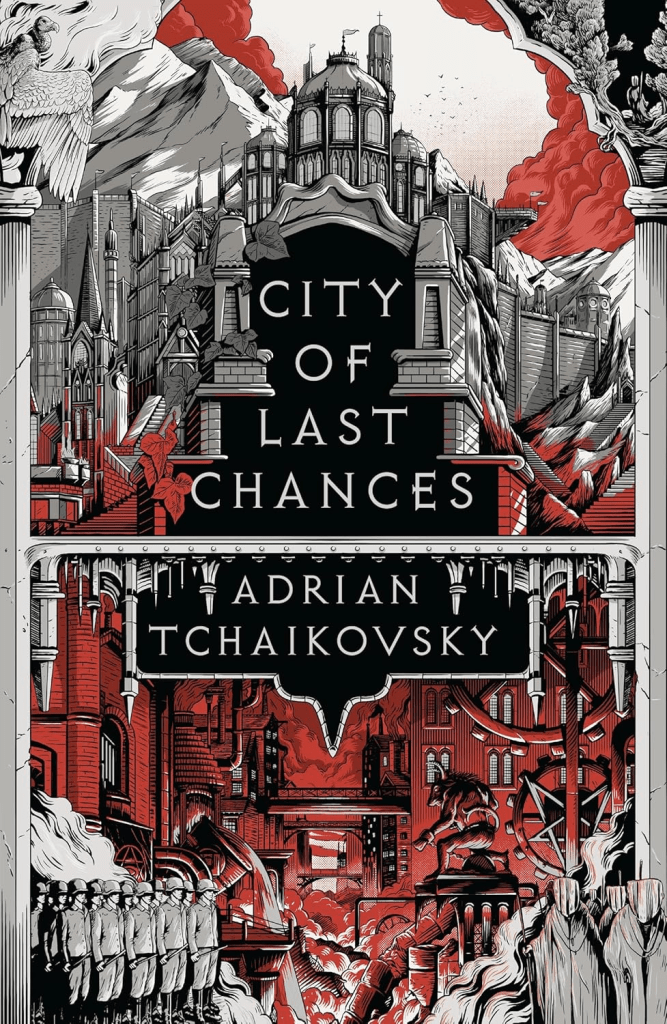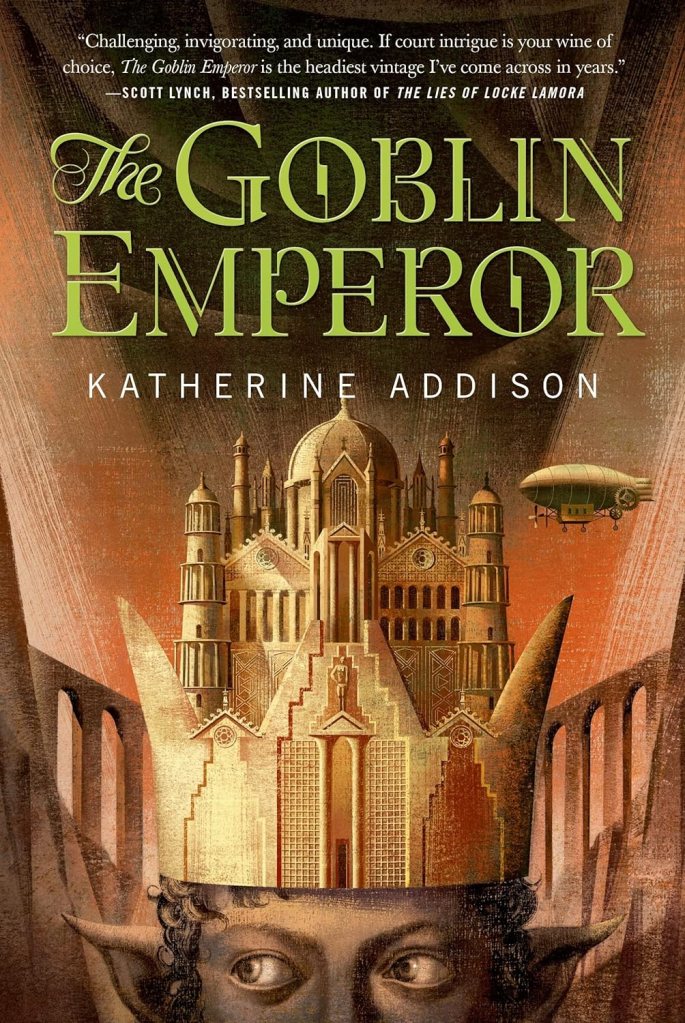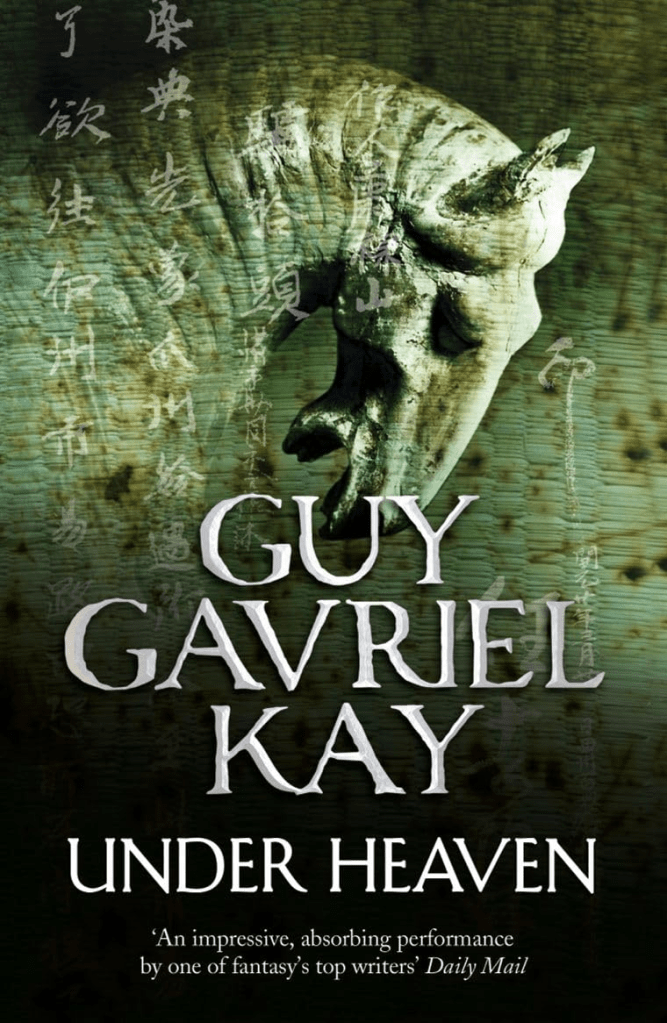
22 High/Epic Adult Fantasy Books with 1 POV & a Male Protagonist

Books with a massive set of multiple POVs drive me crazy. I prefer stories with a tighter focus that invite readers to enjoy (and work to unravel) some mysteries about the larger world. Sometimes less is more.

But these days, multi-POV fantasy books seem to be the norm, especially in adult fantasy. It’s so hard to find books that feature only one point-of-view character, but I’ve done some legwork for you!

Note: this list focuses on male protagonists and dark, mythic, political, and military fantasy, rather than romance, satire, or coming-of-age.

I’ve read about half of these so far, and all others have at least a thousand 4+ star reviews. Most of these authors have a larger body of work which also feature a similar style.

  1. Classic and pre-2000s fantasy with 1 POV
  2. Modern fantasy books with 1 POV
  3. Fantasy books with predominantly 1 POV – but with brief cutaways

This article contains affiliate links – I may earn a small amount on qualifying purchases at no extra cost to you.
Classic and Pre-2000’s Fantasy with 1 POV

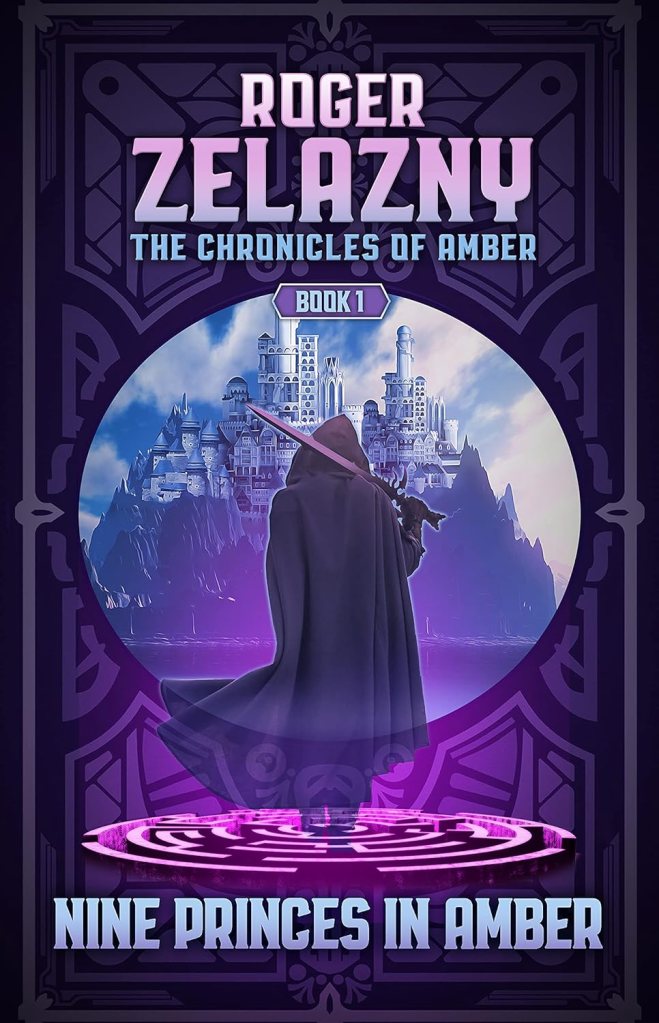
1. Nine Princes in Amber by Roger Zelazny

Ok, technically this is science fantasy, but it FEELS so epic, and most of the story takes place in a medieval setting. The main character is a centuries-old mage poet and swordsmaster who stepped out of literal golden age Avalon! One of my absolute favorites!

Corwin is a prince of Amber, the “immortal city from which every other city has taken its shape.” All other worlds, including Earth, are shadows of that reality. Corwin has spent centuries on Earth with no memory of his birth.

But when someone in the family tries to kill him, Corwin begins a search for his past, discovering the universe itself will bend to his shaping. He is one of nine men who might rule Amber, if he can fight past the armies of his brother and nemesis Eric.

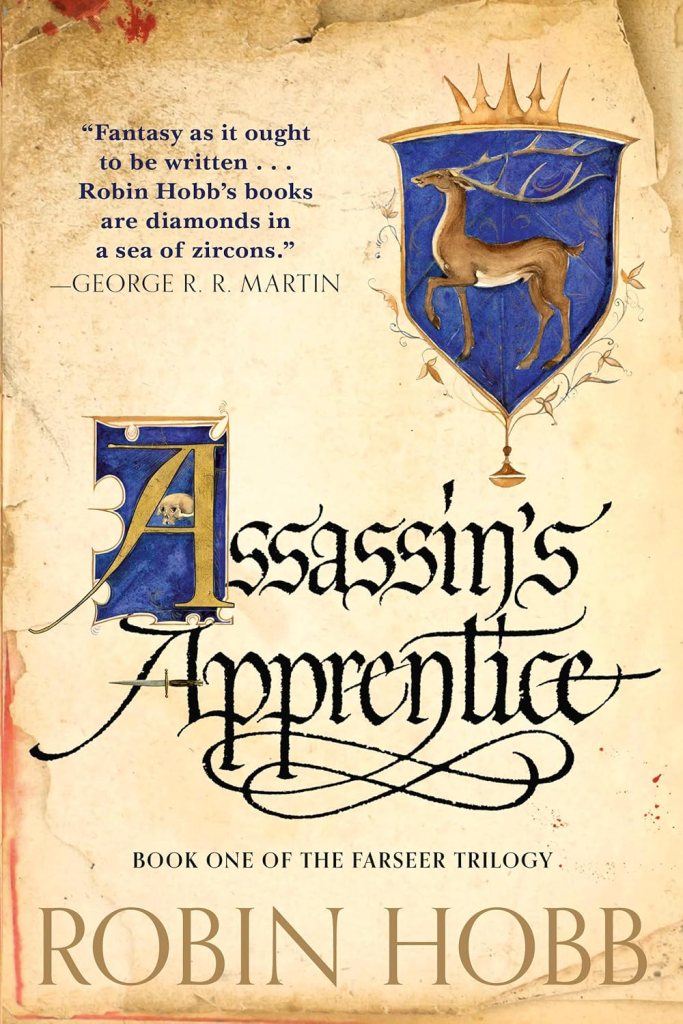
2. Assassin’s Apprentice (The Farseer Trilogy #1) by Robin Hobb

Young Fitz is the bastard son of Prince Chivalry, raised in the shadow of the royal court by his father’s gruff stableman. He is treated as an outcast by all the royalty except the devious King Shrewd, who has him secretly tutored in the arts of the assassin. For in Fitz’s blood runs the magic Skill.
 
As barbarous raiders ravage the coasts, Fitz grows to manhood and soon he will face his first dangerous, soul-shattering mission. And though some regard him as a threat to the throne, he may just be the key to the survival of the kingdom.

3. Elric of Melniboné (The Elric Saga #1) by Michael Moorcock

Elric is the brooding, albino emperor of the dying Kingdom of Melnibone. With Melnibone’s years of grandeur and decadence long since passed, Elric’s amoral cousin Yrkoon sets his eyes on the throne. Elric, realizing he is his country’s best hope, must face his nefarious cousin in an epic battle for the right to rule.

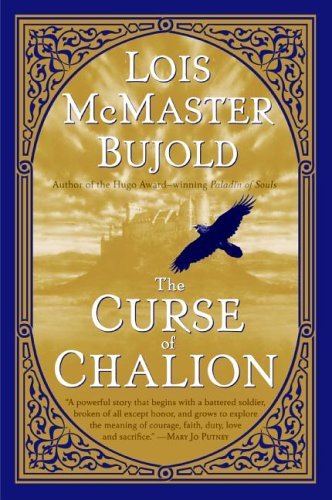
4. The Curse of Chalion by Lois McMaster Bujold

A man broken in body and spirit, Cazaril returns to the noble household he once served and is named secretary-tutor to the strong-willed princess. It is an assignment Cazaril dreads, for in the royal court of Cardegoss, the powerful enemies who once placed him in chains now occupy lofty positions.

Worse yet, a sinister curse hangs like a sword over the blighted House of Chalion. And only by employing the darkest, most forbidden of magics can Cazaril hope to protect his royal charge.

5. The Shadow of the Torturer (The Book of the New Sun #1) by Gene Wolfe

The writing style in this one is quite dense, and absolutely packed with complex vocabulary. The language is masterful, but it’s no light read. Keep a dictionary tab open!

The Shadow of the Torturer cover: a cloaked man in a strange mask holds a longsword, standing upon a curling pedestal throne that rises into a cloudy sky.

Severian is a torturer, born to the guild and with an exceptionally promising career ahead of him… until he falls in love with one of his victims, a beautiful young noblewoman. Severian helps her commit suicide and escape her fate. For a torturer, there is no more unforgivable act.

He is exiled from the guild with little more than Terminus Est, a fabled sword, to his name. Along the way, a strange gem falls into his possession, which only makes his enemies pursue him with ever-more determination…

6. The Legend of Nightfall by Mickey Zucker Reichert

This was published back in 1993, but the link will take you to an updated Kindle version that the publisher released in 2019, which is why it has apparently few reviews.

He has been known by countless names and deeds – thief, swordsman, assassin, adventurer. But chief among those personae is that of Nightfall, gifted with unique powers which any sorcerer would kill to possess.

Yet even the cleverest of beings must occasionally slip. When Nightfall falls prey to a royal trap, he is bound by sorcery and oath to guard a young prince on his quest. He will need every trick and talent to keep both himself and his idealistic charge from death at the hands of unknown betrayers.

Modern Fantasy Books with 1 POV

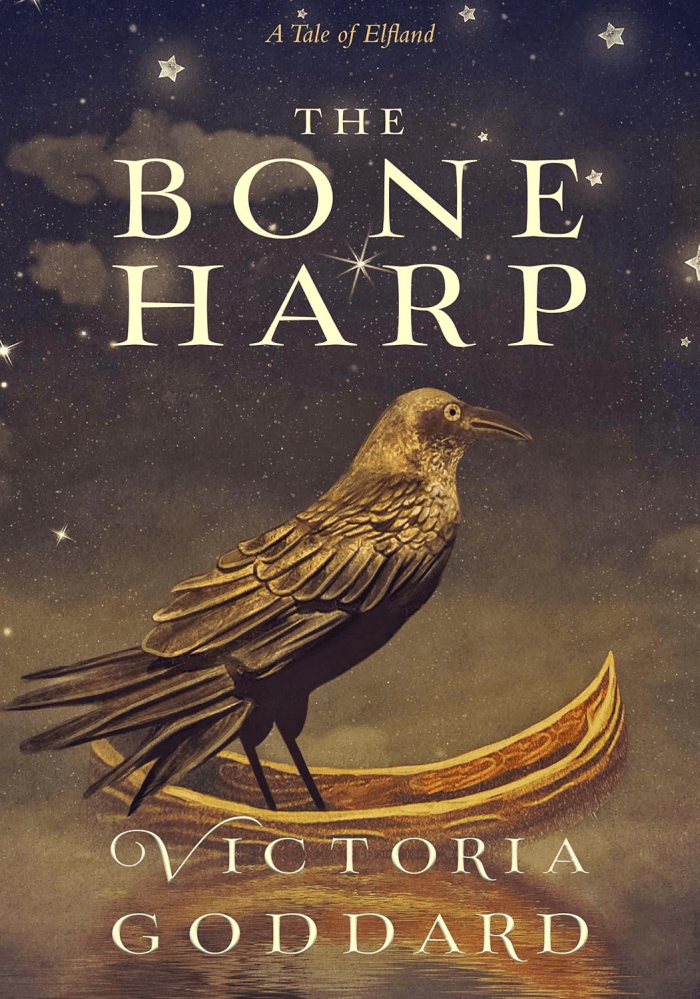
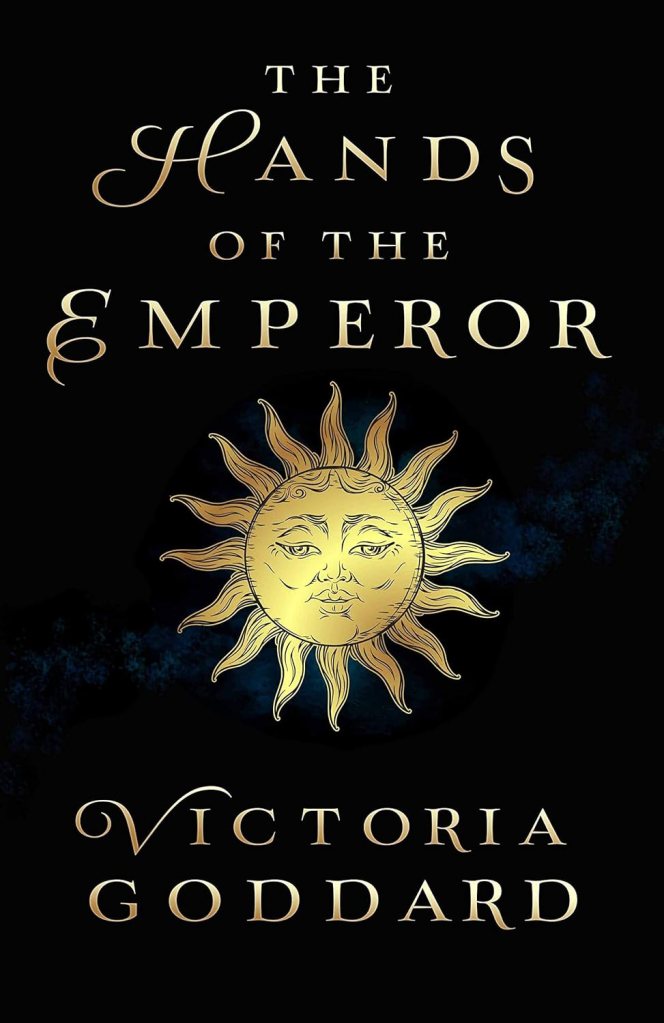
7. The Hands of the Emperor (Lays of the Hearthfire #1) by Victoria Goddard

Cliopher Mdang is the personal secretary of the Last god Emperor of Astandalas, the Lord Magus of Zunidh, the Sun-on-Earth.

He has spent more time with the Emperor of Astandalas than any other person. But he has never once touched his lord, nor called him by name. He has never initiated a conversation.

One day, Cliopher invites the Sun-on-Earth home to the Wide Seas for a holiday. The mere invitation could have seen Cliopher executed for blasphemy. The acceptance upends the world.

Read my 5-star review here!

8. The Name of the Wind by Patrick Rothfuss

The Name of the Wind cover: a cloaked figure faces a single tree in an overcast grassland, the world tinged a blue-grey.

My name is Kvothe.

I have stolen princesses back from sleeping barrow kings. I burned down the town of Trebon. I have spent the night with Felurian and left with both my sanity and my life. I was expelled from the University at a younger age than most people are allowed in. I tread paths by moonlight that others fear to speak of during day. I have talked to Gods, loved women, and written songs that make the minstrels weep.

You may have heard of me.

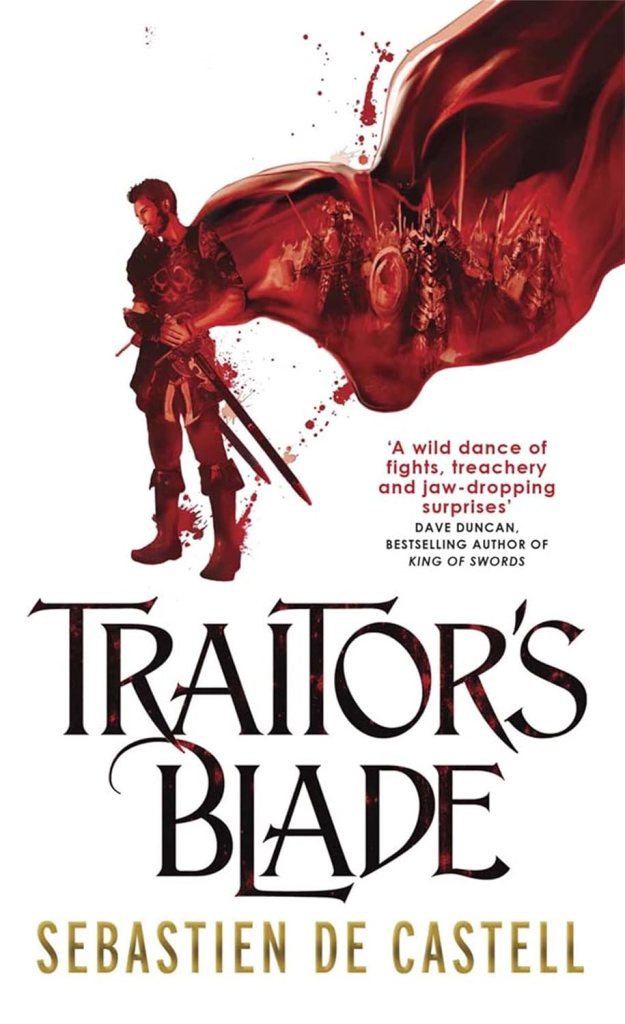
9. Traitor’s Blade (Greatcoats #1) by Sebastian de Castell

The Greatcoats are travelling magistrates bringing justice to all… or at least they were, before they watched the Dukes impale their King’s head on a spike. Now the land’s heroes are reviled as traitors, their Greatcoats in tatters.

Facio, Kest and Brasti have been reduced to working as mercenaries, but when they find their employer dead – and are forced to watch as the killer plants evidence framing them for the murder – they realize the royal conspiracy is spreading.

10. Sixteen Ways to Defend a Walled City by K.J. Parker

A siege is approaching, and the city has little time to prepare. The people have no food and no weapons, and the enemy has sworn to slaughter them all.

To save the city will take a miracle, but what it has is Orhan. A colonel of engineers, Orhan has far more experience with bridge-building than battles, is a cheat and a liar, and has a serious problem with authority. He is, in other words, perfect for the job.

11. Transformation (Rai Kirah #1) by Carol Berg

Note: this book is much better than its cover.

Seyonne is a man waiting to die. He has been a slave for sixteen years, almost half his life, and has lost everything of meaning to him: his dignity, the people and homeland he loves, and the Warden’s power he used to defend an unsuspecting world from the ravages of demons.  

But from the moment he is sold to the arrogant, careless Prince Aleksander, the heir to the Derzhi Empire, Seyonne’s desperately crafted apathy crumbles. When he discovers a demon lurking in the Derzhi court, he must find hope and strength in a most unlikely place…

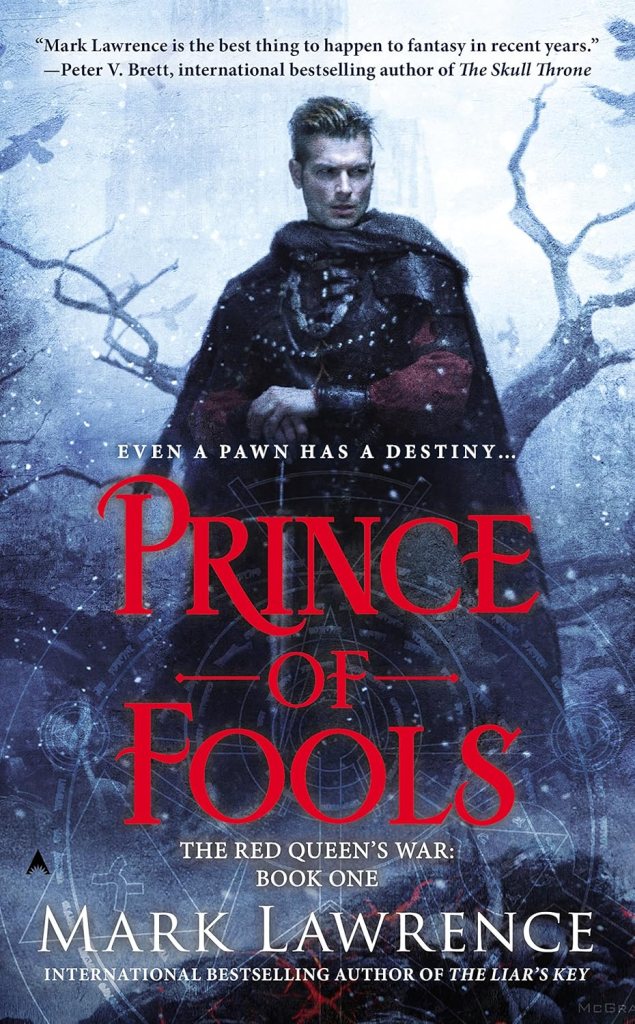
12. Prince of Fools by Mark Lawrence

Prince Jalan Kendeth—drinker, gambler, seducer of women—has a secret. He can see the Red Queen’s, his grandmother’s, greatest weapon: The Silent Sister. But content with his role as a minor royal, Jal pretends that the hideous crone is not there.

After escaping a death trap set by the Silent Sister, Jal finds his fate magically intertwined with a fierce Norse warrior. But war with the undead is coming, and as the two undertake a journey to undo the spell, they realize they are but pieces in a game—and the Red Queen controls the board.

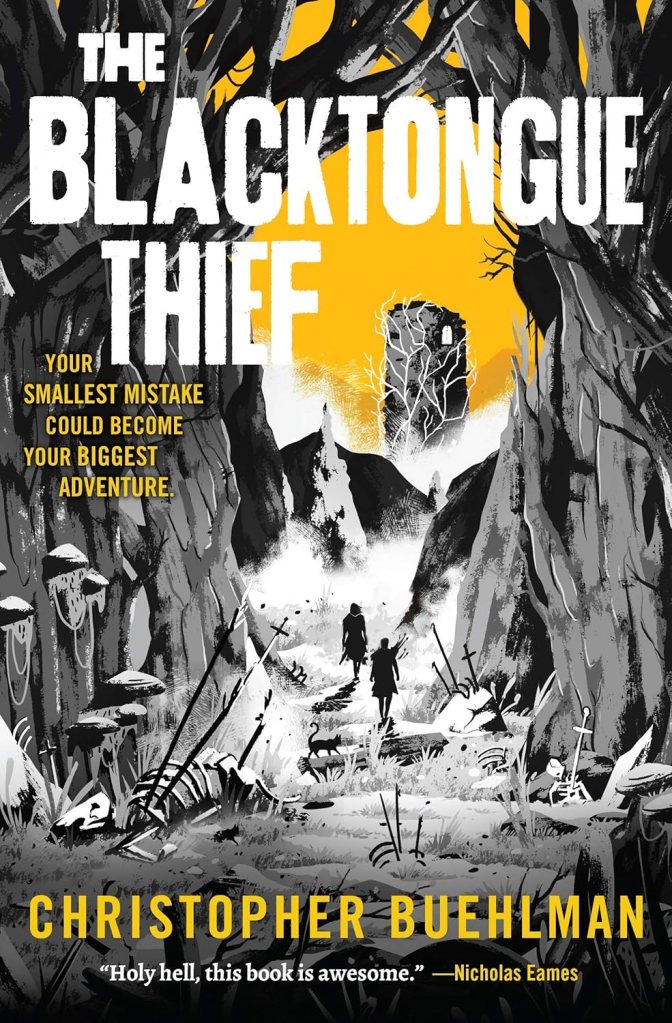
13. The Blacktongue Thief by Christopher Buehlman

Kinch Na Shannack owes the Takers Guild a small fortune for his education as a thief, which includes wall-scaling, lie-weaving, trap-making, plus a few small magics.

But today, Kinch has picked the wrong mark. Galva is a knight, a survivor of the brutal goblin wars, and handmaiden of the goddess of death.

Unsuccessful in his robbery and lucky to escape with his life, Kinch now finds himself braving krakens and giants with Galva in an epic journey to find her missing queen.

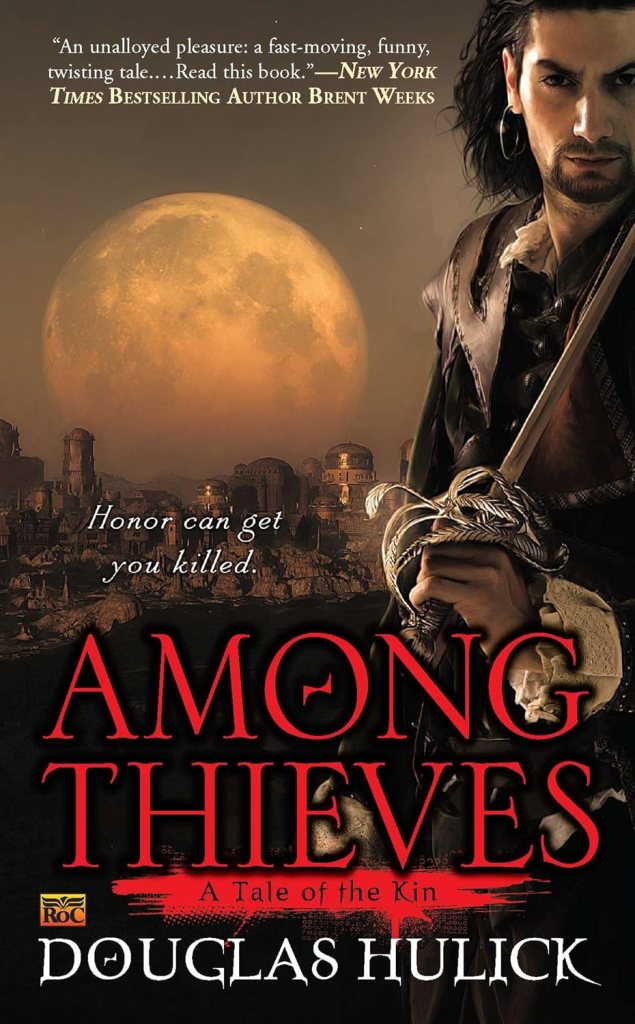
14. Among Thieves by Hulick Douglas

Drothe is a Nose, an informant who finds and takes care of trouble inside his criminal organization. On his latest assignment, Drothe unearths that someone is trying to stir up trouble between lower-level criminal organizations, including Drothe’s.

Rumors stir of a book containing imperial glimmer (or magic), and two crime bosses known as the Gray Princes are on the hunt. Drothe discovers the book, gaining the power to bring down emperors, shatter the criminal underworld, and unlock forbidden magic – if he can survive long enough to use it.

Fantasy Books with Predominantly 1 POV – but with brief cutaways

These books are told almost entirely (95%) from 1 point of view, with only brief cutaways to secondary characters. Note that some of these, like The Night Angel Trilogy and the Codex Alera, start incorporating more perspectives later in the series.

15. The Way of Shadows (Night Angel Trilogy #1) by Brent Weeks

The Way of Shadows cover: a cloaked man takes up a fighting stance, a dagger in each fist. Shadows swirl around him.

For Durzo Blint, assassination is an art – and he is the city’s most accomplished artist.

For Azoth, survival is precarious. As a guild rat, he’s grown up in the slums, and learned to judge people quickly – and to take risks. Risks like apprenticing himself to Durzo Blint.

But to be accepted, Azoth must turn his back on his old life and embrace a new identity and name. As Kylar Stern, he must learn to navigate the assassins’ world of dangerous politics and strange magics – and cultivate a flair for death.

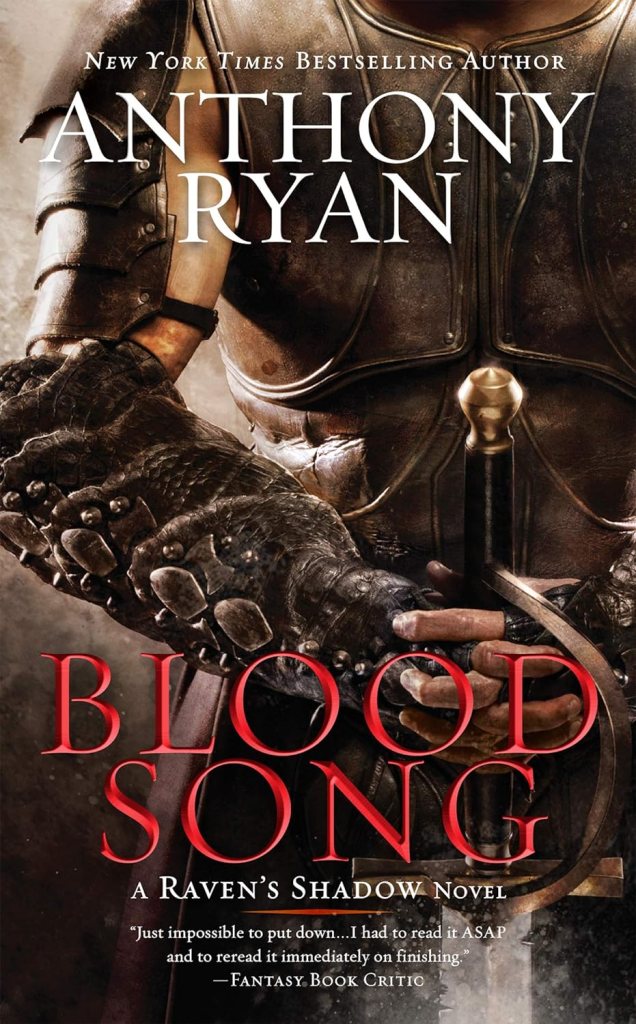
16. Blood Song by Anthony Ryan

Vaelin Al Sorna was only a child of ten when his father left him at the iron gate of the Sixth Order to be trained and hardened to the austere, celibate, and dangerous life of a warrior of the Faith.
 
Vaelin’s father was Battle Lord to King Janus, ruler of the Unified Realm—and Vaelin’s rage at being deprived of his birthright knows no bounds. Even his cherished memories of his mother are soon challenged by what he learns within the Order.
 
But Vaelin cannot escape a future that will alter not only the Realm but the world.

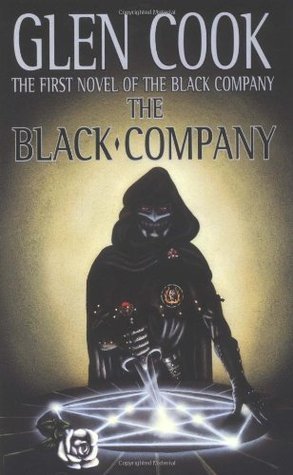
17. The Black Company by Glen Cook

Some feel the Lady, newly risen from centuries in thrall, stands between humankind and evil. Some feel she is evil itself. The hard-bitten men of the Black Company take their pay and do what they must, burying their doubts with their dead. 

Until the prophesy: The White Rose has been reborn, somewhere, to embody good once more. There must be a way for the Black Company to find her… 

18. Kings of the Wyld by Nicholas Eames

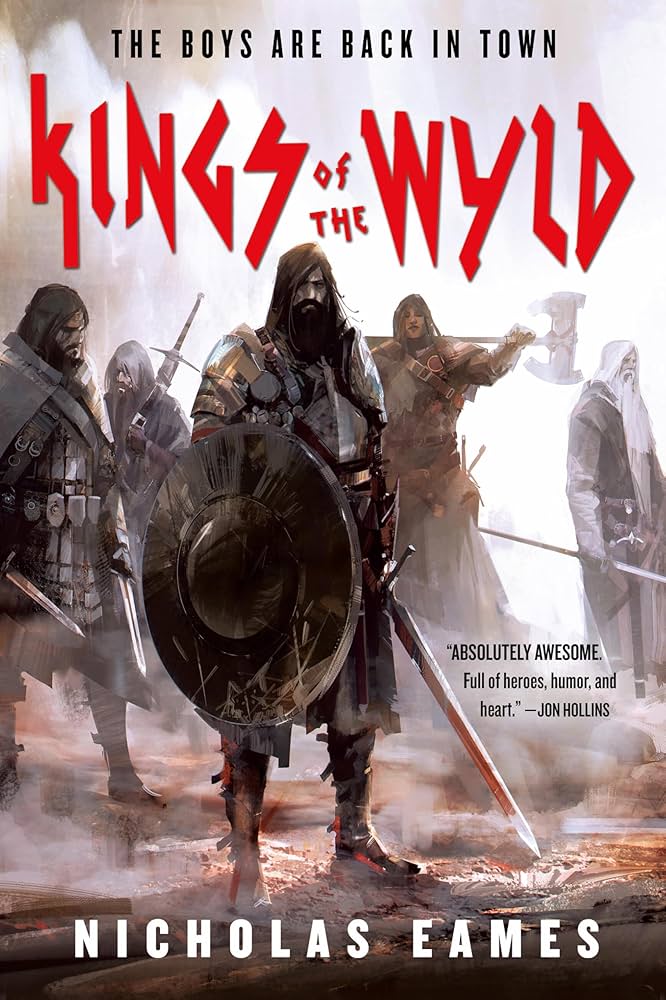
Kings of the Wyld cover: a group of rough looking armored men stand together holding shields and bloodied swords.

Clay Cooper and his band were once the best of the best, the most feared and renowned crew of mercenaries this side of the Heartwyld.

Their glory days long past, the mercs have grown apart and grown old, fat, drunk, or a combination of the three. Then an ex-bandmate turns up at Clay’s door with a plea for help – the kind of mission that only the very brave or the very stupid would sign up for.

It’s time to get the band back together.

19. The Rage of Dragons by Evan Winter

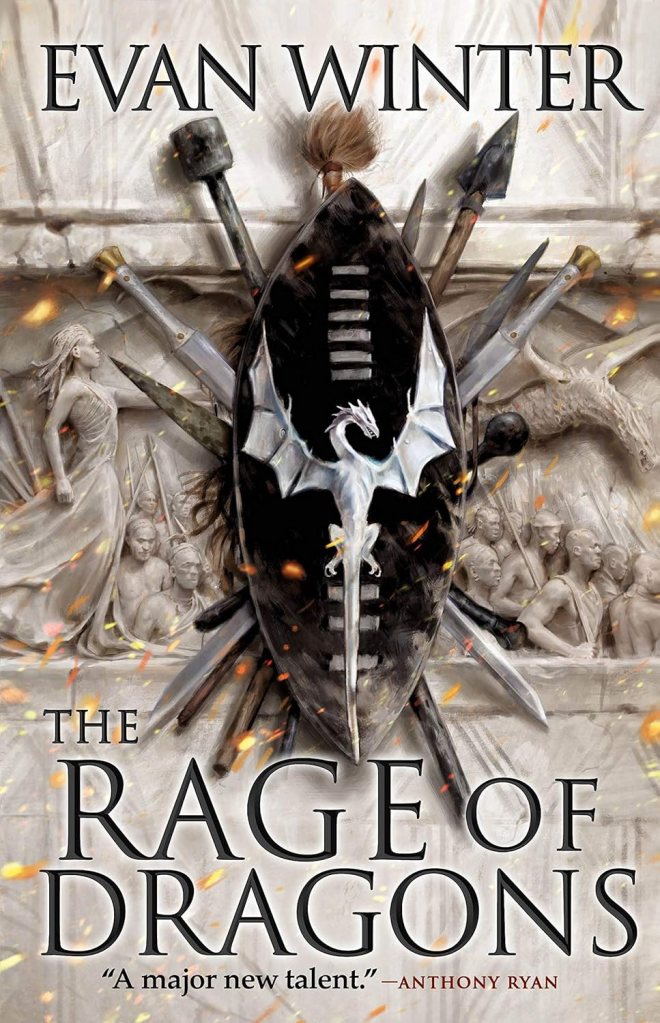
Among the Omehi, one in every two thousand women has the power to call down dragons. One in every hundred men is able to magically transform himself into a bigger, stronger, faster killing machine.

Everyone else is fodder, destined to fight and die in the 200 year war. Young, gift-less Tau plans to get himself injured, get out early, and settle down to marriage, children, and land.

But when those closest to him are murdered, his grief turns to vengeance. He’ll become the greatest swordsman to ever live for the chance to kill the three who betrayed him.

20. Furies of Calderon (Codex Alera #1) by Jim Butcher

For a thousand years, the people of Alera have united against the aggressive and threatening races that inhabit the world, using their unique bond with the furies—elementals of earth, air, fire, water, wood, and metal. But in the remote Calderon Valley, the boy Tavi struggles with his lack of furycrafting.

At fifteen, he has no wind fury to help him fly, no fire fury to light his lamps. Yet as the Alerans’ most savage enemy—the Marat horde—return to the Valley, Tavi’s courage and resourcefulness will be a power greater than any fury, one that could turn the tides of war…

21. Age of Assassins by R.J. Barker

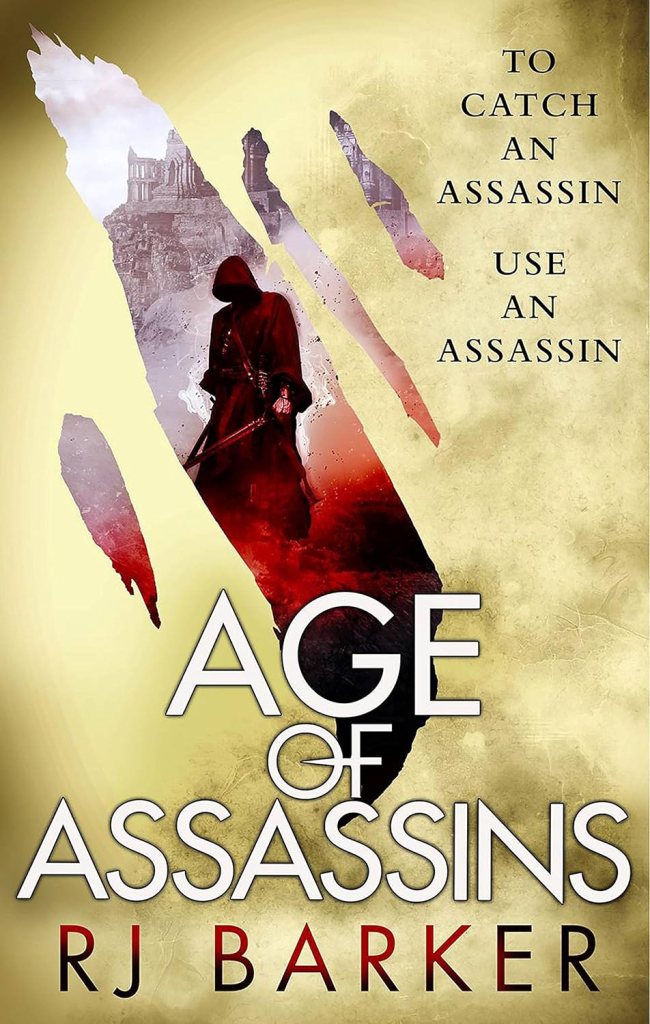
Girton Club-foot has no family, a crippled leg, and is apprenticed to the best assassin in the land. He’s learning the art of taking lives, but his latest mission tasks him with a far more difficult challenge: to save a life.

Someone is trying to kill the heir to the throne, and it is up to Girton to uncover the traitor and prevent the prince’s murder.

In a castle thick with lies, Girton finds friends he never expected, and a conspiracy that could destroy an entire kingdom.

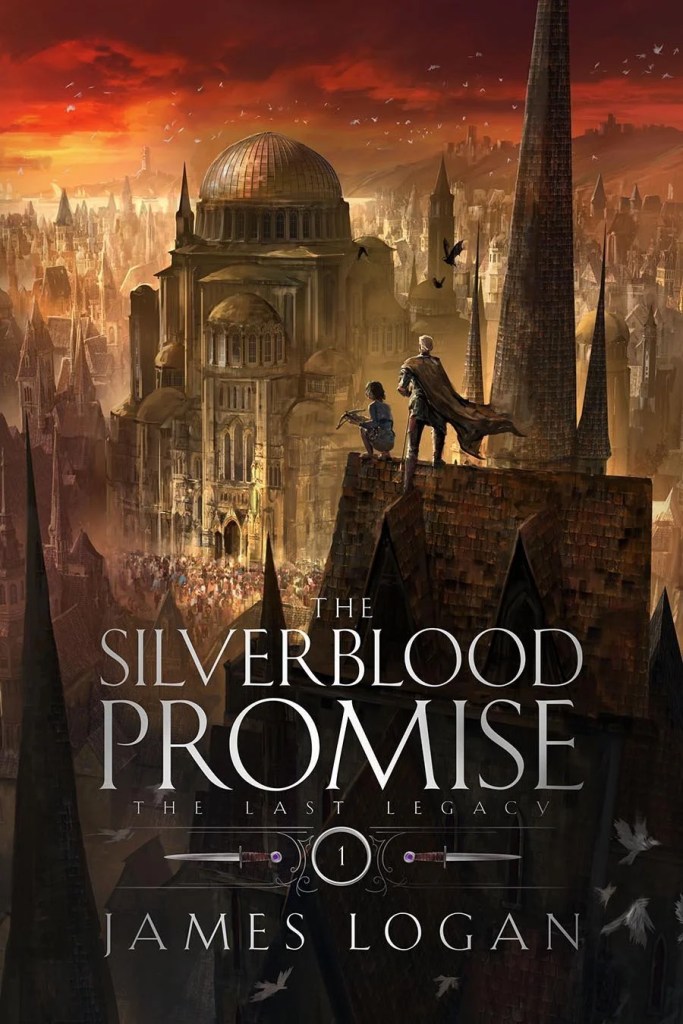
22. The Silverblood Promise (The Last Legacy #1) by James Logan

Lukan Gardova is a cardsharp, academy dropout, and—thanks to a duel that ended badly—the disgraced heir to an ancient noble house.

When Lukan discovers that his estranged father has been murdered, he finds fresh purpose. Deprived of his chance to make amends for his mistakes, he vows to unravel the mystery behind his father’s death.

His search for answers leads him to Saphrona, fabled city of merchant princes, where anything can be bought if one has the coin. But the price of truth is the deadliest of all.


Hi, I’m Caylah Coffeen, a freelance editor and marketer of sci-fi and fantasy books. I love reading and writing and am a follower of Jesus Christ.

I’ve worked for Monster Ivy Publishing and Eschler Editing, and am currently a weekly editor with Havok Publishing. Reach out to chat about books and publishing!

Thanks for stopping by my website! I hope you’ve found some helpful resources about reading, writing, and publishing. If you liked this article, here’s some more free content…

15 High/Epic Fantasy Books About Tropical Settings and Cultures

Due to the heavy influence of Greco-Roman, Egyptian, and Norse myths, European fairy tales, and the Bible, fantasy books have largely been set in European and Mediterranean analogues. These settings usually include temperate forests and mountains, deserts, and cold regions.

But what are some fantasy books set in the tropics?

Note: I’m using the scientific definition of the word “tropics.” According to the Köppen climate classification system, Earth is divided into five main climate groups based on patterns of seasonal precipitation and temperature. The weather, flora and fauna, and geography vary vastly within each zone. So a fantasy story set in the tropical zone may very well feature tropical islands or rain forests, but could also take place in savannahs, highlands, volcanic valleys, and more. I’m omitting deserts only because that’s already a well-established sub-genre.

I’ve most commonly encountered tropical settings in seafaring fantasy books that feature pirates and Caribbean-style islands (popular vacation spot for Western authors). There’s also a slew of cringe-worthy “savage jungle tribes,” who threaten traveling heroes in the tradition of pulp fiction or Indiana Jones, which I want to avoid.

But do any fantasy books feature intricate, original worldbuilding of tropical zone societies? Or ones where the author has clearly deeply researched an existing culture and written stories inspired by their land and mythos? Ones about a main character who’s grown up in the culture, rather than a “gawking outsider,” reader-insert POV?

I’ve scoured the internet to compile this list (favoring adult fantasy over YA) – I hope you find some great reads!

This article contains affiliate links – I may earn a small commission on qualifying purchases at no extra cost to you.
Islander-Inspired Fantasy

1. The Hands of the Emperor by Victoria Goddard

The main character in this book is from a culture inspired by the Pacific Islands, but there are many other intricately developed cultures in this world which the mc negotiates with! Read my 5 star review here!

Cliopher Mdang is the personal secretary of the Last god Emperor of Astandalas, the Lord of Rising Stars, the Lord Magus of Zunidh, the Sun-on-Earth
He has spent more time with the Emperor of Astandalas than any other person.
He has never once touched his lord. He has never called him by name. He has never initiated a conversation.

One day Cliopher invites the Sun-on-Earth home to the Wide Seas for a holiday.

The mere invitation could have seen Cliopher executed for blasphemy. The acceptance upends the world.

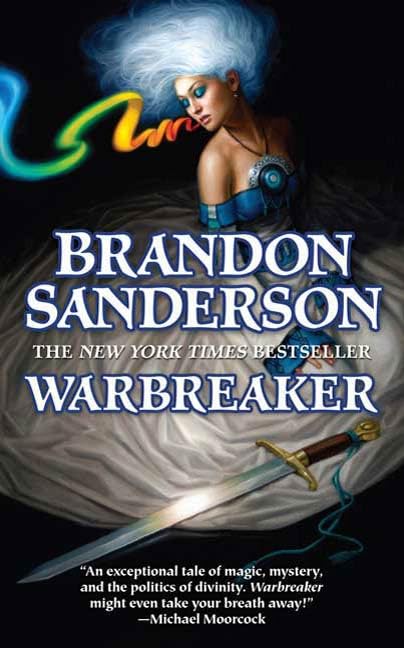
2. Warbreaker by Brandon Sanderson

This story contrasts two cultures: a small kingdom that’s a European analogue and a coastal city state inspired partly by Sanderson’s honeymoon in Hawaii. I believe he was also influenced by Indonesian culture. Read my 4 star review here.

Each person is born endowed with the power of one Breath―which can be sold and collected by others, then used to Awaken objects and even corpses to do their bidding. A few individuals who die in glory return as gods, with the power of thousands of Breath, but no memory of their mortal lives―and are enthroned in Hallandren’s Court of Gods.

To Vivenna and Siri, princesses of Idris, the abuse of Breath and deification of the Returned are repugnant blasphemy. But with one princess wed to the God King of their nation’s enemies in a bid for peace, the other finds she must rely on Breath-using mercenaries to try to rescue her sister from her monstrous husband.

3. The Bone Ships by R.J. Barker

This story is mostly set at sea. Characters travel an ocean full of islands which some readers have described as “Asian-inspired.”

For generations, the Hundred Isles have built their ships from the bones of ancient dragons to fight an endless war. The dragons disappeared, but the battles for supremacy persisted.

Now, the first dragon in centuries has been spotted in far-off waters, and both sides see a chance to shift the balance of power in their favor. Because whoever catches it will win not only glory but the war.

4. Nation by Terry Pratchett

This story takes place on an island set in a Pacific Ocean analogue. Pratchett subverts tropes commonly seen in tales about shipwreck survivors encountering natives with his characteristic satirical humor.

When a giant wave destroys his village, Mau is the only one left. Daphne—a traveler from the other side of the globe—is the sole survivor of a shipwreck. Separated by language and customs, the two are united by catastrophe.

Slowly, they are joined by other refugees. And as they struggle to protect the small band, Mau and Daphne defy ancestral spirits, challenge death himself, and uncover a long-hidden secret that literally turns the world upside down.

5. Where the Waters Turn Black by Benedict Patrick

This story also carries a flavor of the south Pacific Islands and caught my attention because of the mythic vibe.

The Crescent Atoll is a remote string of tropical islands, connected by long canoe journeys and a love of stories. Islanders live in constant contact with gods and monsters, following the rules handed down by their storytellers to survive in harmony with these primal forces.

But, when a young ocarina player called Kaimana discovers the lair of a taniwha – a legendary monster – she attracts the ruining gaze of the god of war. In a land of sea witches, pig-faced gods, and Magpie Kings, Kaimana must trust her growing friendship with her taniwha if they are both to survive.

African-inspired Fantasy

6. The Rage of Dragons by Evan Winter

Among the Omehi, one in every two thousand women has the power to call down dragons. One in every hundred men is able to magically transform himself into a bigger, stronger, faster killing machine.

Everyone else is fodder, destined to fight and die in the 200 year war. Young, gift-less Tau plans to get himself injured, get out early, and settle down to marriage, children, and land.

But when those closest to him are murdered, his grief turns to vengeance. He’ll become the greatest swordsman to ever live for the chance to kill the three who betrayed him.

7. Imaro by Charles Saunders

A rousing adventure… a tale of a young man’s continuing struggle to gain acceptance amongst his people, and to break the cycle of alienation and violence that plagues his life.

Imaro is a larger-than-life warrior, an outcast, who travels across Nyumbani, searching for a home. No Tarzan… no Conan… Imaro is a warrior inspired by pre-colonial African legends and myths. The first of its kind and a cult classic!

For more African-inspired fantasy, check out this list. Also take a look at the sub-genre coined “Sword and Soul.”

South Asian Inspired Fantasy

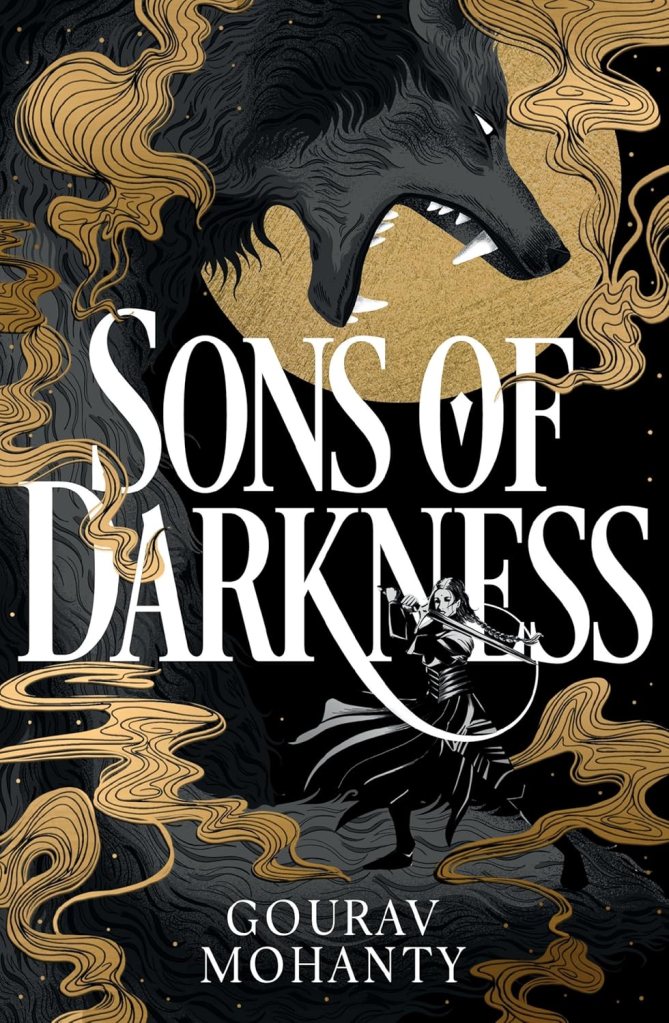
8. Sons of Darkness by Gourav Mohanty

A re-imagining of the Indian epic the Mahabharata.

Bled dry by violent confrontations with the Magadhan Empire, the Mathuran Republic simmers on the brink of oblivion. A cast of sinister queens, naive kings, pious assassins and ravenous priests are converging where the Son of Darkness is prophesied to rise… even as forgotten Gods prepare to play their hand.

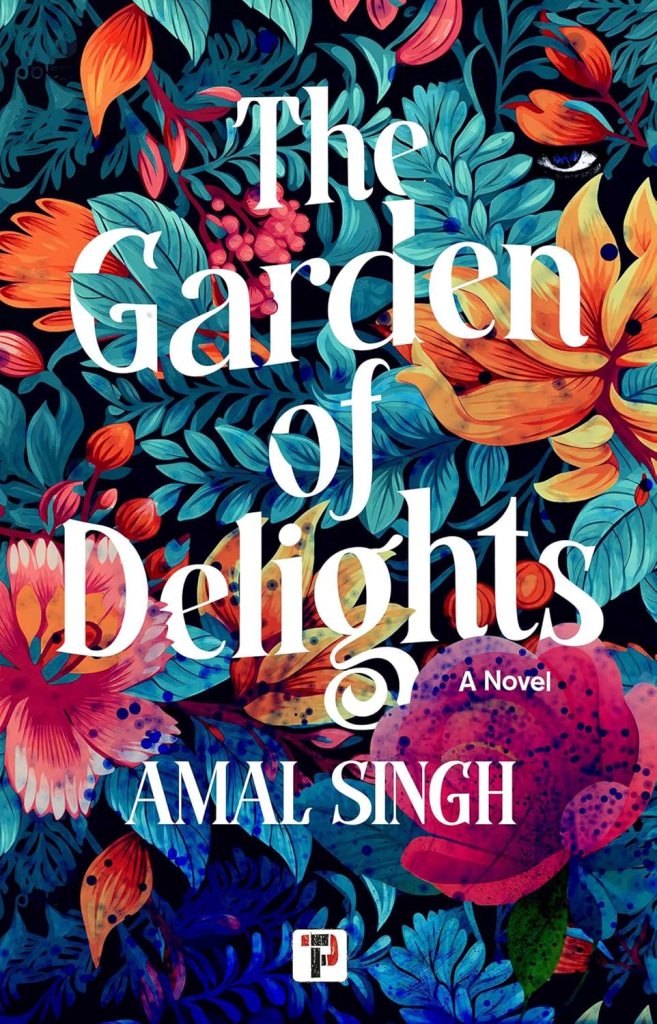
9. The Garden of Delights by Amal Singh

In the city of Sirvassa, where petals are currency and flowers are magic, the Caretaker tends to the Garden of Delights. He imparts temporary magical abilities to the citizens of Sirvassa, while battling a curse of eternal old age.

He thinks no Delight could lift his curse, until one grants a young girl the ability to change reality.

When a magical rot takes root in his Garden, the Caretaker must join forces with the girl and stop it from spreading, only to learn that Delights are always a precursor to Sorrows.

For more India-inspired fantasy, check out this list.

10. Revelation by Shienny M.S.

This is the only (high) fantasy book I was able to find that’s set in an Indonesia equivalent! However, the English version is out of print. I reached out to the author to see if there’s still any way to obtain a copy.

Vrey, a notorious thief, embarks on a journey to search for a legendary treasure, the Nymph Dress.

Meanwhile, Valadin, a knight, is on a secret quest to seek the power of the Aethers, the seven mythical beings worshiped by his race.

When Vrey steals an important amulet Valadin requires to complete his quest, their paths converge and their hidden past is brought to light. Once the closest of companions, they now have to face each other as enemies.

11. Vandarian Saga – Indonesian Open Fantasy World

I was also fascinated to discover that there is an open fantasy world popular in Indonesia which many authors have written about. There’s also a video game. But according to the script writer of a comic adaptation of the Vandarian Saga, fantasy is unpopular in Indonesia, and writers face stigma. I still hope to see English versions and originals by Indonesian authors though!

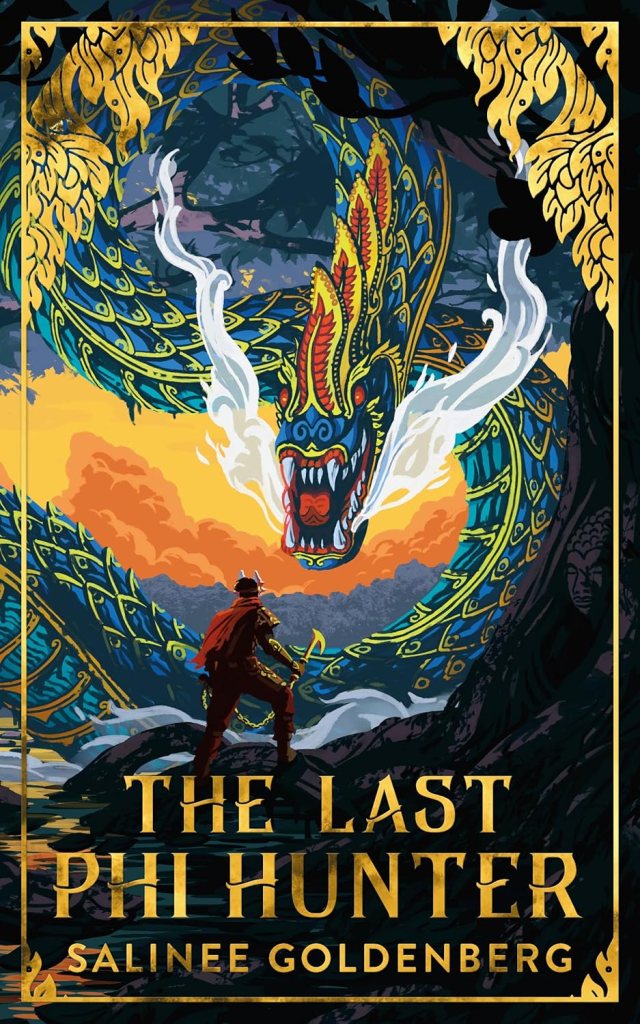
12. The Last Phi Hunter by Salinee Goldenberg

This one is Thai-inspired! I haven’t read it yet, but I’m excited to, as I visited Bangkok, Chiang Mai, and the mountains bordering Myanmar back in high school!

Phi Hunter, Ex, is on the hunt for the legendary Shar-Ala, the demon of nightmares and madness who has eluded his masters for decades.

On his quest, Ex meets the charming runaway Arinya,and the two strike a deal. For a hefty payday, Ex will escort her through the forest, protecting her unborn child from malignant spirits.

With men and monsters on their tail, and secrets that could unravel the whole kingdom, Arinya and Ex must get to the safety of the Capital of Suyoram before it’s too late.

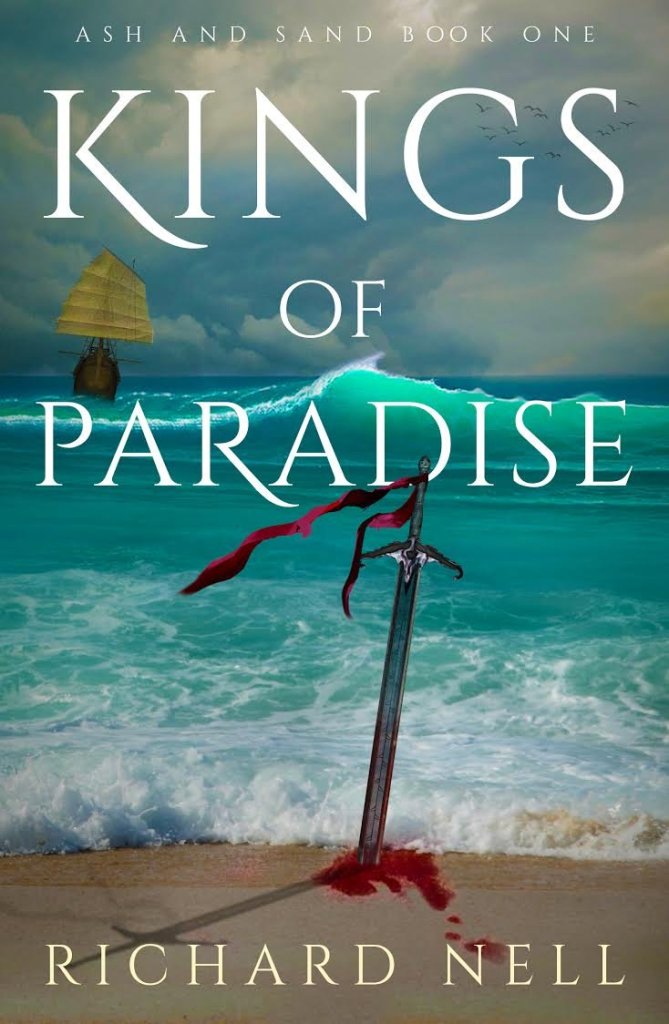
13. Kings of Paradise by Richard Nell

This one stood out to me because it features 2 settings less commonly seen in fantasy – a tropical island inspired by Sri Lanka, AND a frozen tundra. I imagine the contrast will be fascinating!

Ruka, called a demon at birth, is a genius. Born malformed into the snow-covered wasteland of the Ascom, he was spared from death by his mother’s love. Now he is an outcast, consumed with hate for those who’ve wronged him.

Across the sea on the island of Sri Kon, Kale is the youngest son of the Sorcerer King. At sixteen, Kale is a disappointment. As the first prince ever forced to serve with low-born marines, Kale must prove himself to secure his future and love.

But in a changing world where ash meets paradise, only one man can be king…

Americas-Inspired Fantasy

14. The Return of the Sorceress by Silvia Moreno-Garcia

This one is inspired by Mesoamerican settings and myths, by the author better known for Mexican Gothic.

In a fantastical land where jewels and blood provide symbiotic magical powers to their wearers, Yalxi, the deposed Supreme Mistress of the Guild of Sorcerers, is on a desperate mission. Her lover and confidant seized her throne and precious diamond heart and now she must find a weapon capable of destroying him.

But this will mean turning to unlikely allies and recalling suppressed memories. For Yalxi is no great hero—she forged her path in blood and must reckon with the consequences.

15. Cradle of Sea and Soil by Bernie Anés Paz

This story is set in an archipelago inspired by Puerto Rico. The islands are connected by root-roads extending from massive “tree-lords” – cool, right! It made me think of the root bridges of Meghalaya, India. Its blurb doesn’t do the setting justice.

The Primordial Wound has festered with corruption since the birth of the world. The island tribes have warred against its spawn for just as long—and they are losing.

Former warrior Colibrí lives in exile, burdened by the same spiritual affliction that drove her ancestors insane. Her son Narune dreams of becoming a mystic to earn glory and prove their worth.

When Colibrí discovers a hidden source of corruption, she must live up to her old oaths.

Tropical Settings in Other Fantasy Sub-Genres

If you love tropical settings and are interested in other fantasy sub-genres, you’ll have a good chance of finding:

  • Urban fantasy or supernatural stories set in South Asia (Jade City)
  • Historical fantasy or magic realism set in Africa (Changa’s Safari)
  • Magic realism or contemporary fantasy set in Central and South America (Gods of Jade and Shadow)

Hi, I’m Caylah Coffeen, a freelance editor and marketer of sci-fi and fantasy books. I love reading and writing and am a follower of Jesus Christ.

I’ve worked for Monster Ivy Publishing and Eschler Editing, and am currently a weekly editor with Havok Publishing. Reach out to chat about books and publishing!

Thanks for stopping by my website! I hope you’ve found some helpful resources on reading, writing, and publishing. If you liked this article, here’s some more free content…

“Toxic Femininity” – Where “Strong Female Characters” Went Wrong

By Caylah Coffeen

I recently picked up an epic fantasy book I had greatly anticipated reading – it promised unusual worldbuilding, an intricate plot, and a unique authorial voice. I didn’t make it through the first chapter.

In the opening, the main female character gets drunk, breaks into someone’s home to commit adultery, assaults the homeowner when he tries to stop her, and gets thrown in jail. When she wakes up, she bangs on the bars and yells at the guards to let her out, as though she’d done nothing wrong. A stranger, who greatly outranks her, bails her out and gets her acquitted because he wants to hire her. She struts out like she owns the place, doesn’t offer this man a single thank you, and instead mouths off at him, becoming offended that he expects her to work off her debt to him!

That’s when I stopped reading. I was astounded we were supposed to find this character likeable. Or even admire her defiant attitude and the gargantuan chip on her shoulder.

Unfortunately, this is the exact type of character readers can expect to see over and over again, advertised as a “strong female lead.”

I would use another word: cocksure. I’m sorry if you find that crass, but that’s the point – that’s exactly what these characters are.

The Double Standard

How is it that the word I’ve found to best describe these “strong female characters” has largely been used in the past to describe men being jerks? It’s pretty much the old word for “toxic masculinity!” If a male character acted the way these female characters do, that’s exactly what they’d be called! No, if they acted half so horribly, they would never have made it past a publisher’s slush pile. Instead, we would have seen acquisitions editors tweeting about how triggered they felt.

I’m glad that publishing has enacted a higher standard for male characters! So many male “heroes” in books do treat everyone around them terribly, break their word, kill and torture without remorse, look out only for themselves, emotionally abuse their friends, abandon their families, and drink, swear, and fight with impunity. It continues to horrify me that stories like Prince of Thorns were ever published, and I’m relieved that publishers would reject such books today.

But I don’t want to read about hubristic, “antihero” women any more than I want to read about sociopathic, egotistical men. So why is this behavior seen as not just acceptable, but “cool” when enacted by women?

It shouldn’t be, for two reasons. But before I get into why, let’s define our terms.

“Toxic” or “Sinful?”

I’m a Christian, and I’m fine with using the phrase “toxic masculinity” because men are sinners, and like all sinners, glorify their sin as right. The world’s version of a “strong man” is extremely different from God’s version, and yes, it’s often toxic. Greed, rape (jokes), idolatry, and violence are all sins that God condemns. In the Bible, the “men after his own heart,” are faithful, humble, selfless, obedient to his law, self-controlled, and gracious. This is “righteous masculinity,” nothing like the “locker room boasters” which our culture has seen as cool (in the past). And praise God for the men who seek to be made anew in such a way!

When women call out “toxic masculinity,” I feel a lot of compassion for people who are often coming from non-Christian households. They’ve never met a godly man in their life, and they don’t have the words to explain why their relationships feel so wrong. So they use terms given to them by mental health professionals.

However, I know that many modern* feminists also use the phrase “toxic masculinity” to assert that the idea of gender differences and the existence of masculinity are in themselves toxic. I reject that claim and do not use the phrase in such a way.

*Early feminists were wonderfully brave women who championed equal rights under the law and were almost all Christians, so please be careful if you’re tempted to make blanket denigrating statements about feminists. I encourage you to read about the different “waves” of feminism to understand how/when things went wrong.

Our culture also praises the sins of women, glorifying selfish, petty, greedy, cruel speech and actions as “subversive, bold, driven, audacious, or strong.” We could refer to this as “toxic femininity,” and indeed if we are going to call out sinful masculinity, then we should be willing to do the same for sinful versions of femininity.

Though perhaps it’d be much better if we dropped this phrase entirely, in favor of biblical language. The Bible uses different words than “toxic”:

Righteous or wicked
Godly or ungodly
Integrity or crookedness
Alive in Christ or dead in sin
The wise or the fools

What does Proverbs tell us about what it looks like to live a righteous life?

The righteous hate what is false, but the wicked make themselves a stench and bring shame on themselves.
The heart of the righteous weighs its answers, but the mouth of the wicked gushes evil.
The righteous detest the dishonest; the wicked detest the upright.

Proverbs 13:5, 15:28, 29:27

I yearn to read about main characters who are considered heroes because they are righteous, not because they are wicked!

How dare publishers act as though they’ve made a stand for morality, only to turn around and espouse those same evils when committed by people like themselves! And these new heroes aren’t even well written.

Most “Strong Female Characters” Are Badly Written

It wasn’t just a shift in culture that led to a decline in the “toxically masculine” character. Publishers just started pointing out that such characters are often badly written and make for flat stories. Which is true.

Contemporary female leads, like many stereotypical male leads in older books (prophesied farm boy), are often 2-dimensional, cut-and-pasted copies of each other. Handing a girl a sword doesn’t give her a personality, though apparently it gives the author an excuse not to develop one. The most noticeable things about them, aside from their superior talent and skills, are their entitlement, aggression, arrogance, and air of martyrdom. When the story starts, they are the universe’s gift to humanity, and when the story ends, they are the universe’s greater gift to humanity.

Readers see very little character development, with the exception of “healing” from whatever injustice the world has perpetrated against the main character. There are no personal flaws they need to face and overcome. Everything is someone else’s fault. This makes for extremely boring storytelling. It breaks the cardinal rule of character development.

Everyone who’s taken an intro to creative writing course knows the joke about “the frat boy who signed up to get an easy humanities credit”: The guy writes a story about a perfectly handsome, intelligent, desirable young man who breezes through all his problems and gets the girl who wrongly rejected him before. The professor has to explain that a good (and realistic) story needs flawed protagonists (not the same as morally grey) and problems that they can’t immediately overcome. This creates tension in the plot and spurs development in the character. Usually, the new writer resists, because their character is actually a self-insert and they feel personally attacked at the implication that they have flaws.

These points are no less true for female writers and female characters. In fact, these days male writers are much more likely to accept feedback when you tell them their character needs work – I know, I’ve worked with quite a few developing male writers. But female writers are likely to get up in arms if anyone criticizes how unrealistic or entitled their female characters are. Because these authors are often living out their dreams of being able to get away with literal crime, say whatever they want to the men in their life, and be respected and taken seriously for it.

And, predictably, the characters and plot of these stories suffer for it. Yet publishers will ignore these obvious problems when they’re seen in female characters, because they too are fantasizing about walking around like god and being worshiped for it – as all sinful humans do.

Which brings me to the second reason why we should reject “toxic femininity” – the glorification of unrighteous women – in books.

Bad Ideology, Bad Examples

The version of femininity which is portrayed in so many of these stories is not something I want to embody. I don’t find these women strong. They are not good role models. Most of them are angry, bitter, self-absorbed individuals who hate authority, are isolated from healthy community and family, and listen to no one but themselves. They are unrighteous and thoroughly broken.

These characters embody everything that women have called out as wrong in male behavior. At least modern feminists have gotten more honest. Their actual message is, “men shouldn’t play god, but women are god.” I suppose these books sell because fallen people do relate to this desire. I don’t know why anyone is shocked – this is the oldest sin there is.

“You will be like God, knowing good and evil.”

Yours truthlessly,
Satan

That’s the message publishers are selling to girls: “you can be like god.” Girls down these books like cheap shots, craving temporary gratification in place of the answer that will truly quench their thirst. Such stories can never satisfy, because they run in direct opposition to the Great Story, which tells of a plain, humble, kind man doing what is right and vanquishing evil at great cost to himself, for the sake of others.

This doesn’t mean I only want to read stories about knights saving damsels in distress from dragons, though the trope is justifiably iconic (pun intended)! This is one major reason why I personally prefer reading about male mc’s.

But I do want Queens who save their kingdom from evil. Yes, give me heroines running around in capes and busting out martial arts moves. I need to read stories about female strategists, inventors, explorers, and more. AND I want to read stories about mothers, sisters, shy girls, bookworms, wives, and any other profession out there.

SO LONG as all these women first and foremost embody integrity, kindness, faithfulness, humility, goodness, and other signs of godly character. So long as her flaws and mistakes are actually portrayed as problematic and she actively wrestles to overcome them!

We have beautiful examples to guide us!

Noah’s wife cared for her family through the ending of the world, Abigail defied her wicked husband, Ruth braved the wilderness and poverty for love, Esther faced the emperor of the known world head on, Mary encountered an eldritch creature with who knows how many eyeballs and sang for joy. Jael and the woman of Thebez smashed open the heads of villains with household implements!

The woman of Thebez wields her deadly millstone

These are strong women, brave women, faithful women – women after God’s own heart.

Don’t believe the world’s picture of femininity. It is toxic. It is the way that leads to death. I urge you not to write self-absorbed, 2D, arrogant female OR male characters, but to look at the truth of God’s word and write stories that would please him and better teach us how to hear his story.

P.S. If anyone wants to make a biblical argument in favor of the descriptor “toxic,” I’m all ears (Matt 16:6). After all, a little Axe body spray goes a long way. 😉


Hi, I’m Caylah Coffeen, a freelance editor and marketer of sci-fi and fantasy books. I love reading and writing and am a follower of Jesus Christ.

I’ve worked for Monster Ivy Publishing and Eschler Editing, and am currently a weekly editor with Havok Publishing. Reach out to chat about books and publishing!

Thanks for stopping by my website! I hope you’ve found some helpful resources about reading, writing, and publishing. If you liked this article, here’s some more free content…

100+ Genre-Defining Fantasy Books and Authors of the Past Century

By Caylah Coffeen

What are the most influential fantasy books of all time? How has the fantasy genre changed over the years?

The fantastical has captured the imagination of humanity since the beginning of time, from the epic myths of Homer and Ovid and the knightly adventures in the Arthuriana, to Shakespeare’s enduring plays and numerous folk and fairy tale traditions!

Here, I’ll break down (part of) the history of fantasy by looking at the best fantasy books and authors of the past century! I included books based on how large of an impact they’ve made on our culture, the genre itself, or how prolifically the author wrote. Ratings and reviews, lists on Goodreads, book blogs, and Wikipedia, and feedback from readers in FB groups, on r/fantasy, and at conventions helped me curate this list.

  1. Mid-Late 19th and Early 20th Centuries: Brothers Grimm, Lewis Carroll, George McDonald, Edgar Rice Burroughs, and more
  2. 1920’s: Lord Dunsany, H.P. Lovecraft, and more
  3. 1930’s: The Hobbit, The Sword in the Stone, and more
  4. 1940’s: Titus Groan, The Little Prince, and more
  5. 1950’s: The Lord of the Rings and The Chronicles of Narnia
  6. 1960’s: Roald Dahl and Ursula LeGuin
  7. 1970’s: Dragonriders of Pern, The Princess Bride, and more
  8. 1980’s: Raymond E. Feist, Robin McKinley, and Terry Pratchett
  9. 1990’s: A Game of Thrones, Robin Hobb, and the first Harry Potter!
  10. 2000’s: Jim Butcher, Brandon Sanderson, Patrick Rothfuss, and more
  11. 2010’s: Riyria, Sarah J. Mass, N.K. Jemison, and more
  12. 2020’s: The House in the Cerulean Sea, Fourth Wing, and Piranesi

This compilation includes 108 books (counting only the 1st in each series), 48 of which I’ve read or tried, but I couldn’t note everything! Let me know if I missed any major works, especially from earlier decades.

Disclaimer: Please note that some of the books on this list were written by authors who have engaged in controversial or (alleged) criminal behavior. This list would be incomplete without their works, but it’s up to your discretion whether or not you choose to purchase them.

I’ve attached book links to each cover image, including public domain options where possible. Some are affiliate links – I may earn from qualifying purchases at no extra cost to you.
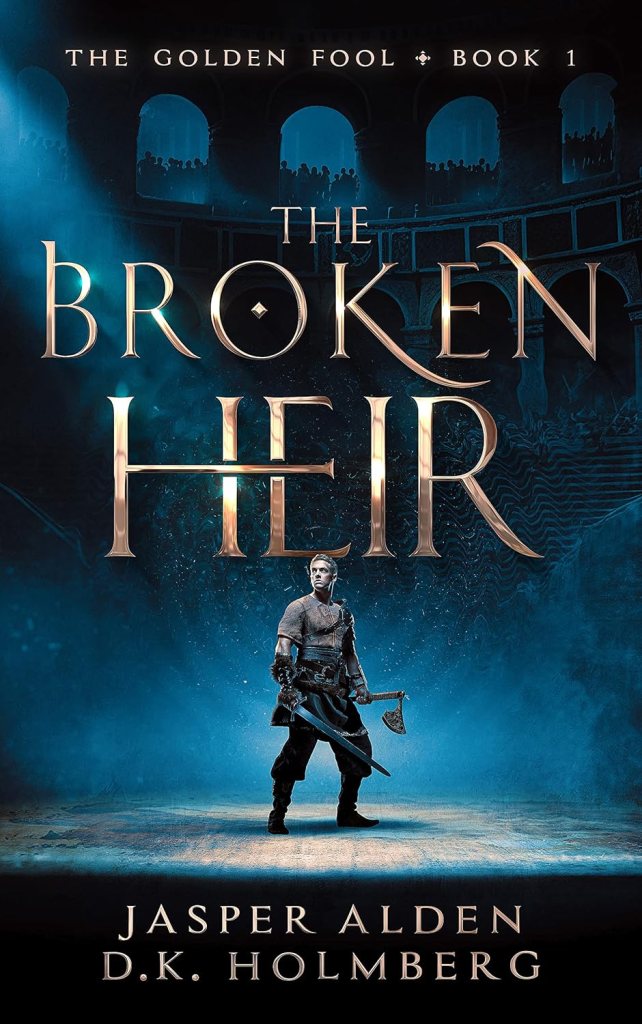
Fantasy of the Mid-Late 19th and Early 20th Centuries

I promised you a century of fantasy, but I had to go back a bit, because I forgot how early some classics like Alice in Wonderland and Edgar Rice Burroughs’ pulp fiction were published! So I also snuck in some of the most famous fantasy works of the 19th and early 20th centuries to help us all keep things straight!

This period of fantasy drew influence from Arthurian knights, fairy tales, romanticism, and gothic literature. It saw the first written compilations of fairy tales and some of the most iconic portal fantasy stories.

19th Century

The Complete Brothers Grimm Fairy Tales by Jacob Grimm
The Complete Fairy Tales by Hans Christian Anderson
A Christmas Carol by Charles Dickens
The Nutcracker by Alexandre Dumas
Alice’s Adventures in Wonderland by Lewis Carroll
The Princess and the Goblin by George McDonald
The Well at the World’s End by William Morris (strong Tolkien influence)
Dracula by Bram Stoker
Gothic writers like Edgar Allan Poe and Oscar Wilde (A Picture of Dorian Gray)

1900’s-1910’s

The Wizard of Oz by L. Frank Baum
A Princess of Mars and Tarzan of the Apes by Edgar Rice Burroughs
Peter Pan by J.M. Barrie
Five Children and It by Edith Nesbit (the first female author on this list, she wrote prolifically!)

Fantasy of the 1920’s

The 1920’s gave rise to a handful of fantasy works which are mostly remembered for inspiring future writers and genres. Lovecraft sparked his own genre of cosmic horror, and Tolkien cited both Lord Dunsany and Eddison as influences.

The King of Elfland’s Daughter by Lord Dunsany (strong Tolkien influence)

The Story of Dr. Doolittle by Hugh Lofting

The Call of Cthulhu by H.P. Lovecraft

The Worm Ouroboros (The Zimiamvian Trilogy) by E.R. Eddison (strong Tolkien influence)

Fantasy of the 1930’s

Tolkien released The Hobbit! Additionally, The Sword in the Stone became a modern Arthurian classic, and Conan made his mark!

Mary Poppins by P.L. Travers

The Hobbit by J.R.R. Tolkien

The Sword in the Stone (The Once and Future King) by T.H. White

Conan the Barbarian by Robert E. Howard

Fantasy of the 1940’s

Edgar Rice Burroughs’ work continued in popularity, C.S. Lewis began publishing, and E.B. White wrote some beloved children’s classics. But otherwise, few fantasy works from the 40’s remain well known today.

The Screwtape Letters by C.S. Lewis

Titus Groan (Gormenghast) by Mervyn Peake

The Little Prince by Antoine de Saint-Exupéry

Stuart Little by E.B. White

Fantasy of the 1950’s

And everything changes! With the release of The Lord of the Rings and The Chronicles of Narnia, a whole new phase of fantasy was born. You may recognize the names Poul Anderson and Jack Vance, who also created epics, though they’re less widely remembered than Tolkien’s and Lewis’ works.

The Lion the Witch and the Wardrobe (The Chronicles of Narnia) by C.S. Lewis – 1950

The Fellowship of the Ring (The Lord of the Rings) by J.R.R. Tolkien – 1954

First Edition

More

The Broken Sword by Poul Anderson (Norse mythology)

The Dying Earth by Jack Vance

The Borrowers by Mary Norton (kid’s series)

Fantasy of the 1960’s

Interestingly, most of the best known fantasy works of the 60s are children’s books! Granted, fantasy in general used to be considered children’s reading, but unlike earlier works such as Titus Groan, The Lord of the Rings, and The Dying Earth, which would be categorized as adult fantasy today, all of the following books would still be considered middle grade or YA.

Science Fantasy

The Phantom Tollbooth by Norton Juster

A Wrinkle in Time by Madeleine L’Engle

Charlie and the Chocolate Factory by Roald Dahl

Epic

The Book of Three (The Chronicles of Pyrdain) by Lloyd Alexander

Over Sea, Under Stone (The Dark is Rising) by Susan Cooper

The Last Unicorn by Peter S. Beagle

A Wizard of Earthsea by Ursula LeGuin

Fantasy of the 1970’s

Organizing this category was illuminating to me, because it includes 3 of my top 10 favorite books, dear to me for their lyrical beauty and wit. The rest were already on my TBR list. I’m inclined to increase them in priority, knowing they may be of a similar style! I hope this compilation helps you draw some conclusions about your own favorite periods of fantasy!

Epic and Science Fantasy

Dragonflight (Dragonriders of Pern) by Anne McCaffrey

Nine Princes in Amber (The Chronicles of Amber) by Roger Zelazny

The Sword of Shannara (Shannara Chronicles) by Terry Brooks

Swords and Deviltry (Fafhrd and the Gray Mouser) by Fritz Leiber

Elric of Melnibone (The Elric Saga) by Michael Moorcock

Kids

Watership Down by Richard Adams

The Neverending Story by Michael Ende

The Princess Bride by William Goldman

The Forgotten Beasts of Eld by Patricia A. McKillip

Fantasy of the 1980’s

The 1980’s produced a golden age of high/epic, sword and sorcery, adventure, or heroic fantasy! Dungeons and Dragons and tabletop gaming grew in popularity and the stories influenced one another.

Military themes and save-the-world stakes were popular, and classic heroes such as King Arthur and Conan the Barbarian found new life in retellings. Plus, Terry Pratchett and Stephen King started their own unforgettable things.

High/Epic Fantasy

Pawn of Prophecy (The Belgariad) by David Eddings

The Shadow of the Torturer (The Book of the New Sun) by Gene Wolf

Conan the Barbarian by L. Sprague de Camp (novelization of the film)

Magician: Apprentice (The Riftwar Saga) by Raymond E. Feist

The Mists of Avalon by Marion Zimmer Bradley
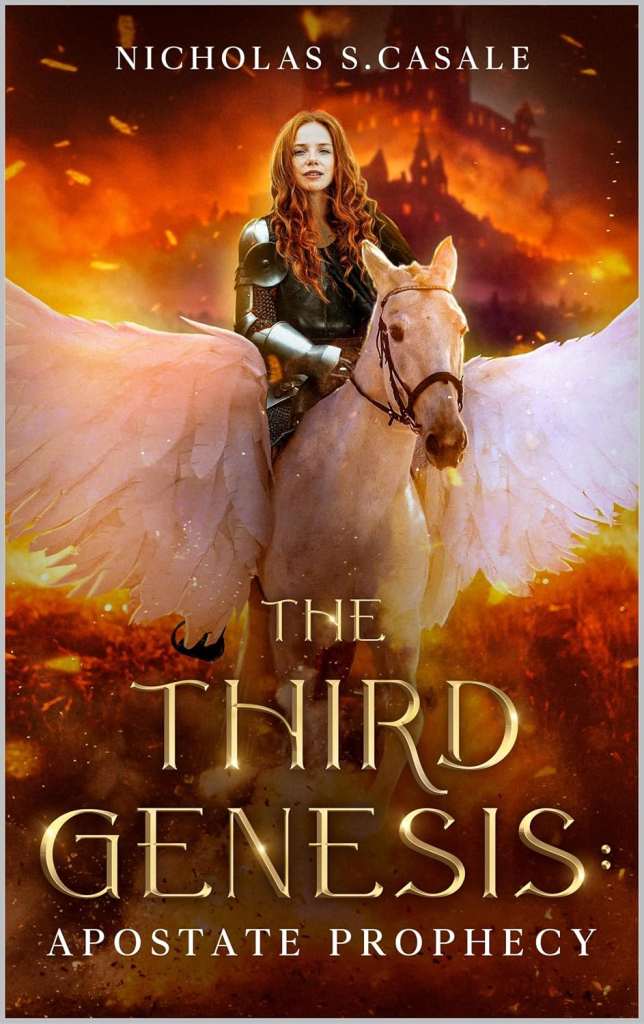
The Black Company by Glenn Cook

The Dragonbone Chair (Memory, Sorrow, and Thorn) by Tad Williams
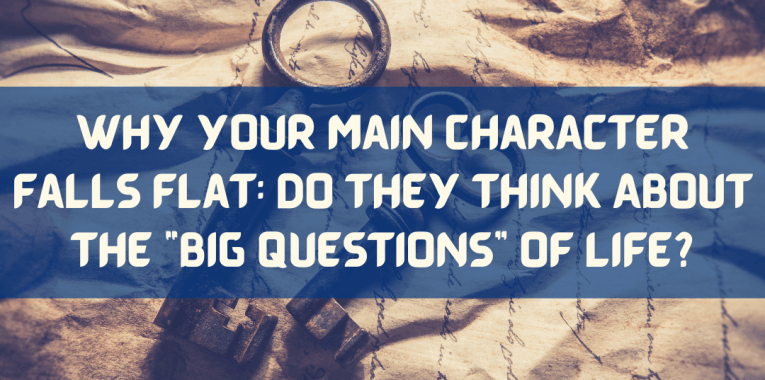
Arrows of the Queen (Heralds of Valdemar) by Mercedes Lackey

Kids

The Blue Sword by Robin McKinley (this one’s more YA)

Alanna: The First Adventure (Song of the Lioness) by Tamora Pierce

Howl’s Moving Castle by Dianna Wynne Jones

Redwall by Brian Jacques

Satire, Comedy, Science Fantasy?

The Color of Magic (Discworld) by Terry Pratchett

Horror Fantasy

The Gunslinger (The Dark Tower) by Stephen King

Fantasy of the 1990’s

The 1990’s produced more fantasy “classics,” and sparked the trend of massive, multi-POV series that span worlds rich in history and take dozens of books to complete!

We also saw the beginnings of the historical fantasy sub-genre with works by Guy Gavriel Kay. And of course, the first Harry Potter book snuck in 3 years before the turn of the century!

Massive Multi-POV Epics

I feel like we need an abbreviation + warning label for these. MMPOVUS (massive multi-POV unfinished series) or MMPOVCS (complete series). ;D

The Eye of the World (Wheel of Time) by Robert Jordan

A Game of Thrones (A Song of Ice and Fire) by George R.R. Martin

Gardens of the Moon (Malazan Book of the Fallen) by Steven Erikson

High Fantasy

Tigana by Guy Gavriel Kay

Assassin’s Apprentice by Robin Hobb

Wizard’s First Rule (Sword of Truth) by Terry Goodkind

Kids

The Thief (The Queen’s Thief) by Megan Whalen Turner (YA before it was a thing?)

Harry Potter and the Sorcerer’s Stone by J.K. Rowling

The Golden Compass (His Dark Materials) by Philip Pullman

Ella Enchanted by Gail Carson Levine

Fantasy of the 2000’s

2000s fantasy was defined by grimdark, and saw the rise of urban, steampunk, and paranormal (romance) or supernatural fantasy. Weird fantasy too, though I’m not going to try defining that. The grey, morally-conflicted hero with a dark past became the norm, with gritty, sometimes even dystopian settings.

Young adult fiction became defined as a new audience and subgenre! Dresden spurred a slew of detective fantasies. And Harry Potter became a global phenomenon which inspired many magic school stories. Kids got into mythology again thanks to Rick Riordan!

Urban Fantasy & Steampunk

Storm Front (The Dresden Files) by Jim Butcher

American Gods by Neil Gaiman

Perdido Street Station by China Mieville

Grimdark

The Blade Itself (The First Law Trilogy) by Joe Abercrombie

The Way of Shadows (Night Angel Trilogy) by Brent Weeks

The Lies of Locke Lamora (The Gentlemen Bastards) by Scott Lynch

Epic

Mistborn: The Final Empire by Brandon Sanderson

The Name of the Wind (The Kingkiller Chronicles) by Patrick Rothfuss

The Curse of Chalion by Lois McMaster Bujold

Young Adult

Eragon (The Inheritance Cycle) by Christopher Paolini

City of Bones (The Mortal Instruments) by Cassandra Clare

Twilight by Stephanie Meyer

Kids

Artemis Fowl by Eoin Colfer

The Lightning Thief (Percy Jackson) by Rick Riordan

Inkheart by Cornelia Funke

The Tale of Despereaux by Kate DiCamillo

Fantasy of the 2010’s

Multiple points of view, hard magic systems, and dry humor featured in many 2010s books. Grimdark persisted, but eventually incorporated a self-deprecating awareness of genre conventions. YA dominated markets, with fewer middle grade hits except for those in Rick Riodan’s expanding body of work.

The second half of the decade saw a delightful increase in diversity among characters, settings, and authors. No longer just medieval Europe! (This category deserves a whole list of its own, so check out the hyperlinks for more recommendations.)

The influence of video games and anime spawned the LitRPG and progression fantasy niches. Christian fantasy grew as a sub-genre. Self-publishing and serial web novelizations absolutely exploded in popularity, adding many niche favorites to the market.

Epic

Prince of Thorns by Mark Lawrence (as grimdark as it gets alert)

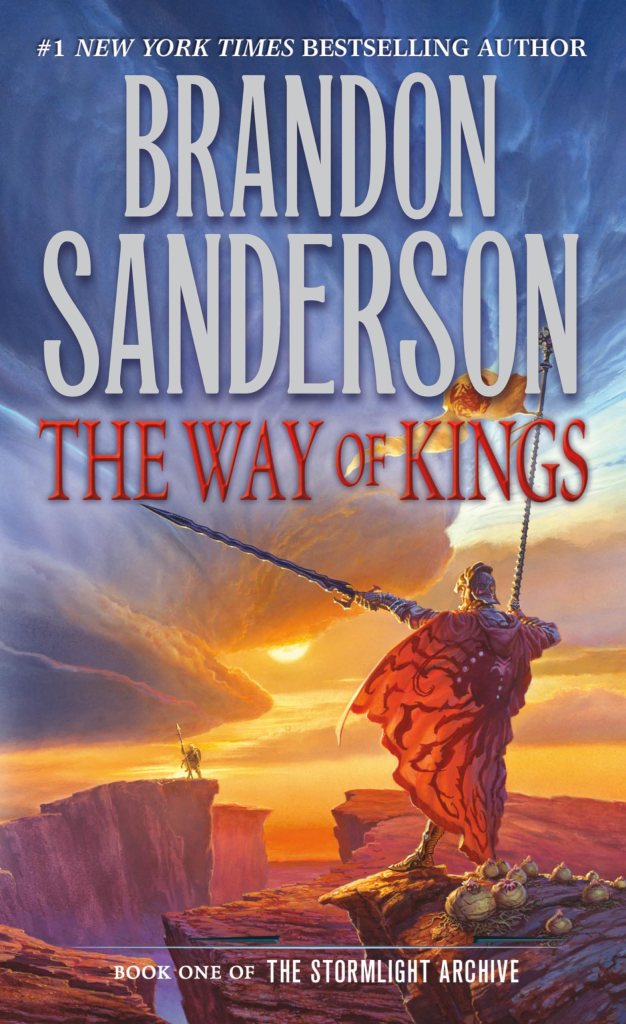
The Way of Kings (The Stormlight Archive) by Brandon Sanderson

Theft of Swords (Riyria Revelations) by Michael J. Sullivan (originally self-published)

Malice (The Faithful and the Fallen) by John Gwynne

Young Adult

Six of Crows by Leigh Bardugo

A Court of Thrones and Roses by Sarah J. Mass

Uprooted by Naomi Novik

The Night Circus by Erik Morgenstern

Diverse Authors, Settings, OR Characters

The Fifth Season by N.K. Jemisin

The City of Brass (The Daevabad Trilogy) by S.A. Chakraborty

The Poppy War by R.F. Kuang (horrifically graphic violence)

Akata Witch by Nnedi Okorafor

Fantasy of the 2020’s

It’s too soon to know what will become fantasy mainstays in the future, but here are some of the books I’ve heard recommended most often in fantasy circles within the past five years. It gives a glimpse into the kind of flavors we can expect for the rest of the decade.

Brandon Sanderson continues to be, arguably, the most popular contemporary fantasy author, but there are other rising stars! Cozy and low-stakes fantasy is growing as a sub-genre, and romantasy has absolutely exploded in popularity. The uptick of diversity continues!

High Fantasy

The Will of the Many by James Islington

The Sword of Kaigen by M.L. Wang

The Rage of Dragons by Evan Winter

Young Adult & Romantasy

Fourth Wing (The Empyrean) by Rebecca Yarros

The House in the Cerulean Sea by TJ Klune

Nettle and Bone by T. Kingfisher

Magic Realism

Piranesi by Susanna Clark

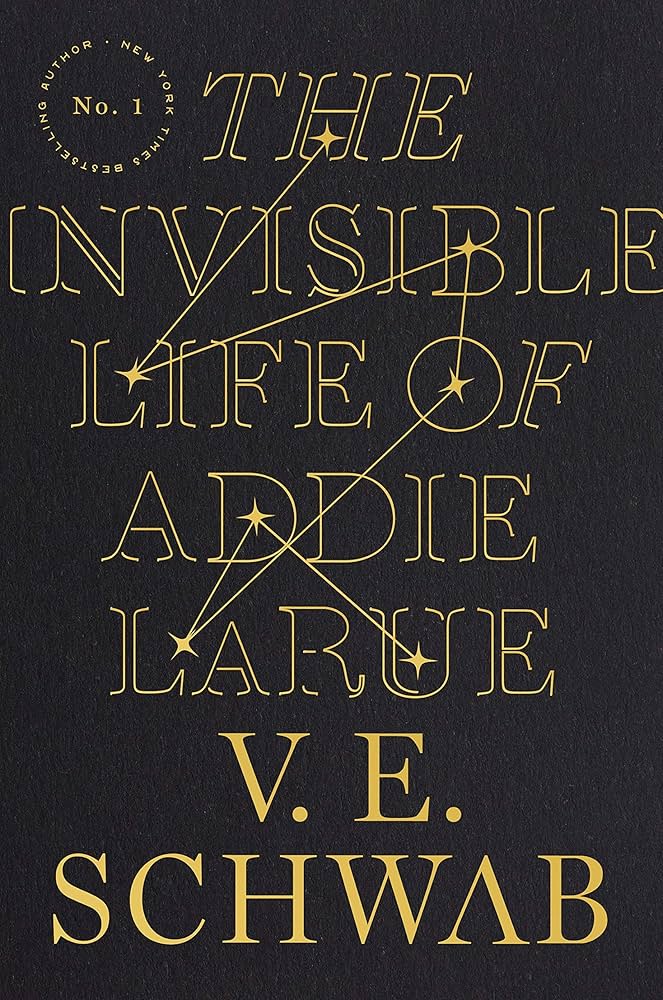
The Invisible Life of Addie LaRue by Victoria E. Schwab

Cozy Fantasy

Legends & Lattes by Travis Baldree

What are your favorite fantasy books?

How much fantasy have you read? Which is your favorite era?

Lists like this can overwhelm me, because I realize how few books I’ll be able to read in my lifetime. So I set a more reasonable goal: read at least the first chapter of each of these books to familiarize myself with different styles and tropes, and to see how stories and writing change over time.

Will you take on the challenge? Subscribe to my blog to receive an interactive PDF reading checklist of A Century of Fantasy!


Hi, I’m Caylah Coffeen, a freelance editor and marketer of sci-fi and fantasy books. I love reading and writing and am a follower of Jesus Christ.

I’ve worked for Monster Ivy Publishing and Eschler Editing, and am currently a weekly editor with Havok Publishing. Reach out to chat about books and publishing!

Thanks for stopping by my website! I hope you’ve found some helpful resources about reading, writing, and publishing. If you liked this article, here’s some more free content…

3 Mini Reviews of Fantasy Books with OP Magic Users – Available on Kindle Unlimited

Every reader has their “happy place,” returning to the same kind of story with similar tropes for the pure fun of it. I love books with over-powered magic users, spies and assassins, evil immortal kings, and groups/schools of mages with a system of leveling-up their powers. So here are mini* reviews of 3 quick-read fantasy books I enjoyed on Kindle Unlimited!

*I tend to write long, highly organized reviews, so these are casual/mini for me, but not suuuper short.

  1. Book Review: Powers of the Six by Kristal Shaff
  2. Book Review: The House of Fire by B.K. Cook
  3. Book Review: Rise of the Shadow Mage by Haddock James

Book Review: Powers of the Six by Kristal Shaff

Rating: 4/5 stars

Synopsis

Nolan has hidden his gift of Accuracy to avoid the King’s compulsory draft of magic users. But when his lord captures the leader of a group of runaway mages, his comfortable life as a scribe is uprooted. He, the rebel General, and several new recruits escape, starting a journey to uncover the secrets behind the King’s centuries-long rule and the magical undead who plague their land.

Book Review

This was a pleasantly surprising find! I was looking for pure entertainment and I love books about societies of magic users, especially when there’s an element of oppression involved. The main character, Nolan, is a young man, but refreshingly different from many hot-headed heroes. He starts out as a scribe, hiding his magical ability to avoid being drafted. He’s clever, cool-headed, compassionate, and untrained in martial prowess. I deeply related to his greatest desire – to heal the rift in his relationship with his brother and save him from the life he was forced to live.  

We get POV from a couple other characters too, including a more shounen-esque hot-headed male hero who Nolan pulls out of trouble. He annoyed me at first but grew on me as their friendship developed. I also loved the leader of the rebels they join, who’s an empath and former General to the King. It’s rare to see a military leader that’s depicted with more internal than external strength. 

Nolan gathers quite a bit of magical power as the story progresses. It was fun to watch him level up, though it happened a bit fast. I would have enjoyed seeing him test and develop his abilities more, maybe attempting some practice missions before we get to the big showdown.  

Content warning: The villain is known for sexually assaulting both male and female characters. The rapes happen off-screen but are an important part of the character arcs for two characters. I actually found this element one of the most compelling elements of the book and thought the discussion of how different people react to trauma was well-handled. 

The ending was wrapped up a bit too neatly for me. I thought the conflict might last over at least a couple books. This was a quickly paced book, taking place over only a few weeks’ time. If more of the conflicts had been left open, I would have wanted to continue the series. As it was, I didn’t feel a need to pick up the next one, though I really enjoyed it. 

Don’t judge it by its cover! 

Book Review: The House of Fire by B.K. Cook

Rating: 3.5/5 stars

Synopsis

Born to a life of drudgery and forced labor, Ward becomes the first commoner to every test positive for magic at his coming of age ceremony. Claimed by the elite military mages, he begins training for a life of protecting his country against the magical beasts who haunt their borders. But as he uncovers lies about the past, the true enemy becomes unclear.

Book Review

This book has one of the best training sequences I’ve read in a while! What a great origin story. Our hero Ward starts out as a peasant, essentially a slave, and to everyone’s shock, becomes the first commoner to ever manifest magic. Two types, at that. He and the other initiates set out at a run towards their secret training grounds (reminiscent of the Hunter x Hunter trials!) and spend months learning strategy, spy craft, hunting and tracking, swordplay, and more. High stakes “you fail one task and you’re out for good” vibe.  

There’s some satisfying character development here, with Ward having to overcome his hatred of the aristocracy that’s mistreated him his whole life, and the aristocrats around him slowly coming to accept and look up to him. 

There’s a mystery lurking in the background regarding the founding of their country, the motives of their immortal King and founder, and the source of the magically deformed beasts they are sworn to protect their country from. I enjoyed learning more as the story progressed, including information about Ward’s parents and the source of all magic.  

I didn’t feel much of an urge to continue the story, as it verged more into “the prophesized one who’ll save the world” territory, and I had been enjoying his story for the small-scale missions and close character dynamics. I might go back to it if the mood strikes, as there’s definitely more of a mystery to unravel around several characters! 

Book Review: Rise of the Shadow Mage by Haddock James

Rating: 3.5/5 stars

Synopsis

Orphaned and poor, Robert’s luck changes when he saves the second prince’s life. Chosen as the prince’s personal vassal, Robert is educated and then sent to train with a group of brutal assassins, developing his magic in secret. But after foiling the eldest prince’s murderous plans, and placing the second prince on the throne, Robert runs off to start life as a businessman. Despite his newfound success and freedom, he can’t turn his back when a new threat nearly crushes their kingdom.

Book Review

This was a fun book to read in a night, but the main character was OP to the point of being flat. He had no weaknesses, made no mistakes, had no difficulty overcoming any of his problems, and picked up skills with little to no effort. His magic was extremely powerful but had no side effects or limitations. He could use magic seemingly endlessly, and he only got a headache and had to rest from exhaustion once. That would have been a good limitation to add, but it wasn’t consistent, even when he started using his magic more heavily. 

He picks up skills in such quick succession that we don’t get to enjoy them before he moves on to the next one. There is also an overuse of exposition as the author summarizes each stage of development. He doesn’t have to work at developing his magic. It all seems to come naturally, and suddenly he can kill hundreds of people back-to-back with magic without breaking a sweat. 

He doesn’t have any character flaws, which makes for kind of boring dynamics. He’s smart, physically and magically talented, kind, generous, and good at business. Money falls into his hands, a gorgeous, talented girl falls into his lap, and everyone seems to like him. That’s all awesome, but it’d be more realistic and interesting if he had any flaws that he had to overcome. As it is, there was no character development here. 

His magic is cool, but the fights are a letdown because no one stands a chance against him. If at least one of the enemy mages put up a good fight, and gave us a dramatic showdown, the ending would have felt more earned. Also, he spent years studying under the best spies on the continent, then immediately discovers magical items that allow him to disguise himself perfectly, so never needs his skills. What’s the point then? 

Still, I loved the leveling up feel, the details of how he grows his business, and the humor of how he deals with his enemies, coming across as almost a trickster mage at points. I also enjoyed his kindness – his past doesn’t turn him into a brooding grimdark character. A brain candy read for those who love progression fantasy Webtoons!


Hi, I’m Caylah Coffeen, a freelance editor and marketer of sci-fi and fantasy books. I love reading and writing and am a follower of Jesus Christ.

I’ve worked for Monster Ivy Publishing and Eschler Editing, and am currently a weekly editor with Havok Publishing. Reach out to chat about books and publishing!

Thanks for stopping by my website! I hope you’ve found some helpful resources about reading, writing, and publishing. If you liked this article, here’s some more free content…