25 Fantasy Books Set in a Single City (Secondary Worlds Only)

I’ve never been a huge fan of quest stories – “a small party wanders across the kingdom in search of x goal.” I much prefer the rich political intrigue and complex relational dynamics that are possible when a story is set in a single location, in this case a city or city state!

Now most stories do contain some travel – often the hero must leave their small town or home country to reach the new city that becomes the center of the plot. Sometimes, like in Assassin’s Apprentice, a few missions occur outside the city, including the finale, but the bulk of the character’s life is focused in the capital (I read that book over a decade ago and still remember enjoying the scenes of Fitz exploring his city!). So just to be clear…

What you’ll find on this list:

  • Deeply developed cities that act as a character in and of themselves
  • Plot that is set mostly in a single city, with minimal travel outside it
  • Dark, political, epic-leaning adult fantasy

What you won’t find on this list:

  • Modern settings or technology (beyond steampunk/gaslamp level)
  • Cities in the real world or alternate historical settings (e.x. no parallel Londons)
  • Stories limited to a city sub-region (e.x. academies, subterranean labyrinths, palace harems)

I hope you find some great reads among this mix of classics and new releases, traditional and indie published books!

This article contains affiliate links. I may earn a small commission from qualifying purchases at no extra cost to you.

Frequently Recommended

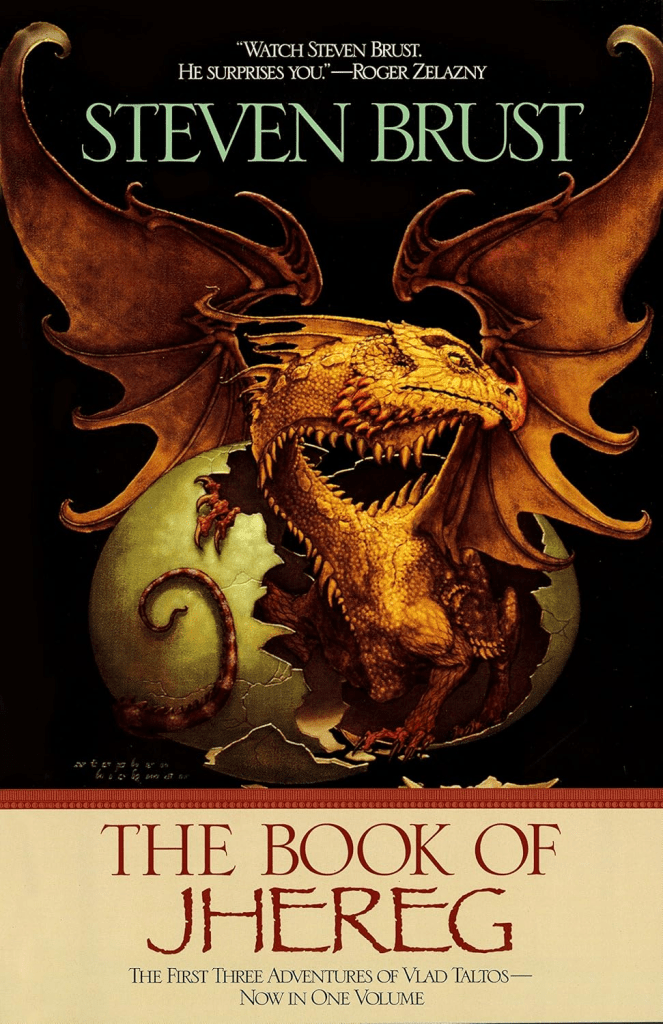
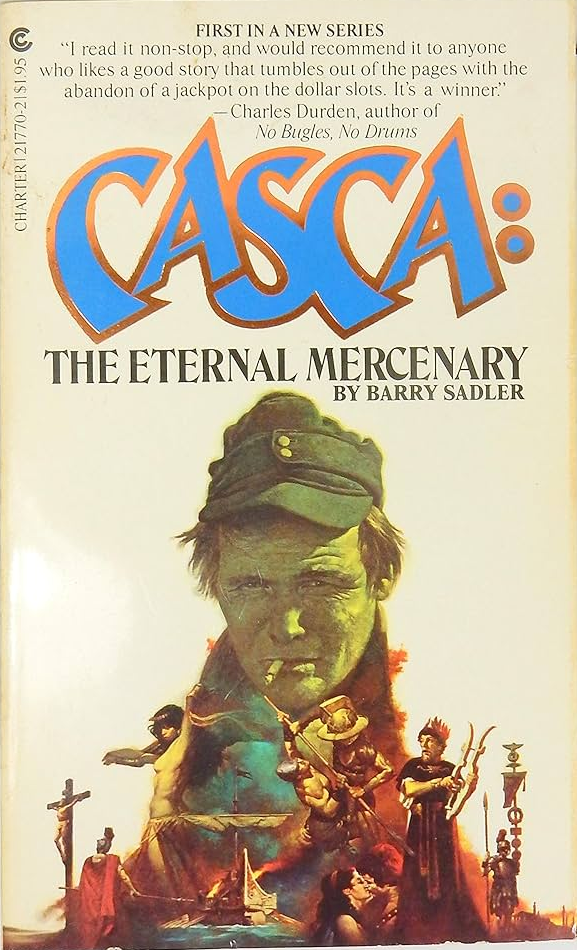
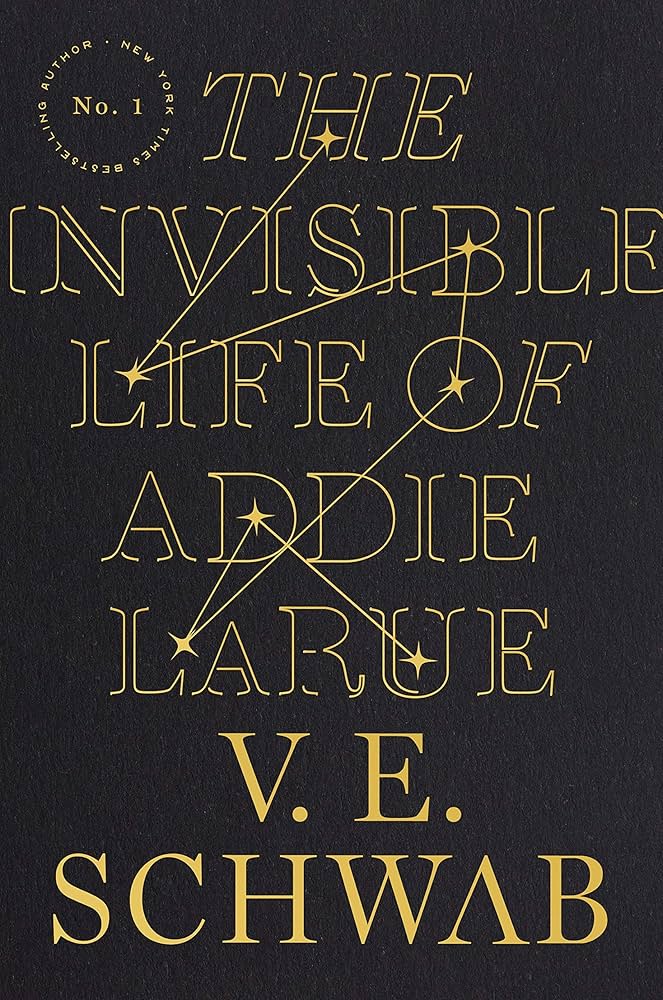
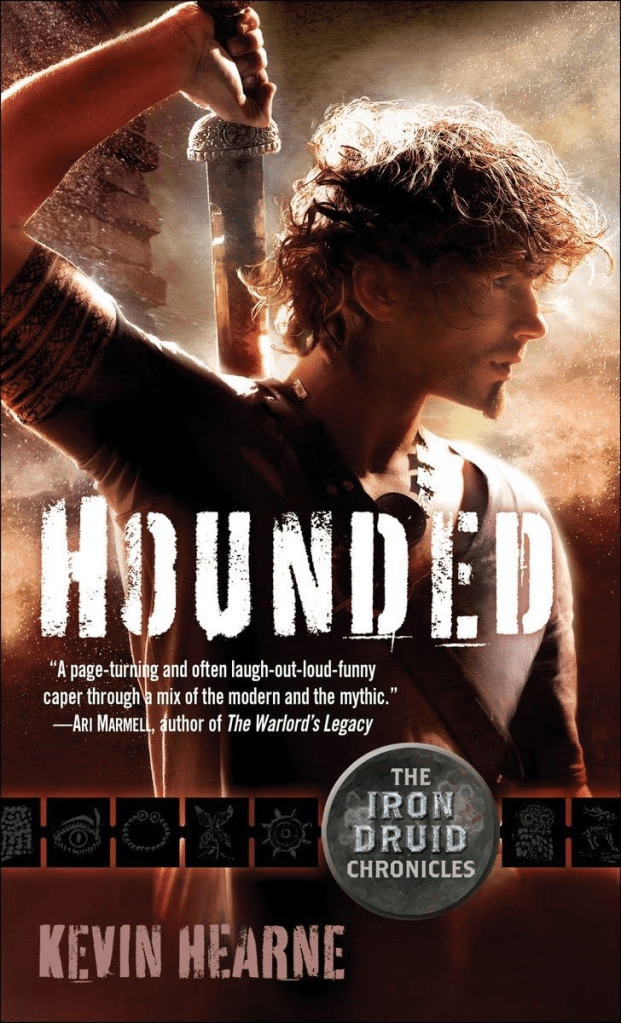
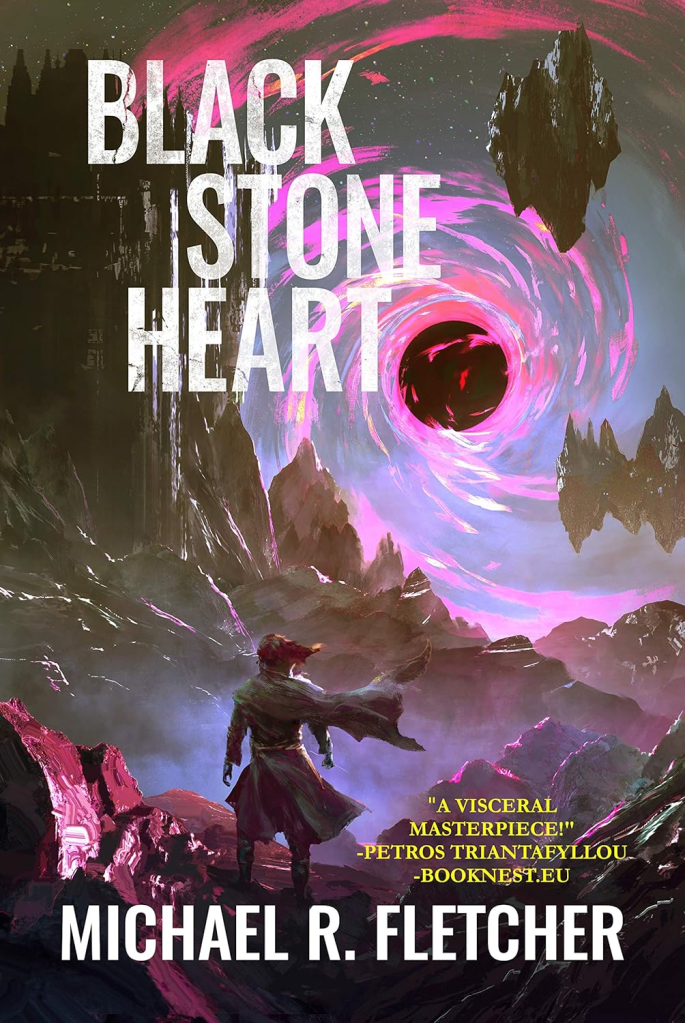
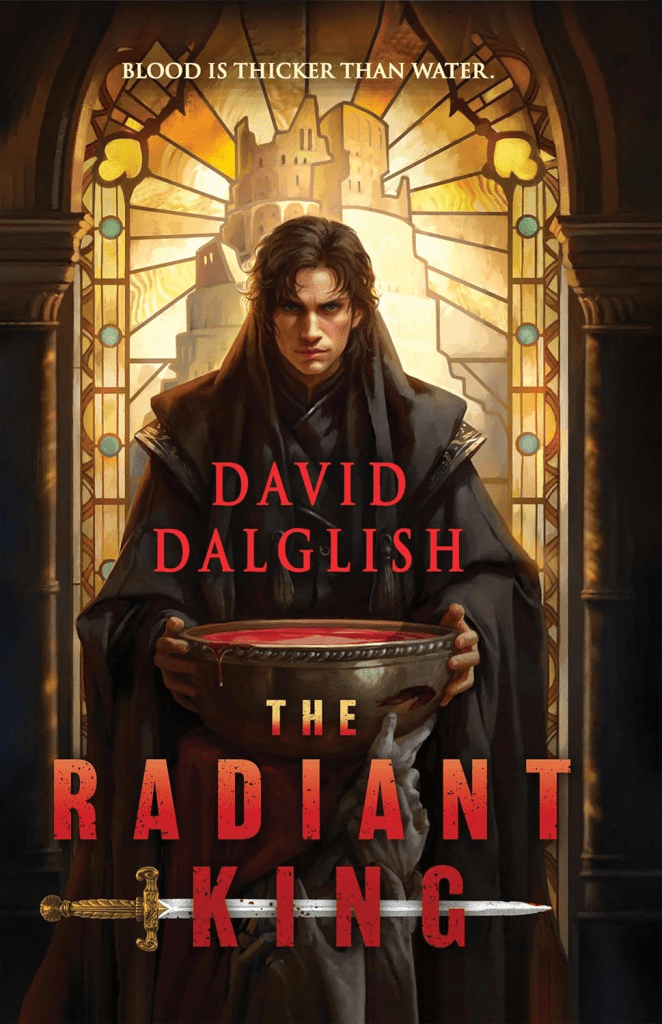
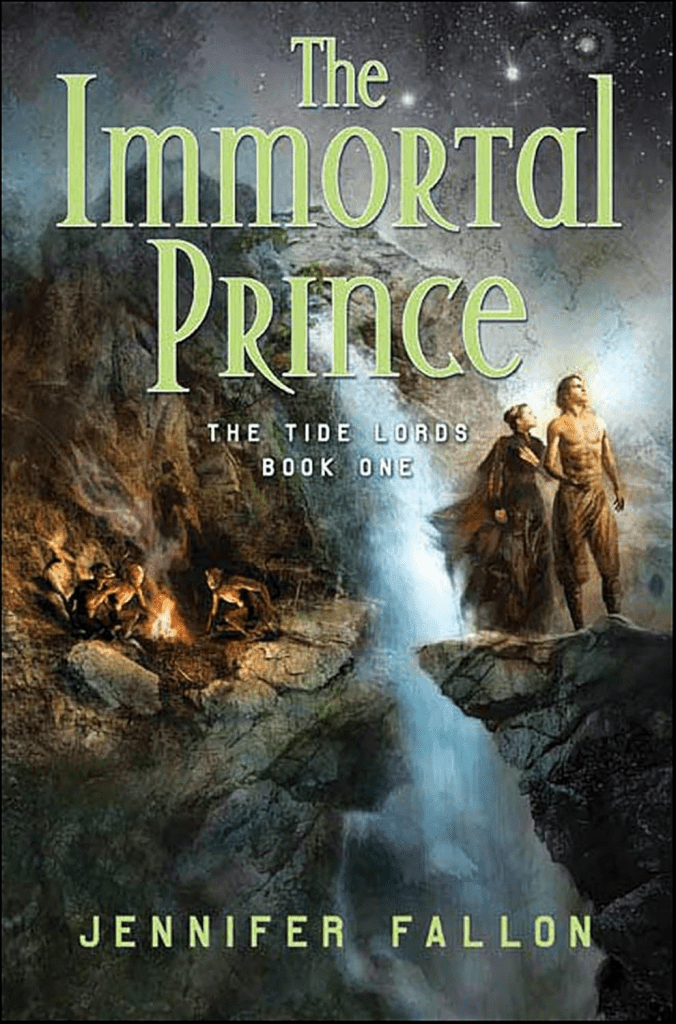
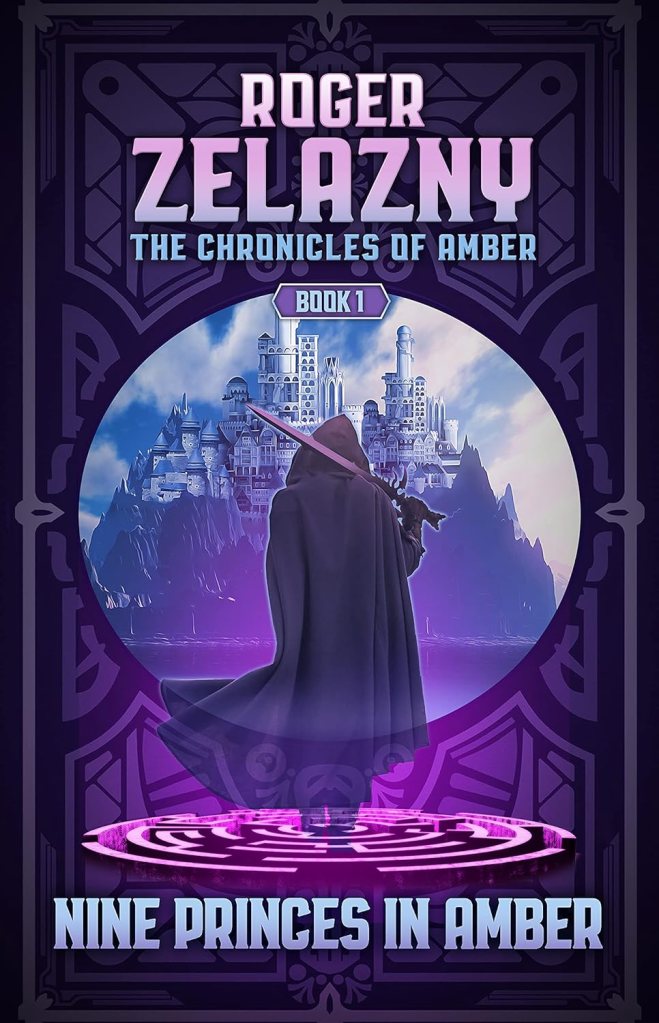
These are some of the best regarded fantasy works set in one city, and you’ll likely see them recommended often. Here we see sampling of subgenres: low, post-apocalyptic, high, and weird fantasy.

1. The Lies of Locke Lamora (The Gentlemen Bastards #1) by Scott Lynch

In the brutal island city of Camorr, orphaned thief Locke Lamora rises to master con artist of the Gentleman Bastards, only to be drawn into a deadly underworld power struggle where a rival’s bloody coup threatens his crew and the city’s criminal balance.

2. The Shadow of the Torturer (Book of the New Sun #1) by Gene Wolfe

Young Severian, an apprentice in the Guild of Torturers on the world of Urth, is exiled for committing the ultimate sin of his profession – showing mercy toward his victim – and wanders among the ruins of his ancient city.

3. Assassin’s Apprentice (Farseer #1) by Robin Hobb

Raised as an outcast bastard, young Fitz, secretly trained as an assassin and gifted with the forbidden magic of the Skill, comes of age just as coastal raiders threaten the realm, forcing him into deadly missions that may determine the fate of the kingdom.

4. Perdido Street Station (Bas-Lag #1) by China Miéville

In the sprawl of New Crobuzon, a reckless bargain struck for gold unleashes mind-devouring creatures into the city, forcing a group of scientists, criminals, and outcasts to confront the disaster they helped create beneath the iron arches of Perdido Street Station.

By Brandon Sanderson

Brandon Sanderson often writes political fantasy that includes a heavy focus on one city’s culture and historical mysteries. This trope is often present even in works like Stormlight, where the characters do travel widely.

5. Warbreaker

In a world where magical Breath can animate the living and the dead, two Idris princesses are caught between a forced divine marriage and a looming war, while a doubting god and a hidden swordsman seek to uncover conspiracy in Hallandren’s Court of Gods.

6. The Final Empire (Mistborn #1)

In a world of ash ruled by the immortal Lord Ruler, a vengeful criminal mastermind recruits a street urchin with rare Mistborn powers to carry out an audacious rebellion disguised as an impossible heist.

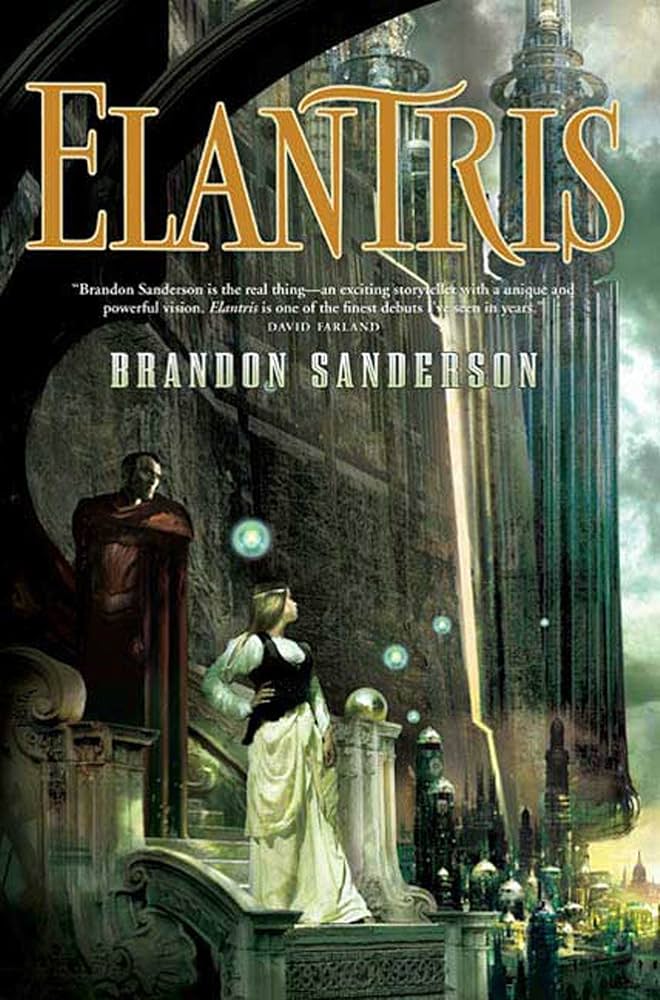
7. Elantris

Prince Raoden falls prey to the cursed magic of his once-radiant city and is exiled behind the old walls just before his marriage to Princess Sarene, who arrives to find him “dead” and must struggle politically to protect her new home from an invading religion.

8. The Way of Shadows (Night Angels #1) by Brent Weeks

The Way of Shadows cover: a cloaked man takes up a fighting stance, a dagger in each fist. Shadows swirl around him.

Azoth, a guild rat from the slums, apprentices himself to Durzo Blint—the city’s most feared assassin—in hopes of escaping a life defined by hunger, violence, and desperation.

Reborn under the name Kylar Stern, he must master the lethal politics and arcane techniques of the assassin trade while severing every remaining tie to the boy he once was.

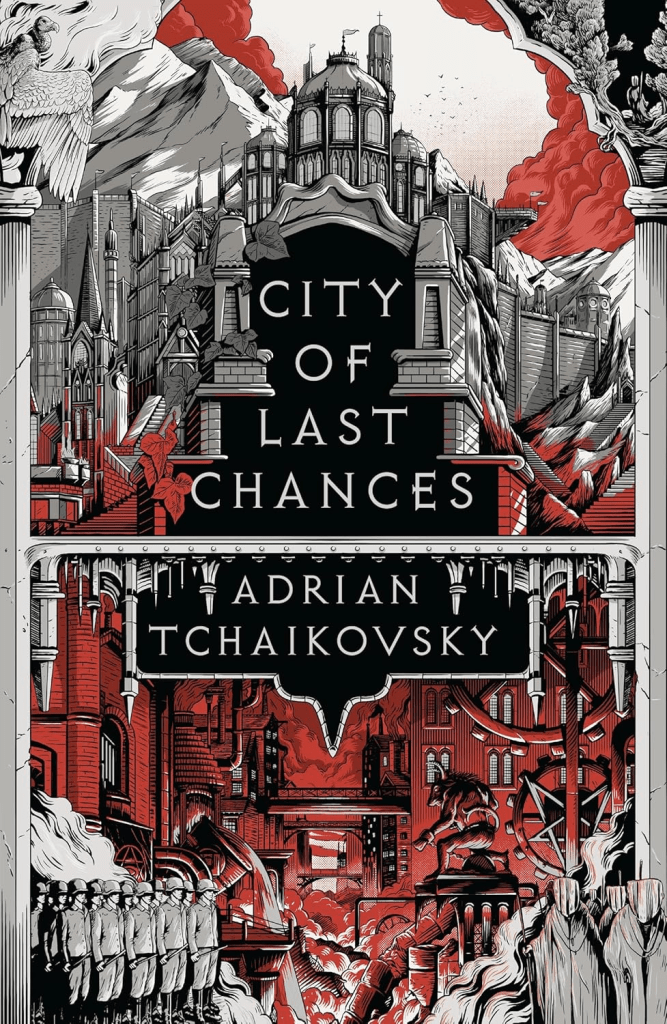
9. City of Last Chances (The Tyrant Philosophers #1) by Adrian Tchaikovsky

The dark city of Ilmar chafes under the heavy hand of the Palleseen occupation, the choke-hold of its criminal underworld, and the burden of its ancient curse.

Despite the city’s refugees, wanderers, murderers, madmen, fanatics and thieves, the greatest threat, as always, will be the Anchorwood – that dark grove of trees, that primeval remnant, that portal, when the moon is full, to strange and distant shores.

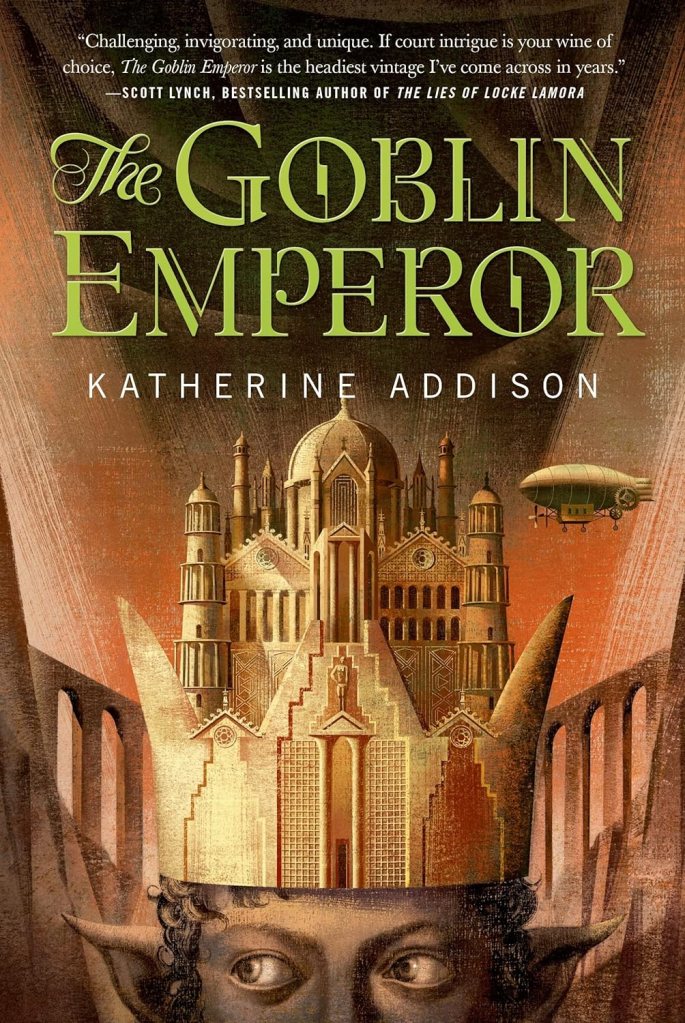
10. The Goblin Emperor (The Chronicles of Osreth #1) by Katherine Addison

The youngest, half-goblin son of the Emperor has lived his entire life in exile. But when his father and three half brothers in line for the throne are killed in an “accident,” he has no choice but to take his place as the only surviving rightful heir.

He is alone, surrounded by sycophants eager to curry favor, plots to depose him, and offers of arranged marriages. Yet still he hopes to find even a single friend . . . even as unseen enemies threaten his throne and his life.

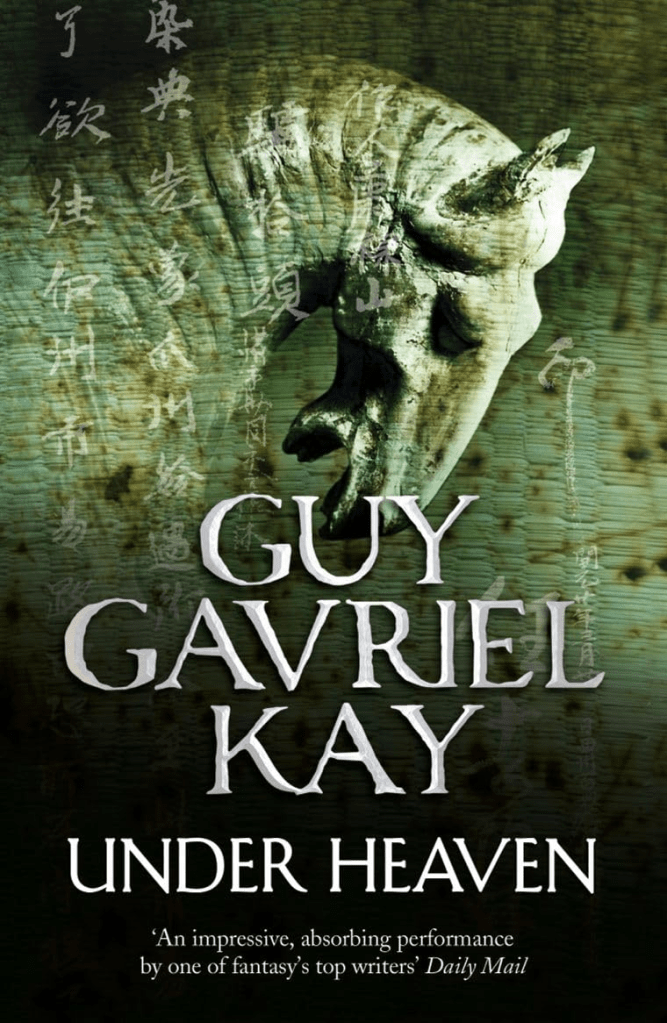
11. Under Heaven by Guy Gavriel Kay

Shen Tai, son of an illustrious imperial general, has spent two years burying the dead at the site of one of his father’s last great battles. In recognition of his labors and his filial piety, an unlikely source has sent him a dangerous gift: 250 Sardian horses.

Even four or five of the famed Sardian horses could earn a man the mortal jealousy of his peers. 250 is unthinkable, even for an emperor.

If Tai was not required to claim the horses in person, he would probably be dead already…

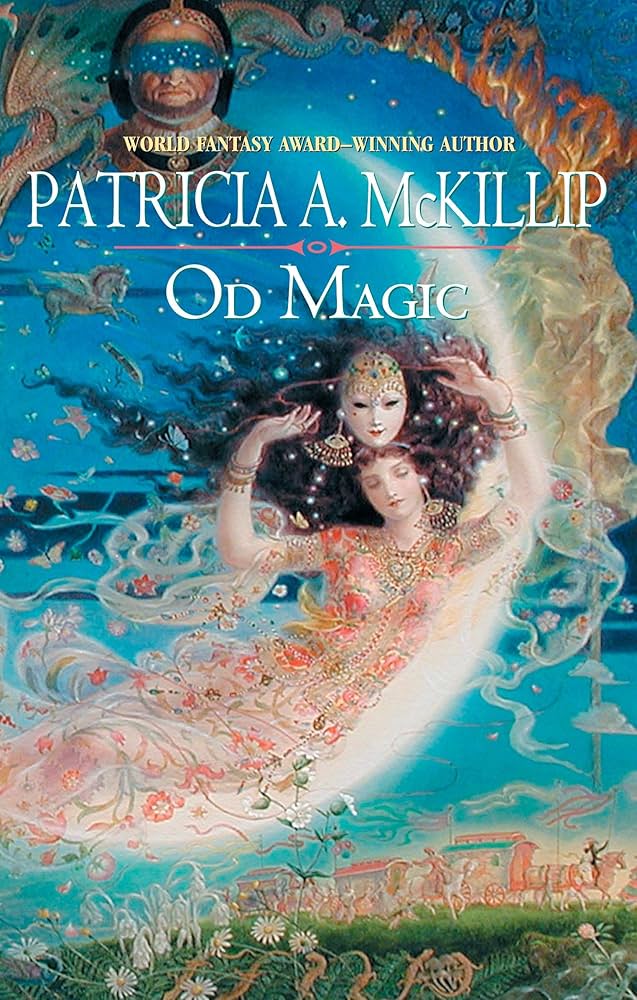
12. Od Magic by Patricia McKillip

Brenden Vetch has a gift, an innate ability to nurture and understand plants. One day he receives a personal invitation from the wizard Od. She needs a gardener for her school in the great city of Kelior.

For decades, the rulers of Numis have controlled the school, punishing any wizard who dares defy them. But unknown to the reigning monarchy is the power possessed by the school’s new gardener—the true reason Od recruited him…

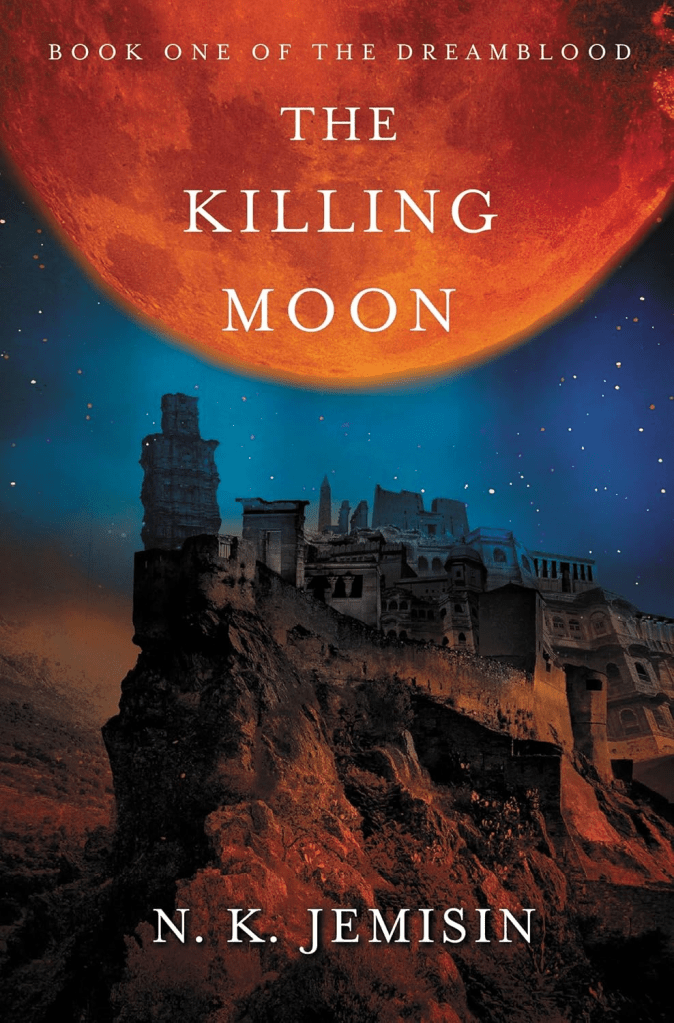
13. The Killing Moon (Dreamblood #1) by N.K. Jemison

In the ancient city-state of Gujaareh, Gatherers – priests of the dream-goddess – harvest the magic of the sleeping mind and use it to heal, soothe. . . and kill those judged corrupt.

But when someone, or something, begins murdering dreamers in the goddess’ name, Ehiru, the most famous of the city’s Gatherers, must protect the woman he was sent to kill – or watch the city be devoured by war and forbidden magic.

14. Sword Catcher (Chronicles of Castellane #1) by Cassandra Clare

In the vibrant city-state of Castellane, the orphan Kel becomes the Sword Catcher—the body double of Prince Conor. He and the Prince are as close as brothers, but his destiny is to die.

Lin Caster is a physician from a small community whose members still possess denigrated magical abilities, and she seeks forbidden knowledge to save a friend.

After a failed assassination attempt brings Lin and Kel together, they are drawn into the web of the criminal Ragpicker King, discovering secrets that may plunge their nation into war.

15. The Case of the Dragon-Bone Engine (The Royal Investigative Service #1) by Galadriel Coffeen

Dynamite couldn’t cause such a big explosion. As Agent Beka Finley and her partner Lord Donovan investigate a devastating train crash, she becomes convinced it was sabotaged. But everyone seems bent on persuading her it was an accident. Just like the crash that killed her father six years ago.

Determined to protect more lives from the growing unrest between humans and fairies, Beka puts her own life and reputation on the line to find the truth, getting uncomfortably close to some secrets from Donovan’s own past.

16. Colours in the Steel (Fencer Trilogy #1) by KJ Parker

Temrai, a cunning and ruthless Chief from the Plains, infiltrates Perimadeia, the Triple City, to learn how to conquer it through siege. Opposite him stands Bardas Loredan, a skilled fencer, and the surviving member of a legendary band of soldiers who killed Temrai’s family.

For the past 12 years Loredan has worked as a “lawyer,” representing clients in duels to the death. But his past comes back to haunt him as a curse tightens around him and Temrai sets his scheme into action.

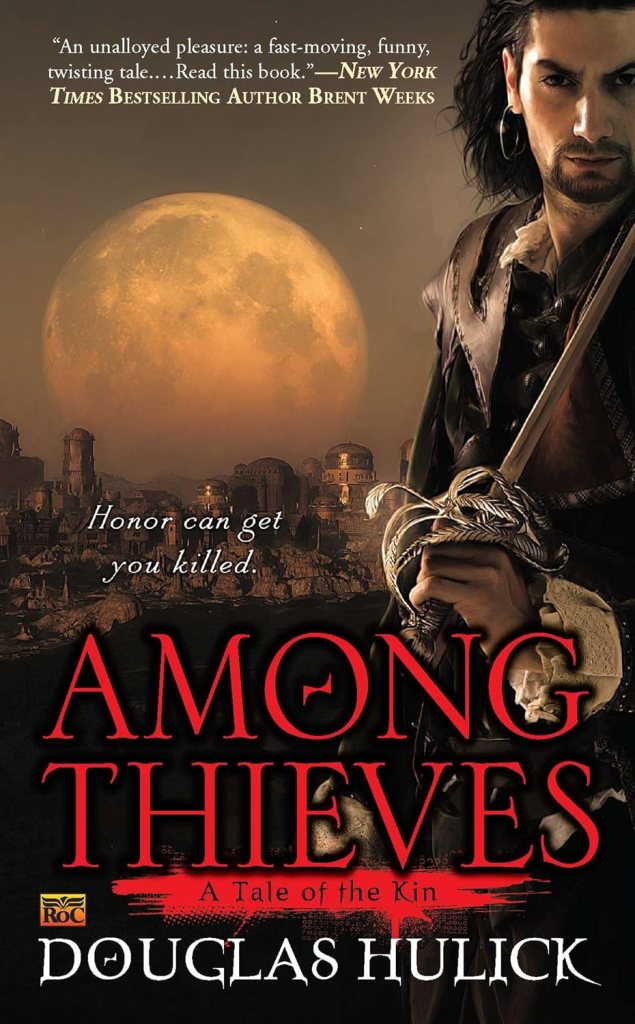
17. Among Thieves by Douglas Hulick

Drothe has been a member of the Kin for years, rubbing elbows with thieves and murderers in the employ of a crime lord while smuggling relics on the side.

But when an ancient book falls into his hands, Drothe finds himself in possession of a relic capable of bringing down emperors-a relic everyone in the underworld would kill to obtain.

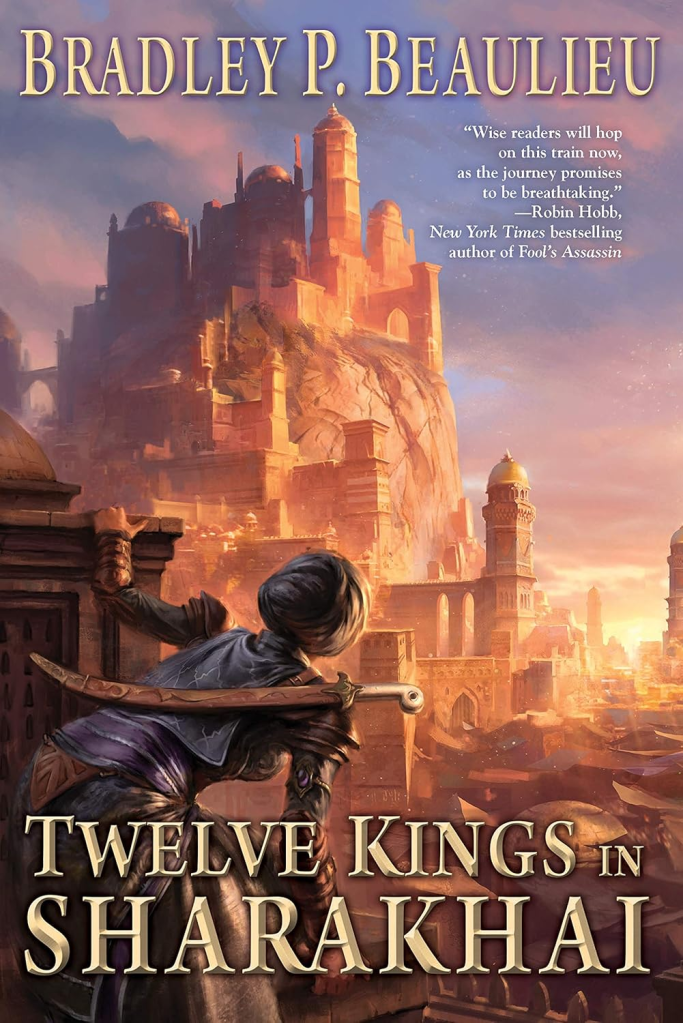
18. Twelve Kings in Sharakhai (The Song of the Shattered Sands #1) by Bradley P. Beaulieu

Sharakhai, the great city of the desert, has been ruled from time immemorial by twelve kings—cruel, ruthless, powerful, and immortal. With their elite forces and holy defenders, there is no hope of freedom.

Or so it seems, until Çeda, a brave young woman from the west end slums, defies the Kings’ laws by going outside on the holy night of Beht Zha’ir. What she learns that night of the Kings’ mysterious history and her own hidden heritage could finally break the iron grip of the Kings’ power… if they don’t find her first.

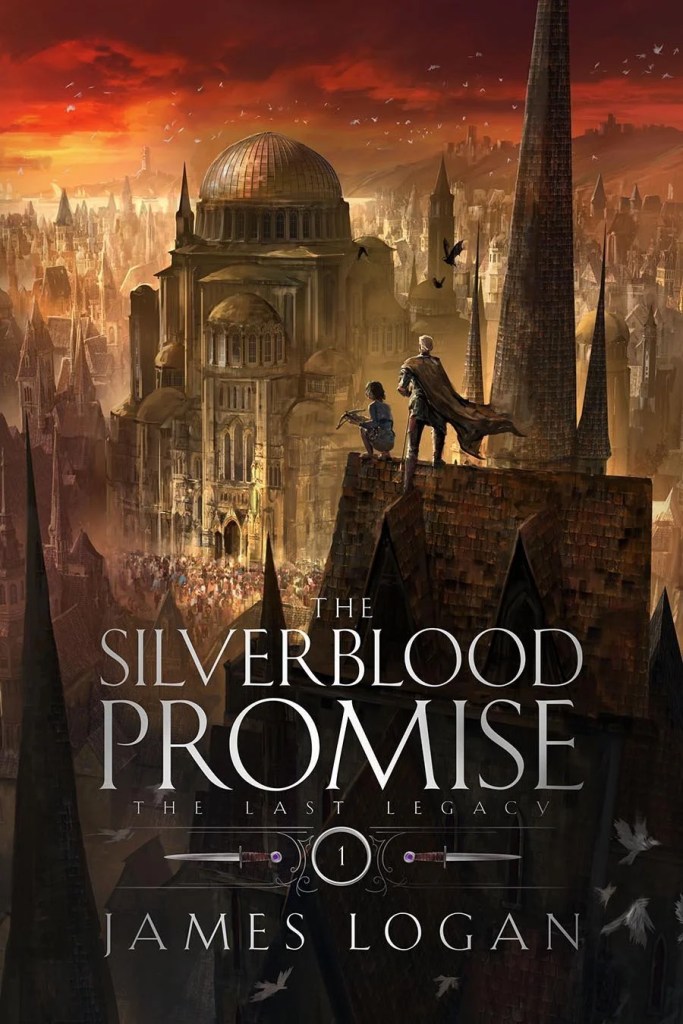
19. The Silverblood Promise (The Last Legacy #1) by James Logan

Lukan Gardova is a cardsharp, academy dropout, and—thanks to a duel that ended badly—the disgraced heir to an ancient noble house.

When Lukan discovers that his estranged father has been murdered in strange circumstances, he vows to unravel the mystery behind his father’s death.

His search for answers leads him to Saphrona, fabled city of merchant princes, where anything can be bought if one has the coin. But the price of truth is the deadliest of all.

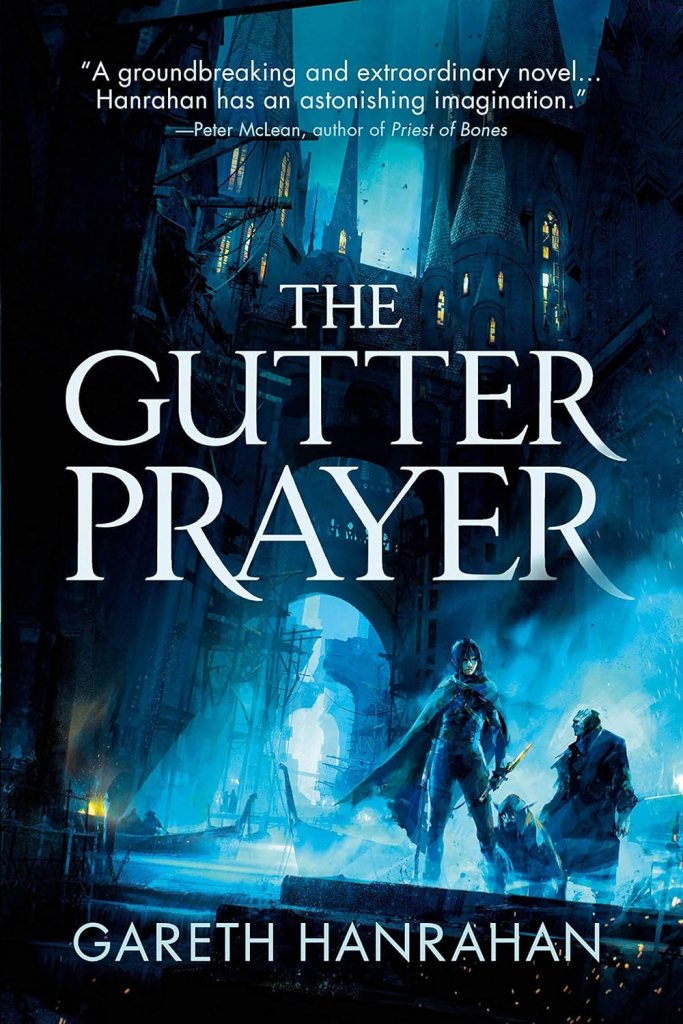
20. The Gutter Prayer (The Black Iron Legacy #1) by Gareth Ryder-Hanrahan

The city of Guerdon stands eternal. A refuge from the war that rages beyond its borders. But in the ancient tunnels deep beneath its streets, a malevolent power has begun to stir. The fate of the city, and the outcome of a centuries old magical war between ancient beings, mages, and humanity, rests in the hands of three thieves.

As conspiracies unfold and secrets are revealed, their friendship will be tested to the limit. If they fail, all will be lost, and the streets of Guerdon will run with blood.

21. City of Lies (The Poison Wars #1) by Sam Hawke

Jovan was born into a noble family with a secret duty. To all appearances, he is a quiet, affable friend of the Chancellor’s irresponsible Heir. In truth, he’s a master of poisons and chemicals, trained to protect the Chancellor’s family from treachery.

When the Chancellor succumbs to an unknown poison and an army lays siege to the city, Jovan and his sister Kalina must protect the Heir and save their city-state. But treachery lurks in every corner, and the ancient spirits of the land are rising . . . and angry.

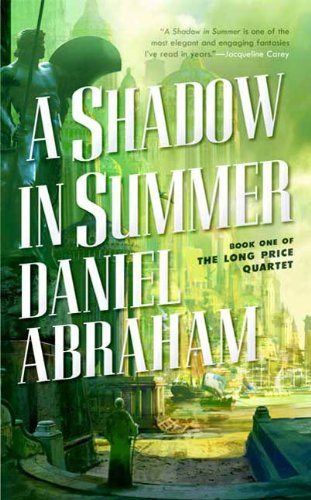
22. A Shadow in Summer (The Long Price Quartet #1) by Daniel Abraham

The city-state of Saraykeht is a leader of commerce, but its economy depends on the power of the captive spirit, Seedless, an andat bound to the poet-sorcerer Heshai for life.

Enter the Galts, a juggernaut of an empire committed to laying waste to all lands. If they can dispose of the sorcerer, the spirit too will perish and the entire city will fall.

Otah, a simple laborer with a complex past, inadvertently discovers the Galtish plot inside the city – only he can stop them.

23. We Men of Ash and Shadow (The Vanguard Chronicles #1) by H.L. Tinsley

Amidst the gas lamp shadows of the city of D’Orsee, former soldier-turned-mercenary John Vanguard hunts criminals for a corrupt employer. Seeking to make amends for his deserter past, a chance encounter with Tarryn Leersac – a skilled, young, would-be-assassin fallen from high society – leads Vanguard to become an unlikely mentor.

Charged with hunting down the killer of two guards, Vanguard delves into the underbelly of the city, becoming entangled in greater mysteries. Can he find redemption, and piece together the truth of the last war, before another tears them apart?

24. Mordew (Cities of the Weft #1) by Alex Pheby

God is dead, his corpse hidden in the catacombs beneath Mordew.

In the slums of the sea-battered city, a boy called Nathan Treeves picks treasures from the Living Mud and the half-formed creatures it spawns. Until one day his desperate mother sells him to the mysterious Master of Mordew.

The Master derives his magical power from feeding on the corpse of God. But Nathan has his own strength—and it is greater than the Master has ever known. Great enough to destroy him. If only Nathan can discover how to use it.

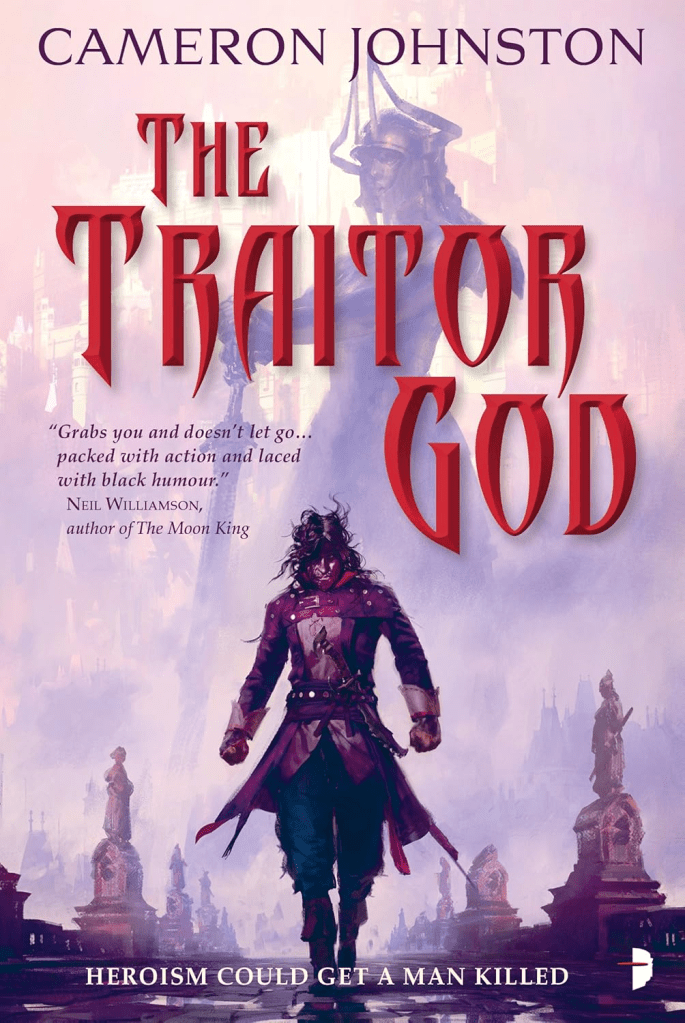
25. The Traitor God (Age of Tyranny #1) by Cameron Johnston

After 10 years on the run, dodging daemons and debt, reviled magician Edrin Walker returns home to avenge the brutal murder of his friend. Lynas had uncovered a terrible secret, something that threatened to devour the entire city. He tried to warn the Arcanum, the sorcerers who rule the city.
 
He failed – Lynas was skinned alive and Walker felt every cut. Now, nothing will stop him from finding the murderer. Magi, mortals, daemons, and even the gods—Walker will burn them all if he has to. After all, it wouldn’t be the first time he’s killed a god.


Hi, I’m Caylah Coffeen, a freelance editor and marketer of sci-fi and fantasy books. I love reading and writing and am a follower of Jesus Christ.

I’ve worked for Monster Ivy Publishing and Eschler Editing, and am currently a weekly editor with Havok Publishing. Reach out to chat about books and publishing!

Thanks for stopping by my website! I hope you’ve found some helpful resources about reading, writing, and publishing. If you liked this article, here’s some more free content…

Write Me “Boy Books”: Letter From a Book Editor

Princes and strategists, martial champions and war heroes, grit, sweat, brawls, and schemes. Since the beginning of time, we have told stories about the best and worst of men – from myths and epics, to action and adventure classics, to modern superheroes and fantasy rogues, such stories have touched hearts across language barriers and millennia.

So why are they hard to find on bookshelves today?

Let’s take a look at the modern publishing market, reader tastes, and my own perspective as a book editor (plus a few obligatory caveats):

  1. I love reading boy books
  2. Big publishers don’t want boy books – they’re wrong
  3. What I’m NOT saying
  4. Write boy books!

I love reading boy books

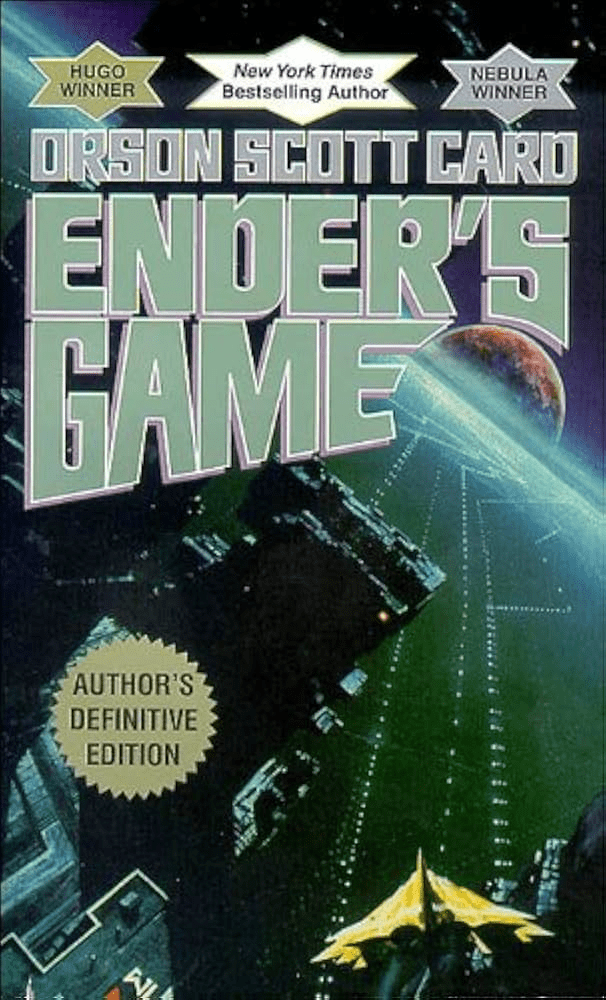
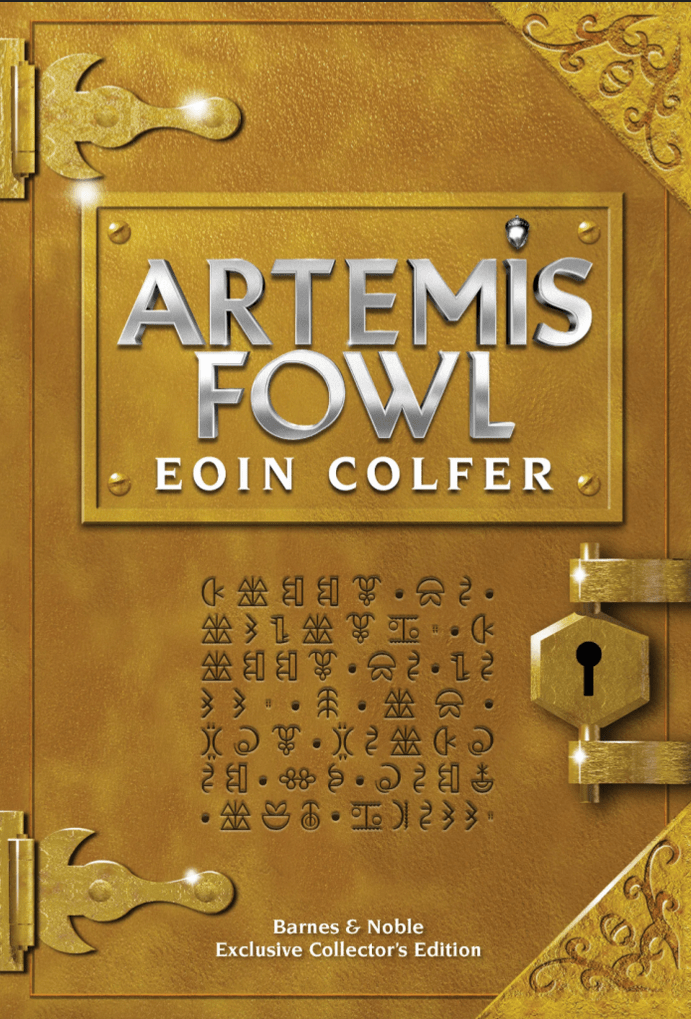
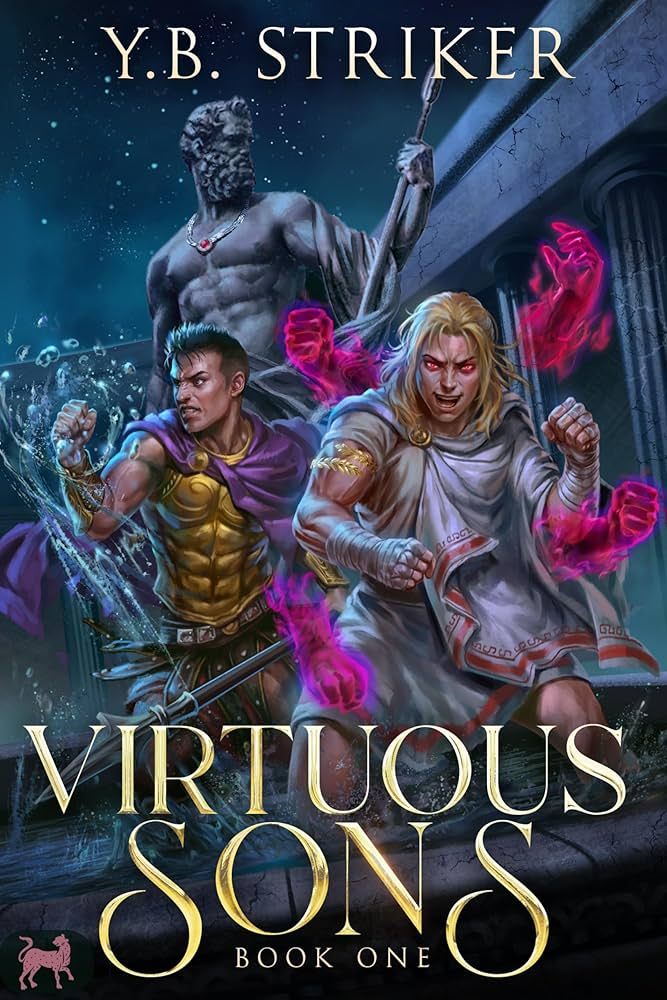
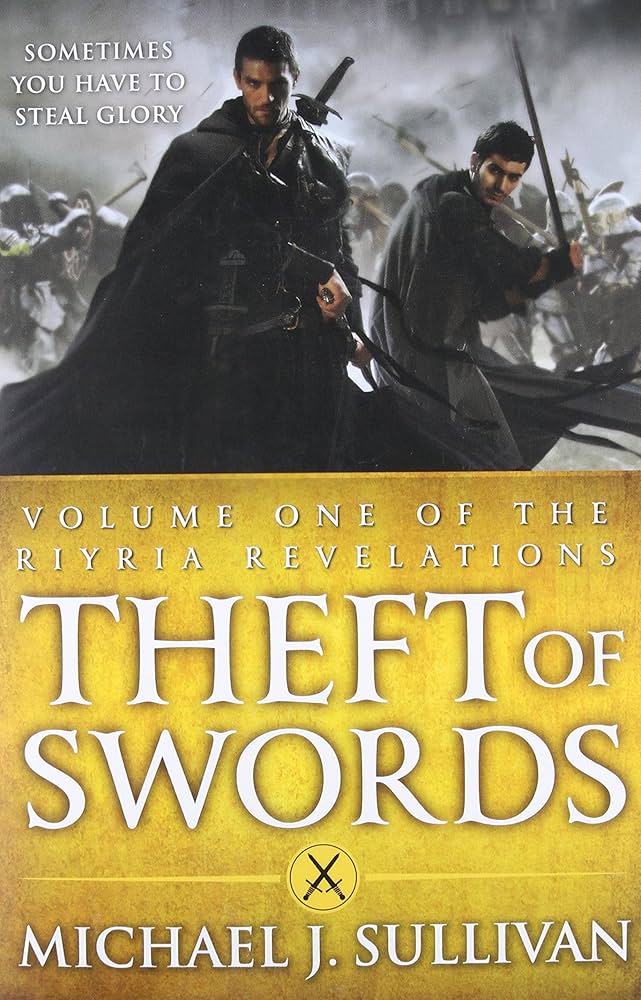
These are 8 of my favorite books of all time. Notice any commonalities?

All of these stories are about men (and boys) – clever, dangerous, heroic, stalwart men. Some are written for general audiences, while others go all in on the “bro vibes.”

Each tale contains passion and violence, loyalty and steadfast friendships, promises broken and kept, strategic and psychological contests, and a mix of wit and heartbreak. The ones that have stood the test of centuries reveal great truths about the human condition.

There’s something else I’ll point out though. The most recently published of these 8, Virtuous Sons (read my review) and Theft of Swords, were both self-published first, and only picked up by publishers after finding great success. The same is true of the wildly popular Cradle series by Will Wight and the Dungeon Crawler Carl series by Matt Dinniman.

2 more of my favorites, The Hands of the Emperor by Victoria Goddard (read my review) and Paranoid Mage by InadvisablyCompelled, have continued to gain momentum as self-published works.

It’s not like we have a net shortage of books about boys and men – that’s the majority of what’s been published for all of human history. But, naturally, modern readers gravitate toward books written in a modern voice – we want new ones.

If I, as a female reader, am irritated by the lack, I can’t imagine how frustrating it must be for male readers, especially boys and young men who are developing their taste for reading!

Big publishers don’t want boy books – they’re wrong

But the Big 5 publishers don’t want to publish “boy books” anymore. Many will deny there’s even such a thing as a “boy” book, or that there shouldn’t be (“that’s not inclusive!!!”).

I strongly disagree with all 3 statements:

  • I want to see boy books published – I want to read them! And edit them. And market them to more readers who will love them.
  • There’s definitely such a thing as a book by, for, and about men/boys, that male readers enjoy more than female readers (not that girls can’t as well – I’m a woman and you just saw my favorites list). That doesn’t change the fact that at the core, they are bro books.
  • There should be boy books. Stories that feel like they were written just for you are incredibly powerful! Everyone should have the chance to read stories that delight and resonate with the deepest parts of our soul. If that means reading books about people that are like you… well, duh.

Modern publishing has a chicken and egg problem. They claim they don’t publish as many books about male main characters because male readers don’t buy books as much as female readers.

Male readers respond thusly: “We’ve stopped buying your books because you won’t publish the types we actually want to read.”

There are thriving indie publishers and reading communities online for action and adventure books that are just straight up fun – no identity politics, no need for sensitivity readers – just cool dudes running around with swords. Virtuous Sons, published initially as a web novel on Royal Road, received over 4 million views.

In the past, before the digital age and the advent of self-publishing, books published by the Big 5 were the only option. If you weren’t reading them, you weren’t reading. In their elitism, the Big 5 have refused to adjust their attitude. They blame their potential buyers rather than their own business model. But men are reading. They’re just taking their time and money elsewhere.

And why wouldn’t they, when their tastes are being insulted?

No, I have no interest in reading any of the “adventure fantasy” books on Amazon with grotesquely proportioned anime pinup girls spilling across the covers. No more than I want to read any of the romantasy featuring glowering, glistening, shirtless shifters.

But male readers (and female ones) are told they’re stupid or backward for wanting to read books about male heroes running around killing dragons, clearing dungeons, leveling up with ridiculously powerful magic, sitting around with their comrades swapping scar stories, and chasing (and getting) the girl at the end.

You’re not stupid. Those are great stories. Some are just good stories – that’s ok too.

What I’m NOT saying

Because everyone gets triggered so easily these days, let me tell you what I’m not saying.

I’m NOT saying that girl books are stupid, or that female authors shouldn’t write the stories they want to tell, or that female characters are worse than male characters, or that if a book can’t appeal to a male audience too, it shouldn’t be published, or that female characters can’t compel male readers etc. etc. etc.

I’m certainly not saying that for a book to be truly great, it needs to be by, for, or about men.

But the publishing industry needs to stop saying the opposite. Stop telling (white) male authors that it’s their duty to step aside and “stop taking up the limelight already so that others can have their turn.” Stop telling authors that their stories are “too male-centric” and that unless they have at least one female POV/main character, their book won’t even be considered. Stop telling male authors that strong, masculine, confident male protagonists are inherently problematic.

Write boy books!

I want to read your boy books! Even more so, I want to read your “men books” – with characters worthy of the tag “epic.” So please write them (whether you’re a male or female author)!

If you’re also on the hunt for modern bro books, you’re not alone. Guess what my most popular blog post is? By a massive margin.

It’s the one titled 18 High/Epic Young Adult Fantasy Books with a Male Protagonist. My third most popular post is 22 High/Epic Adult Fantasy Books with 1 POV & a Male Protagonist.

There is demand. Don’t let people tell you otherwise.

And if you’re a male author looking for a book editor, but are feeling a bit querulous after discovering that almost all book editors are women, you don’t have to worry that I’m going to treat you like a tasteless jerk for “having the audacity to think a story deserves to be told about a male main character who starts out as kind of a jerk.”

Characters are supposed to have weaknesses. There wouldn’t be a story if your characters didn’t have to grow and change.

Neither does a male protagonist have to be the most profound, unique character ever written in order to make a good story that readers will buy. The female protagonists in most modern books sure aren’t.

I would be delighted to read your story, review it, and perhaps even work with you to edit it into the best it can be.

So keep writing about brave boys and mighty men!


Hi, I’m Caylah Coffeen, a freelance editor and marketer of sci-fi and fantasy books. I love reading and writing and am a follower of Jesus Christ.

I’ve worked for Monster Ivy Publishing and Eschler Editing, and am currently a weekly editor with Havok Publishing. Reach out to chat about books and publishing!

Thanks for stopping by my website! I hope you’ve found some helpful resources about reading, writing, and publishing. If you liked this article, here’s some more free content…

10 Historical Fiction Books Set in Ancient Times (NOT Egypt, Greece, or Rome): To Inspire Your Worldbuilding

Apparently I’m in the minority, but I much prefer reading stories set in antiquity than in medieval times and on. Due to fragmentary or absent records, many people might not even consider books about ancient times to be “historical” fiction. Such stories do tend to incorporate much more of myth, legend, and folklore (which is perhaps why I love them).

For this reading list, I’ve compiled historical fiction books set in the BC era, with a focus on Bronze Age empires and civilizations. I love the Greco-Roman and Egyptian world, but they make up the bulk of ancient historical fiction. It can be hard to find novels from the perspectives of any other ancient cultures!

But I’ve wrangled up some options which are intricately researched and can help you expand your story’s worldbuilding beyond Medieval European or Mediterranean analogues (I would LOVE to read more “bronze age fantasy”).

  1. Historical fiction set in Mesopotamia
  2. Historical fiction set in North Africa
  3. Historical fiction set in the Americas
  4. Historical fiction set in ancient Europe
  5. Historical fiction set in Asia

This article contains affiliate links. I may make a small commission from qualifying purchases, at no extra cost to you.

Historical Fiction Set in Mesopotamia

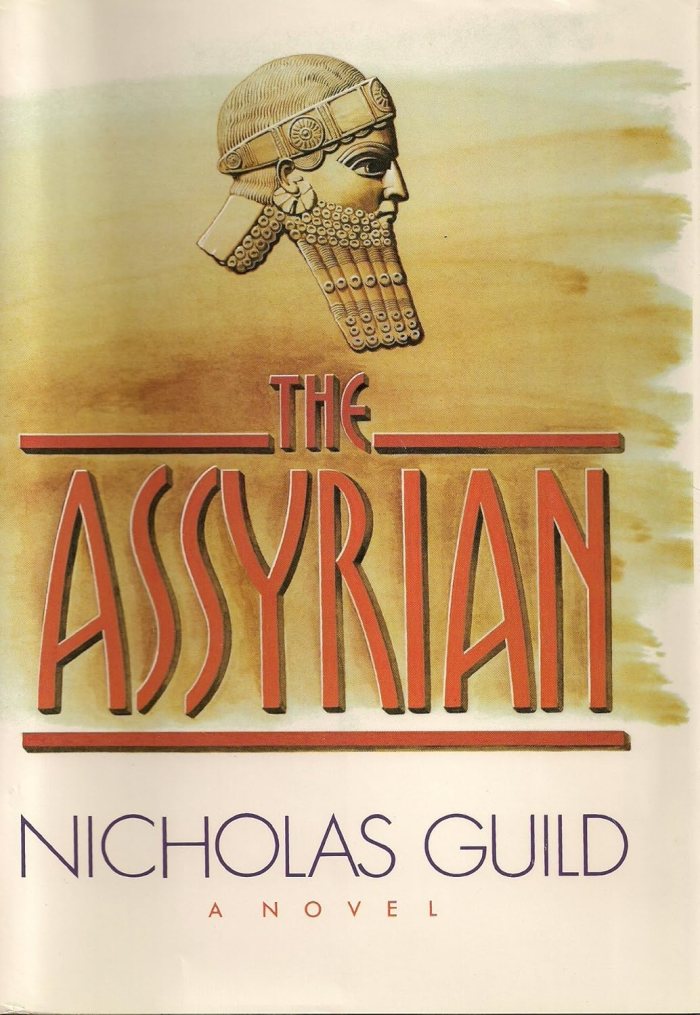
1. The Assyrian by Nicholas Guild

They were brothers, best friends, rivals in love. But, though it seemed that nothing could come between them, only one of them could become master of the dazzling Assyrian Empire that stretched from the Mediterranean to the western borders of India; only one could know the love of Esharhamat, the woman they both desired.

Seven centuries before Christ, the young Assyrian princes Tiglath Ashur and Esarhaddon were forced to compete fiercely against each other, for the greatest Empire the world had ever seen.

2. Son of Ishtar (Empires of Bronze #1) Gordon Doherty

1315 BC. The Hittite Empire faces threats from Egypt, Assyria, and Mycenae. The birth of Prince Hattu should unite the Hittites in celebration.

But the Goddess Ishtar delivers a chilling omen: the boy will bring ruin, betrayal, and bloodshed. Thus, he grows up as an outcast, feared by his people, scorned by his father and hunted by prophecy.

Yet as war burns across the horizon, Hattu is drawn into the fray. Will he fulfill the goddess’s curse—or rewrite destiny itself?

3. Creation by Gore Vidal

Old and blind but still unyielding, Persian ambassador Cyrus Spitama breaks his silence in 445 BC, furious at Herodotus’ tales and determined to dictate the Persian truth of empires, wars, and the gods themselves.

He recounts a life spent at the heart of Darius’ court, surviving boars and palace coups, debating with Buddha and Confucius, taking an Indian wife, and witnessing the rise and fall of kings from Babylon to Cathay. His “travel memoir” becomes a sweeping counter-history to the Grecian perspective.

Note: If you’ve read Herodotus, you’ll understand why many readers say this is hard to get through.

Historical Fiction Set in North Africa

I couldn’t find any historical fiction set in Africa during antiquity, except about cultures bordering the Mediterranean. It’s hard enough to find pre-colonial fiction and records from Africa, let alone pre-Medieval ones. There are many great novels about Egypt, notably River God by Wilbur Smith, but essentially all other fiction set in Africa in antiquity focuses on myths and folklore, as oral histories were lost.

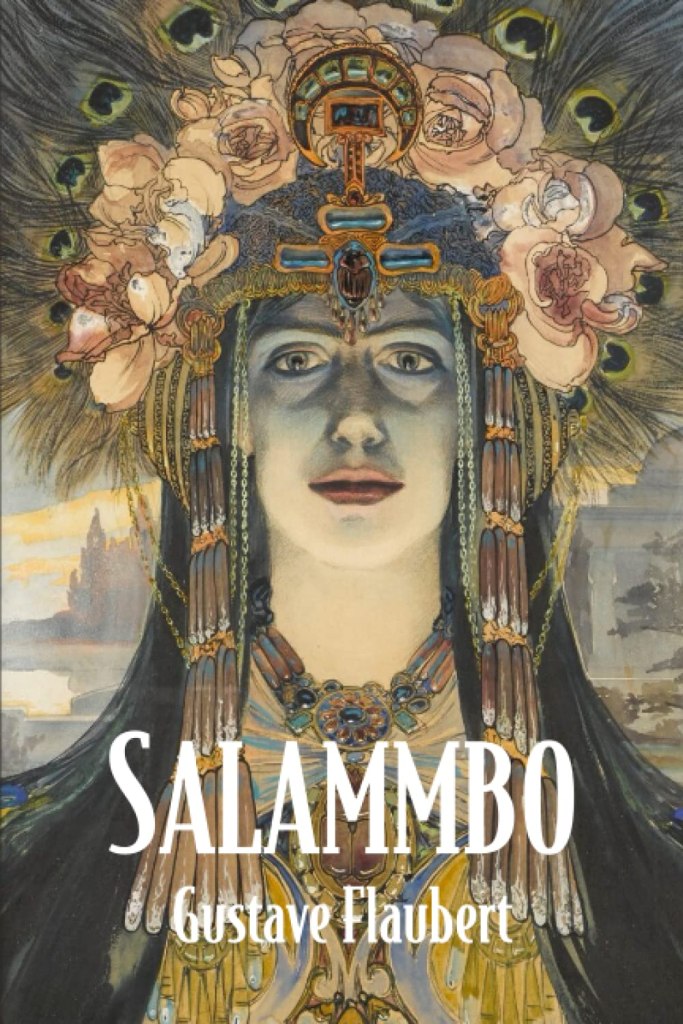
4. Salammbo by Gustave Flaubert

Carthage—an opulent superpower ruled by greed, gods who demand sacrifice, and citizens far too wealthy to fight their own battles. Following the end of the first Punic War, 20,000 mercenaries, still unpaid rise in fury, laying siege to the city.

A rebel warlord’s obsession with the high priestess Salammbò adds fuel to the flame, resulting in a clash of armies so savage the earth itself seems to bleed. Epic, operatic, and unflinching, this is War and Peace by way of the Punic Wars.

Historical Fiction Set in the Americas

The same problem exists concerning historical fiction about ancient civilizations of the Americas. Records were deliberately destroyed by conquistadors, relegating much of what we know to the areas of myth and anthropology. It’s even harder to find historical novels that have been translated into English by native authors.

5. House of the Waterlily: A Novel of the Ancient Maya World by Kelli Carmean

Set amid the upheavals of the Maya civilization’s Late Classic period, House of the Waterlily follows Lady Winik, a young royal thrust into the rising danger and political chaos of a failing civilization.

As rival powers close in and the world she knows begins to fracture, Winik’s journey invites readers to explore the splendor and dangers of Mayan life, as seen through the lens of Kelli Carmean’s PhD in anthropology.

Historical Fiction set in Ancient Europe

6. The Druids by Morgan Llywelyn (best known for Lion of Ireland)

Centuries before Arthur and Merlin, the orphaned Celt Ainvar rises to master the druidic arts—mind, magic, healing, and war—becoming the unlikely soul-friend of the future warrior-king Vercingetorix.

Together they journey across a fractured Gaul, uniting the Celtic tribes in a defiant stand against Julius Caesar and the relentless legions of Rome.

Note: Yes, the antagonists in this are Roman – hard to avoid. But as the POV characters and culture are not, I let this slip in.

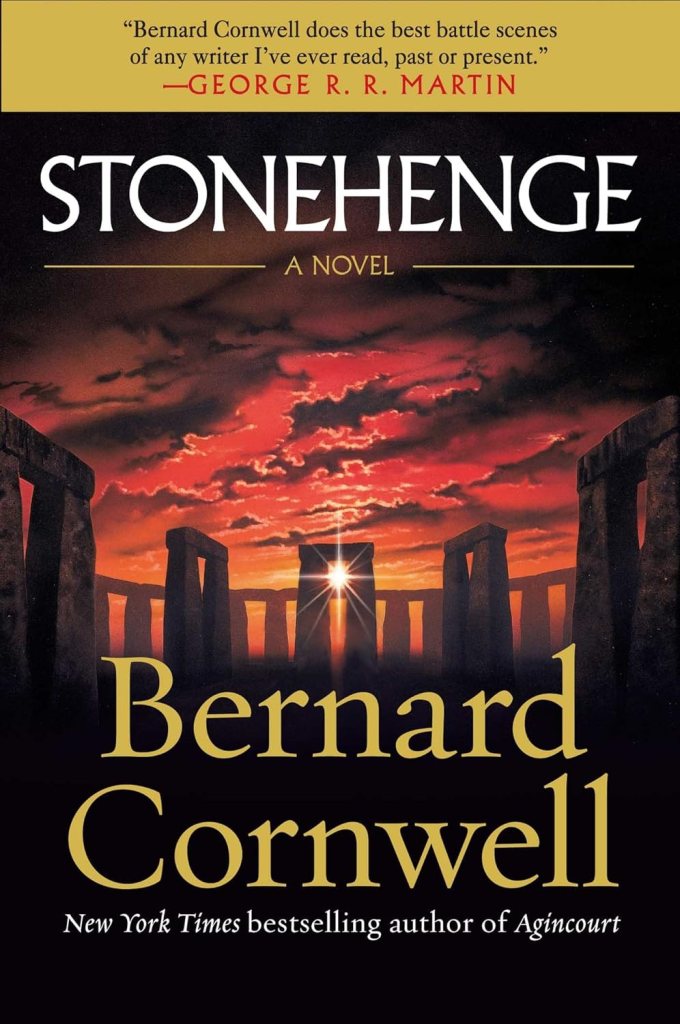
7. Stonehenge by Bernard Cornwell

A dying stranger’s trove of gold ignites a deadly rivalry between three brothers. The eldest, Lengar, the warrior, harnesses his murderous ambition to take great power for his tribe.

Camaban becomes a feared wise man, and it is his vision that will force the youngest brother, Saban, to create a great temple where the gods will appear on earth. But when Saban falls in love with Aurenna, the sun bride destined to die for the gods, the great monument becomes a battleground.

Note: this gets into prehistory, but by the acclaimed author best known for his Saxon and Richard Sharpe stories.

Historical Fiction Set in Asia

Most novels set in ancient India are mythic retellings, taken from the delightfully massive epics the Ramayana and Mahabharata or other legends.

Chinese historical records from antiquity are apparently sparse, making accurate historical fiction difficult. I thought I’d be sure to find some fiction about the Warring States period and the first unified dynasty (Qin), or the Han dynasty’s Golden Age and the formation of the Silk Road, but almost everything (including the classic novel Romance of the Three Kingdoms) takes place starting in early AD around the fall of the Han dynasty.

It’s even harder to find examples of historical fiction set in antiquity from the rest of Asia, though it looks like Korea has some popular options (Goguryeo by Kim Jin-myung) that haven’t been translated into English yet.

8. The Mauryan: The Legend of Ashoka by Komal Bhanver

Discover the ruthless origins of the famously peaceful Emperor Ashoka the Great.

A Brahmin prophesies that a legendary ruler will be born to the Mauryan ruler Bindusara, but the child is born frail and ordinary-looking. Shunned by his father, and bullied and humiliated by his elder brother Susima, prince Ashoka learns from an early age to be the master of his own fate.

Under the determined tutelage of his mother, and inspired by a spirited young woman, he begins to dream of ruling the vast empire.

9. Emperor Chandragupta by Adity Kay

India, third century BC: a conqueror from Greece has arrived on their doorstep. Chanakya, a wily political strategist looking for vengeance against the ruthless rulers of Magadha, seeks out a hidden heir. Moriya, raised by a tribe of peacock-tamers, is oblivious to his identity until Chanakya becomes his teacher.

The tentative young man, now christened Chandragupta, makes his way across the vast plains of Bharatvarsha to meet the famed invader Alexander, build an army of his own, and right the wrongs of his fathers.

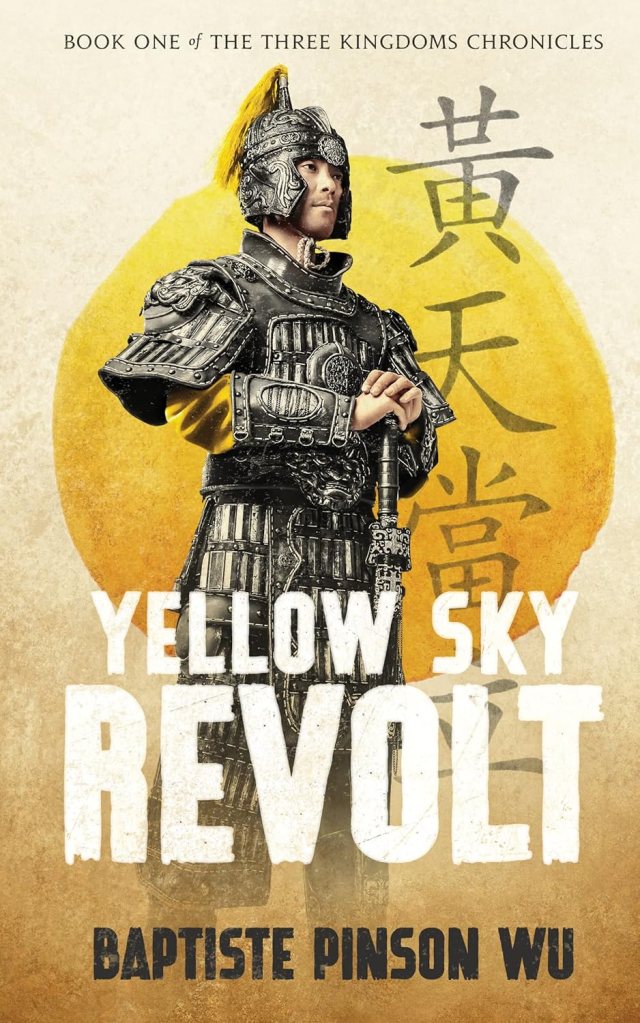
10. Yellow Sky Revolt (The Three Kingdoms Chronicles #1) by Baptiste Pinson Wu

China, 184 AD: the Han dynasty is falling. Liao Hua, a young peasant boy, becomes the symbol of the Yellow Turban’s vengeful uprising. As untrained farmers face the full might of the empire, Liao Hua vows to do whatever it takes to become the greatest warrior of his time. However, when his path crosses that of the bearded warrior, he must face the fact that an iron will won’t be enough to triumph in an age of chaos.

Note: this story falls just barely at the end of antiquity, and is the only modern, well-reviewed novel about the Han dynasty that I could find in English.

If you know of other historical fiction novels set in ancient times, please leave a comment to recommend them!


Hi, I’m Caylah Coffeen, a freelance editor and marketer of sci-fi and fantasy books. I love reading and writing and am a follower of Jesus Christ.

I’ve worked for Monster Ivy Publishing and Eschler Editing, and am currently a weekly editor with Havok Publishing. Reach out to chat about books and publishing!

Thanks for stopping by my website! I hope you’ve found some helpful resources about reading, writing, and publishing. If you liked this article, here’s some more free content…

English Book Editor for International and ESL Authors

Are you an author who speaks English as a second language? Welcome! Whether you’re dreaming of publishing your book with a North American publisher, or looking to translate your novel into English to reach a wider audience, our team would love to support you.

Let’s discuss a few key topics:

  1. Why publish your book in English?
  2. Common English as a second language errors
  3. Editing your novel
  4. How to get published in North America

Why publish your book in English?

First of all, I’d like to enforce the value of submitting your book to the English-speaking publishing market. According to data reports, books written in English make up between 1/3 to 1/2 of all global book sales.

In 2024, book sales in North America accounted for 33% of the global book market’s revenue. Europe accounted for a share of over 25% of worldwide book revenue.

Publishing your book in the English language will position your work in front of the largest demographic of book buyers in the world. A potentially lucrative choice!

Publishers and agents in these marketplaces are happy to accept the work of ESL authors from around the world, as long as your work holds up to industry standards. This means your work needs to be indistinguishable in quality from writing by native speakers.

Common English as a Second Language Errors

English is a hot mess! Native speakers admit it freely. The grammar is confusing, and it’s even harder to get the idioms right – for instance have you heard the phrase “hot mess” before? 😉

As an editor, I often see the same types of mistakes in writing by non-native English speakers:

  • Omission or incorrect use of articles such as a, an, the
  • Subject-verb agreement
  • Incorrect order of adjectives
  • Improperly used verb tenses
  • Overuse of passive voice and transitional phrases
  • Unclear sentence structure
  • Use of descriptors that don’t quite fit the context

A manuscript that contains basic errors like this will not appear marketable to an agent or publisher. Even if your English skills are exceptional, native speakers might still sense a stiffness to your style.

Working with a native English speaker will transform your novel, eliminating common errors and smoothing out cultural idiosyncrasies that you may not be aware of.

Editing Your Novel

I love working with global authors! You bring a unique perspective and style to storytelling which can be refreshing and exciting for native English-speakers to experience. As a reader, I am so incredibly blessed to have access to books from around the world that have been translated into my native language!

It’s been my privilege to work with authors from:

  • China
  • Central America
  • Ghana
  • Austria
  • Ethiopia

Types of projects I accept:

  • Manuscripts written in English by advanced or fluent ESL authors
  • Manuscripts that have been professionally translated into English and need a second look
  • Speculative fiction (sci-fi, fantasy, fairy tale and mythic retellings, etc.) is my specialty. I am also familiar with the mystery and thriller genres.

Projects I do not accept:

  • Manuscripts written by authors who are at the beginner or intermediate ESL level and still need significant language instruction
  • Manuscripts that have been translated with Google Translate, other AI, or a non-native English speaker
  • Nonfiction (excepting memoirs)

I would love to be able to work with all authors, but below a certain level of language proficiency, authors would benefit more from further language and writing instruction. A professional edit is a significant investment – it’s best to wait until your work is truly ready.

Self-Editing Support

I encourage you to take advantage of grammar and editing programs like ProWritingAid (both free and paid options available)! They highlight mistakes, but also explain each error, teach you the matching rule, and offer editorial suggestions. Unlike programs like Grammarly, ProWritingAid is designed for creative writing, not business or academic writing, and so they have better stylistic suggestions.

Running your work through programs like this can help you eliminate a lot of the more common mistakes, like absent articles, which will reduce the amount of time your editor needs to spend on later drafts – saving you money!

WARNING: Please be very careful not to write using AI! That is a sure way to get your work rejected by publishers. ProWritingAid offers suggestions for how to rewrite sentences. Do NOT just copy/paste them into your text. These programs are wonderful as a learning tool, but if you let them think for you, your writing skills will not improve.

How to Get Published in North America

Please note that while my team offers book publishing services to authors, including coaching, editing, self-publishing support, and marketing, Creative Cornerstones is not a publishing house or agency. We also do not offer translation services.

I would be delighted to edit your novel to maximize its quality and increase your likelihood of finding representation. I have worked with 2 publishing companies – Monster Ivy Publishing and Havok Publishing – and can advise you on the expectations of the publishing market in the United States.

Even native English speakers are increasingly hiring freelance editors before querying agents, because they know how competitive the industry is. In an attempt to cut costs, publishers are much more likely to accept a book that has already undergone developmental editing than one that needs significant rewrites.

Traditional publishing in the United States is dominated by the Big 5 Publishers:

  • Penguin Random House
  • HarperCollins
  • Macmillan Publishers
  • Hachette Book Group
  • Simon and Schuster

Each company operates many imprints – subsidiary publishing companies that they have acquired or created to specialize in certain sub-genres or audiences.

These companies are businesses looking to profit, so they seek books with mass appeal. They only offer deals for books they think will sell tens of thousands of copies – at least. If you’re seeking publication with a traditional publisher, you will first need to gain the representation of a literary agent.

For more information about finding a literary agent, I highly recommend Gina Kammer’s course on querying – she has over 15 years of experience in publishing and offers exceptional coaching to authors.

Other publishing options include mid-size and independent publishers, and self-publishing. I discuss these different routes in greater detail in the following article.

Ready to take your book to the next level?

I would love to hear more about your story and discuss how we could work together to make your book stand out in the crowd!

You are welcome to send me the first chapter of your book – I will complete a free sample edit on your first 1000 words and provide my recommendation for the type of edit your manuscript needs.

You can find a breakdown of the different types of editing – developmental, line, copy – here. Feel free to reach out to my team with any other questions as well!

Or check out this great resource: Compelling Conversations: Questions and Quotations on Timeless Topics – An engaging ESL textbook for Advanced ESL students


Hi, I’m Caylah Coffeen, a freelance editor and marketer of sci-fi and fantasy books. I love reading and writing and am a follower of Jesus Christ.

I’ve worked for Monster Ivy Publishing and Eschler Editing, and am currently a weekly editor with Havok Publishing. Reach out to chat about books and publishing!

Thanks for stopping by my website! I hope you’ve found some helpful resources about reading, writing, and publishing. If you liked this article, here’s some more free content…

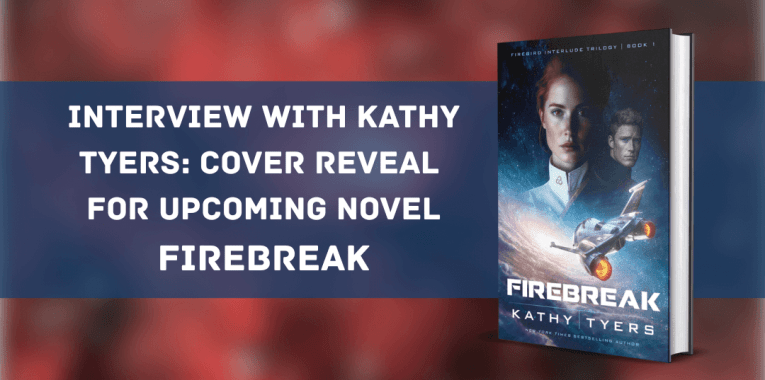
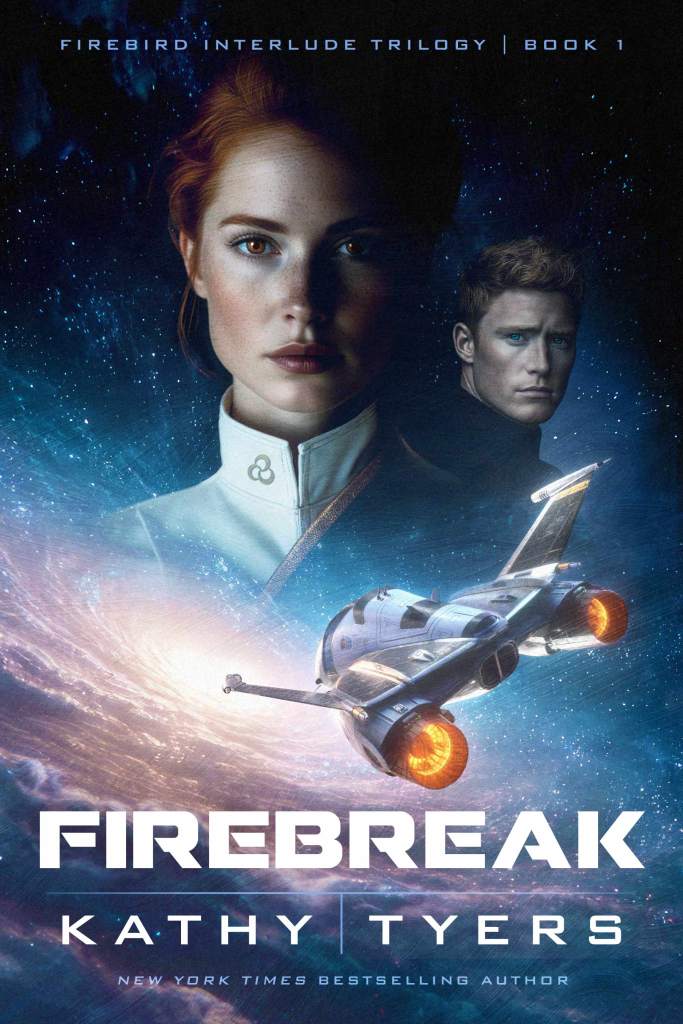
Interview with Kathy Tyers: Cover Reveal for Upcoming Novel Firebreak

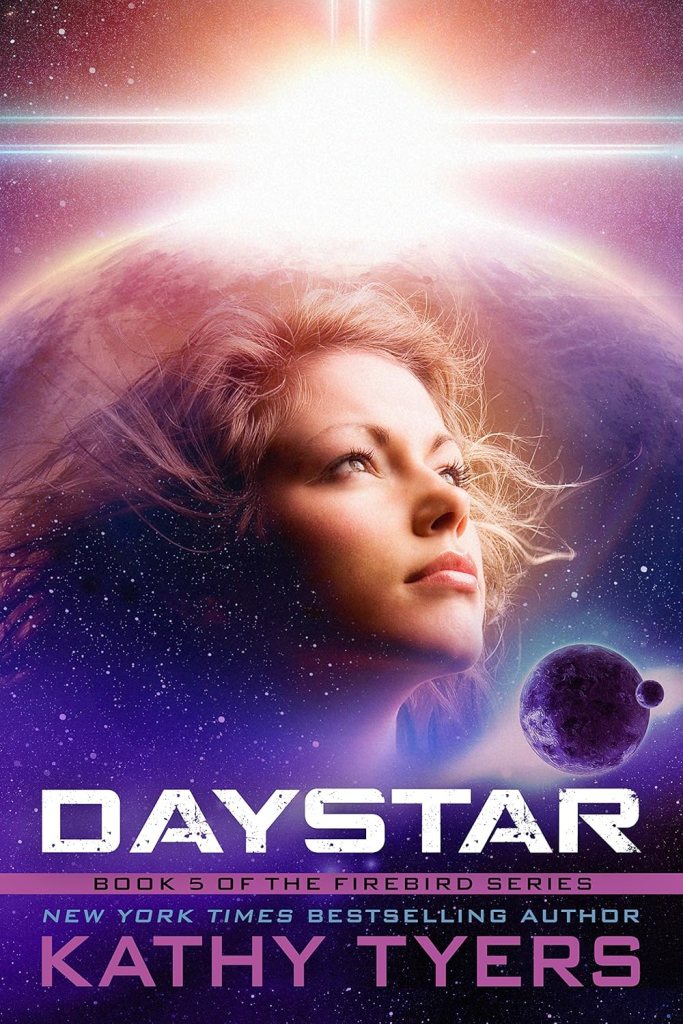
Kathy Tyers writes character-driven science fiction with a deep heart and an inquiring spirit. She is the author of the Firebird series – Firebird, Fusion Fire, Crown of Fire, Wind and Shadow, and Daystar – of the Star Wars universe novels Truce at Bakura and New Jedi Order: Balance Point, and of several stand-alones.

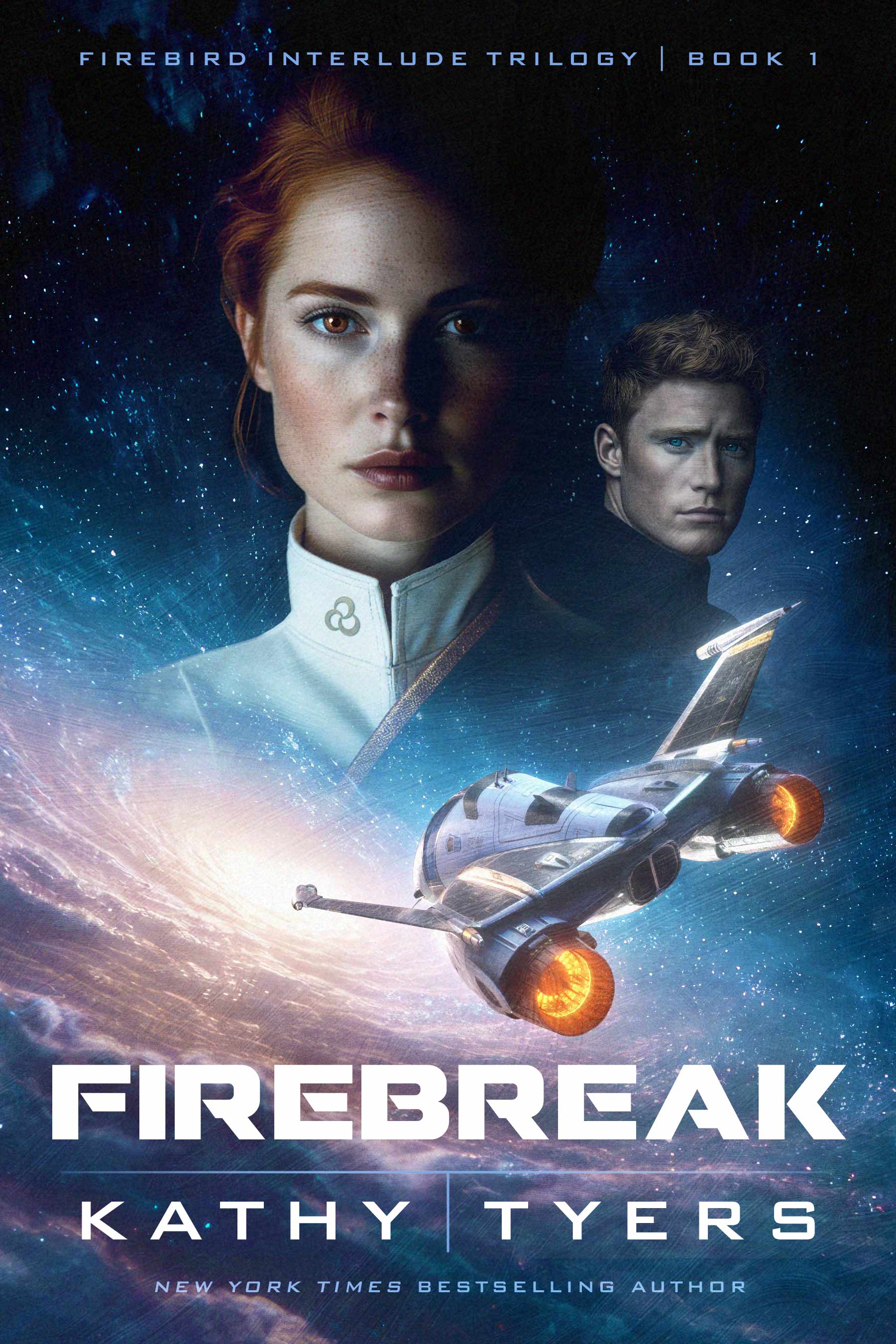
She returns to the Firebird universe with her upcoming release Firebreak, which takes place between Crown of Fire and Wind and Shadow. Releasing March 10, 2026 and now available for preorder, with 20% off on Enclave Publishing’s website!

Cover art by Kirk DouPonce at DogEared Designs

Lady Firebird Caldwell returns to the world of her birth, Netaia, intending to introduce her young sons to the noble Electors while her husband, Brennen, conducts a military inspection. When mysterious ships in distress suddenly approach the planet, the Electorate sends her to initiate first contact. Forced to work alongside a vengeful childhood enemy, Firebird uses everything within her power—even her passion for music—to negotiate, only to discover their alien technology threatens all the worlds she holds dear.

Facing ruthless betrayal, Firebird undertakes a deadly journey to salvage the mission. Brennen must make daring use of his telepathic powers to save human life in the galactic Whorl, including that of their young sons. But saving the worlds might force Brennen to give the order that would mean Firebird’s death. In a galaxy poised on the edge of ruin, survival may demand the ultimate sacrifice—from them both.

Caylah: I’m so excited to hear that you’re releasing a new book in the Firebird universe! The new cover looks stunning! Could you tell us more about Firebreak and how the story came to you?

One of the hardest choices an author can make is where to start and end their story – after all, the universe and characters never “end” in our own minds! It’s been quite a few years since your last book in the Firebird universe. How did you decide it was “right” to return?

Kathy: Caylah, thank you for the opportunity to talk about writing Firebird’s story again. If you don’t mind, I’d like to combine my answers to your first two questions.

In 2022, I thought I would never be able to write again. Long COVID had done bizarre things to my brain. Sometimes, I could barely wake up for two or three days, and then I’d have insomnia for most of a week. The worst of it was the sensation that something seemed to be creepy-crawling inside my skull. I barely had the energy to get through a day and cook dinner. Some people thought I was doing pretty well, but I had no energy left to write, which made me feel sad and old.

Still, every second Monday evening, I got together with some new writers from my church and helped them learn the craft. I tried to resurrect an old project of mine, Holy Ground, a rural fantasy novel. I’d written it in third person limited POV, and my writing friends encouraged me to try rewriting it in first person. Week after week, I simply had nothing to bring to the writers group. The passion just wasn’t there. I couldn’t persevere through the long, long process of writing a full first draft, even though the novel was substantially written already.

Finally, Broose–another founding member of that group, and a former Disney animator–challenged me to simply write something that brought me joy and fed my spirit. I had thoroughly enjoyed writing the Firebird series. They filled up something inside of me that had gone empty and dry during COVID. So, out of a sense of grateful nostalgia, I re-read all five of them. I found myself wondering what Firebird and Brennen were doing between Crown of Fire and Wind and Shadow. (Books 3 and 4) The next thing I knew, a new story was pouring out of me. The post-COVID lethargy was gone. Kathy Tyers was alive again.

Caylah: That is wonderful advice – returning to joy when our muse decides to hide under a rock. What did you enjoy most about this story and what are you excited for readers to experience (no spoilers of course!)? I’m personally excited to see more about Netaia’s culture and how it transforms over the years.

Kathy:  The characters! I’ve known Lady Firebird for most of my life. Over the years, she has matured into someone who feels very real to me. So does Brennen. Letting them find each other and embark on their adventures together satisfied a hunger in my soul. In our fallen world, we long for a happy ending–but doesn’t a happy ending usually lead to the next challenge?

Caylah: Indeed! Firebird came so alive to me, so I’m excited to see more of her story.

How does your relationship with God influence your writing process and story planning? e.g. perhaps you have a prayer you like to pray as you sit down to write. 

Kathy: I try to get to work immediately after my quiet time each morning. One of my favorite C.S. Lewis quotes says, in effect, that who/what you are will come out in your writing whether or not you try to put it there. So I work hard on telling a good story and, occasionally, on bringing forward the faith elements. Lightly but genuinely! The exception to “lightly” was Wind and Shadow, which was written as a Master’s degree project for Regent College, a wonderful theological school in Vancouver, BC. One of the main characters was a priest in training, you see….

Caylah: Amen! Out of the overflow of the heart, the mouth speaks. I remember you published a different edition of Firebird before your deal with Enclave. How did you choose to release a version with enhanced religious themes (is that the biggest difference)? Have you received criticism from fans of your general market (Star Wars) work?

Kathy: My editor Steve Laube had been a fan of my writing before I moved over from Bantam Books to Bethany House publishing, where he worked at the time. During our first conversation, he told me he had suspected for some time that I was a Christian because he’d found hints here and there in my writing (see C.S. Lewis quote above!). Yes, people have left reviews online warning other readers that my books from a Christian publisher have Christian themes. Surprise!

Caylah: Personally, I found the themes of shame, faith, and new life incredibly challenging and encouraging – they make the story have eternal significance. Are there any readers who’ve approached you over the years to share how the Christian message impacted them? All authors want to think that their stories have the power to transform at least one life! 

Kathy: One of the most moving experiences in my life was attending the baptism of a young woman who said she’d decided to become a Christian after reading the Firebird books.

Caylah: Wow, that’s incredible – praise God!

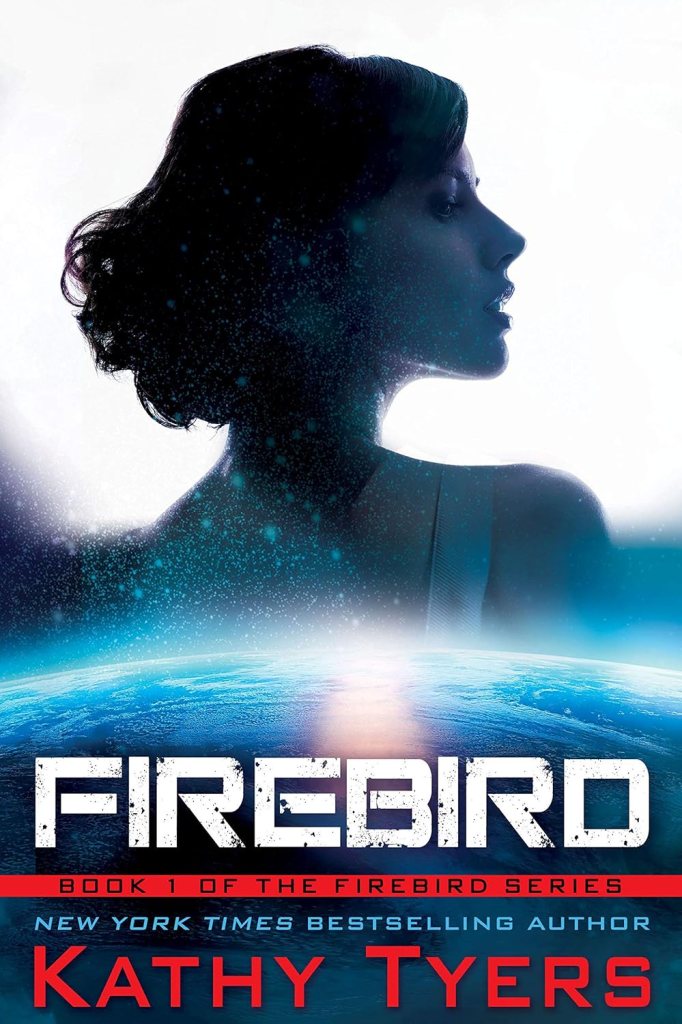
Read my review of Firebird book 1 here.

Caylah: I love how much you weave music into the chapter titles and into Firebird’s thought processes! In my opinion, that’s one of the elements that takes a character from “good” to “great” – their hobbies and passions actually transform how they view and interact with the world. I actually use your trilogy as an example when I offer this advance to new writers! Are there any other tips for character development that you’d share with budding writers?

Kathy: My characters usually reveal themselves to me slowly. I need to spend time with them, thinking through what they find beautiful, meaningful,or challenging. Often, it’s through the process of writing a first draft that I learn what drives them. I enjoy involving some of my characters in music or other arts because that’s been a big part of my background since childhood. I grew up in a musical family. I might ask a hopeful writer, “What do you enjoy, what do you know something about, besides your fiction? Can you layer that into your story in some way that enriches the plot?”

Now and then, though, inspiration hits in an instant. For example, I first glimpsed one of my favorite characters, Tel Tellai, when he was standing at the foot of a breakaway strip while a space-and-atmosphere fighter took off. He was just standing there in shock and protest, holding both of his arms stiffly down at his sides. “Who in the world is that?” I wondered. Calmly, he told me his name (honestly, that’s how it felt) and that he loved Phoena Angelo. I was shocked. “You love HER?? What???? How could ANYONE….” 

Caylah: Moments of “conception” like that make storytelling feel like such a superpower! Since we’re quoting C.S. Lewis, your description reminds me of how his main character in Till We Have Faces says, “I was with book, as a woman is with child.”

The interrogation scene between Brennen and Firebird is one of the most tensely compelling scenes I’ve ever read – the chemistry! I remember the first time I read it, how Brennen’s act of clicking his heels together and shifting forward to begin accessing Firebird’s mind was such a tangible moment that made me physically feel the tension in the room. Then I reread your annotated version and realized you did this deliberately (as good authors do, haha)! You articulated so clearly how physical actions can punctuate energy and emotion and create turning points within a scene without the characters using any words. Are you able to expand upon that idea, maybe going into when this tactic works and when it might not, for some writers?

Kathy: Thanks, Caylah. I love that scene too. I wrote at length about tagging dialogue with action beats in my book for the Christian Writers Institute, Writing Deep Viewpoint: Invite your Readers Into the Story. It isn’t always easy to find the right action beat. I hear my characters speak to each other long before I can see their body language or their surroundings. Every writer’s process is just a bit different.

Caylah: That sounds like a great resource – thank you! It’s encouraging to know that even elements which might not come as naturally or quickly to writers can still become a great strength.

There’s a lot of disagreement about what makes a “strong female character.” Some people have complained that Firebird too quickly gets “shunted into the role of wife and mother,” but I think you did a wonderful job of showing a variety of feminine strengths in Firebird. Being a lethal fighter pilot isn’t the only way to kick butt, which she still does throughout the rest of the trilogy! How would you describe your approach to writing female characters and do you think Christians “should” write women differently than we see in mainstream media?

Kathy: I’m especially glad you asked about this. “The role of wife and mother” is not the end of any story. In and of itself, it’s a high calling for many. For others, it’s a vital step into their unique future. When I brought Firebird and Brennen together, I knew that they both had strong reasons for wanting to create a family.

Still, they obviously weren’t the kind of people to live quietly-ever-after. How, then, would they balance parenting with the other calls on their lives? It’s been a challenge for me, just as it’s been a challenge for them. But they’re doing it! Just wait till you read how they get there in Firebreak. 

Caylah: I can’t wait to see the kind of trouble Kiel and Kinnor got into as kids!

Ok, now for my “fan girl” moment. When Brennen first feels Firebird’s mental shout he expects to find brotherhood. Though it didn’t turn out that way, I’ve been fascinated by what that dynamic would look like in their culture. I would LOVE to see a short story about a Sentinel “blood brother” pair!!! Do they have any famous “Gilgamesh-Enkidu” pairs or stories about sisterhood (which is rarer to find in fiction, sadly)?

Can individuals have more than one pair bond? For instance, would a pair bonded husband also be able to pair bond with a brother in arms? Would his bonded wife feel his brother through their connection at all? I then had fun imagining what would have happened if one of the Shuhr assassins had discovered they were connatural with one of the men in the Caldwell bloodline. What do you think would have happened – would they have stayed their hand as Brennen did with Firebird? 

Kathy: You may have given me a great subplot idea. Thank you. 

Caylah: Ooh, yes! Is there anything else you’d like to share about your story, process, or world?

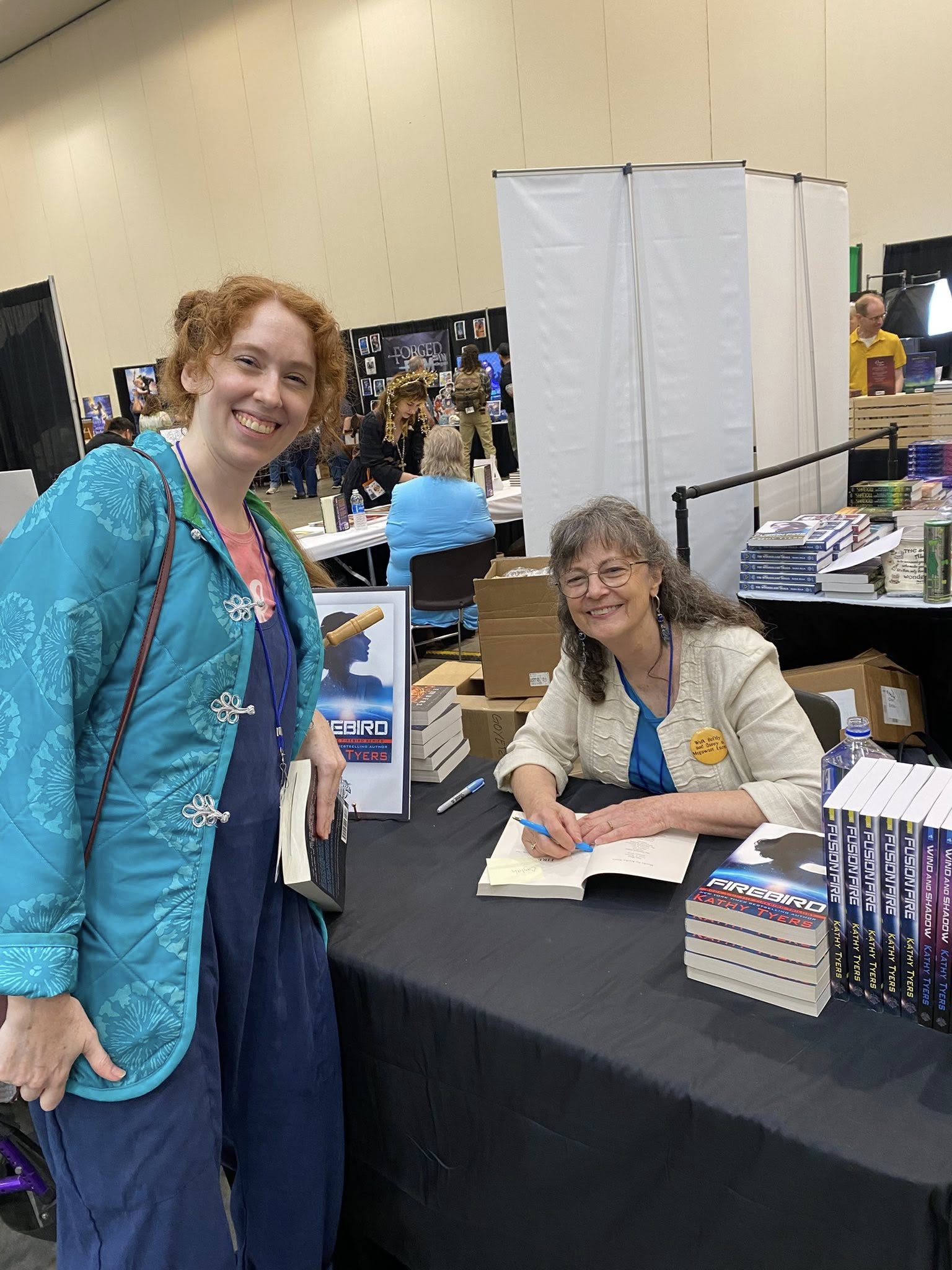
Kathy: Thank you again for the chance to share a bit about Firebreak, my favorite characters, and my writing process. It was a treat to meet you at Realm Makers, and I hope to see you there again in 2026, when Firebreak is finally available!

Caylah: Thanks! It was lovely meeting you too. And congrats on the birth of your grandson!

Kathy: Thank you!

Follow Kathy Tyers on Facebook for more news and discussions, and find the first book in her Firebird trilogy here. Firebreak, releasing March 10, 2026, is now available for preorder on Amazon or through Enclave Publishing’s website (20% off there).

Amazon links are affiliate links – I may earn from qualifying purchases.


Hi, I’m Caylah Coffeen, a freelance editor and marketer of sci-fi and fantasy books. I love reading and writing and am a follower of Jesus Christ.

I’ve worked for Monster Ivy Publishing and Eschler Editing, and am currently a weekly editor with Havok Publishing. Reach out to chat about books and publishing!

Thanks for stopping by my website! I hope you’ve found some helpful resources about reading, writing, and publishing. If you liked this article, here’s some more free content…

8 Reasons Authors Should Sell Books at In-Person Events

Guest Post by Dylan West

For authors struggling to sell a single book on Amazon in a whole month: how would you like to sell 10 to 20 of them in a single day? When you table up at a local sales event, that’s not hard to do. That’s just one reason to vend at regular, local events. Here are some more:

1. Brand awareness

if you hang a big, clear, beautifully designed banner at your table, you let passersby know that your business exists. Because I table up at a decent-sized event each Saturday, over 50,000 people see my books and banner every year.

2. Fan building

When shoppers walk by or visit my table, people take actions like:

  • Check out my books and ask me questions
  • Buy my books or sign up for my newsletter (often both)
  • Buy the related merchandise. If they buy my t-shirt, they may wear it, providing free advertising
  • Give me donations (sometimes large ones)

In-person events are the best way to increase word of mouth and gain further opportunities. Some people will:

  • Tell other passersby to check out my books and rave about how good they are – this happens to me quite a bit, and it’s driven lots of sales 🙂
  • Tell friends about my books. Some may even buy my book as a gift or haul their friend over to my table
  • Invite me to some other sales event or speaking engagement. One person invited me to speak at a local college, which paid me a $100 speaking fee and bought 3 of my books to display at the front of their campus library!

Seeing you in person will make people remember:

  • To finish the book they bought from me last year
  • To buy more books because they loved the first one
  • To sign up for my newsletter or read the newsletter articles I’ve been sending them
  • That my books exist – that’s a huge thing. If someone buys a book from you a few years ago, it’s easy for them to forget about you if they didn’t sub to your newsletter

3. Sales Practice

Nothing makes you better at sales than getting hundreds of sales opportunities each month. Each shopper that stops is a live-fire practice session.

4. Steady cash flow

The money I make at my sales events funds my next book. I don’t have to pay anything out of pocket after my initial investment. I use sales earnings to pay for book cover art, ISBNs, formatting, software, copyright filings, business licenses, author copies, web hosting, domain names, paid ads, and a lot more I’m forgetting.

5. Newsletter building

The best way to gain new newsletter subscribers is to collect emails from people who just bought your book(s). They are more likely to open and read your emails than people who signed up for a free novella and then unsubbed right after.

6. Fun

I could go on for hours about all the wacky and funny things I’ve experienced at farmers markets and comic cons while vending. I get to meet neat people, pet cute doggies, crack lots of corny jokes, hear corny jokes in return, see really interesting performers, hear live music, and have the thrill of making big sales.

And I have fans hunting me down at events when they learn that my newest book just came out!

7. Identity

Nothing reminds you that you are, in fact, a published author like going to regular sales events. Many indies who published a book long ago have almost forgotten that they are a published author and that they should be selling their books.

Going to in-person events makes your authorship more real than if you lob an e-book onto Amazon and do nothing more.

8. Reviews

You will get more reviews for your books if you table up at sales events. Especially if you remember to ask shoppers to leave a review!

Now that I’ve persuaded you to table up at local events, let me share some tips for how to run them so you actually sell books – based on my years of experience!

Read Part 2: How to Set up an Author Table for Maximum Book Sales

About Dylan West

Dylan West writes faith-based, young adult science fiction and fantasy novels. He is a Jesus lover, web and video game developer, former Navy nuclear operator, foreign language nut, and a nut in general.

While other people are busy thinking normal thoughts, he’s crafting corny jokes. Dylan lives in Chesapeake, VA, with his wife and daughter.

Please sign up for his newsletter to get the geekiest science research tidbits that go into the making of his books: https://dylanwestauthor.com/.

Top Reviewers of Christian Speculative Fiction (Sci-Fi, Fantasy, and More)

Good reviews are absolutely essential for the sales of your book. Readers want to find out if your book is worth reading without having to expend much time upfront. The opinion of readers like them is a huge factor in decision-making.

But Christian fantasy, sci-fi, and horror are niche genres which have a relatively small audience. It’s already hard enough for authors of mainstream fiction to find reviewers, but you might feel incredibly frustrated trying to find the small crowd of readers who won’t condemn your themes of faith OR accuse you of “condoning witchcraft.”

So I’ve compiled a list of resources to help you gain reviews for your Christian SFF book – all of them are friendly toward indie and self-published authors:

  1. ARC websites DO accept Christian sci-fi and fantasy books
  2. Book magazines that review Christian sci-fi and fantasy
  3. Websites that review Christian spec fic
  4. Blogs that review Christian speculative fiction
  5. Christian speculative fiction on Booktube
  6. Christian fantasy reviewers on Instagram
  7. Goodreads reviewers of Christian SFF

ARC Websites DO Accept Christian Sci-Fi & Fantasy Books

Top advanced reader copy (ARC) websites include NetGalley, BookSirens, and BookSprout. Publishers list their upcoming releases and readers can create an account and request free copies, in exchange for leaving an honest review.

These websites accept all types of genres and any reader can sign up for a free account. I’ve seen Christian fantasy and sci-fi listed on these sites (I’m a reviewer on BookSirens). It’s quite possible that other Christian readers of sci-fi and fantasy browse these websites and will request your book.

The MOST important factor which affects your book’s likelihood of approval on these sites is your release date. If your book was published more than 6 months ago, they will not consider it eligible. Ideally, your book should be available on these sites at least 3 months before publication so that you gain some positive reviews by the time your book goes live. That’s why they’re called advance reader copies.

Note that you are not paying for a review. You are paying these companies to connect you with their list of reviewers.

NetGalley

This is the go-to location for the Big 5 Publishers, so indie authors have to compete with many famous authors and books in high-demand. However, the publishers are also picky about which reviewers they send free books, so there are many readers on the platform who want free books and will keep browsing if they don’t get their top choice.

Prices: $60-800+ depending on what type of plan you purchase. Kindlepreneuer has a great article summarizing the best NetGalley deals.

BookSirens (Our Top Choice!)

This is my favorite ARC site because I think they have the best search function – this makes it easy for me, as a reader, to narrow down their choices and find exactly the type of book I’m looking for.

They also keep a public database of reviewers which allows authors to search for good matches and reach out in-person to readers they think will enjoy their book.

Prices: $10/ARC plus $2/reader or $100/year for unlimited ARCs – learn more

BookSprout

BookSprout is similar to BookSirens, in that it’s very friendly to indie authors. Their plans offer a certain amount of reviewers per month. For instance, if you pick their $9/mo plan, you can receive up to 25 reviews. With their $29 and $59/mo plans, you get unlimited potential reviews.

Prices: $9-59/month – learn more

Book Magazines that Review Christian Sci-Fi and Fantasy

Readers Favorite

This is a popular site that reviews indie and bestselling authors alike. They state that, “more than half of the books submitted for a free review will receive one within three (3) months. Some books are reviewed in less than a week while others are never selected for review.”

You can see some of the Christian fantasy books they currently have listed.

Request a free review.

Independent Book Review

The Independent Book Review exclusively reviews indie release in a wide variety of genres. They’re composed of a team of reviewers, with varied preferences. They note that they do not accept: “some religious books.” But that likely does not exclude SFF with themes of faith, redemption, and the like.

Request a free review.

Booklist Online

This site helps library professionals choose which books to stock. They state, “As the book review journal of the American Library Association, Booklist connects library and education workers to the books and resources needed to support and enrich their communities.” They also have a branch of their site oriented toward library patrons who are searching for their next read.

Since they receive over 60K review requests per year, I suggest only submitting to them if you think your book has wide appeal. This could be a great option for children’s book authors as well.

Request a free review. Or look through their database of reviewers and connect locally.

Websites that Review Christian Spec Fic

Lorehaven (Our TOP Choice!)

Lorehaven is currently the only major website completely dedicated to writing about Christian sci-fi, fantasy, and other speculative fiction. They maintain a database of Christian SFF books, and authors and readers alike can submit books to be included.

They have a team of reviewers and for your book to be considered it must be: Christian-made, fantastical in genre, and professionally published (indie or traditional). Lorehaven also runs a podcast and has an active discord server for readers.

Request a free review.

Redeemed Reader

They review both secular and Christian-made sci-fi and fantasy, but focus on works released by major publishers. So this is not a good option for self-published authors. They review mostly middle grade and YA, aiming their reviews at parents, though you can submit books aimed at adults as well.

Find their review submission guidelines here.

Reformed Perspective

Jon Dykstra, the editor of Reformed Perspective, has reviewed a number of Christian fantasy books, including the Wingfeather Saga and The Dark Harvest Trilogy. There’s not an official way to request reviews on this website, which emphasizes curated and reflective content, but there is no harm in bringing your series to their attention.

You can contact them here.

PluggedIn

PluggedIn is aimed at parents and mostly reviews popular media. Their intent is to help parents filter through the (often secular) content their children are most likely to encounter and request to read or watch. But they have reviewed Christian-made fantasy novels.

They do not have an official way to request reviews, but you can email them directly at letters@pluggedin.com. Keep in mind that the more requests they receive for a certain type of review (or specific work of fiction), the more likely they are to see it as a high demand and expand into that area.

Blogs That Review Christian Speculative Fiction

A Writer’s Hand (by Creative Cornerstones)

This is our blog, and we’re glad you’ve found your way here! We love reviewing science fiction and fantasy of all types, including those with Christian themes!

You may submit a review request here. Please be sure to check out my reading wishlist first! Note that I do not review books with more than 2 POVs.

Periapsis Press (Our Top Choice!)

Periapsis Press is one of the most prolific reviewer sites of Christian SFF, run by Katie and David Roome! They also offer author interviews and invite guest posts from reviewers.

Request a review.

Christian Indie Book Review

Chris Solaas writes concise reviews that include: an analysis of each story, a summary of the Christian content, and estimated ratings for mature content. He notes that he receives way more requests than he can ever accept or even respond to, and is also behind on the books he has chosen to read.
Request a review.

Madi’s Musings

She reviews fantasy and historical romance if they’re “squeaky clean.” She is actively posting.

Request a review.

Kristi’s A Journey of Words 

Kristi notes: “As a self-published author myself, I realize the need for reviews and certainly empathize with the difficulty of self-marketing. I read some fantasy, but not really paranormal. I read sci-fi, but not so much space operas.” She has a list of her preferred genres.

Request a review.

Explore Words and Worlds

Leah is a Christian and avid book lover who reviews books clean in language and content, though she will read dark and violent content – which she will then warn of in her reviews.

Request a review.

GraceBought

Coralie reads and reviews both Christian fantasy and classics. She notes in her book review index that you can reach out on her contact page if you’d like to see specific reviews.

Request a review.

Inside the Wrong Mind

Kim is a Christian and reviews clean fiction including fantasy, sci-fi, and romance.

Request a review.

Wishful Endings

Tressa only reviews clean books and notes, “I pretty much read all sub-genres (contemporary, historical, fantasy, dystopian, scifi, steampunk, etc., except most thrillers).” She is backlogged with requests, so be sure to compare her recent reads with your book to see if you’ll be a good fit.

Request a review.

Christian Speculative Fiction on Booktube

Be aware that YouTube videos rarely focus on reviews of individual books, and are more likely to include a list of recommendations or a discussion and comparison of a genre. It’s still a great way to reach a wider audience of readers!

Celestria

Celestria says, “I talk about clean and Christian books here. Subscribe to watch me fangirl about fictional characters, drink too much coffee, and sing the occasional song.”

Rochelle Ackerman

Rochelle is a vlogger based out of South Africa! She makes videos about her faith, her daily life, and books. Here’s a video she made about Christian fantasy.

Rachel Reads

Her bio says she’s “a teenage author, book lover, and Christian with a big dream and an even bigger God.” She reviews and recommends Christian fantasy, definitely on the cleaner side.

Book Lover Amanda

She creates a lot of great content, including book recommendations and reading vlogs.

Jamie The Kansan Reader

She focuses most on clean fantasy fiction and is actively creating videos.

The Rebel Christian

Valicity Elaine used to run this BookTube channel, but transformed it into an indie publishing company with the same name! She still actively reviews on Goodreads. I encourage you to get in touch with her!

Christian Fantasy Reviewers on Instagram

There are many great book reviewers on Instagram who mention that they’re Christian and love to read sci-fi and fantasy! Try searching with tags like #Christianbookblogger, #christianfantasy, and #bookreview. It might take you a while to filter through, but it’s well worth it. I find reviewers on IG to be incredibly friendly, excited, and open to helping share the work of new and indie authors!

Note: I am actively researching and expanding this section.

Goodreads Reviewers of Christian SFF

These individuals have left Goodreads reviews on multiple major works of Christian sci-fi and fantasy and most note on their profile that they are interested in both genre fiction and Christian works. I only included accounts of people who have been active on the platform within the past year.
You could certainly friend them and send a message, but keep in mind that most of these people are readers who do not run “official” reviewer blogs. So be sure to browse through some of their favorites to make sure that they’d actually be interested in your book, BEFORE reaching out to them.

Find more individual readers by scrolling through positive reviews left on your favorite Christian SFF books!

Who Are Your Favorite Reviewers?

If you’re an author of Christian SFF and have some favorite reviewers who love your work, please share so I can keep expanding this list! If you yourself are a reviewer of Christian SFF, please let me know if you’d like to be featured!


Hi, I’m Caylah Coffeen, a freelance editor and marketer of sci-fi and fantasy books. I love reading and writing and am a follower of Jesus Christ.

I’ve worked for Monster Ivy Publishing and Eschler Editing, and am currently a weekly editor with Havok Publishing. Reach out to chat about books and publishing!

Thanks for stopping by my website! I hope you’ve found some helpful resources about reading, writing, and publishing. If you liked this article, here’s some more free content…

“Toxic Femininity” – Where “Strong Female Characters” Went Wrong

By Caylah Coffeen

I recently picked up an epic fantasy book I had greatly anticipated reading – it promised unusual worldbuilding, an intricate plot, and a unique authorial voice. I didn’t make it through the first chapter.

In the opening, the main female character gets drunk, breaks into someone’s home to commit adultery, assaults the homeowner when he tries to stop her, and gets thrown in jail. When she wakes up, she bangs on the bars and yells at the guards to let her out, as though she’d done nothing wrong. A stranger, who greatly outranks her, bails her out and gets her acquitted because he wants to hire her. She struts out like she owns the place, doesn’t offer this man a single thank you, and instead mouths off at him, becoming offended that he expects her to work off her debt to him!

That’s when I stopped reading. I was astounded we were supposed to find this character likeable. Or even admire her defiant attitude and the gargantuan chip on her shoulder.

Unfortunately, this is the exact type of character readers can expect to see over and over again, advertised as a “strong female lead.”

I would use another word: cocksure. I’m sorry if you find that crass, but that’s the point – that’s exactly what these characters are.

The Double Standard

How is it that the word I’ve found to best describe these “strong female characters” has largely been used in the past to describe men being jerks? It’s pretty much the old word for “toxic masculinity!” If a male character acted the way these female characters do, that’s exactly what they’d be called! No, if they acted half so horribly, they would never have made it past a publisher’s slush pile. Instead, we would have seen acquisitions editors tweeting about how triggered they felt.

I’m glad that publishing has enacted a higher standard for male characters! So many male “heroes” in books do treat everyone around them terribly, break their word, kill and torture without remorse, look out only for themselves, emotionally abuse their friends, abandon their families, and drink, swear, and fight with impunity. It continues to horrify me that stories like Prince of Thorns were ever published, and I’m relieved that publishers would reject such books today.

But I don’t want to read about hubristic, “antihero” women any more than I want to read about sociopathic, egotistical men. So why is this behavior seen as not just acceptable, but “cool” when enacted by women?

It shouldn’t be, for two reasons. But before I get into why, let’s define our terms.

“Toxic” or “Sinful?”

I’m a Christian, and I’m fine with using the phrase “toxic masculinity” because men are sinners, and like all sinners, glorify their sin as right. The world’s version of a “strong man” is extremely different from God’s version, and yes, it’s often toxic. Greed, rape (jokes), idolatry, and violence are all sins that God condemns. In the Bible, the “men after his own heart,” are faithful, humble, selfless, obedient to his law, self-controlled, and gracious. This is “righteous masculinity,” nothing like the “locker room boasters” which our culture has seen as cool (in the past). And praise God for the men who seek to be made anew in such a way!

When women call out “toxic masculinity,” I feel a lot of compassion for people who are often coming from non-Christian households. They’ve never met a godly man in their life, and they don’t have the words to explain why their relationships feel so wrong. So they use terms given to them by mental health professionals.

However, I know that many modern* feminists also use the phrase “toxic masculinity” to assert that the idea of gender differences and the existence of masculinity are in themselves toxic. I reject that claim and do not use the phrase in such a way.

*Early feminists were wonderfully brave women who championed equal rights under the law and were almost all Christians, so please be careful if you’re tempted to make blanket denigrating statements about feminists. I encourage you to read about the different “waves” of feminism to understand how/when things went wrong.

Our culture also praises the sins of women, glorifying selfish, petty, greedy, cruel speech and actions as “subversive, bold, driven, audacious, or strong.” We could refer to this as “toxic femininity,” and indeed if we are going to call out sinful masculinity, then we should be willing to do the same for sinful versions of femininity.

Though perhaps it’d be much better if we dropped this phrase entirely, in favor of biblical language. The Bible uses different words than “toxic”:

Righteous or wicked
Godly or ungodly
Integrity or crookedness
Alive in Christ or dead in sin
The wise or the fools

What does Proverbs tell us about what it looks like to live a righteous life?

The righteous hate what is false, but the wicked make themselves a stench and bring shame on themselves.
The heart of the righteous weighs its answers, but the mouth of the wicked gushes evil.
The righteous detest the dishonest; the wicked detest the upright.

Proverbs 13:5, 15:28, 29:27

I yearn to read about main characters who are considered heroes because they are righteous, not because they are wicked!

How dare publishers act as though they’ve made a stand for morality, only to turn around and espouse those same evils when committed by people like themselves! And these new heroes aren’t even well written.

Most “Strong Female Characters” Are Badly Written

It wasn’t just a shift in culture that led to a decline in the “toxically masculine” character. Publishers just started pointing out that such characters are often badly written and make for flat stories. Which is true.

Contemporary female leads, like many stereotypical male leads in older books (prophesied farm boy), are often 2-dimensional, cut-and-pasted copies of each other. Handing a girl a sword doesn’t give her a personality, though apparently it gives the author an excuse not to develop one. The most noticeable things about them, aside from their superior talent and skills, are their entitlement, aggression, arrogance, and air of martyrdom. When the story starts, they are the universe’s gift to humanity, and when the story ends, they are the universe’s greater gift to humanity.

Readers see very little character development, with the exception of “healing” from whatever injustice the world has perpetrated against the main character. There are no personal flaws they need to face and overcome. Everything is someone else’s fault. This makes for extremely boring storytelling. It breaks the cardinal rule of character development.

Everyone who’s taken an intro to creative writing course knows the joke about “the frat boy who signed up to get an easy humanities credit”: The guy writes a story about a perfectly handsome, intelligent, desirable young man who breezes through all his problems and gets the girl who wrongly rejected him before. The professor has to explain that a good (and realistic) story needs flawed protagonists (not the same as morally grey) and problems that they can’t immediately overcome. This creates tension in the plot and spurs development in the character. Usually, the new writer resists, because their character is actually a self-insert and they feel personally attacked at the implication that they have flaws.

These points are no less true for female writers and female characters. In fact, these days male writers are much more likely to accept feedback when you tell them their character needs work – I know, I’ve worked with quite a few developing male writers. But female writers are likely to get up in arms if anyone criticizes how unrealistic or entitled their female characters are. Because these authors are often living out their dreams of being able to get away with literal crime, say whatever they want to the men in their life, and be respected and taken seriously for it.

And, predictably, the characters and plot of these stories suffer for it. Yet publishers will ignore these obvious problems when they’re seen in female characters, because they too are fantasizing about walking around like god and being worshiped for it – as all sinful humans do.

Which brings me to the second reason why we should reject “toxic femininity” – the glorification of unrighteous women – in books.

Bad Ideology, Bad Examples

The version of femininity which is portrayed in so many of these stories is not something I want to embody. I don’t find these women strong. They are not good role models. Most of them are angry, bitter, self-absorbed individuals who hate authority, are isolated from healthy community and family, and listen to no one but themselves. They are unrighteous and thoroughly broken.

These characters embody everything that women have called out as wrong in male behavior. At least modern feminists have gotten more honest. Their actual message is, “men shouldn’t play god, but women are god.” I suppose these books sell because fallen people do relate to this desire. I don’t know why anyone is shocked – this is the oldest sin there is.

“You will be like God, knowing good and evil.”

Yours truthlessly,
Satan

That’s the message publishers are selling to girls: “you can be like god.” Girls down these books like cheap shots, craving temporary gratification in place of the answer that will truly quench their thirst. Such stories can never satisfy, because they run in direct opposition to the Great Story, which tells of a plain, humble, kind man doing what is right and vanquishing evil at great cost to himself, for the sake of others.

This doesn’t mean I only want to read stories about knights saving damsels in distress from dragons, though the trope is justifiably iconic (pun intended)! This is one major reason why I personally prefer reading about male mc’s.

But I do want Queens who save their kingdom from evil. Yes, give me heroines running around in capes and busting out martial arts moves. I need to read stories about female strategists, inventors, explorers, and more. AND I want to read stories about mothers, sisters, shy girls, bookworms, wives, and any other profession out there.

SO LONG as all these women first and foremost embody integrity, kindness, faithfulness, humility, goodness, and other signs of godly character. So long as her flaws and mistakes are actually portrayed as problematic and she actively wrestles to overcome them!

We have beautiful examples to guide us!

Noah’s wife cared for her family through the ending of the world, Abigail defied her wicked husband, Ruth braved the wilderness and poverty for love, Esther faced the emperor of the known world head on, Mary encountered an eldritch creature with who knows how many eyeballs and sang for joy. Jael and the woman of Thebez smashed open the heads of villains with household implements!

The woman of Thebez wields her deadly millstone

These are strong women, brave women, faithful women – women after God’s own heart.

Don’t believe the world’s picture of femininity. It is toxic. It is the way that leads to death. I urge you not to write self-absorbed, 2D, arrogant female OR male characters, but to look at the truth of God’s word and write stories that would please him and better teach us how to hear his story.

P.S. If anyone wants to make a biblical argument in favor of the descriptor “toxic,” I’m all ears (Matt 16:6). After all, a little Axe body spray goes a long way. 😉


Hi, I’m Caylah Coffeen, a freelance editor and marketer of sci-fi and fantasy books. I love reading and writing and am a follower of Jesus Christ.

I’ve worked for Monster Ivy Publishing and Eschler Editing, and am currently a weekly editor with Havok Publishing. Reach out to chat about books and publishing!

Thanks for stopping by my website! I hope you’ve found some helpful resources about reading, writing, and publishing. If you liked this article, here’s some more free content…

18 Young Adult Urban Fantasy Books with a Male Protagonist (Science Fantasy, Superhero, Steampunk, & More)

This is part 2 of my ongoing series of book lists featuring young adult books with male protagonists. Part 1 lists high/epic fantasy books with young male leads, which you can read here!

I personally prefer reading about male protagonists (I’m a woman). I also would rather read a book with 1 POV, rather than ones that switch back and forth between different perspectives. The pacing of young adult fiction is also perfect after a long day at work!

Or perhaps your son has outgrown Spiderman, but isn’t ready to pick up adult fiction yet.

However, since the young adult market is largely aimed at girls and women these days, it can be a bit hard to find fast-paced books with 1 male main character. So I thought I’d share my growing TBR list with you all to help you find this kind of story as well!

Happy reading!

  1. Science Fantasy
  2. Superheroes and Academies
  3. Urban Fantasy and Supernatural
  4. Steampunk
  5. Comedy/Parody

This article contains affiliate links – I may earn a small commission on qualifying purchases at no extra cost to you.

Science Fantasy Books

Science fantasy is the umbrella term for fantasy that doesn’t fit neatly into just one genre! From contemporary fantasy and superpowered characters, to fantasy that leans a bit more toward sci-fi, there are a lot of great stories that fall outside of the epic category.

1. I Am Number Four by Pittacus Lore

John Smith seems like an ordinary teenager, living a normal life with his guardian Henri in Paradise, Ohio. But for John, keeping a low profile is essential, because he is not an ordinary teenager. He’s an alien from the planet Lorien, and he’s on the run. A group of evil aliens from the planet Mogadore, who destroyed his world, are hunting anyone who escaped.

Nine Loric children were sent to Earth to live in hiding until they grew up and developed their Legacies, powers that would help them fight back—and help them save us. Three of them are now dead. John is Number Four, and he knows he’s next….

2. Steelheart (The Reckoners 1) by Brandon Sanderson

Ten years ago, Calamity came. It was a burst in the sky that gave ordinary men and women extraordinary powers. The awed public started calling them Epics. But Epics are no friend of man. With incredible gifts came the desire to rule. And to rule man you must crush his will.

Nobody fights the Epics…nobody but the Reckoners. A shadowy group of ordinary humans, they spend their lives studying Epics, finding their weaknesses, and then assassinating them.

And David wants in. He wants Steelheart — the Epic who is said to be invincible. The Epic who killed David’s father.

3. Pathfinder by Orson Scott Card

Only his father knows the truth about Rigg’s strange talent for seeing the paths of people’s pasts. But when his father dies, Rigg is stunned to learn just how many secrets Father had kept from him—secrets about Rigg’s own past, his identity, and his destiny. And when Rigg discovers that he has the power not only to see the past, but also to change it, his future suddenly becomes anything but certain.

Rigg’s birthright sets him on a path that leaves him caught between two factions, one that wants him crowned and one that wants him dead.

4. Flames of Mira (The Rift Walker 1) by Clay Harmon

Among boiling volcanoes under Mira’s frozen lands, people like Ig are forced to undergo life-threatening trials that bind chemical elements to the human body. One of Mira’s most powerful elementals, Ig serves as an enforcer for Magnate Sorrelo Adriann, but is cursed with flesh binding magic that will kill him at the first sign of disobedience.

When Sorrelo is overthrown, Ig quickly learns he can do far worse than what has been asked of him so far. If he can’t escape the flesh binding in time, he will have to kill friend and foe alike to stop his master reclaiming the throne, or sacrifice himself trying.

Superheroes and Magic Academies in Fantasy

These books aren’t so different from the ones above, as they also feature superpowered individuals. But if you like the added structure of magic academies and secret organizations, or you’re looking for stories set in the superhero/supervillain “metaverse,” these ones are for you!

5. The Rithmatist by Brandon Sanderson

More than anything, Joel wants to be a Rithmatist, one who has the power to infuse life into two-dimensional figures known as Chalklings. Rithmatists are humanity’s only defense against the Wild Chalklings—merciless creatures that leave mangled corpses in their wake.

As the son of a lowly chalkmaker at Armedius Academy, Joel can only watch as Rithmatist students study the magical art that he would do anything to practice. Then students start disappearing—leaving trails of blood. Assigned to help the professor who is investigating the crimes, Joel and his friend Melody find themselves on the trail of an unexpected discovery.

6. The Never Hero (Chronicles of Johnathan Tibbs 1) by T. Ellery Hodges

Heroes are supposed to be the first to step forward. I didn’t. I was drafted.
An Alien, Heyer, did this to me. I asked him once why I had to do all the fighting while he watched from the shadows. He said he couldn’t be replaced. But I could be.

My name is Jonathan Tibbs. I’m the one standing between Earth and the Enemy.
They tell me every hero’s story follows a path. If I’m going to save the world, I have to find a different one.

7. The Paladin Prophecy by Mark Frost

Will West is careful to live life under the radar. At his parents’ insistence, he’s made sure to get mediocre grades and to stay in the middle of the pack on his cross-country team. Then Will slips up, accidentally scoring off the charts on a nationwide exam.

Now Will is being courted by an exclusive prep school . . . and followed by men driving black sedans. When Will suddenly loses his parents, he flees to the school. There he begins to explore all that he’s capable of–physical and mental feats that should be impossible–and learns that his abilities are connected to a struggle between titanic forces that has lasted for millennia.

8. The Rise of Renegade X by Chelsea M. Campbell

Sixteen-year-old Damien Locke has a plan: become a professional evil genius, just like his supervillain mom. But then he discovers that the one-night stand that spawned him was actually with a superhero, and his dad insists he come live with him.

Damien has to survive his dad’s “flying lessons” that involve throwing him off the tallest building in the city and keep his supervillain girlfriend in the dark. But when Damien uncovers a plot to turn all the superheroes into zombie slaves, a plan hatched by his own mom, he has to choose: let his family become zombies, or stand up to his mom and become a real hero.

9. Psion Beta by Jacob Gowans

In the shadowy underbelly of a futuristic city, Sammy, a fourteen-year-old fugitive, stumbles upon a secret: he possesses the extraordinary powers of a Psion.

Plucked off the streets, he is thrust into the rigorously disciplined environment of Psion Beta headquarters. As a new Beta, Sammy must hone his newfound abilities using holographic fighting simulations, stealth training missions, and complex war games.

But when things go horribly wrong on a routine training mission, he must rely on the other Betas to stay alive.

10. Into the Labyrinth (Mage Errant #1) by John Bierce

Hugh of Emblin is the worst student that the Academy at Skyhold has ever seen. He can barely cast any spells at all, and those he does cast tend to fail explosively. He’s also managed to attract the ire of the most promising student of his year – the nephew of a king.

When an unusual mage unexpectedly selects him as apprentice in the Choosing, however, his life starts to take a sharp turn for the better. Now all he has to worry about is the final test for the first years – being sent into the terrifying labyrinth below Skyhold.

Urban Fantasy & Supernatural Books

Most urban fantasy tends to jump straight to adult fiction, with adult characters and grittier scenarios and content. A lot of supernatural fantasy shifts towards paranormal romance. But I found a promising few. If you can think of any more urban fantasy examples with young male leads, please share!

11. White Cat (Curse Workers 1) by Holly Black

Cassel comes from a family of curse workers—people who have the power to change your emotions, your memories, your luck, all by the slightest touch. Since curse work is illegal, they’re all criminals. But not Cassel. He hasn’t got the magic touch, so he’s an outsider—the straight kid in a crooked family—as long as you ignore one small detail: He killed his best friend, Lila.

Now he is sleepwalking, haunted by terrifying dreams of a white cat. His brothers are keeping secrets from him. As Cassel begins to suspect he’s part of one huge con game, he must unravel his past and his memories. To find out the truth, Cassel will have to outcon the conmen.

12. Infinity (Chronicles of Nick 1) by Sherrilyn Kenyon

At 14, Nick Gautier thinks he knows everything about the world around him. Streetwise, tough, and savvy, his quick sarcasm is the stuff of legends. . . until the night when his best friends try to kill him. Saved by a mysterious warrior who has more fighting skills than Chuck Norris, Nick is sucked into the realm of the Dark-Hunters: immortal vampire slayers who risk everything to save humanity.

Now Nick has to hide his werewolf friends from his mom, his chain saw from the principal, and keep the zombies and the demon Simi from eating his brains, all without getting grounded or suspended.

13. A Monster Calls by Patrick Ness

Conor has the same dream every night, ever since his mother first fell ill, ever since she started the treatments that don’t quite seem to be working. But tonight is different. Tonight, when he wakes, there’s a visitor at his window. It’s ancient, elemental, a force of nature. And it wants the most dangerous thing of all from Conor. It wants the truth.

Patrick Ness takes the final idea of the late, award-winning writer Siobhan Dowd and weaves an extraordinary and heartbreaking tale of mischief, healing and above all, the courage it takes to survive.

14. Nightlife (Cal Leandros 1) by Rob Thurman

There’s a troll under the Brooklyn Bridge, a boggle in Central Park, and a beautiful vampire in a penthouse on the Upper East Side—and that’s only the beginning. Of course, most humans are oblivious to the preternatural nightlife around them, but Cal Leandros is only half-human.

His father’s dark lineage is the stuff of nightmares—and he and his entire otherworldly race are after Cal. Why?

He and his half-brother Niko have managed to stay a step ahead for three years, but now Cal’s dad has found them again. And Cal is about to learn why they want him, why they’ve always wanted him…

Steampunk Books

Classic steampunk mostly features adult characters, and a lot of contemporary steampunk has merged with the fantasy of manners sub-genre, featuring dashing young girls with pistols under their skirts. But here are a few that feature young men!

15. Leviathan by Scott Westerfeld

It is the cusp of World War I. The Germans have their Clankers, steam-driven iron machines loaded with guns and ammunition. The British Darwinists employ genetically fabricated animals as their weaponry. Their Leviathan is a whale airship, and the most masterful beast in the British fleet.

Aleksandar Ferdinand, a Clanker, and Deryn Sharp, a Darwinist, are on opposite sides of the war. But their paths cross in the most unexpected way, taking them both aboard the Leviathan on a fantastical, around-the-world adventure…. One that will change both their lives forever.

16. The Goblin Emperor by Katherine Addison

The youngest, half-goblin son of the Emperor has lived his entire life in exile, distant from the Imperial Court and the deadly intrigue that suffuses it. But when his father and three half brothers are killed in an “accident,” he has no choice but to take his place as the only surviving rightful heir.

Entirely unschooled in the art of court politics, he has no friends, no advisors, and is surrounded by sycophants.

He is alone, and trying to find even a single friend . . . and hoping for the possibility of romance, yet also vigilant against the unseen enemies that threaten him, lest he lose his throne–or his life.

Comedy/Parody Fantasy

I don’t read much comedic fantasy, so if you do, please help me fill out this section. You can’t go wrong with Terry Pratchett!

17. Dodger by Terry Pratchett 

Seventeen-year-old Dodger is content as a sewer scavenger. But he enters a new world when he rescues a young girl from a beating, and her fate impacts some of the most powerful people in England.

From Dodger’s encounter with the mad barber Sweeney Todd, to his meetings with the great writer Charles Dickens and the calculating politician Benjamin Disraeli, history and fantasy intertwine in a breathtaking account of adventure and mystery.

18. Nice Dragons Finish Last (Heartstrikers 1) by Rachel Aaron

As the smallest dragon in the Heartstriker clan, Julius survives by a simple code: keep quiet, don’t cause trouble. But this meek behavior doesn’t fly in a family of ambitious magical predators, and his mother, Bethesda the Heartstriker, has had enough.

Now, sealed in his human form and banished to the DFZ–a vertical metropolis built on the ruins of Old Detroit–Julius has one month to prove he can be a ruthless dragon or kiss his true shape goodbye forever. But in a city of modern mages and vengeful spirits where dragons are exterminated, he’s going to need some serious help to survive this test.

How to Find More YA Fantasy Books with Male Leads

Here’s the trick to finding young adult books with male protagonists. They’re NOT marketed as YA anymore. Use tags such as “coming of age fantasy” or “teen fantasy.” “Adventure fantasy” is a tag more often paired with high fantasy worlds, but can still be helpful if paired with other themes you’re looking for. For instance “superhero adventure fantasy” can filter through stories that primarily feature romance.

Why am I focusing on YA? Well, it’s not hard to find adult fantasy about male main characters. It IS hard to find contemporary adult fantasy with only 1 male POV, so I also made a list for those.

Until then, stay tuned for the next male YA lists which will feature dystopian, progression fantasy, and more!

These are affiliate links – I may earn from qualifying purchases.


Hi, I’m Caylah Coffeen, a freelance editor and marketer of sci-fi and fantasy books. I love reading and writing and am a follower of Jesus Christ.

I’ve worked for Monster Ivy Publishing and Eschler Editing, and am currently a weekly editor with Havok Publishing. Reach out to chat about books and publishing!

Thanks for stopping by my website! I hope you’ve found some helpful resources about reading, writing, and publishing. If you liked this article, here’s some more free content…

Character Development Questions – Beginner, Intermediate, and Advanced

A character has popped into your head, and now you want to write them! How do you develop this character to feel realistic and make readers care about them? Imagine yourself sitting down in a tavern to get to know your character. What kind of questions would you ask them?

To help you get started, I’ve listed beginner questions that go over the basics like appearance, skills, and backstory. Then, some intermediate questions that further examine who your character is and why they behave as they do. Finally, if you’ve been writing for a long time, feel stuck, or are looking for some questions you might not find on other character development sheets, we have some advanced questions that dig further into the psychology of your character.

Use this as a brainstorming resource, but don’t force yourself to answer everything! I encourage you to write down your answers as mini scenes – just listing traits gets boring pretty fast. You can download an editable Word document with all the questions here. Or I like to start a Pinterest/mood board to “collect” my character’s outfits, weapons, and castles! The first rule is have fun!

  1. Stage 1 – Beginner character development questions
  2. Stage 2 – Intermediate character development questions
  3. Stage 3 – Advanced character development questions

Stage 1 – Beginner Character Development Questions

These are the bare bones that you need to know as a writer in order to craft a compelling story.

Defining Features

What is their name and what does it mean? (Are their parents actually the type of people who’d give them a profound/unique name?) How do they feel about their name?

What are their physical features? What do they like and dislike about their own body?

How do they dress and groom (makeup, tattoos) and is this important to them?

What are some of your character’s favorite things (foods, clothes, activities, romantic types)?

What are some of their dislikes (phobias, allergies, irritating childhood acquaintances, pet peeves)? What are their dealbreakers?

Status Quo

What does their everyday life look like (job, school, social life)?

What is their socioeconomic status and how does this affect them? How large of a role does money play in their mindset?

What do they like about their current life?

What do they wish they could change?

“Stats”

What’s something your character is good at? Do they like this about themself?

What’s something they’re bad at? Do they dislike this about themself?

What’s their highest level of education or training (in a skill or craft)? How quickly do they learn new things?

Social Circle

Who are their closest friends and family and how healthy are these relationships?

Who are your character’s enemies (or rivals, or people they dislike)? Why?

What are some defining features (traditions, mannerisms, habits) of their culture of origin?

Do they like or dislike their culture (hate big family gatherings, like greeting people with a kiss, chafe under strict hierarchies etc.)?

How do other characters perceive your mc on average (e.x. the town clown, the teacher’s pet, the eccentric recluse)?

Inner Life

What is your character’s driving goal, desire, or need?

What makes your character laugh?

What makes them cry?

What makes them angry?

How do they demonstrate intense emotions (lash out, suppress it, talk it out)?

Stage 2 – Intermediate Character Development Questions

Here, we start to get into greater detail, fleshing out what you already know. The reader doesn’t need to know all of these facts, but they will affect how you write the character. In fact, many of these details will enhance a story most if they are not explicitly stated, but shown over time as a pattern of behavior. Don’t tell the reader your mc will start a fight with someone who makes them feel stupid, but remains calm when hangry – show us and let us draw our own conclusions.

Environment

What is their dwelling place like and what makes them feel most at home (luxurious, homey, full of people, quiet, near nature, etc.)?

How important are possessions and ownership to them (are material items important, do they keep heirlooms and collections, are they a minimalist)?

How in tune are they with their surroundings? Do they notice shifting details?

Personality (Behavioral Patterns)

What is their personality type (use any common personality test or get started with the questions below)?
How comfortable are they around strangers and do social interactions drain or enliven them?
Do they make decisions based primarily on emotion or logical reasoning?
Are they rule abiding or free spirits?
Do they perform better in structured settings or with flexibility?
Are they better at street smarts or book smarts?
Are they a motivated worker and curious learner?

^TIP: Be aware of how your own personality affects how you write characters. I’ve read characters who were supposed to be outgoing, but spent most of their time (even in group situations) internally thinking about what was going on around them – that’s an introverted behavior which the author likely defaulted to out of familiarity.

What’s your character’s love language?

How do they behave when pushed to the brink (exhausted, grieving, in pain, hungry, trapped)? Do they have differing responses to varying threats?
– E.x. some people respond well to an intellectual challenge, but cave under physical pressure, and vice versa.

Relationships

How do they form relationships with others?
– Do they have a lot of friends, or a few deep ones?
– Do they take a while to open up to people, or strike up a conversation with everyone they meet?

What are the requirements for joining their inner circle?

How much weight do they put on how other people view them? How much are they motivated by external social pressure?

Are they aware of their reputation? Is their self-image in line with their external one?

Past

What’s a part of their upbringing that they have rejected?

What’s something your character is truly proud of?

What’s something your character deeply regrets?

What’s the worst thing that’s ever happened to them?

What’s something/someone they miss?

Quirks

What’s a unique physical quirk of theirs (birthmark, can or cannot roll their tongue, weirdly flexible in a certain part of their body, fingernails grow super fast)?

What are their physical advantages (5 senses, looks, stamina, great at power-naps)?

What are their physical disadvantages (weak knees, prone to headaches, jittery, natural sprinters – just terrible at long-distance running)?

What are their mental advantages and disadvantages (mental health disorders, intelligence, memory, focus, creativity, problem-solving capacity, executive function ability)?

Habits

Night owl or early bird?

Heavy or light eater?

Do they partake in intoxicating substances? What kind of a drunk are they (flirty, weepy, loud)?

What are their opinions and preferences about sex?

What’s a habit or mistake your character just can’t seem to shake (being late, forgetting things, picking toxic partners)?

Beliefs

What are their deepest beliefs and convictions?
– This could refer to religion, ideology, and political alignment, but also to internal codes like “family first,” or “no good deed goes unpunished,” or “every man paves their own way.”

What is their mindset toward death? How was this shaped (personal experience, upbringing)?

What’s something they could not live without? Do they know this about themself?
– Many people think they can’t live without their career or a certain part of their identity, only to discover what “truly matters” the hard way.

Has your character ever committed a crime? What is their attitude toward the law?

Stage 3 – Advanced Character Development Questions

Many stories do not take their characters further than stage two. People are more than a list of personality traits, features, and needs, and are certainly more than what we can see in a plot. We learn, but then regress, change, and then change again. People are complex and demonstrate inconsistencies in both thought and behavior. This round of questions seeks to go past “what” and “who” your character is and ask “why?” Digging deeper into your character’s psyche can push your story to become more meaningful, enhancing themes and character arcs.

But sometimes a story is richer for the things the author knows, which take place off the page, but which aren’t necessarily resolved in the book. These are the type of things you might wish to keep as secrets from your readers. Or never fully show – there’s nothing quite so tantalizing as a half-revealed backstory. A great story will spark additional levels of imagination in your readers, because they can sense that your imagination went to greater depths. They’ll chase after you if you give them the seeds for thought.

What is the nature of their character (ethos), and more importantly why?
– In the past, people might have asked if a man or woman was of “good character,” referring to the level of integrity, honor, or virtue a person displayed. Today, we might instead ask after a person’s “true colors,” in an attempt to see if someone acts morally or immorally.
– Is your character honest or do they lie easily? Do they keep their word or are they flaky? Do they treat others respectfully or degradingly? Do they have a strong work ethic or are they lazy? Are they magnanimous or self-centered? Are they fair and consistent in their dealings with others?

What are some internal inconsistencies in your character’s behaviors, thought-processes, or belief systems?

What does your character get wrong about themself?
– People think they understand themselves, and often they don’t. Some people will switch jobs, partners, or homes, only to realize they preferred their old one, but didn’t understand why.

Is your character deliberate about their relational boundaries? How did they learn them? If they have not, are they a pushover, emotionally codependent, callously indifferent to others?

Do your character’s hobbies actually affect how they think and interact with the world on a daily basis?
– For instance, if your character is a musician, they’ll likely hum a lot, notice sounds and voices more than others, and make metaphors based around music. An artist will see color and shape in unique ways and go out of their way to see pretty things. An engineer or handyman might collect odds and ends and tinker with things as they sit and talk with friends. It’s not enough to state that your character likes something – it has to actually visibly impact their life and behavior.

How in tune is your character with other peoples’ inner lives?
– Are they a good judge of character, sensitive to emotions, and know the right thing to say at the right time, or do they miss the mark, guess at peoples’ motivations, or act on instinct rather than insight?

How well does your character understand themself?
– Are they aware of their own capacity for self-insight, or deluded by their vision of themself?
– Do they want to understand themself better and actively reflect upon themself?

How do they reconcile with others?
– For instance, do they need time to cool off after an argument, or do they want to clear the air right away? Do they want a detailed breakdown showing the other person understood why they were angry, or do they want the other person to make a gesture to make up for it?
– How do they make amends when they were in the wrong?

What’s their style of conversation?
– Authors can fall into the trap of making all their characters converse in a similar style (to them). But different people converse in a variety of ways. Do they love or hate small talk? Love deep discussions or not want to touch anything personal with a 10 foot pole. People have conversational quirks like: telling the same story over and over again even though people are sick of hearing it, info dumping a lot at once about a topic they find interesting, saying very little for a while and then stunning everyone with something powerful and profound, asking a lot of questions in response to what others say, asking no questions about others but instead replying with a similar anecdote of something that happened to them.
– Some people are good listeners, while others won’t shut up about themselves. Some people pause a lot between words, while others talk a mile a minute. Lean into these unique idiosyncrasies! The way people talk (or don’t) to each other can be a huge barrier in relationships and an interesting point of conflict in a story.

How do their unique traits bring out different qualities in their companions?
– People respond to others in different ways. Not everyone will love, hate, or laugh around your character. Sometimes a main character comes across as boring not (just) because they’re a reader insert, but because everyone in the story responds to them in the exact same way. In a single group, your main character might bring out courage in one individual, belligerence in another, and attraction in a third.
– The best stories are ones that don’t have only strongly developed characters, but also strongly developed character dynamics. Do these individuals bring out the best or worst in each other? Stories are formed when people clash and bond in unique ways that evolve over time.

Download the Word Doc to Start Writing!


Hi, I’m Caylah Coffeen, a freelance editor and marketer of sci-fi and fantasy books. I love reading and writing and am a follower of Jesus Christ.

I’ve worked for Monster Ivy Publishing and Eschler Editing, and am currently a weekly editor with Havok Publishing. Reach out to chat about books and publishing!

Thanks for stopping by my website! I hope you’ve found some helpful resources about reading, writing, and publishing. If you liked this article, here’s some more free content…