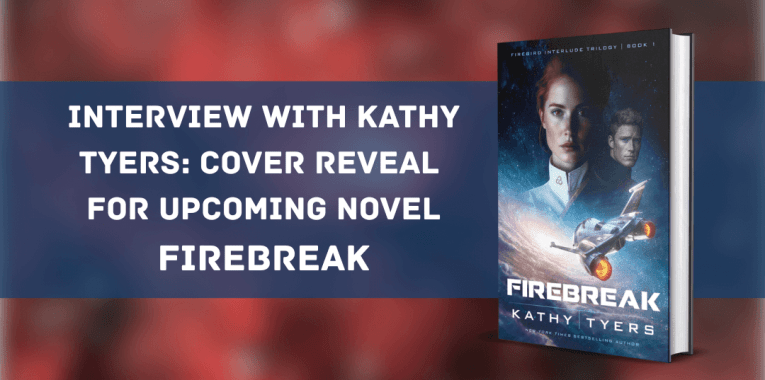
Interview with Kathy Tyers: Cover Reveal for Upcoming Novel Firebreak

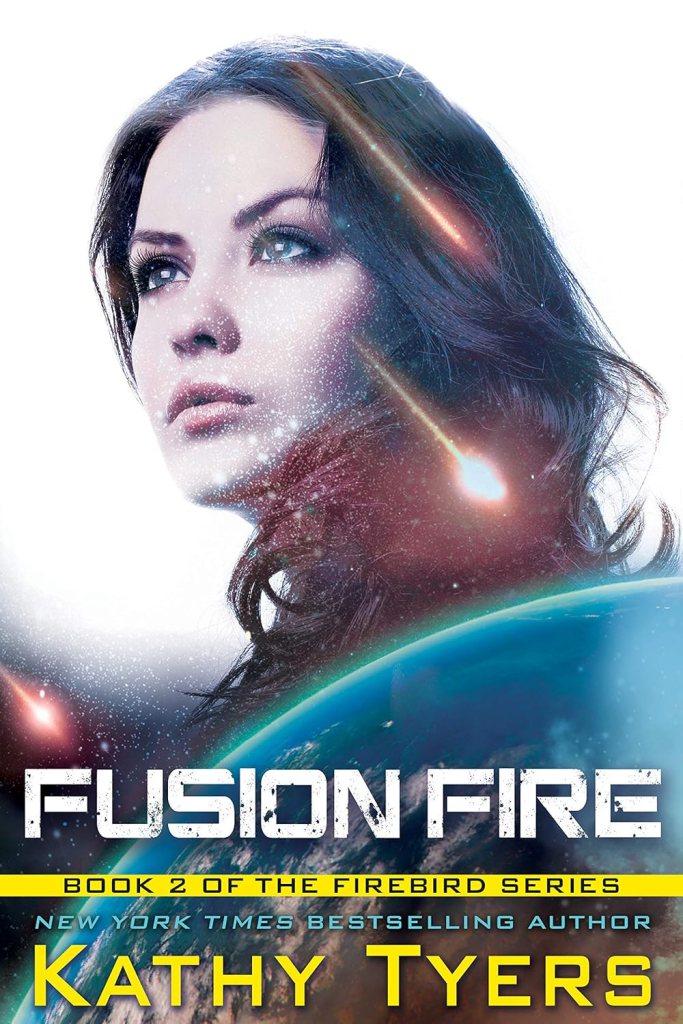
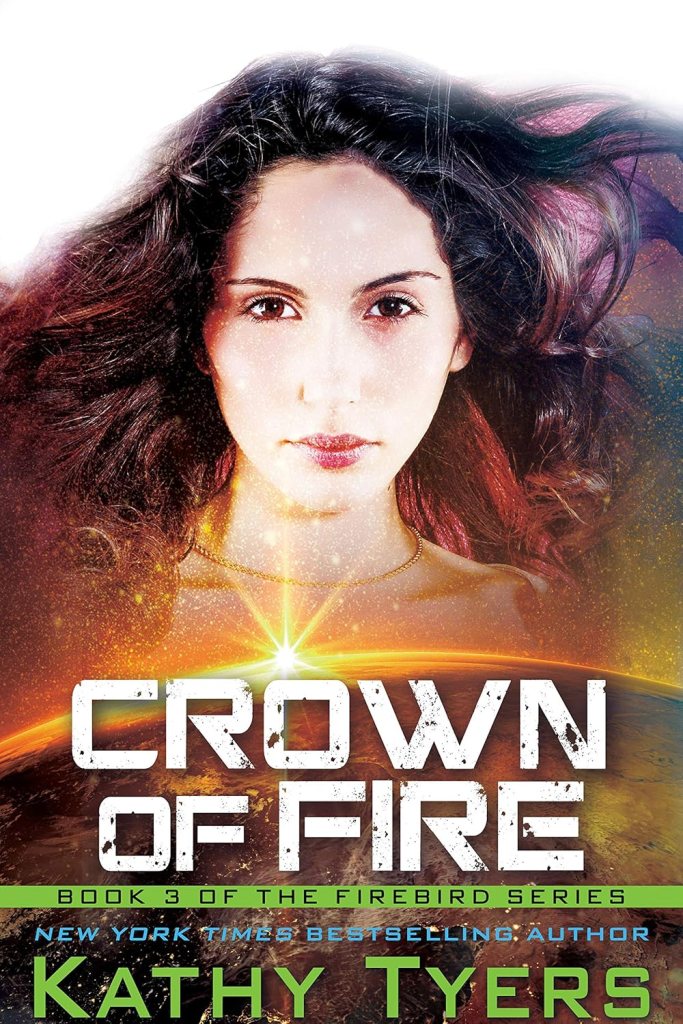
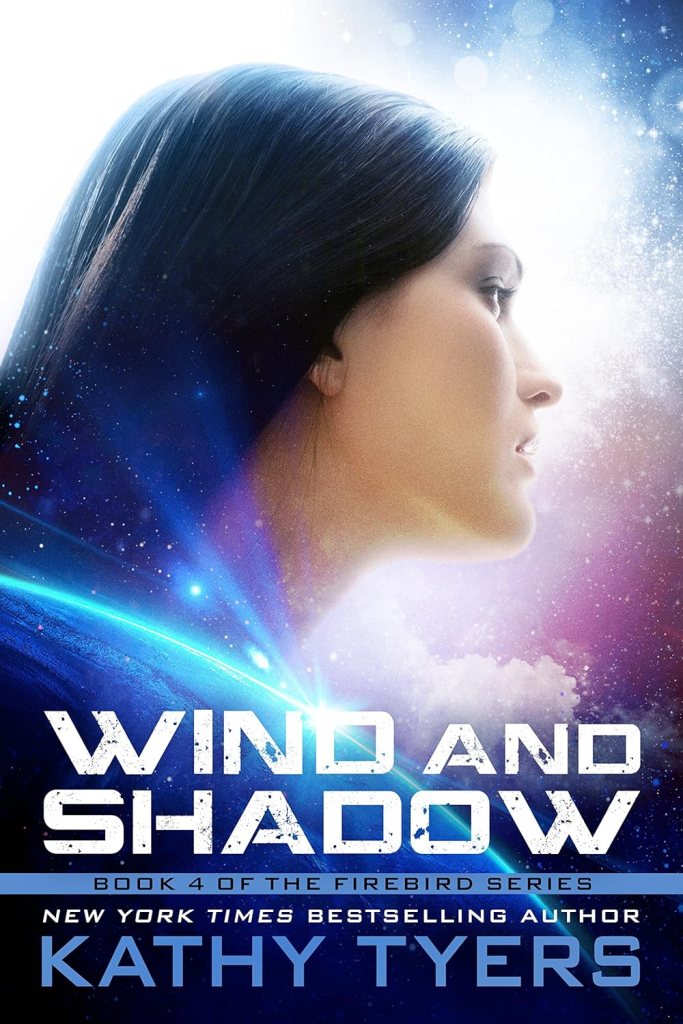
Kathy Tyers writes character-driven science fiction with a deep heart and an inquiring spirit. She is the author of the Firebird series – Firebird, Fusion Fire, Crown of Fire, Wind and Shadow, and Daystar – of the Star Wars universe novels Truce at Bakura and New Jedi Order: Balance Point, and of several stand-alones.

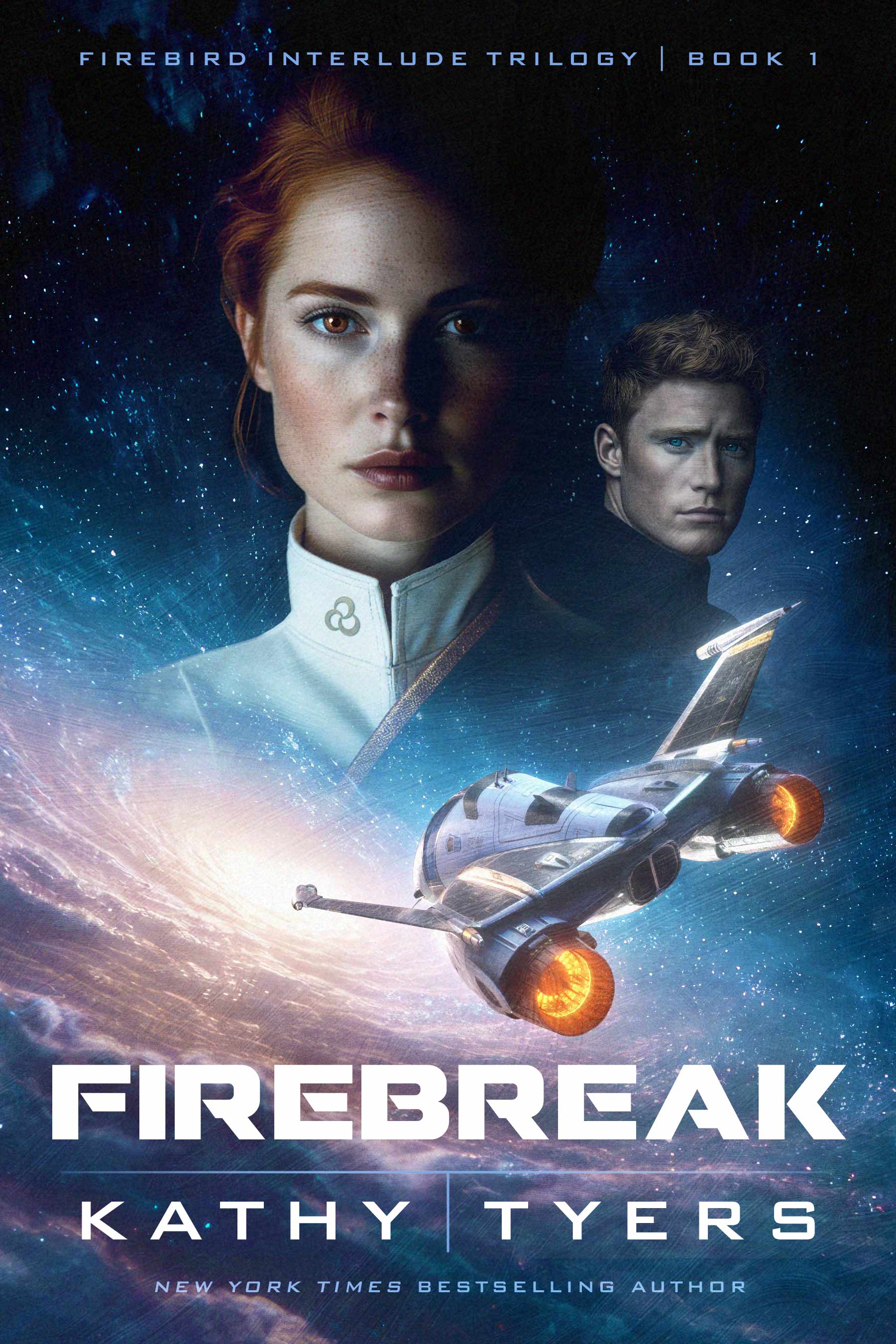
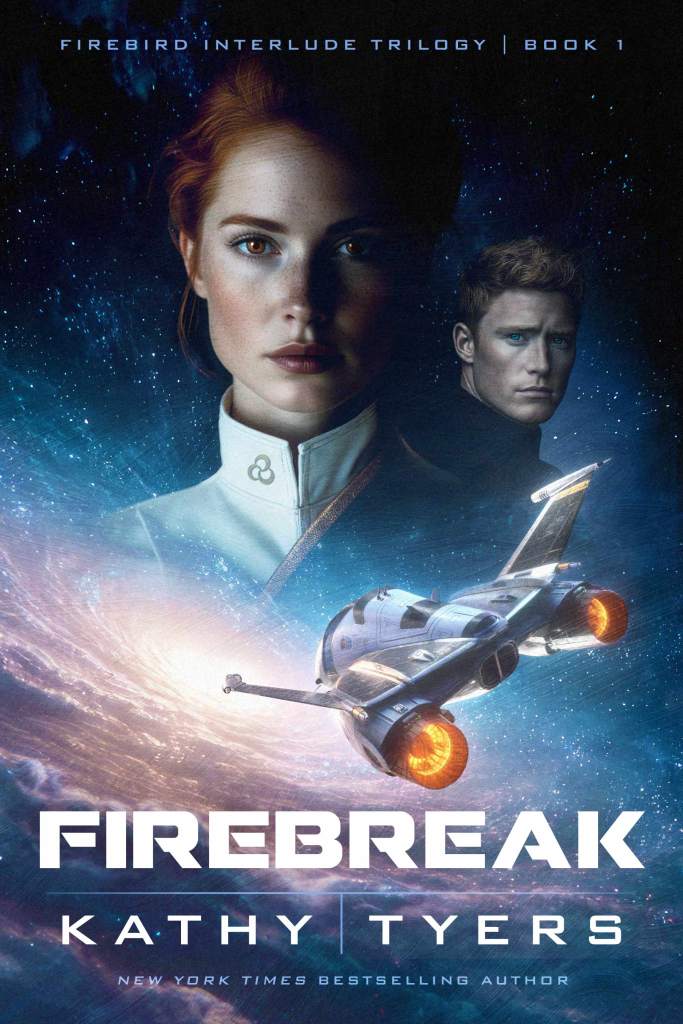
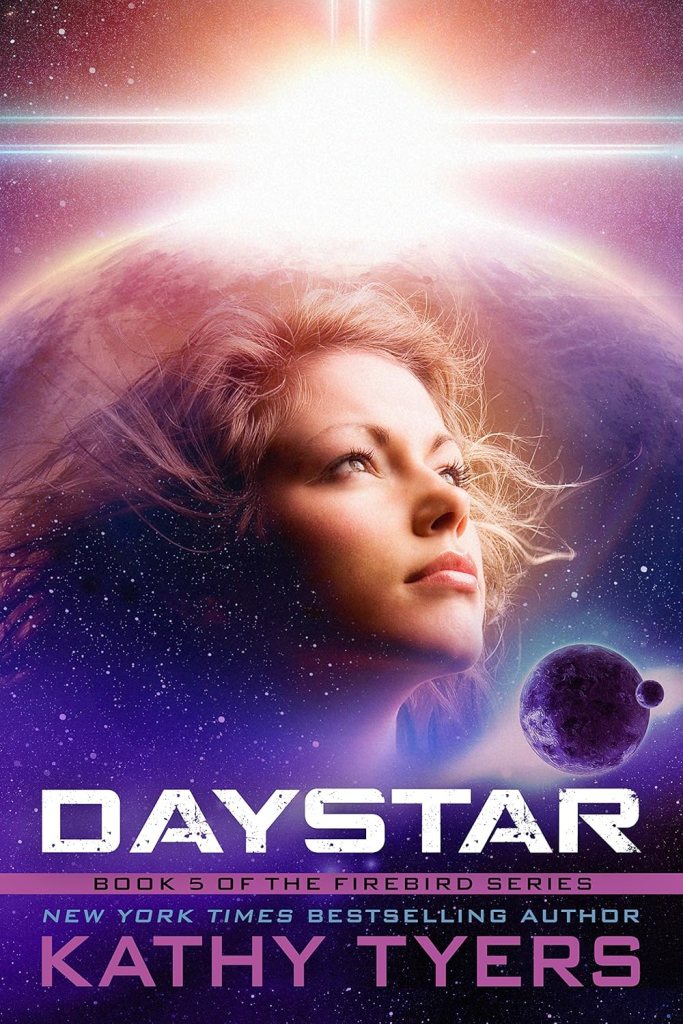
She returns to the Firebird universe with her upcoming release Firebreak, which takes place between Crown of Fire and Wind and Shadow. Releasing March 10, 2026 and now available for preorder, with 20% off on Enclave Publishing’s website!

Cover art by Kirk DouPonce at DogEared Designs

Lady Firebird Caldwell returns to the world of her birth, Netaia, intending to introduce her young sons to the noble Electors while her husband, Brennen, conducts a military inspection. When mysterious ships in distress suddenly approach the planet, the Electorate sends her to initiate first contact. Forced to work alongside a vengeful childhood enemy, Firebird uses everything within her power—even her passion for music—to negotiate, only to discover their alien technology threatens all the worlds she holds dear.

Facing ruthless betrayal, Firebird undertakes a deadly journey to salvage the mission. Brennen must make daring use of his telepathic powers to save human life in the galactic Whorl, including that of their young sons. But saving the worlds might force Brennen to give the order that would mean Firebird’s death. In a galaxy poised on the edge of ruin, survival may demand the ultimate sacrifice—from them both.

Caylah: I’m so excited to hear that you’re releasing a new book in the Firebird universe! The new cover looks stunning! Could you tell us more about Firebreak and how the story came to you?

One of the hardest choices an author can make is where to start and end their story – after all, the universe and characters never “end” in our own minds! It’s been quite a few years since your last book in the Firebird universe. How did you decide it was “right” to return?

Kathy: Caylah, thank you for the opportunity to talk about writing Firebird’s story again. If you don’t mind, I’d like to combine my answers to your first two questions.

In 2022, I thought I would never be able to write again. Long COVID had done bizarre things to my brain. Sometimes, I could barely wake up for two or three days, and then I’d have insomnia for most of a week. The worst of it was the sensation that something seemed to be creepy-crawling inside my skull. I barely had the energy to get through a day and cook dinner. Some people thought I was doing pretty well, but I had no energy left to write, which made me feel sad and old.

Still, every second Monday evening, I got together with some new writers from my church and helped them learn the craft. I tried to resurrect an old project of mine, Holy Ground, a rural fantasy novel. I’d written it in third person limited POV, and my writing friends encouraged me to try rewriting it in first person. Week after week, I simply had nothing to bring to the writers group. The passion just wasn’t there. I couldn’t persevere through the long, long process of writing a full first draft, even though the novel was substantially written already.

Finally, Broose–another founding member of that group, and a former Disney animator–challenged me to simply write something that brought me joy and fed my spirit. I had thoroughly enjoyed writing the Firebird series. They filled up something inside of me that had gone empty and dry during COVID. So, out of a sense of grateful nostalgia, I re-read all five of them. I found myself wondering what Firebird and Brennen were doing between Crown of Fire and Wind and Shadow. (Books 3 and 4) The next thing I knew, a new story was pouring out of me. The post-COVID lethargy was gone. Kathy Tyers was alive again.

Caylah: That is wonderful advice – returning to joy when our muse decides to hide under a rock. What did you enjoy most about this story and what are you excited for readers to experience (no spoilers of course!)? I’m personally excited to see more about Netaia’s culture and how it transforms over the years.

Kathy:  The characters! I’ve known Lady Firebird for most of my life. Over the years, she has matured into someone who feels very real to me. So does Brennen. Letting them find each other and embark on their adventures together satisfied a hunger in my soul. In our fallen world, we long for a happy ending–but doesn’t a happy ending usually lead to the next challenge?

Caylah: Indeed! Firebird came so alive to me, so I’m excited to see more of her story.

How does your relationship with God influence your writing process and story planning? e.g. perhaps you have a prayer you like to pray as you sit down to write. 

Kathy: I try to get to work immediately after my quiet time each morning. One of my favorite C.S. Lewis quotes says, in effect, that who/what you are will come out in your writing whether or not you try to put it there. So I work hard on telling a good story and, occasionally, on bringing forward the faith elements. Lightly but genuinely! The exception to “lightly” was Wind and Shadow, which was written as a Master’s degree project for Regent College, a wonderful theological school in Vancouver, BC. One of the main characters was a priest in training, you see….

Caylah: Amen! Out of the overflow of the heart, the mouth speaks. I remember you published a different edition of Firebird before your deal with Enclave. How did you choose to release a version with enhanced religious themes (is that the biggest difference)? Have you received criticism from fans of your general market (Star Wars) work?

Kathy: My editor Steve Laube had been a fan of my writing before I moved over from Bantam Books to Bethany House publishing, where he worked at the time. During our first conversation, he told me he had suspected for some time that I was a Christian because he’d found hints here and there in my writing (see C.S. Lewis quote above!). Yes, people have left reviews online warning other readers that my books from a Christian publisher have Christian themes. Surprise!

Caylah: Personally, I found the themes of shame, faith, and new life incredibly challenging and encouraging – they make the story have eternal significance. Are there any readers who’ve approached you over the years to share how the Christian message impacted them? All authors want to think that their stories have the power to transform at least one life! 

Kathy: One of the most moving experiences in my life was attending the baptism of a young woman who said she’d decided to become a Christian after reading the Firebird books.

Caylah: Wow, that’s incredible – praise God!

Read my review of Firebird book 1 here.

Caylah: I love how much you weave music into the chapter titles and into Firebird’s thought processes! In my opinion, that’s one of the elements that takes a character from “good” to “great” – their hobbies and passions actually transform how they view and interact with the world. I actually use your trilogy as an example when I offer this advance to new writers! Are there any other tips for character development that you’d share with budding writers?

Kathy: My characters usually reveal themselves to me slowly. I need to spend time with them, thinking through what they find beautiful, meaningful,or challenging. Often, it’s through the process of writing a first draft that I learn what drives them. I enjoy involving some of my characters in music or other arts because that’s been a big part of my background since childhood. I grew up in a musical family. I might ask a hopeful writer, “What do you enjoy, what do you know something about, besides your fiction? Can you layer that into your story in some way that enriches the plot?”

Now and then, though, inspiration hits in an instant. For example, I first glimpsed one of my favorite characters, Tel Tellai, when he was standing at the foot of a breakaway strip while a space-and-atmosphere fighter took off. He was just standing there in shock and protest, holding both of his arms stiffly down at his sides. “Who in the world is that?” I wondered. Calmly, he told me his name (honestly, that’s how it felt) and that he loved Phoena Angelo. I was shocked. “You love HER?? What???? How could ANYONE….” 

Caylah: Moments of “conception” like that make storytelling feel like such a superpower! Since we’re quoting C.S. Lewis, your description reminds me of how his main character in Till We Have Faces says, “I was with book, as a woman is with child.”

The interrogation scene between Brennen and Firebird is one of the most tensely compelling scenes I’ve ever read – the chemistry! I remember the first time I read it, how Brennen’s act of clicking his heels together and shifting forward to begin accessing Firebird’s mind was such a tangible moment that made me physically feel the tension in the room. Then I reread your annotated version and realized you did this deliberately (as good authors do, haha)! You articulated so clearly how physical actions can punctuate energy and emotion and create turning points within a scene without the characters using any words. Are you able to expand upon that idea, maybe going into when this tactic works and when it might not, for some writers?

Kathy: Thanks, Caylah. I love that scene too. I wrote at length about tagging dialogue with action beats in my book for the Christian Writers Institute, Writing Deep Viewpoint: Invite your Readers Into the Story. It isn’t always easy to find the right action beat. I hear my characters speak to each other long before I can see their body language or their surroundings. Every writer’s process is just a bit different.

Caylah: That sounds like a great resource – thank you! It’s encouraging to know that even elements which might not come as naturally or quickly to writers can still become a great strength.

There’s a lot of disagreement about what makes a “strong female character.” Some people have complained that Firebird too quickly gets “shunted into the role of wife and mother,” but I think you did a wonderful job of showing a variety of feminine strengths in Firebird. Being a lethal fighter pilot isn’t the only way to kick butt, which she still does throughout the rest of the trilogy! How would you describe your approach to writing female characters and do you think Christians “should” write women differently than we see in mainstream media?

Kathy: I’m especially glad you asked about this. “The role of wife and mother” is not the end of any story. In and of itself, it’s a high calling for many. For others, it’s a vital step into their unique future. When I brought Firebird and Brennen together, I knew that they both had strong reasons for wanting to create a family.

Still, they obviously weren’t the kind of people to live quietly-ever-after. How, then, would they balance parenting with the other calls on their lives? It’s been a challenge for me, just as it’s been a challenge for them. But they’re doing it! Just wait till you read how they get there in Firebreak. 

Caylah: I can’t wait to see the kind of trouble Kiel and Kinnor got into as kids!

Ok, now for my “fan girl” moment. When Brennen first feels Firebird’s mental shout he expects to find brotherhood. Though it didn’t turn out that way, I’ve been fascinated by what that dynamic would look like in their culture. I would LOVE to see a short story about a Sentinel “blood brother” pair!!! Do they have any famous “Gilgamesh-Enkidu” pairs or stories about sisterhood (which is rarer to find in fiction, sadly)?

Can individuals have more than one pair bond? For instance, would a pair bonded husband also be able to pair bond with a brother in arms? Would his bonded wife feel his brother through their connection at all? I then had fun imagining what would have happened if one of the Shuhr assassins had discovered they were connatural with one of the men in the Caldwell bloodline. What do you think would have happened – would they have stayed their hand as Brennen did with Firebird? 

Kathy: You may have given me a great subplot idea. Thank you. 

Caylah: Ooh, yes! Is there anything else you’d like to share about your story, process, or world?

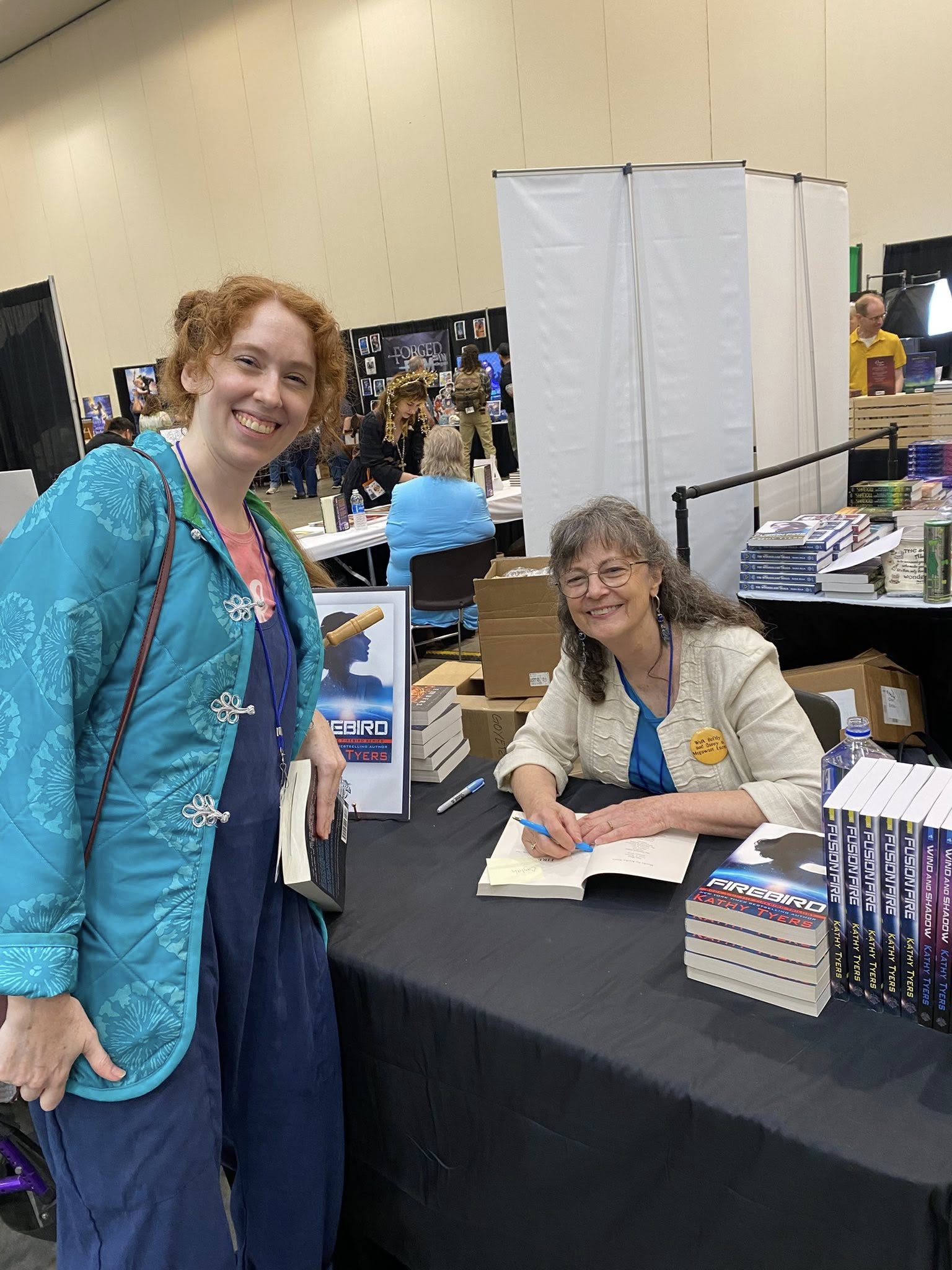
Kathy: Thank you again for the chance to share a bit about Firebreak, my favorite characters, and my writing process. It was a treat to meet you at Realm Makers, and I hope to see you there again in 2026, when Firebreak is finally available!

Caylah: Thanks! It was lovely meeting you too. And congrats on the birth of your grandson!

Kathy: Thank you!

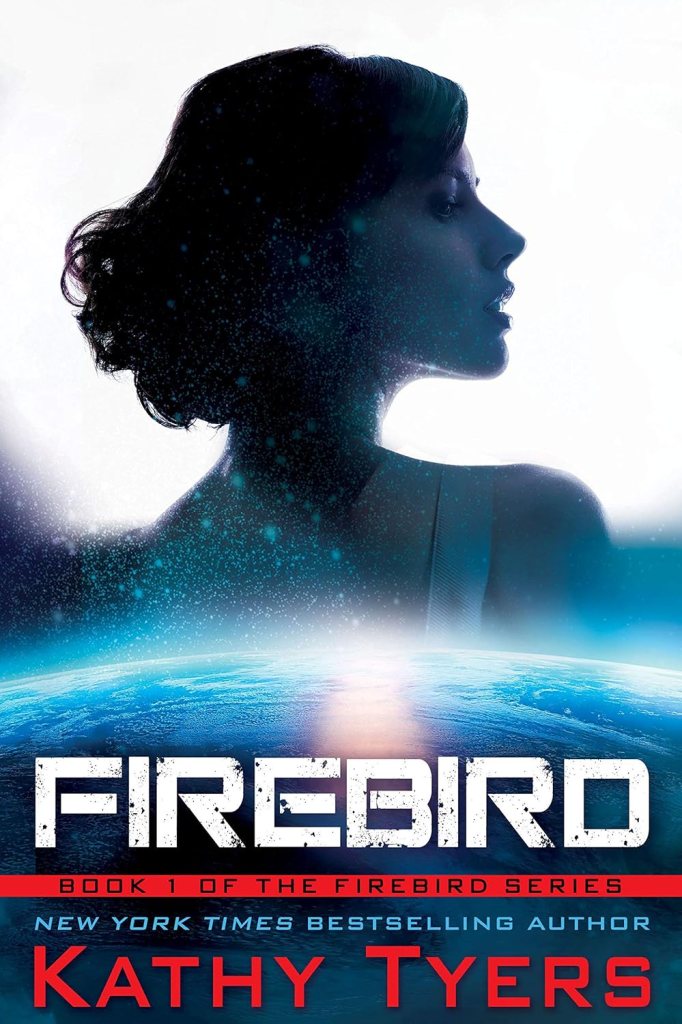
Follow Kathy Tyers on Facebook for more news and discussions, and find the first book in her Firebird trilogy here. Firebreak, releasing March 10, 2026, is now available for preorder on Amazon or through Enclave Publishing’s website (20% off there).

Amazon links are affiliate links – I may earn from qualifying purchases.


Hi, I’m Caylah Coffeen, a freelance editor and marketer of sci-fi and fantasy books. I love reading and writing and am a follower of Jesus Christ.

I’ve worked for Monster Ivy Publishing and Eschler Editing, and am currently a weekly editor with Havok Publishing. Reach out to chat about books and publishing!

Thanks for stopping by my website! I hope you’ve found some helpful resources about reading, writing, and publishing. If you liked this article, here’s some more free content…

Why Christians Should Read Fantasy: Can You Imagine Things Unseen?

Guest Post By Willamette Sutta

Let’s face it. When we write our debut novel, we expect the world to be as excited about it as ourselves. At least our family and friends. Mine did make a big deal of my achievement. But when I told them it was a fantasy novel, their smiles became polite, baffled, or embarrassed. Not everyone, but enough to dampen my enthusiasm. True, peoples’ reading tastes vary, so it could just be the genre. But after conversations and consideration, I came to a disturbing conclusion. Few people in my circle of acquaintances read fiction. A common denominator among those acquaintances is that they are Christians. Could there be a correlation?

Christian fiction has gained more acceptance in the ecclesiastical fold in recent decades. Works from such authors as C. S. Lewis and Tolkien are even held in theological esteem. But most seem to be valued as clean entertainment, comfortable encouragement, or harmless escapes to restore mental health. All fine for the young, leisurely, and convalescent. But “serious” Christian growth happens from didactic doses of information, right?

Do we only glean the deepest insights from within the careful lines of logic, or can we also learn through the mysteries of the imagination? Is reason the only tutor of innovation, or must it co-create with abstraction? Consider science. It observes facts and imagines possibilities (hypotheses) which are tested to become theories (new facts). In the Christian life, we seek to grow in faith, which is “the substance of things hoped for, the evidence of things not seen” (Hebrews 11:1). Yet, belief in the unseen requires believers to step into the realm of the imagination. So, if imagination is critical to expand all types of  knowledge and faith, how can we cultivate it?

When we delve into a story and put ourselves in the shoes of fictional people, our minds summon images out of thin air. We experience events and desire outcomes that don’t exist. We are exercising our imagination. And we are learning another important life skill—empathy. Given these benefits, reading fiction should be an essential practice, especially for Christians. Yet the opposite seems to be true. Why would that be?

Why don’t More Christians read fiction?

Whether consciously or not, Christians may hold the mindset that theological textbooks or other expository writings alone can teach real spiritual insights. Perhaps there is some justification for such thinking, as many Christian novels contain little more than a sanctified dollop of sugar or shot of adrenaline. They may provide moments of distraction, but surely, we can offer more than euphoria that quickly evaporates. Following our Master Storyteller, who convicted scholars and laymen alike with life-changing parables, we too could weave profound truths into tales that lead to lasting hope.

Such stories are harder to write and to read. We must deal with murky concepts organically and often indirectly, all while negotiating a riveting plot. But like all things that are uncertain, we seek the guidance of the Holy Spirit. And as with all things difficult, we keep practicing. Indeed, Christians ought to “look not at the things which are seen, but at the things which are not seen: for the things which are seen are temporal; but the things which are not seen are eternal” (2 Corinthians 4:18). It may take time to build up a body of excellent Christian fiction, and to cultivate a reputation of edifying content. But we can do it if we push on in that good work.

There may be another reason that Christians shun the imagination. We fear it. Beyond being an intangible quality that we cannot define and confine, we have much evidence of its potential for evil in our world. Too often it is twisted by our sin nature and the Enemy to create vivid products of destruction. But these are not reasons to retreat. 

Can You Imagine?

I believe that the imagination is a potent aspect of being created in God’s image. It is a touch of the divine to glimpse into the edges of eternity. Of course the Enemy wants to usurp it, corrupting it to focus us on hedonistic desires and to extol ourselves as gods. We, as God’s people, should not concede this mighty gift. We need to claim the imagination for the glory of God. In 2 Corinthians 10:5, Paul tells us to be in the business of “casting down imaginations, and every high thing that exalteth itself against the knowledge of God, and bringing into captivity every thought to the obedience of Christ.”

We are not to abandon imagination, but to bring it into obedience to Christ. So, Christian should be at the forefront of penning magnificent speculations that sing His praises, ignite others to wonder at His goodness, and showcase His beauty and majesty. Stories of power and skill that draw people to His truth. And we should read those stories too, to enlarge our own faith and engage with others.

The imagination is a potent aspect of being created in God’s image.

When I was a 7-year-old immigrant in New York City, I learned to read in a public library. Stories opened the way to a new language and country for me. They normalized a strange culture and transported me to worlds of friendship and adventure. Yes, I relished the escape at first, but my mind was also training to see invisible things. So, when I heard the Greatest Story Ever Told, I could imagine Jesus and His salvation. I knew it was true. He had prepared me to believe.

Since then, faith is a constant journey of trusting God’s promises by seeing that which is not yet. Now, I want every story I write to convey an air of His transcendence, so that readers will long for it and recognize it when they encounter it in this world. Fantasy, more than any other genre, allows the supernatural to be a normal force in the narrative. Therefore, I see it as a perfect conveyance to reveal the most exalted One who surpasses all powers.

For readers, let me leave you with a challenge. Read a fantasy story today and let it take you on a quest. See yourself as the hero you never thought you could be. Find the evil in your world and surmount every danger to vanquish it in Jesus’ name. Do you dare?

About Willamette Sutta

Willamette Sutta is the pen name of a former academic librarian who has always been more fascinated with the worlds of imagination than the STEM books that she curated. Now she combines her love of information and speculation to create fantastic stories that nevertheless give an air of a world truer than the one we see. Find the story beneath the story.

Check out Her Debut Novel!


Hi, I’m Caylah Coffeen, a freelance editor and marketer of sci-fi and fantasy books. I love reading and writing and am a follower of Jesus Christ.

I’ve worked for Monster Ivy Publishing and Eschler Editing, and am currently a weekly editor with Havok Publishing. Reach out to chat about books and publishing!

Thanks for stopping by my website! I hope you’ve found some helpful resources about reading, writing, and publishing. If you liked this article, here’s some more free content…

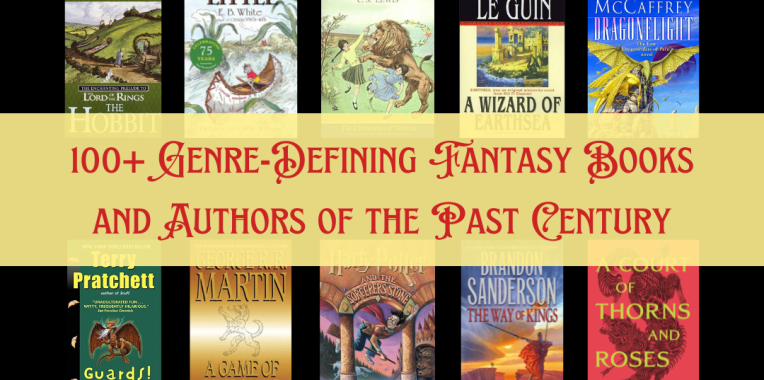
100+ Genre-Defining Fantasy Books and Authors of the Past Century

By Caylah Coffeen

What are the most influential fantasy books of all time? How has the fantasy genre changed over the years?

The fantastical has captured the imagination of humanity since the beginning of time, from the epic myths of Homer and Ovid and the knightly adventures in the Arthuriana, to Shakespeare’s enduring plays and numerous folk and fairy tale traditions!

Here, I’ll break down (part of) the history of fantasy by looking at the best fantasy books and authors of the past century! I included books based on how large of an impact they’ve made on our culture, the genre itself, or how prolifically the author wrote. Ratings and reviews, lists on Goodreads, book blogs, and Wikipedia, and feedback from readers in FB groups, on r/fantasy, and at conventions helped me curate this list.
  1. Mid-Late 19th and Early 20th Centuries: Brothers Grimm, Lewis Carroll, George McDonald, Edgar Rice Burroughs, and more
  2. 1920’s: Lord Dunsany, H.P. Lovecraft, and more
  3. 1930’s: The Hobbit, The Sword in the Stone, and more
  4. 1940’s: Titus Groan, The Little Prince, and more
  5. 1950’s: The Lord of the Rings and The Chronicles of Narnia
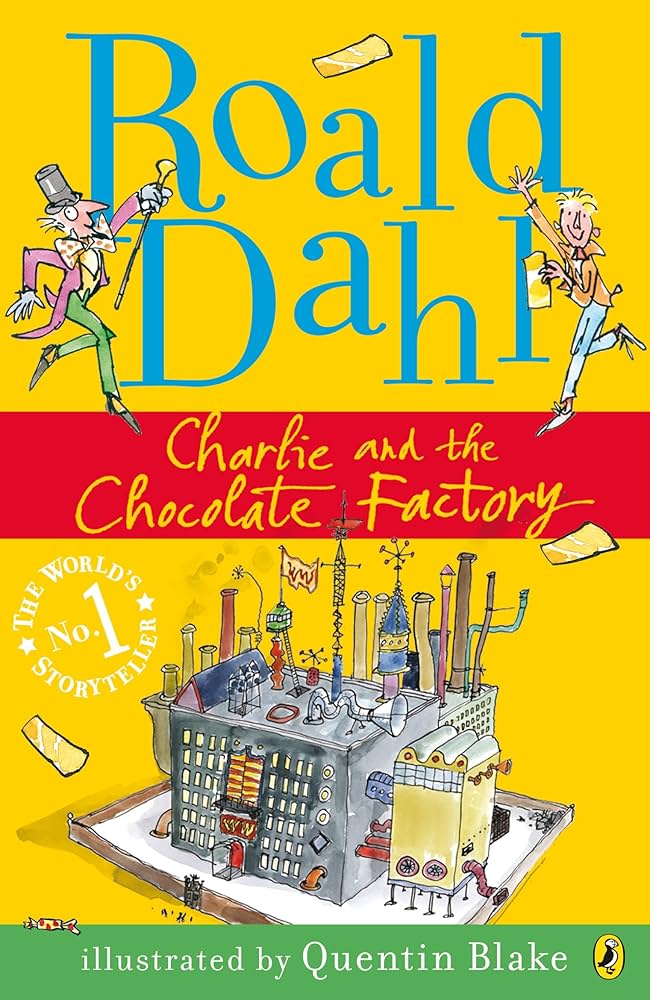
  6. 1960’s: Roald Dahl and Ursula LeGuin
  7. 1970’s: Dragonriders of Pern, The Princess Bride, and more
  8. 1980’s: Raymond E. Feist, Robin McKinley, and Terry Pratchett
  9. 1990’s: A Game of Thrones, Robin Hobb, and the first Harry Potter!
  10. 2000’s: Jim Butcher, Brandon Sanderson, Patrick Rothfuss, and more
  11. 2010’s: Riyria, Sarah J. Mass, N.K. Jemison, and more
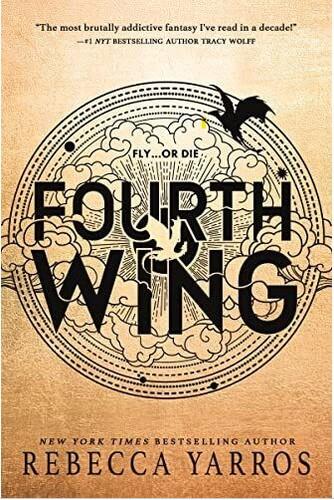
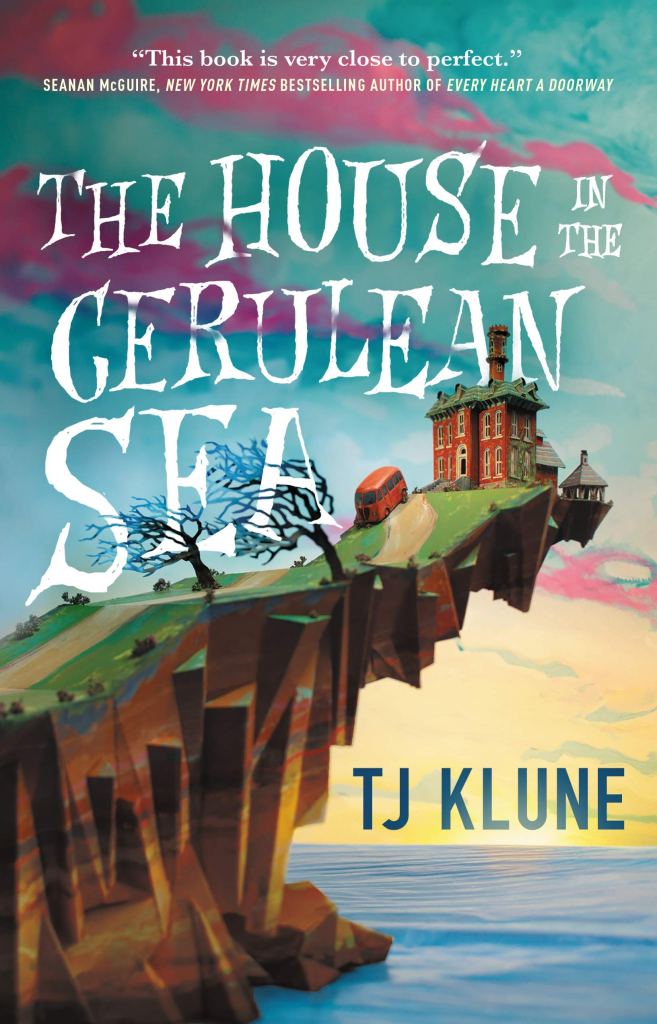
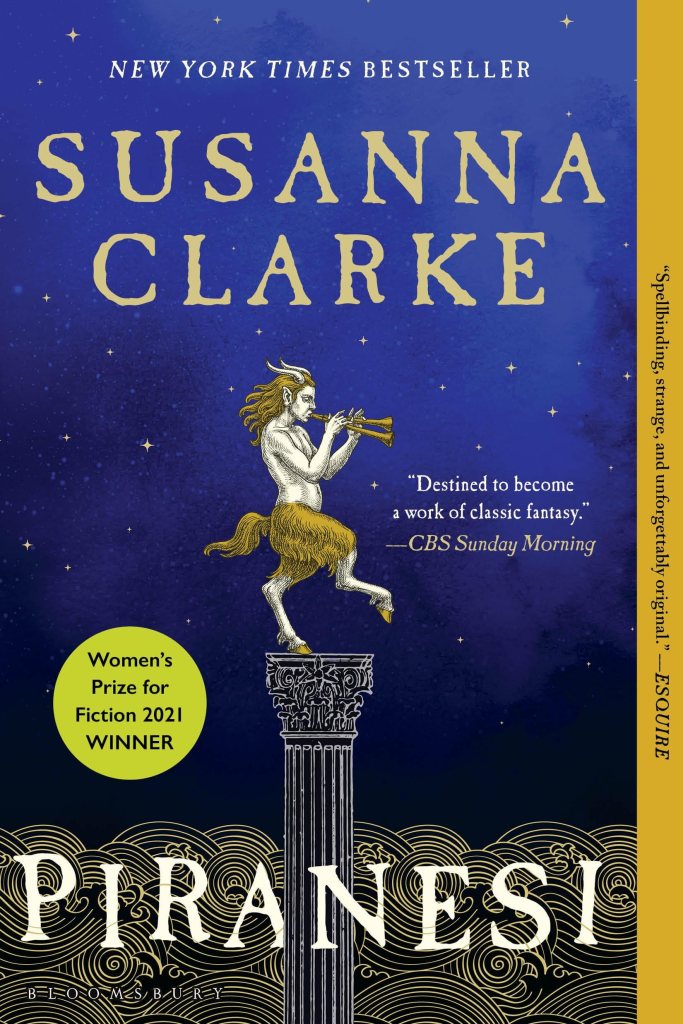
  12. 2020’s: The House in the Cerulean Sea, Fourth Wing, and Piranesi

This compilation includes 108 books (counting only the 1st in each series), 48 of which I’ve read or tried, but I couldn’t note everything! Let me know if I missed any major works, especially from earlier decades.

Disclaimer: Please note that some of the books on this list were written by authors who have engaged in controversial or (alleged) criminal behavior. This list would be incomplete without their works, but it’s up to your discretion whether or not you choose to purchase them.

I’ve attached book links to each cover image, including public domain options where possible. Some are affiliate links – I may earn from qualifying purchases at no extra cost to you.

Fantasy of the Mid-Late 19th and Early 20th Centuries

I promised you a century of fantasy, but I had to go back a bit, because I forgot how early some classics like Alice in Wonderland and Edgar Rice Burroughs’ pulp fiction were published! So I also snuck in some of the most famous fantasy works of the 19th and early 20th centuries to help us all keep things straight!

This period of fantasy drew influence from Arthurian knights, fairy tales, romanticism, and gothic literature. It saw the first written compilations of fairy tales and some of the most iconic portal fantasy stories.

19th Century

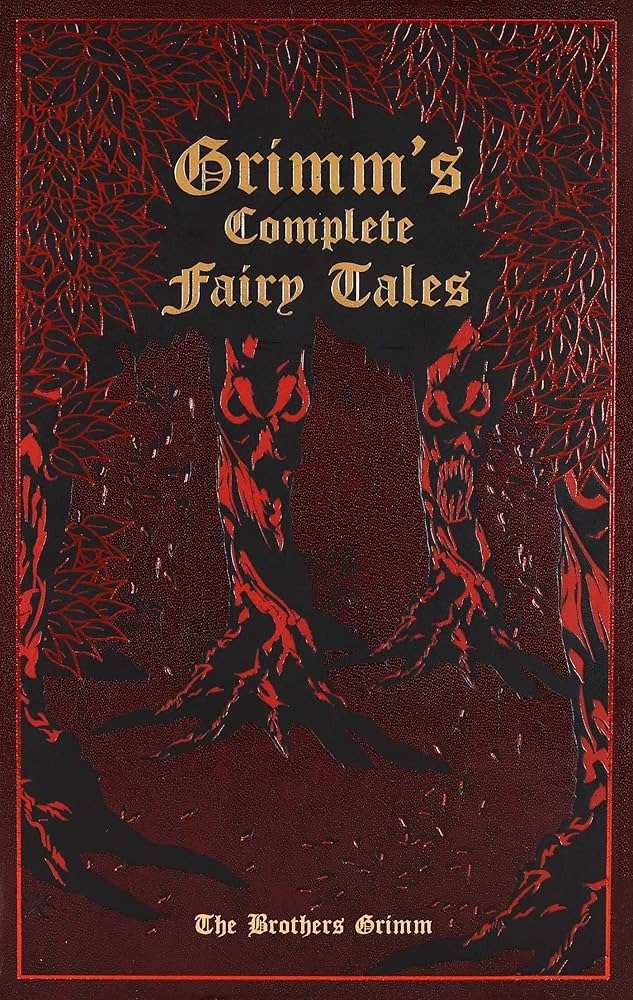
The Complete Brothers Grimm Fairy Tales by Jacob Grimm
The Complete Fairy Tales by Hans Christian Anderson
A Christmas Carol by Charles Dickens
The Nutcracker by Alexandre Dumas
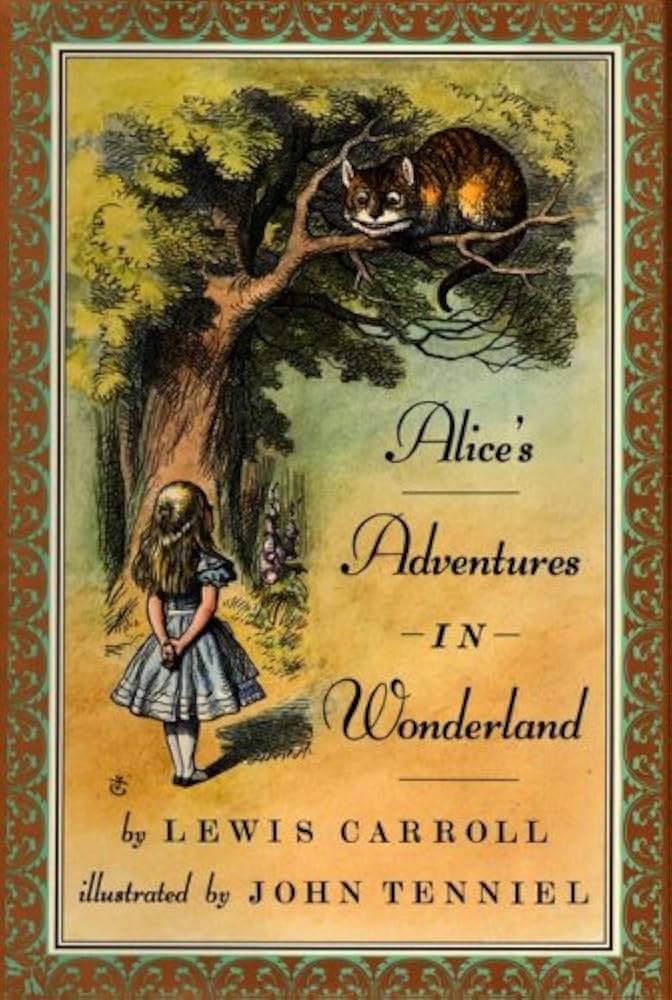
Alice’s Adventures in Wonderland by Lewis Carroll
The Princess and the Goblin by George McDonald
The Well at the World’s End by William Morris (strong Tolkien influence)
Dracula by Bram Stoker
Gothic writers like Edgar Allan Poe and Oscar Wilde (A Picture of Dorian Gray)

1900’s-1910’s

The Wizard of Oz by L. Frank Baum
A Princess of Mars and Tarzan of the Apes by Edgar Rice Burroughs
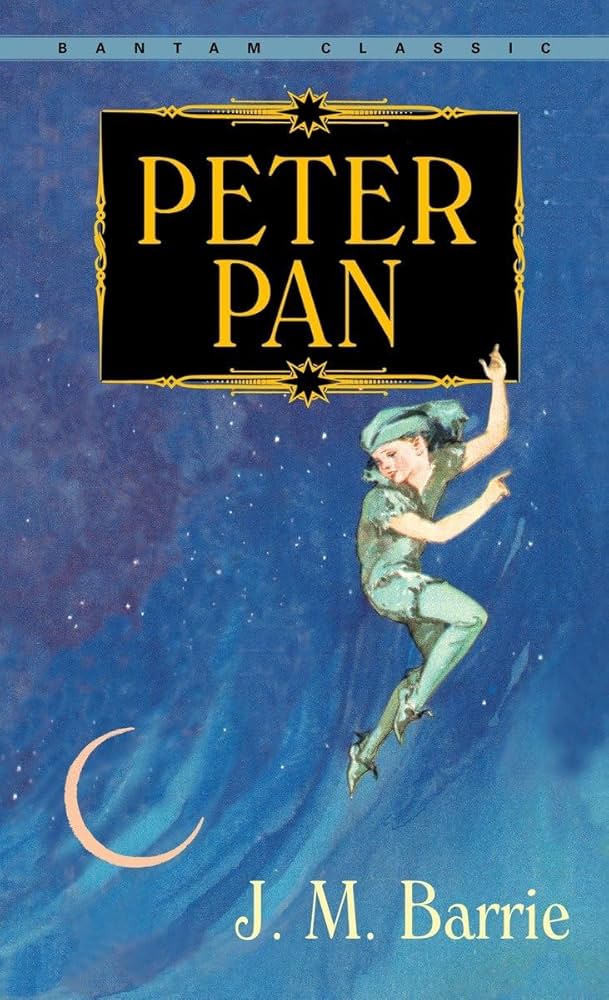
Peter Pan by J.M. Barrie
Five Children and It by Edith Nesbit (the first female author on this list, she wrote prolifically!)

Fantasy of the 1920’s

The 1920’s gave rise to a handful of fantasy works which are mostly remembered for inspiring future writers and genres. Lovecraft sparked his own genre of cosmic horror, and Tolkien cited both Lord Dunsany and Eddison as influences.

The King of Elfland’s Daughter by Lord Dunsany (strong Tolkien influence)

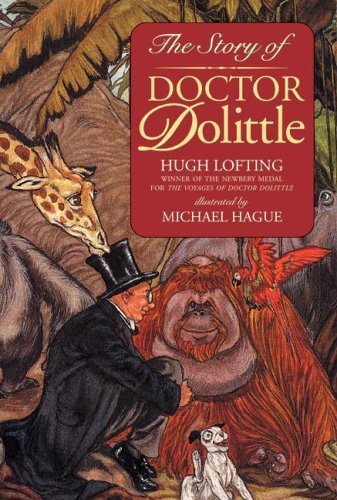
The Story of Dr. Doolittle by Hugh Lofting

The Call of Cthulhu by H.P. Lovecraft

The Worm Ouroboros (The Zimiamvian Trilogy) by E.R. Eddison (strong Tolkien influence)

Fantasy of the 1930’s

Tolkien released The Hobbit! Additionally, The Sword in the Stone became a modern Arthurian classic, and Conan made his mark!

Mary Poppins by P.L. Travers

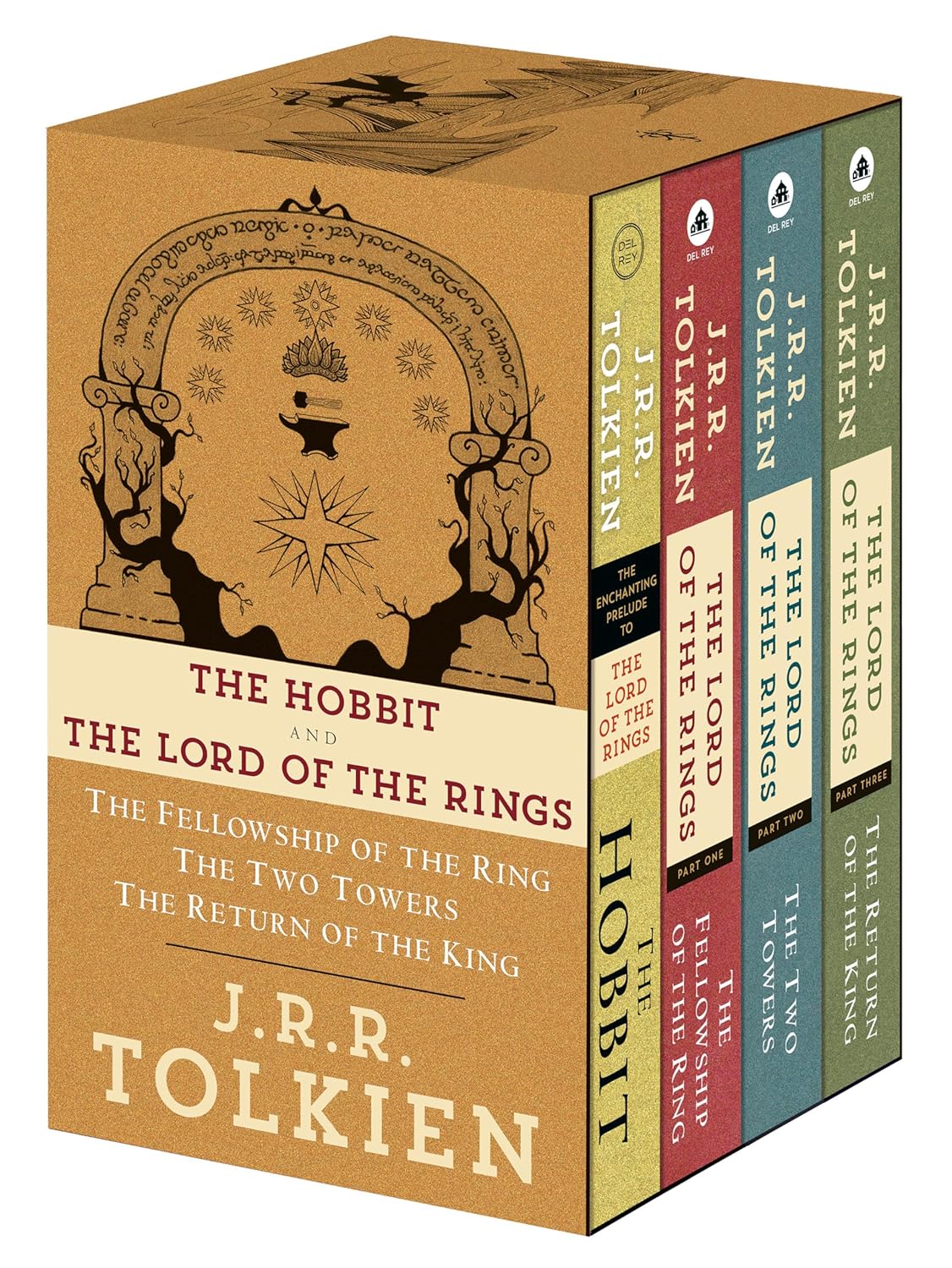
The Hobbit by J.R.R. Tolkien

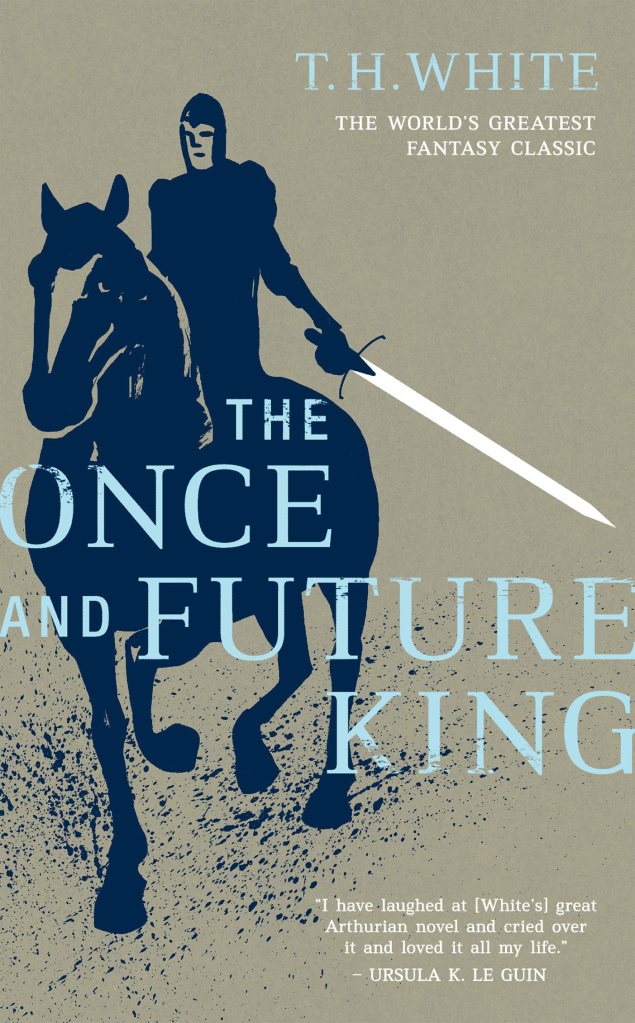
The Sword in the Stone (The Once and Future King) by T.H. White

Conan the Barbarian by Robert E. Howard

Fantasy of the 1940’s

Edgar Rice Burroughs’ work continued in popularity, C.S. Lewis began publishing, and E.B. White wrote some beloved children’s classics. But otherwise, few fantasy works from the 40’s remain well known today.

The Screwtape Letters by C.S. Lewis

Titus Groan (Gormenghast) by Mervyn Peake

The Little Prince by Antoine de Saint-Exupéry

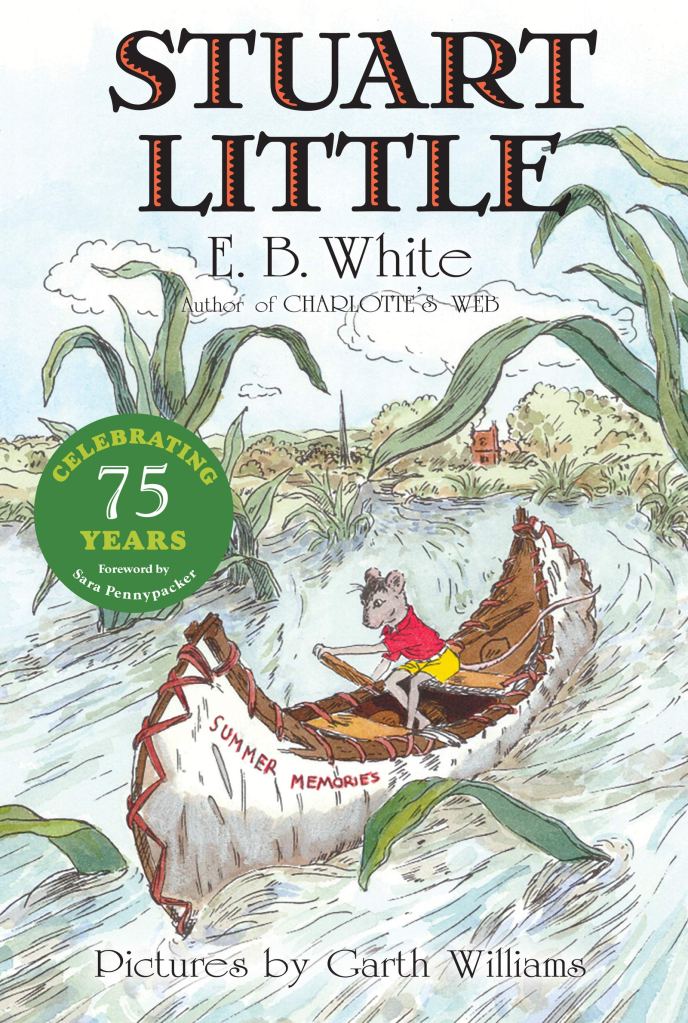
Stuart Little by E.B. White

Fantasy of the 1950’s

And everything changes! With the release of The Lord of the Rings and The Chronicles of Narnia, a whole new phase of fantasy was born. You may recognize the names Poul Anderson and Jack Vance, who also created epics, though they’re less widely remembered than Tolkien’s and Lewis’ works.

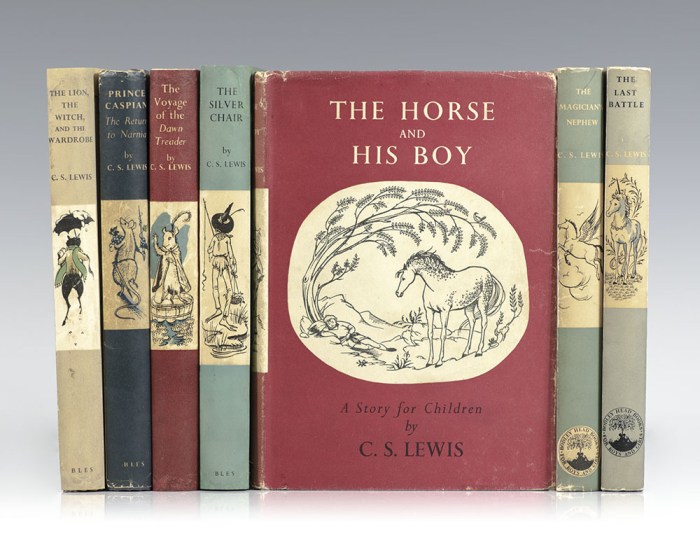
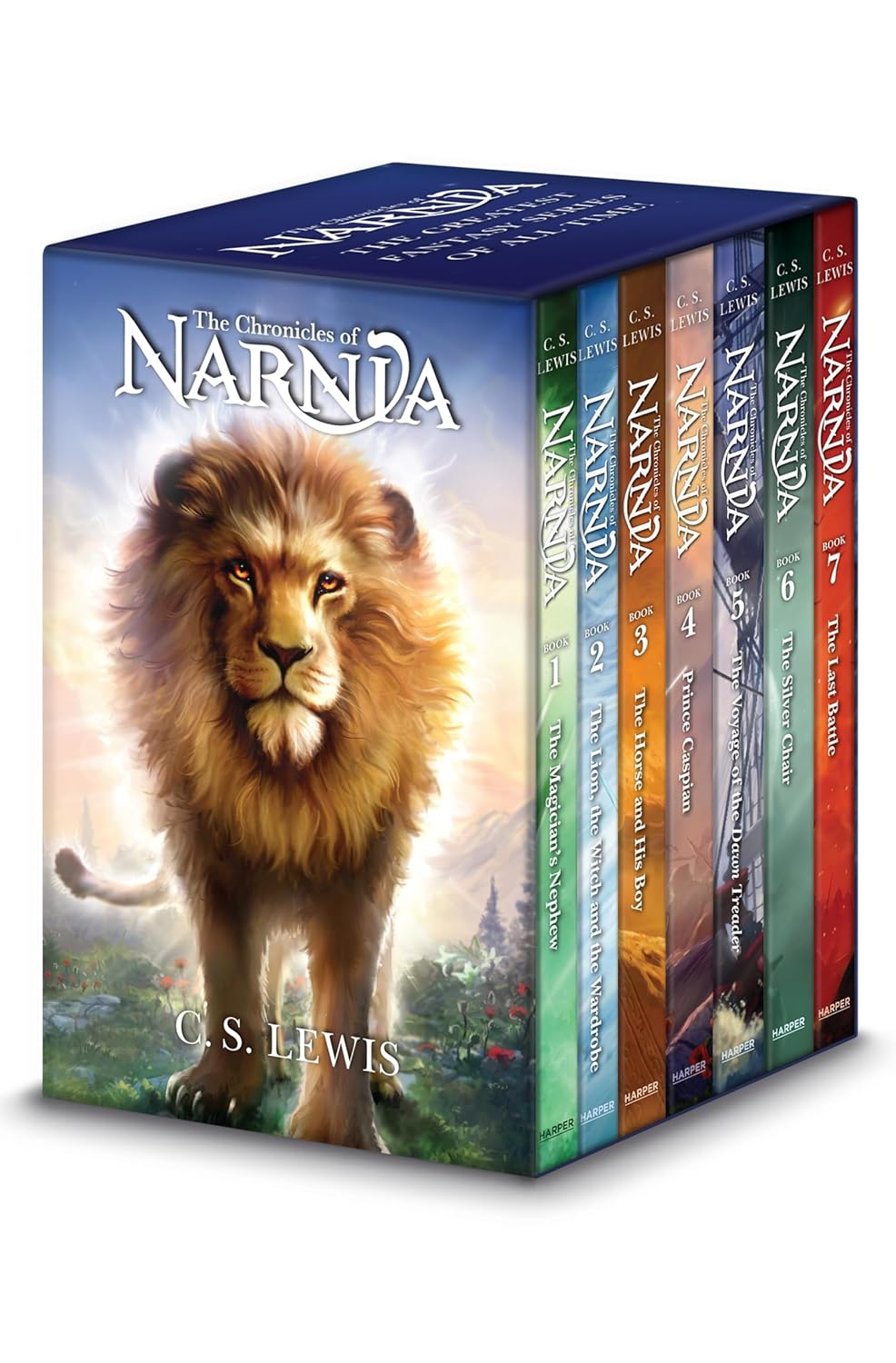
The Lion the Witch and the Wardrobe (The Chronicles of Narnia) by C.S. Lewis – 1950

The Fellowship of the Ring (The Lord of the Rings) by J.R.R. Tolkien – 1954

First Edition

More

The Broken Sword by Poul Anderson (Norse mythology)

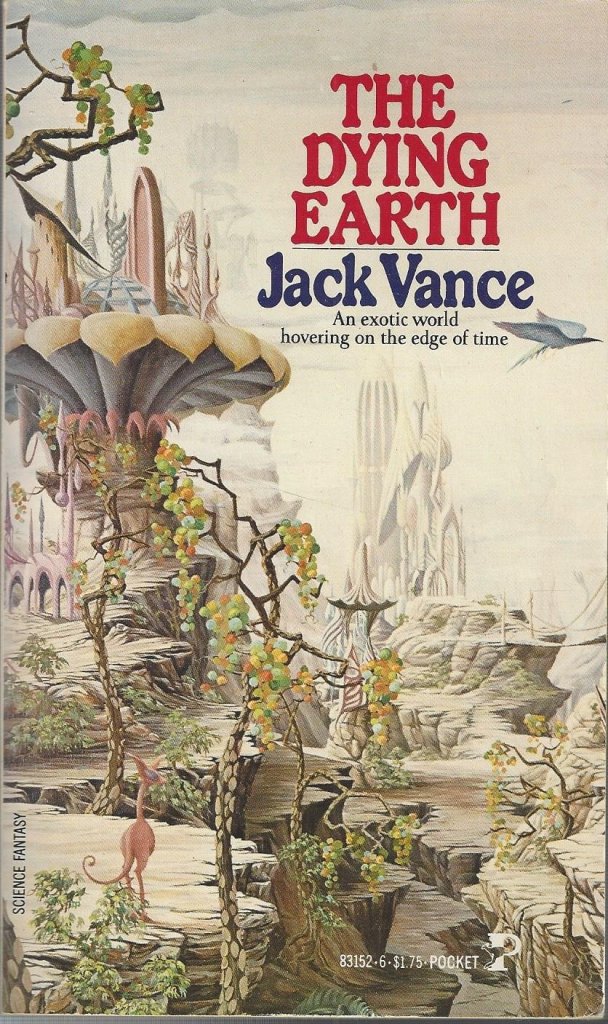
The Dying Earth by Jack Vance

The Borrowers by Mary Norton (kid’s series)

Fantasy of the 1960’s

Interestingly, most of the best known fantasy works of the 60s are children’s books! Granted, fantasy in general used to be considered children’s reading, but unlike earlier works such as Titus Groan, The Lord of the Rings, and The Dying Earth, which would be categorized as adult fantasy today, all of the following books would still be considered middle grade or YA.

Science Fantasy

The Phantom Tollbooth by Norton Juster

A Wrinkle in Time by Madeleine L’Engle

Charlie and the Chocolate Factory by Roald Dahl

Epic

The Book of Three (The Chronicles of Pyrdain) by Lloyd Alexander

Over Sea, Under Stone (The Dark is Rising) by Susan Cooper

The Last Unicorn by Peter S. Beagle

A Wizard of Earthsea by Ursula LeGuin

Fantasy of the 1970’s

Organizing this category was illuminating to me, because it includes 3 of my top 10 favorite books, dear to me for their lyrical beauty and wit. The rest were already on my TBR list. I’m inclined to increase them in priority, knowing they may be of a similar style! I hope this compilation helps you draw some conclusions about your own favorite periods of fantasy!

Epic and Science Fantasy

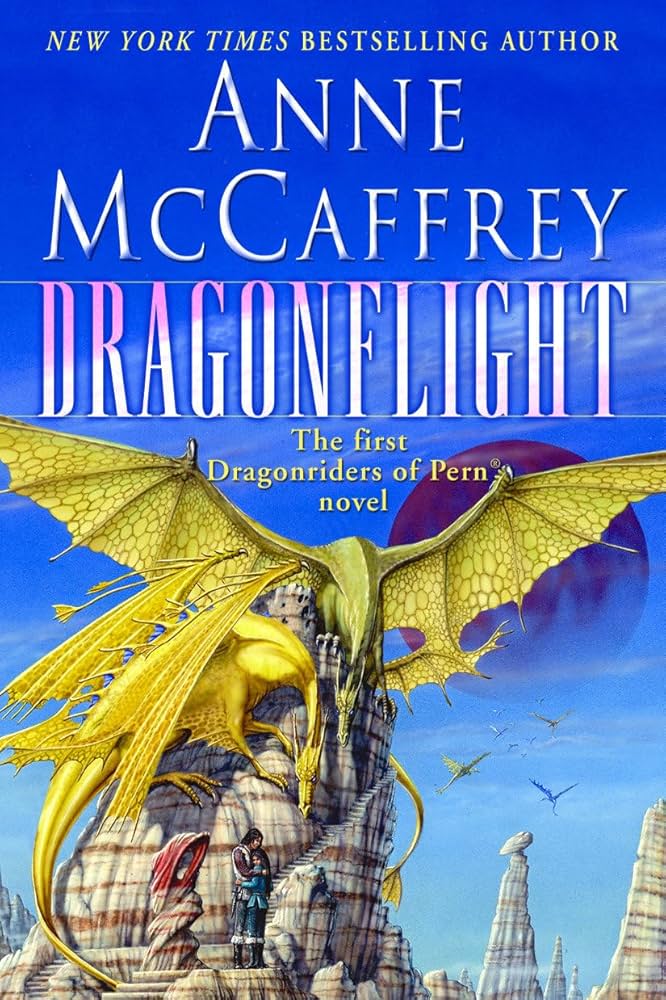
Dragonflight (Dragonriders of Pern) by Anne McCaffrey

Nine Princes in Amber (The Chronicles of Amber) by Roger Zelazny

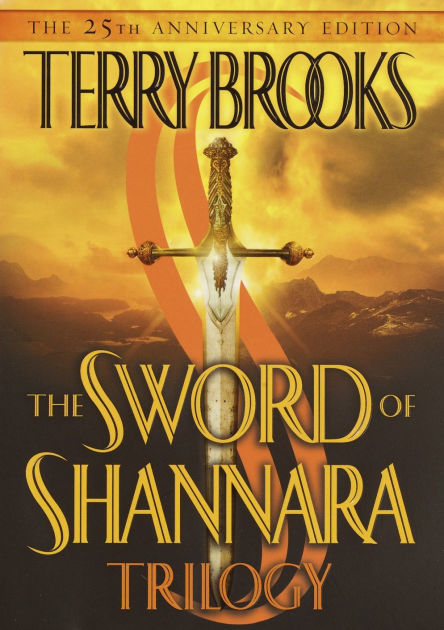
The Sword of Shannara (Shannara Chronicles) by Terry Brooks

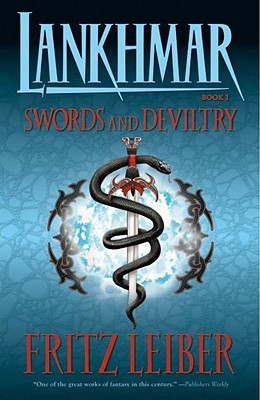
Swords and Deviltry (Fafhrd and the Gray Mouser) by Fritz Leiber

Elric of Melnibone (The Elric Saga) by Michael Moorcock

Kids

Watership Down by Richard Adams

The Neverending Story by Michael Ende

The Princess Bride by William Goldman

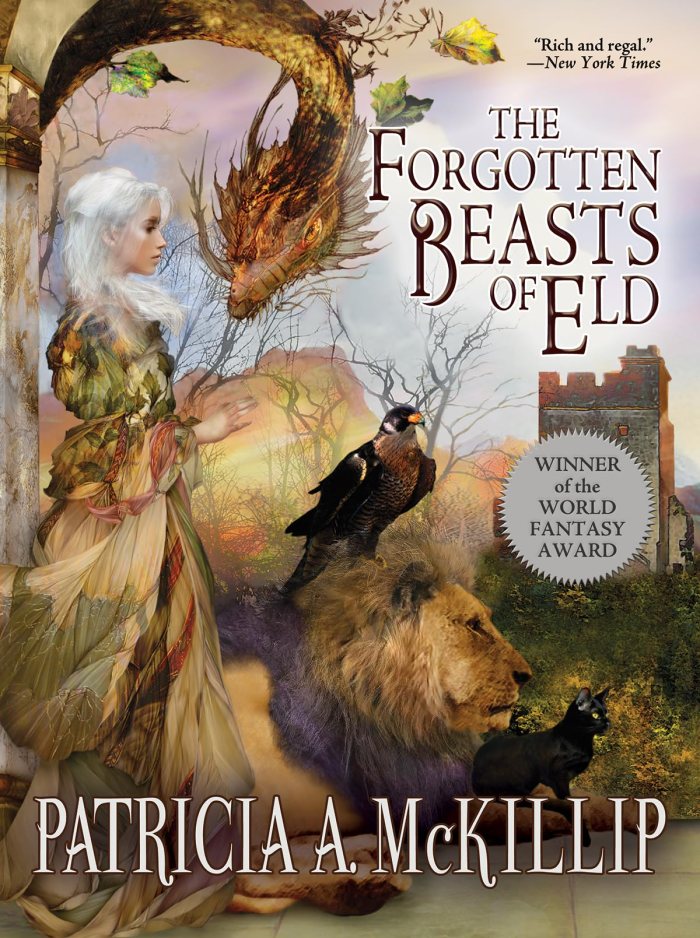
The Forgotten Beasts of Eld by Patricia A. McKillip

Fantasy of the 1980’s

The 1980’s produced a golden age of high/epic, sword and sorcery, adventure, or heroic fantasy! Dungeons and Dragons and tabletop gaming grew in popularity and the stories influenced one another.

Military themes and save-the-world stakes were popular, and classic heroes such as King Arthur and Conan the Barbarian found new life in retellings. Plus, Terry Pratchett and Stephen King started their own unforgettable things.

High/Epic Fantasy

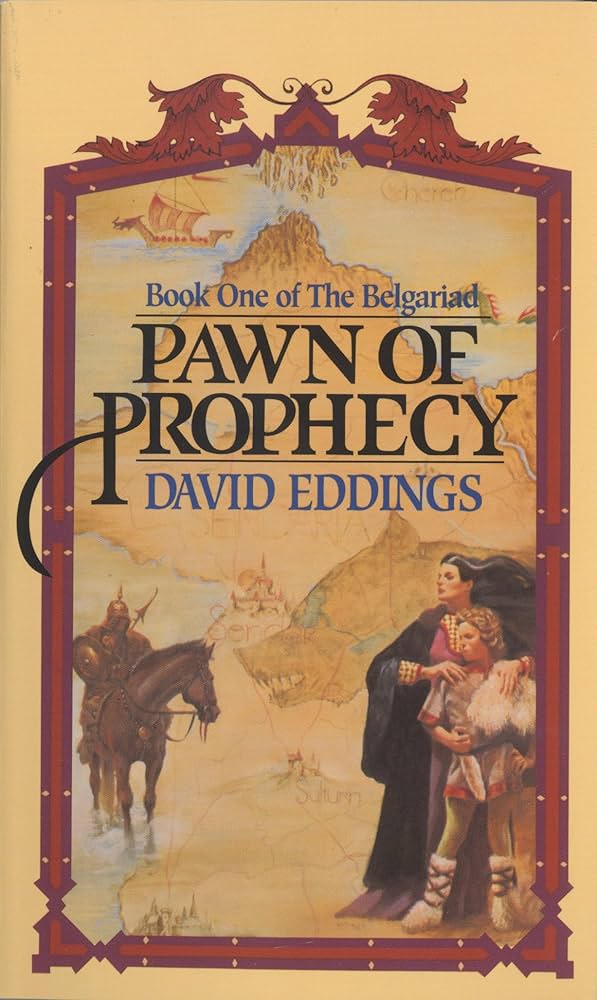
Pawn of Prophecy (The Belgariad) by David Eddings

The Shadow of the Torturer (The Book of the New Sun) by Gene Wolf

Conan the Barbarian by L. Sprague de Camp (novelization of the film)

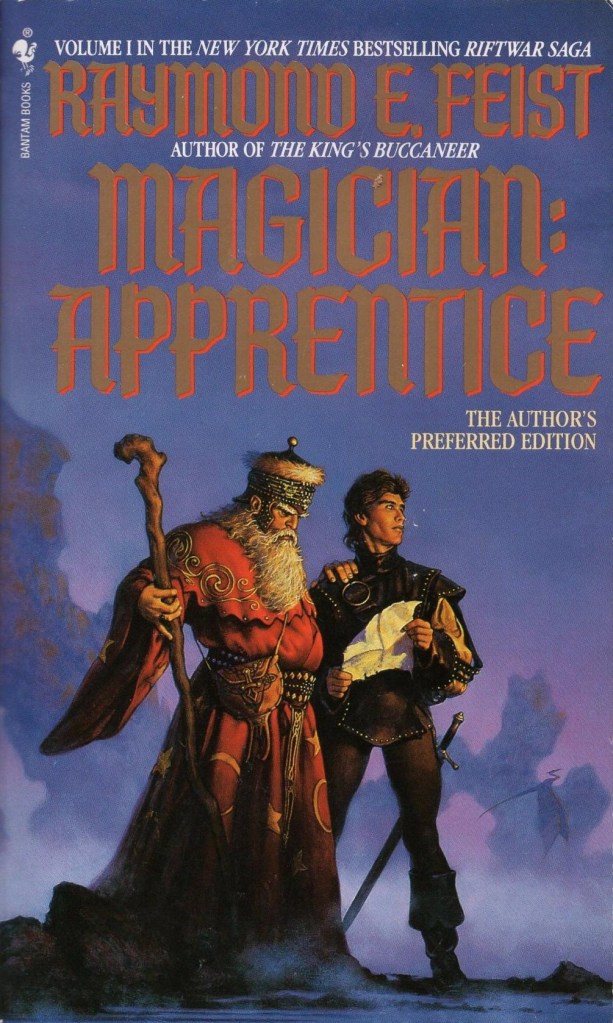
Magician: Apprentice (The Riftwar Saga) by Raymond E. Feist

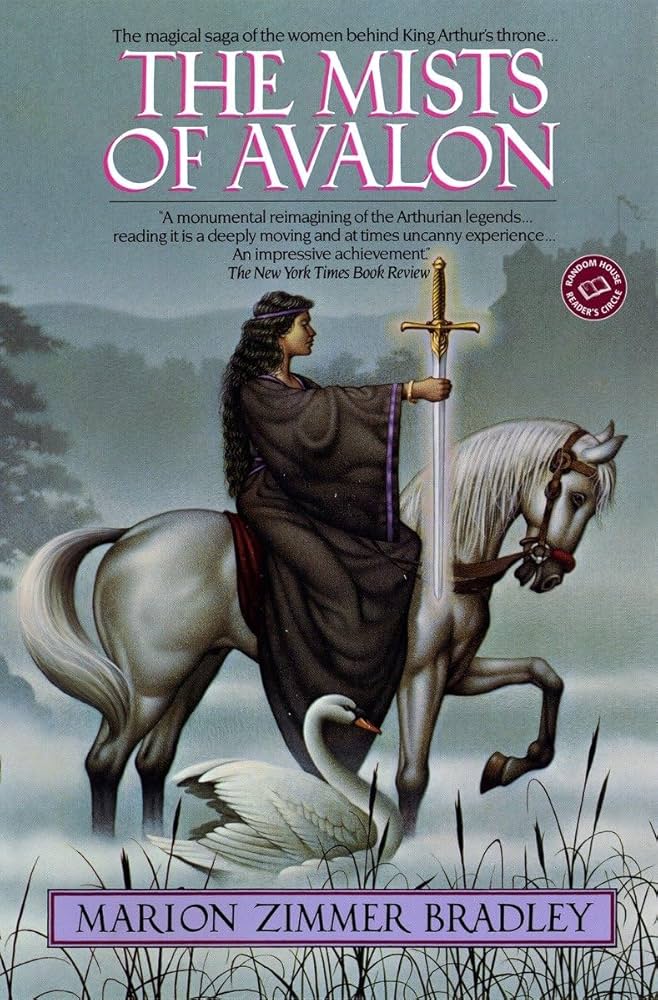
The Mists of Avalon by Marion Zimmer Bradley

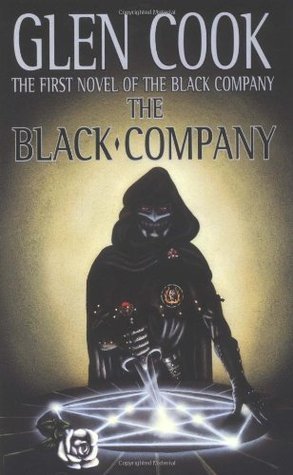
The Black Company by Glenn Cook

The Dragonbone Chair (Memory, Sorrow, and Thorn) by Tad Williams

Arrows of the Queen (Heralds of Valdemar) by Mercedes Lackey

Kids

The Blue Sword by Robin McKinley (this one’s more YA)

Alanna: The First Adventure (Song of the Lioness) by Tamora Pierce

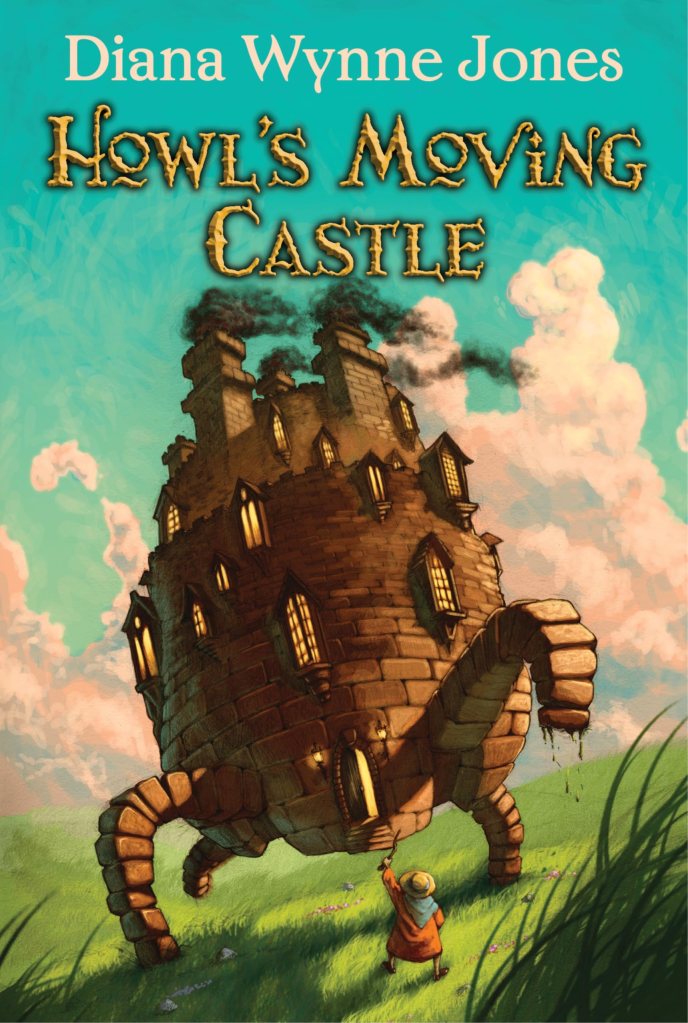
Howl’s Moving Castle by Dianna Wynne Jones

Redwall by Brian Jacques

Satire, Comedy, Science Fantasy?

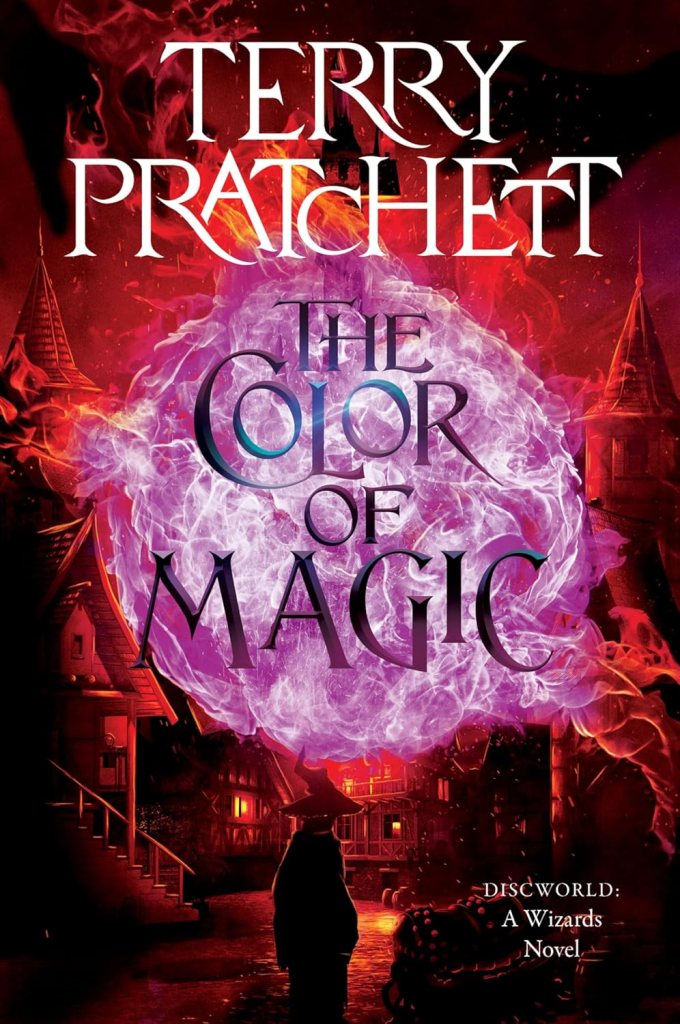
The Color of Magic (Discworld) by Terry Pratchett

Horror Fantasy

The Gunslinger (The Dark Tower) by Stephen King

Fantasy of the 1990’s

The 1990’s produced more fantasy “classics,” and sparked the trend of massive, multi-POV series that span worlds rich in history and take dozens of books to complete!

We also saw the beginnings of the historical fantasy sub-genre with works by Guy Gavriel Kay. And of course, the first Harry Potter book snuck in 3 years before the turn of the century!

Massive Multi-POV Epics

I feel like we need an abbreviation + warning label for these. MMPOVUS (massive multi-POV unfinished series) or MMPOVCS (complete series). ;D

The Eye of the World (Wheel of Time) by Robert Jordan

A Game of Thrones (A Song of Ice and Fire) by George R.R. Martin

Gardens of the Moon (Malazan Book of the Fallen) by Steven Erikson

High Fantasy

Tigana by Guy Gavriel Kay

Assassin’s Apprentice by Robin Hobb

Wizard’s First Rule (Sword of Truth) by Terry Goodkind

Kids

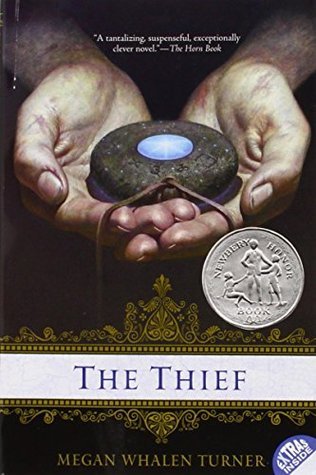
The Thief (The Queen’s Thief) by Megan Whalen Turner (YA before it was a thing?)

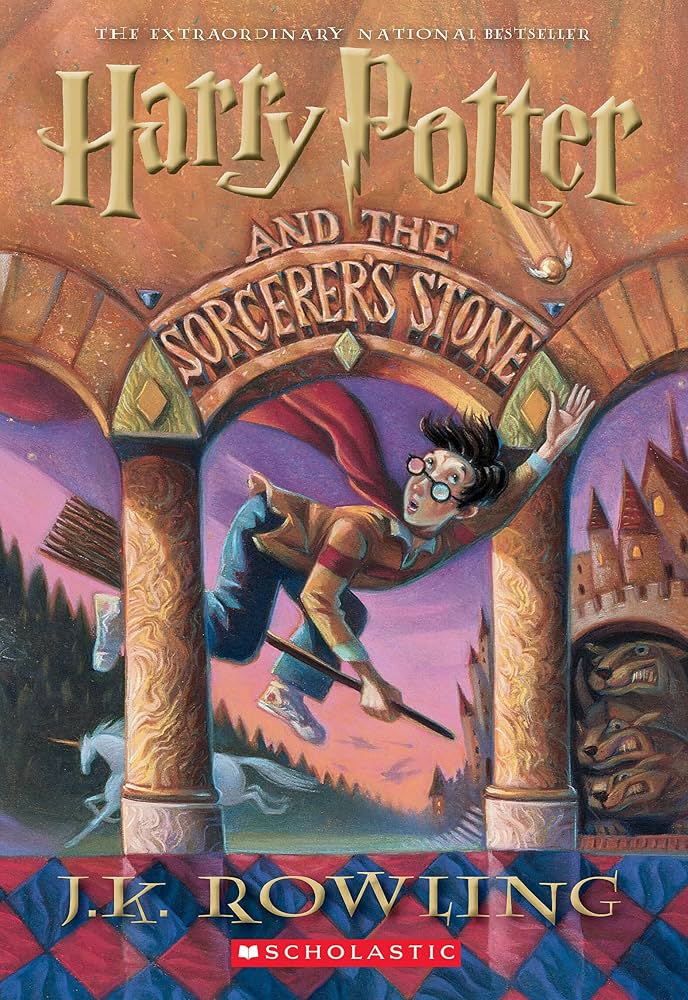
Harry Potter and the Sorcerer’s Stone by J.K. Rowling

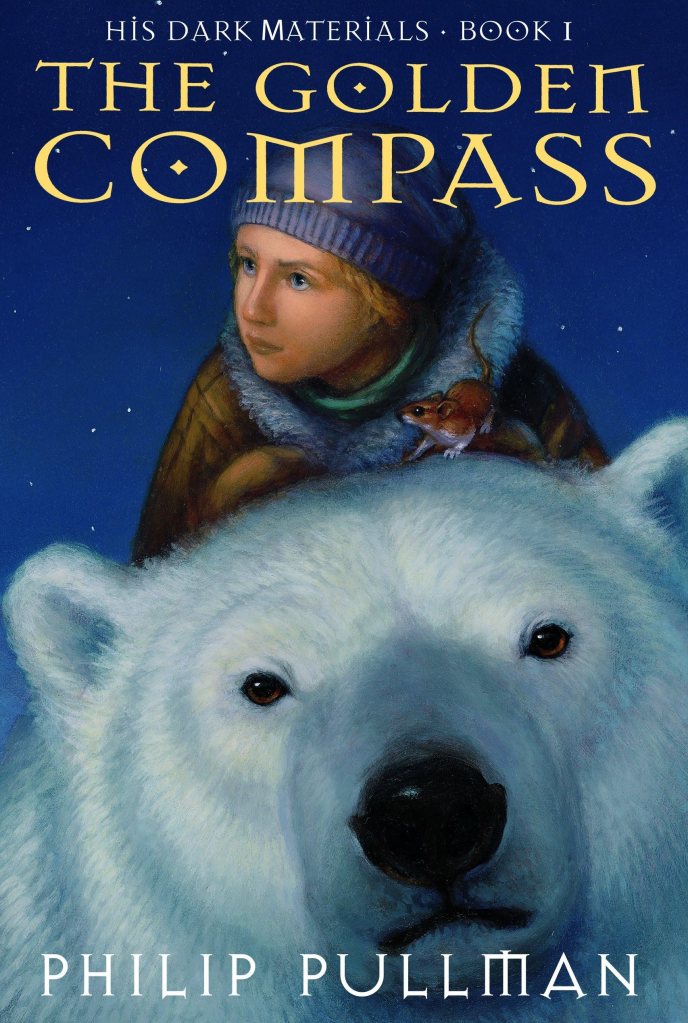
The Golden Compass (His Dark Materials) by Philip Pullman

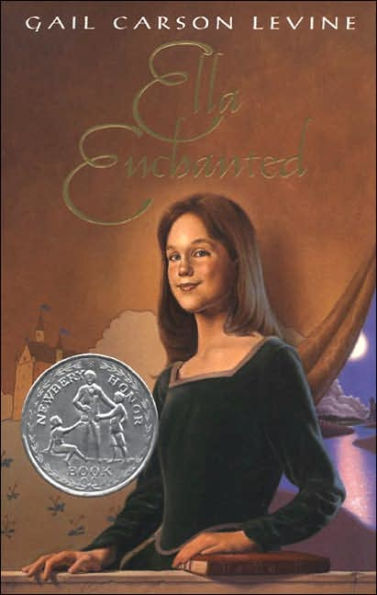
Ella Enchanted by Gail Carson Levine

Fantasy of the 2000’s

2000s fantasy was defined by grimdark, and saw the rise of urban, steampunk, and paranormal (romance) or supernatural fantasy. Weird fantasy too, though I’m not going to try defining that. The grey, morally-conflicted hero with a dark past became the norm, with gritty, sometimes even dystopian settings.

Young adult fiction became defined as a new audience and subgenre! Dresden spurred a slew of detective fantasies. And Harry Potter became a global phenomenon which inspired many magic school stories. Kids got into mythology again thanks to Rick Riordan!

Urban Fantasy & Steampunk

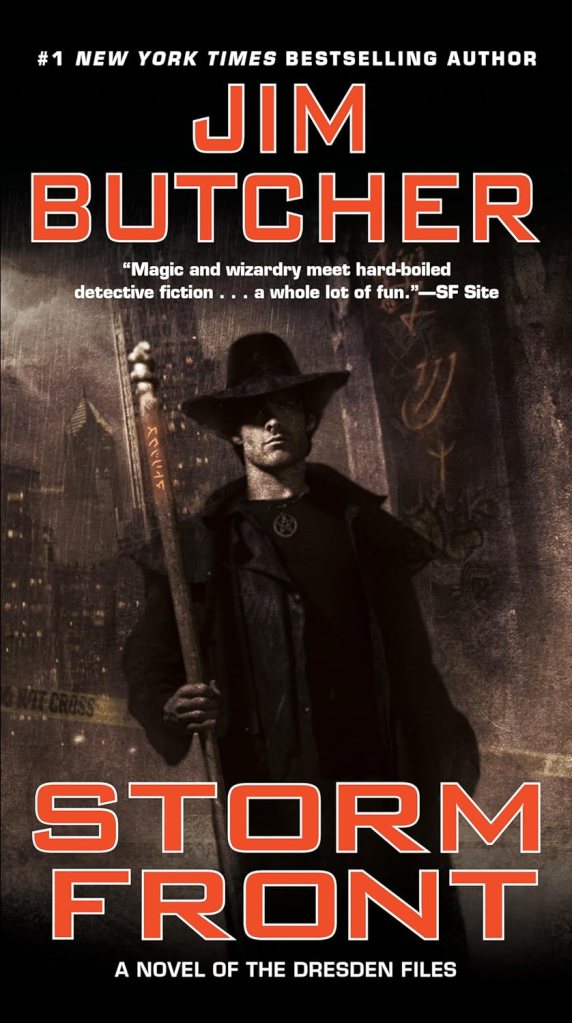
Storm Front (The Dresden Files) by Jim Butcher

American Gods by Neil Gaiman

Perdido Street Station by China Mieville

Grimdark

The Blade Itself (The First Law Trilogy) by Joe Abercrombie

The Way of Shadows (Night Angel Trilogy) by Brent Weeks

The Lies of Locke Lamora (The Gentlemen Bastards) by Scott Lynch

Epic

Mistborn: The Final Empire by Brandon Sanderson

The Name of the Wind (The Kingkiller Chronicles) by Patrick Rothfuss

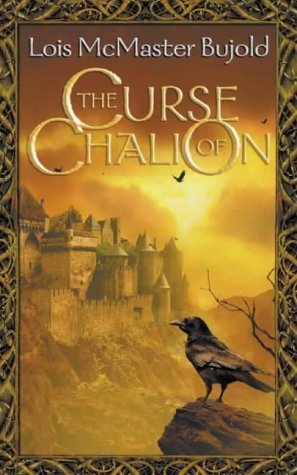
The Curse of Chalion by Lois McMaster Bujold

Young Adult

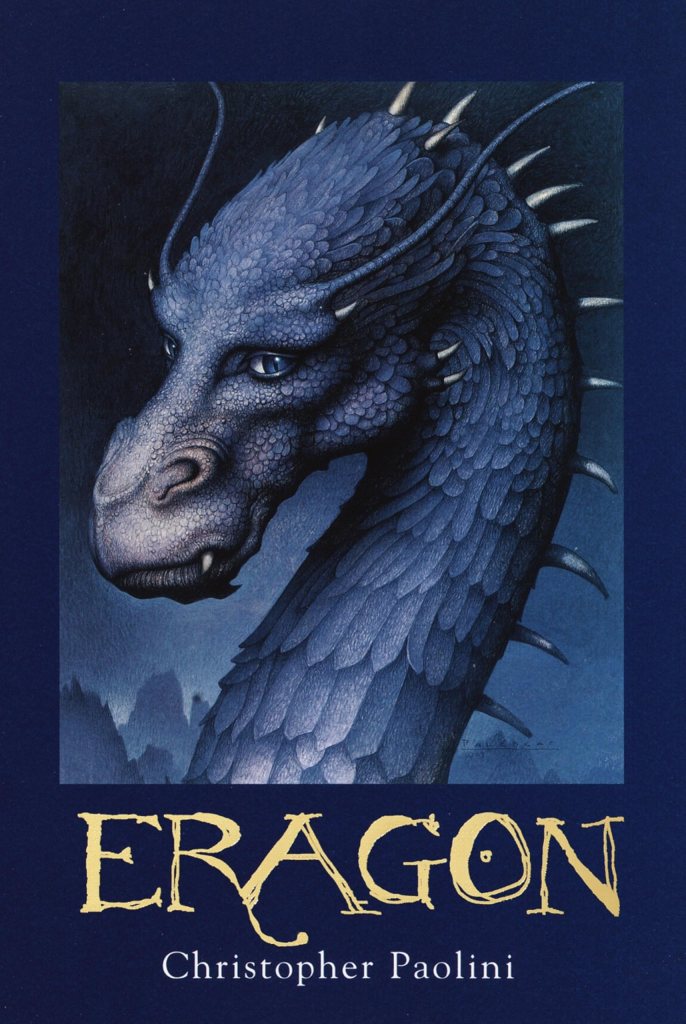
Eragon (The Inheritance Cycle) by Christopher Paolini

City of Bones (The Mortal Instruments) by Cassandra Clare

Twilight by Stephanie Meyer

Kids

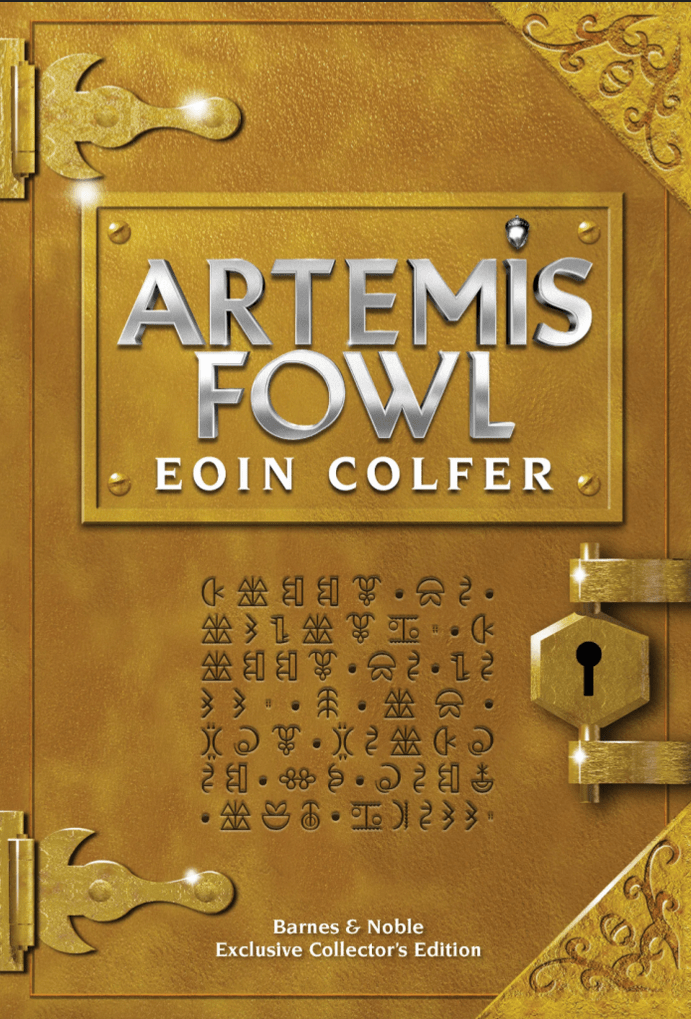
Artemis Fowl by Eoin Colfer

The Lightning Thief (Percy Jackson) by Rick Riordan

Inkheart by Cornelia Funke

The Tale of Despereaux by Kate DiCamillo

Fantasy of the 2010’s

Multiple points of view, hard magic systems, and dry humor featured in many 2010s books. Grimdark persisted, but eventually incorporated a self-deprecating awareness of genre conventions. YA dominated markets, with fewer middle grade hits except for those in Rick Riodan’s expanding body of work.
The second half of the decade saw a delightful increase in diversity among characters, settings, and authors. No longer just medieval Europe! (This category deserves a whole list of its own, so check out the hyperlinks for more recommendations.)

The influence of video games and anime spawned the LitRPG and progression fantasy niches. Christian fantasy grew as a sub-genre. Self-publishing and serial web novelizations absolutely exploded in popularity, adding many niche favorites to the market.

Epic

Prince of Thorns by Mark Lawrence (as grimdark as it gets alert)

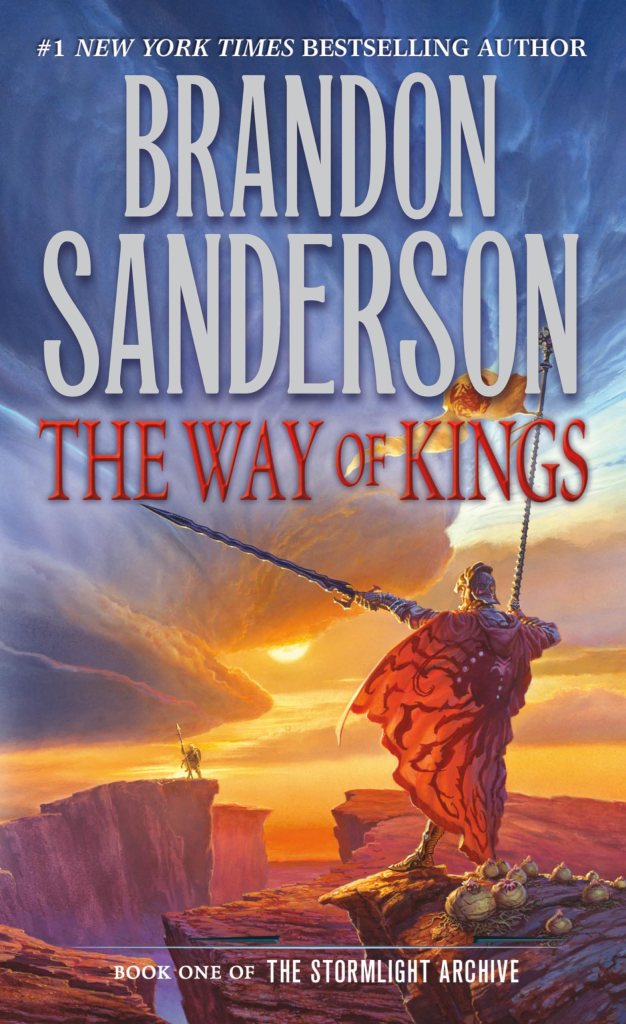
The Way of Kings (The Stormlight Archive) by Brandon Sanderson

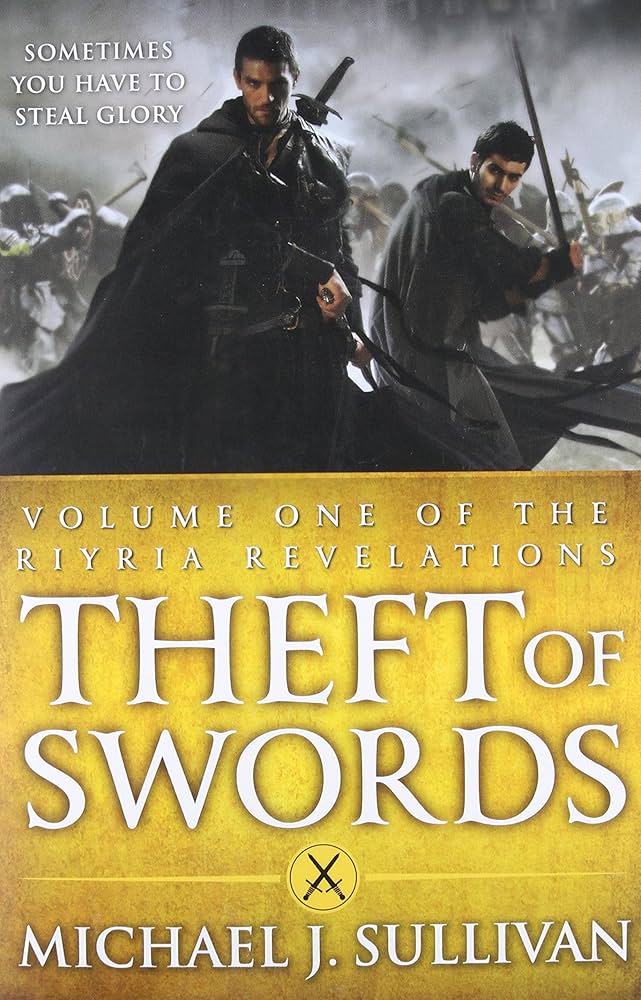
Theft of Swords (Riyria Revelations) by Michael J. Sullivan (originally self-published)

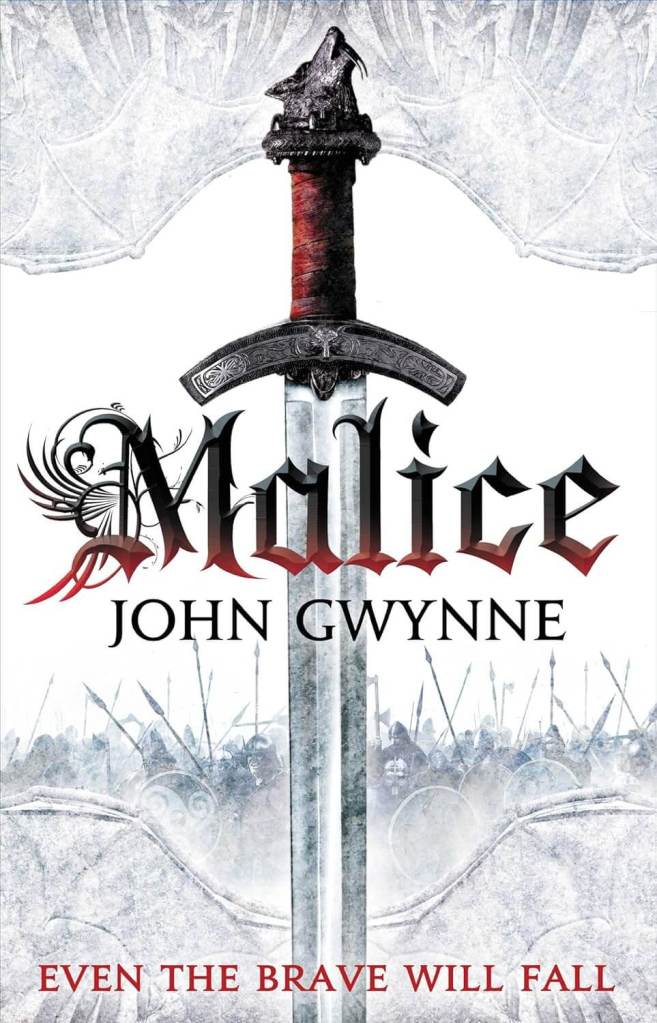
Malice (The Faithful and the Fallen) by John Gwynne

Young Adult

Six of Crows by Leigh Bardugo

A Court of Thrones and Roses by Sarah J. Mass

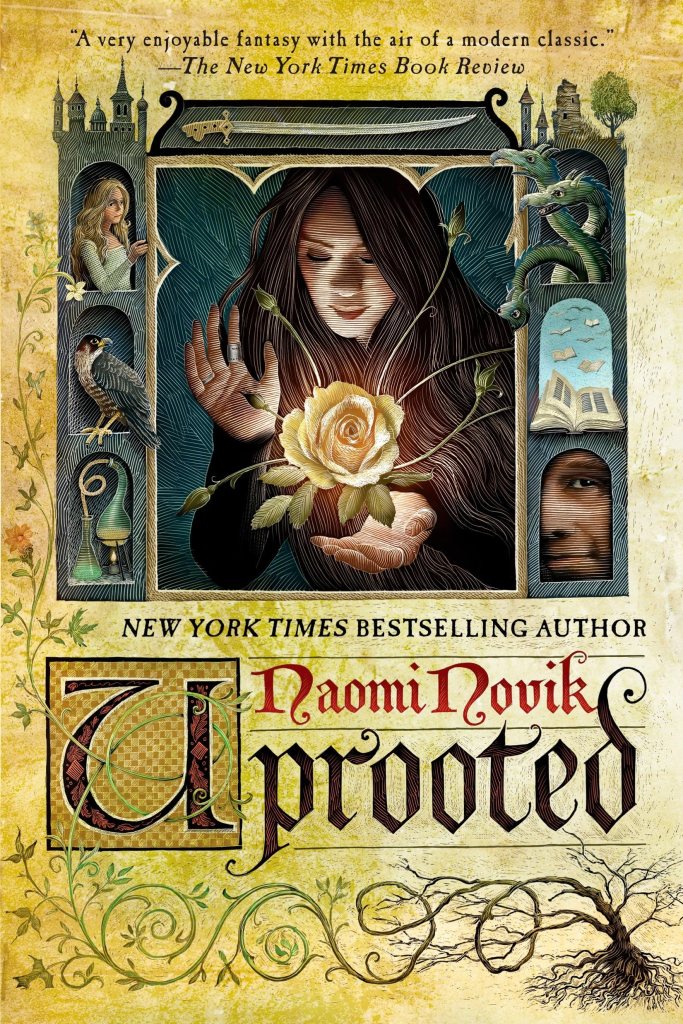
Uprooted by Naomi Novik

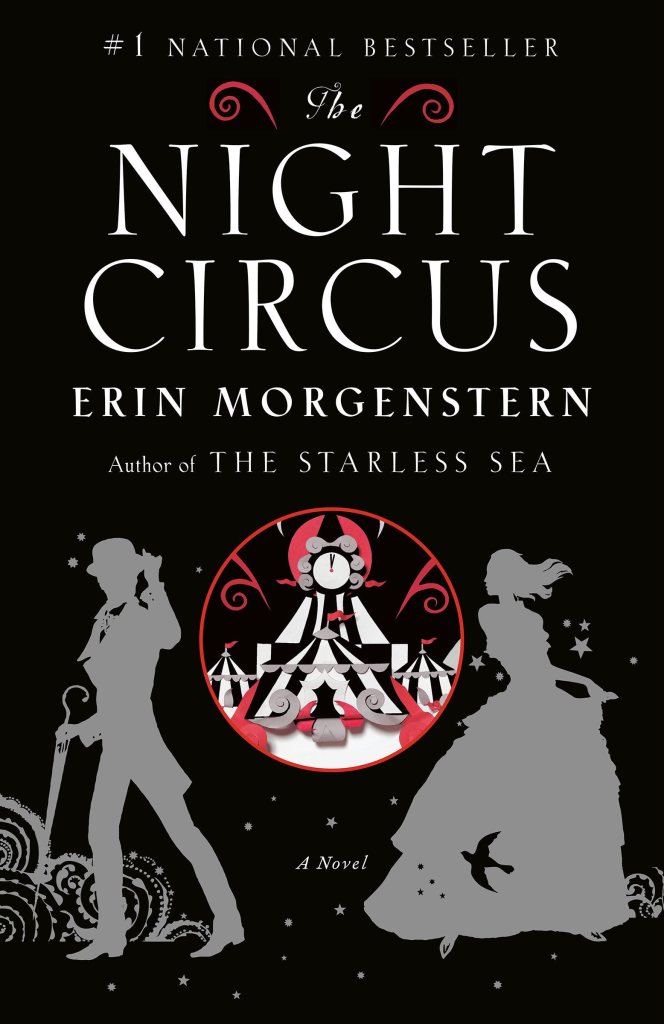
The Night Circus by Erik Morgenstern

Diverse Authors, Settings, OR Characters

The Fifth Season by N.K. Jemisin

The City of Brass (The Daevabad Trilogy) by S.A. Chakraborty

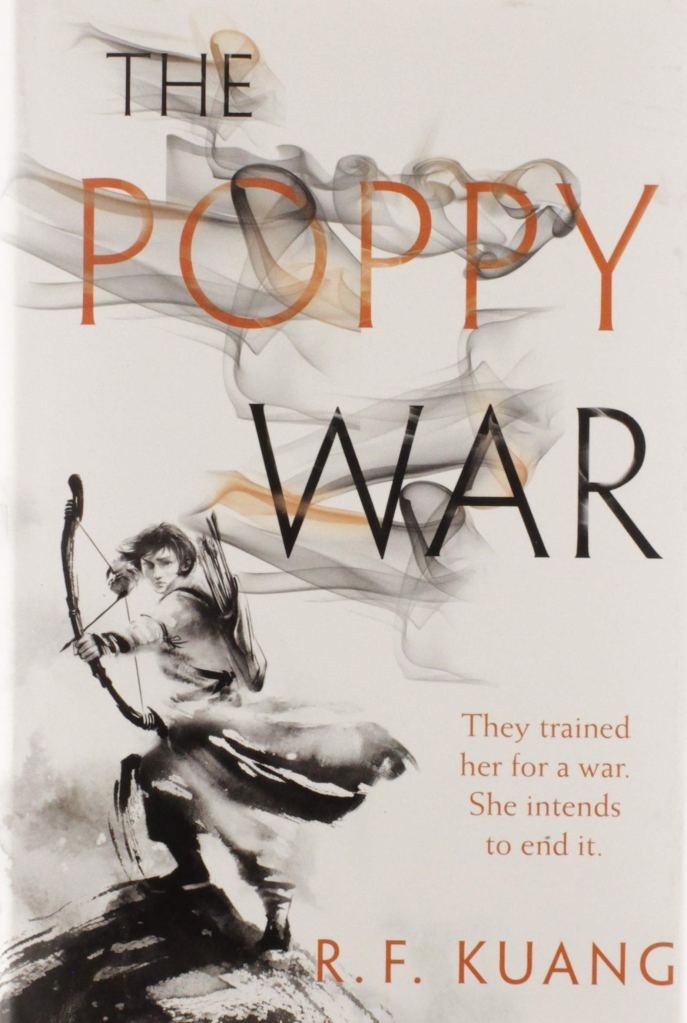
The Poppy War by R.F. Kuang (horrifically graphic violence)

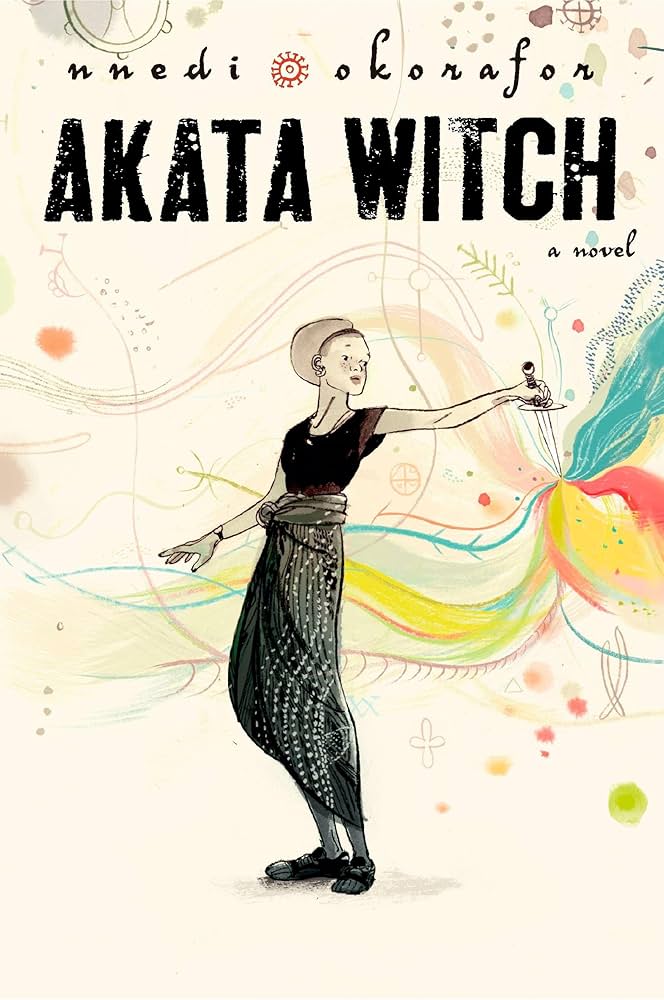
Akata Witch by Nnedi Okorafor

Fantasy of the 2020’s

It’s too soon to know what will become fantasy mainstays in the future, but here are some of the books I’ve heard recommended most often in fantasy circles within the past five years. It gives a glimpse into the kind of flavors we can expect for the rest of the decade.

Brandon Sanderson continues to be, arguably, the most popular contemporary fantasy author, but there are other rising stars! Cozy and low-stakes fantasy is growing as a sub-genre, and romantasy has absolutely exploded in popularity. The uptick of diversity continues!

High Fantasy

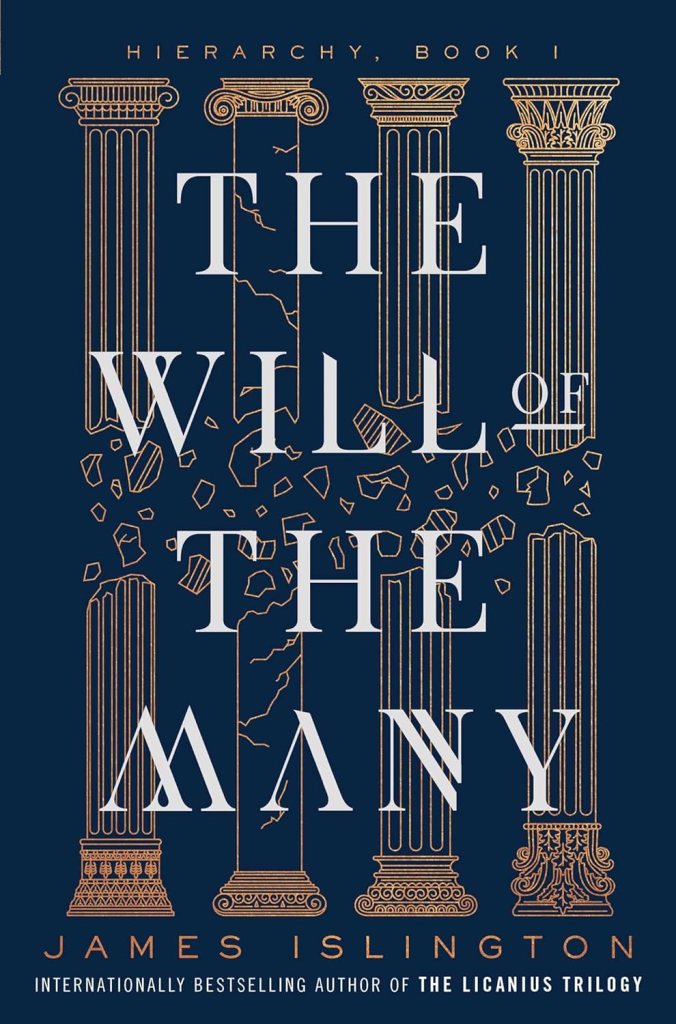
The Will of the Many by James Islington

The Sword of Kaigen by M.L. Wang

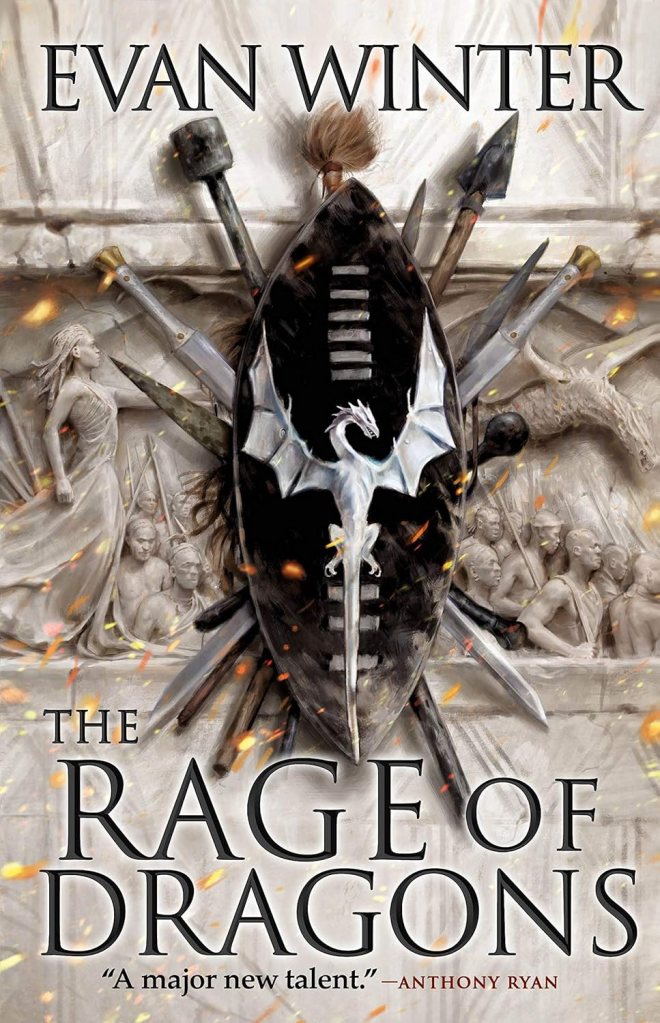
The Rage of Dragons by Evan Winter

Young Adult & Romantasy

Fourth Wing (The Empyrean) by Rebecca Yarros

The House in the Cerulean Sea by TJ Klune

Nettle and Bone by T. Kingfisher

Magic Realism

Piranesi by Susanna Clark

The Invisible Life of Addie LaRue by Victoria E. Schwab

Cozy Fantasy

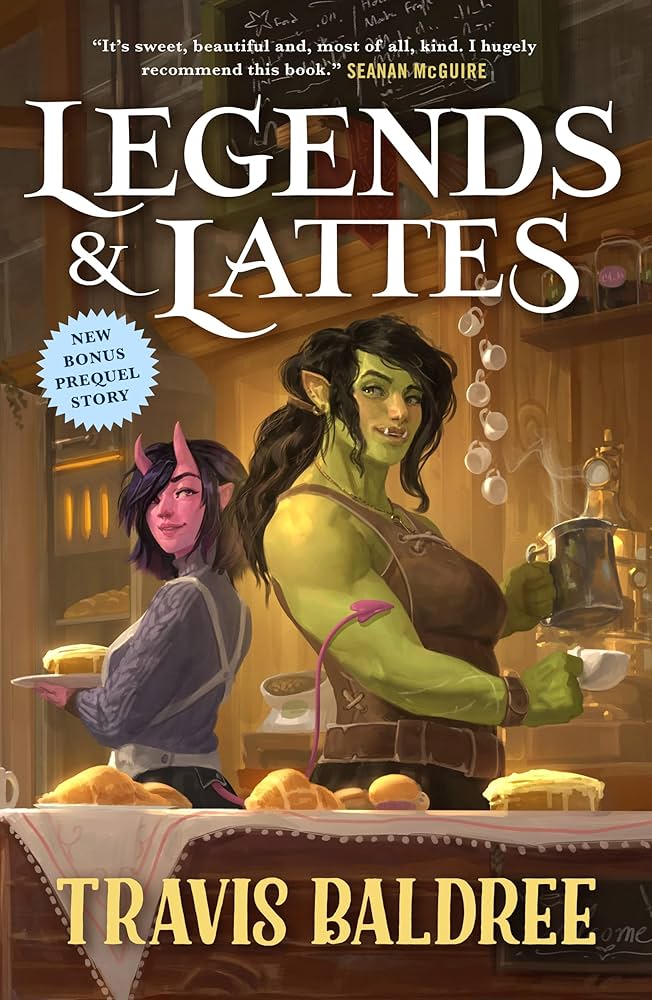
Legends & Lattes by Travis Baldree

What are your favorite fantasy books?

How much fantasy have you read? Which is your favorite era?

Lists like this can overwhelm me, because I realize how few books I’ll be able to read in my lifetime. So I set a more reasonable goal: read at least the first chapter of each of these books to familiarize myself with different styles and tropes, and to see how stories and writing change over time.

Will you take on the challenge? Subscribe to my blog to receive an interactive PDF reading checklist of A Century of Fantasy!


Hi, I’m Caylah Coffeen, a freelance editor and marketer of sci-fi and fantasy books. I love reading and writing and am a follower of Jesus Christ.

I’ve worked for Monster Ivy Publishing and Eschler Editing, and am currently a weekly editor with Havok Publishing. Reach out to chat about books and publishing!

Thanks for stopping by my website! I hope you’ve found some helpful resources about reading, writing, and publishing. If you liked this article, here’s some more free content…

Book Review: Traitor Son by Melissa J. Cave

Rating: 4/5 Stars

Traitor Son is a slow burn military fantasy romance with a satisfying civilization-building thread and a touching, relationship-focused ending. However, it ends rather abruptly without resolving any of the plot problems. The second book is scheduled to release only 6 months after the first, so I’m guessing it was split for the sake of length, and is really one story.

Synopsis

The Emperor slaughtered Remin’s family as traitors, and he wants Remin dead too, assigning him the impossible task of retaking the Andelin Valley from sorcerous invaders. But after 7 years of warfare, Remin triumphs and returns to claim his prize: the Emperor’s daughter as his wife. But the treacherous Emperor hands him a scrawny, neglected, illegitimate girl instead of the Princess Remin expected.

Ophele, who has spent her life hiding in the library from the abusive nobles who call her ward, is terrified by the new husband forced upon her. But an unexpected spark grows between them as they travel to the Andelin and begin to build the capital of Remin’s new duchy. As demonic creatures, summoned by Remin’s defeated enemies, plague the town, Remin and Ophele must decide whether or not to trust each other and face their problems with a united front.

Characters – 4/5 Stars

This is a character-driven story, based around Ophele and Remin and how they must overcome the abuse and traumas they’ve experienced in order to build a new city and life together. Basically her father, the Emperor, has ruined both their lives. Ophele is shy, sweet, and a total bookworm. It’s fun seeing her gain confidence over the course of the story and apply her book smarts to the efforts of building their new city. She’s the opposite of a morning person, which leads to many jokes I personally appreciated immensely.

Remin was a bit less interesting to me – he’s a brooding giant of a man, surly but loved by his men, distrustful and paranoid about the Emperor’s plots on his life (with good reason). He fits squarely into the “strong, silent type” who gets softened up by the girl. I felt more attached to all of his knights, who are very well developed side characters.

Plot – 3/5 Stars

This plot feels almost identical to Under the Oak Tree, and I don’t know how much of a coincidence that is. After the couple gets married and travels to Remin’s new duchy, most of the book focuses on the minutiae of how they’re planning the town (which I love – leveling up vibe!) and defending it from demons summoned by the former occupants Remin recently defeated. Otherwise, the plot centers on their relationship, or lack thereof. There’s a lot of back and forth about Remin liking Ophele but thinking she’s going to kill him on behalf of the Emperor, and acting like a total brute toward her. Then Ophele sits around feeling terrible about herself, and the misunderstanding drags on despite them both actually liking each other.

This felt rather repetitive and miserable in the second half of the book. However, Remin’s behavior is clearly shown as problematic and the conclusion centers around how they resolve the conflict in their relationship. It was a satisfying ending, except that nothing came of the Emperor’s plots. It felt rather like Chekhov’s gun – a setup that didn’t deliver. But I’m deferring judgement because I really think that this was one story split into 2 books – I’ll definitely read the second!

Worldbuilding – 3/5 Stars

Fun, but nothing super special. They have a Renaissance-level society. I think the best part of the worldbuilding was all the accurate details about the process of planning a civilization from the ground up – infrastructure, labor, moving supplies, planning for sponsoring of the arts. All of this was clearly well researched and I loved seeing the characters achieve each new step in their goals! There’s definitely more to learn about the magic system of both the Emperor’s bloodline and the sorcerers who’ve been summoning the demons. But that was all setup, leaving mostly questions.

Writing – 4/5 Stars

Pretty good – nothing gorgeous, but clear to read and not bloated. I feel like it got better as the book went on! The first few chapters had a lot of passive voice, but I stopped noticing that as I read. I might not have guessed this was a debut – it’s well organized and enjoyable to read.

Content

There are 3 sexually explicit scenes in this book between the married couple. I almost wondered if someone else wrote these scenes because of how flowery the erotic parts are – I couldn’t help but laugh. But there’s good emotional content there too.

The rest of the book reads PG-13.

I received a free advance review copy from BookSirens, and I am leaving this review voluntarily.

You can buy a copy of Traitor Son by Melissa J. Cave on Amazon when it releases on November 1st!

Book Review: Virtuous Sons by Y.B. Striker

By Caylah Coffeen

Rating: 5/5 stars!

Virtuous Sons is a delightfully original Greco-Roman buddy story that thrills with its snarky dialogue, unusual action scenes, and deeply loyal characters.

Snapshot:

Griffin and Sol, young Greek and Roman patricians respectively, defy their elders and fates, running off to the city of Olympia to attain greater power and make their mark on the larger world. Faced with political upheaval at the center of the Greek world, demons on the Western front, and their own losses and regrets, Griffin and Sol fight alongside each other with wit and audacity on their virtuous path to fame and glory.

Characters: 5/5

This story is all about two reckless, ambitious, smack-talking young men called Griffin and Sol. They’re the best warriors of their generation and they know it. As a result, they’re unbelievably audacious, delighted in the equal competition each presents to the other, and at times completely and excellently ridiculous. I laughed so much while reading this story. They’re like oil and water and rib each other constantly. Griffin is cavalier, spoiled, restless, and desperately thirsty for a fight worthy of him. Sol is depressed, rigidly disciplined, aloof, and quietly confident in his own superiority.

They’re arrogant and violent, yes, but not unintelligent or too foolish (though I know a certain philosopher who’d loudly disagree). They’re sharp, strategic, passionately loyal, with a talent for drawing others to them. It’s really quite a delightful dance watching these two. And it’s not just fun and games either – they aren’t afraid to touch on deeper topics such as grief, fear, trust in the face of lies, and more. Their journey is rich.

Cool side characters too, but the dynamic duo steals the show. Except, we have our eyes on you Damon Aetos, for all the good it’ll do.

Story: 5/5

This plot isn’t what I expected from the blurb, and it’s all the better for it. The description made it sound like a quest story, with two young men wandering around killing monsters and climbing a mountain – a plot you may very well expect from a Greek myth about a demigod or other talented hero. I don’t like quest stories much, and based on the blurb alone, I wouldn’t have picked up this book myself (it was a birthday present). To my delight, this was a character piece which evolved into political (& action) fantasy.

The entirety of the story takes place in 2 Greek city states and the characters run around kicking hornets nests for the heck of it while seeking to prove their prowess to themselves and each other. As they stretch themselves in such a furnace, we learn more and more about their families, pasts, traumas, and dreams – and of course enjoy as they bond (beat each other up and talk trash). The discussions and situation are more “mature” than I initially expected. Navigating a political hellscape takes a lot more brains and nuance than traveling from point A to point B killing monsters. I hope other readers aren’t misled by the blurb, but are willing to give this quite unique story a try.

That said, the plot did rather jump all over the place. These characters don’t really have a plan, so most of what they did felt incredibly random. It seemed like the author was making up a lot of it as he went along (this was published first as a web novel). At times it felt like I was suddenly reading a different book from the one I’d picked up. Sometimes, this is enjoyable as it leaves readers feeling continuously surprised, and I think it works because of who these characters are. But reader expectations are important, and if not for loving these characters so much, it might have been a bit too much of both whiplash and meandering. But not all books need a tightly woven series of events to be great – and you bet there is a master plan deep in the background…

Worldbuilding: 5/5

The author has clearly steeped himself in classical literature. It goes beyond his use of Greek and Roman words or his accurate inclusion of popular philosophies and trends of the time – he gets it. After a certain threshold of absorbing a culture’s art, myths, history, and literature, a person begins to intuitively understand what makes that culture tick. Their fears, desires, aspirations, jokes, and more. It’s a delight to encounter a book so immersed in the classical mindset.

But Striker doesn’t stop there. He presents an alternate version of Mediterranean history – the gods are dead and their names have slipped from the minds of men. And what did you just say about Rome? He also weaves in an alternate magic system based upon the Chinese concept of chi cultivation. He incorporates the popular tropes of progression fantasy perfectly into the realm of Greco-Roman heroes. Because demigods and Roman legionnaires would absolutely love the concept of leveling up! And so do we.

Writing: 4/5

The place this book shines most is in the dialogue. Witty exchanges, perversely convoluted (aka Greek) discussions, and lots of hilarious B.S.-ing and grandstanding by our two endearingly reckless protagonists. However, almost every single chapter begins with an exposition dump, which grows rather tiresome. The prose is written well enough, though it can feel a bit dense at times. And it slows down the pacing when, despite the exciting shenanigans of the previous chapter, the next one almost always steps back with an omniscient voice to explain some element of history or culture. But the action scenes and emotional moments are presented and punctuated exceptionally well.

This story alternates between Griffin and Sol’s perspectives, but they’re both written in first person, which led me to experience quite some confusion when switching chapters. Their voices are incredibly distinct – everything from their manner of speech to attitude and energy – but it’s still mentally difficult to change who “I” is when reading, even when each chapter title names the POV. It didn’t help that I tore through this book in 2 days, so perhaps I just didn’t give myself enough time to mentally shift from one character to the other.

Impact: 5/5

It’s been a long time since I had so much fun reading a story! I went and devoured the next two books in the series immediately after finishing this one. I am ALWAYS on the hunt for stories about rivals and blood brothers, but it’s a strangely difficult itch to satisfy. My sister searched for ages to find a book for me for my birthday, and she is rightfully smug to have gotten it so right! These two, Striker absolutely nailed on the head. I light up talking about them. Now I’ve gotten my mother to read it out loud to my father and youngest siblings back home, and I Facetime in to listen to them all chuckle. I’m in withdrawal waiting for the fourth book! I miss Griffin and Sol!

In the end, there could only be one word to describe that unique quality. That special characteristic that allowed a man chained and robbed of all control of his life to lunge fearlessly at a far stronger opponent.
To disdain me with his eyes and strike my face with his clenched fists.
“The audacity!” I exclaimed in purest joy, and I struck him right back.

Y.B. Striker, Virtuous Sons

Hi, I’m Caylah Coffeen, a freelance editor and marketer of sci-fi and fantasy books. I love reading and writing and am a follower of Jesus Christ.

I’ve worked for Monster Ivy Publishing and Eschler Editing, and am currently a weekly editor with Havok Publishing. Reach out to chat about books and publishing!

Thanks for stopping by my website! I hope you’ve found some helpful resources about reading, writing, and publishing. If you liked this article, here’s some more free content…