23 Author Moms Share Tips For How to Write a Book While Parenting

Being an author is a super difficult journey, and so is being a mom! So how can we do both (and well)? I’m not a mother myself (yet!), but I just spent a precious 2 weeks with my newborn nephew, and have been pondering what my future will look like.

So I reached out to over 20 writer moms to hear how they parent and write at the same time! They offered some specific wisdom, compassion, and anecdotes which I wanted to share with you too. Be sure to check out their books or social pages to support author moms!

Dedicated to my dear friend Stephy (who is an adorable mom!): I know you’ll publish your stories one day! I’m rooting for you!

  1. Be gracious to yourself
  2. Dedicate yourself fully to each season in your life
  3. Write while the kids are in bed
  4. Stick to a schedule
  5. Multitask (“drive-by writing”)
  6. Surround yourself with supportive people
  7. Try dictation
  8. Have a backup plan
  9. Include your kids
  10. Take a break from the kids
  11. Take care of yourself
  12. Your stories still matter!

Be Gracious to Yourself (God Sure is)!

“Just rethink what counts as writing, honestly. Absorbing fiction books to store away ideas for later is writing. Reading craft books is writing. Having a newborn is exhausting and time consuming, and a huge learning curve. Be kind to yourself, and remember this is only a season, it will be over way too soon. Also remember that your fellow writers understand. Nobody is expecting a new mom to publish anything right away.”

H. Halverstadt

“This is a verse that came to me back in fall 2023, while I was writing one of my novels. Rev 21:5: “He who was seated on the throne said, ‘I am making everything new!’ Then he said, ‘Write this down, for these words are trustworthy and true.'” God renews us. He makes everything new. That meant even on my weariest and most stressful of days, he could still do things with me and my writing. So that’s a verse that has given me incredible hope.”

Christina Kuhn

Dedicate Yourself Fully to Each Season in Your Life

“There is a time for everything, and a season for every activity under the heavens: a time to tear down and a time to build, a time to weep and a time to laugh, a time to search and a time to give up, a time to be silent and a time to speak.”

Ecclesiastes 3

“I wrapped my identity a little around being a writer as a young woman, but marrying a Marine, having a kid, moving around out of my “safety net” of being close to family so I often had to do things alone… I took a very long break. But when it was time to get started again, when the season was right, and I was just like, “Okay, now,” it rose to meet me. Sometimes we’re not in the season we want or we want it all at once. It’s good to embrace the pauses as well as the progress.”

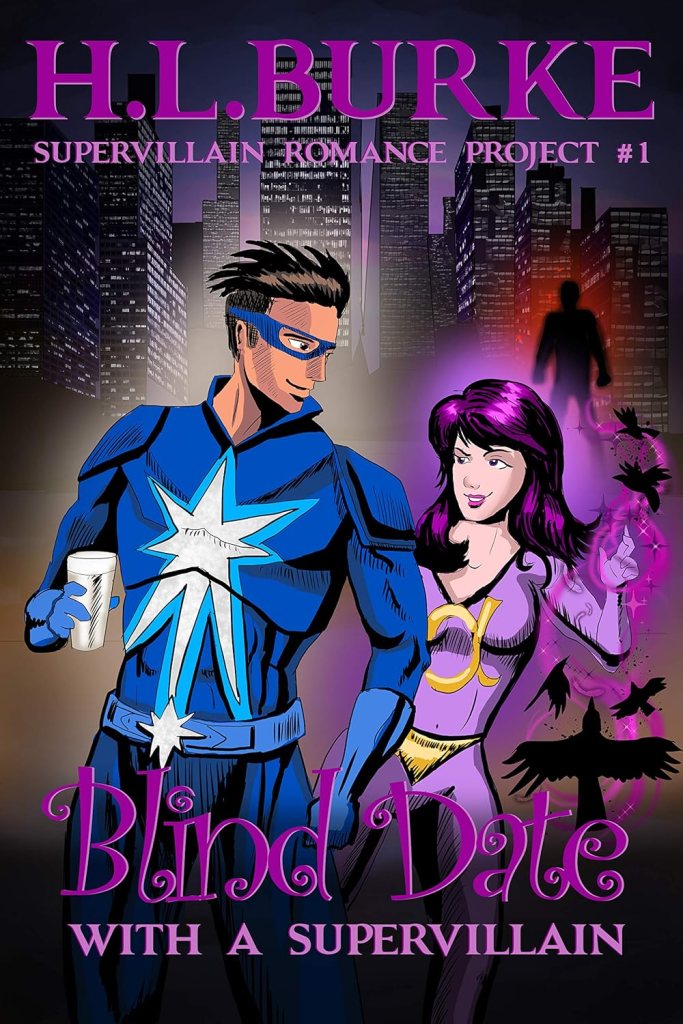
H.L. Burke

“Invest in your family and marriage. Writing will always be there, but your kids will not. You don’t want to miss out on your little ones growing up, or even worse, your kids believing that writing took you away from them. Find balance. Write during naps, early mornings, or after bed. Limit your words to 500 a day so you can be present with your family. Put off publishing until they are older (I did this).

And don’t forget your spouse. If you want a thriving marriage, don’t put your spouse on the back burner. The worst thing is to achieve all you desired as a writer, only to look around and realize you’re alone. Yes, some sacrifices must be made to become a writer. Don’t let your family be one of them.”

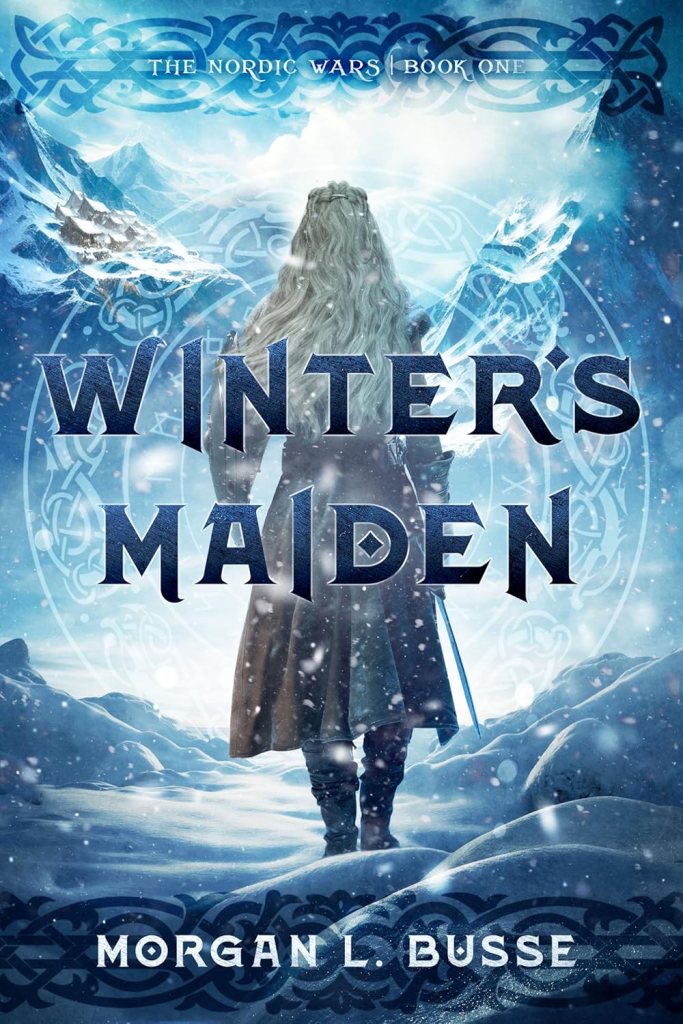
Morgan L. Busse

“I keep telling myself this is a season, and someday I will have more time to write again. Right now, my babies need me more than I need to write, so for now, I am content with that. But I keep writing down ideas and brainstorming and daydreaming and hope that in those moments of writing, no matter how few and far between or close together, that all the mental plotting will pay off as I get words on the page.”

Julie Harbinson

“I have three kids aged 3 and under and I’m still figuring this out. It’s helped me to become okay with being in a season where I don’t write much if at all sometimes. Right now, I write for joy when I can. Lately it’s worked really well to get up early, have my coffee and read the Bible, and then write until the kids wake up.”

Rosemary Johnson

Write When the Kids are in Bed!

“For me, I usually post social media posts before my girls wake up in the morning (I usually don’t get up that much earlier, but it helps me feel productive as a writer first thing). I have a 5.5 and a 2 year old, so my oldest does go to school for half days. When she is at school and my youngest naps, I use that time to write or edit (if im lucky that’s 2 hours every afternoon). Then my girls go to bed at 7pm, so I usually try my best to write or read every evening (usually another 2ish hours).

On the weekends, my husband and I take turns being productive/watching the girls so the other can have a longer period to be productive. I usually try not to work on writing or author stuff while my girls are awake. That’s a personal decision tho haha and it changes and depends on the age of your babies. I get a ton of writing done with a newborn, but I know that’s not the same for others haha.”

Taylor Pence

Whatever your hand finds to do, do it with all your might, for in the realm of the dead, where you are going, there is neither working nor planning nor knowledge nor wisdom.

Ecc 9:10

“I’m going to come back and edit this comment once I’m done cooking dinner, lol!
EDIT: I am finally back (made/cleaned up dinner, chasing kids, getting ice cream with my bro who is in town for work, and feeding a baby…phew!).

I have two kiddos, one is 2.5, the other is almost 4 months. It’s hard to get anything done. My toddler likes to follow me everywhere, and while my baby is amazing, she is still a baby. I don’t know that I have any of this figured out yet, but right now, I typically write at night once they’re in bed, so my writing time can range from 10 min – 2 hours depending on how tired I am. It’s very slow going right now, but I’m trying to get back into typing on my phone while putting the baby to sleep.”

Julie Harbison

“Do you see someone skilled in their work? They will serve before kings; they will not serve before officials of low rank.”

Proverbs 22:29

Stick to a Schedule!

“I’m a homeschooling mom of three kids, ages 12, 8, and 3. I’ll be fully honest. It was pretty overwhelming to be pregnant or dealing with a younger baby and write at the same time, so I took a lot of breaks during those seasons. Otherwise, my older kids would buddy up to play outside, and I wrote while my youngest napped. I keep my kids on a routine/schedule so that they sleep roughly about the same time every night. This allows me to do at least 1-1.5 hours of writing/editing every morning before anyone else is up.

I used to live near my parents, who could provide childcare, and that allowed me to get even more writing done. But now that I’ve moved across the country, my writing time is pretty scarce. All the more critical that I stay on my schedule.”

Christina Kuhn

“For me, early mornings are non-negotiable if I want to get anything done. I go to bed early and get up around 4:30 or so. I struggle with brief sprints, so I really treasure having a solid 1.5 hours or so to sit and focus on writing. I can get a decent amount done, and it makes me feel so “free” throughout the rest of my crazy mom/homeschooling day.

Proverbs 31 is a great chapter to look at for moms who are also writers! We can be industrious while still taking care of our homes and families. It can be tough to balance, but I’m thankful Scripture makes it clear that it’s possible to do both well.”

Kendra Warden

“She is clothed with strength and dignity; she can laugh at the days to come.”

Proverbs 31:25

Multitask or “Drive-By Writing”

“Our dining room was in the exact center of the house. I put my laptop on the table and made a rule for myself that I had to write 1 sentence every time I passed it. That got me to my 1000 words a day goal and I never stopped to work for more than a minute or two.”

E. A. Comiskey

“I first started writing seriously again when I had a nine month old and a 4 year old. Now they’re 17 and 14 and … usually are ignoring me. I basically just wrote whenever I could. As they got a little older, were sleeping through the night, and had a said bedtime, I’d usually put them to bed at 8 and then write for an hour every night. I also wrote waiting for their gymnastics class to end, in doctor’s waiting rooms, on park benches… You just have to grab the time you’re given and go for it.”

Heidi Lyn Burke

“lol I do drive-by writing. I usually have google docs open on my phone and will work on a scene through the day. Most of my writing time is with kids on me or near me. I usually keep my goals low at around 500-1000 words a day. It all adds up.”

Cara Ruegg

“I do drive-by writing! My kids are older (8+), but my laptop and charger live on the counter. If I can squeeze in 15 minutes a few times a day while they’re awake, I call it a success. After food and conversation works best! That goes for all ages.”

Stacey Yaroszeufski

“I did a lot of world building and brainstorming while doing dishes. Especially when listening to inspiring music. 🥰 And while nursing I’d read, critique, chat with other writers, or check social media on my phone. And once the kids were in bed I’d sit with my laptop and type, next to my husband while he played video games or watched a show.”

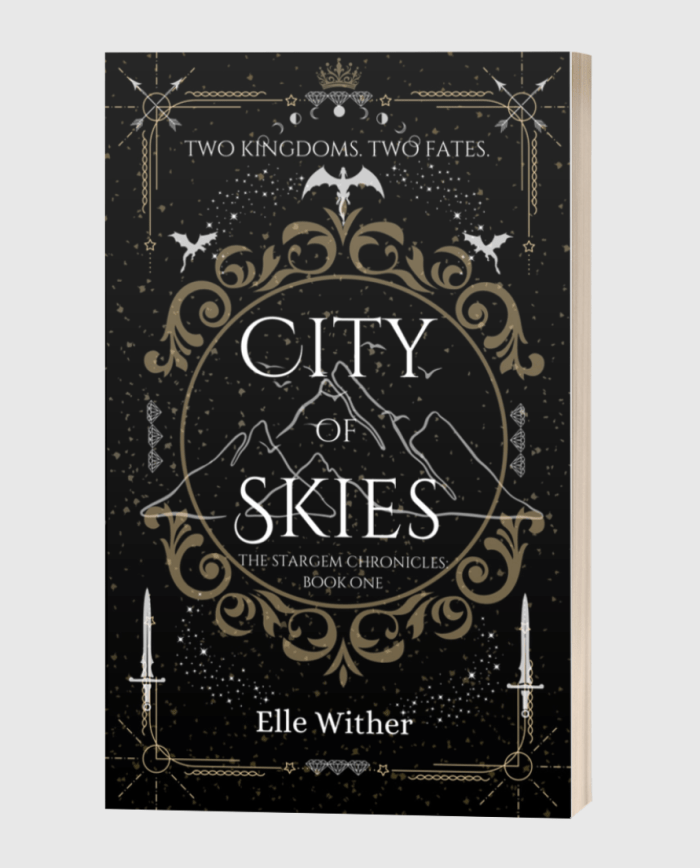
Elle Wither

“Whatever is true, whatever is noble, whatever is right, whatever is pure, whatever is lovely, whatever is admirable—if anything is excellent or praiseworthy—think about such things.”

Phil 4:8

“I always keep notes on my phone whenever the muse strikes so that when I do get to my writing time, I’ve got a list of ideas ready to go. I find I get more done in short focused bursts than when I have a whole day to write. I’m more creative when I’m forced to do it quickly. Driving time is also great to think through scenes or identify plot holes.”

A.E. Dinsmoor

Surround Yourself with Supportive People

“I have a 14, 11, and 9 year old at home, and most of my writing these days is done on my weekly writing nights with RJ Conte—basically we do word sprints for an hour or two and check in with each other to share word counts and snippets of what we’ve written. At the end of the evening we call and read each other what we wrote (if we feel ready to share it). It’s the best!! Doing it once a week is very low pressure but I still get some consistent (slow) progress on projects, and sometimes it gets my momentum going so that I want to keep working on it for days afterward!

I’m by no means a full-time writer. I consider myself more of an artist-hobbyist. But I’m glad to keep creating anyway—I couldn’t create as much as I do without supportive friends! 🥰 So my advice is to pick a consistent day/time and have an accountability partner or two to team up with. It’s satisfying to at least have some progress each week even in the middle of busy parenting and work!”
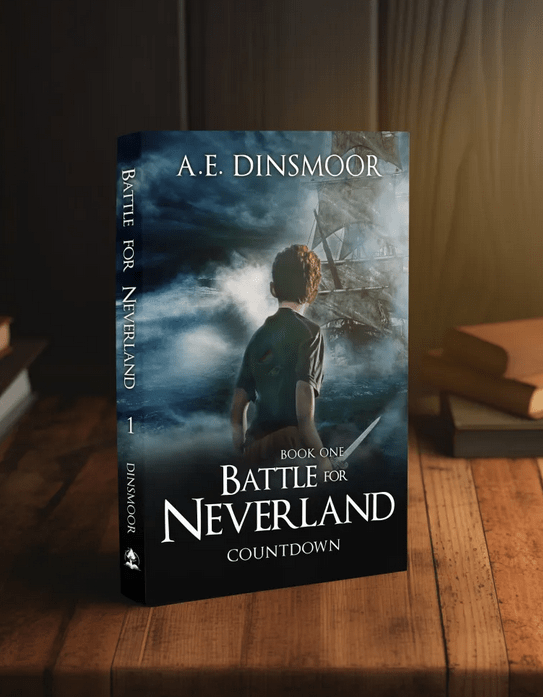
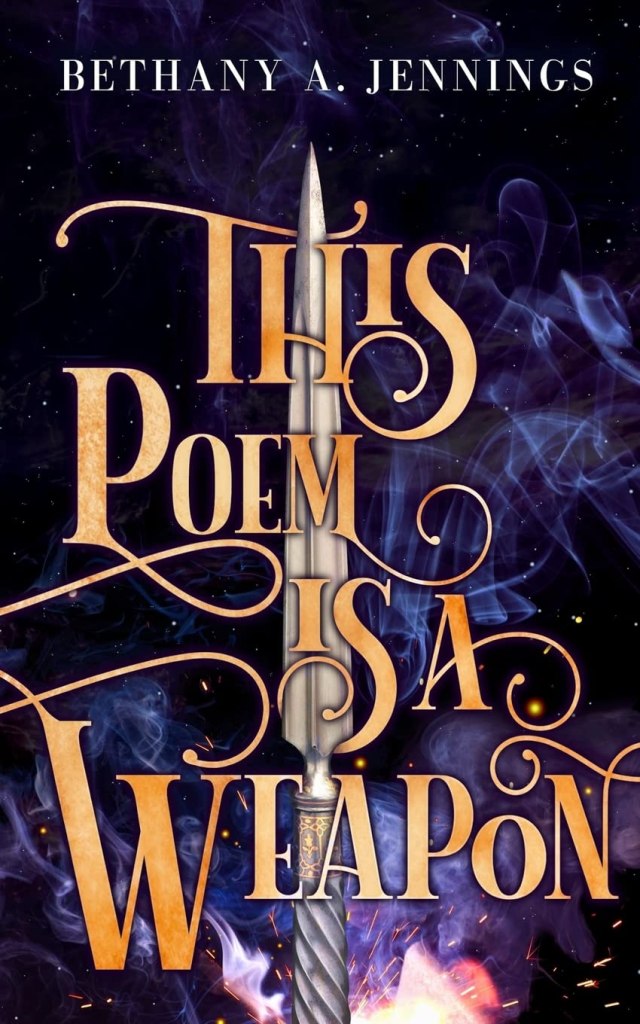
Bethany A. Jennings

“My husband is very supportive of me and helps so much! Find a couple good friends to cheer you on and champion you. It makes a world of difference.”

A.E. Dinsmoor

“I rely on my husband or outside help like occasionally my mom or one of my brothers to take the kids so I can get more time. I’m lucky that my husband works from home 7-3 and gets the full government parental leave offered here in Canada. Things are a bit hectic right now with a newborn and three other little kids but I fully anticipate lots of writing time later on over the course of his leave.”

Selina de Luca

Try Dictation (Voice to Text)

“Out of desperation I tried something totally different. Voice to text has been a big help. Then I take 10 to 15 minutes at night to organize it into sections, but I’m still in the planning stage. I have the story outlined, specific dialogue for important scenes, extensive world building, and character sketches. I should be ready to start compiling and do the actual writing next week.
It’s far different than the ways I’ve written before, but I’m in a much better place than I’ve ever been. I’m feeling confident that I can actually finish a WIP for the first time. This is working for me, but you do what works for you.”

Naomi Talitha

“I know a lot of moms who use dictation and get a lot of writing done while they’re doing chores around the house! I’ve done that a little bit, I’m dictating this comment right now while pumping breast milk, haha. It will take practice for me to use it more for my actual drafting! But I know others who have had success doing that. I have definitely done it here and there though, a few times dictating for example while making supper in the kitchen or something. Multitasking!”

Selina de Luca

Have a Backup Plan

“Try to have a backup plan to help get around especially chaotic days. For example, I identify my writing time for the day, as well as two potential backup options. This way, if my plans go sideways, I know I have another opportunity waiting for me (even if that’s after they’ve gone to bed). Then I just aim to write for at least 10 minutes, which usually goes a bit longer.”

Erin P.T. Canning

Include Your Kids in the Journey

“I’m a mom of three under 7 and all have varying special/medical needs as well. It is very overwhelming, but also an enormous joy. I try to incorporate the kids in whatever I am doing, from acting out scenes, to listening to a passage, to working on artwork. They are so excited and proud to “help mommy write.” I actually just gave each of them a copy of my latest and signed a message to them thanking them for being my helpers.

They have taken that honor so seriously. And coffee. Coffee is amazing. 😅

A.E. Dinsmoor

“I homeschool my 10 yr old son and (since he’s full of stories too) we have a section of his school day that is writing a story. I squeeze some words into a notebook then along with him. We also attend a local writer’s group together. “

Jaymi Mozeak

“Oh, that my words were written! Oh, that they were inscribed in a book! That they were engraved on a rock with an iron pen and lead, forever! For I know that my Redeemer lives, And He shall stand at last on the earth.”

Job 19:23-25

“It’s been really great writing with kids. They are my inspiration. I warned them anything snarky they say can be used in a book. My teen daughter writes too now. She’s working on her third novel.
The theme of my book is Psalm 42:11–“Why art thou cast down, O my soul? and why art thou disquieted within me? hope thou in God…” And it’s an especially important truth to remember when raising children.

There’ll be times when you’re overwhelmed and need wisdom. So even though the book is fantasy, there are elements of truths I’ve learned along the way in my own life.”

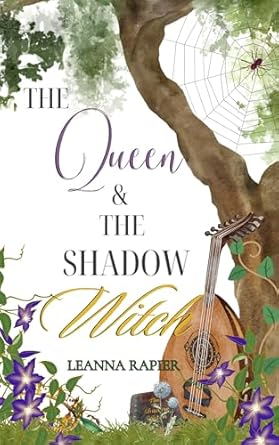
Leanna Rapier

Take a Break From the Kids

“For the first time ever, I am spending the night in a hotel room to get some writing done. I checked in at 3 PM, wrote for about three hours. Drove to band practice because it’s not far from the hotel I’m staying at, and then when I got back, I wrote for another three hours. The time went by so fast it’s already after midnight. I wrote over 6,000 words in two sittings. I have no one to worry about but myself.
I really needed this break because my kids have special needs (they have autism and genetic deletions). I think maybe I need to do this every year for NaNoWriMo. I am astonished at how much I wrote and how the lack of distractions worked on me. Now I must admit, most of the writing is painfully bad but at least I’m writing!”

Alexandra Owen

“My daughter is nearly four. What I have learnt to do is if we do something fun (like lunch out), the deal when we get back is we both get “calm time.” This means she can watch cartoons or play in her room for an hour. I’ve phrased it as part of the deal of getting a treat out.
I’ve found if I say I’m doing work, she’ll want my attention for everything. If we are both having calm time, then she seems quite happy to amuse herself.”

Rachael Marie

“I focus on teaching independence to my kids to give myself extra breaks.”

Christina Kuhn

Take Care of Yourself

“Personal nutrition is key for having the brain/energy capacity to write. I absolutely have to make sure I eat enough protein if I’m going to have the brain power to write and be creative, which surprisingly at this stage, I often do. I have to take care of my body to take care of my mind…”

Ellyn Franklin

Your Stories Still Matter (Hugely)!

“One bible verse I like to reflect on is Matthew 13:34: ‘All these things Jesus spoke in parables to the multitudes: and without parables he did not speak to them.’ Jesus was the ultimate storyteller and this verse proves the value of storytelling!”

Cara Ruegg

“My kids are 2 and almost 4 and writing makes me feel sane, and healthy, and more myself which makes me a better wife and mother and more balanced person. I love that!”

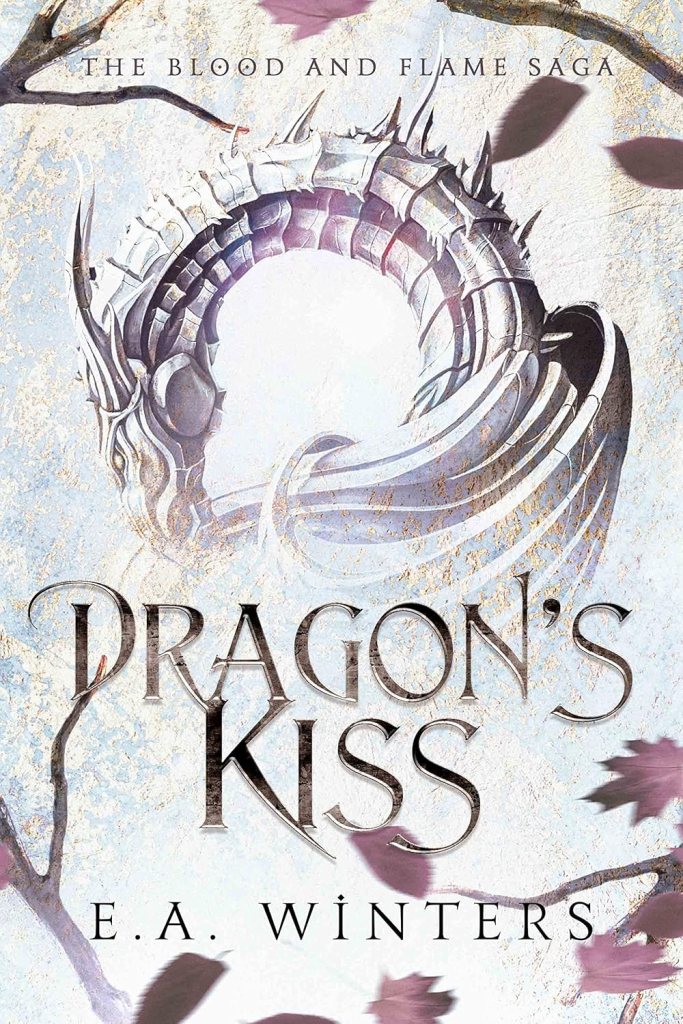
E.A. Winters

“Truly loving what I do keeps me going. It is a calling for me that I really see the Lord blessing, so writing brings me joy — even when I’m dead tired. My goal is that when someone is reading or hearing something I write, ‘many will see it and fear, and will call upon the name of the LORD.’ This is the desire and motivation that keeps me going, even through the little years of parenting. Whether I’m penning fiction, gospel encouragement, or anything else, I want it to be for His praise, and so that others see Him reflected in whatever I write.”

A.E. Dinsmoor

What are your writing/momming tips?

Comment below with your own advice to support fellow writer moms! Or message our team if you’d like your suggestions and book to be featured!


Hi, I’m Caylah Coffeen, a freelance editor and marketer of sci-fi and fantasy books. I love reading and writing and am a follower of Jesus Christ.

I’ve worked for Monster Ivy Publishing and Eschler Editing, and am currently a weekly editor with Havok Publishing. Reach out to chat about books and publishing!

Thanks for stopping by my website! I hope you’ve found some helpful resources about writing and publishing. If you liked this article, here’s some more free content…

Character Development Questions – Beginner, Intermediate, and Advanced

A character has popped into your head, and now you want to write them! How do you develop this character to feel realistic and make readers care about them? Imagine yourself sitting down in a tavern to get to know your character. What kind of questions would you ask them?

To help you get started, I’ve listed beginner questions that go over the basics like appearance, skills, and backstory. Then, some intermediate questions that further examine who your character is and why they behave as they do. Finally, if you’ve been writing for a long time, feel stuck, or are looking for some questions you might not find on other character development sheets, we have some advanced questions that dig further into the psychology of your character.

Use this as a brainstorming resource, but don’t force yourself to answer everything! I encourage you to write down your answers as mini scenes – just listing traits gets boring pretty fast. You can download an editable Word document with all the questions here. Or I like to start a Pinterest/mood board to “collect” my character’s outfits, weapons, and castles! The first rule is have fun!

  1. Stage 1 – Beginner character development questions
  2. Stage 2 – Intermediate character development questions
  3. Stage 3 – Advanced character development questions

Stage 1 – Beginner Character Development Questions

These are the bare bones that you need to know as a writer in order to craft a compelling story.

Defining Features

What is their name and what does it mean? (Are their parents actually the type of people who’d give them a profound/unique name?) How do they feel about their name?

What are their physical features? What do they like and dislike about their own body?

How do they dress and groom (makeup, tattoos) and is this important to them?

What are some of your character’s favorite things (foods, clothes, activities, romantic types)?

What are some of their dislikes (phobias, allergies, irritating childhood acquaintances, pet peeves)? What are their dealbreakers?

Status Quo

What does their everyday life look like (job, school, social life)?

What is their socioeconomic status and how does this affect them? How large of a role does money play in their mindset?

What do they like about their current life?

What do they wish they could change?

“Stats”

What’s something your character is good at? Do they like this about themself?

What’s something they’re bad at? Do they dislike this about themself?

What’s their highest level of education or training (in a skill or craft)? How quickly do they learn new things?

Social Circle

Who are their closest friends and family and how healthy are these relationships?

Who are your character’s enemies (or rivals, or people they dislike)? Why?

What are some defining features (traditions, mannerisms, habits) of their culture of origin?

Do they like or dislike their culture (hate big family gatherings, like greeting people with a kiss, chafe under strict hierarchies etc.)?

How do other characters perceive your mc on average (e.x. the town clown, the teacher’s pet, the eccentric recluse)?

Inner Life

What is your character’s driving goal, desire, or need?

What makes your character laugh?

What makes them cry?

What makes them angry?

How do they demonstrate intense emotions (lash out, suppress it, talk it out)?

Stage 2 – Intermediate Character Development Questions

Here, we start to get into greater detail, fleshing out what you already know. The reader doesn’t need to know all of these facts, but they will affect how you write the character. In fact, many of these details will enhance a story most if they are not explicitly stated, but shown over time as a pattern of behavior. Don’t tell the reader your mc will start a fight with someone who makes them feel stupid, but remains calm when hangry – show us and let us draw our own conclusions.

Environment

What is their dwelling place like and what makes them feel most at home (luxurious, homey, full of people, quiet, near nature, etc.)?

How important are possessions and ownership to them (are material items important, do they keep heirlooms and collections, are they a minimalist)?

How in tune are they with their surroundings? Do they notice shifting details?

Personality (Behavioral Patterns)

What is their personality type (use any common personality test or get started with the questions below)?
How comfortable are they around strangers and do social interactions drain or enliven them?
Do they make decisions based primarily on emotion or logical reasoning?
Are they rule abiding or free spirits?
Do they perform better in structured settings or with flexibility?
Are they better at street smarts or book smarts?
Are they a motivated worker and curious learner?

^TIP: Be aware of how your own personality affects how you write characters. I’ve read characters who were supposed to be outgoing, but spent most of their time (even in group situations) internally thinking about what was going on around them – that’s an introverted behavior which the author likely defaulted to out of familiarity.

What’s your character’s love language?

How do they behave when pushed to the brink (exhausted, grieving, in pain, hungry, trapped)? Do they have differing responses to varying threats?
– E.x. some people respond well to an intellectual challenge, but cave under physical pressure, and vice versa.

Relationships

How do they form relationships with others?
– Do they have a lot of friends, or a few deep ones?
– Do they take a while to open up to people, or strike up a conversation with everyone they meet?

What are the requirements for joining their inner circle?

How much weight do they put on how other people view them? How much are they motivated by external social pressure?

Are they aware of their reputation? Is their self-image in line with their external one?

Past

What’s a part of their upbringing that they have rejected?

What’s something your character is truly proud of?

What’s something your character deeply regrets?

What’s the worst thing that’s ever happened to them?

What’s something/someone they miss?

Quirks

What’s a unique physical quirk of theirs (birthmark, can or cannot roll their tongue, weirdly flexible in a certain part of their body, fingernails grow super fast)?

What are their physical advantages (5 senses, looks, stamina, great at power-naps)?

What are their physical disadvantages (weak knees, prone to headaches, jittery, natural sprinters – just terrible at long-distance running)?

What are their mental advantages and disadvantages (mental health disorders, intelligence, memory, focus, creativity, problem-solving capacity, executive function ability)?

Habits

Night owl or early bird?

Heavy or light eater?

Do they partake in intoxicating substances? What kind of a drunk are they (flirty, weepy, loud)?

What are their opinions and preferences about sex?

What’s a habit or mistake your character just can’t seem to shake (being late, forgetting things, picking toxic partners)?

Beliefs

What are their deepest beliefs and convictions?
– This could refer to religion, ideology, and political alignment, but also to internal codes like “family first,” or “no good deed goes unpunished,” or “every man paves their own way.”

What is their mindset toward death? How was this shaped (personal experience, upbringing)?

What’s something they could not live without? Do they know this about themself?
– Many people think they can’t live without their career or a certain part of their identity, only to discover what “truly matters” the hard way.

Has your character ever committed a crime? What is their attitude toward the law?

Stage 3 – Advanced Character Development Questions

Many stories do not take their characters further than stage two. People are more than a list of personality traits, features, and needs, and are certainly more than what we can see in a plot. We learn, but then regress, change, and then change again. People are complex and demonstrate inconsistencies in both thought and behavior. This round of questions seeks to go past “what” and “who” your character is and ask “why?” Digging deeper into your character’s psyche can push your story to become more meaningful, enhancing themes and character arcs.

But sometimes a story is richer for the things the author knows, which take place off the page, but which aren’t necessarily resolved in the book. These are the type of things you might wish to keep as secrets from your readers. Or never fully show – there’s nothing quite so tantalizing as a half-revealed backstory. A great story will spark additional levels of imagination in your readers, because they can sense that your imagination went to greater depths. They’ll chase after you if you give them the seeds for thought.

What is the nature of their character (ethos), and more importantly why?
– In the past, people might have asked if a man or woman was of “good character,” referring to the level of integrity, honor, or virtue a person displayed. Today, we might instead ask after a person’s “true colors,” in an attempt to see if someone acts morally or immorally.
– Is your character honest or do they lie easily? Do they keep their word or are they flaky? Do they treat others respectfully or degradingly? Do they have a strong work ethic or are they lazy? Are they magnanimous or self-centered? Are they fair and consistent in their dealings with others?

What are some internal inconsistencies in your character’s behaviors, thought-processes, or belief systems?

What does your character get wrong about themself?
– People think they understand themselves, and often they don’t. Some people will switch jobs, partners, or homes, only to realize they preferred their old one, but didn’t understand why.

Is your character deliberate about their relational boundaries? How did they learn them? If they have not, are they a pushover, emotionally codependent, callously indifferent to others?

Do your character’s hobbies actually affect how they think and interact with the world on a daily basis?
– For instance, if your character is a musician, they’ll likely hum a lot, notice sounds and voices more than others, and make metaphors based around music. An artist will see color and shape in unique ways and go out of their way to see pretty things. An engineer or handyman might collect odds and ends and tinker with things as they sit and talk with friends. It’s not enough to state that your character likes something – it has to actually visibly impact their life and behavior.

How in tune is your character with other peoples’ inner lives?
– Are they a good judge of character, sensitive to emotions, and know the right thing to say at the right time, or do they miss the mark, guess at peoples’ motivations, or act on instinct rather than insight?

How well does your character understand themself?
– Are they aware of their own capacity for self-insight, or deluded by their vision of themself?
– Do they want to understand themself better and actively reflect upon themself?

How do they reconcile with others?
– For instance, do they need time to cool off after an argument, or do they want to clear the air right away? Do they want a detailed breakdown showing the other person understood why they were angry, or do they want the other person to make a gesture to make up for it?
– How do they make amends when they were in the wrong?

What’s their style of conversation?
– Authors can fall into the trap of making all their characters converse in a similar style (to them). But different people converse in a variety of ways. Do they love or hate small talk? Love deep discussions or not want to touch anything personal with a 10 foot pole. People have conversational quirks like: telling the same story over and over again even though people are sick of hearing it, info dumping a lot at once about a topic they find interesting, saying very little for a while and then stunning everyone with something powerful and profound, asking a lot of questions in response to what others say, asking no questions about others but instead replying with a similar anecdote of something that happened to them.
– Some people are good listeners, while others won’t shut up about themselves. Some people pause a lot between words, while others talk a mile a minute. Lean into these unique idiosyncrasies! The way people talk (or don’t) to each other can be a huge barrier in relationships and an interesting point of conflict in a story.

How do their unique traits bring out different qualities in their companions?
– People respond to others in different ways. Not everyone will love, hate, or laugh around your character. Sometimes a main character comes across as boring not (just) because they’re a reader insert, but because everyone in the story responds to them in the exact same way. In a single group, your main character might bring out courage in one individual, belligerence in another, and attraction in a third.
– The best stories are ones that don’t have only strongly developed characters, but also strongly developed character dynamics. Do these individuals bring out the best or worst in each other? Stories are formed when people clash and bond in unique ways that evolve over time.

Download the Word Doc to Start Writing!


Hi, I’m Caylah Coffeen, a freelance editor and marketer of sci-fi and fantasy books. I love reading and writing and am a follower of Jesus Christ.

I’ve worked for Monster Ivy Publishing and Eschler Editing, and am currently a weekly editor with Havok Publishing. Reach out to chat about books and publishing!

Thanks for stopping by my website! I hope you’ve found some helpful resources about reading, writing, and publishing. If you liked this article, here’s some more free content…

YA Books Suffer a Plague of Cut-and-Paste Personalities and Reader-Insert Characters

By Caylah Coffeen

Fantasy and science fiction have become more unique and diverse in the past 5 years alone. As a reader, I’m delighted to see a sudden surge of genre blending, plus stories set in non-western places, by authors from all over the world! I keep picking up these books, only to put them down in frustration when the main character doesn’t live up to the concept.

In the past couple years I’ve started and dropped Throne of Glass, The City of Brass, Spin the Dawn, Jade City, The Tiger at Midnight, Empire of Sand, and more despite absolutely loving the worldbuilding and premise of all of them.

I could not resonate with any of the main characters. After trying all of these in quick succession, it occurred to me that I could swap any of the female leads, and I wouldn’t be able to tell the difference. They faced problems the same way, talked smack the same way, and reacted to people and changes with a seemingly identical script.

To those who might protest that I’ve just outgrown these characters (that was my first thought too – it’s been a while since I was 17), I’d remind you that the largest demographic for YA readers is not actually teenagers, but women in their 30s-40s!

As another disclaimer, the most common reason I will drop a book is if the characters don’t catch me. I’ve done this plenty of times with adult books. But I’ve noticed a distinct pattern to why young adult characters in particular can fall flat.

Mashing together all personality traits to maximize “reader-insert” potential

These days, large publishing houses only buy books they can mass market. This means they look for stories and characters with the greatest appeal for the greatest number of people. Unfortunately, this results in characters who seem to embody all major personality traits melded together. After all, you want any reader to be able to insert themself.

Some people love personality tests, others hate them, and most agree that there is little scientific basis to any of them. Regardless of your stance, I’m going to reference the Myers Briggs test to illustrate this point.

The Myers Briggs test breaks personalities into 4 categories where people fall along a scale between two major traits. You’re probably familiar with the scale of introversion/extroversion. Most people fall closer to one than the other. Some people fall right in the middle and call themselves ambiverts, and that’s possible for the other categories in the personality test too. This is where we see great variety in people – after all, even if you share the same “type,” no two people are the same.

But I’ve never once met someone who would say that they fall in the middle for every single trait in this (or another personality) test. But that’s just what most YA characters seem to be – an average of everything.

Let’s break down each personality category for some concrete examples. (I won’t explain the test in much detail below, as that’s not the point of this article, but you can find more information about it here.)

Introversion/Extroversion –

Most YA characters I’ve encountered lately are a bit reserved, with one or two close friends, yet they also have little problem meeting new people, engaging in large groups, or persuading strangers and influential people to their opinion. These characters have a small inner circle, or very little in the way of a social support structure, but this often seems more like a choice, as if the rest of the world is just not as cool as them. But if they only put their mind to it, of course they could be the most popular girl in the room (Katniss).

One of the major problems with this is that the character gets to experience the best of both worlds, without the downsides of either. They don’t get nervous and make awkward mistakes in big groups, and they don’t talk way too much and put people off. This makes for boring character development – a rounded character needs weaknesses. But when you average out extremes of a personality, you avoid a lot of (interesting) problems that could make their story more unique.

Book Smarts/Street Smarts (Intuitive/Sensing) –

Can you pick up knife throwing in a week and best everyone else in your party? But can you also analyze a new political landscape and design a strategy that people 30 years your senior somehow never thought of? Well, most YA characters can do both!

They’re athletic, hands on, and pick up new skills quickly, making their odds of survival great. But they’re also of above-average intelligence and are great at coming up with clever plans on the fly, even in situations they’ve never encountered before.

It’d be more interesting if these characters had one set of skills in which they excelled, and struggled with other areas. Someone who spends their whole life physically training will probably have trouble focusing on a book about the local religion and vice versa.

But while characters often make jokes like, “oh, I’m terrible at math,” or “if our wagon wheel breaks, we’ll be stranded for 3 weeks,” these supposed weaknesses never actually affect the character and plot. They still cobble together practical fixes and have no trouble budgeting their finances while on a mad dash across the kingdom.

Feeling/Thinking (what you Primarily base your decisions on) –

Teenagers are hormonal and emotional, and so many YA characters understandably make their decisions based on their feelings in the moment. Yet, likely because authors don’t want their female characters accused of being “controlled by their emotions,” they feel the need to portray their characters as perfectly aware of all logical routes and just willfully choosing otherwise.

For instance, in a book I recently started, we’re introduced to the FL as she spins a magic spell in a public square. She hates this spell and wants to deviate from her mentor’s instructions. She feels very strongly about this, but looks into her mentor’s eyes, sees the warning, remembers her teacher could abandon and leave her in poverty, or that the king could have her executed for the deviation.

She thinks through all these reasons even as she’s apparently swept up by her own emotions. Then decides, “I’m going to do it anyway.” The spell shatters and she is punished – an entirely avoidable scenario.

More and more, I see scenes like this, where the character creates problems for themselves with stupid decisions. That’s definitely something humans do ALL THE TIME. But these choices are often strangely depicted, not as stupid, but as daring or assertive.

And again, these authors are trying to have the best of both worlds – “oh, yes my character feels very deeply and just gets carried away sometimes – don’t we all? Oh, but she didn’t really get carried away – you see, she thought through every possible problematic outcome first, and just decided to face them all! It’s not like she’s foolish or incapable of controlling herself.” Um… ok?

Go-with-the-flow/Structured (Perceiving/Judging) –

Again, many teenagers are impulsive as a result of their rapidly shifting hormones, so it’s not too much of a stretch that many YA characters would be perfectly happy to abandon their home on short notice for a new quest. But people still tend to prefer one or the other in their life and day-to-day schedules – flexibility or consistency.

Yet so many of these impulsive characters also fit perfectly fine into more structured scenarios. I need to go undercover at a royal court, which has a rigid set of rules? No problem! I’m not bouncing on the balls of my feet all day – I can keep my cool perfectly in any situation.

Some characters are the opposite – they’ve grown up with the same schedule every day (a farm, the military, a magic school), but when their whole world is upturned, they do just fine.

Sure, they may miss their old life, but they don’t feel lost, agitated, lose sleep or perform more poorly than usual because of this sudden shift which does not suit their needs. Or if they do, they very quickly overcome it, as though it was just a habit, and not one of their core traits as a person.

YA personalities embody everything and nothing

Whether you agree with this way of analyzing a personality or not, the point is, YA characters these days are designed to embody everything and nothing at the same time, so that they will resonate with the most readers.

This is not only unrealistic, but makes these characters exceptionally boring. Where are the unique quirks and flaws that make you laugh and want to talk about a character for years to come?

I have a couple friends who love YA, and it’s struck me that no matter how many YA books they recommend to me, they never say, “oh, I just loved this character because x.” They rarely mention the characters at all. Because most of these books are situational – they’re about what happens, not who is facing these trials.

But do readers actually want characters like this? Sarah J. Mass books are wildly popular after all – so clearly plenty of readers love these stories, but do they really love these characters?

Or do they get swept up in the quick pace and frenetic emotions that define the YA genre, and not realize that if the plot paused, they might not really care about the characters themselves?

Writing Tips: how to avoid this pitfall

Personality tests can be a fun way to analyze your character and make sure you write them with consistent reactions across your stories. It can also help you flag if you’re writing too many characters of the same type. That’s only natural as writers – we write what we’re familiar with and drawn to. But opposites attract and create all sorts of other sparks that make for great stories.

If you’re writing a female young adult character, you may be afraid to give her flaws, especially ones that women have often been accused of, and with good reason. Women are far too often portrayed negatively in fiction. But it’s just as bad when they’re underdeveloped, 2-dimensional, or cut-and-pasted.

If you play it too safe, making your character a little too perfect, too talented, or too generic, you’ll unintentionally be adding to the crowd of flat female characters. Be bold! Give your female characters personalities with more extreme quirks. Some readers may be turned off. Who cares? There should be a space in fiction for all sorts of main characters, not just the brash, aloof Homecoming Queens.

Writers hate on ourselves and compare ourselves way too much to others, so I say this with caution, but it’s worth asking if your character feels too similar to a slew of other heroes. I’m also a marketing professional, and it’s necessary to analyze the market.

If you see a lot of similar characters out there, it can mean they’re in high demand – readers do seek out the same archetypal characters again and again (the antihero, the guy next door, the angsty assassin). But it’s also a sign that your character may not feel original to your readers. Trends do come and go, and if a press has already published a lot of Sarah J. Mass lookalikes, they, and their readers, may be looking for something fresh.


Hi, I’m Caylah Coffeen, a freelance editor and marketer of sci-fi and fantasy books. I love reading and writing and am a follower of Jesus Christ.

I’ve worked for Monster Ivy Publishing and Eschler Editing, and am currently a weekly editor with Havok Publishing. Reach out to chat about books and publishing!

Thanks for stopping by my website! I hope you’ve found some helpful resources about reading, writing, and publishing. If you liked this article, here’s some more free content…

The Problem with Multiple Point of View Characters – Part 1: Harder to Hook Readers

By Caylah Coffeen

You have to do much more work to get a reader invested

With every major point of view character, authors must check off all the same boxes: establish the status quo, show the individual’s wants and needs, give readers a reason to root for them, and spark off their story with an inciting incident.

With only one POV character, authors can achieve many of these benchmarks within the first few chapters. This period of time is vital to securing reader interest. If you can’t catch them within this time, most readers will not continue.

But with each new POV, authors wipe all their own efforts away by resetting the reader’s emotional slate clean and starting all over again. I may be interested at the end of an opening chapter, but suddenly I’m faced with another stranger that vies for my investment.

Then a third. God forbid 4 or more. It could take an hour to get back to the first character, at which point all the emotional tension has faded and I have to restart in my efforts to connect with them.

Publishers may think multiple POVs offer more likelihood to get readers invested. After all, odds are a reader will like at least one of them. But I think of it the other way around.

Imagine talking to a talented salesperson. They really rope you in, know their stuff, and get you excited. You’re almost convinced about the purchase. But then they add on another product, again nearly persuading you. But then they start talking about a third one! And you have to make a decision on all three purchases at once? That’s overwhelming.

you have to “sell” Readers on all your characters at once

Consider also how your friends and family respond when you talk about your story. Do you know the glazed look they get in their eyes or the uncertain tone in their voice when you start packing on too much information?

You’ve probably learned to share about just one element or character at a time. But a new reader is like these friends – hesitant to try your story and only willing to invest so much time into making up their mind.

The more POV characters you employ, the higher the chance a reader will get worn out before you even reach your inciting incident. After all, you’re yanking their emotions around between many different people and locations, and it will take much longer to reach the “exciting” events which really kick off the story.

Alternatively, one character may have a riveting introduction, while another has a lackluster one. A reader may decide that it’d be too frustrating to go back and forth between one character they love, and one they find uninteresting, and put the book down. I’ve done this before.

Writing Tips for Multiple POV’s

Considering how many published books feature multiple POVs in the market these days, you may not think this will pose much of a problem. After all, clearly many readers are willing to give these books a try, and some even seek them out specifically. Preferences vary, but it is still important to keep in mind that the opening of your book is the most vital time in which to hook a reader.

Read, read, read! Have you read Brandon Sanderson, Robert Jordan, George R.R. Martin, and Ken Liu? They are some of the most popular writers who employ multiple POVs. Was it hard for you to get into these books? When did you lose interest, and what hooked you again? These are the types of elements to emulate or avoid in your own work.

Some authors choose to write multiple chapters back to back from one POV before switching to another. This gives readers more time to become attached to them. Others write shorter chapters but switch POV more often.

Also, remember to rely on your beta readers. It’s hard, but necessary to ask, “are you interested in all of these characters, or did you lose interest in my book because of the large cast?” Sometimes the right decision is to cut a point of view character or introduce them later in the story once readers are more solidly sold on your story.

How many POVs do you utilize in your book? How did you choose to introduce them?


Hi, I’m Caylah Coffeen, a freelance editor and marketer of sci-fi and fantasy books. I love reading and writing and am a follower of Jesus Christ.

I’ve worked for Monster Ivy Publishing and Eschler Editing, and am currently a weekly editor with Havok Publishing. Reach out to chat about books and publishing!

Thanks for stopping by my website! I hope you’ve found some helpful resources about reading, writing, and publishing. If you liked this article, here’s some more free content…