
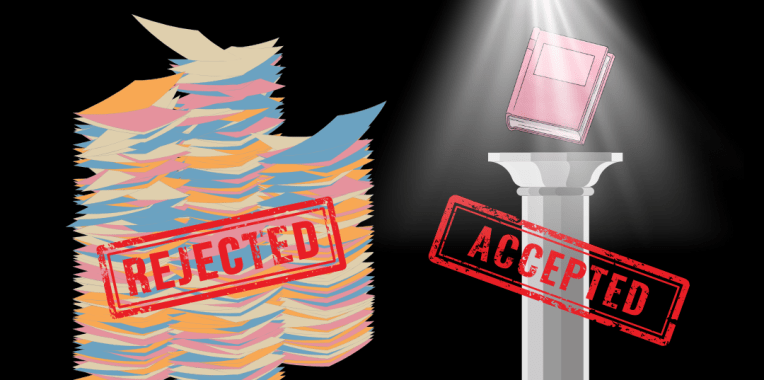
Are you struggling in the query trenches? Some authors receive hundreds of rejections and spend years querying before they achieve publication. But why do publishers actually reject your manuscript, and what does it take to get an acceptance?
I trained as an editor with Monster Ivy Publishing, including with their acquisitions team, and learned how publishers choose which manuscripts to accept. I read through submitted stories and helped the team decide whether to reject, invite revisions, or accept each book. Let me share some of these insights!
- Top 3 Requirements for Acceptance
- Additional Elements of a Publishable Manuscript
- Press-Specific Reasons to Reject a Manuscript
- Rely on the Reading and Writing Community
Top 3 Requirements for Acceptance
These are the top 3 necessities in a manuscript! Each of the manuscripts our team rejected fell short on one of these elements. They are the most common reasons a story won’t be accepted.
- Is there a strong opening hook? Do the first few pages make readers care about this particular character and their situation?
- Does the author write actively, with strong verb choices, or overuse passive voice (forms of “to be”)?
- Does the main character have a strong goal or need and a mix of strengths and weaknesses which will drive the story?
Additional Elements of a Publishable Manuscript
Publishers regularly receive thousands of submissions. Yours really needs to stand out. Here are additional elements editors will look for when reading your story.
Unforgettable Characters
- A cohesive character arc that takes the mc through ups and downs and make them change by the end of the book
- A main character that has a personality and life outside the main plot – hobbies, loves, and quirks that actually affect their day-to-day behavior and thought process.
- A diverse cast of characters
- Rounded side characters that bring out the best and worst in the mc
Story Elements
- Intense emotion – laughter, anger, tears – cause it all!
- Strong pacing, with a balance of high-energy and lower-energy scenes
- A well-structured plot that doesn’t leave readers lost, bored, or overwhelmed
- A powerful, perhaps surprising ending that ties up both plot points and character threads
That Spark
- A unique author voice that adds an additional perspective to your story
- A distinct writing style that adds flair to your story
For Sci-Fi and Fantasy Manuscripts
- Original worldbuilding that develops with the story – not too much exposition or a potentially confusing heap of names up front
- A twist on popular tropes – perhaps satirical, perhaps a fresh spin
- An intricately developed magic system – hard magic is all the rage these days!
Editors keep a mental checklist as they read through submissions. The more key elements of a strong story that you hit right off the bat, the higher the chance they’ll keep reading or request the full manuscript! I know it’s frustrating, but editors are overworked and underpaid, and really don’t have the time to dedicate to a story that doesn’t catch them right away.
Press-Specific Reasons to Reject a Manuscript
Sometimes a publishing house looks like an absolutely perfect fit for your story! You’ve followed them on social media, have looked up the work of their editors, and can tell you’re a great match! And then you receive a standard form rejection. Devastating!
If you’ve wondered, why, why, WHY, here are some of the private reasons a press might reject your work.
Over-Saturated Market
A press may have recently published a book quite similar to yours.
- This book may be doing well and they don’t want to compete with their own sales.
- This book could be doing poorly and they don’t want to take another risk with yours.
Or, there could have been a recent huge surge of books like yours. After Twilight, there was a flood of vampire romances. After Dresden, a ton of supernatural detectives. If you submit your book after the trend’s peak, publishers may already be looking ahead to the next trend. After all, depending on the size of the press, it can take between 1-3 years for your book to hit the shelves after you sign.
It’s also possible that a publisher has already hit their quota of acceptances for the year. Each team can only publish so many books in a year.
Money
If a publisher doesn’t think they’ll be able to make back their investment and also profit on sales, they won’t accept your work. Books make pennies and publishers are businesses. Smaller presses in particular have to be very careful of where they invest their funds.
Your book might have the potential to sell well, but if it caters to a niche audience rather than appealing to the mass market, it still might not be enough.
- A Trade publisher could sell a few thousand copies of your book and consider it an abysmal failure, while an indie house could sell a few thousand copies and consider it a huge hit!
- Try to be objective about your book’s audience. Unless you think the absolute average reader of your genre would love your book, it’s not likely a trade publisher will accept it. Indie houses are much more interested in unique stories these days.
Check out our list of pros and cons to publishing traditionally vs. indie.
Subjective Taste
The managing editor might not personally resonate with your story. Some books aren’t for everyone, and the people reading over your submission might not click with your story, even it’d be a great read for others.
- It’s a great use of your time to research the acquisitions and managing editors of a company you’re interested in. Look at their portfolio, their manuscript wishlist, and any books they may have published to see if they’re actually a book match for your book.
Planning Ahead for Marketing
If you have little to no online presence (website, social accounts, following), it will make promoting your book that much harder. Many publishers expect authors to do a lot of their own publicity and marketing. Some even ask for your number of followers on their submissions forms.
- Other presses will do the majority of marketing for you, so research each company to determine if the size of your brand is important to them! The more famous the press, the more important it is for you to be visible online to be considered.
Beliefs
Your story could be rejected if you as an author aren’t in line with a press’ political, religious, or social messaging. In the age of cancel culture, publishers don’t just look at your story but also at YOU.
- Few people in the industry will admit to this one, but you’ll be one of the faces of their brand if they publish you, and they want to make sure your private life and beliefs line up with theirs. Many presses specifically list their vision and agendas on their “about” pages so research them before submitting.
- It is absolutely possible that your book could be rejected because of an opinionated blog post or heated FB comments you left years ago. Publishers are terrified of having another J.K. Rowling.
Dicey Topics
The more content warnings your book will require, the harder it can be to find an interested party. If you handle sensitive topics like sexual assault, diversity, historical abuses, gender, disability, and more, be aware of possible roadblocks.
- The publisher may think your depiction of the subject was problematic, not well-researched, or just too dicey. Consider investing in a sensitivity reader.
- They may think you shouldn’t write from the POV of a demographic unless you are part of it.
Rely on the Reading and Writing Community!
Your book is your baby. Rejections hurt! It’s hard to be objective about your story when you believe in it so much. And you should!
But publishing is a business, and it can save you a lot of time and heartache if you ask the hard questions of your community before you try to publish.
Try asking your beta readers and critique partners questions like:
- What star rating would you give this book right now?
- How wide of an audience do you think exists for a story like this (a select niche, an average crowd, or almost every reader in this genre)?
- Do you think this story is ready for publication? If no, what do you think most needs to change?
- Would you spend money on this book?
If you think your friends and family would feel uncomfortable answering truthfully, you could send them an anonymous feedback form. It’s difficult, but not impossible, to determine whether you’re receiving rejections because of in-house reasons that are out of your control, or writing reasons, which you can control.
You may be sitting on a 5-star book, and just haven’t found the right fit yet. Have you heard how many rejections Brandon Sanderson received at first? Don’t lose hope, but always keep your eye out for ways to improve the quality of your work!
Good luck and happy writing!
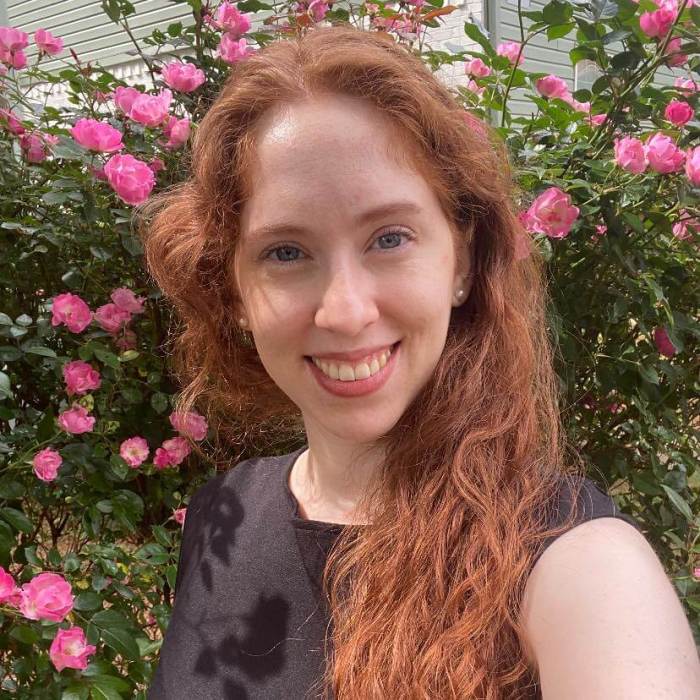
Hi, I’m Caylah Coffeen, a freelance editor and marketer of sci-fi and fantasy books. I love reading and writing and am a follower of Jesus Christ.
I’ve worked for Monster Ivy Publishing and Eschler Editing, and am currently a weekly editor with Havok Publishing. Reach out to chat about books and publishing!
Thanks for stopping by my website! I hope you’ve found some helpful resources about writing and publishing. If you liked this article, here’s some more free content…
- Learn how to improve the pacing of your novel
- Send me an email to receive a free sample edit on the first 5 pages of your story
- Subscribe for future posts
Discover more from Creative Cornerstones
Subscribe to get the latest posts sent to your email.
