

So, your editor has sent you the manuscript assessment for your story, and it’s a good 10+ pages long. It’s packed with useful feedback, some tough suggestions, and market advice you may never have thought of. You’re probably feeling excited, thoughts whirling, but also a little intimidated about where to start. It’s a lot to consider all at once.
The last thing I’d want is to complete a manuscript assessment for an author, only for them to sit and stare at their draft, with no idea what to edit first. And that’s not the author’s fault!
Think about it. You were taught (or learned through experience) how to write and how to accept and incorporate feedback from other writers or beta readers. If no one teaches you how to break down a long editorial report into steps you can implement in page-to-page editing, it’s little wonder you might feel stuck or overwhelmed.
So here are 8 tips for self-editing your book using the developmental feedback found in a manuscript assessment:
- Reorganize feedback into a simple checklist
- “Pants” it!
- Make small edits that affect larger patterns
- Brainstorm with friends
- Decide what feedback to reject
- Ask your editor questions
- Allow yourself to take breaks
- Make a plan against procrastination
Note: if you haven’t received a manuscript assessment, but are reading this article to determine how helpful it might be to acquire one, I recommend you check out this sample manuscript assessment I completed for one of my author clients.
1. Reorganize Feedback into a Simple Checklist
I tend to organize my manuscript assessments by topic:
- Character arcs
- Plot
- Structure and pacing
- Opening, mid-point, ending
- Writing style
- Marketability
- More
However, this might not be the most helpful form of organization for you to refer to quickly while editing. You could rearrange feedback into a chronological checklist.
For instance, in my section on characters, I may offer the following feedback: “I immediately related to the characters, but drifted emotionally from them in the middle of the story when they lost sight of their goals, but was moved by how they pulled through in the ending.” I might also say of writing style: “The first half of your story contained a heavy amount of passive voice and some awkward sentence structure, but your writing improved over the course of the manuscript.”
You could then pull out feedback suggestions and organize them into an editing checklist:
Act 1 Edits:
– Active voice – utilize a thesaurus to vary verb choice
– Sentence structure – sign up for a free trial for a grammar program (like ProWritingAid) to highlight my most common problems with sentence structure
– Reexamine my turning point moving from Act 1 into Act 2 – compare it to what I did in the opening hook – how can I strengthen it to propel readers into the middle of the story with greater character clarity?
If another method of organization is more intuitive to you, then go for it! The idea is to pull out the common threads and compile them into a quick reference sheet that you can work through methodically.
2. “Pants” it!
Or, you could just throw organization to the wind and start where you’re most excited! If you’ve already rewritten your opening more times than you want to count and you dread editing it AGAIN, then skip to the part you WANT to write.
Don’t worry about the whole manuscript. Pick one scene that you have a ton of new ideas for, and start playing with it. It doesn’t have to be the chapter that needs the most work, or the scene that’s most important to the story as a whole.
I hope you can still have fun! Even if editing isn’t your favorite part of the writing process. It’s so important to remember why we even do this. Cling onto the joy of your story!
3. Make small edits that affect larger patterns
Complete a read-through with an eye out for small choices that contribute to consistent problems or patterns. For example, if I tell an author that their protagonist often comes across as whiny and disrespectful, I will mention several specific scenes where this problem was most apparent to demonstrate what I mean. But I won’t list every single instance.
That’s what a developmental edit is for – in a full edit I would highlight each time the character’s attitude appeared problematic and offer suggestions for improvement. But after an assessment, it’s up to you to read through your work again, watching for others ways such problems may appear.
The same is true for any issue your editor mentions was consistent throughout your story – the dialogue was drawn out, the descriptions were confusing, the action scenes felt clunky, etc.
This is where an editing checklist can come in handy again. If there are problems you know will come up consistently, write yourself a reminder.
In each chapter, check:
– MC attitude and speech
– Can I trim dialogue?
– Read descriptions out loud to see if I stumble over them. Rewrite and trim for clarity.
4. Brainstorm with Friends
Get a second or third opinion from writer buddies and beta readers, especially regarding feedback that is hard for you to hear. It’s difficult to maintain emotional distance from a story that’s so close to your heart. So how will you know which editorial suggestions you should definitely implement, and where you can trust your own instinct as a writer?
That’s where additional feedback can help! Talk it out with a friend. Share the editorial advice you received and ask them what they think. Even if you can’t find a critique partner for your entire project, you could find people who are willing to look at a few chapters.
When you start hearing the same thing from different readers of your genre (that distinction is vital), you’ll gain more confidence and clarity about the necessary changes.
5. Decide What Feedback to Reject
Decide what feedback you want to accept and what you don’t. You’re not going to agree with everything your editor says, and that’s ok. There may be things your editor doesn’t know about later books in your series, or you could just love the way you have something and not want to change it. Editing is a collaborative process.
Of course, don’t reject professional suggestions out of hand. Some changes won’t feel fun, but really will strengthen your story.
But you might come up with alternate ways to address a problem your editor raises. Suggestions are just that. They’re meant to be helpful, not to pigeon-hole you or kill your creative spirit and voice.
Trust your instinct! Don’t pain over everything. If there are gut decisions you can make after going through the assessment, write them down on a “do” and “don’t” list, and move on.
This is one way that editing with a manuscript assessment can be more efficient than working from a developmental edit! All of your feedback is in one place, so you can read through it and make your “yes”/”no” list quickly, without first having to re-read through individual comments on your entire manuscript.
6. Ask Your Editor Questions
If you’re stuck, feel free to reach out to your editor again! I always invite authors to send me follow-up questions, and surprisingly few do. Perhaps they’re being considerate of my time, which I appreciate. After all, if I ended up offering writing coaching, I should bill for that time. But I consider follow-up questions to be part of the manuscript assessment service. It’s not hard to answer a few questions over email.
I also really enjoy talking about the stories I’ve worked on! Sometimes I’m actually disappointed when the author doesn’t have anything to say after I return my work, because I’m invested in their story and so curious and excited to see how they develop it further! You love talking about your book – so do I!
Of course, you could ask for a one-off coaching session. Or, if you feel like you need more detailed edits on a “problem section,” you could hire your editor to work on certain chapters. Not all editors will agree to edit “a-la-carte” like this, but some do, especially if they’ve already read your entire manuscript and understand the context.
One of my clients, for whom I completed a manuscript assessment, later hired me to edit his action scenes, as that was an area of weakness I had highlighted. He decided it wasn’t worth it to struggle over them – it wasn’t one of his strengths. So we worked on those portions together. It’s a great way to stay within budget, while still ensuring your work meets the standards you want.
7. Allow Yourself to Take Breaks
You might think, “but I’ve already been on a break, waiting to get my assessment back. I should jump back in now.” Not necessarily. You can allow some time for the ideas to percolate.
It’s hard to open yourself up to feedback on your story, which is your precious baby! It’s ok to take a breather, go read or write something purely for fun, and then come back to the assessment once your creative juices are flowing again.
Often, I offer reading suggestions to authors in my assessments – whether standout works in your genre, comparative titles I think could help you pitch your book, or writing resources.
It’s better to do something productive or uplifting than stress yourself out or do nothing at all!
8. Make a Plan Against Procrastination
The longer you put off getting started, the harder it’ll feel to go back and look at that editing list again. Try to set a schedule, set aside a consistent time to write, and make some personal deadlines.
This often works best when you have a writing buddy who can help hold you accountable! Try swapping each newly edited chapter with a critique partner once a week or biweekly. Your speed of editing isn’t important, but chipping away at your project little by little IS – or it’ll never happen.
This is general writing advice. If you had the self-discipline to finish and edit a draft, and send it to an editor, then you’ve learned some great habits over the years! Apply what you know of yourself as you use your manuscript assessment, even if the process feels different from how you’ve worked in the past.
If you’ve edited your novel using the feedback from a manuscript assessment, what worked best for you? What didn’t? Reach out – we’d love to add your advice as an author into this post!
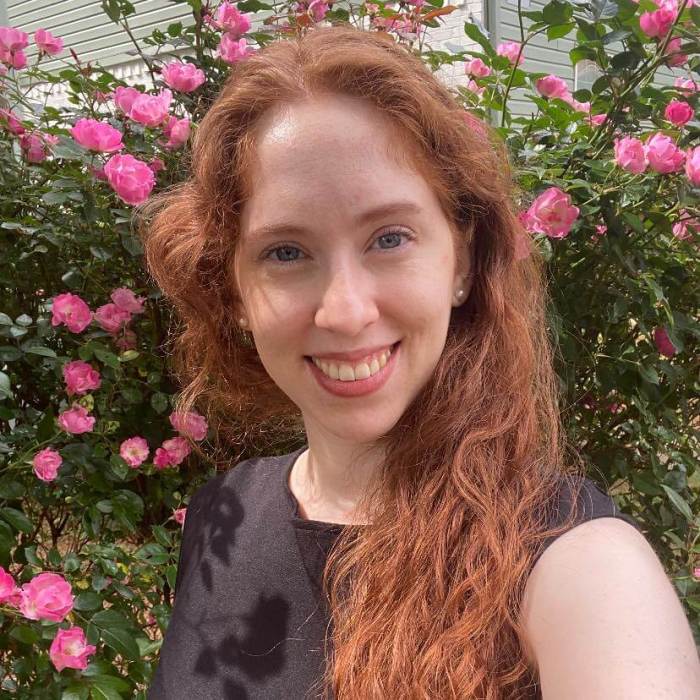
Hi, I’m Caylah Coffeen, a freelance editor and marketer of sci-fi and fantasy books. I love reading and writing and am a follower of Jesus Christ.
I’ve worked for Monster Ivy Publishing and Eschler Editing, and am currently a weekly editor with Havok Publishing. Reach out to chat about books and publishing!
Thanks for stopping by my website! I hope you’ve found some helpful resources about reading, writing, and publishing. If you liked this article, here’s some more free content…
- Find an example of a manuscript assessment here
- Send me an email to receive a free sample edit on the first 1000 words of your story
- Subscribe for more free writing and editing advice
Discover more from Creative Cornerstones
Subscribe to get the latest posts sent to your email.
