10 Editors of Christian Fantasy, Sci-Fi, and More!

Christian speculative fiction (sci-fi, fantasy, supernatural, horror, etc.) has grown in popularity in recent years! But as an author, you might still encounter difficulty finding professionals who specialize in both niche markets. So we’ve researched 10 Christian editors, with ranged experience and specialties, who work with sci-fi and fantasy!

This is a list of independent/freelance editors who could be a great fit if you’re looking to self-publish or refine your manuscript before submitting it to publishing houses. If you’re ready to start querying publishers, check out our list of the best publishers of Christian SFF. You can find information about their in-house editors on their websites.

NOTE: Editing rates are not fixed, but change to reflect experience, inflation, and the needs of each manuscript.

1. Caylah Coffeen – Creative Cornerstones
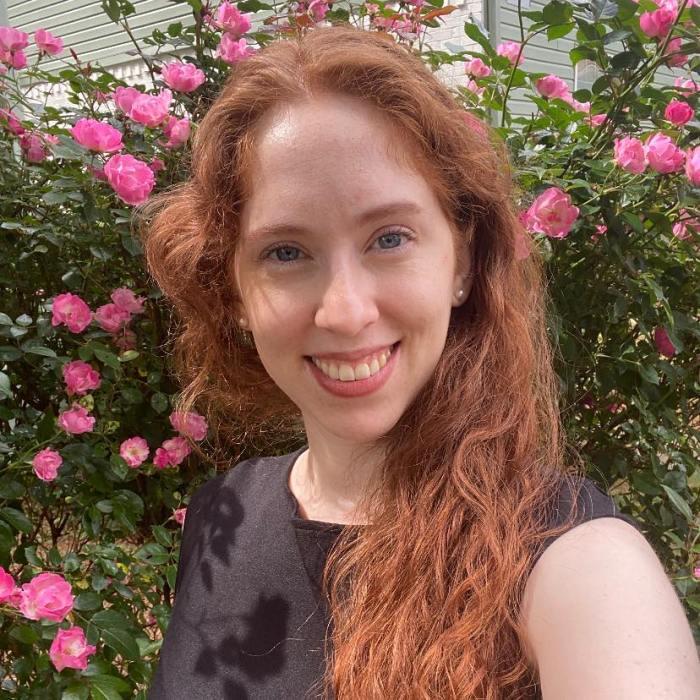
I’ll introduce myself first! I’m Caylah, the founder of Creative Cornerstones, a Christian, and an editor of sci-fi and fantasy. I don’t have as much experience as some of the other amazing editors on this list, so my rates are quite affordable.

The authors I’ve worked with have left wonderful testimonials for me, which I invite you to check out. I’d be delighted to partner with you on your project, but if I’m not the right fit for you, I hope you find another editor here who will bring out the best in your story!

Years of experience: 4
Has worked with: Havok Magazine, Monster Ivy Publishing, Eschler Editing, indie authors
Editing specialty: developmental editing ($0.02/word) and manuscript assessments ($0.005/word)
Primary audience: adult
Favorite sub-genres: epic and lyrical fantasy, myths, diverse worlds, space opera
Additional services: digital marketing, discount & support program for authors with disabilities
Fun facts: I’m a pastor’s kid and missionary kid (Japan!) and have 6 siblings and a brand new nephew! I love sushi, puzzles, cosplaying at conventions, and reading SFF books about bromance and rivalries.
Portfolio: https://creativecornerstones.com/about/team/about-2/

2. Gina Kammer – The Inky Bookwyrm

Years of experience: 16
Has worked with: Capstone Publishers, Amicus, Black Rabbit Books, Meredith Corp. (now Dotdash Meredith), Reedsy
Editing specialty: developmental editing ($0.033/word)
Primary audience: adult
Favorite sub-genres: epic, medieval fantasy, romantasy, paranormal, mythical/fairy tale retellings, space opera, dystopian, steampunk, cyberpunk, bureaucratic witches, and snarky robots!
Additional services: group coaching, story planning, and writing, querying, and self-editing courses
Fun facts: I met Sirs Ian McKellen and Patrick Stewart while studying in London. My more mundane proclivities include tea, traveling, oil painting, archery, and snuggling with my grumpy bunnies. I live among piles of books and antiques in Minnesota with my husband and daughter.
Website: https://www.inkybookwyrm.com/editing

3. Katie Philips – Katie Philips Creative
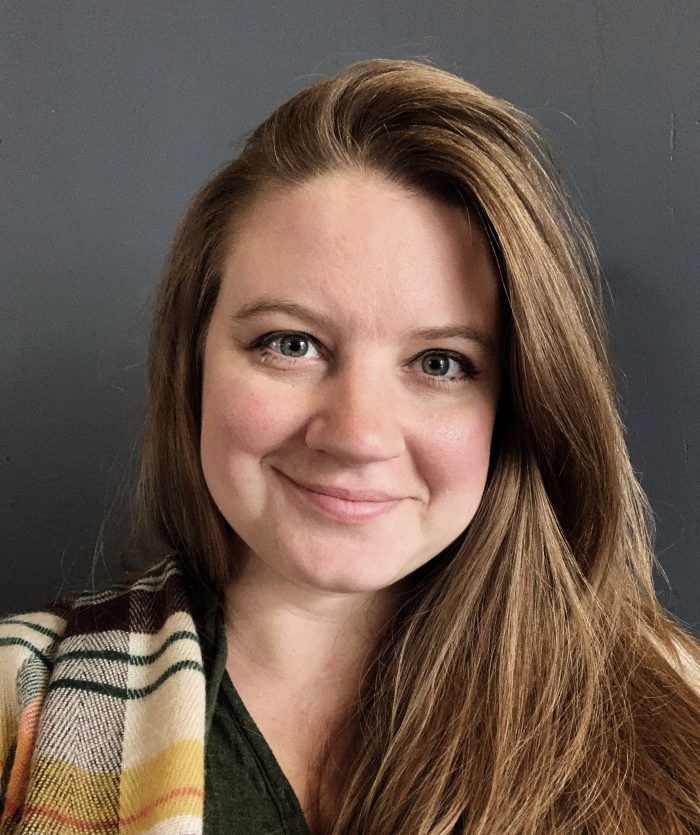
Years of experience: 10
Has worked with: Uncommon Universes Press, Realm Makers Award winning authors, The Author Conservatory
Editing specialty: developmental editing ($0.04/word)
Primary audience: YA
Favorite sub-genres: space opera, fantasy, diverse cultures and characters
Additional services: intermediate-advanced authors, coaching
Fun facts: I’m an INFJ and devoted plant mom. My husband and I are big foodies and live in Kansas with our daughter and son. I’ve visited over 25 countries!
Website: https://www.katiephillipscreative.com/fiction-editing

4. Sara Lawson – Sara’s Books

Years of experience: 15
Has worked with: Inheritance Magazine, indie authors
Editing specialty: line and copy combo edits ($0.02/word) – includes 2 rounds of edits
Primary audience: YA
Favorite sub-genres: fairy tale retellings
Additional services: indie publishing coaching and networking support
Fun facts: I grew up in rural California (yes, that is a thing). I also spent a year and half doing a graduate program in Jerusalem, studying and walking the land of the Bible.
Website: https://www.sarasbooks.com/rates-and-services

5. Kimberly Huther – Wordsmith Editing
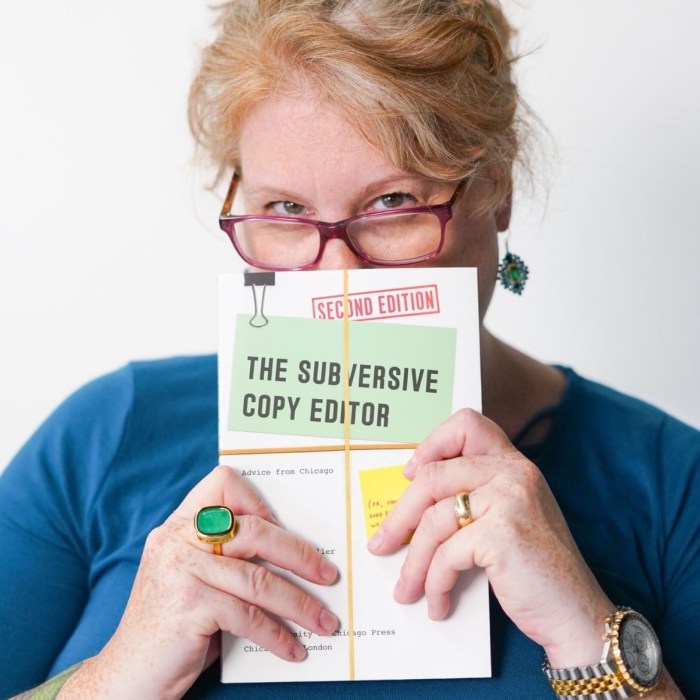
Years of experience: 17
Has worked with: York Publishing and Zondervan
Editing specialty: proofreading ($7/page in Word)
Primary audience: adult
Favorite sub-genres: fantasy, paranormal, sci-fi, YA
Additional services: copy and line editing (same rates)
Fun facts: I’ve been an avid reader since the age of FOUR, and I’m a huge supporter of the Oxford Comma!
Website: https://www.wordsmith-editing.com/

6. Pam Halter
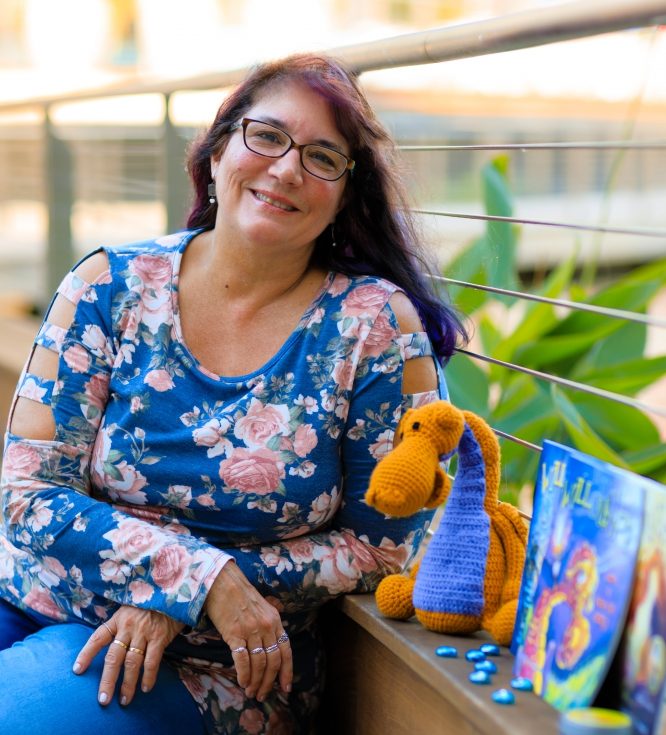
Years of experience: 20
Has worked with: Fruitbearer Kids, Halo Publishing International
Editing specialty: developmental editing for children’s books – $200 per book for under 1,000 words, including a second look after rewriting within 2 months.
Primary audience: picture books
Favorite sub-genres: picture books don’t have sub-genres the same way
Additional services: workshops with illustrator Kim Sponaugle for picture books
Fun facts: I’m a mom and grandmother! Cooking, sewing, baking, and playing the piano all boost my creative side. I love to create my own recipes and am in three Gooseberry cookbooks and got runner-up in a Taste of Home magazine for my tomato fritters.
Website: https://pamhalter.com/editor

7. Lyndsey Smith – The Editing Forge (Horrorsmith Editing)

Years of experience: 4
Has worked with: Eerie River Publishing, Turner Publishing
Editing specialty: developmental editing ($0.038/word)
Primary audience: adult
Favorite sub-genres: horror, thriller, epic fantasy, urban fantasy, reimagined fairy tales, and romantasy
Additional services: book coaching and ghostwriting
Fun facts: My assistant is a midnight-black 23-pound Norwegian Forest Cat named Poof. I’m a military spouse of thirteen years, and we’ve lived in multiple states and countries (including three years in South Korea).
Website: https://www.theeditingforge.com/

8. Kristen Stieffel

Years of experience: 24
Has worked with: Havok Magazine, indie authors
Editing specialty: line editing ($0.035/word)
Primary audience: adult
Favorite sub-genres: light fantasy, steampunk, and science fantasy
Additional services: coaching, page design
Fun facts: I was raised by parents who were Trekkies before anyone coined the word Trekkie. I’m an avid knitter, despite living in Florida, where most sweaters are worn indoors.
Website: https://kristenstieffel.com/services/

9. Andi L. Gregory – Author Services

Years of experience: 6
Has worked with: End Game Press, indie authors
Editing specialty: copyediting ($0.02/word)
Primary audience: YA
Favorite sub-genres: fairy tales and the complex worlds of high fantasy
Additional services: Proofreading services ($0.01/word), proofreading and copyediting combo packages
Fun facts: I love being in the great outdoors, where I never fail to find an adventure. I write for the downhearted, the friendless, and the self-critic, and I’m always up for making new friends, even if I’m the introvert in the corner (with a book, of course).
Website: https://www.andilgregory.com/author-services

10. Jessica Boudreax – Refined Pen Edits

Years of experience: 2
Has worked with: So far, I have been purely freelance!
Editing specialty: Developmental Editing ($0.02/word)
Primary audience: Adult
Favorite sub-genre: epic fantasy
Additional services: line and copy editing
Fun facts: In elementary school, my teacher told my mom I had a talent for creative writing, and it kind of stuck. I’ve been writing in some way ever since. I can get very geeky over many things. Fiction is one of those things, and I am quite happy to be called a geek.
Website: https://refinedpenedits.com/services/

Authors Who Edit on the Side

A number of successful Christian sci-fi and fantasy authors also work as editors on the side, including Steve Rzasa, Janeen Ippolito, and Angela R. Watts. If there is an author you particularly admire, you can look up their website to see if they also offer coaching or editing services.

But good authors do not necessarily make good editors (and vice versa), so in this list I tried to emphasize those who work primarily as editors (though some of the above do write and publish). But every author needs something slightly different on their publication journey – trust your instincts!

And best of luck!

Hi, I’m Caylah Coffeen, a freelance editor and marketer of sci-fi and fantasy books. I love reading and writing and am a follower of Jesus Christ.

I’ve worked for Monster Ivy Publishing and Eschler Editing, and am currently a weekly editor with Havok Publishing. Reach out to chat about books and publishing!

Thanks for stopping by my website! I hope you’ve found some helpful resources about reading, writing, and publishing. If you liked this article, here’s some more free content…

How Do Publishers Decide to Accept or Reject a Manuscript?

Are you struggling in the query trenches? Some authors receive hundreds of rejections and spend years querying before they achieve publication. But why do publishers actually reject your manuscript, and what does it take to get an acceptance?

I trained as an editor with Monster Ivy Publishing, including with their acquisitions team, and learned how publishers choose which manuscripts to accept. I read through submitted stories and helped the team decide whether to reject, invite revisions, or accept each book. Let me share some of these insights!

  1. Top 3 Requirements for Acceptance
  2. Additional Elements of a Publishable Manuscript
  3. Press-Specific Reasons to Reject a Manuscript
  4. Rely on the Reading and Writing Community

Top 3 Requirements for Acceptance

These are the top 3 necessities in a manuscript! Each of the manuscripts our team rejected fell short on one of these elements. They are the most common reasons a story won’t be accepted.

  1. Is there a strong opening hook? Do the first few pages make readers care about this particular character and their situation?
  2. Does the author write actively, with strong verb choices, or overuse passive voice (forms of “to be”)?
  3. Does the main character have a strong goal or need and a mix of strengths and weaknesses which will drive the story?

Additional Elements of a Publishable Manuscript

Publishers regularly receive thousands of submissions. Yours really needs to stand out. Here are additional elements editors will look for when reading your story.

Unforgettable Characters

  • A cohesive character arc that takes the mc through ups and downs and make them change by the end of the book
  • A main character that has a personality and life outside the main plot – hobbies, loves, and quirks that actually affect their day-to-day behavior and thought process.
  • A diverse cast of characters
  • Rounded side characters that bring out the best and worst in the mc

Story Elements

  • Intense emotion – laughter, anger, tears – cause it all!
  • Strong pacing, with a balance of high-energy and lower-energy scenes
  • A well-structured plot that doesn’t leave readers lost, bored, or overwhelmed
  • A powerful, perhaps surprising ending that ties up both plot points and character threads

That Spark

  • A unique author voice that adds an additional perspective to your story
  • A distinct writing style that adds flair to your story

For Sci-Fi and Fantasy Manuscripts

  • Original worldbuilding that develops with the story – not too much exposition or a potentially confusing heap of names up front
  • A twist on popular tropes – perhaps satirical, perhaps a fresh spin
  • An intricately developed magic system – hard magic is all the rage these days!

Editors keep a mental checklist as they read through submissions. The more key elements of a strong story that you hit right off the bat, the higher the chance they’ll keep reading or request the full manuscript! I know it’s frustrating, but editors are overworked and underpaid, and really don’t have the time to dedicate to a story that doesn’t catch them right away.

Press-Specific Reasons to Reject a Manuscript

Sometimes a publishing house looks like an absolutely perfect fit for your story! You’ve followed them on social media, have looked up the work of their editors, and can tell you’re a great match! And then you receive a standard form rejection. Devastating!

If you’ve wondered, why, why, WHY, here are some of the private reasons a press might reject your work.

Over-Saturated Market

A press may have recently published a book quite similar to yours.

  • This book may be doing well and they don’t want to compete with their own sales.
  • This book could be doing poorly and they don’t want to take another risk with yours.

Or, there could have been a recent huge surge of books like yours. After Twilight, there was a flood of vampire romances. After Dresden, a ton of supernatural detectives. If you submit your book after the trend’s peak, publishers may already be looking ahead to the next trend. After all, depending on the size of the press, it can take between 1-3 years for your book to hit the shelves after you sign.

It’s also possible that a publisher has already hit their quota of acceptances for the year. Each team can only publish so many books in a year.

Money

If a publisher doesn’t think they’ll be able to make back their investment and also profit on sales, they won’t accept your work. Books make pennies and publishers are businesses. Smaller presses in particular have to be very careful of where they invest their funds.

Your book might have the potential to sell well, but if it caters to a niche audience rather than appealing to the mass market, it still might not be enough.

  • A Trade publisher could sell a few thousand copies of your book and consider it an abysmal failure, while an indie house could sell a few thousand copies and consider it a huge hit!
  • Try to be objective about your book’s audience. Unless you think the absolute average reader of your genre would love your book, it’s not likely a trade publisher will accept it. Indie houses are much more interested in unique stories these days.

Check out our list of pros and cons to publishing traditionally vs. indie.

Subjective Taste

The managing editor might not personally resonate with your story. Some books aren’t for everyone, and the people reading over your submission might not click with your story, even it’d be a great read for others.

  • It’s a great use of your time to research the acquisitions and managing editors of a company you’re interested in. Look at their portfolio, their manuscript wishlist, and any books they may have published to see if they’re actually a book match for your book.

Planning Ahead for Marketing

If you have little to no online presence (website, social accounts, following), it will make promoting your book that much harder. Many publishers expect authors to do a lot of their own publicity and marketing. Some even ask for your number of followers on their submissions forms.

  • Other presses will do the majority of marketing for you, so research each company to determine if the size of your brand is important to them! The more famous the press, the more important it is for you to be visible online to be considered.

Beliefs

Your story could be rejected if you as an author aren’t in line with a press’ political, religious, or social messaging. In the age of cancel culture, publishers don’t just look at your story but also at YOU.

  • Few people in the industry will admit to this one, but you’ll be one of the faces of their brand if they publish you, and they want to make sure your private life and beliefs line up with theirs. Many presses specifically list their vision and agendas on their “about” pages so research them before submitting.
  • It is absolutely possible that your book could be rejected because of an opinionated blog post or heated FB comments you left years ago. Publishers are terrified of having another J.K. Rowling.

Dicey Topics

The more content warnings your book will require, the harder it can be to find an interested party. If you handle sensitive topics like sexual assault, diversity, historical abuses, gender, disability, and more, be aware of possible roadblocks.

  • The publisher may think your depiction of the subject was problematic, not well-researched, or just too dicey. Consider investing in a sensitivity reader.
  • They may think you shouldn’t write from the POV of a demographic unless you are part of it.

Rely on the Reading and Writing Community!

Your book is your baby. Rejections hurt! It’s hard to be objective about your story when you believe in it so much. And you should!

But publishing is a business, and it can save you a lot of time and heartache if you ask the hard questions of your community before you try to publish.

Try asking your beta readers and critique partners questions like:

  • What star rating would you give this book right now?
  • How wide of an audience do you think exists for a story like this (a select niche, an average crowd, or almost every reader in this genre)?
  • Do you think this story is ready for publication? If no, what do you think most needs to change?
  • Would you spend money on this book?

If you think your friends and family would feel uncomfortable answering truthfully, you could send them an anonymous feedback form. It’s difficult, but not impossible, to determine whether you’re receiving rejections because of in-house reasons that are out of your control, or writing reasons, which you can control.

You may be sitting on a 5-star book, and just haven’t found the right fit yet. Have you heard how many rejections Brandon Sanderson received at first? Don’t lose hope, but always keep your eye out for ways to improve the quality of your work!

Good luck and happy writing!


Hi, I’m Caylah Coffeen, a freelance editor and marketer of sci-fi and fantasy books. I love reading and writing and am a follower of Jesus Christ.

I’ve worked for Monster Ivy Publishing and Eschler Editing, and am currently a weekly editor with Havok Publishing. Reach out to chat about books and publishing!

Thanks for stopping by my website! I hope you’ve found some helpful resources about writing and publishing. If you liked this article, here’s some more free content…

12 Best Publishers of Christian Speculative Fiction (Sci-Fi, Fantasy, & MORE)

J.R.R. Tolkien and C.S. Lewis are hardly the only two Christian authors who loved and crafted fantastical tales. However, for decades, there has been a hard split between the secular or general fiction market, which reaches fans of sci-fi, fantasy, and other popular genres, and the Christian fiction market, which mainly features modern-day romance.

Finally, supply is catching up to demand as small publishers begin to seek speculative fiction by Christian authors or with Christian themes. There’s no easy definition for this genre, but it can include some or all of the following features:

  • Books by Christian authors whose worldview informs their writing
  • Books that emphasize Christian themes such as faith, redemption, forgiveness, self-sacrifice, and more
  • Books that feature Christianity and Christian characters
  • “Clean” books that exclude profanity, sexual content, and gratuitous violence (PG-13 rating or less)
  • The press is owned or run by Christians, so they are inviting to others of their worldview, but do not necessarily require any of the above elements.

More and more readers are seeking this type of content, but these publishing houses also serve as a beacon for authors who may hesitate to publish with a secular company that disagrees with their beliefs, but have difficulty finding interest for their manuscript within traditional Christian publishing circles.

If you’re a nerdy Christian writer, there’s hope! Check out some of the great publishers below!

Best Overall

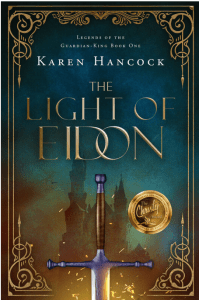
Enclave Publishing

Publishes: sci-fi, fantasy, dystopian, military sci-fi, space opera, steampunk, supernatural, and YA

Audience: YA and adult

Do you need an agent? NO

Submission Guidelines

Standout Works:

Best Large Publisher

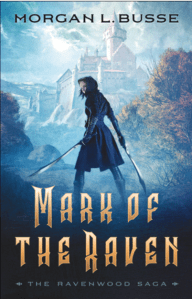
TNZ Fiction

(Imprint of Thomas Nelson and Zondervan, now under the umbrella Harper Collins Christian Publishing)

Publishes: mainly romance and contemporary fiction, but they have published most of Steven Lawhead’s work, plus a growing collection of clean YA fantasy.

Audience: YA and adult

They do NOT accept unsolicited manuscripts.

Submission Guidelines

Standout Works:

Best Mid-Size Publisher

Bethany House (Imprint of Baker Publishing Group)

Publishes: both fiction and nonfiction, mostly Amish and romance fiction. But they have also published about 45 fantasy, supernatural, and sci-fi titles – more than some smaller presses on this list.

Audience: YA and adult

They do NOT accept unsolicited manuscripts.

Submission Guidelines

Standout Works:

NOTE: according to this recent article, Baker Publishing Group is seeking less SFF due to low sales, but their head of acquisitions hopes that will change in the future.

Best Small Presses

Expanse Books (Imprint of Scrivenings Press)

Publishes: fantasy, sci-fi, fairy tales, dystopian, magical realism, urban fantasy

Audience: young adult, adult
(for middle grade, check out their imprint ScrivKids)

Do you need an agent? NO

Submission Guidelines

Standout Works:

Brimstone Fiction

Publishes: fantasy, sci-fi, video game, magical realism

Audience: young adult, adult

Submission Guidelines: website currently under maintenance as they restructure their company to include Brimstone Books and Media and Brimstone Fire.

Standout Works:

Quill & Flame Publishers – Obsidian Imprint

Publishes: spine-tingling science fiction, horror, and fantasy that redeems the dark – they have recently expanded with Obsidian, an imprint that does not require romance!

Audience: young adult, adult

Do you need an agent? NO – next open submissions window July 2025

Submission Guidelines

Standout Works:

Best Middle Grade and Young Adult

Monster Ivy Publishing

Publishes: fantasy, dystopian, thriller, horror, sci-fi, romance, paranormal

Audience: middle grade, YA

Do you need an agent? NO

Open for submissions ONLY during the month of June each year

Submission Guidelines

Standout Works:

Mountain Brook Fire (Imprint of Mountain Brook Ink)

Publishes: fantasy, fairy tales, futuristic, superhero, supernatural

Audience: middle grade, YA, adult

Do you need an agent? NO

Submission Guidelines

Standout Works:

Best Short Fiction

Mysterion Magazine (Enigmatic Mirror Press)

Publishes: sci-fi, fantasy, and horror short stories under 9000 words (preferably under 5K words)

Biannual submissions windows: July and January

Submission Guidelines

Go Havok (Havok Publishing)

Publishes: mystery, science fiction, comedy, thriller, and fantasy between 300 – 1,000 words

Submit ONLY if your story fits their daily genres and seasonal themes. Check their site for seasonal deadlines.

Submission Guidelines

Honorable Mentions

These presses are smaller and have only published a few authors each, but they look promising and are absolutely worth keeping an eye on in the future!

All logos and cover art are the exclusive intellectual property of their respective publishing houses.

*DISCLAIMER* Some other Christian publishing houses do publish speculative fiction under their “general fiction” category. This article highlights publishers whose MAIN focus is speculative fiction, who have an imprint dedicated to SFF, or whose fiction category includes a large collection of successful SFF.

Also, everyone has a different definition of what constitutes Christianity. We make no effort to define any individual’s faith or any company’s stance. Carefully research any company statements and look up the owners and managing editors if their faith is important to you.


Hi, I’m Caylah Coffeen, a freelance editor and marketer of sci-fi and fantasy books. I love reading and writing and am a follower of Jesus Christ.

I’ve worked for Monster Ivy Publishing and Eschler Editing, and am currently a weekly editor with Havok Publishing. Reach out to chat about books and publishing!

Thanks for stopping by my website! I hope you’ve found some helpful resources about reading, writing, and publishing. If you liked this article, here’s some more free content…

Is My Manuscript Ready for Professional Editing?

By Caylah Coffeen

You’ve completed your manuscript! Congratulations! That’s a huge milestone that many writers never reach. But how do you know if your book is ready for professional editing?

You may have a lot of conflicting thoughts and emotions. Authors are known for beating themselves up. You may think your work could never be good enough or that there’s no way anyone would ever buy your book. These feelings of doubt may make you think that a professional edit will never be worth it.

Or you may love your story and characters so much that you find it difficult to receive feedback or think of your book from a business angle. It’s hard to step back and ask, “is this a marketable product?” Some authors double down about making any changes to their story.

With so many emotions tangled up in your projects, how can you attain a clear perspective on the current state of your manuscript?

We’ve got a checklist for you.

But first, tell yourself two things (try saying them out loud):

  1. My story is wonderful! I am a valuable writer. I work hard to improve and can! There are readers out there who will love my book! Be kind to yourself! Everyone starts somewhere.

  2. Every book will benefit from an outside perspective and edit, no matter how talented the author. No one should complete a book in a vacuum. Stories are made for other people, and while you may not incorporate all advice you receive, feedback is invaluable.

The Checklist

The easiest way to self-assess your manuscript’s readiness is to consider how many edits you have already completed and how much feedback you’ve received from others.

Did you know that most published books undergo 8-10 edits before reaching shelves? That’s right. 8-10! And many manuscripts undergo 3-5 edits before they’re ready for a professional editor.

Here’s an editing checklist I recommend every author complete before investing in a professional edit:

  • Step 1: “The Cleanup Edit”
    Complete 1 self-edit – this will help you catch many inconsistencies or errors in your first draft and improve readability for others.

  • Step 2: “The Critique Edit”
    Find a critique partner (a fellow writer in your genre) and complete 1 edit incorporating their feedback.

  • Step 3: “The Alpha Edit”
    Find 1-3 alpha readers to provide feedback about their reading experience (what they liked, what they found confusing, when/if they lost interest) and make edits accordingly. Alpha readers perform the same tasks as beta readers, but betas often offer feedback later in the process, after a developmental edit, since their role is to offer subjective feedback about what readers experience, not editorial advice.

  • Step 4: “The Workshop Edit”
    Consider joining a writing group or workshop to receive multiple perspectives from fellow authors at once. Or exchange your manuscript with your initial, or a second, critique partner. Edit accordingly.

The Work is Worth it

We know this task list sounds daunting – it’s a lot of work! Potentially years worth of work. But don’t be too hard on yourself, as this is the case with every specialty. It takes time to perfect your craft. Doctors spend 7 years in school and residency programs before they can practice independently. Artisans spend decades in apprenticeships and working before they can be considered a master. Acclaimed photographer Henri Cartier-Bresson famously once said:

“Your first 10,000 photographs are your worst.”

Henri Cartier-Bresson

Wildly popular SFF author Brandon Sanderson says he wrote 13 novels over 8 years before he ever sold his first!

Consider this period of drafting and editing to be your “author apprenticeship.” It’s worth putting in the time to complete these 4 rounds of edits, and you will save a lot of pain and money in the long run if you do.

You may be coming off the high of finishing your first manuscript and are excited to see what an editor would think. Perhaps it feels less daunting to recruit a professional than it does to start again at the very beginning (that’s what coaching is for!). But let me assure you that a first draft is not ready for a professional edit. Likely, neither is a second.

How We Can Help

But our team here at Creative Cornerstones offers support through all of these stages! You don’t have to figure it out alone. We can suggest training resources, conferences, offer 1:1 coaching, and even help you find critique partners and alpha readers through social media or local groups.

Even if you have not completed 4 rounds of edits on your manuscript, you are always welcome to send us your first 1000 words to receive a sample edit. Email them to creativecornerstones@gmail.com.

Or schedule a free 20 min consultation over Zoom to discuss your goals and best next steps!

We want to help you achieve your dream of becoming a successfully published author!


Hi, I’m Caylah Coffeen, a freelance editor and marketer of sci-fi and fantasy books. I love reading and writing and am a follower of Jesus Christ.

I’ve worked for Monster Ivy Publishing and Eschler Editing, and am currently a weekly editor with Havok Publishing. Reach out to chat about books and publishing!

Thanks for stopping by my website! I hope you’ve found some helpful resources about reading, writing, and publishing. If you liked this article, here’s some more free content…

The Pros vs. Cons of Traditional, Indie, Hybrid, and Self-Publishing

You’ve written a beautiful book. Now how do you publish it? What are your options? Here we’ll break down the pros and cons of the 4 main publishing routes: traditional, indie, self-published, and hybrid. This is just a starting point, so make sure to do your own research as well as you decide on your best fit.

The Pros and Cons of Traditional Publishing

What is traditional publishing?

A publishing house buys the rights to your book, completes all editing, design, and distribution work, and pays you royalties after they’ve made back their investment. 

Pros:

  • Prestige
  • A large, consistent, trusting reader base
  • You are paid an advance averaging $1K-15K
  • A higher likelihood of appearing in bookstores
  • You will have an agent – your agent will go to bat for you, ensuring your proposals are professional and catch attention, and negotiating the best possible legal agreements

Cons:

  • You no longer own the rights to your work
  • The publisher has the final say on design and edits
  • *Big publishers won’t select your book unless they think they can sell many 1000s of copies
  • You don’t receive any royalties until you earn back your advance
  • Royalties are small
    • 5-8% for paperbacks
    • 10-15% for hardbacks
    • 20-25% on ebooks and audiobooks
  • Books are often sold at bulk discounts to retailers, so you receive royalties at lower than the retail price
  • Big publishers won’t invest much money into marketing new authors – you have to prove your worth to them first
  • You must submit through an agent – finding an agent is time-consuming, difficult, and costly (they receive 15% commission out of your advance & royalties)

*Here is an invaluable chart of the Big 5 Publishing companies and their imprints.

Traditional publishing could be a good fit if:

  • You’ve written a book with mass appeal
  • You want others to almost entirely handle the business side of book

The Pros and Cons of Publishing with an Indie/Small Press

What is a small or indie press?

A small or independent press is not affiliated with the Big 5 publishers, publishes less than 10 books in a year, and makes less than $25M annually. They may use a traditional publishing model, with slight variations. 

Pros:

  • They employ a professional, experienced team
  • Potentially higher royalties with room for negotiation
    • Some offer the same rates as traditional publishers: 5-25%
    • Others offer 40-60% in royalties
  • They publish way fewer books and so spend more time and effort marketing each one
  • May or may not expect agented submissions
  • They take risks on more “unusual” books rather than following formulas on what will sell
  • Growing respect, with many dedicated awards and competitions

Cons:

  • You no longer own the rights to your book
  • If they’re able to offer an advance, it’ll be small – usually you do not receive an advance
  • They have a smaller budget and team and so more limited options for distribution and marketing strategy
  • A smaller fanbase so less potential reach for your book

Here’s one searchable database of indie/small presses. Note that it is curated and their criteria for what makes a “good” press may differ from yours.

Indie publishing could be a good fit if:

  • You want a team of experts supporting you and advising you on the industry
  • But you want a greater level of creative freedom and negotiating power

The Pros and Cons of Self-publishing

How does self-publishing work?

An author arranges and pays for the publication of their work, rather than going through a publication. Note that authors have printed and distributed their own work for centuries, but online distribution platforms have made this approach more accessible than ever before.

Pros:

  • You retain all rights, creative control, and decision-making powers
  • You set your earnings with royalties ranging from 35-80% depending on the distribution platform
  • Complete flexibility on distribution and pricing strategies

Cons:

  • You must pay out of pocket for everything
  • You must build your own team for editing, distribution, design, marketing & publicity
  • You must complete extensive research about the publishing industry and wear many hats besides “author”
  • Many awards and reviewers still exclude self-published books, though more and more accept them each year

Amazon Kindle Direct, IngramSpark and Kobo are commonly used self-publishing platforms, but there are many other options.

Self-publishing could be a good fit if:

  • You’re highly motivated to learn about branding and marketing
  • You’re willing to approach your books as a business
  • You can afford to hire professionals to refine your book to industry standards

The Pros and Cons of Hybrid Publishing

What is a hybrid publisher?

A newer term, many people use the term “hybrid” interchangeably with “indie” or “vanity” publishing, leading to confusion. Hybrid publishing offers a middle ground between traditional and self-publishing. The author pays a team of professionals to edit, design, and market their book, but retains all rights to their work and so will receive 100% of profits.

Pros:

  • A professional team of publishers will create a custom plan to refine and publish your manuscript – you can choose as many or as few services as you want
  • You retain all creative power and have the last say – they are working for you
  • Unlike vanity presses, hybrid publishers actually follow through on their promises – they want to make their customers happy so they keep getting business
  • Hybrid publishers are often run by people who have, or still do work for traditional publishers – they know the industry inside and out
  • Time – you won’t have to spend time on queries or proposals, and your team will walk you through every step of the publishing process, making this potentially the greatest time-saving publishing route

Cons:

  • Cost – publishing services are expensive, and will cost more than hiring freelancers individually (as many self-published authors do)
  • You must research carefully to make sure you’ve chosen a reputable business rather than a vanity press
  • You may not make back the money you invested into your book
  • Your book will still be considered self-published and so excluded from many competitions and bestseller lists

Reputable hybrid publishers should always meet the following guidelines set forth by the Independent Book Publishers Association.

Hybrid publishing could be a good fit if:

  • Your time is worth more than your money
  • You already have an established brand or audience who will buy your book and make back your investment (e.x. influencers, businessmen).

The “right” choice is unique to YOU

There is no one right choice! Depending on your goals as an author, there is a right fit for you which may differ from what works best for your other author friends.

Unfortunately, there’s also no perfect choice. Pick your top 3 deal breakers – the 3 things which are most important for you as an author. For example: time, money, and creative freedom. Pick the publishing route which does 2 out of those 3 things the best.

Above all, trust your instinct and demand respect. No one should make you feel like a beggar, no matter their prestige.

Still have questions? Schedule a Free 15-min consultation today!


Hi, I’m Caylah Coffeen, a freelance editor and marketer of sci-fi and fantasy books. I love reading and writing and am a follower of Jesus Christ.

I’ve worked for Monster Ivy Publishing and Eschler Editing, and am currently a weekly editor with Havok Publishing. Reach out to chat about books and publishing!

Thanks for stopping by my website! I hope you’ve found some helpful resources about reading, writing, and publishing. If you liked this article, here’s some more free content…