English Book Editor for International and ESL Authors

Are you an author who speaks English as a second language? Welcome! Whether you’re dreaming of publishing your book with a North American publisher, or looking to translate your novel into English to reach a wider audience, our team would love to support you.

Let’s discuss a few key topics:

  1. Why publish your book in English?
  2. Common English as a second language errors
  3. Editing your novel
  4. How to get published in North America

Why publish your book in English?

First of all, I’d like to enforce the value of submitting your book to the English-speaking publishing market. According to data reports, books written in English make up between 1/3 to 1/2 of all global book sales.

In 2024, book sales in North America accounted for 33% of the global book market’s revenue. Europe accounted for a share of over 25% of worldwide book revenue.

Publishing your book in the English language will position your work in front of the largest demographic of book buyers in the world. A potentially lucrative choice!

Publishers and agents in these marketplaces are happy to accept the work of ESL authors from around the world, as long as your work holds up to industry standards. This means your work needs to be indistinguishable in quality from writing by native speakers.

Common English as a Second Language Errors

English is a hot mess! Native speakers admit it freely. The grammar is confusing, and it’s even harder to get the idioms right – for instance have you heard the phrase “hot mess” before? 😉

As an editor, I often see the same types of mistakes in writing by non-native English speakers:

  • Omission or incorrect use of articles such as a, an, the
  • Subject-verb agreement
  • Incorrect order of adjectives
  • Improperly used verb tenses
  • Overuse of passive voice and transitional phrases
  • Unclear sentence structure
  • Use of descriptors that don’t quite fit the context

A manuscript that contains basic errors like this will not appear marketable to an agent or publisher. Even if your English skills are exceptional, native speakers might still sense a stiffness to your style.

Working with a native English speaker will transform your novel, eliminating common errors and smoothing out cultural idiosyncrasies that you may not be aware of.

Editing Your Novel

I love working with global authors! You bring a unique perspective and style to storytelling which can be refreshing and exciting for native English-speakers to experience. As a reader, I am so incredibly blessed to have access to books from around the world that have been translated into my native language!

It’s been my privilege to work with authors from:

  • China
  • Central America
  • Ghana
  • Austria
  • Ethiopia

Types of projects I accept:

  • Manuscripts written in English by advanced or fluent ESL authors
  • Manuscripts that have been professionally translated into English and need a second look
  • Speculative fiction (sci-fi, fantasy, fairy tale and mythic retellings, etc.) is my specialty. I am also familiar with the mystery and thriller genres.

Projects I do not accept:

  • Manuscripts written by authors who are at the beginner or intermediate ESL level and still need significant language instruction
  • Manuscripts that have been translated with Google Translate, other AI, or a non-native English speaker
  • Nonfiction (excepting memoirs)

I would love to be able to work with all authors, but below a certain level of language proficiency, authors would benefit more from further language and writing instruction. A professional edit is a significant investment – it’s best to wait until your work is truly ready.

Self-Editing Support

I encourage you to take advantage of grammar and editing programs like ProWritingAid (both free and paid options available)! They highlight mistakes, but also explain each error, teach you the matching rule, and offer editorial suggestions. Unlike programs like Grammarly, ProWritingAid is designed for creative writing, not business or academic writing, and so they have better stylistic suggestions.

Running your work through programs like this can help you eliminate a lot of the more common mistakes, like absent articles, which will reduce the amount of time your editor needs to spend on later drafts – saving you money!

WARNING: Please be very careful not to write using AI! That is a sure way to get your work rejected by publishers. ProWritingAid offers suggestions for how to rewrite sentences. Do NOT just copy/paste them into your text. These programs are wonderful as a learning tool, but if you let them think for you, your writing skills will not improve.

How to Get Published in North America

Please note that while my team offers book publishing services to authors, including coaching, editing, self-publishing support, and marketing, Creative Cornerstones is not a publishing house or agency. We also do not offer translation services.

I would be delighted to edit your novel to maximize its quality and increase your likelihood of finding representation. I have worked with 2 publishing companies – Monster Ivy Publishing and Havok Publishing – and can advise you on the expectations of the publishing market in the United States.

Even native English speakers are increasingly hiring freelance editors before querying agents, because they know how competitive the industry is. In an attempt to cut costs, publishers are much more likely to accept a book that has already undergone developmental editing than one that needs significant rewrites.

Traditional publishing in the United States is dominated by the Big 5 Publishers:

  • Penguin Random House
  • HarperCollins
  • Macmillan Publishers
  • Hachette Book Group
  • Simon and Schuster

Each company operates many imprints – subsidiary publishing companies that they have acquired or created to specialize in certain sub-genres or audiences.

These companies are businesses looking to profit, so they seek books with mass appeal. They only offer deals for books they think will sell tens of thousands of copies – at least. If you’re seeking publication with a traditional publisher, you will first need to gain the representation of a literary agent.

For more information about finding a literary agent, I highly recommend Gina Kammer’s course on querying – she has over 15 years of experience in publishing and offers exceptional coaching to authors.

Other publishing options include mid-size and independent publishers, and self-publishing. I discuss these different routes in greater detail in the following article.

Ready to take your book to the next level?

I would love to hear more about your story and discuss how we could work together to make your book stand out in the crowd!

You are welcome to send me the first chapter of your book – I will complete a free sample edit on your first 1000 words and provide my recommendation for the type of edit your manuscript needs.

You can find a breakdown of the different types of editing – developmental, line, copy – here. Feel free to reach out to my team with any other questions as well!

Or check out this great resource: Compelling Conversations: Questions and Quotations on Timeless Topics – An engaging ESL textbook for Advanced ESL students

Hi, I’m Caylah Coffeen, a freelance editor and marketer of sci-fi and fantasy books. I love reading and writing and am a follower of Jesus Christ.

I’ve worked for Monster Ivy Publishing and Eschler Editing, and am currently a weekly editor with Havok Publishing. Reach out to chat about books and publishing!

Thanks for stopping by my website! I hope you’ve found some helpful resources about reading, writing, and publishing. If you liked this article, here’s some more free content…

Pursuing True Diversity in Fantasy Books

Guest post by Izaic Yorks

Fantasy as a genre has long captured the imaginations of readers with its thrilling adventures and heroic narratives. But if you’ve spent any time in the trenches of Reddit, BookTok, or even Threads, you’ve likely come across a question echoing throughout the zeitgeist:

Does fantasy suffer from a lack of diversity?

That, however, is the wrong question.

At the heart of this conversation lies a more critical distinction. The real question we should be asking is:

What do we even mean by “diversity”?

Is it simply about including characters of various races and socioeconomic backgrounds? 

Or does true diversity dig deeper? 

This article explores that very question while offering insights into how diversity can (and should) transform the realm of fantasy. Along the way, you might come to love me, or you might come to hate me. But one thing you won’t accuse me of is being a vapid wanderer with nothing but clouds for thoughts.

What Does Diversity Mean in Fantasy?

When we think about diversity in fantasy, what’s the first thing that comes to mind? For many, in a culture increasingly unmoored from classical philosophical foundations, “diversity” is often reduced to outward traits: ethnicity, gender, or socioeconomic status.

And yes, those factors matter.

But they shouldn’t overshadow what truly makes stories vibrant and enduring: diversity of thought. Because a book, at its core, is a well assembled stream of consciousness. A meditation and confrontation with ideas.

Diversity in My Own Career

This subject is actually quite dear in my own author journey and not for the reasons you might suspect. Whenever diversity comes up, it’s often along the lines of: “Hey, Izaic, why don’t you mention you’re Black? That could really help spotlight you or bring money in the door.” Every time I hear that, it feels like an arrow to the heart.

Why? 

Because it screams the bigotry of low expectations. Ideas that stand the test of time are based on merit. To have mine judged by skin tone or assumed hardships might grant me a short‑term dopamine hit but, in the end, would leave me wondering: did I earn X or Y, or was that just the result of someone’s assumption about me?

So, over and over again, I have declined grants or invitations that hinge solely on my skin tone. At times it’s been hard and a challenge to the life of virtue. Undoubtedly I am leaving money on the table, but I have faith that I am more than the base materials of my physical body. What remains, and what is important, is the diversity of my mind and soul, which God made perfectly to His design.

Beyond Biometric Metrics

Reducing diversity to metrics like race, gender, or class oversimplifies a much richer and more vital conversation. Biometric diversity does not automatically guarantee depth or quality in storytelling.

True diversity emerges from exploring nuanced ideas, conflicting beliefs, and different cultural frameworks for understanding universal human experiences.

Imagine a world where fantasy novels challenge readers to see the world differently—to entertain new possibilities and reflect deeply on their own beliefs.

That is authentic diversity.

More Than Skin Deep

Reducing diversity to physical characteristics is a form of tokenism, where characters are included as symbolic gestures rather than meaningful contributors to the narrative.

Instead, let’s consider stories where ideas and beliefs are the defining elements of uniqueness.

For example, a Black author can skillfully craft a European medieval fantasy steeped in knights, castles, and folklore. Likewise, a White author can authentically write a story centered around urban Black youths navigating the challenges of Chicago through the lens of portal fantasy.

The richness of a story stems not from the biometric traits of its characters or creators, but from the depth and clarity of its ideas.

Biological factors ≠ Diversity.

They are merely a potential starting point from which diversity might emerge.

This is not to deny the importance of representation but to elevate the conversation.

Our ultimate goal as lovers of literature should be compelling storytelling that speaks to the human condition. As Dr. Martin Luther King Jr. famously said, what matters most is “the content of their character.”

For fantasy, this means content that challenges, inspires, and transports readers into the vast frontiers of imagination.

The Reader’s Role in Seeking True Diversity

Writers aren’t the only ones responsible for cultivating meaningful diversity. Readers play an equally crucial role in shaping demand for more thoughtful and expansive narratives.

When audiences seek out stories that offer fresh perspectives and complex characters, they help pave the way for a broader, richer literary landscape.

Supporting Authentic Storytelling

Here’s how readers can contribute:

  • Explore New Authors: Seek out voices from various cultural and social backgrounds. But celebrate them not for their skin or heritage—celebrate them for the merit of their thoughts and craft.
  • Foster Conversations: Discuss books with others. Unearth the deeper themes and perspectives within a story.
  • Prioritize Depth: Choose books that offer intricate world-building, moral complexity, and provocative ideas over ones that simply check superficial boxes.

By demanding authenticity and intellectual richness, readers uplift authors and help shape a publishing culture centered on excellence.

Raising the Next Generation of Readers

Creating a culture where diversity of thought thrives doesn’t happen overnight. It begins with nurturing a love for reading in young minds. Exposing children of all backgrounds to a range of high-quality, diverse literature helps expand their worldview and strengthens critical thinking.

How to Foster a Love for Diverse Literature:

  • Start Early: Introduce imaginative fantasy stories that stretch the mind and expose kids to different ideas.
  • Align with Values: Share stories that reflect your core values but don’t avoid those that challenge or stretch them.
  • Create a Rich Literary Environment: Fill homes or classrooms with books spanning genres, cultures, and philosophies.
  • Celebrate Curiosity: Encourage kids to ask hard questions about characters, themes, and conflicts.
  • Train for Excellence: Stop paying lip service to mediocrity. If you’re invested in the future of Black youth—or any youth—invest in their craft. Train them rigorously. Push them to be extraordinary.

A sustained effort to introduce children to rich, diverse storytelling shapes a generation that values both creativity and authenticity. Excellence is the only foundation that ensures diversity lasts beyond trends.

Building a Future of Excellence in Fantasy Literature

Fantasy offers endless room for exploration, creativity, and connection. But for the genre to thrive, it requires intentional effort from writers, readers, and publishers alike.

Christian authors, especially, have a unique opportunity to contribute by anchoring their work in faith and reflecting the boundless creativity of God’s design.

The future of fantasy doesn’t rest on superficial representation. It depends on cultivating excellence and allowing the diversity of ideas to compete in all aspects of storytelling.

And that journey begins now.

With you.

About Izaic Yorks

Yorks spent six years as a professional Track athlete, earning silver in the United States championships, among several other distinguishing awards. Now, he seeks his true passion for authoring fantasy works with a heart for virtues that chase the Good, True, and Beautiful.

​Hailing from the Pacific Northwest, Yorks is now happily lost in Hillsborough, living the small-town life and raising a growing family with his wife Courtney.

Check out his book!


Hi, I’m Caylah Coffeen, a freelance editor and marketer of sci-fi and fantasy books. I love reading and writing and am a follower of Jesus Christ.

I’ve worked for Monster Ivy Publishing and Eschler Editing, and am currently a weekly editor with Havok Publishing. Reach out to chat about books and publishing!

Thanks for stopping by my website! I hope you’ve found some helpful resources about reading, writing, and publishing. If you liked this article, here’s some more free content…

“Toxic Femininity” – Where “Strong Female Characters” Went Wrong

By Caylah Coffeen

I recently picked up an epic fantasy book I had greatly anticipated reading – it promised unusual worldbuilding, an intricate plot, and a unique authorial voice. I didn’t make it through the first chapter.

In the opening, the main female character gets drunk, breaks into someone’s home to commit adultery, assaults the homeowner when he tries to stop her, and gets thrown in jail. When she wakes up, she bangs on the bars and yells at the guards to let her out, as though she’d done nothing wrong. A stranger, who greatly outranks her, bails her out and gets her acquitted because he wants to hire her. She struts out like she owns the place, doesn’t offer this man a single thank you, and instead mouths off at him, becoming offended that he expects her to work off her debt to him!

That’s when I stopped reading. I was astounded we were supposed to find this character likeable. Or even admire her defiant attitude and the gargantuan chip on her shoulder.

Unfortunately, this is the exact type of character readers can expect to see over and over again, advertised as a “strong female lead.”

I would use another word: cocksure. I’m sorry if you find that crass, but that’s the point – that’s exactly what these characters are.

The Double Standard

How is it that the word I’ve found to best describe these “strong female characters” has largely been used in the past to describe men being jerks? It’s pretty much the old word for “toxic masculinity!” If a male character acted the way these female characters do, that’s exactly what they’d be called! No, if they acted half so horribly, they would never have made it past a publisher’s slush pile. Instead, we would have seen acquisitions editors tweeting about how triggered they felt.

I’m glad that publishing has enacted a higher standard for male characters! So many male “heroes” in books do treat everyone around them terribly, break their word, kill and torture without remorse, look out only for themselves, emotionally abuse their friends, abandon their families, and drink, swear, and fight with impunity. It continues to horrify me that stories like Prince of Thorns were ever published, and I’m relieved that publishers would reject such books today.

But I don’t want to read about hubristic, “antihero” women any more than I want to read about sociopathic, egotistical men. So why is this behavior seen as not just acceptable, but “cool” when enacted by women?

It shouldn’t be, for two reasons. But before I get into why, let’s define our terms.

“Toxic” or “Sinful?”

I’m a Christian, and I’m fine with using the phrase “toxic masculinity” because men are sinners, and like all sinners, glorify their sin as right. The world’s version of a “strong man” is extremely different from God’s version, and yes, it’s often toxic. Greed, rape (jokes), idolatry, and violence are all sins that God condemns. In the Bible, the “men after his own heart,” are faithful, humble, selfless, obedient to his law, self-controlled, and gracious. This is “righteous masculinity,” nothing like the “locker room boasters” which our culture has seen as cool (in the past). And praise God for the men who seek to be made anew in such a way!

When women call out “toxic masculinity,” I feel a lot of compassion for people who are often coming from non-Christian households. They’ve never met a godly man in their life, and they don’t have the words to explain why their relationships feel so wrong. So they use terms given to them by mental health professionals.

However, I know that many modern* feminists also use the phrase “toxic masculinity” to assert that the idea of gender differences and the existence of masculinity are in themselves toxic. I reject that claim and do not use the phrase in such a way.

*Early feminists were wonderfully brave women who championed equal rights under the law and were almost all Christians, so please be careful if you’re tempted to make blanket denigrating statements about feminists. I encourage you to read about the different “waves” of feminism to understand how/when things went wrong.

Our culture also praises the sins of women, glorifying selfish, petty, greedy, cruel speech and actions as “subversive, bold, driven, audacious, or strong.” We could refer to this as “toxic femininity,” and indeed if we are going to call out sinful masculinity, then we should be willing to do the same for sinful versions of femininity.

Though perhaps it’d be much better if we dropped this phrase entirely, in favor of biblical language. The Bible uses different words than “toxic”:

Righteous or wicked
Godly or ungodly
Integrity or crookedness
Alive in Christ or dead in sin
The wise or the fools

What does Proverbs tell us about what it looks like to live a righteous life?

The righteous hate what is false, but the wicked make themselves a stench and bring shame on themselves.
The heart of the righteous weighs its answers, but the mouth of the wicked gushes evil.
The righteous detest the dishonest; the wicked detest the upright.

Proverbs 13:5, 15:28, 29:27

I yearn to read about main characters who are considered heroes because they are righteous, not because they are wicked!

How dare publishers act as though they’ve made a stand for morality, only to turn around and espouse those same evils when committed by people like themselves! And these new heroes aren’t even well written.

Most “Strong Female Characters” Are Badly Written

It wasn’t just a shift in culture that led to a decline in the “toxically masculine” character. Publishers just started pointing out that such characters are often badly written and make for flat stories. Which is true.

Contemporary female leads, like many stereotypical male leads in older books (prophesied farm boy), are often 2-dimensional, cut-and-pasted copies of each other. Handing a girl a sword doesn’t give her a personality, though apparently it gives the author an excuse not to develop one. The most noticeable things about them, aside from their superior talent and skills, are their entitlement, aggression, arrogance, and air of martyrdom. When the story starts, they are the universe’s gift to humanity, and when the story ends, they are the universe’s greater gift to humanity.

Readers see very little character development, with the exception of “healing” from whatever injustice the world has perpetrated against the main character. There are no personal flaws they need to face and overcome. Everything is someone else’s fault. This makes for extremely boring storytelling. It breaks the cardinal rule of character development.

Everyone who’s taken an intro to creative writing course knows the joke about “the frat boy who signed up to get an easy humanities credit”: The guy writes a story about a perfectly handsome, intelligent, desirable young man who breezes through all his problems and gets the girl who wrongly rejected him before. The professor has to explain that a good (and realistic) story needs flawed protagonists (not the same as morally grey) and problems that they can’t immediately overcome. This creates tension in the plot and spurs development in the character. Usually, the new writer resists, because their character is actually a self-insert and they feel personally attacked at the implication that they have flaws.

These points are no less true for female writers and female characters. In fact, these days male writers are much more likely to accept feedback when you tell them their character needs work – I know, I’ve worked with quite a few developing male writers. But female writers are likely to get up in arms if anyone criticizes how unrealistic or entitled their female characters are. Because these authors are often living out their dreams of being able to get away with literal crime, say whatever they want to the men in their life, and be respected and taken seriously for it.

And, predictably, the characters and plot of these stories suffer for it. Yet publishers will ignore these obvious problems when they’re seen in female characters, because they too are fantasizing about walking around like god and being worshiped for it – as all sinful humans do.

Which brings me to the second reason why we should reject “toxic femininity” – the glorification of unrighteous women – in books.

Bad Ideology, Bad Examples

The version of femininity which is portrayed in so many of these stories is not something I want to embody. I don’t find these women strong. They are not good role models. Most of them are angry, bitter, self-absorbed individuals who hate authority, are isolated from healthy community and family, and listen to no one but themselves. They are unrighteous and thoroughly broken.

These characters embody everything that women have called out as wrong in male behavior. At least modern feminists have gotten more honest. Their actual message is, “men shouldn’t play god, but women are god.” I suppose these books sell because fallen people do relate to this desire. I don’t know why anyone is shocked – this is the oldest sin there is.

“You will be like God, knowing good and evil.”

Yours truthlessly,
Satan

That’s the message publishers are selling to girls: “you can be like god.” Girls down these books like cheap shots, craving temporary gratification in place of the answer that will truly quench their thirst. Such stories can never satisfy, because they run in direct opposition to the Great Story, which tells of a plain, humble, kind man doing what is right and vanquishing evil at great cost to himself, for the sake of others.

This doesn’t mean I only want to read stories about knights saving damsels in distress from dragons, though the trope is justifiably iconic (pun intended)! This is one major reason why I personally prefer reading about male mc’s.

But I do want Queens who save their kingdom from evil. Yes, give me heroines running around in capes and busting out martial arts moves. I need to read stories about female strategists, inventors, explorers, and more. AND I want to read stories about mothers, sisters, shy girls, bookworms, wives, and any other profession out there.

SO LONG as all these women first and foremost embody integrity, kindness, faithfulness, humility, goodness, and other signs of godly character. So long as her flaws and mistakes are actually portrayed as problematic and she actively wrestles to overcome them!

We have beautiful examples to guide us!

Noah’s wife cared for her family through the ending of the world, Abigail defied her wicked husband, Ruth braved the wilderness and poverty for love, Esther faced the emperor of the known world head on, Mary encountered an eldritch creature with who knows how many eyeballs and sang for joy. Jael and the woman of Thebez smashed open the heads of villains with household implements!

The woman of Thebez wields her deadly millstone

These are strong women, brave women, faithful women – women after God’s own heart.

Don’t believe the world’s picture of femininity. It is toxic. It is the way that leads to death. I urge you not to write self-absorbed, 2D, arrogant female OR male characters, but to look at the truth of God’s word and write stories that would please him and better teach us how to hear his story.

P.S. If anyone wants to make a biblical argument in favor of the descriptor “toxic,” I’m all ears (Matt 16:6). After all, a little Axe body spray goes a long way. 😉


Hi, I’m Caylah Coffeen, a freelance editor and marketer of sci-fi and fantasy books. I love reading and writing and am a follower of Jesus Christ.

I’ve worked for Monster Ivy Publishing and Eschler Editing, and am currently a weekly editor with Havok Publishing. Reach out to chat about books and publishing!

Thanks for stopping by my website! I hope you’ve found some helpful resources about reading, writing, and publishing. If you liked this article, here’s some more free content…

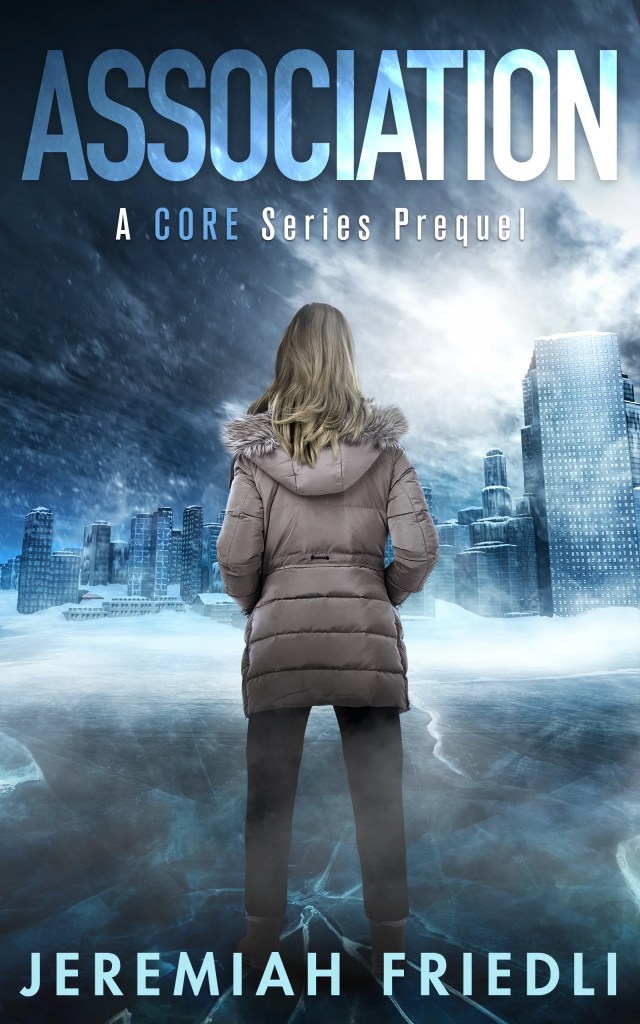
Interview with Jeremiah Friedli – Debut Author of Christian Sci-Fi Novel CORE Deception

By Caylah Coffeen

CC: Thanks for joining me Jeremiah, and congrats on your debut novel! Tell us about it!

JF: Thanks, and I appreciate you inviting me to join today! Here’s what you’ll find in my novel CORE Deception:

A tyrannical government, a cryptic letter, a devious hacker…

In a world where the government’s CORE systems see and track everyone, seventeen-year-old hacker Seth Alvarez is determined to save his sister from being placed in a reeducation facility. Armed with a cryptic letter, Seth embarks on a search for the valuable incognito devices—cyber master keys that can set his sister free. But with only three weeks remaining, he finds himself wedged between two powerful forces who will stop at nothing to get the devices first.

CC: That sounds exciting! I love books about siblings (I have 6 myself!). And congrats on making it to the finalist stage in the debut category at the 2025 Realm Makers Awards! What do you love most about this story and what are you hoping readers will connect with?

JF: I love stories of espionage, undercover, and page-turning suspense. I also like some level of technology. A dystopian setting offers the perfect venue for teen characters to get into these activities. If you love clean YA read that keeps you turning pages, stories of underdogs standing up to dystopian governments, and plots filled with intrigue and suspense, CORE Deception is for you.

Take codes and ciphers for example. I’d read about them in true spy accounts and liked the idea of incorporating them into the CORE Series. As I learned more so I could write about them correctly, I really enjoyed codes and ciphers. In fact, they play key roles in CORE Deception and its prequel novella Association. I even created a Code and Cipher Guide to go along with my books.

Another reason I like CORE Deception is the primary thematic element, which grew out of 2020 when I faced fears I didn’t know I had. I’ve struggled with fear of acceptance, fear of failure, and fear of incompetence before—to name a few fears. But this was new to me. It was fear that dominated my thinking and tried to control my actions. (And really, doesn’t all fear do that?)

Something told me this wasn’t right—more like Someone. As a Christian, I shouldn’t fear like that, not if I believe the Bible. After all, our future is secure, no matter what happens to us physically. And as Christ-followers, we have more hope than anyone else.

So why was this fear so strong? Later I came across a quote by Max Lucado from his book Fearless. He put it really well: “Fear, at its center, is a perceived loss of control.”

That was me. It felt like I’d lost control of almost every aspect of normal life. Not that I had control in the first place. And that was the foundational deception of my fear. Experiencing this it was painful because it forced me to face a reality—I wasn’t trusting God like I thought I was, like I wanted to think I was. But as painful as that was, it was a gift, growing me as a Christian. And I soon incorporated it into CORE Deception.

CC: That’s such a powerful way to put it. I’ve certainly struggled with that. It’s easy to “trust” God when everything is going well. How else has your faith shaped this story? Could you share what “Christian sci-fi” means to you?

JF: Faith should shape everything Christ’s followers do and think. It’s easier said than done, but that’s what I try to do, including with my writing. This doesn’t mean there’s a Bible verse on every page, but it does mean my writing should reflect a Christian worldview and be done for Christ’s glory.

This reminds me of a pivotal point years ago. I’d been writing it since I was a kid, mainly for enjoyment but with the possibility of publishing eventually. I sensed a challenge from the Lord regarding my time used in writing. If I was going to spend time on it, I should use it for His glory and not just my personal enjoyment. Yes, I want to write engaging stories that whisk readers away into an amazing world of fiction, but I also sensed the call to use my stories to “lay up treasure in heaven” (Matthew 6:20). That includes reflecting biblical worldview and weaving in themes that inspire courageous living for God, regardless of the genre.

I like to think of Christian sci-fi—really any genre—as stories written from a biblical worldview. The Bible should always be the foundation and guide for creators and readers. As 2 Timothy 3:16-17 tells us, God’s word is sufficient for all areas of life.

CC: Amen! What did you most enjoy about writing your book? What was most challenging?

JF: I absolutely love the phase of writing when the spark of an idea grows into something bigger. It’s that phase when I’m exploring characters or a storyworld (or both!), ideas explode, and it seems anything is possible. It’s like receiving a fascinating new toy on Christmas Day—I’m just so excited to play with this new idea and see what it can do! With CORE Deception, it didn’t take long to realize I had enough for more than one novel.

But for all those loose ideas to form a cohesive story, I eventually had to put it into a framework (either before or after writing the first draft). The phase of structuring everything, making my setting consistent, and refining character arcs posed one of my greatest challenges. I’ve polished words before and cranked out many drafts over the years, but pushing a novel through developmental edits (making all the large pieces work) wasn’t something I’d done before and was harder than anticipated. But the story is so much better for it.

CC: Worldbuilding is definitely the fun part! Actually sitting down and writing takes so much discipline! How long have you been writing and how did God guide you into this career?

JF: One of my first stories was a one-of-a-kind picture book I wrote and illustrated myself as a kid. It was four pages long with a grand total of seven sentences (if you include “the end”), put together with construction paper, masking tape, and staples. [optional: insert picture below] The name was Twenty Door Bells. A real page-turner, huh? You can tell I was using cutting edge print-on-demand technology too. But you can see my imagination was already at work.

Mostly, I only wrote creatively when it was required for school. But somewhere along the way, I found I liked crafting stories. Sometimes it was because my siblings were writing stories. Later, it’s more likely that I ran out of stories to read, and so I decided to write my own. I enjoyed it so much I kind of became an overachiever with writing assignments.

For example…

Assignment: 5 pages of fanciful fiction

Completed Project: 39-page story of animals in a medieval kingdom, complete with intrigue and major battle scenes.

Assignment: Short story with dialogue (short, as in, only a few pages)

Completed Project: 35-page mystery with black-cloaked thugs and a pie fight, among other things.

Soon I was writing even when there wasn’t any assignment—short stories, poems, novellas, novels—and sharing them with my family and friends.

I got into westerns, action, mystery, humor, sci-fi, fanciful, fantasy, retellings, and even an interactive mystery-thriller. I did flash fiction, short stories, novelettes, novellas, short novels, novels. Having siblings who wrote helped a lot, offering camaraderie and some friendly competition. I have terrific memories cowriting with my brothers and sisters. Also, it was huge that my mom (and homeschool teacher) fostered creativity.

As time went on, I sensed God calling me to do more with my creative writing, as I mentioned above.

CC: Haha, I love your enthusiasm! And that your mom kept your first story! How would you describe your writing style and how has it evolved since those early stories? Do you have any advice for writers as they try to develop a unique style?

JF: I love stories with high suspense, action, and thriller pacing. I think a lot of teen guys would agree. When I read books in that genre, I’m able to detect a general style, especially for action and suspense scenes.

But when it comes to developing my own style, I’ve largely followed James Scott Bell’s advice on the subject. Keep in mind, both he and I write for the commercial fiction market, not literary or what your high school English teacher taught you. In Revision and Self-Editing for Publication, Bell says, “It’s best to allow voice and style to emerge naturally in the telling of your tale. Attend to the fundamentals of the craft, and voice and style will seem organic. That’s your goal.”

Put another way, don’t think too hard about style. As you write more and more, you’ll naturally develop one of your own. But if you concentrate too much on style, you risk awkward, unnatural prose that jars the reader.

CC: That’s a good point. Sometimes writers can over-plan, rather than letting things develop organically. What was your journey to publication like? Why did you pick the route you did and what kind of challenges did you face along the way?

JF: As mentioned, at some point I pivoted from writing for fun to writing intentionally, like for the purpose of publication. I dedicated myself to the craft of writing and eventually started looking for publishers and agents. But eventually, I didn’t sense any major publisher’s interest in my writing. While a small publishing house might have been, I felt like I’d be doing much of the same work as independently publishing—an idea I gradually liked more and more.

More significantly, as time went on I realized that I would really like to have a say in the final book product. I sensed that God wanted me to influence the story, the editing, the cover, the marketing, and so on. The catch is, I had to learn at least some about all those areas. For example, I knew I should outsource my cover design, but that still requires I understand the norms for covers in my sub-genre and can create a design brief for the designer.

Pragmatically, indie publishing works well in the book industry today. There’s definitely a learning curve if you’re going to do it well, but it’s easier than ever for an author to tackle areas like typesetting and selling directly from their website. And I’ve found I enjoyed the business and marketing parts of writing a lot more than I anticipated.

CC: That must be a relief! It’d be so hard to stick with it if you hated the business and marketing like a lot of authors do!
There has been discussion lately of how few young adult books feature male main characters (outside romance plots). Indeed, it seems like major publishers aren’t interested in these types of stories. Why do you think this is? Are you hoping to reach boys and young men in particular, and how do you hope your book can accomplish this?

JF: Yes, I write for teen guys. Perhaps because as a teen guy, I had a hard time finding books I enjoyed. Thankfully, I did find some, and that’s probably why I ended up writing YA! But more importantly, that’s the genre I sense God calling me to. I still have a lot to learn here, so I’m always eager for resources that help me do this.

It’s no secret to those in the book industry that guys don’t read/buy as many books as girls.

If you look at what the large publishers are producing, the same disparity seems to exist in the young adult genre. Not that there’s anything inherently wrong with that. My guess is they’re publishing what sells. To an extent, it’s a chicken or the egg situation—since not a lot of guys read, few new books get published for them, which leads to fewer guys reading and therefore publishers creating fewer books for that diminishing readership.

Some blame the gaming industry for drawing guys away from books, but my counter to that is “what is it about those games that connect with guys?” There are a number of independently published authors who have figured out how to produce stories guys love and are filling the void left by the larger publishers. Because plenty of young men do like to read, even if they’re not looking for reading material in the same places other people are.

This is a big topic, and this excellent discussion on the Christian Publishing Show is a good next stop.

CC: Thank you! That’s a valuable perspective. What’s next for you as an author?

JF: I’m well into the planning phase of CORE Deception‘s sequel. Readers can expect more suspense and espionage while exploring new facets of the CORE Series storyworld and digging deeper into characters like Seth, Krystin, and Jhalak. The next title and plot are a secret right now, though I’m feeding some insider snippets to those subscribed to my emails. Here’s a teaser for the sequel:

A relentless pursuer.
An unpredictable ally.
The opportunity of a lifetime.

Can seventeen-year-old hacker Seth Alvarez survive a daring undercover mission that could change the course of a nation…or destroy everything he’s even known and loved?

After a third novel in the CORE Series, I’m praying about what to write. Several ideas are pushing their way to the front of the line, and it’s too early to say which one will win out. It could be another sci-fi, a modern thriller, kingdom adventure—you get the idea.

CC: Thanks Jeremiah, I look forward to it! And best of luck in the next stage of judging at the 2025 Realm Makers competition!

JF: Thanks so much for allowing me to join the discussion today!

About Jeremiah Friedli

Author of the 2025 Realm Awards Finalist CORE Deception, Jeremiah Friedli is a homeschool graduate, lifelong writer, ice cream lover, and native Texan. He enjoys getting out in God’s creation, whether that’s hiking, camping, running, or just reading quietly on the porch. Otherwise, you might find him seated behind a large screen with one of his beloved spreadsheets or watching a movie with his family. Learn more and connect with him at jeremiahfriedli.com.

Try a Free Novella!

Or Dive into His Debut!


Hi, I’m Caylah Coffeen, a freelance editor and marketer of sci-fi and fantasy books. I love reading and writing and am a follower of Jesus Christ.

I’ve worked for Monster Ivy Publishing and Eschler Editing, and am currently a weekly editor with Havok Publishing. Reach out to chat about books and publishing!

Thanks for stopping by my website! I hope you’ve found some helpful resources about reading, writing, and publishing. If you liked this article, here’s some more free content…

10 Editors of Christian Fantasy, Sci-Fi, and More!

Christian speculative fiction (sci-fi, fantasy, supernatural, horror, etc.) has grown in popularity in recent years! But as an author, you might still encounter difficulty finding professionals who specialize in both niche markets. So we’ve researched 10 Christian editors, with ranged experience and specialties, who work with sci-fi and fantasy!

This is a list of independent/freelance editors who could be a great fit if you’re looking to self-publish or refine your manuscript before submitting it to publishing houses. If you’re ready to start querying publishers, check out our list of the best publishers of Christian SFF. You can find information about their in-house editors on their websites.

NOTE: Editing rates are not fixed, but change to reflect experience, inflation, and the needs of each manuscript.

1. Caylah Coffeen – Creative Cornerstones

I’ll introduce myself first! I’m Caylah, the founder of Creative Cornerstones, a Christian, and an editor of sci-fi and fantasy. I don’t have as much experience as some of the other amazing editors on this list, so my rates are quite affordable.

The authors I’ve worked with have left wonderful testimonials for me, which I invite you to check out. I’d be delighted to partner with you on your project, but if I’m not the right fit for you, I hope you find another editor here who will bring out the best in your story!

Years of experience: 4
Has worked with: Havok Magazine, Monster Ivy Publishing, Eschler Editing, indie authors
Editing specialty: developmental editing ($0.02/word) and manuscript assessments ($0.005/word)
Primary audience: adult
Favorite sub-genres: epic and lyrical fantasy, myths, diverse worlds, space opera
Additional services: digital marketing, discount & support program for authors with disabilities
Fun facts: I’m a pastor’s kid and missionary kid (Japan!) and have 6 siblings and a brand new nephew! I love sushi, puzzles, cosplaying at conventions, and reading SFF books about bromance and rivalries.
Portfolio: https://creativecornerstones.com/about/team/about-2/

2. Gina Kammer – The Inky Bookwyrm

Years of experience: 16
Has worked with: Capstone Publishers, Amicus, Black Rabbit Books, Meredith Corp. (now Dotdash Meredith), Reedsy
Editing specialty: developmental editing ($0.033/word)
Primary audience: adult
Favorite sub-genres: epic, medieval fantasy, romantasy, paranormal, mythical/fairy tale retellings, space opera, dystopian, steampunk, cyberpunk, bureaucratic witches, and snarky robots!
Additional services: group coaching, story planning, and writing, querying, and self-editing courses
Fun facts: I met Sirs Ian McKellen and Patrick Stewart while studying in London. My more mundane proclivities include tea, traveling, oil painting, archery, and snuggling with my grumpy bunnies. I live among piles of books and antiques in Minnesota with my husband and daughter.
Website: https://www.inkybookwyrm.com/editing

3. Katie Philips – Katie Philips Creative

Years of experience: 10
Has worked with: Uncommon Universes Press, Realm Makers Award winning authors, The Author Conservatory
Editing specialty: developmental editing ($0.04/word)
Primary audience: YA
Favorite sub-genres: space opera, fantasy, diverse cultures and characters
Additional services: intermediate-advanced authors, coaching
Fun facts: I’m an INFJ and devoted plant mom. My husband and I are big foodies and live in Kansas with our daughter and son. I’ve visited over 25 countries!
Website: https://www.katiephillipscreative.com/fiction-editing

4. Sara Lawson – Sara’s Books

Years of experience: 15
Has worked with: Inheritance Magazine, indie authors
Editing specialty: line and copy combo edits ($0.02/word) – includes 2 rounds of edits
Primary audience: YA
Favorite sub-genres: fairy tale retellings
Additional services: indie publishing coaching and networking support
Fun facts: I grew up in rural California (yes, that is a thing). I also spent a year and half doing a graduate program in Jerusalem, studying and walking the land of the Bible.
Website: https://www.sarasbooks.com/rates-and-services

5. Kimberly Huther – Wordsmith Editing

Years of experience: 17
Has worked with: York Publishing and Zondervan
Editing specialty: proofreading ($7/page in Word)
Primary audience: adult
Favorite sub-genres: fantasy, paranormal, sci-fi, YA
Additional services: copy and line editing (same rates)
Fun facts: I’ve been an avid reader since the age of FOUR, and I’m a huge supporter of the Oxford Comma!
Website: https://www.wordsmith-editing.com/

6. Pam Halter

Years of experience: 20
Has worked with: Fruitbearer Kids, Halo Publishing International
Editing specialty: developmental editing for children’s books – $200 per book for under 1,000 words, including a second look after rewriting within 2 months.
Primary audience: picture books
Favorite sub-genres: picture books don’t have sub-genres the same way
Additional services: workshops with illustrator Kim Sponaugle for picture books
Fun facts: I’m a mom and grandmother! Cooking, sewing, baking, and playing the piano all boost my creative side. I love to create my own recipes and am in three Gooseberry cookbooks and got runner-up in a Taste of Home magazine for my tomato fritters.
Website: https://pamhalter.com/editor

7. Lyndsey Smith – The Editing Forge (Horrorsmith Editing)

Years of experience: 4
Has worked with: Eerie River Publishing, Turner Publishing
Editing specialty: developmental editing ($0.038/word)
Primary audience: adult
Favorite sub-genres: horror, thriller, epic fantasy, urban fantasy, reimagined fairy tales, and romantasy
Additional services: book coaching and ghostwriting
Fun facts: My assistant is a midnight-black 23-pound Norwegian Forest Cat named Poof. I’m a military spouse of thirteen years, and we’ve lived in multiple states and countries (including three years in South Korea).
Website: https://www.theeditingforge.com/

8. Kristen Stieffel

Years of experience: 24
Has worked with: Havok Magazine, indie authors
Editing specialty: line editing ($0.035/word)
Primary audience: adult
Favorite sub-genres: light fantasy, steampunk, and science fantasy
Additional services: coaching, page design
Fun facts: I was raised by parents who were Trekkies before anyone coined the word Trekkie. I’m an avid knitter, despite living in Florida, where most sweaters are worn indoors.
Website: https://kristenstieffel.com/services/

9. Andi L. Gregory – Author Services

Years of experience: 6
Has worked with: End Game Press, indie authors
Editing specialty: copyediting ($0.02/word)
Primary audience: YA
Favorite sub-genres: fairy tales and the complex worlds of high fantasy
Additional services: Proofreading services ($0.01/word), proofreading and copyediting combo packages
Fun facts: I love being in the great outdoors, where I never fail to find an adventure. I write for the downhearted, the friendless, and the self-critic, and I’m always up for making new friends, even if I’m the introvert in the corner (with a book, of course).
Website: https://www.andilgregory.com/author-services

10. Jessica Boudreax – Refined Pen Edits

Years of experience: 2
Has worked with: So far, I have been purely freelance!
Editing specialty: Developmental Editing ($0.02/word)
Primary audience: Adult
Favorite sub-genre: epic fantasy
Additional services: line and copy editing
Fun facts: In elementary school, my teacher told my mom I had a talent for creative writing, and it kind of stuck. I’ve been writing in some way ever since. I can get very geeky over many things. Fiction is one of those things, and I am quite happy to be called a geek.
Website: https://refinedpenedits.com/services/

Authors Who Edit on the Side

A number of successful Christian sci-fi and fantasy authors also work as editors on the side, including Steve Rzasa, Janeen Ippolito, and Angela R. Watts. If there is an author you particularly admire, you can look up their website to see if they also offer coaching or editing services.

But good authors do not necessarily make good editors (and vice versa), so in this list I tried to emphasize those who work primarily as editors (though some of the above do write and publish). But every author needs something slightly different on their publication journey – trust your instincts!

And best of luck!


Hi, I’m Caylah Coffeen, a freelance editor and marketer of sci-fi and fantasy books. I love reading and writing and am a follower of Jesus Christ.

I’ve worked for Monster Ivy Publishing and Eschler Editing, and am currently a weekly editor with Havok Publishing. Reach out to chat about books and publishing!

Thanks for stopping by my website! I hope you’ve found some helpful resources about reading, writing, and publishing. If you liked this article, here’s some more free content…

How Do Publishers Decide to Accept or Reject a Manuscript?

Are you struggling in the query trenches? Some authors receive hundreds of rejections and spend years querying before they achieve publication. But why do publishers actually reject your manuscript, and what does it take to get an acceptance?

I trained as an editor with Monster Ivy Publishing, including with their acquisitions team, and learned how publishers choose which manuscripts to accept. I read through submitted stories and helped the team decide whether to reject, invite revisions, or accept each book. Let me share some of these insights!

  1. Top 3 Requirements for Acceptance
  2. Additional Elements of a Publishable Manuscript
  3. Press-Specific Reasons to Reject a Manuscript
  4. Rely on the Reading and Writing Community

Top 3 Requirements for Acceptance

These are the top 3 necessities in a manuscript! Each of the manuscripts our team rejected fell short on one of these elements. They are the most common reasons a story won’t be accepted.

  1. Is there a strong opening hook? Do the first few pages make readers care about this particular character and their situation?
  2. Does the author write actively, with strong verb choices, or overuse passive voice (forms of “to be”)?
  3. Does the main character have a strong goal or need and a mix of strengths and weaknesses which will drive the story?

Additional Elements of a Publishable Manuscript

Publishers regularly receive thousands of submissions. Yours really needs to stand out. Here are additional elements editors will look for when reading your story.

Unforgettable Characters

  • A cohesive character arc that takes the mc through ups and downs and make them change by the end of the book
  • A main character that has a personality and life outside the main plot – hobbies, loves, and quirks that actually affect their day-to-day behavior and thought process.
  • A diverse cast of characters
  • Rounded side characters that bring out the best and worst in the mc

Story Elements

  • Intense emotion – laughter, anger, tears – cause it all!
  • Strong pacing, with a balance of high-energy and lower-energy scenes
  • A well-structured plot that doesn’t leave readers lost, bored, or overwhelmed
  • A powerful, perhaps surprising ending that ties up both plot points and character threads

That Spark

  • A unique author voice that adds an additional perspective to your story
  • A distinct writing style that adds flair to your story

For Sci-Fi and Fantasy Manuscripts

  • Original worldbuilding that develops with the story – not too much exposition or a potentially confusing heap of names up front
  • A twist on popular tropes – perhaps satirical, perhaps a fresh spin
  • An intricately developed magic system – hard magic is all the rage these days!

Editors keep a mental checklist as they read through submissions. The more key elements of a strong story that you hit right off the bat, the higher the chance they’ll keep reading or request the full manuscript! I know it’s frustrating, but editors are overworked and underpaid, and really don’t have the time to dedicate to a story that doesn’t catch them right away.

Press-Specific Reasons to Reject a Manuscript

Sometimes a publishing house looks like an absolutely perfect fit for your story! You’ve followed them on social media, have looked up the work of their editors, and can tell you’re a great match! And then you receive a standard form rejection. Devastating!

If you’ve wondered, why, why, WHY, here are some of the private reasons a press might reject your work.

Over-Saturated Market

A press may have recently published a book quite similar to yours.

  • This book may be doing well and they don’t want to compete with their own sales.
  • This book could be doing poorly and they don’t want to take another risk with yours.

Or, there could have been a recent huge surge of books like yours. After Twilight, there was a flood of vampire romances. After Dresden, a ton of supernatural detectives. If you submit your book after the trend’s peak, publishers may already be looking ahead to the next trend. After all, depending on the size of the press, it can take between 1-3 years for your book to hit the shelves after you sign.

It’s also possible that a publisher has already hit their quota of acceptances for the year. Each team can only publish so many books in a year.

Money

If a publisher doesn’t think they’ll be able to make back their investment and also profit on sales, they won’t accept your work. Books make pennies and publishers are businesses. Smaller presses in particular have to be very careful of where they invest their funds.

Your book might have the potential to sell well, but if it caters to a niche audience rather than appealing to the mass market, it still might not be enough.

  • A Trade publisher could sell a few thousand copies of your book and consider it an abysmal failure, while an indie house could sell a few thousand copies and consider it a huge hit!
  • Try to be objective about your book’s audience. Unless you think the absolute average reader of your genre would love your book, it’s not likely a trade publisher will accept it. Indie houses are much more interested in unique stories these days.

Check out our list of pros and cons to publishing traditionally vs. indie.

Subjective Taste

The managing editor might not personally resonate with your story. Some books aren’t for everyone, and the people reading over your submission might not click with your story, even it’d be a great read for others.

  • It’s a great use of your time to research the acquisitions and managing editors of a company you’re interested in. Look at their portfolio, their manuscript wishlist, and any books they may have published to see if they’re actually a book match for your book.

Planning Ahead for Marketing

If you have little to no online presence (website, social accounts, following), it will make promoting your book that much harder. Many publishers expect authors to do a lot of their own publicity and marketing. Some even ask for your number of followers on their submissions forms.

  • Other presses will do the majority of marketing for you, so research each company to determine if the size of your brand is important to them! The more famous the press, the more important it is for you to be visible online to be considered.

Beliefs

Your story could be rejected if you as an author aren’t in line with a press’ political, religious, or social messaging. In the age of cancel culture, publishers don’t just look at your story but also at YOU.

  • Few people in the industry will admit to this one, but you’ll be one of the faces of their brand if they publish you, and they want to make sure your private life and beliefs line up with theirs. Many presses specifically list their vision and agendas on their “about” pages so research them before submitting.
  • It is absolutely possible that your book could be rejected because of an opinionated blog post or heated FB comments you left years ago. Publishers are terrified of having another J.K. Rowling.

Dicey Topics

The more content warnings your book will require, the harder it can be to find an interested party. If you handle sensitive topics like sexual assault, diversity, historical abuses, gender, disability, and more, be aware of possible roadblocks.

  • The publisher may think your depiction of the subject was problematic, not well-researched, or just too dicey. Consider investing in a sensitivity reader.
  • They may think you shouldn’t write from the POV of a demographic unless you are part of it.

Rely on the Reading and Writing Community!

Your book is your baby. Rejections hurt! It’s hard to be objective about your story when you believe in it so much. And you should!

But publishing is a business, and it can save you a lot of time and heartache if you ask the hard questions of your community before you try to publish.

Try asking your beta readers and critique partners questions like:

  • What star rating would you give this book right now?
  • How wide of an audience do you think exists for a story like this (a select niche, an average crowd, or almost every reader in this genre)?
  • Do you think this story is ready for publication? If no, what do you think most needs to change?
  • Would you spend money on this book?

If you think your friends and family would feel uncomfortable answering truthfully, you could send them an anonymous feedback form. It’s difficult, but not impossible, to determine whether you’re receiving rejections because of in-house reasons that are out of your control, or writing reasons, which you can control.

You may be sitting on a 5-star book, and just haven’t found the right fit yet. Have you heard how many rejections Brandon Sanderson received at first? Don’t lose hope, but always keep your eye out for ways to improve the quality of your work!

Good luck and happy writing!


Hi, I’m Caylah Coffeen, a freelance editor and marketer of sci-fi and fantasy books. I love reading and writing and am a follower of Jesus Christ.

I’ve worked for Monster Ivy Publishing and Eschler Editing, and am currently a weekly editor with Havok Publishing. Reach out to chat about books and publishing!

Thanks for stopping by my website! I hope you’ve found some helpful resources about writing and publishing. If you liked this article, here’s some more free content…

Is My Manuscript Ready for Professional Editing?

By Caylah Coffeen

You’ve completed your manuscript! Congratulations! That’s a huge milestone that many writers never reach. But how do you know if your book is ready for professional editing?

You may have a lot of conflicting thoughts and emotions. Authors are known for beating themselves up. You may think your work could never be good enough or that there’s no way anyone would ever buy your book. These feelings of doubt may make you think that a professional edit will never be worth it.

Or you may love your story and characters so much that you find it difficult to receive feedback or think of your book from a business angle. It’s hard to step back and ask, “is this a marketable product?” Some authors double down about making any changes to their story.

With so many emotions tangled up in your projects, how can you attain a clear perspective on the current state of your manuscript?

We’ve got a checklist for you.

But first, tell yourself two things (try saying them out loud):

  1. My story is wonderful! I am a valuable writer. I work hard to improve and can! There are readers out there who will love my book! Be kind to yourself! Everyone starts somewhere.

  2. Every book will benefit from an outside perspective and edit, no matter how talented the author. No one should complete a book in a vacuum. Stories are made for other people, and while you may not incorporate all advice you receive, feedback is invaluable.

The Checklist

The easiest way to self-assess your manuscript’s readiness is to consider how many edits you have already completed and how much feedback you’ve received from others.

Did you know that most published books undergo 8-10 edits before reaching shelves? That’s right. 8-10! And many manuscripts undergo 3-5 edits before they’re ready for a professional editor.

Here’s an editing checklist I recommend every author complete before investing in a professional edit:

  • Step 1: “The Cleanup Edit”
    Complete 1 self-edit – this will help you catch many inconsistencies or errors in your first draft and improve readability for others.

  • Step 2: “The Critique Edit”
    Find a critique partner (a fellow writer in your genre) and complete 1 edit incorporating their feedback.

  • Step 3: “The Alpha Edit”
    Find 1-3 alpha readers to provide feedback about their reading experience (what they liked, what they found confusing, when/if they lost interest) and make edits accordingly. Alpha readers perform the same tasks as beta readers, but betas often offer feedback later in the process, after a developmental edit, since their role is to offer subjective feedback about what readers experience, not editorial advice.

  • Step 4: “The Workshop Edit”
    Consider joining a writing group or workshop to receive multiple perspectives from fellow authors at once. Or exchange your manuscript with your initial, or a second, critique partner. Edit accordingly.

The Work is Worth it

We know this task list sounds daunting – it’s a lot of work! Potentially years worth of work. But don’t be too hard on yourself, as this is the case with every specialty. It takes time to perfect your craft. Doctors spend 7 years in school and residency programs before they can practice independently. Artisans spend decades in apprenticeships and working before they can be considered a master. Acclaimed photographer Henri Cartier-Bresson famously once said:

“Your first 10,000 photographs are your worst.”

Henri Cartier-Bresson

Wildly popular SFF author Brandon Sanderson says he wrote 13 novels over 8 years before he ever sold his first!

Consider this period of drafting and editing to be your “author apprenticeship.” It’s worth putting in the time to complete these 4 rounds of edits, and you will save a lot of pain and money in the long run if you do.

You may be coming off the high of finishing your first manuscript and are excited to see what an editor would think. Perhaps it feels less daunting to recruit a professional than it does to start again at the very beginning (that’s what coaching is for!). But let me assure you that a first draft is not ready for a professional edit. Likely, neither is a second.

How We Can Help

But our team here at Creative Cornerstones offers support through all of these stages! You don’t have to figure it out alone. We can suggest training resources, conferences, offer 1:1 coaching, and even help you find critique partners and alpha readers through social media or local groups.

Even if you have not completed 4 rounds of edits on your manuscript, you are always welcome to send us your first 1000 words to receive a sample edit. Email them to creativecornerstones@gmail.com.

Or schedule a free 20 min consultation over Zoom to discuss your goals and best next steps!

We want to help you achieve your dream of becoming a successfully published author!


Hi, I’m Caylah Coffeen, a freelance editor and marketer of sci-fi and fantasy books. I love reading and writing and am a follower of Jesus Christ.

I’ve worked for Monster Ivy Publishing and Eschler Editing, and am currently a weekly editor with Havok Publishing. Reach out to chat about books and publishing!

Thanks for stopping by my website! I hope you’ve found some helpful resources about reading, writing, and publishing. If you liked this article, here’s some more free content…

A huge wave crashes into a line of coastal houses, a stormy sky behind them.

Writing with Childlike Faith

Guest Post By Dana Bell

In 2018 I was done with writing. Being a published writer was not at all what I thought it would be, and the stress of having to complete multiple projects burned me out. The last thing I wanted to do was write.

Know why I didn’t quit? A couple reasons. My ex had tried to take everything I cared about away from me. I wasn’t about to allow him to win. The other – I couldn’t imagine doing anything else.

Rediscovering the joy of writing

So, I began a journey to re-discover the joy and fun of writing. God played a huge part in that. I put aside all professional gigs and went back to fan-fiction. This genre taught me so much about being a writer and allowed me to practice the tricks of the trade. My goal: write between 1000 to 1500 words a day. That took me about an hour. By the end of summer, I’d gotten up to 3000 a day. Not a goal I had set for myself.

But I did not make the journey alone. Even when writing fan-fiction, I would sit down at my computer and pray one of two simple prayers:

“Thank you, Dad, for letting me write” or “Hey, Dad, you want to come and play?”

“Hey, Dad, you want to come and play?”

Dana Bell

From faith to a book deal

By the end of the year I sold my first romance novella. NO ONE sells their first romance.

I continued the practice of praying before I wrote, whether I was playing in someone else’s universe or crafting my own original work.

Yet there is one more element involved. It isn’t just prayer. It is faith. Faith so unshakeable I believe that when I sit down to write God will give me the words. My fingers get going on the keys and don’t stop until I’m finished for the day, however many words I write.

Speaking of faith, I actually asked God the other day why He puts up with me. I’m not exactly the most faithful of children. I was curious. Know what the answer was? In that amused and tickled father way He answered, “Because you have the faith of a child.”

That startled me. Of all the answers He could have given, He gave me one I didn’t expect.

My ability to speak with God like this is new. I talked to Him earlier about this article and He said, “I’ll give you words.” So, I quit worrying about it and trusted He would do as He promised. Did I pray first? Of course, I did.

Prayer doesn’t have to be complicated

One thing few people teach about prayer is that it doesn’t have to be complicated. One word can be a prayer. I know. I’ve done this. As I recall, the prayer was, “Father!” I didn’t need to say more.

I have another way to pray, which I use when I have no idea what to say. Paul taught about it in the Bible, and yes, I can Speak in Tongues anytime I want. I don’t know the exact language, but I know the country and region it comes from. Since I know many Christians teach this gift is gone, I won’t go into detail. Though I could teach endlessly about the Gifts of the Spirit, all of which I’ve used at different times in my life.

Rare though it is, I walk in both the natural and supernatural world. I dream dreams and have visions. That’s Acts 2:17.

What does this have to do with writing, faith and prayer? Everything.

God had proven himself faithful all throughout my life. I was saved as a child. I even spoke in tongues, but I didn’t know what it was and quit doing it. Scared me.

He has taken care of me even when I did something stupid or didn’t deserve it. I fought off a purse snatcher when I lived in Boston. Serial rapists hunted around me when I lived in a Denver apartment complex. He sent an angel to watch over my home. I came home one night, and my neighbor told me the guys had been caught. They had lived on the second floor of my building. Recently, I almost lost my house because I had no job and no unemployment income. I went to God with my simple faith and said, “You’ve always taken care of me.” God provided, although not in the way I expected.

I still have my home. I even have a job now.

Have faith God will give you words

These are all acts of faith and the reason I place high value on them is because unless the writer believes God will give them words, their prayer won’t make any difference.

I have faith. I pray. I sit down. I write.

It is a sweet time with God. An Act of Worship.

Yes, writing is worship.

I know, normally we think of worship as church, music and some dancing. Speaking of dancing, Yeshua is a delightful dance partner. Won’t go into the story on how I know that.

Yet writing, when God is invited to be part of it, is worship. It is a father hanging out with his child, delighting in the talent he inspired and the willingness of his child to share it with Him.

I’ll add here that God has taught me a few tricks with writing. I’m a pantzer and had a horrible time finishing my earlier books. Not to mention, I work on multiple projects at once. I’ve learned to leave myself notes about unanswered questions, plot points I need to complete, or what the next scene is. For my last three books, this was a huge help.

Before I asked God to be part of my writing life, I struggled to get the words out. I thought I had to be inspired by the natural world, as many writers are led to believe. Now, I sit down, ask God to join me, and the words flow.

This is precious time with my heavenly father. Part of a rich relationship I share with Him. The Bible says to ask God for what we need. I’m bold enough to walk into His throne room and ask if can fall asleep in His lap when I have problems sleeping.

God has never said no.

My solid foundation

I will share a dream I had during a deeply troubled time.

I was in a house. Built on a rock. Right next to the ocean. It had glass windows along the side of the house and in the ceiling. Huge waves smashed into the house, over and over and over. No window broke. The house did not flood. Someone stood in the house with me. Years later I realized it was Yeshua. He just appeared in a different way than I had ever seen him before.

The dream interpretation was easy. I had my solid foundation. The waves were all the troubles I was going through. My house stood because of my childlike faith.

I recall this dream when I go through times of trouble.

Every writer needs faith. Open every writing session with prayer. Invite God to come and join you in your time of Worship.

About Dana Bell

Owned by a demanding Ocicat named Taj, Dana Bell lives in Colorado and enjoys writing tales about cats, places she’s lived and others she’s visited. She is the author of multiple titles including Bast’s Chosen Ones and Other Cat Adventures and Winter Awakening.

She also writes paranormal romances such as Bound by Blood: Idaho Vampires under the pen name Belle Blukat. As an editor she enjoys putting together anthologies with various themes and helping authors master their writing skills.


Thanks for stopping by my website! I hope you’ve found some helpful resources about reading, writing, and publishing. If you liked this article, here’s some more free content…

The Pros vs. Cons of Traditional, Indie, Hybrid, and Self-Publishing

You’ve written a beautiful book. Now how do you publish it? What are your options? Here we’ll break down the pros and cons of the 4 main publishing routes: traditional, indie, self-published, and hybrid. This is just a starting point, so make sure to do your own research as well as you decide on your best fit.

The Pros and Cons of Traditional Publishing

What is traditional publishing?

A publishing house buys the rights to your book, completes all editing, design, and distribution work, and pays you royalties after they’ve made back their investment. 

Pros:

  • Prestige
  • A large, consistent, trusting reader base
  • You are paid an advance averaging $1K-15K
  • A higher likelihood of appearing in bookstores
  • You will have an agent – your agent will go to bat for you, ensuring your proposals are professional and catch attention, and negotiating the best possible legal agreements

Cons:

  • You no longer own the rights to your work
  • The publisher has the final say on design and edits
  • *Big publishers won’t select your book unless they think they can sell many 1000s of copies
  • You don’t receive any royalties until you earn back your advance
  • Royalties are small
    • 5-8% for paperbacks
    • 10-15% for hardbacks
    • 20-25% on ebooks and audiobooks
  • Books are often sold at bulk discounts to retailers, so you receive royalties at lower than the retail price
  • Big publishers won’t invest much money into marketing new authors – you have to prove your worth to them first
  • You must submit through an agent – finding an agent is time-consuming, difficult, and costly (they receive 15% commission out of your advance & royalties)

*Here is an invaluable chart of the Big 5 Publishing companies and their imprints.

Traditional publishing could be a good fit if:

  • You’ve written a book with mass appeal
  • You want others to almost entirely handle the business side of book

The Pros and Cons of Publishing with an Indie/Small Press

What is a small or indie press?

A small or independent press is not affiliated with the Big 5 publishers, publishes less than 10 books in a year, and makes less than $25M annually. They may use a traditional publishing model, with slight variations. 

Pros:

  • They employ a professional, experienced team
  • Potentially higher royalties with room for negotiation
    • Some offer the same rates as traditional publishers: 5-25%
    • Others offer 40-60% in royalties
  • They publish way fewer books and so spend more time and effort marketing each one
  • May or may not expect agented submissions
  • They take risks on more “unusual” books rather than following formulas on what will sell
  • Growing respect, with many dedicated awards and competitions

Cons:

  • You no longer own the rights to your book
  • If they’re able to offer an advance, it’ll be small – usually you do not receive an advance
  • They have a smaller budget and team and so more limited options for distribution and marketing strategy
  • A smaller fanbase so less potential reach for your book

Here’s one searchable database of indie/small presses. Note that it is curated and their criteria for what makes a “good” press may differ from yours.

Indie publishing could be a good fit if:

  • You want a team of experts supporting you and advising you on the industry
  • But you want a greater level of creative freedom and negotiating power

The Pros and Cons of Self-publishing

How does self-publishing work?

An author arranges and pays for the publication of their work, rather than going through a publication. Note that authors have printed and distributed their own work for centuries, but online distribution platforms have made this approach more accessible than ever before.

Pros:

  • You retain all rights, creative control, and decision-making powers
  • You set your earnings with royalties ranging from 35-80% depending on the distribution platform
  • Complete flexibility on distribution and pricing strategies

Cons:

  • You must pay out of pocket for everything
  • You must build your own team for editing, distribution, design, marketing & publicity
  • You must complete extensive research about the publishing industry and wear many hats besides “author”
  • Many awards and reviewers still exclude self-published books, though more and more accept them each year

Amazon Kindle Direct, IngramSpark and Kobo are commonly used self-publishing platforms, but there are many other options.

Self-publishing could be a good fit if:

  • You’re highly motivated to learn about branding and marketing
  • You’re willing to approach your books as a business
  • You can afford to hire professionals to refine your book to industry standards

The Pros and Cons of Hybrid Publishing

What is a hybrid publisher?

A newer term, many people use the term “hybrid” interchangeably with “indie” or “vanity” publishing, leading to confusion. Hybrid publishing offers a middle ground between traditional and self-publishing. The author pays a team of professionals to edit, design, and market their book, but retains all rights to their work and so will receive 100% of profits.

Pros:

  • A professional team of publishers will create a custom plan to refine and publish your manuscript – you can choose as many or as few services as you want
  • You retain all creative power and have the last say – they are working for you
  • Unlike vanity presses, hybrid publishers actually follow through on their promises – they want to make their customers happy so they keep getting business
  • Hybrid publishers are often run by people who have, or still do work for traditional publishers – they know the industry inside and out
  • Time – you won’t have to spend time on queries or proposals, and your team will walk you through every step of the publishing process, making this potentially the greatest time-saving publishing route

Cons:

  • Cost – publishing services are expensive, and will cost more than hiring freelancers individually (as many self-published authors do)
  • You must research carefully to make sure you’ve chosen a reputable business rather than a vanity press
  • You may not make back the money you invested into your book
  • Your book will still be considered self-published and so excluded from many competitions and bestseller lists

Reputable hybrid publishers should always meet the following guidelines set forth by the Independent Book Publishers Association.

Hybrid publishing could be a good fit if:

  • Your time is worth more than your money
  • You already have an established brand or audience who will buy your book and make back your investment (e.x. influencers, businessmen).

The “right” choice is unique to YOU

There is no one right choice! Depending on your goals as an author, there is a right fit for you which may differ from what works best for your other author friends.

Unfortunately, there’s also no perfect choice. Pick your top 3 deal breakers – the 3 things which are most important for you as an author. For example: time, money, and creative freedom. Pick the publishing route which does 2 out of those 3 things the best.

Above all, trust your instinct and demand respect. No one should make you feel like a beggar, no matter their prestige.

Still have questions? Schedule a Free 15-min consultation today!


Hi, I’m Caylah Coffeen, a freelance editor and marketer of sci-fi and fantasy books. I love reading and writing and am a follower of Jesus Christ.

I’ve worked for Monster Ivy Publishing and Eschler Editing, and am currently a weekly editor with Havok Publishing. Reach out to chat about books and publishing!

Thanks for stopping by my website! I hope you’ve found some helpful resources about reading, writing, and publishing. If you liked this article, here’s some more free content…

A gold framed oval portrait of a smiling young blonde woman rests atop a blurred backdrop of ivy. A logo for Monster Ivy Publishing is stamped at the top right corner

Light Will Come: How Monster Ivy Publishing Saved Me

Guest Post By Amy Michelle Carpenter

*Trigger warnings: this story talks about suicidal ideations*

I’ve told the story of how I bought Monster Ivy Publishing many times. What I haven’t told is this part of the story. The gritty part. The part of the story where I encompass the darkness and light defined by the company’s brand–this part I’ve left out for various reasons, the same reasons that no one speaks out about these sorts of things.

Fear of rejection. Of never being able to take the words back. Of being deemed incompetent. Of people knowing the rawest, darkest parts of you. But this has been readily on my mind the past few days and when Caylah, our social media person, reached out to me asking for a story about my journey with the company, I took it as a sign from God that it’s time.

I have struggled with thoughts of suicide

For years, I have been struggling with suicidal ideations because of abuse experiences and anxiety.

However, I have never been as serious about acting on my feelings as I was two days before I found out about Monster Ivy’s planned closure back in 2021.

Despite having on-and-off feelings where I’d wished for death throughout the years, this moment felt very out of the blue. In hindsight, I truly believe it was an attempt from the devil who knew what was coming in a few days–who knew God would be calling me to His work in a way He hadn’t yet. In the depths of a black night, I was engulfed by an attack of darkness.

It completely overcame me with thoughts of worthlessness. I felt like everyone would be better off without me. My children would be better raised by someone without my lack of parenting skills. My husband and parents could give them a better chance at life.

And a continued list of things I can no longer remember. And that I no longer believe about myself.

This is the first time I did the research on how to do it. I slipped away and hyped myself up so that I could finally end things. And then, I didn’t do it. 

I walked away and crawled back into bed and, in the morning, the sun rose and light came. And I moved on from that odd and slightly random mental attack.

Monster Ivy Publishing gave me hope

About two days later, Mary Gray made the post that Monster Ivy was shutting down.

This is the part of the story I’ve told many times. The part where I was getting my Masters in publishing. The part where I had worked in the publishing industry in a variety of ways and had previously daydreamed about owning a company. The part where Monster Ivy was my favorite publishing house, and I just couldn’t let it go. The part where I studied and prayed and asked God, and even though the task seemed far too daunting, I knew that the company needed saving and that–even if others might be better equipped to do it–I might have been the only one at the moment willing to do so.

And so I bought the company.

I can say with full confidence that Monster Ivy has saved me. God knew that I needed that sense of purpose in my life. He knew that when the dark moments crept in and I told myself anyone else would do all my other jobs better than me that this one thing I could be confident in needing to be here for because no one else would do it.

The chains of darkness that were wrapped so tightly around me have slowly begun unwinding, as I have found a sense of cathartic relief and a better understanding of my own experiences through our stories, of the realities I’ve faced, and as I reached out for counseling and sought personal growth. Even recently, my husband supported my desire to leave our old home and go to Texas, and the fresh start has brought even more healing.

The light has come and continues to grow in my life. I only needed to wait two days for Him to start His work.

Darkness comes before the light

This story reminds me of another one. And I ask for forgiveness in sharing because I generally make a rule to only share Bible stories with our fans, but this felt so relevant to my own, I have reflected on it many, many times.

There was a young fourteen-year-old who was also lost and seeking answers. He said,

“I kneeled down and began to offer up the desires of my heart to God. I had scarcely done so, when immediately I was seized upon by some power which entirely overcame me, and had such an astonishing influence over me as to bind my tongue so that I could not speak. Thick darkness gathered around me, and it seemed to me for a time as if I were doomed to sudden destruction. 

But, exerting all my powers to call upon God to deliver me out of the power of this enemy which had seized upon me, and at the very moment when I was ready to sink into despair and abandon myself to destruction—not to an imaginary ruin, but to the power of some actual being from the unseen world, who had such marvelous power as I had never before felt in any being—just at this moment of great alarm, I saw a pillar of light exactly over my head, above the brightness of the sun, which descended gradually until it fell upon me.”

Jesus Sees Our Despair

In my church, we often skip over that gritty part of the story to tell only the beautiful part where this poor farm kid saw Jesus. But the truth is we all experience that pain. We all experience that overwhelming darkness. We all despair and suffer, often silently. And we all need to know that the light will come again.

Jesus is there. He loves you. He will rid the Earth of all the pain and damage and ache. And he can rid you of your aches and pains too.

The light may descend gradually, but it will come.

So, if you feel like all is lost (as I did), your hope may only be two days away. In an eventual morning, light will rise.

Allow yourself two days.

About Amy Michelle Carpenter

Amy Michelle Carpenter is the owner of Monster Ivy Publishing, a company of award-winning, bestselling book titles. Monster Ivy emphasizes “edgy, clean” fiction with a PG13 or less rating. The Kiss List was filmed as a movie by Marvista starring Megan Suri (Never Have I Ever) and Parminder Nagra (ER).

In her personal life, Michelle received her Masters from Western Colorado University where she studied directly under NYT bestselling author Kevin J. Anderson, and she is the author of several YA science fiction books


Hi, I’m Caylah Coffeen, a freelance editor and marketer of sci-fi and fantasy books. I love reading and writing and am a follower of Jesus Christ.

I’ve worked for Monster Ivy Publishing and Eschler Editing, and am currently a weekly editor with Havok Publishing. Reach out to chat about books and publishing!

Thanks for stopping by my website! I hope you’ve found some helpful resources about reading, writing, and publishing. If you liked this article, here’s some more free content…