Do you know that feeling when you pick up a book and absolutely devour it, sucking it in like you’re feeding a gaping maw within your chest? And then you tear through the next few books trying to satisfy the same clawing yearning.
Then one day, your thoughts wander. You feel restless and when you open Kindle, forget that you had started the book staring at you. The words had slipped out of your mind. Scenes and dialogue fill your mind. A song catches your imagination and before you know it, it’s 2 am and you’re pacing, caught up in a battle or a scheme between characters. Before you know it, you have an entire new backstory, planet, or subplot that’s run away with you.
But then, as quickly as the flood of ideas came, they ebb away. You don’t feel like doing anything but watching TV or reading brain candy – your comfort fiction. That itch is back again that you need to satisfy, and the hunt is on for a book that will touch your heart or mind.
The Creative “Input-Output Cycle”
I call this the creative “input-output cycle.”
All creatives need a mix of input to stimulate their minds, imagination, and emotions. Without craft to emulate, ideas to inspire, and experiences to wake us, our creative well will remain dry.
Some authors can even name the story that “woke them” or tapped the buried flow of water, making it rush into and fill the well. For me, it was the chapter book series The Secrets of Droon by Tony Abbott (#myfirstedgelord) which my mother gifted to me for Christmas in 2nd grade. My parents had already cultivated a love of reading in me, but from that moment onward, I devoured books ravenously for 4 years: horse books, mystery, historical fiction, classics, and above all else, fantasy.
Then, the well overflowed, and stories started spawning in my brain. I couldn’t hold them in. They distracted me from my homework. I would spend hours daydreaming at my desk, incapable of reading because my brain had synthesized too much (no such thing), and now had to express itself.
Have you ever heard this quote?
Q: Why do you write? A: Because I have to.
It’s not a choice, it’s a compulsion. Just as reading becomes as necessary as breathing, as vital as food for the mind, heart, and soul, so too does creation.
As C.S. Lewis said in Till We Have Faces, “I was with book, as a woman is with child.”
Input Begets Output, Output Crowns the Soul
I’ve always been confused by writers who say they struggle to come up with ideas for their next book. I’ve always had the opposite problem. In fact, the plethora of ideas makes it hard to choose where to start my stories, which could fill dozens of books (according to my outlines).
I can’t read a book, listen to a piece of music, or watch a movie without new ideas blossoming in my mind. I remember the exact moment one of the main characters of my sci-fi universe popped into my head. I was sitting in my room in my senior year of high school, reading the first chapter of Hyperion by Dan Simmons. My main character positively exploded into my mind, thereafter occupying my every waking, and sometimes sleeping, thoughts.
It’s painfully obvious when a writer is unfamiliar with storytelling. When I review a sample that makes me suspect a reading deficit, I usually suggest this exercise – I ask them to pick a couple of their favorite books and rewrite a passage of their work in each style. The answer is usually, “oh… I’m not sure. I don’t really read much.”
Can an artist learn to paint even if they’ve never set foot in an art museum? Yes. Can a musician compose even if they hardly ever listen to music? Yes.
But they might as well be half blind and half deaf in their endeavors. Our brains need stimulation to form new networks, patterns, and understanding. If you are having trouble writing, then read! I know you’ve heard this. Reading is the most important form of input for a writer, but other creative inputs are also vital – art, music, dancing, religious experiences, travel, and so on.
But the opposite is also true. You could be in a reading slump, slightly irritated at everything you pick up, because nothing quite seems to touch that deepest place within your soul. These days, it’s actually easy for our brains to become oversaturated with input – that might be your problem.
If you’re having trouble writing, it might be because you’ve had too much input, and of the wrong type. Imagine again our well of creativity. If you’re constantly tapping into various underwater streams, you could end up with a geyser of Kool-Aid that turns your creative landscape into a nasty sludge of punch, rather than a full well of spring water that you can dip into and disperse with control.
It might be time for some quiet. Let your mind digest everything you’ve consumed and settle. Go back and savor one course a bit more deeply. Your original ideas might be fighting to emerge from the roiling stream of external ideas you keep cramming into yourself.
And what you add to the world’s body of stories will be your crowning achievement, standing atop all you’ve uniquely experienced.
Finding a Creative Balance
Finding the right balance of input and output takes time. In my experience, the right combination has also varied depending on my life circumstances. Sometimes poor mental health led to an abundance of my own stories as a form of emotional expression, while other times I drowned out my own thoughts with other peoples’ stories. New experiences sometimes compel me to add a new facet to my world, while other times curiosity inspires me to read and research a ton about that experience just for the sake of learning.
I’ve come to listen to myself and notice the type of restlessness and frustration I feel when my mind is ready to shift from one part of the creative cycle to the next. When I’ve spent several days reading the first few chapters of a dozen books, with none managing to capture my interest, I’ll start to poke at my own worldbuilding and outlines instead. When I start rewriting the same scene in my mind in every possible iteration till it feels like I’m beating a dead horse, I’ll return to my TBR list, often picking something completely different from the story I’d been working on to shake my brain loose.
I’ve spent months to years in an “output” cycle as my stories rapidly expanded, barely watching or reading anything in that time. But recently, I “cycle” more rapidly, reading multiple books in a few weeks, then switching back to scene development for a couple weeks, and so on.
Name Your Process… and Feel Less Insane
I come from a big family (7 kids!) and over half of us love to write. When we started to articulate our process like this, it helped us understand each other and ourselves so much better. It also helped our non-writer relatives and friends understand our “crazy” a bit better!
Sis: Hey, do you want to watch Stargate? Me: Nah, not tonight. Sis: Aww, you said that last weekend, come on! Me: I know! But I’ve been in output mode. I can’t get this scene out of my head. I just need to get it down!
Me: Hey, how are your stories going? What have you been working on recently? Sis 2: Ah, I felt kind of stuck on that one character. It was really annoying me so I stopped working on it for a while. I must’ve read at least 5 Mercedes Lackey books in the past week though! Me: Nice! I’ve been in input mode too. I picked up Nine Princes in Amber and now I’m trying to get my hands on everything Zelazny ever wrote.
Giving yourself permission to take a break and just enjoy stories can be hugely relieving! Not to mention practical for building both empathy and craft skills.
It can be harder to notice when you’re oversaturated and need to take a break to let your own ideas bubble to the surface, but this is also a practice that will greatly benefit your creative process in the long run.
There’s no right or wrong way to balance an “input-output cycle.” You could write in the morning and read in the evening, or vice versa. You could write all day on the weekends and read your comfort fics during the work week. Or if you’re chasing down a deadline, you could do nothing but bang out that draft for several months, and then go on a binge afterwards.
But naming where I am in my creative cycle and discovering what helps me transition between “input mode” and “output mode” has been hugely helpful to me in sustaining both the development of my stories and a well-read mind.
How well do you know yourself? Are you in control of your creative “input-output cycle?”
Hi, I’m Caylah Coffeen, a freelance editor and marketer of sci-fi and fantasy books. I love reading and writing and am a follower of Jesus Christ.
I’ve worked for Monster Ivy Publishing and Eschler Editing, and am currently a weekly editor with Havok Publishing. Reach out to chat about books and publishing!
Thanks for stopping by my website! I hope you’ve found some helpful resources about reading, writing, and publishing. If you liked this article, here’s some more free content…
Books with multiple (3+) points of view (POV) have become increasingly popular in the past couple decades, especially in massive fantasy epics and sci-fi. But there are multiple problems with this style that I commonly encounter as a book editor.
The technique is not wrong in and of itself. Every method of storytelling comes with its own pitfalls. The practice of writing novels with multiple points of view in third person is still relatively new, so authors have had fewer exceptional, “classic” examples upon which to base their style.
Now that editors have a larger body of work to analyze, it’s our job to guide authors to improve the way they tell their stories. So I’ll explain these top 11 problems that I see in manuscripts (and published books) with multiple points of view, and offer suggestions for how to avoid them:
I’ll be expanding each point into a full article with more detailed advice on how to avoid each pitfall in your own writing. Part 1: Harder to Hook is already complete – stay tuned for the full series!
1. Difficulty Hooking Readers
With every major point of view character, authors must check off all the same boxes: establish the status quo, show the individual’s wants and needs, give readers a reason to root for them, and spark off their story with an inciting incident.
With only one POV, authors can achieve many of these benchmarks within the first few chapters. This period of time is vital to securing reader interest. If you can’t catch them within this time, most readers will stop reading.
But with each new POV, authors wipe the reader’s emotional slate clean and start all over again. Readers may be interested at the end of the first chapter, but suddenly they’re faced with another stranger that vies for their investment all over again. Then a third. God forbid 4 or more.
It could take an hour of reading to get back to the first character, at which point all the emotional tension has faded and readers have to restart in their efforts to connect with the character.
If a reader only has the mental energy to read 3 chapters, a book with 1 POV has an advantage. 3 chapters is enough time for a reader to build a solid emotional connection to one character. On the other hand, if each of the first 3 chapters is written from a different perspective, after the same amount of reading time, that reader will only have just met each character, not had enough time to get to know them much at all.
How to avoid this problem: As an editor, I find that it’s more effective to group multiple chapters from 1 POV together rather than switching every chapter. It lets readers more deeply immerse themselves in one character before moving on.
Read more about how multiple POVs affect the opening hook of a novel in my full article.
2. Skewed Story Pacing
This is THE biggest problem I encounter in books with multiple point-of-view characters – messed up pacing at the book-wide level.
Say you have 3 POV characters – you’re basically writing 3 books at once and combining them into the same package. This means you’re asking your readers to endure a first act that’s three times as long as usual.
Often, the first act is the least interesting part of a story. In sci-fi and fantasy in particular, there’s often a lot of travel and exposition about the world, races and species, magic system, etc.
Readers are waiting for the moment when something changes. But with three characters, they have to wade through 3 times as much “intro content” before they get to the “interesting stuff.”
A first act usually takes up about the first third of a book. So reading the first act of a book with 3 POVs can feel the same as reading the length of an entire book that only contains first act content.
This is especially problematic if all of the characters have extremely similar situations. For instance, one farm boy trekking across the country to live out his destiny can be repetitive enough, let alone if all your mc’s start out as average joes who undertake a long journey.
How to avoid this problem: Choose POV characters whose arcs complement and contrast one another, rather than being too repetitive or seemingly unrelated (e.x. on opposite sides of the world and won’t meet for several books). Don’t be afraid to introduce some POVs much later in the book or series.
3. Skewed Chapter Pacing
Pacing is most obviously affected at the larger story level, but also at the chapter level. Often, writers are advised to “start late and end early,” but I find that books with many POVs both start and end their chapters too early.
Every time an author switches POV there is a “reset” of sorts. They need to reestablish where the character is, what they’ve been doing since the last time the reader followed them, and how much time has passed.
As a result, the start of each chapter can feel slow and exposition heavy. It’s difficult to use en media res if it’s been 100 pages since your reader last saw this character. It can take a while to build back up to a higher level of energy or greater level of intellectual and emotional intimacy.
But then, because the pacing of these books can feel bloated, authors try to end their chapters on a “snappy” note to avoid boring their readers. So they choose to end a scene too early, sometimes in the middle of the conflict they spent an entire chapter building towards.
This can leave readers feeling like “things were just getting good again” when the POV changed, resetting everything all over again!
How to avoid this problem: If you’re worried that readers won’t push through the next 100 pages unless you end a beat too early every time, you need to face the larger problem – whether that content should actually be trimmed. Authors have learned effective tactics to keep people binge-reading. But that won’t keep readers from noticing – after they’ve put down the book – that they didn’t actually enjoy “getting through” a lot of the in-between content, even though they felt compelled to continue in the moment.
4. Ruined cliffhangers
But multi-POVs even ruin the effectiveness of these cliffhangers!
The more POVs you have, the longer it’ll take to cycle through them all, and the more the emotion and energy will have diminished by the time you get back to your original character.
If you end a chapter on a cliffhanger, and then switch to a second POV, then a third, then a fourth, by the time you return to the original characters, days or weeks could have passed!
Consider: Character A’s companion betrays them. Enemies surround them. CUT. …3 chapters later, we return to character A, sitting in a dungeon. We didn’t get to see their decision to surrender, the gloating of their enemies, their rage and hurt while the betrayal was most fresh, or the horror of their first few days of imprisonment.
In such situations, authors break an implicit promise to readers: “the wait will be worth it.” A cliffhanger draws readers along because they can’t wait to see what happens next. But when time skips are necessary to facilitate more POVs, readers often don’t get to see the content they most anticipated.
Readers can start to feel like authors are just stringing them along with sensational chapter endings – and if you lose reader trust, you’re one step away from losing them completely.
How to avoid this problem: Use cliffhangers sparingly and make sure the interim chapters don’t conflict with the energy you’ve built. If character A is facing a threat to their life, while characters B and C are sitting in meetings, readers will be tempted to just skip ahead to get back to character A (I’ve done this).
5. Diminished Mystery
Mystery is one of the most compelling storytelling techniques an author can use. Humans are curious! But when an author shows readers the perspectives of characters from many sides of a conflict, we don’t have to wonder at their motivations or plots anymore.
If we don’t know what’s happening on the other side of the world, in the mind of a love interest, or to a missing character, every attempt the POV character makes to uncover information is packed with greater stakes. Readers turn the pages eagerly, desperate to find out more. There are false trails, relationship blunders, and a growing pressure to discover the answer to our questions.
Imagine if Dumbledore also had POV in Harry Potter – a legitimate choice. After all, in Ender’s Game, Orson Scott Card shows Ender’s superiors planning how best to manipulate him – readers see what’s happening before Ender does. But if Rowling had made this choice, her books would have lost a huge element of mystery!
Not every book needs to focus on this element. But fantasy readers love unlocking the secrets of massive worlds through the eyes of their favorite characters!
How to avoid this problem: Don’t sacrifice character realism to avoid redundancy. Is it “in character” for person A to spend a lot of time investigating x? Don’t reveal that information through person B if you will have to cut it from person A’s POV, thereby harming their plot and character arc.
6. Harmed Character Dynamics
This same problem affects character development. People talk about their experiences with each other – it’s necessary for relationships to grow. But if readers have already seen something happen to character B, the author might not bother to show character A asking about it.
This often results in a lack of important scenes that we really should see. We want to see one of our leads shocked by the other’s traumatic past, or laughing uproariously at their embarrassing mistakes. But if the reader has already seen these moments, they’re usually summarized in passing, since a joke isn’t as funny a second time around.
This can be even more problematic if a party of friends separates and then reconnects later, but never talks about their respective experiences. It’s just skipped over as though it doesn’t matter, when going over that kind of emotion is very important to relationships.
Example 1:
For instance, in the epilogue of Brandon Sanderson’s Words of Radiance [character names redacted to avoid spoilers ahead], we discover that a character we thought died in book 1 is actually alive. It’s a tantalizing reveal for only the readers – none of the main cast knows yet. In book 3, this character makes it back to their family’s base. A servant runs ahead and announces the character’s return, everyone is shocked, then the scene cuts.
There is then a time skip! The actual reunion happens off-page!
Since the author already revealed the character’s survival to the readers, everyone else’s surprise has little emotional impact on the reader. What we have been waiting to see is everyone else’s messy emotions – joy, confusion, tears, asking about what happened.
We see none of that. Chapters later, Sanderson gives an exposition dump about how people responded and what they’re still feeling.
I find more and more that books with multiple POVs skip scenes like this. Too often, group scenes are used to move the plot ahead, and the author forgets to linger on the important emotional moments that lead to character development and deeper relationships.
Example 2:
That’s exactly what happened in the first Avengers movie. I’d been imagining for months what these characters might say to each other when they finally met – how they’d joke with each other, what questions they’d ask, if any would challenge each other to a friendly spar. Unfortunately, for the sake of time, the movie skipped right over such moments and went straight to a briefing room – the plot dump. It was as if the characters already knew each other or had nothing important to say to each other.
I wanted to see Tony and Captain America talk about his father, Thor look befuddled and amused that a human accidentally turned himself into a green monster, and their sidekicks eye each other with “thank god there’s another sane person in the room” looks. I remember being devastatingly disappointed when none of this came up. As if because viewers already know about Cap’s connection to Tony’s father, and because Tony must have read Steve’s file off-screen, that there would be no point in them discussing it. On the contrary, I think that would have been a far more emotionally rewarding moment than the terse conversations we did see between them.
How to avoid this problem: Is your story so long that you have to cut “heartfelt” scenes in favor of barreling the plot along? If the number of your POVs is forcing you to sacrifice character moments for time, you probably have too many. If your characters primarily come together for the sake of plot rather than dynamics that change their lives, then you may be forgetting what truly makes a story touch hearts.
7. Characters as Cameras
Using characters as cameras is a travesty. More and more, I see cutaway chapters that use the eyes of a random character as a way to dump plot info. We never see these characters again. They don’t matter. The author merely uses them as a lens through which to view an important event.
This tactic ignores one of the core tenants of storytelling! Events are important because of who they are about and who they affect, more so than because of what happens. You need to answer “why should we care?” I’d rather see the main character’s reaction to hearing that his King was assassinated than see the event through the eyes of one of the royal guards.
The adage “show don’t tell,” has been taught incompletely, leaving authors feeling like anything that happens must be shown on the page in the form of a scene. That’s not true. Exposition is a useful tool.
It’s easy to get caught in the allure of sensationalism. Authors might think readers will find it boring to hear about the event later, rather than seeing the death “on screen.” But the opposite can be true. Action for the sake of action isn’t necessarily compelling, but the emotional reaction of a character you care about is.
How to avoid this problem: Remember that just because you have imagined a scene, doesn’t mean that readers needs to see it that way. When you know the details, the readers will feel deep layers within the story. Don’t use characters as a vehicle for plot. Use plot as a vehicle to show who your characters are.
8. Likeability Wars
Readers will always have their favorites and least favorites. It’s frustrating to switch from an emotionally compelling character to a POV that feels comparatively flat or purposeless. The comparison can make readers begin to resent other parts of the book, as though they’re getting in the way of letting them enjoy the part of the story they’re actually invested in.
Personally, I often “check out” a little during POVs I don’t care for, essentially skimming through them to get back to “the good stuff.” I read just enough to get the gist of the plot so I can keep up with “the real story.”
Now, I’d never counsel an author not to include a character because some readers won’t like them – you should write the story you love and want to tell.
But the fact remains that readers will drop a book because of how annoying it is to wait a long time to cycle back to their favorite character. I sure have.
How to avoid this problem: Readers can tell the difference between characters you love, and ones you added because you felt like the plot or story needed them. I often see this with books that have a couple male mc’s and then throw in a female POV too. If you aren’t in love with your character, how can you expect readers to be?
9. Exhausting to Read
Reading books with multiple POVs, especially ones with 6 or more, can feel like a slog! It’s a lot of information to keep track of and can feel more like reading a travelogue or worldbuilding encyclopedia than a story.
In my experience, even people who love these kinds of books (Malazan, GOT, WOT) talk as though reading them is an exercise in perseverance. More readers seem to love these books despite their multiple POVs than because of them.
I’ve never heard a person say, “wow, it was groundbreaking for George R.R. Martin to write from 7 POVs. What a great way to tell the story – it just had to be done that way. It would have been way less enjoyable otherwise!” No. Fans commiserate with each other about how tough it was to get through them.
Some of Robert Jordan’s top fans (I regularly attend JordanCon) talk about how there are 3 WHOLE BOOKS in the middle of the series that you “just have to get through and then it gets good.” Do you want your readers to talk like that one day?
How to avoid this problem: Kurt Vonnegut famously said, “pity the reader.” Reading can already feel like hard work. We open up our minds and emotions to new experiences, often after a long day at work. So please, authors, will you pity us a little? Would you want to read a book that’s written like yours?
10. Lazy Writing
Sometimes a large number of POV characters feels like lazy writing on the part of authors.
They have such large worlds with so many characters, that’s it’s easiest to just plop them all in, like throwing every kid who wants to play into a soccer game, rather than picking the ones that make the best team and benching the rest. It’s true that sidelining characters you love doesn’t feel good, and it can be hard to determine which cast will result in the best version of your story.
But it is necessary – just because an idea or character “feels right,” doesn’t mean it should make the final cut.
Writing instructors have been known to say that nothing should be included in a story unless its exclusion would make the readers lose something. Does it have to be there? Would the story and character be lesser without it?
How to avoid this problem: Test various combinations of POVs. Offer different versions to beta readers. Cut, rewrite, repeat. A skilled carpenter will test out multiple types of wood, carving methods, and finishes before settling on a style for a major piece. Are you treating your writing this seriously?
11. More is Less
In books with many POVs, sometimes characters and plot arcs lose a little something with each added main character. Like trying to spread a small amount of butter over 10 pieces of bread rather than 2, the “energy” in a story can only disperse among so many characters.
This is especially true if you have written characters with similar archetypes or plots – their stories can start to feel repetitive. For instance, She Would be King follow 3 black young adults who escape slavery or abuse, see their mother die, and then go on a journey to Liberia. By the time I got to the third mother’s death, which occurred in almost identical circumstances as the second one’s, I was emotionally worn out. Each story on its own would have been powerful, but together, they impaired each other.
Books with multiple POVs are ambitious – the more characters you use, the harder it will be for you to connect them all together in a way that makes the total greater than the sum of its parts.
How to avoid this problem: Think of writing as like knitting a sweater. It’s easier to create a classy pattern with 2-3 colors, but when you try to combine 10 different colors, things can start to look like a kid’s crayon project. Be deliberate about your “pattern” from the start. Too often it’s obvious that the author got weary of trying to balance their POVs and left the story feeling like a tangled heap of yarn.
Tips for Writing Multi-POVs Well
Often, less is more. I encourage you to ask whether you have too many main characters and whether your story would be tighter and more compelling if you trimmed some of them. That is what some stories need.
Of course, not all books with multiple POVs have these issues.
And POV is also a matter of personal preference. Many readers and publishers seek out books with multiple point of view characters. If this is your chosen style, then your next step is to make your writing as strong as possible and avoid the most common pitfalls.
Here are some ways to test whether you have too many POV characters.
Questions to ask yourself:
Would character A’s journey be more interesting if the readers didn’t know what was happening with character B?
Are all of these characters emotionally compelling to me, or am I writing from their perspective because they are the logical choice for depicting plot in a certain part of the world/story?
Questions to ask your beta readers:
This is extremely important, but many authors are too hesitant to ask tough questions of their beta readers. Understandable – our books are our babies! But it’s better to know if one of your characters is boring or insufferable to readers before you publish, than to find out in your reviews.
Were you invested in all the POV characters?
Which ones were most and least compelling to you?
Are there any characters you thought were unnecessary or detracted from the story?
At any point, did it feel like a slog to get through the book?
Did these stories feel vitally intertwined or like separate books crammed into one?
Some beta reader feedback will be subjective, so it’s important to ask enough beta readers that you start to see commonalities in their responses. Then you will be able to approach rewrites with more confidence that your changes will improve your story for all readers, rather than for the preferences of a few.
Happy writing and stay tuned for the expanded version of each point – I know the tips I gave above are pretty vague, but I’ll expand them in future posts!
Hi, I’m Caylah Coffeen, a freelance editor and marketer of sci-fi and fantasy books. I love reading and writing and am a follower of Jesus Christ.
I’ve worked for Monster Ivy Publishing and Eschler Editing, and am currently a weekly editor with Havok Publishing. Reach out to chat about books and publishing!
Thanks for stopping by my website! I hope you’ve found some helpful resources about reading, writing, and publishing. If you liked this article, here’s some more free content…
Princes and strategists, martial champions and war heroes, grit, sweat, brawls, and schemes. Since the beginning of time, we have told stories about the best and worst of men – from myths and epics, to action and adventure classics, to modern superheroes and fantasy rogues, such stories have touched hearts across language barriers and millennia.
So why are they hard to find on bookshelves today?
Let’s take a look at the modern publishing market, reader tastes, and my own perspective as a book editor (plus a few obligatory caveats):
These are 8 of my favorite books of all time. Notice any commonalities?
All of these stories are about men (and boys) – clever, dangerous, heroic, stalwart men. Some are written for general audiences, while others go all in on the “bro vibes.”
Each tale contains passion and violence, loyalty and steadfast friendships, promises broken and kept, strategic and psychological contests, and a mix of wit and heartbreak. The ones that have stood the test of centuries reveal great truths about the human condition.
There’s something else I’ll point out though. The most recently published of these 8, Virtuous Sons (read my review) and Theft of Swords, were both self-published first, and only picked up by publishers after finding great success. The same is true of the wildly popular Cradle series by Will Wight and the Dungeon Crawler Carl series by Matt Dinniman.
2 more of my favorites, The Hands of the Emperor by Victoria Goddard (read my review) and Paranoid Mage by InadvisablyCompelled, have continued to gain momentum as self-published works.
It’s not like we have a net shortage of books about boys and men – that’s the majority of what’s been published for all of human history. But, naturally, modern readers gravitate toward books written in a modern voice – we want new ones.
If I, as a female reader, am irritated by the lack, I can’t imagine how frustrating it must be for male readers, especially boys and young men who are developing their taste for reading!
Big publishers don’t want boy books – they’re wrong
But the Big 5 publishers don’t want to publish “boy books” anymore. Many will deny there’s even such a thing as a “boy” book, or that there shouldn’t be (“that’s not inclusive!!!”).
I strongly disagree with all 3 statements:
I want to see boy books published – I want to read them! And edit them. And market them to more readers who will love them.
There’s definitely such a thing as a book by, for, and about men/boys, that male readers enjoy more than female readers (not that girls can’t as well – I’m a woman and you just saw my favorites list). That doesn’t change the fact that at the core, they are bro books.
There should be boy books. Stories that feel like they were written just for you are incredibly powerful! Everyone should have the chance to read stories that delight and resonate with the deepest parts of our soul. If that means reading books about people that are like you… well, duh.
Modern publishing has a chicken and egg problem. They claim they don’t publish as many books about male main characters because male readers don’t buy books as much as female readers.
Male readers respond thusly: “We’ve stopped buying your books because you won’t publish the types we actually want to read.”
There are thriving indie publishers and reading communities online for action and adventure books that are just straight up fun – no identity politics, no need for sensitivity readers – just cool dudes running around with swords. Virtuous Sons, published initially as a web novel on Royal Road, received over 4 million views.
In the past, before the digital age and the advent of self-publishing, books published by the Big 5 were the only option. If you weren’t reading them, you weren’t reading. In their elitism, the Big 5 have refused to adjust their attitude. They blame their potential buyers rather than their own business model. But men are reading. They’re just taking their time and money elsewhere.
And why wouldn’t they, when their tastes are being insulted?
No, I have no interest in reading any of the “adventure fantasy” books on Amazon with grotesquely proportioned anime pinup girls spilling across the covers. No more than I want to read any of the romantasy featuring glowering, glistening, shirtless shifters.
But male readers (and female ones) are told they’re stupid or backward for wanting to read books about male heroes running around killing dragons, clearing dungeons, leveling up with ridiculously powerful magic, sitting around with their comrades swapping scar stories, and chasing (and getting) the girl at the end.
You’re not stupid. Those are great stories. Some are just good stories – that’s ok too.
What I’m NOT saying
Because everyone gets triggered so easily these days, let me tell you what I’m not saying.
I’m NOT saying that girl books are stupid, or that female authors shouldn’t write the stories they want to tell, or that female characters are worse than male characters, or that if a book can’t appeal to a male audience too, it shouldn’t be published, or that female characters can’t compel male readers etc. etc. etc.
I’m certainly not saying that for a book to be truly great, it needs to be by, for, or about men.
But the publishing industry needs to stop saying the opposite. Stop telling (white) male authors that it’s their duty to step aside and “stop taking up the limelight already so that others can have their turn.” Stop telling authors that their stories are “too male-centric” and that unless they have at least one female POV/main character, their book won’t even be considered. Stop telling male authors that strong, masculine, confident male protagonists are inherently problematic.
Write boy books!
I want to read your boy books! Even more so, I want to read your “men books” – with characters worthy of the tag “epic.” So please write them (whether you’re a male or female author)!
If you’re also on the hunt for modern bro books, you’re not alone. Guess what my most popular blog post is? By a massive margin.
There is demand. Don’t let people tell you otherwise.
And if you’re a male author looking for a book editor, but are feeling a bit querulous after discovering that almost all book editors are women, you don’t have to worry that I’m going to treat you like a tasteless jerk for “having the audacity to think a story deserves to be told about a male main character who starts out as kind of a jerk.”
Characters are supposed to have weaknesses. There wouldn’t be a story if your characters didn’t have to grow and change.
Neither does a male protagonist have to be the most profound, unique character ever written in order to make a good story that readers will buy. The female protagonists in most modern books sure aren’t.
I would be delighted to read your story, review it, and perhaps even work with you to edit it into the best it can be.
So keep writing about brave boys and mighty men!
Hi, I’m Caylah Coffeen, a freelance editor and marketer of sci-fi and fantasy books. I love reading and writing and am a follower of Jesus Christ.
I’ve worked for Monster Ivy Publishing and Eschler Editing, and am currently a weekly editor with Havok Publishing. Reach out to chat about books and publishing!
Thanks for stopping by my website! I hope you’ve found some helpful resources about reading, writing, and publishing. If you liked this article, here’s some more free content…
“And now, Lord, what do I wait for? My hope is in You.” – Psalm 39:7 (NKJV)
Father,
It’s so hard to wait. I confess my impatience and difficulty with waiting. We’re conditioned to have difficulty waiting seconds, let alone weeks, months, or years. But, as the old saying goes, “Good things come to those who wait.”
O Lord, You are more than worth the wait! There is no other hope found in the universe outside of You. You have indeed been my arm every morning and my salvation in the time of trouble. Help me not to miss all of the gems within the waiting. Though I would love to press the publish button today, help me see each and every lesson along this writing journey.
I long to wait patiently for what You have for me. Help me not to settle for the tempting shortcut. Give me the courage to stand strong in the face of a culture promoting instant gratification.
Finally, before I begin today’s writing session, I wait for the gift of Your Spirit to empower me and illuminate my mind. Give me the endurance I need to persevere and overcome every obstacle the enemy throws in front me. May this writing session be rewarded with the fruit of waiting.
It’s in the name of Jesus in whom we wait,
Amen.
“O LORD, be gracious to us; we wait for you. Be our arm every morning, our salvation in the time of trouble.” – Isaiah 33:2 (ESV)
“Wait patiently for the LORD. Be brave and courageous. Yes, wait patiently for the LORD.” – Psalm 27:14
“On one occasion, while he was eating with them, he gave them this command: “Do not leave Jerusalem, but wait for the gift my Father promised, which you have heard me speak about.” – Acts 1:4 (NIV)
PRAYING GOD’S WORD In your own journal or notepad, write out your own personal prayer regarding waiting. Feel free to incorporate the scriptures above or others of your choosing.
Since 2008, CJ and Shelley Hitz have written and published over 70 books through their independent publishing company, Body and Soul Publishing. They have mentored writers since 2010 and now help Kingdom writers, like you, take the courageous step of writing, self-publishing, and marketing your books inside their online membership, Christian Book Academy. Together they create a powerful team to help you accomplish the goals God has placed on your heart and have been called “pastors for writers.” Find out more and join their community of Kingdom writers here: christianbookacademy.com. Or find resources for authors at TrainingAuthors.com.
Hi, I’m Caylah Coffeen, a freelance editor and marketer of sci-fi and fantasy books. I love reading and writing and am a follower of Jesus Christ.
I’ve worked for Monster Ivy Publishing and Eschler Editing, and am currently a weekly editor with Havok Publishing. Reach out to chat about books and publishing!
Thanks for stopping by my website! I hope you’ve found some helpful resources about reading, writing, and publishing. If you liked this article, here’s some more free content…
So, your editor has sent you the manuscript assessment for your story, and it’s a good 10+ pages long. It’s packed with useful feedback, some tough suggestions, and market advice you may never have thought of. You’re probably feeling excited, thoughts whirling, but also a little intimidated about where to start. It’s a lot to consider all at once.
The last thing I’d want is to complete a manuscript assessment for an author, only for them to sit and stare at their draft, with no idea what to edit first. And that’s not the author’s fault!
Think about it. You were taught (or learned through experience) how to write and how to accept and incorporate feedback from other writers or beta readers. If no one teaches you how to break down a long editorial report into steps you can implement in page-to-page editing, it’s little wonder you might feel stuck or overwhelmed.
So here are 8 tips for self-editing your book using the developmental feedback found in a manuscript assessment:
Note: if you haven’t received a manuscript assessment, but are reading this article to determine how helpful it might be to acquire one, I recommend you check out this sample manuscript assessment I completed for one of my author clients.
1. Reorganize Feedback into a Simple Checklist
I tend to organize my manuscript assessments by topic:
Character arcs
Plot
Structure and pacing
Opening, mid-point, ending
Writing style
Marketability
More
However, this might not be the most helpful form of organization for you to refer to quickly while editing. You could rearrange feedback into a chronological checklist.
For instance, in my section on characters, I may offer the following feedback: “I immediately related to the characters, but drifted emotionally from them in the middle of the story when they lost sight of their goals, but was moved by how they pulled through in the ending.” I might also say of writing style: “The first half of your story contained a heavy amount of passive voice and some awkward sentence structure, but your writing improved over the course of the manuscript.”
You could then pull out feedback suggestions and organize them into an editing checklist:
Act 1 Edits: – Active voice – utilize a thesaurus to vary verb choice – Sentence structure – sign up for a free trial for a grammar program (like ProWritingAid) to highlight my most common problems with sentence structure – Reexamine my turning point moving from Act 1 into Act 2 – compare it to what I did in the opening hook – how can I strengthen it to propel readers into the middle of the story with greater character clarity?
If another method of organization is more intuitive to you, then go for it! The idea is to pull out the common threads and compile them into a quick reference sheet that you can work through methodically.
2. “Pants” it!
Or, you could just throw organization to the wind and start where you’re most excited! If you’ve already rewritten your opening more times than you want to count and you dread editing it AGAIN, then skip to the part you WANT to write.
Don’t worry about the whole manuscript. Pick one scene that you have a ton of new ideas for, and start playing with it. It doesn’t have to be the chapter that needs the most work, or the scene that’s most important to the story as a whole.
I hope you can still have fun! Even if editing isn’t your favorite part of the writing process. It’s so important to remember why we even do this. Cling onto the joy of your story!
3. Make small edits that affect larger patterns
Complete a read-through with an eye out for small choices that contribute to consistent problems or patterns. For example, if I tell an author that their protagonist often comes across as whiny and disrespectful, I will mention several specific scenes where this problem was most apparent to demonstrate what I mean. But I won’t list every single instance.
That’s what a developmental edit is for – in a full edit I would highlight each time the character’s attitude appeared problematic and offer suggestions for improvement. But after an assessment, it’s up to you to read through your work again, watching for others ways such problems may appear.
The same is true for any issue your editor mentions was consistent throughout your story – the dialogue was drawn out, the descriptions were confusing, the action scenes felt clunky, etc.
This is where an editing checklist can come in handy again. If there are problems you know will come up consistently, write yourself a reminder.
In each chapter, check: – MC attitude and speech – Can I trim dialogue? – Read descriptions out loud to see if I stumble over them. Rewrite and trim for clarity.
4. Brainstorm with Friends
Get a second or third opinion from writer buddies and beta readers, especially regarding feedback that is hard for you to hear. It’s difficult to maintain emotional distance from a story that’s so close to your heart. So how will you know which editorial suggestions you should definitely implement, and where you can trust your own instinct as a writer?
That’s where additional feedback can help! Talk it out with a friend. Share the editorial advice you received and ask them what they think. Even if you can’t find a critique partner for your entire project, you could find people who are willing to look at a few chapters.
When you start hearing the same thing from different readers of your genre (that distinction is vital), you’ll gain more confidence and clarity about the necessary changes.
5. Decide What Feedback to Reject
Decide what feedback you want to accept and what you don’t. You’re not going to agree with everything your editor says, and that’s ok. There may be things your editor doesn’t know about later books in your series, or you could just love the way you have something and not want to change it. Editing is a collaborative process.
Of course, don’t reject professional suggestions out of hand. Some changes won’t feel fun, but really will strengthen your story.
But you might come up with alternate ways to address a problem your editor raises. Suggestions are just that. They’re meant to be helpful, not to pigeon-hole you or kill your creative spirit and voice.
Trust your instinct! Don’t pain over everything. If there are gut decisions you can make after going through the assessment, write them down on a “do” and “don’t” list, and move on.
This is one way that editing with a manuscript assessment can be more efficient than working from a developmental edit! All of your feedback is in one place, so you can read through it and make your “yes”/”no” list quickly, without first having to re-read through individual comments on your entire manuscript.
6. Ask Your Editor Questions
If you’re stuck, feel free to reach out to your editor again! I always invite authors to send me follow-up questions, and surprisingly few do. Perhaps they’re being considerate of my time, which I appreciate. After all, if I ended up offering writing coaching, I should bill for that time. But I consider follow-up questions to be part of the manuscript assessment service. It’s not hard to answer a few questions over email.
I also really enjoy talking about the stories I’ve worked on! Sometimes I’m actually disappointed when the author doesn’t have anything to say after I return my work, because I’m invested in their story and so curious and excited to see how they develop it further! You love talking about your book – so do I!
Of course, you could ask for a one-off coaching session. Or, if you feel like you need more detailed edits on a “problem section,” you could hire your editor to work on certain chapters. Not all editors will agree to edit “a-la-carte” like this, but some do, especially if they’ve already read your entire manuscript and understand the context.
One of my clients, for whom I completed a manuscript assessment, later hired me to edit his action scenes, as that was an area of weakness I had highlighted. He decided it wasn’t worth it to struggle over them – it wasn’t one of his strengths. So we worked on those portions together. It’s a great way to stay within budget, while still ensuring your work meets the standards you want.
7. Allow Yourself to Take Breaks
You might think, “but I’ve already been on a break, waiting to get my assessment back. I should jump back in now.” Not necessarily. You can allow some time for the ideas to percolate.
It’s hard to open yourself up to feedback on your story, which is your precious baby! It’s ok to take a breather, go read or write something purely for fun, and then come back to the assessment once your creative juices are flowing again.
Often, I offer reading suggestions to authors in my assessments – whether standout works in your genre, comparative titles I think could help you pitch your book, or writing resources.
It’s better to do something productive or uplifting than stress yourself out or do nothing at all!
8. Make a Plan Against Procrastination
The longer you put off getting started, the harder it’ll feel to go back and look at that editing list again. Try to set a schedule, set aside a consistent time to write, and make some personal deadlines.
This often works best when you have a writing buddy who can help hold you accountable! Try swapping each newly edited chapter with a critique partner once a week or biweekly. Your speed of editing isn’t important, but chipping away at your project little by little IS – or it’ll never happen.
This is general writing advice. If you had the self-discipline to finish and edit a draft, and send it to an editor, then you’ve learned some great habits over the years! Apply what you know of yourself as you use your manuscript assessment, even if the process feels different from how you’ve worked in the past.
If you’ve edited your novel using the feedback from a manuscript assessment, what worked best for you? What didn’t? Reach out – we’d love to add your advice as an author into this post!
Hi, I’m Caylah Coffeen, a freelance editor and marketer of sci-fi and fantasy books. I love reading and writing and am a follower of Jesus Christ.
I’ve worked for Monster Ivy Publishing and Eschler Editing, and am currently a weekly editor with Havok Publishing. Reach out to chat about books and publishing!
Thanks for stopping by my website! I hope you’ve found some helpful resources about reading, writing, and publishing. If you liked this article, here’s some more free content…
“The Spirit of the Lord is on me, because he has anointed me to proclaim good news to the poor. He has sent me to proclaim freedom for the prisoners and recovery of sight for the blind, to set the oppressed free, to proclaim the year of the Lord’s favor.” Luke 4:18-20
Heavenly Father,
Bless me with confidence in the anointing You have given me to write.
You are the Author and Perfecter of our faith (see Hebrews 12:2), and I pray that You will help me as I author the words you have called me to share that will bring You honor and glory and breathe hope into the hearts of my readers.
Help me to not get distracted by worldly busyness and building my own platform, but to be busy building Your Kingdom and pursuing the calling You have given me, just as Jesus did (see Luke 2:49).
Protect me from the lies and deceit of the evil one. May I rest confidently in your truths and in my calling, rather than getting sidetracked by doubts, insecurities, and distractions. Equip me to write with courage, confidence, and faithful obedience.
Help me to focus on my readers, on their needs, on their struggles and desires. May every word, every message You want me to share flow into my writing.
Holy Spirit, You are welcome here. Strengthen and guide every word I write. Help align my motivations and desires with Yours.
Amen
*This is an edited excerpt from the anthology Prayers for Writers, to which Jenn contributed.
She also loves spending time with her husband and two sons, savoring coffee chats with friends, curling up with a good book, and enjoying a wonder walk through nature.
For additional resources to help you pray for your writing, check out her site Prayer Empowered Writer.
Hi, I’m Caylah Coffeen, a freelance editor and marketer of sci-fi and fantasy books. I love reading and writing and am a follower of Jesus Christ.
I’ve worked for Monster Ivy Publishing and Eschler Editing, and am currently a weekly editor with Havok Publishing. Reach out to chat about books and publishing!
Thanks for stopping by my website! I hope you’ve found some helpful resources about reading, writing, and publishing. If you liked this article, here’s some more free content…
These days, authors are forced to do more and more of their own marketing – an incredibly daunting prospect. Marketing is an entirely different industry, and most authors are going in completely blind!
Before you get into trial and error, testing different social platforms, ads, or other strategies, it’s vitally important to start with the right perspective, which will act as a cornerstone to solidify the foundation of your author business, if you will.
So I’ll help you get started by sharing the top 3 things you need to keep in mind at all times when marketing your book:
Our books are our babies. When sharing about them, authors often strive above all else to accurately convey the world and characters that they so dearly love.
But you can’t think of your book from your own perspective – you must view it from the eyes of a buyer.
Who, when showing off their first baby, describes their child to suit what the other person is likely thinking and feeling? No one.
It’s hard, but you need to think of your book as a product that can solve a want or need.
Imagine what a reader feels when they’re deciding whether or not to pick up a book. What goes through your own mind?
For example, “I’m feeling down and lonely, I want a pick me up. Maybe I’ll read a feel-good romance.” Or, “I’m bored and wish I could travel. I miss the beach.” Your job is to make their next thought be: “A pirate fantasy is just the excitement I need!”
When you create your book blurb, or marketing copy, or Instagram reel, it doesn’t matter as much that you convey how amazing your worldbuilding is, how unique your writing style is, or how cool your character will be.
Will your story make readers feel what they want to feel?
What’s most important is to ensure that readers understand what they will get out of reading your story – specifically what your book will make them feel and think.
If your book is a cerebral sci-fi think-piece, but the cover makes it look like a thrilling space opera, you’ll have disgruntled readers dropping it after a few chapters, and your ideal readers will skip past it without realizing that it’s just what they want.
The best marketing is VERY simple. What does your reader want? How does your book meet that want?
EVERY piece of marketing material should answer that unconscious question.
If a reader scrolls through your Instagram and Amazon listing and doesn’t remember your main character’s name, or the plot, but takes away an accurate impression like, “this book will be a dark, emotion wrecker,” then you have succeeded!
Because even if they don’t buy your book immediately, they’ll remember their impression the next time they want a killer, gritty story.
It’s not about you and your book – it’s about your reader
Approach all your marketing efforts from a would-be buyer’s perspective, and you’ll see a transformation in how readers interact with your book. Put yourself in their shoes.
Everything about marketing might sound overwhelming, but THIS one element is where you are at an advantage. You’re a storyteller – imagining the feelings and internal journey of other people is one of your greatest strengths! Leverage it!
Just remember, that when pitching your book, it’s NOT actually about you or your book. It’s about your reader.
You are the wise old mentor stepping alongside a lost young hero who needs a word of wisdom, an eye-opening experience, or a comforting touch. Your book is the tool you use to help a reader reach THEIR goal.
If you can make a would-be reader feel seen and heard, whether you’re chatting with them at a book fair, or sharing a meme on your socials, they will start to trust that your book will also be able to impact them in the way that they want and need.
When selling your book, tell the reader’s story, and how your book will make it better.
Hi, I’m Caylah Coffeen, a freelance editor and marketer of sci-fi and fantasy books. I love reading and writing and am a follower of Jesus Christ.
I’ve learned how to effectively market books by working for Monster Ivy Publishing, Eschler Editing, and two marketing agencies – Perk Brands and Aloha Life Digital. Reach out to chat about books and publishing!
Thanks for stopping by my website! I hope you’ve found some helpful resources about reading, writing, and publishing. If you liked this article, here’s some more free content…
I recently picked up an epic fantasy book I had greatly anticipated reading – it promised unusual worldbuilding, an intricate plot, and a unique authorial voice. I didn’t make it through the first chapter.
In the opening, the main female character gets drunk, breaks into someone’s home to commit adultery, assaults the homeowner when he tries to stop her, and gets thrown in jail. When she wakes up, she bangs on the bars and yells at the guards to let her out, as though she’d done nothing wrong. A stranger, who greatly outranks her, bails her out and gets her acquitted because he wants to hire her. She struts out like she owns the place, doesn’t offer this man a single thank you, and instead mouths off at him, becoming offended that he expects her to work off her debt to him!
That’s when I stopped reading. I was astounded we were supposed to find this character likeable. Or even admire her defiant attitude and the gargantuan chip on her shoulder.
Unfortunately, this is the exact type of character readers can expect to see over and over again, advertised as a “strong female lead.”
I would use another word: cocksure. I’m sorry if you find that crass, but that’s the point – that’s exactly what these characters are.
The Double Standard
How is it that the word I’ve found to best describe these “strong female characters” has largely been used in the past to describe men being jerks? It’s pretty much the old word for “toxic masculinity!” If a male character acted the way these female characters do, that’s exactly what they’d be called! No, if they acted half so horribly, they would never have made it past a publisher’s slush pile. Instead, we would have seen acquisitions editors tweeting about how triggered they felt.
I’m glad that publishing has enacted a higher standard for male characters! So many male “heroes” in books do treat everyone around them terribly, break their word, kill and torture without remorse, look out only for themselves, emotionally abuse their friends, abandon their families, and drink, swear, and fight with impunity. It continues to horrify me that stories like Prince of Thorns were ever published, and I’m relieved that publishers would reject such books today.
But I don’t want to read about hubristic, “antihero” women any more than I want to read about sociopathic, egotistical men. So why is this behavior seen as not just acceptable, but “cool” when enacted by women?
It shouldn’t be, for two reasons. But before I get into why, let’s define our terms.
“Toxic” or “Sinful?”
I’m a Christian, and I’m fine with using the phrase “toxic masculinity” because men are sinners, and like all sinners, glorify their sin as right. The world’s version of a “strong man” is extremely different from God’s version, and yes, it’s often toxic. Greed, rape (jokes), idolatry, and violence are all sins that God condemns. In the Bible, the “men after his own heart,” are faithful, humble, selfless, obedient to his law, self-controlled, and gracious. This is “righteous masculinity,” nothing like the “locker room boasters” which our culture has seen as cool (in the past). And praise God for the men who seek to be made anew in such a way!
When women call out “toxic masculinity,” I feel a lot of compassion for people who are often coming from non-Christian households. They’ve never met a godly man in their life, and they don’t have the words to explain why their relationships feel so wrong. So they use terms given to them by mental health professionals.
However, I know that many modern* feminists also use the phrase “toxic masculinity” to assert that the idea of gender differences and the existence of masculinity are in themselves toxic. I reject that claim and do not use the phrase in such a way.
*Early feminists were wonderfully brave women who championed equal rights under the law and were almost all Christians, so please be careful if you’re tempted to make blanket denigrating statements about feminists. I encourage you to read about the different “waves” of feminism to understand how/when things went wrong.
Our culture also praises the sins of women, glorifying selfish, petty, greedy, cruel speech and actions as “subversive, bold, driven, audacious, or strong.” We could refer to this as “toxic femininity,” and indeed if we are going to call out sinful masculinity, then we should be willing to do the same for sinful versions of femininity.
Though perhaps it’d be much better if we dropped this phrase entirely, in favor of biblical language. The Bible uses different words than “toxic”:
Righteous or wicked Godly or ungodly Integrity or crookedness Alive in Christ or dead in sin The wise or the fools
What does Proverbs tell us about what it looks like to live a righteous life?
The righteous hate what is false, but the wicked make themselves a stench and bring shame on themselves. The heart of the righteous weighs its answers, but the mouth of the wicked gushes evil. The righteous detest the dishonest; the wicked detest the upright.
Proverbs 13:5, 15:28, 29:27
I yearn to read about main characters who are considered heroes because they are righteous, not because they are wicked!
How dare publishers act as though they’ve made a stand for morality, only to turn around and espouse those same evils when committed by people like themselves! And these new heroes aren’t even well written.
Most “Strong Female Characters” Are Badly Written
It wasn’t just a shift in culture that led to a decline in the “toxically masculine” character. Publishers just started pointing out that such characters are often badly written and make for flat stories. Which is true.
Contemporary female leads, like many stereotypical male leads in older books (prophesied farm boy), are often 2-dimensional, cut-and-pasted copies of each other. Handing a girl a sword doesn’t give her a personality, though apparently it gives the author an excuse not to develop one. The most noticeable things about them, aside from their superior talent and skills, are their entitlement, aggression, arrogance, and air of martyrdom. When the story starts, they are the universe’s gift to humanity, and when the story ends, they are the universe’s greater gift to humanity.
Readers see very little character development, with the exception of “healing” from whatever injustice the world has perpetrated against the main character. There are no personal flaws they need to face and overcome. Everything is someone else’s fault. This makes for extremely boring storytelling. It breaks the cardinal rule of character development.
Everyone who’s taken an intro to creative writing course knows the joke about “the frat boy who signed up to get an easy humanities credit”: The guy writes a story about a perfectly handsome, intelligent, desirable young man who breezes through all his problems and gets the girl who wrongly rejected him before. The professor has to explain that a good (and realistic) story needs flawed protagonists (not the same as morally grey) and problems that they can’t immediately overcome. This creates tension in the plot and spurs development in the character. Usually, the new writer resists, because their character is actually a self-insert and they feel personally attacked at the implication that they have flaws.
These points are no less true for female writers and female characters. In fact, these days male writers are much more likely to accept feedback when you tell them their character needs work – I know, I’ve worked with quite a few developing male writers. But female writers are likely to get up in arms if anyone criticizes how unrealistic or entitled their female characters are. Because these authors are often living out their dreams of being able to get away with literal crime, say whatever they want to the men in their life, and be respected and taken seriously for it.
And, predictably, the characters and plot of these stories suffer for it. Yet publishers will ignore these obvious problems when they’re seen in female characters, because they too are fantasizing about walking around like god and being worshiped for it – as all sinful humans do.
Which brings me to the second reason why we should reject “toxic femininity” – the glorification of unrighteous women – in books.
Bad Ideology, Bad Examples
The version of femininity which is portrayed in so many of these stories is not something I want to embody. I don’t find these women strong. They are not good role models. Most of them are angry, bitter, self-absorbed individuals who hate authority, are isolated from healthy community and family, and listen to no one but themselves. They are unrighteous and thoroughly broken.
These characters embody everything that women have called out as wrong in male behavior. At least modern feminists have gotten more honest. Their actual message is, “men shouldn’t play god, but women are god.” I suppose these books sell because fallen people do relate to this desire. I don’t know why anyone is shocked – this is the oldest sin there is.
“You will be like God, knowing good and evil.”
Yours truthlessly, Satan
That’s the message publishers are selling to girls: “you can be like god.” Girls down these books like cheap shots, craving temporary gratification in place of the answer that will truly quench their thirst. Such stories can never satisfy, because they run in direct opposition to the Great Story, which tells of a plain, humble, kind man doing what is right and vanquishing evil at great cost to himself, for the sake of others.
This doesn’t mean I only want to read stories about knights saving damsels in distress from dragons, though the trope is justifiably iconic (pun intended)! This is one major reason why I personally prefer reading about male mc’s.
But I do want Queens who save their kingdom from evil. Yes, give me heroines running around in capes and busting out martial arts moves. I need to read stories about female strategists, inventors, explorers, and more. AND I want to read stories about mothers, sisters, shy girls, bookworms, wives, and any other profession out there.
SO LONG as all these women first and foremost embody integrity, kindness, faithfulness, humility, goodness, and other signs of godly character. So long as her flaws and mistakes are actually portrayed as problematic and she actively wrestles to overcome them!
We have beautiful examples to guide us!
Noah’s wife cared for her family through the ending of the world, Abigail defied her wicked husband, Ruth braved the wilderness and poverty for love, Esther faced the emperor of the known world head on, Mary encountered an eldritch creature with who knows how many eyeballs and sang for joy. Jael and the woman of Thebez smashed open the heads of villains with household implements!
The woman of Thebez wields her deadly millstone
These are strong women, brave women, faithful women – women after God’s own heart.
Don’t believe the world’s picture of femininity. It is toxic. It is the way that leads to death. I urge you not to write self-absorbed, 2D, arrogant female OR male characters, but to look at the truth of God’s word and write stories that would please him and better teach us how to hear his story.
P.S. If anyone wants to make a biblical argument in favor of the descriptor “toxic,” I’m all ears (Matt 16:6). After all, a little Axe body spray goes a long way. 😉
Hi, I’m Caylah Coffeen, a freelance editor and marketer of sci-fi and fantasy books. I love reading and writing and am a follower of Jesus Christ.
I’ve worked for Monster Ivy Publishing and Eschler Editing, and am currently a weekly editor with Havok Publishing. Reach out to chat about books and publishing!
Thanks for stopping by my website! I hope you’ve found some helpful resources about reading, writing, and publishing. If you liked this article, here’s some more free content…
CC: Thanks for joining me Jeremiah, and congrats on your debut novel! Tell us about it!
JF: Thanks, and I appreciate you inviting me to join today! Here’s what you’ll find in my novel CORE Deception:
A tyrannical government, a cryptic letter, a devious hacker…
In a world where the government’s CORE systems see and track everyone, seventeen-year-old hacker Seth Alvarez is determined to save his sister from being placed in a reeducation facility. Armed with a cryptic letter, Seth embarks on a search for the valuable incognito devices—cyber master keys that can set his sister free. But with only three weeks remaining, he finds himself wedged between two powerful forces who will stop at nothing to get the devices first.
CC: That sounds exciting! I love books about siblings (I have 6 myself!). And congrats on making it to the finalist stage in the debut category at the 2025 Realm Makers Awards! What do you love most about this story and what are you hoping readers will connect with?
JF: I love stories of espionage, undercover, and page-turning suspense. I also like some level of technology. A dystopian setting offers the perfect venue for teen characters to get into these activities. If you love clean YA read that keeps you turning pages, stories of underdogs standing up to dystopian governments, and plots filled with intrigue and suspense, CORE Deception is for you.
Take codes and ciphers for example. I’d read about them in true spy accounts and liked the idea of incorporating them into the CORE Series. As I learned more so I could write about them correctly, I really enjoyed codes and ciphers. In fact, they play key roles in CORE Deception and its prequel novella Association. I even created a Code and Cipher Guide to go along with my books.
Another reason I like CORE Deception is the primary thematic element, which grew out of 2020 when I faced fears I didn’t know I had. I’ve struggled with fear of acceptance, fear of failure, and fear of incompetence before—to name a few fears. But this was new to me. It was fear that dominated my thinking and tried to control my actions. (And really, doesn’t all fear do that?)
Something told me this wasn’t right—more like Someone. As a Christian, I shouldn’t fear like that, not if I believe the Bible. After all, our future is secure, no matter what happens to us physically. And as Christ-followers, we have more hope than anyone else.
That was me. It felt like I’d lost control of almost every aspect of normal life. Not that I had control in the first place. And that was the foundational deception of my fear. Experiencing this it was painful because it forced me to face a reality—I wasn’t trusting God like I thought I was, like I wanted to think I was. But as painful as that was, it was a gift, growing me as a Christian. And I soon incorporated it into CORE Deception.
CC: That’s such a powerful way to put it. I’ve certainly struggled with that. It’s easy to “trust” God when everything is going well. How else has your faith shaped this story? Could you share what “Christian sci-fi” means to you?
JF: Faith should shape everything Christ’s followers do and think. It’s easier said than done, but that’s what I try to do, including with my writing. This doesn’t mean there’s a Bible verse on every page, but it does mean my writing should reflect a Christian worldview and be done for Christ’s glory.
This reminds me of a pivotal point years ago. I’d been writing it since I was a kid, mainly for enjoyment but with the possibility of publishing eventually. I sensed a challenge from the Lord regarding my time used in writing. If I was going to spend time on it, I should use it for His glory and not just my personal enjoyment. Yes, I want to write engaging stories that whisk readers away into an amazing world of fiction, but I also sensed the call to use my stories to “lay up treasure in heaven” (Matthew 6:20). That includes reflecting biblical worldview and weaving in themes that inspire courageous living for God, regardless of the genre.
I like to think of Christian sci-fi—really any genre—as stories written from a biblical worldview. The Bible should always be the foundation and guide for creators and readers. As 2 Timothy 3:16-17 tells us, God’s word is sufficient for all areas of life.
CC: Amen! What did you most enjoy about writing your book? What was most challenging?
JF: I absolutely love the phase of writing when the spark of an idea grows into something bigger. It’s that phase when I’m exploring characters or a storyworld (or both!), ideas explode, and it seems anything is possible. It’s like receiving a fascinating new toy on Christmas Day—I’m just so excited to play with this new idea and see what it can do! With CORE Deception, it didn’t take long to realize I had enough for more than one novel.
But for all those loose ideas to form a cohesive story, I eventually had to put it into a framework (either before or after writing the first draft). The phase of structuring everything, making my setting consistent, and refining character arcs posed one of my greatest challenges. I’ve polished words before and cranked out many drafts over the years, but pushing a novel through developmental edits (making all the large pieces work) wasn’t something I’d done before and was harder than anticipated. But the story is so much better for it.
CC: Worldbuilding is definitely the fun part! Actually sitting down and writing takes so much discipline! How long have you been writing and how did God guide you into this career?
JF: One of my first stories was a one-of-a-kind picture book I wrote and illustrated myself as a kid. It was four pages long with a grand total of seven sentences (if you include “the end”), put together with construction paper, masking tape, and staples. [optional: insert picture below] The name was Twenty Door Bells. A real page-turner, huh? You can tell I was using cutting edge print-on-demand technology too. But you can see my imagination was already at work.
Mostly, I only wrote creatively when it was required for school. But somewhere along the way, I found I liked crafting stories. Sometimes it was because my siblings were writing stories. Later, it’s more likely that I ran out of stories to read, and so I decided to write my own. I enjoyed it so much I kind of became an overachiever with writing assignments.
For example…
Assignment: 5 pages of fanciful fiction
Completed Project: 39-page story of animals in a medieval kingdom, complete with intrigue and major battle scenes.
Assignment: Short story with dialogue (short, as in, only a few pages)
Completed Project: 35-page mystery with black-cloaked thugs and a pie fight, among other things.
Soon I was writing even when there wasn’t any assignment—short stories, poems, novellas, novels—and sharing them with my family and friends.
I got into westerns, action, mystery, humor, sci-fi, fanciful, fantasy, retellings, and even an interactive mystery-thriller. I did flash fiction, short stories, novelettes, novellas, short novels, novels. Having siblings who wrote helped a lot, offering camaraderie and some friendly competition. I have terrific memories cowriting with my brothers and sisters. Also, it was huge that my mom (and homeschool teacher) fostered creativity.
As time went on, I sensed God calling me to do more with my creative writing, as I mentioned above.
CC: Haha, I love your enthusiasm! And that your mom kept your first story! How would you describe your writing style and how has it evolved since those early stories? Do you have any advice for writers as they try to develop a unique style?
JF: I love stories with high suspense, action, and thriller pacing. I think a lot of teen guys would agree. When I read books in that genre, I’m able to detect a general style, especially for action and suspense scenes.
But when it comes to developing my own style, I’ve largely followed James Scott Bell’s advice on the subject. Keep in mind, both he and I write for the commercial fiction market, not literary or what your high school English teacher taught you. In Revision and Self-Editing for Publication, Bell says, “It’s best to allow voice and style to emerge naturally in the telling of your tale. Attend to the fundamentals of the craft, and voice and style will seem organic. That’s your goal.”
Put another way, don’t think too hard about style. As you write more and more, you’ll naturally develop one of your own. But if you concentrate too much on style, you risk awkward, unnatural prose that jars the reader.
CC: That’s a good point. Sometimes writers can over-plan, rather than letting things develop organically. What was your journey to publication like? Why did you pick the route you did and what kind of challenges did you face along the way?
JF: As mentioned, at some point I pivoted from writing for fun to writing intentionally, like for the purpose of publication. I dedicated myself to the craft of writing and eventually started looking for publishers and agents. But eventually, I didn’t sense any major publisher’s interest in my writing. While a small publishing house might have been, I felt like I’d be doing much of the same work as independently publishing—an idea I gradually liked more and more.
More significantly, as time went on I realized that I would really like to have a say in the final book product. I sensed that God wanted me to influence the story, the editing, the cover, the marketing, and so on. The catch is, I had to learn at least some about all those areas. For example, I knew I should outsource my cover design, but that still requires I understand the norms for covers in my sub-genre and can create a design brief for the designer.
Pragmatically, indie publishing works well in the book industry today. There’s definitely a learning curve if you’re going to do it well, but it’s easier than ever for an author to tackle areas like typesetting and selling directly from their website. And I’ve found I enjoyed the business and marketing parts of writing a lot more than I anticipated.
CC: That must be a relief! It’d be so hard to stick with it if you hated the business and marketing like a lot of authors do! There has been discussion lately of how few young adult books feature male main characters (outside romance plots). Indeed, it seems like major publishers aren’t interested in these types of stories. Why do you think this is? Are you hoping to reach boys and young men in particular, and how do you hope your book can accomplish this?
JF: Yes, I write for teen guys. Perhaps because as a teen guy, I had a hard time finding books I enjoyed. Thankfully, I did find some, and that’s probably why I ended up writing YA! But more importantly, that’s the genre I sense God calling me to. I still have a lot to learn here, so I’m always eager for resources that help me do this.
It’s no secret to those in the book industry that guys don’t read/buy as many books as girls.
If you look at what the large publishers are producing, the same disparity seems to exist in the young adult genre. Not that there’s anything inherently wrong with that. My guess is they’re publishing what sells. To an extent, it’s a chicken or the egg situation—since not a lot of guys read, few new books get published for them, which leads to fewer guys reading and therefore publishers creating fewer books for that diminishing readership.
Some blame the gaming industry for drawing guys away from books, but my counter to that is “what is it about those games that connect with guys?” There are a number of independently published authors who have figured out how to produce stories guys love and are filling the void left by the larger publishers. Because plenty of young men do like to read, even if they’re not looking for reading material in the same places other people are.
CC: Thank you! That’s a valuable perspective. What’s next for you as an author?
JF: I’m well into the planning phase of CORE Deception‘s sequel. Readers can expect more suspense and espionage while exploring new facets of the CORE Series storyworld and digging deeper into characters like Seth, Krystin, and Jhalak. The next title and plot are a secret right now, though I’m feeding some insider snippets to those subscribed to my emails. Here’s a teaser for the sequel:
A relentless pursuer. An unpredictable ally. The opportunity of a lifetime.
Can seventeen-year-old hacker Seth Alvarez survive a daring undercover mission that could change the course of a nation…or destroy everything he’s even known and loved?
After a third novel in the CORE Series, I’m praying about what to write. Several ideas are pushing their way to the front of the line, and it’s too early to say which one will win out. It could be another sci-fi, a modern thriller, kingdom adventure—you get the idea.
CC: Thanks Jeremiah, I look forward to it! And best of luck in the next stage of judging at the 2025 Realm Makers competition!
JF: Thanks so much for allowing me to join the discussion today!
About Jeremiah Friedli
Author of the 2025 Realm Awards Finalist CORE Deception, Jeremiah Friedli is a homeschool graduate, lifelong writer, ice cream lover, and native Texan. He enjoys getting out in God’s creation, whether that’s hiking, camping, running, or just reading quietly on the porch. Otherwise, you might find him seated behind a large screen with one of his beloved spreadsheets or watching a movie with his family. Learn more and connect with him at jeremiahfriedli.com.
Try a Free Novella!
Or Dive into His Debut!
Hi, I’m Caylah Coffeen, a freelance editor and marketer of sci-fi and fantasy books. I love reading and writing and am a follower of Jesus Christ.
I’ve worked for Monster Ivy Publishing and Eschler Editing, and am currently a weekly editor with Havok Publishing. Reach out to chat about books and publishing!
Thanks for stopping by my website! I hope you’ve found some helpful resources about reading, writing, and publishing. If you liked this article, here’s some more free content…
Being an author is a super difficult journey, and so is being a mom! So how can we do both (and well)? I’m not a mother myself (yet!), but I just spent a precious 2 weeks with my newborn nephew, and have been pondering what my future will look like.
So I reached out to over 20 writer moms to hear how they parent and write at the same time! They offered some specific wisdom, compassion, and anecdotes which I wanted to share with you too. Be sure to check out their books or social pages to support author moms!
Dedicated to my dear friend Stephy (who is an adorable mom!): I know you’ll publish your stories one day! I’m rooting for you!
“Just rethink what counts as writing, honestly. Absorbing fiction books to store away ideas for later is writing. Reading craft books is writing. Having a newborn is exhausting and time consuming, and a huge learning curve. Be kind to yourself, and remember this is only a season, it will be over way too soon. Also remember that your fellow writers understand. Nobody is expecting a new mom to publish anything right away.”
“This is a verse that came to me back in fall 2023, while I was writing one of my novels. Rev 21:5: “He who was seated on the throne said, ‘I am making everything new!’ Then he said, ‘Write this down, for these words are trustworthy and true.'” God renews us. He makes everything new. That meant even on my weariest and most stressful of days, he could still do things with me and my writing. So that’s a verse that has given me incredible hope.”
Dedicate Yourself Fully to Each Season in Your Life
“There is a time for everything, and a season for every activity under the heavens: a time to tear down and a time to build, a time to weep and a time to laugh, a time to search and a time to give up, a time to be silent and a time to speak.”
Ecclesiastes 3
“I wrapped my identity a little around being a writer as a young woman, but marrying a Marine, having a kid, moving around out of my “safety net” of being close to family so I often had to do things alone… I took a very long break. But when it was time to get started again, when the season was right, and I was just like, “Okay, now,” it rose to meet me. Sometimes we’re not in the season we want or we want it all at once. It’s good to embrace the pauses as well as the progress.”
“Invest in your family and marriage. Writing will always be there, but your kids will not. You don’t want to miss out on your little ones growing up, or even worse, your kids believing that writing took you away from them. Find balance. Write during naps, early mornings, or after bed. Limit your words to 500 a day so you can be present with your family. Put off publishing until they are older (I did this).
And don’t forget your spouse. If you want a thriving marriage, don’t put your spouse on the back burner. The worst thing is to achieve all you desired as a writer, only to look around and realize you’re alone. Yes, some sacrifices must be made to become a writer. Don’t let your family be one of them.”
“I keep telling myself this is a season, and someday I will have more time to write again. Right now, my babies need me more than I need to write, so for now, I am content with that. But I keep writing down ideas and brainstorming and daydreaming and hope that in those moments of writing, no matter how few and far between or close together, that all the mental plotting will pay off as I get words on the page.”
“I have three kids aged 3 and under and I’m still figuring this out. It’s helped me to become okay with being in a season where I don’t write much if at all sometimes. Right now, I write for joy when I can. Lately it’s worked really well to get up early, have my coffee and read the Bible, and then write until the kids wake up.”
Rosemary Johnson
Write When the Kids are in Bed!
“For me, I usually post social media posts before my girls wake up in the morning (I usually don’t get up that much earlier, but it helps me feel productive as a writer first thing). I have a 5.5 and a 2 year old, so my oldest does go to school for half days. When she is at school and my youngest naps, I use that time to write or edit (if im lucky that’s 2 hours every afternoon). Then my girls go to bed at 7pm, so I usually try my best to write or read every evening (usually another 2ish hours).
On the weekends, my husband and I take turns being productive/watching the girls so the other can have a longer period to be productive. I usually try not to work on writing or author stuff while my girls are awake. That’s a personal decision tho haha and it changes and depends on the age of your babies. I get a ton of writing done with a newborn, but I know that’s not the same for others haha.”
Whatever your hand finds to do, do it with all your might, for in the realm of the dead, where you are going, there is neither working nor planning nor knowledge nor wisdom.
Ecc 9:10
“I’m going to come back and edit this comment once I’m done cooking dinner, lol! EDIT: I am finally back (made/cleaned up dinner, chasing kids, getting ice cream with my bro who is in town for work, and feeding a baby…phew!).
I have two kiddos, one is 2.5, the other is almost 4 months. It’s hard to get anything done. My toddler likes to follow me everywhere, and while my baby is amazing, she is still a baby. I don’t know that I have any of this figured out yet, but right now, I typically write at night once they’re in bed, so my writing time can range from 10 min – 2 hours depending on how tired I am. It’s very slow going right now, but I’m trying to get back into typing on my phone while putting the baby to sleep.”
“Do you see someone skilled in their work? They will serve before kings; they will not serve before officials of low rank.”
Proverbs 22:29
Stick to a Schedule!
“I’m a homeschooling mom of three kids, ages 12, 8, and 3. I’ll be fully honest. It was pretty overwhelming to be pregnant or dealing with a younger baby and write at the same time, so I took a lot of breaks during those seasons. Otherwise, my older kids would buddy up to play outside, and I wrote while my youngest napped. I keep my kids on a routine/schedule so that they sleep roughly about the same time every night. This allows me to do at least 1-1.5 hours of writing/editing every morning before anyone else is up.
I used to live near my parents, who could provide childcare, and that allowed me to get even more writing done. But now that I’ve moved across the country, my writing time is pretty scarce. All the more critical that I stay on my schedule.”
“For me, early mornings are non-negotiable if I want to get anything done. I go to bed early and get up around 4:30 or so. I struggle with brief sprints, so I really treasure having a solid 1.5 hours or so to sit and focus on writing. I can get a decent amount done, and it makes me feel so “free” throughout the rest of my crazy mom/homeschooling day.
Proverbs 31 is a great chapter to look at for moms who are also writers! We can be industrious while still taking care of our homes and families. It can be tough to balance, but I’m thankful Scripture makes it clear that it’s possible to do both well.”
“She is clothed with strength and dignity; she can laugh at the days to come.”
Proverbs 31:25
Multitask or “Drive-By Writing”
“Our dining room was in the exact center of the house. I put my laptop on the table and made a rule for myself that I had to write 1 sentence every time I passed it. That got me to my 1000 words a day goal and I never stopped to work for more than a minute or two.”
“I first started writing seriously again when I had a nine month old and a 4 year old. Now they’re 17 and 14 and … usually are ignoring me. I basically just wrote whenever I could. As they got a little older, were sleeping through the night, and had a said bedtime, I’d usually put them to bed at 8 and then write for an hour every night. I also wrote waiting for their gymnastics class to end, in doctor’s waiting rooms, on park benches… You just have to grab the time you’re given and go for it.”
“lol I do drive-by writing. I usually have google docs open on my phone and will work on a scene through the day. Most of my writing time is with kids on me or near me. I usually keep my goals low at around 500-1000 words a day. It all adds up.”
“I do drive-by writing! My kids are older (8+), but my laptop and charger live on the counter. If I can squeeze in 15 minutes a few times a day while they’re awake, I call it a success. After food and conversation works best! That goes for all ages.”
Stacey Yaroszeufski
“I did a lot of world building and brainstorming while doing dishes. Especially when listening to inspiring music. 🥰 And while nursing I’d read, critique, chat with other writers, or check social media on my phone. And once the kids were in bed I’d sit with my laptop and type, next to my husband while he played video games or watched a show.”
“Whatever is true, whatever is noble, whatever is right, whatever is pure, whatever is lovely, whatever is admirable—if anything is excellent or praiseworthy—think about such things.”
Phil 4:8
“I always keep notes on my phone whenever the muse strikes so that when I do get to my writing time, I’ve got a list of ideas ready to go. I find I get more done in short focused bursts than when I have a whole day to write. I’m more creative when I’m forced to do it quickly. Driving time is also great to think through scenes or identify plot holes.”
“I have a 14, 11, and 9 year old at home, and most of my writing these days is done on my weekly writing nights with RJ Conte—basically we do word sprints for an hour or two and check in with each other to share word counts and snippets of what we’ve written. At the end of the evening we call and read each other what we wrote (if we feel ready to share it). It’s the best!! Doing it once a week is very low pressure but I still get some consistent (slow) progress on projects, and sometimes it gets my momentum going so that I want to keep working on it for days afterward!
I’m by no means a full-time writer. I consider myself more of an artist-hobbyist. But I’m glad to keep creating anyway—I couldn’t create as much as I do without supportive friends! So my advice is to pick a consistent day/time and have an accountability partner or two to team up with. It’s satisfying to at least have some progress each week even in the middle of busy parenting and work!”
“I rely on my husband or outside help like occasionally my mom or one of my brothers to take the kids so I can get more time. I’m lucky that my husband works from home 7-3 and gets the full government parental leave offered here in Canada. Things are a bit hectic right now with a newborn and three other little kids but I fully anticipate lots of writing time later on over the course of his leave.”
“Out of desperation I tried something totally different. Voice to text has been a big help. Then I take 10 to 15 minutes at night to organize it into sections, but I’m still in the planning stage. I have the story outlined, specific dialogue for important scenes, extensive world building, and character sketches. I should be ready to start compiling and do the actual writing next week. It’s far different than the ways I’ve written before, but I’m in a much better place than I’ve ever been. I’m feeling confident that I can actually finish a WIP for the first time. This is working for me, but you do what works for you.”
“I know a lot of moms who use dictation and get a lot of writing done while they’re doing chores around the house! I’ve done that a little bit, I’m dictating this comment right now while pumping breast milk, haha. It will take practice for me to use it more for my actual drafting! But I know others who have had success doing that. I have definitely done it here and there though, a few times dictating for example while making supper in the kitchen or something. Multitasking!”
“Try to have a backup plan to help get around especially chaotic days. For example, I identify my writing time for the day, as well as two potential backup options. This way, if my plans go sideways, I know I have another opportunity waiting for me (even if that’s after they’ve gone to bed). Then I just aim to write for at least 10 minutes, which usually goes a bit longer.”
“I’m a mom of three under 7 and all have varying special/medical needs as well. It is very overwhelming, but also an enormous joy. I try to incorporate the kids in whatever I am doing, from acting out scenes, to listening to a passage, to working on artwork. They are so excited and proud to “help mommy write.” I actually just gave each of them a copy of my latest and signed a message to them thanking them for being my helpers.
They have taken that honor so seriously. And coffee. Coffee is amazing. “
“I homeschool my 10 yr old son and (since he’s full of stories too) we have a section of his school day that is writing a story. I squeeze some words into a notebook then along with him. We also attend a local writer’s group together. “
“Oh, that my words were written! Oh, that they were inscribed in a book! That they were engraved on a rock with an iron pen and lead, forever! For I know that my Redeemer lives, And He shall stand at last on the earth.”
Job 19:23-25
“It’s been really great writing with kids. They are my inspiration. I warned them anything snarky they say can be used in a book. My teen daughter writes too now. She’s working on her third novel. The theme of my book is Psalm 42:11–“Why art thou cast down, O my soul? and why art thou disquieted within me? hope thou in God…” And it’s an especially important truth to remember when raising children.
There’ll be times when you’re overwhelmed and need wisdom. So even though the book is fantasy, there are elements of truths I’ve learned along the way in my own life.”
“For the first time ever, I am spending the night in a hotel room to get some writing done. I checked in at 3 PM, wrote for about three hours. Drove to band practice because it’s not far from the hotel I’m staying at, and then when I got back, I wrote for another three hours. The time went by so fast it’s already after midnight. I wrote over 6,000 words in two sittings. I have no one to worry about but myself. I really needed this break because my kids have special needs (they have autism and genetic deletions). I think maybe I need to do this every year for NaNoWriMo. I am astonished at how much I wrote and how the lack of distractions worked on me. Now I must admit, most of the writing is painfully bad but at least I’m writing!”
Alexandra Owen
“My daughter is nearly four. What I have learnt to do is if we do something fun (like lunch out), the deal when we get back is we both get “calm time.” This means she can watch cartoons or play in her room for an hour. I’ve phrased it as part of the deal of getting a treat out. I’ve found if I say I’m doing work, she’ll want my attention for everything. If we are both having calm time, then she seems quite happy to amuse herself.”
Rachael Marie
“I focus on teaching independence to my kids to give myself extra breaks.”
“Personal nutrition is key for having the brain/energy capacity to write. I absolutely have to make sure I eat enough protein if I’m going to have the brain power to write and be creative, which surprisingly at this stage, I often do. I have to take care of my body to take care of my mind…”
“One bible verse I like to reflect on is Matthew 13:34: ‘All these things Jesus spoke in parables to the multitudes: and without parables he did not speak to them.’ Jesus was the ultimate storyteller and this verse proves the value of storytelling!”
“My kids are 2 and almost 4 and writing makes me feel sane, and healthy, and more myself which makes me a better wife and mother and more balanced person. I love that!”
“Truly loving what I do keeps me going. It is a calling for me that I really see the Lord blessing, so writing brings me joy — even when I’m dead tired. My goal is that when someone is reading or hearing something I write, ‘many will see it and fear, and will call upon the name of the LORD.’ This is the desire and motivation that keeps me going, even through the little years of parenting. Whether I’m penning fiction, gospel encouragement, or anything else, I want it to be for His praise, and so that others see Him reflected in whatever I write.”
Comment below with your own advice to support fellow writer moms! Or message our team if you’d like your suggestions and book to be featured!
Hi, I’m Caylah Coffeen, a freelance editor and marketer of sci-fi and fantasy books. I love reading and writing and am a follower of Jesus Christ.
I’ve worked for Monster Ivy Publishing and Eschler Editing, and am currently a weekly editor with Havok Publishing. Reach out to chat about books and publishing!
Thanks for stopping by my website! I hope you’ve found some helpful resources about writing and publishing. If you liked this article, here’s some more free content…


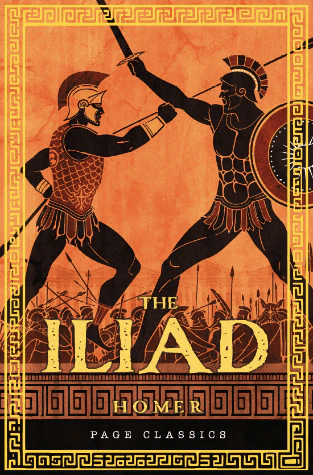
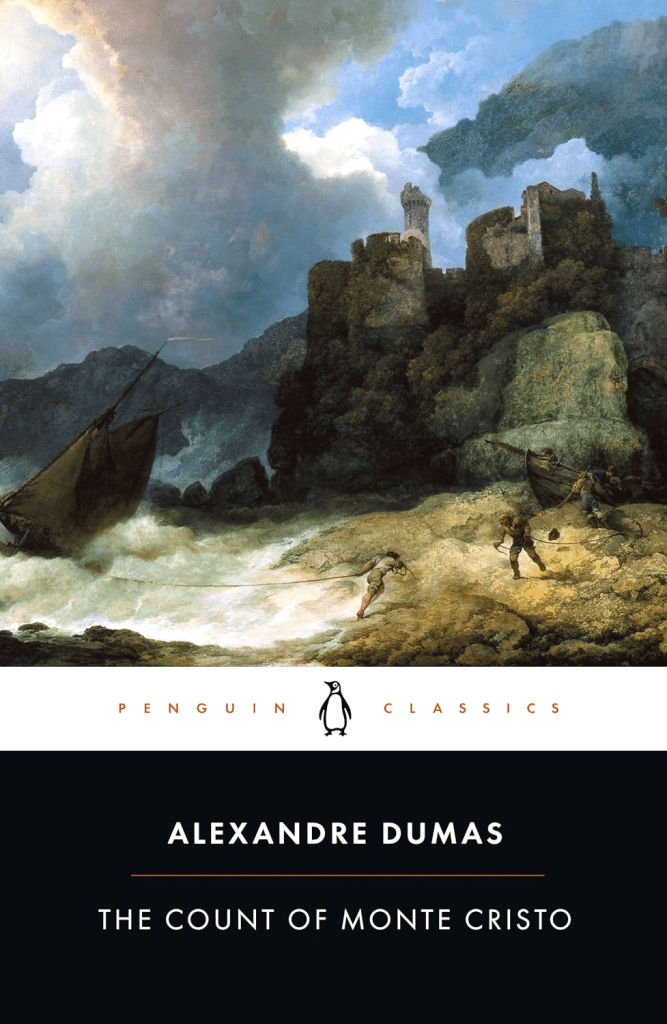
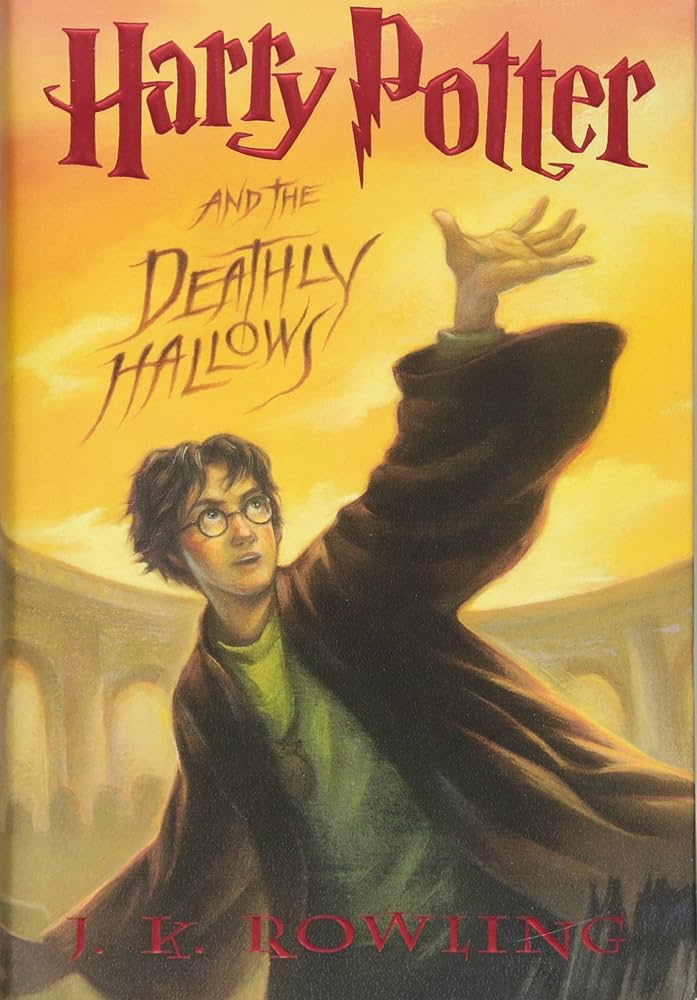
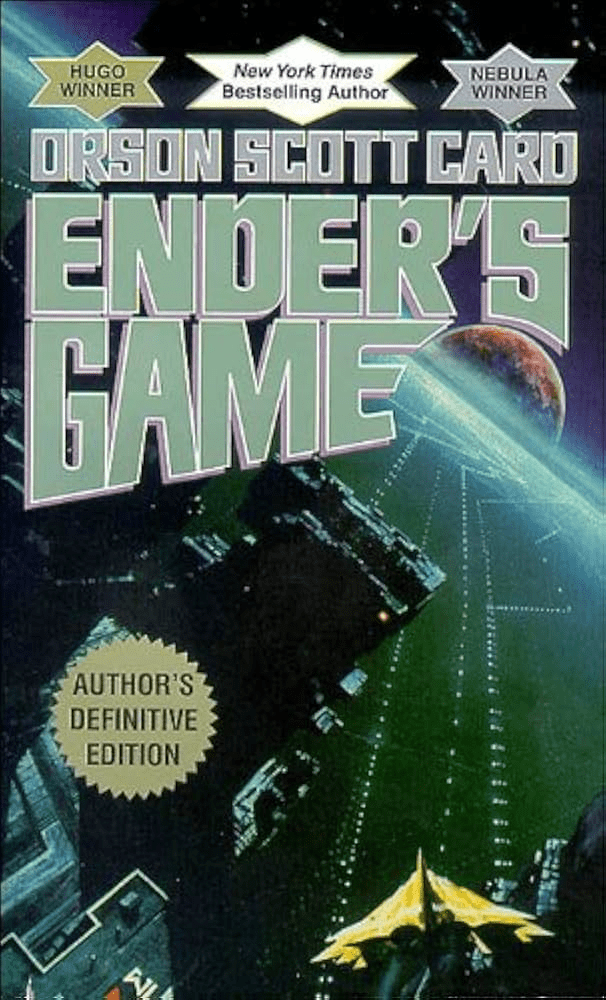
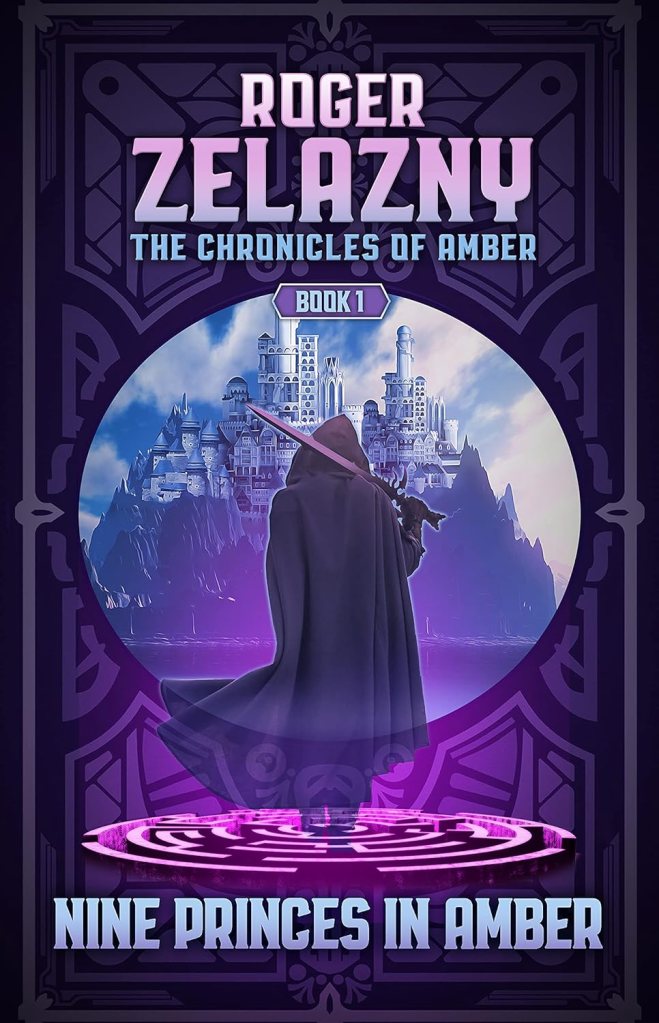
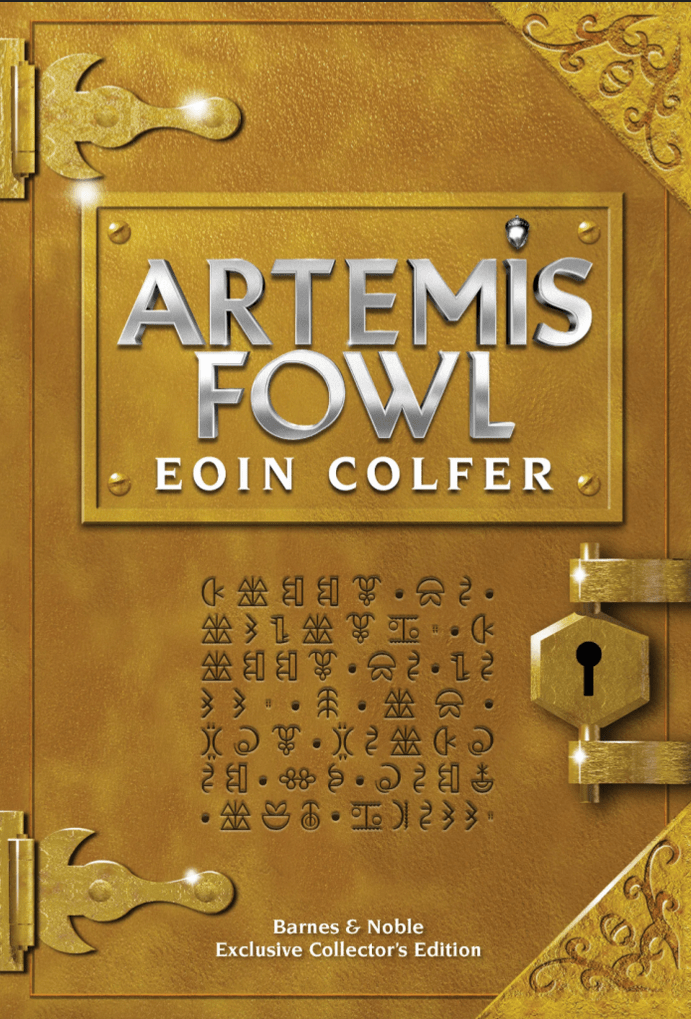
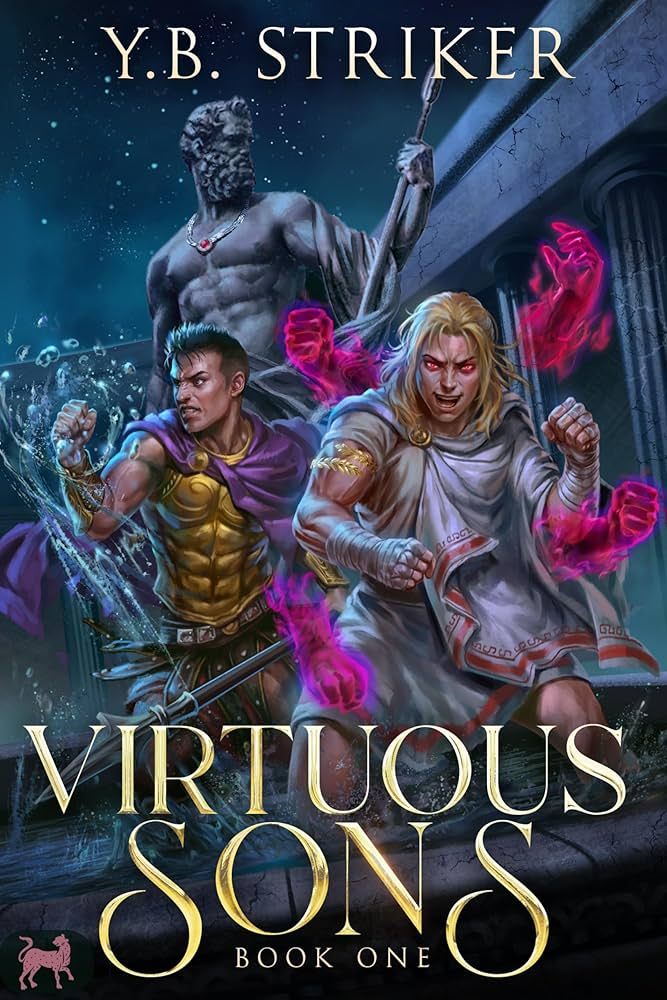
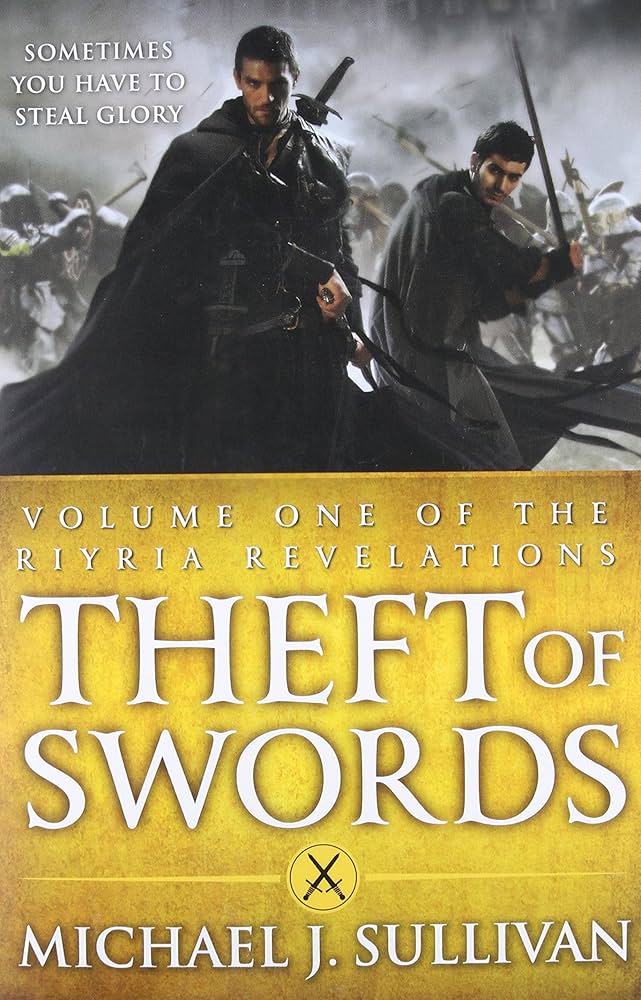


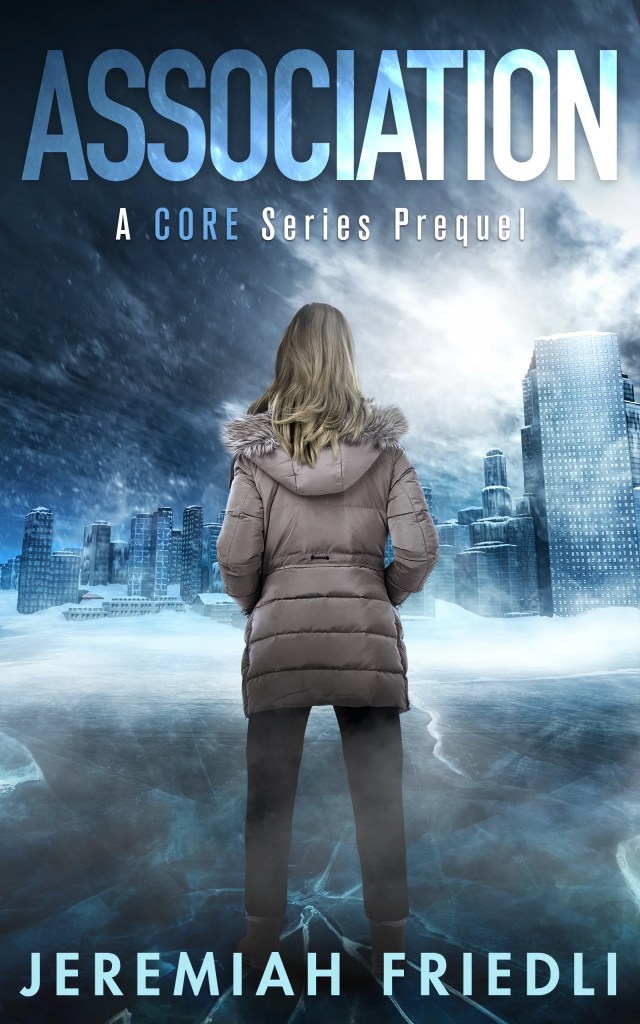


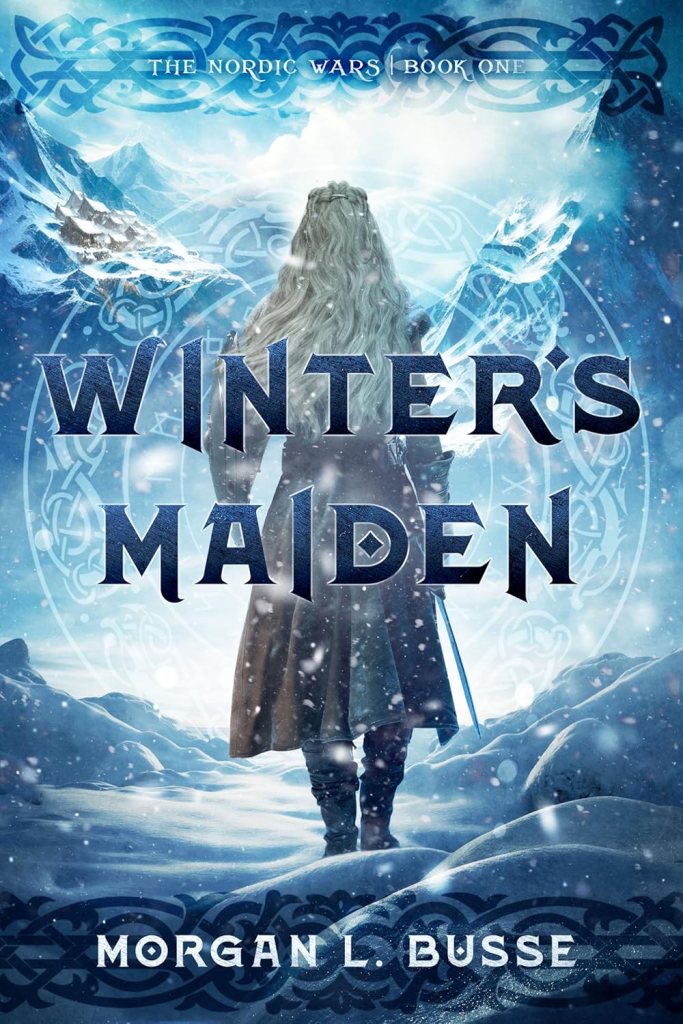


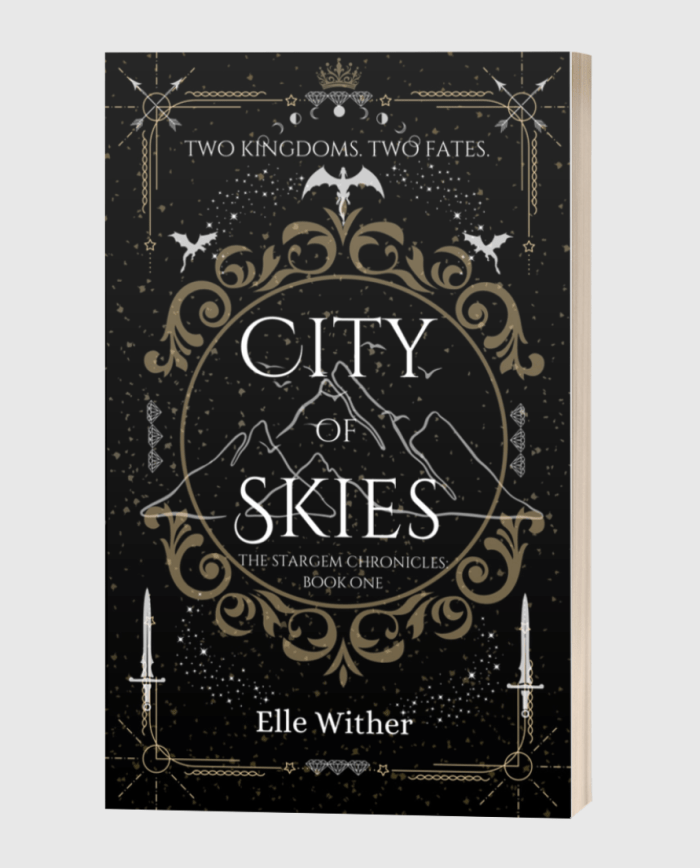
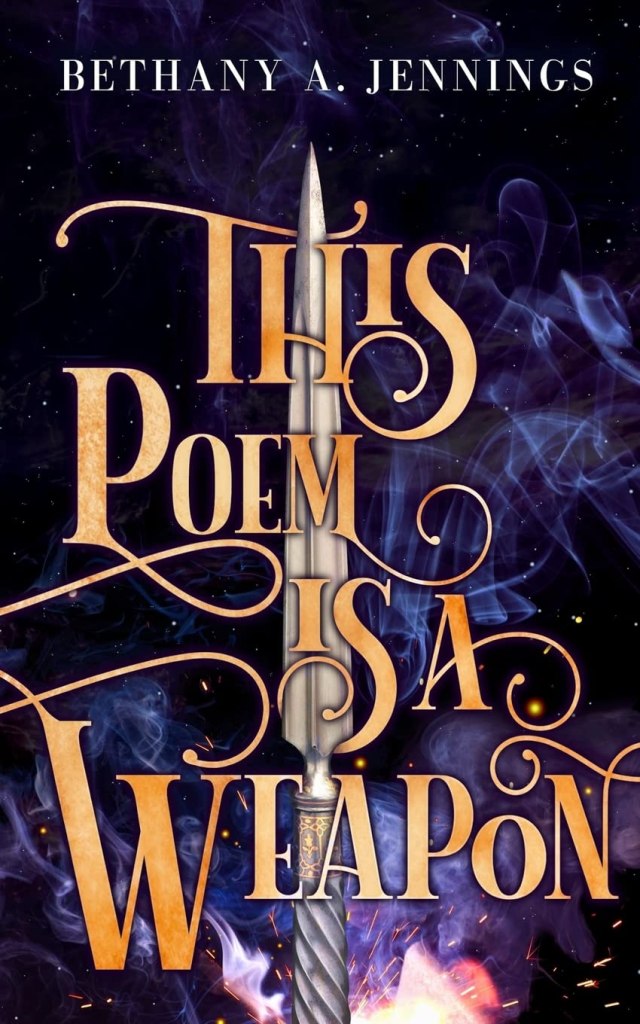
 So my advice is to pick a consistent day/time and have an accountability partner or two to team up with. It’s satisfying to at least have some progress each week even in the middle of busy parenting and work!”
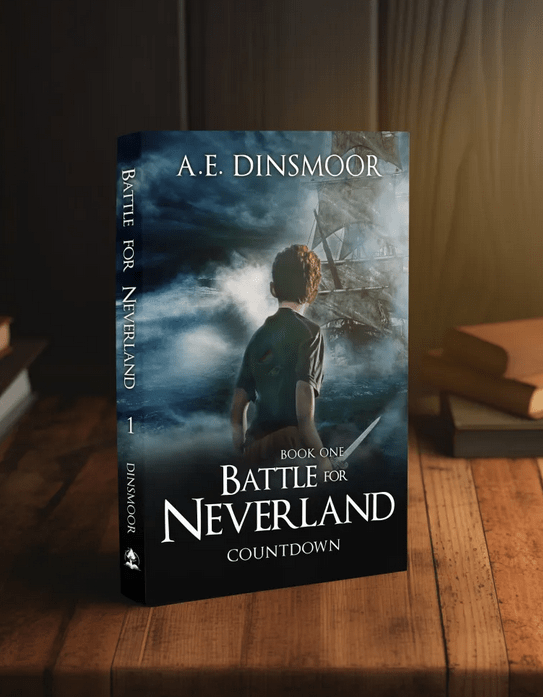
 “
“